A consultant may travel to Banff for a leadership offsite, hospitality project, tourism strategy session, board retreat, client workshop, site assessment, facilitation engagement, investor-adjacent meeting, or a short advisory sprint. The setting can help people think differently, but it does not remove the need for operational control. Banff consulting work should be planned as a professional assignment inside a mountain destination. The consultant needs the right arrival timing, meeting setup, privacy, document control, client meals, recovery rhythm, and weather plan so the scenery supports the work instead of becoming the work.
Define the consulting objective before the scenery
The consultant should clarify whether the Banff trip is for facilitation, discovery, stakeholder interviews, strategy, operations review, executive alignment, client hospitality, or site assessment. Each version needs different rooms, timing, materials, confidentiality, and follow-up.
Banff can make a meeting feel important, but that does not make the assignment clear. The traveler should define the deliverable, decision, or relationship outcome before adding scenic drives, lodge dinners, or outdoor breaks.
- Clarify whether the assignment is facilitation, discovery, interviews, strategy, review, alignment, or assessment.
- Identify the deliverable or decision that must survive the destination's distractions.
- Use scenery to support the client objective, not to compensate for vague scope.
Protect the Calgary transfer and first meeting
A consultant often arrives with a laptop, chargers, facilitation materials, printed notes, confidential documents, and a first meeting that cannot slip. The Calgary-to-Banff transfer adds risk through flight timing, weather, road conditions, shuttle schedules, rental cars, and fatigue.
The first client session should not depend on a fragile same-day mountain transfer unless the stakes are low. A buffer, earlier flight, private transfer, or Calgary overnight can be a professional decision rather than a luxury.
- Map flight timing, baggage, road conditions, transfer mode, check-in, and first meeting.
- Carry critical devices, adapters, files, and facilitation materials personally.
- Use arrival buffer when a delayed transfer would weaken the assignment.
Choose lodging and meeting space for the work
The hotel is part of the consulting environment. The consultant should check meeting rooms, breakout areas, Wi-Fi, power, screens, privacy, whiteboards, printing, food service, quiet work corners, parking, shuttle access, and how participants move between rooms.
A visually impressive hotel may still be wrong if it creates noise, poor call conditions, weak privacy, or long movement between spaces. A quieter property may be better if the assignment requires sensitive conversations or concentrated work.
- Check meeting rooms, Wi-Fi, power, screens, whiteboards, printing, quiet space, and food service.
- Match hotel geography to participant movement, private calls, workshops, and meals.
- Do not let a scenic property override the practical work setup.
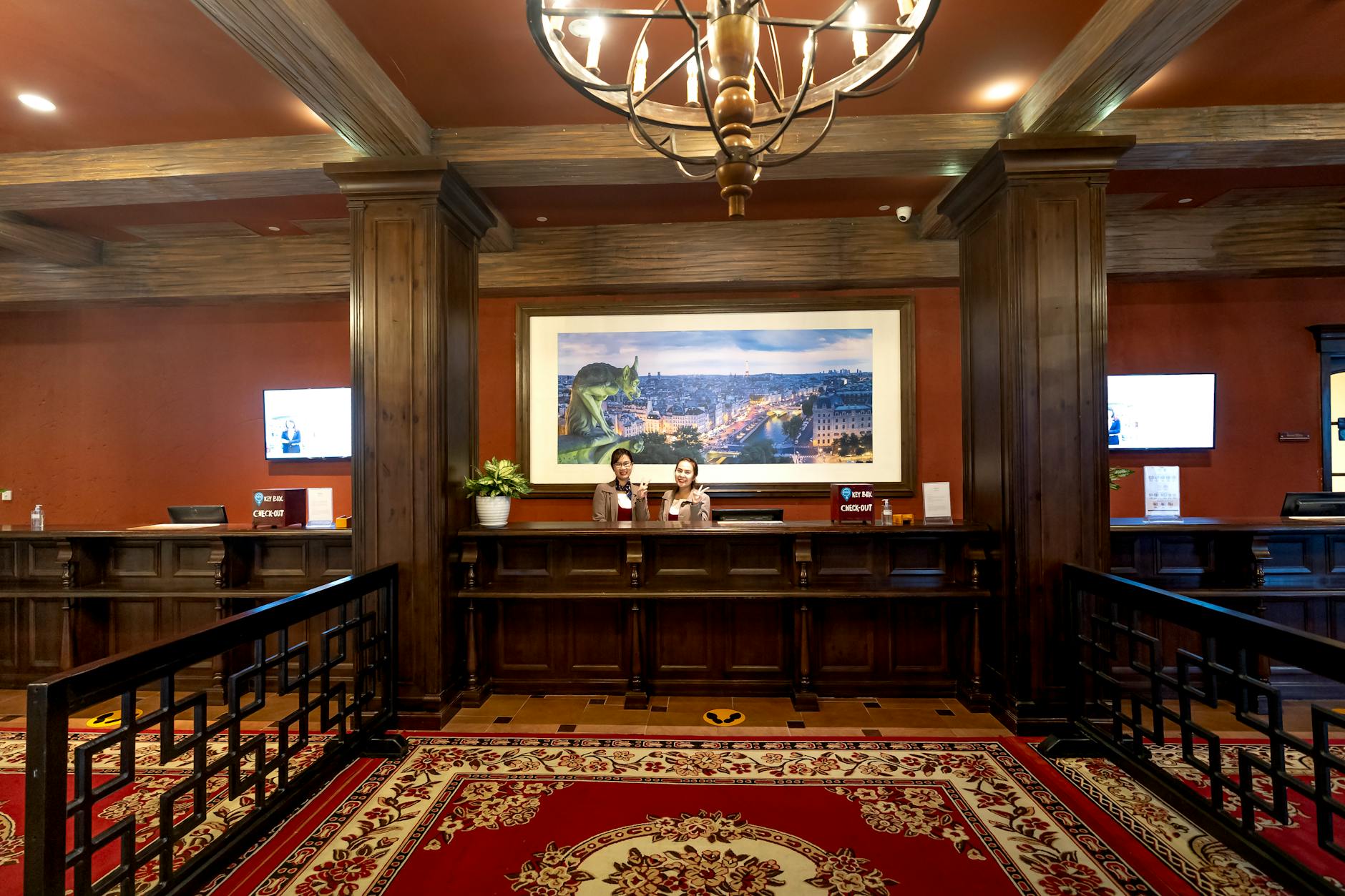
Control confidentiality and document handling
Consulting work in Banff may involve leadership issues, financials, restructuring, hospitality performance, personnel matters, investor discussion, or strategy that should not be handled casually. Lobbies, shuttle seats, restaurants, bars, and scenic lounges are public environments even when they feel polished.
The consultant should know where confidential calls, document review, stakeholder interviews, and internal debriefs can happen. Device privacy, file access, backups, and printed materials deserve more discipline in a resort environment, not less.
- Identify private spaces for calls, interviews, document review, and internal debriefs.
- Protect screens, printed materials, shared drives, backups, and client files.
- Avoid discussing sensitive work in shuttles, lobbies, restaurants, bars, or scenic lounges.
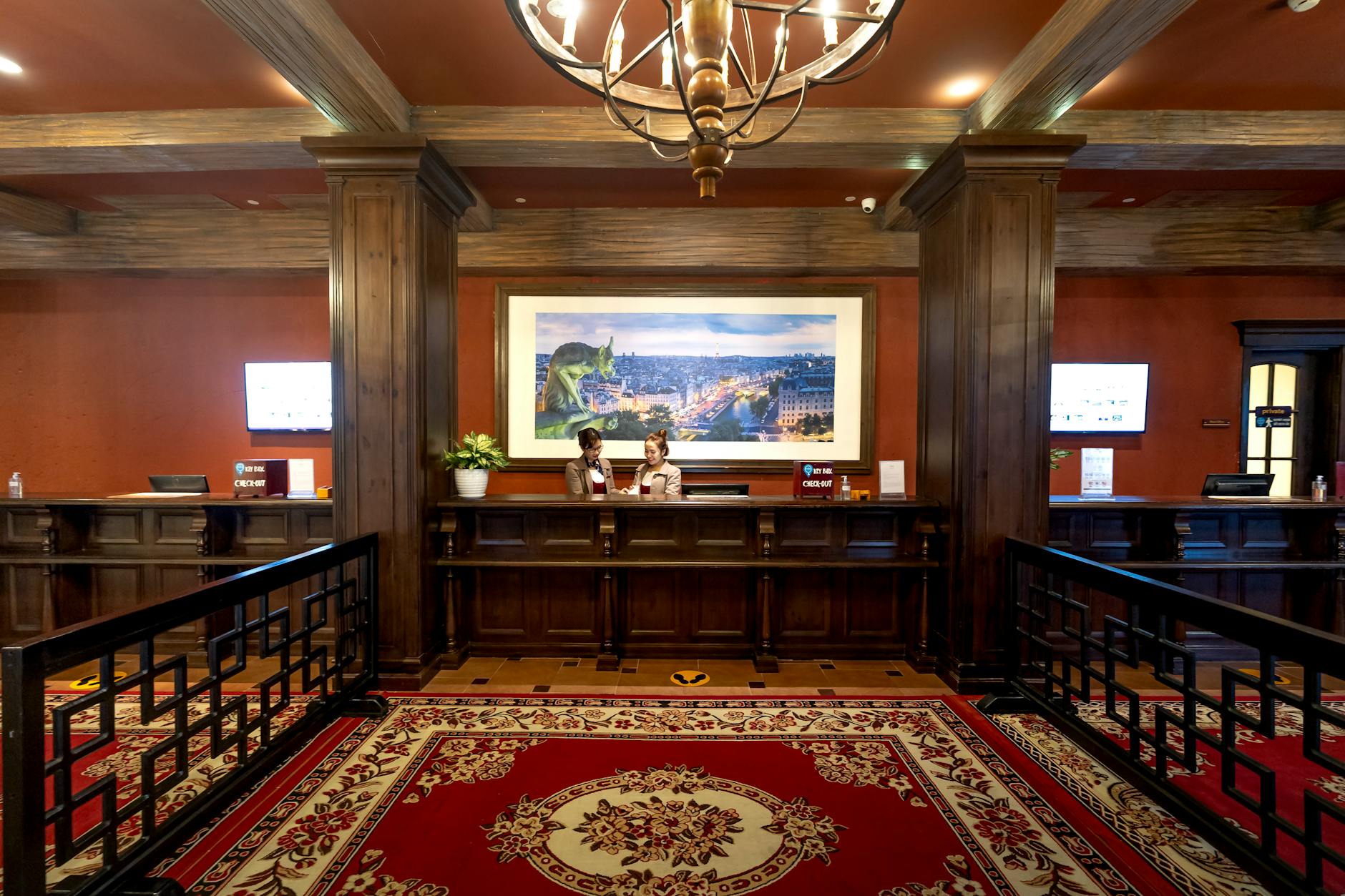
Use meals and mountain breaks deliberately
Banff can make client dinners, lodge coffees, scenic pauses, and outdoor breaks unusually useful. They can lower defenses, create shared context, and improve offsite rhythm. They can also take over the assignment if every conversation becomes informal and no one returns to the work.
The consultant should decide which meals, walks, and breaks serve the engagement. A focused dinner can advance trust. A poorly placed scenic excursion can consume the only quiet block available for synthesis or preparation.
- Use dinners, coffees, walks, and views for defined relationship or workshop purposes.
- Reserve important meals and confirm dietary needs before high-demand periods.
- Protect preparation and synthesis time from scenic overprogramming.
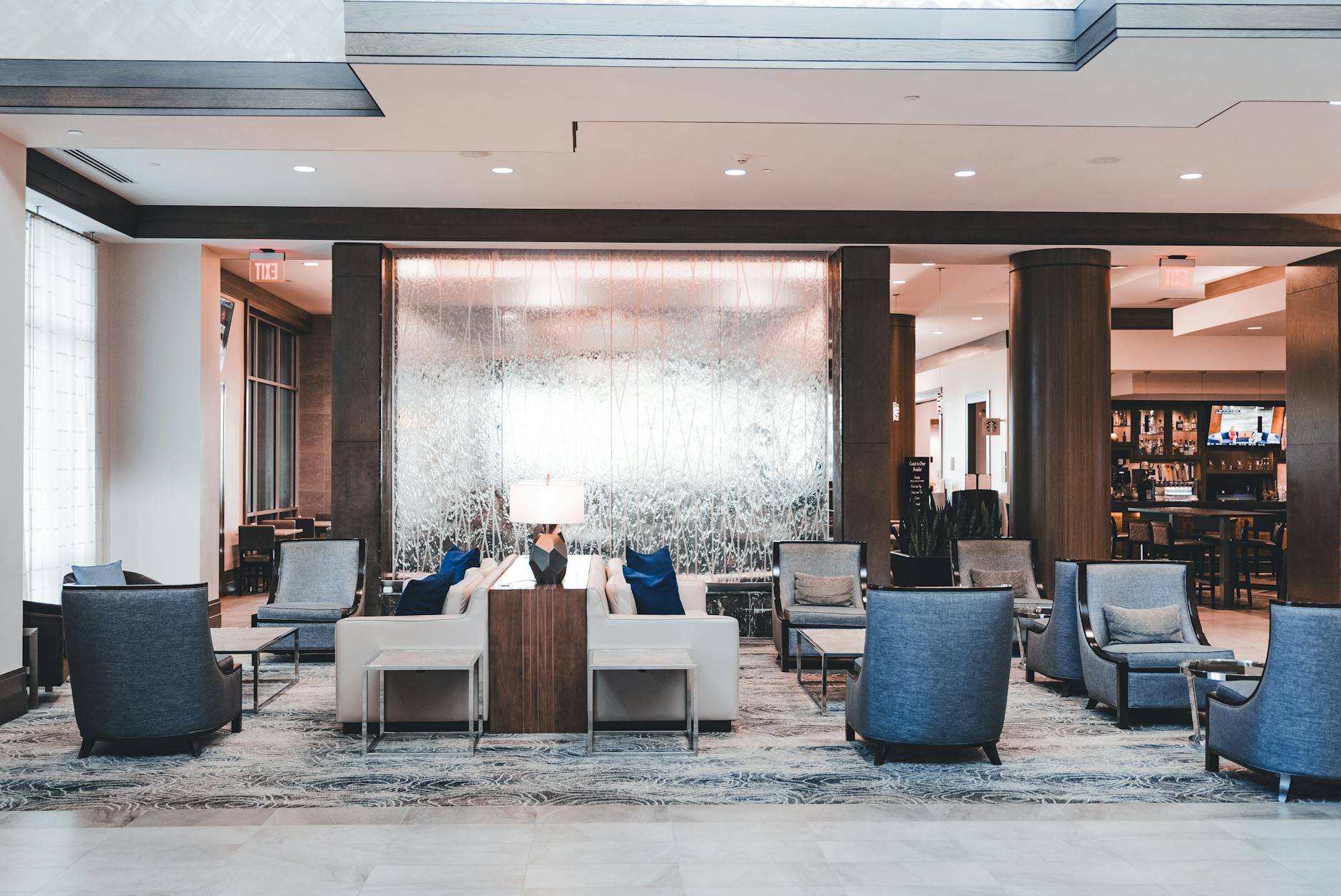
Plan weather, clothing, and recovery like work tools
Consultants in Banff need to move between professional rooms and mountain weather. Cold, snow, rain, ice, wind, bright sun, and smoke can affect clothing, shoes, client movement, evening events, punctuality, and mental sharpness. The wrong footwear or outerwear can make a polished assignment feel improvised.
Recovery matters too. Long transfers, altitude, full-day workshops, dinners, and early departures can degrade judgment. A serious consulting trip needs enough rest to keep the work clean.
- Pack professional clothing, weather layers, footwear, chargers, and backup work materials together.
- Build buffers around weather, transfers, evening events, and early sessions.
- Protect sleep and quiet work time so the assignment does not become performative travel.
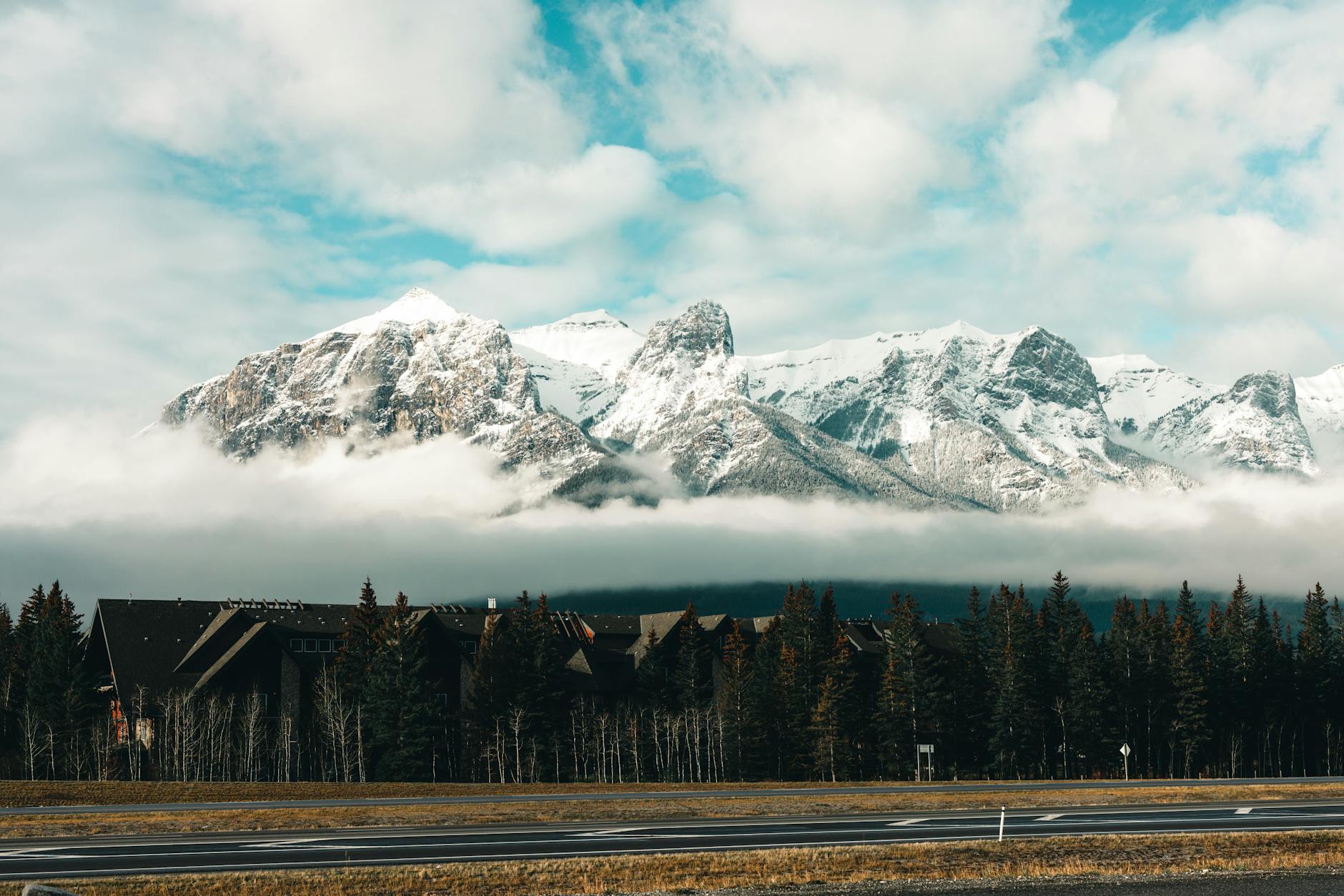
When to order a short-term travel report
A consultant with a simple meeting, confirmed hotel, and generous schedule may not need a custom Banff report. A report becomes useful when the assignment involves senior stakeholders, confidential work, workshop facilitation, winter travel, tight Calgary transfers, expensive hotels, client hospitality, multiple venues, or a short timeline with little margin.
The report should test access, lodging, meeting setup, private work space, confidentiality, client meals, weather, clothing, recovery, budget, contingency, and what to cut. The value is a Banff consulting trip that produces useful work instead of just a memorable setting.
- Order when transfer, work setup, confidentiality, client meals, weather, or recovery needs testing.
- Provide dates, assignment purpose, stakeholder needs, hotel options, meeting schedule, work requirements, and budget.
- Use the report to keep the consulting outcome stronger than the scenery.