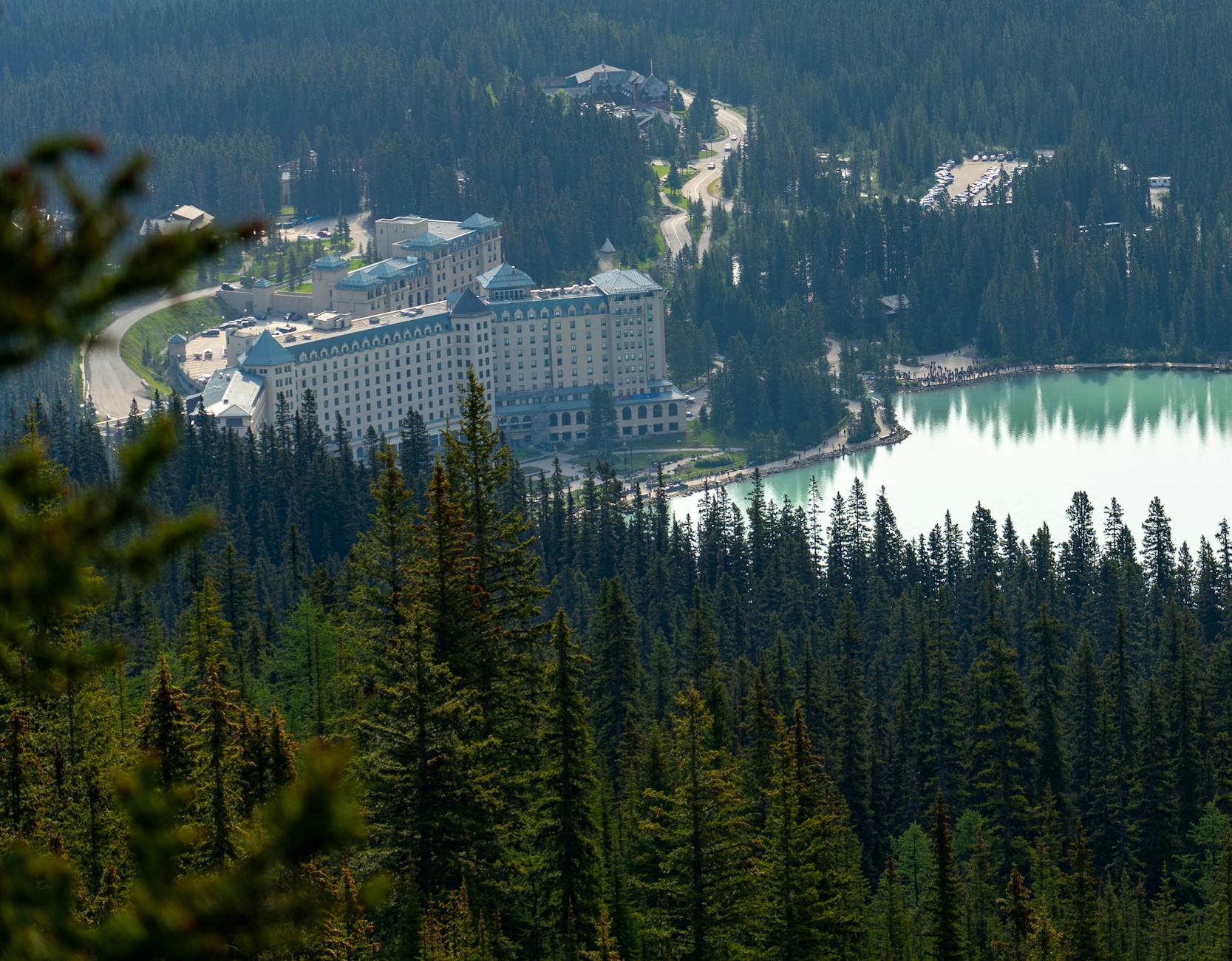
Banff can make a conference feel more memorable than a normal hotel ballroom event. That same setting can make the trip more complicated. Attendees may need to solve Calgary access, mountain-road timing, resort layouts, winter clothing, session movement, reception locations, restaurant demand, and whether there is any real time for lakes or scenic excursions. A conference attendee should treat Banff as a mountain operating environment with a conference inside it. The goal is to arrive reliably, participate fully, network well, and use the destination only where it strengthens the trip.
Start with the venue and hotel geography
A Banff conference plan should begin with the exact venue, official hotel block, overflow hotels, registration location, session rooms, receptions, sponsor events, and dinner sites. A resort property can feel self-contained, but movement between buildings, elevators, outdoor paths, shuttles, and parking can still affect the day.
The attendee should know whether lodging is inside the conference property, in Banff town, at Lake Louise, or somewhere that requires daily transport. A scenic room is less useful if it makes every session or reception harder to reach.
- Map venue, hotel block, overflow lodging, registration, sessions, receptions, and dinner sites.
- Check whether movement requires shuttles, outdoor walking, parking, stairs, or winter footwear.
- Choose lodging that supports attendance before optimizing for scenery.
Protect the Calgary transfer
Most Banff conference attendees must account for the transfer from Calgary. Flight timing, baggage, shuttle schedules, private transfers, rental cars, winter roads, and registration deadlines can all affect whether the attendee reaches the first session calmly. Banff is not an airport-city trip.
A same-day arrival may work for an evening reception or flexible attendee. It is risky for speakers, exhibitors, panelists, sponsors, or anyone with early meetings. The traveler should decide whether a buffer night, earlier flight, arranged shuttle, or private transfer is justified.
- Compare flight timing, shuttle schedules, rental car, private transfer, baggage, and winter roads.
- Use a buffer when missing registration, setup, a reception, or an early meeting would matter.
- Do not make the first conference commitment depend on a fragile mountain transfer.
Plan session logistics and work setup
Conference attendees should confirm badges, registration hours, session locations, Wi-Fi, charging, laptop needs, presentation or exhibitor materials, dress code, coat storage, and where to take calls or handle follow-up work. Banff's scenery does not replace the need for practical conference setup.
The attendee should also plan clothing for both conference rooms and outdoor movement. A blazer may work indoors, but snow, ice, wind, or rain can make the route between hotel, venue, and reception uncomfortable without proper outerwear.
- Confirm registration, badge pickup, session locations, Wi-Fi, charging, materials, and work space.
- Plan clothing for conference rooms plus outdoor movement between buildings or events.
- Know where private calls, email follow-up, and quiet work can happen.
Use networking deliberately
Banff can make networking easier because shared meals, lodge spaces, receptions, scenic breaks, and conference excursions give attendees natural conversation settings. It can also make networking sloppy if every interaction becomes recreational and no one protects the reason for attending.
The attendee should decide which meetings, meals, receptions, sponsor events, and informal conversations matter most. A targeted coffee or small dinner may be more valuable than another broad reception or scenic add-on.
- Identify the meetings, receptions, meals, and sponsor events that matter before arrival.
- Use scenic settings to support business or professional relationships, not replace them.
- Leave recovery time so networking remains useful after the first day.

Handle weather, season, and evening events
Banff conference conditions can change sharply by season. Summer can create hotel pressure, restaurant demand, crowded roads, and busy attractions. Winter can create cold, snow, ice, footwear demands, and transfer risk. Shoulder seasons can be efficient but variable.
Evening events deserve special attention. A reception, dinner, or sponsor gathering may require outdoor movement, taxis, shuttles, dress shoes on poor footing, or a late return. The attendee should plan warmth, footwear, and transport before the event begins.
- Account for summer demand, winter footing, cold, road conditions, and shoulder-season variability.
- Plan evening-event transport, footwear, layers, and return timing before leaving the hotel.
- Do not let a late reception damage the next morning's sessions.
Decide whether scenic add-ons actually fit
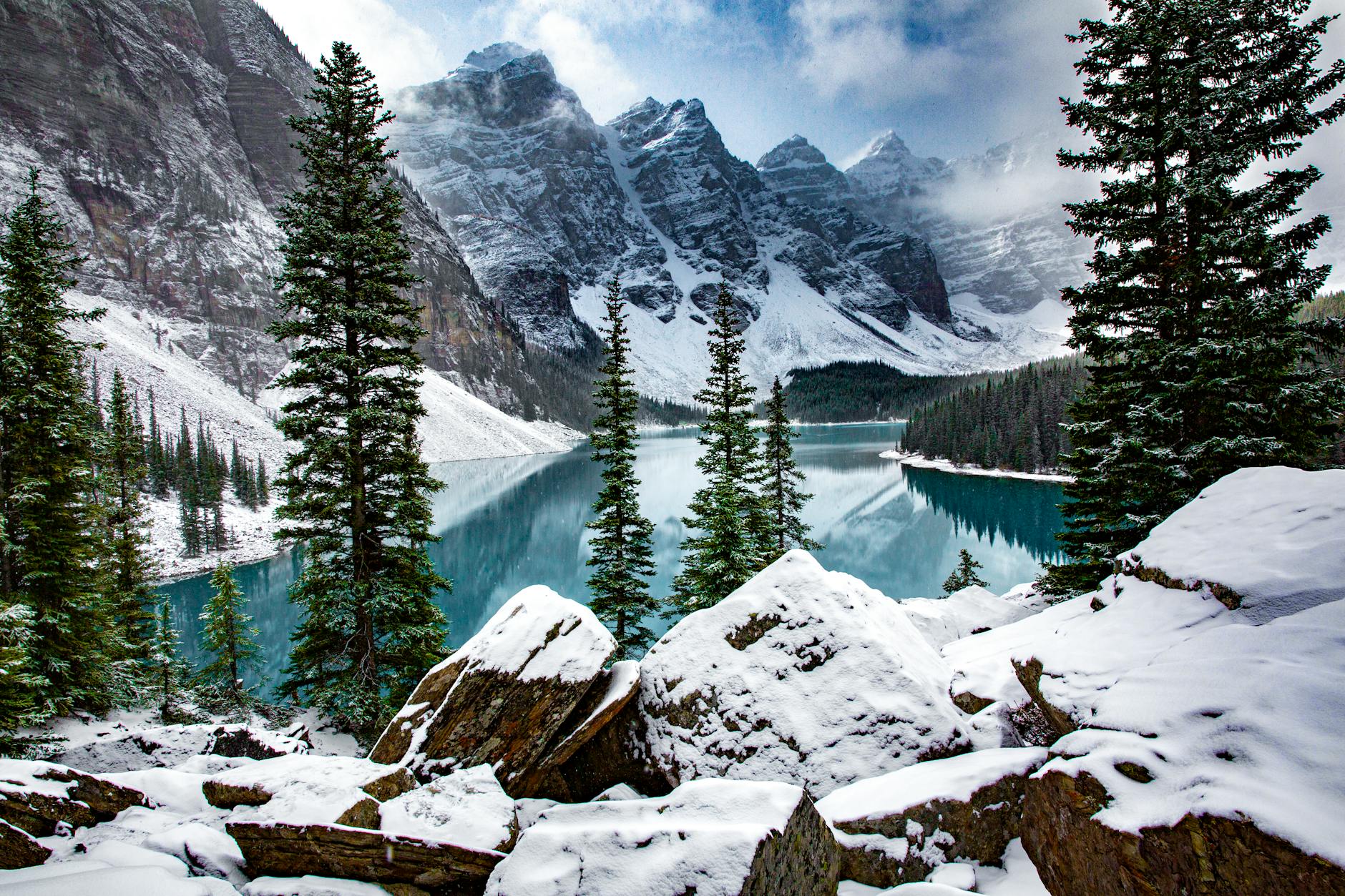
Lake Louise, gondola views, hot springs, scenic drives, and group excursions can strengthen a Banff conference trip when they are placed realistically. They can also crowd the schedule, weaken networking, or create fatigue before the attendee has completed the main reason for travel.
The attendee should decide whether a scenic activity belongs before, during, or after the conference. A clear half-day with proper transport is better than a rushed attempt between sessions.
- Place lakes, gondola, hot springs, scenic drives, or excursions only where the schedule has margin.
- Protect sessions, meetings, and rest before adding sightseeing.
- Use guided or organized options when they reduce timing and transport risk.
When to order a short-term travel report
A conference attendee staying at the event hotel with generous travel time may not need a custom Banff report. A report becomes useful when the trip involves a tight Calgary transfer, winter travel, expensive lodging, multiple venues, sponsor or exhibitor duties, important meetings, evening events, scenic add-ons, accessibility needs, or a short stay with little margin.
The report should test airport transfer, hotel and venue geography, registration timing, session movement, weather, clothing, networking value, meal and reception logistics, scenic add-ons, budget, recovery, and what to cut. The value is a conference trip that uses Banff without letting Banff run the conference.
- Order when transfer, venue, hotel, winter, networking, events, or scenic add-ons need testing.
- Provide dates, venue, schedule, arrival details, hotel options, conference duties, budget, and constraints.
- Use the report to make the conference useful as well as memorable.