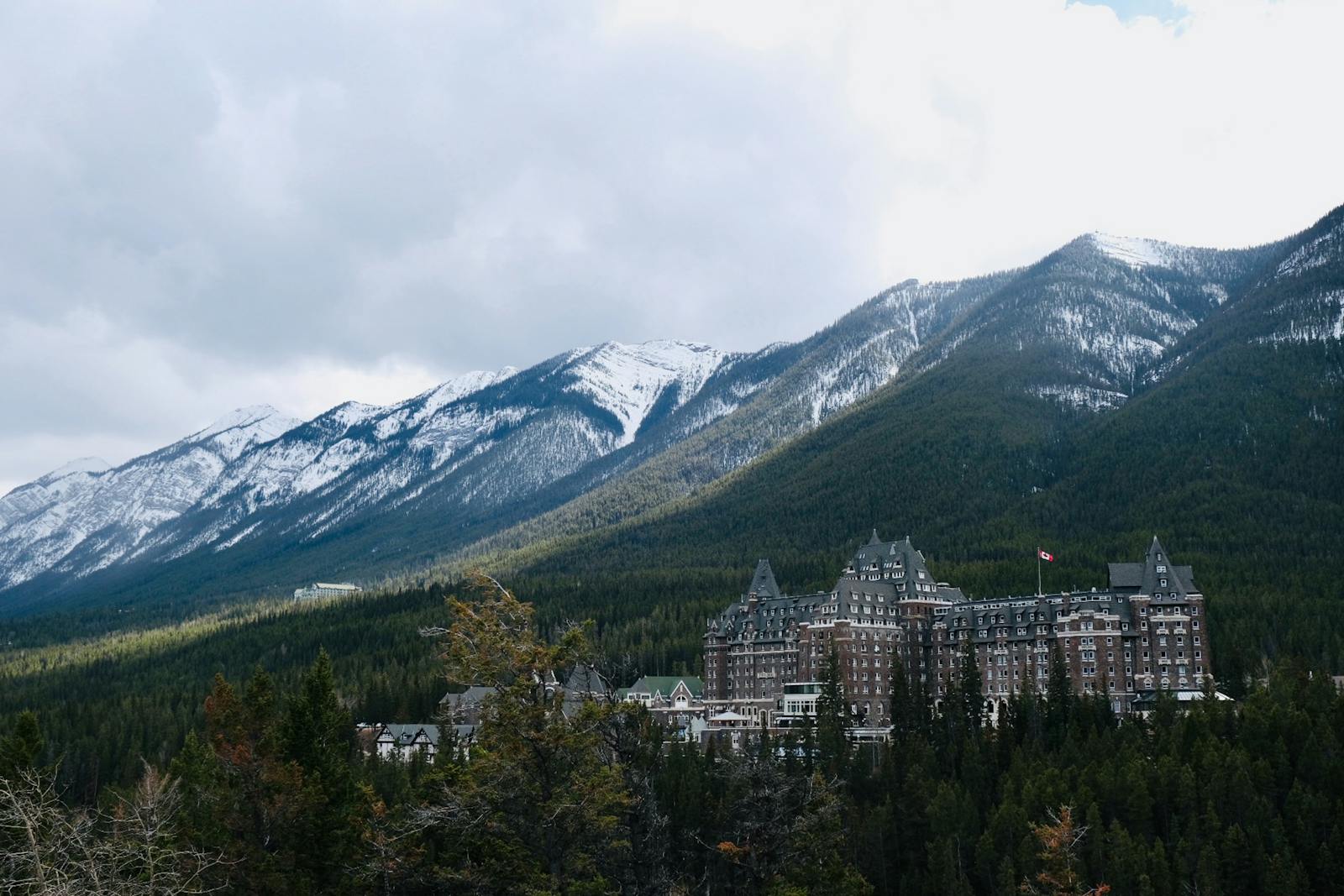
Banff is not a normal business destination. It may appear on the calendar as a conference, executive retreat, incentive trip, board meeting, site visit, hospitality inspection, client event, tourism partnership, or mountain-adjacent meeting. The setting is powerful, but the scenery does not make the logistics disappear. A business visitor should treat Banff as a mountain operating environment with hotel, road, weather, crowd, and work constraints. The goal is not simply to be impressed by the Rockies. The goal is to arrive prepared, use the setting intelligently, and protect the business reason for being there.
Anchor the trip to the business purpose
A Banff business trip should start with the actual purpose: conference attendance, leadership retreat, client hospitality, board session, incentive travel, hotel inspection, tourism meeting, or a mountain-adjacent site visit. Each version uses Banff differently. A retreat needs privacy and pacing; a conference needs session logistics; a client event needs hospitality control.
The traveler should define what must be achieved before adding scenic drives, lakes, restaurants, or spa time. Banff is strong enough to distract from weak business structure.
- Clarify whether the trip is a conference, retreat, client event, inspection, incentive, or site visit.
- Identify the business outcomes that must survive the scenery.
- Treat scenic time as supporting context, not the main operating plan unless that is the purpose.
Plan Calgary access and mountain-road timing
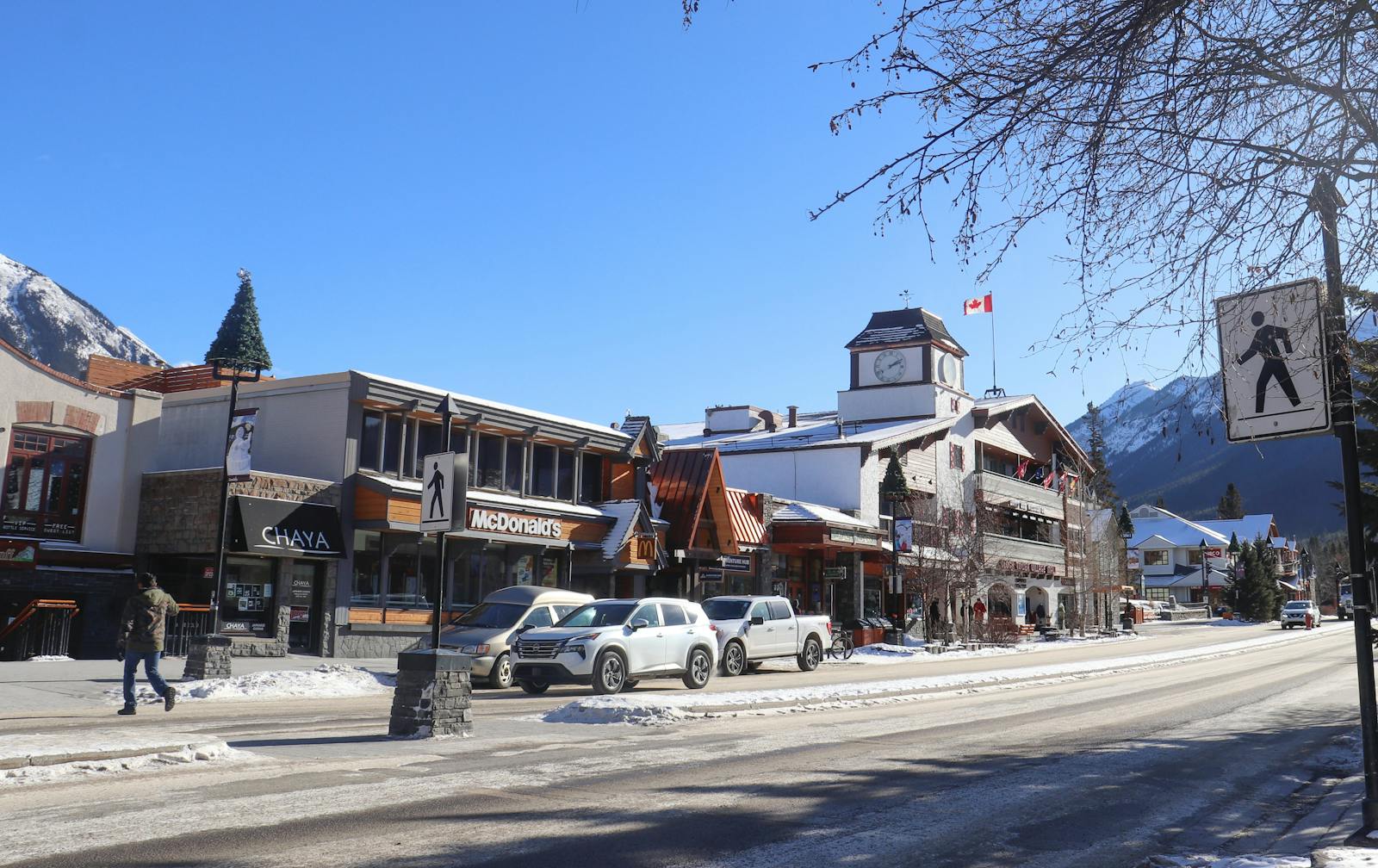
Most Banff business travelers must solve access through Calgary, then account for the road into the mountains. Flight timing, rental cars, shuttles, winter driving, meeting start times, baggage, delayed arrivals, and fatigue can affect whether the first business commitment is realistic.
A tight arrival-to-session plan is fragile. The traveler should decide whether they need a Calgary buffer, a private transfer, a rental car, a shuttle, or an overnight strategy before treating Banff as a simple airport-city trip.
- Map flight timing, Calgary transfer, road conditions, winter driving, baggage, and first commitment.
- Choose shuttle, rental car, private transfer, or Calgary buffer by business risk.
- Avoid scheduling important decisions immediately after a vulnerable mountain transfer.
Choose a hotel or venue that supports the work
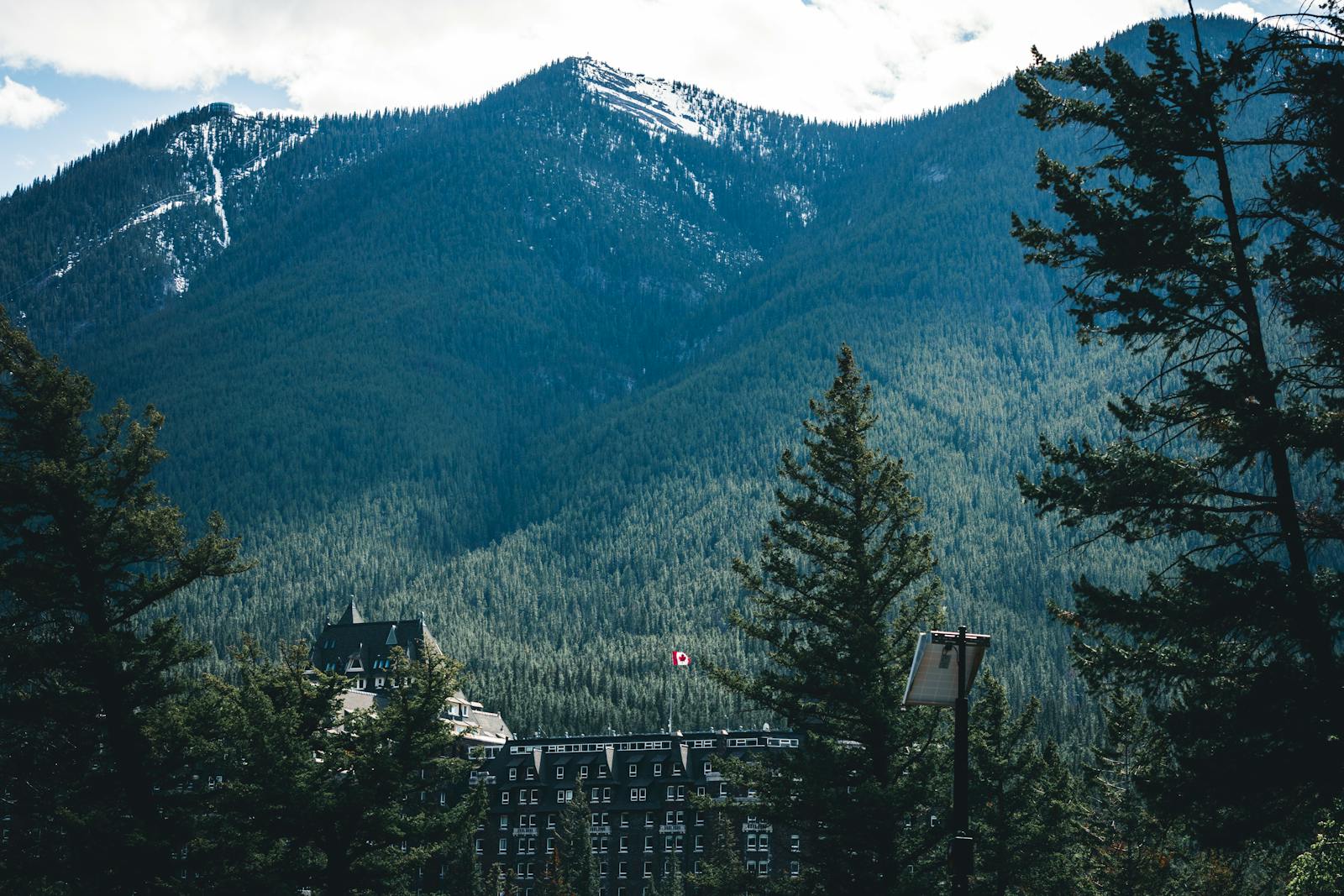
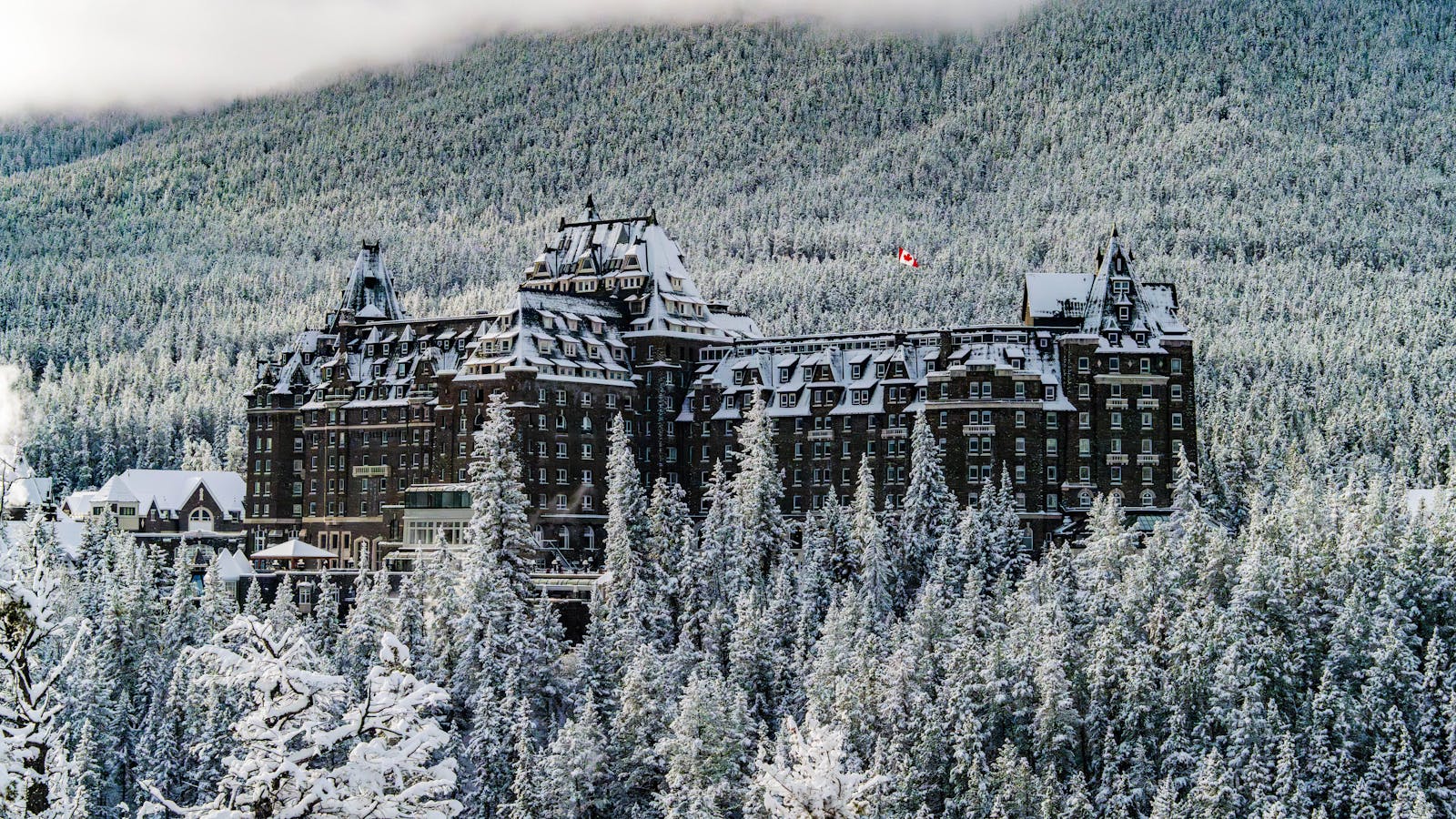
Banff hotels are part of the business trip, not just where the traveler sleeps. Meeting rooms, private dining, reliable Wi-Fi, quiet work areas, breakfast timing, group flow, parking, shuttle access, luggage handling, and staff coordination can determine whether the event feels polished or improvised.
A scenic property may be worth the cost if it improves attendee focus and movement. It may be the wrong choice if it isolates the traveler from the actual meetings, creates transfer friction, or lacks the work conditions needed.
- Check meeting rooms, Wi-Fi, quiet work areas, private dining, parking, luggage, and staff coordination.
- Match hotel location to sessions, client meals, transfers, and recovery needs.
- Do not pay for scenery that weakens the business setup.
Treat season and weather as business variables
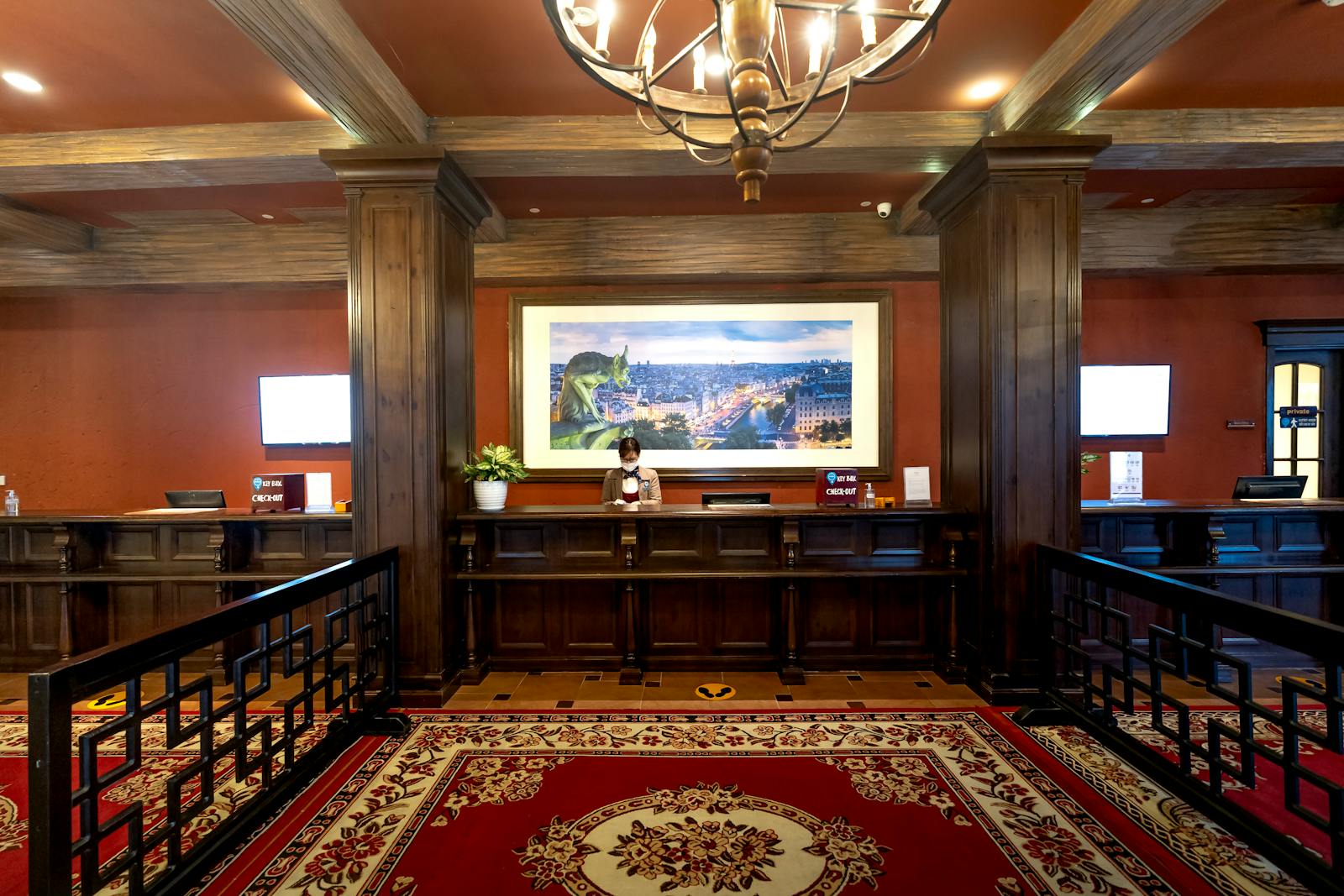
Banff's season affects business travel directly. Summer demand can raise prices and crowd restaurants, roads, parking, and iconic sites. Winter can create road, clothing, footwear, and transfer risk. Shoulder seasons can be efficient but variable. Weather is not just a leisure concern when people must arrive on time and stay presentable.
The traveler should plan clothing, footwear, buffers, meal reservations, and activity choices around the actual season. A business trip should not rely on mountain weather behaving politely.
- Account for summer demand, winter roads, shoulder-season variability, clothing, and footwear.
- Reserve meals and group logistics early during high-demand periods.
- Build weather buffers around transfers, sessions, client events, and departures.
Protect work setup and confidentiality
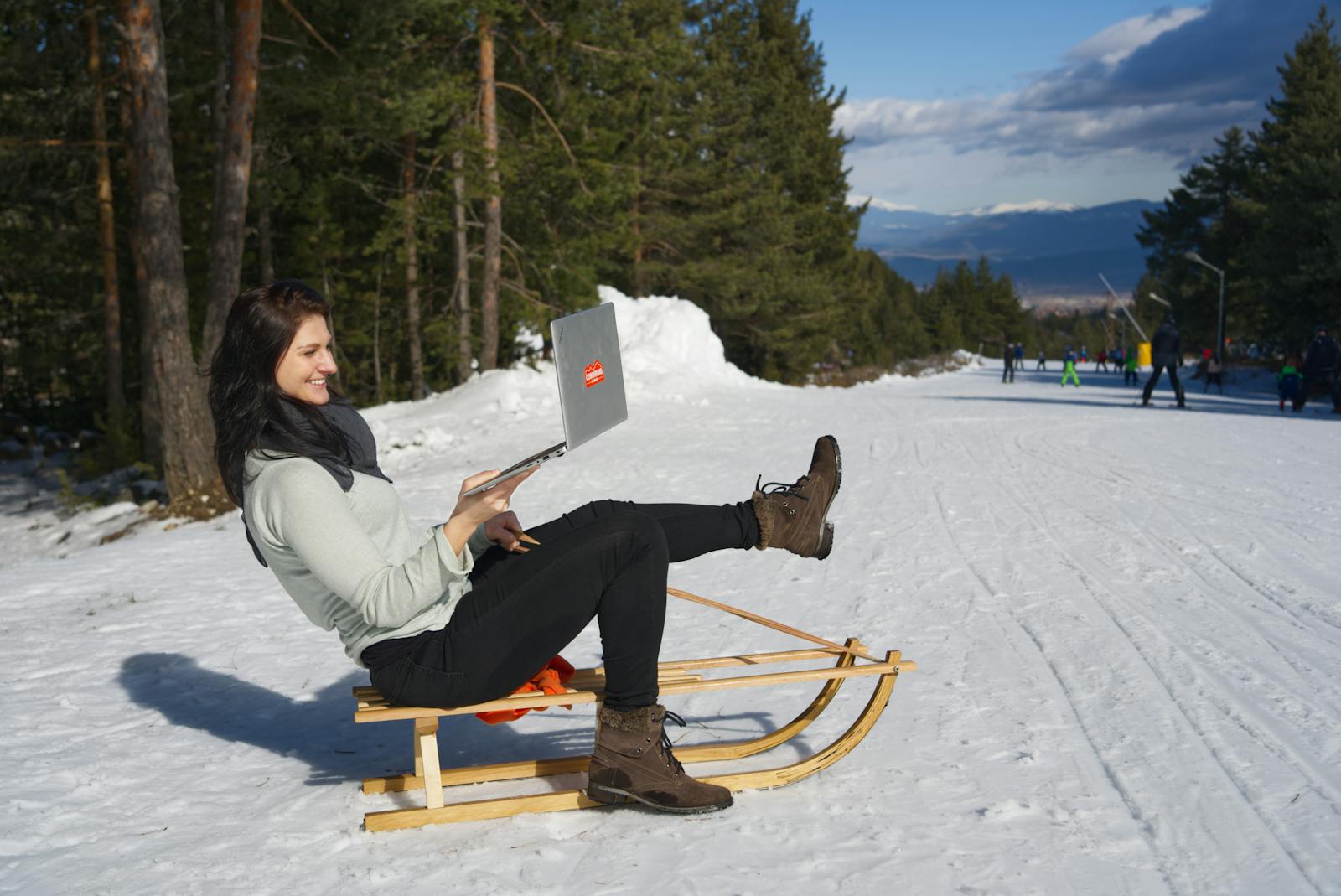
Mountain settings can make business travelers too casual about work conditions. Laptops, calls, documents, presentation files, chargers, printed materials, confidential conversations, and follow-up notes still need controlled spaces. Hotel lobbies, bars, shuttles, and scenic lounges may not be suitable for sensitive work.
The traveler should know where private calls, quiet work, printing, document review, and internal debriefs can happen. A retreat or conference can feel polished only if the practical work layer is protected.
- Identify private locations for calls, document review, debriefs, printing, and sensitive discussions.
- Carry chargers, adapters, presentation backups, and secure file access.
- Avoid handling confidential work in public hotel, shuttle, restaurant, or lounge spaces.
Use hospitality and downtime deliberately
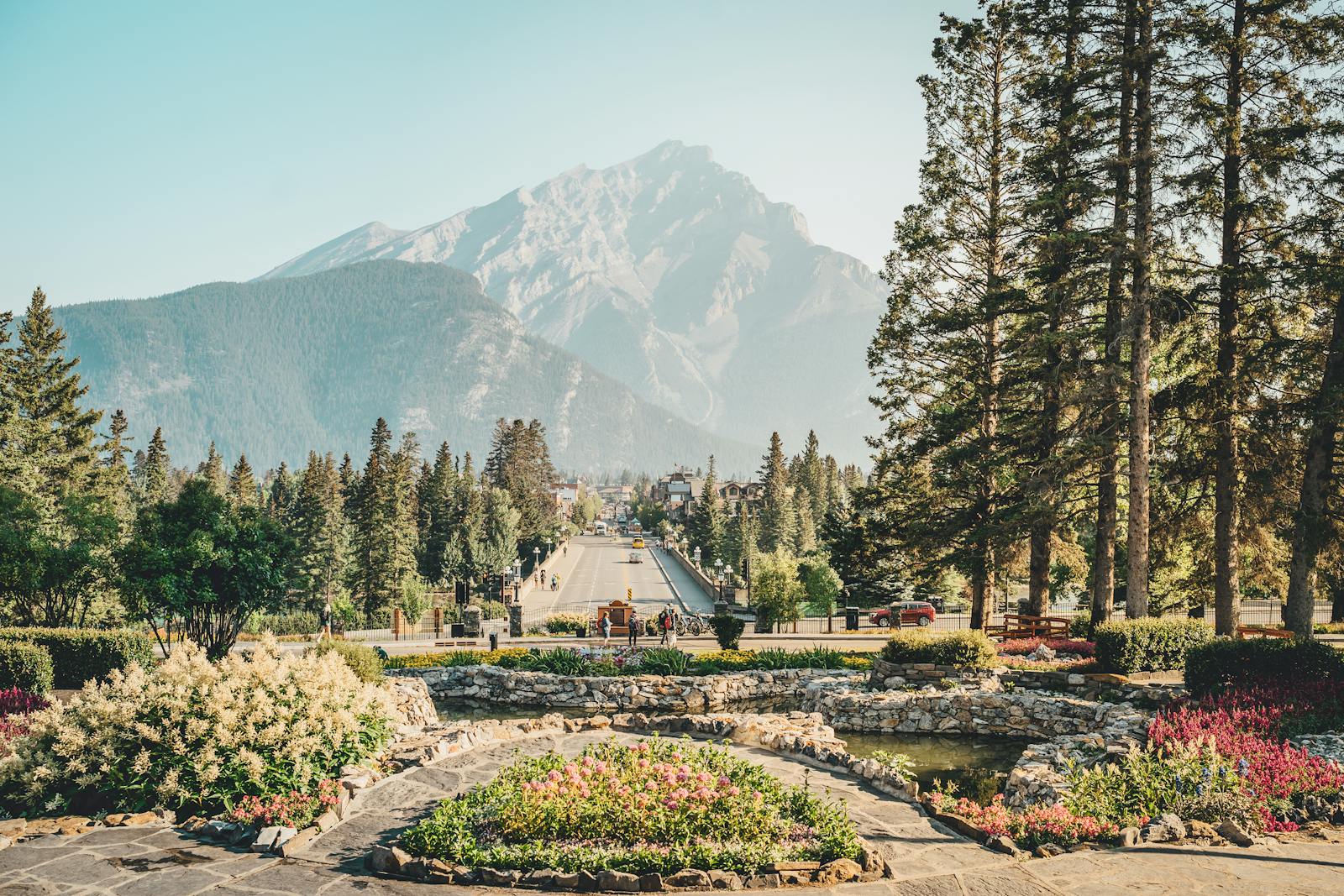
Banff can make client meals, team walks, spa time, scenic drives, and lodge evenings feel memorable. Those moments should still have a purpose: trust, retention, alignment, celebration, relationship repair, or strategic reflection. Otherwise the trip can become expensive atmosphere with thin business value.
Downtime also needs realism. Altitude, cold, long transfers, early sessions, alcohol, and packed agendas can reduce performance. A strong Banff business trip gives people enough recovery to make the work better.
- Use meals, walks, views, spa time, and lodge evenings for defined business or relationship purposes.
- Plan reservations, privacy, transport, dietary needs, and weather around client hospitality.
- Protect recovery so the setting improves the work instead of exhausting the group.
When to order a short-term travel report
A business visitor attending a simple Banff meeting with a confirmed venue and generous timing may not need a custom report. A report becomes useful when the trip involves Calgary transfers, winter driving, high-season pricing, conference logistics, client hospitality, confidential work, group movement, retreat design, expensive hotels, or a tight departure.
The report should test access mode, hotel and venue fit, transfer timing, season, weather, work setup, meals, privacy, budget, recovery, contingency, and what to cut. The value is a Banff business trip that uses the mountain setting without letting it control the business outcome.
- Order when Calgary access, season, venue fit, group movement, confidentiality, or client hospitality need testing.
- Provide meeting purpose, dates, attendee details, hotel options, transfer plans, budget, work needs, and constraints.
- Use the report to protect business outcomes in a high-demand mountain setting.