Banff can be difficult for budget travelers because the scenery is free to look at but expensive to reach, sleep near, move through, and use during peak demand. A cheap flight to Calgary or a low room rate outside the park does not automatically make the trip affordable once transfers, park costs, shuttles, meals, gear, weather, and time are counted. A strong budget Banff trip is not a stripped-down version of a luxury mountain holiday. It is a controlled plan that spends only where the trip would otherwise break: access, lodging, food, weather readiness, and one or two scenic anchors that justify the journey.
Price the full Calgary-to-Banff chain
The Banff budget starts before the traveler sees the mountains. Flights, Calgary airport timing, buses, shuttles, rental cars, fuel, parking, winter driving needs, park entry, luggage, and late arrivals can change the real cost of the trip. A cheap fare may become poor value if it requires an overnight, a taxi, or a stressed first day.
Budget travelers should compare the full door-to-door plan, not just the cheapest individual piece. The best value option is often the one that preserves usable time and avoids expensive improvisation.
- Compare flights, Calgary transfers, shuttles, rental cars, fuel, parking, park entry, and luggage together.
- Add time, fatigue, winter driving, and first-day food to the cost calculation.
- Avoid arrivals that create expensive last-minute transport or unusable first nights.
Do not let cheap lodging create expensive movement
Banff lodging can be costly, which makes cheaper beds tempting. The traveler should still calculate location honestly. A lower room rate may require longer transfers, paid parking, inconvenient meals, early shuttle starts, late returns, or more time in transit than the short stay can afford.
Hostels, budget hotels, cabins, nearby towns, and Calgary buffers can all work. The key is matching the base to the actual movement plan. Saving on lodging is useful only if the saved money is not immediately spent on friction.
- Compare room price with transfer time, parking, meals, shuttles, luggage, and evening returns.
- Check hostel, budget hotel, nearby-town, and Calgary-buffer tradeoffs before booking.
- Pay more for location when it reduces real daily cost and protects short-stay time.
Use shuttles, walking, and low-cost movement realistically
Budget travelers may be able to avoid a rental car, but only if they understand current shuttle routes, tour pickup points, walking distances, weather, luggage, and evening returns. Banff town is walkable in useful ways; the national park as a whole is not simply walkable.
The traveler should identify which movements are covered by shuttle, bus, tour, hotel pickup, or foot, and which movements would require a car or paid ride. Guessing at transport is one of the fastest ways to turn a budget trip into a frustrating one.
- Confirm current shuttle, bus, tour pickup, and walking options before relying on them.
- Separate Banff town walking from park-wide movement to lakes, trailheads, and viewpoints.
- Keep a backup ride or route in the budget for weather, fatigue, or missed connections.
Build around free scenery, not free-for-all days
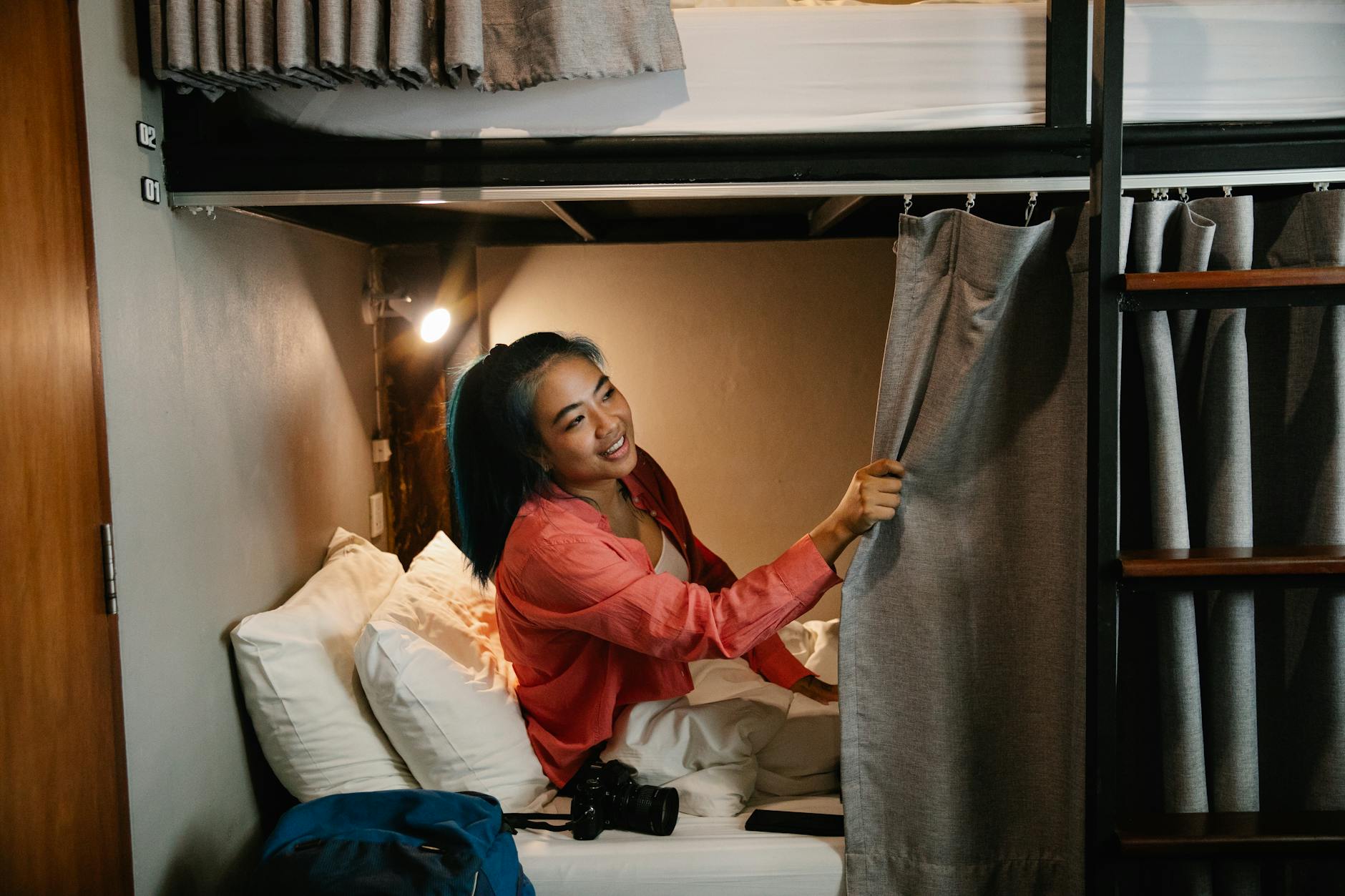
Banff's great budget advantage is that many of the strongest experiences are views, walks, town streets, rivers, lakes, overlooks, and public scenery. That does not mean the day costs nothing. Getting there, dressing properly, eating well, and having a return plan still matter.
A budget itinerary should treat free scenery as the core product and support it with realistic timing. A short scenic walk with dry layers and food can be more valuable than an ambitious free route that leaves the traveler cold, hungry, and far from transport.
- Use views, walks, town streets, rivers, lakes, and overlooks as legitimate trip anchors.
- Budget enough for food, layers, footwear, and transport that make free scenery usable.
- Avoid overlong free routes that create fatigue, weather exposure, or missed returns.
Make food and gear part of the budget
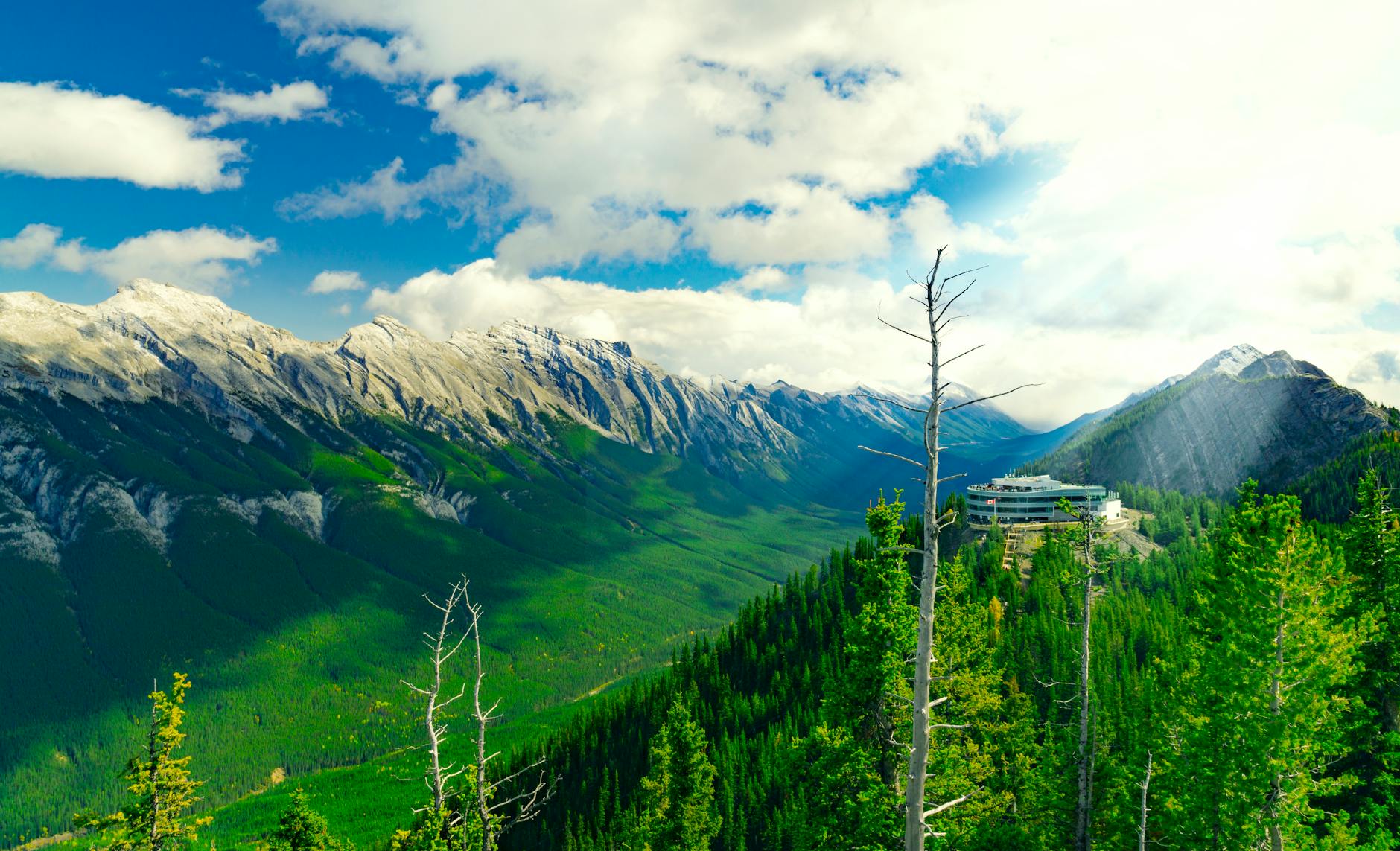
Food and gear can quietly break a Banff budget. Waiting until hungry in the busiest area, skipping groceries, packing the wrong shoes, or buying emergency layers in town can cost more than expected. The traveler should plan breakfasts, snacks, water, groceries, casual meals, and any gear gaps before the first full day.
This is not about making the trip austere. It is about keeping money available for the one paid experience that matters instead of spending it on avoidable fixes.
- Plan groceries, breakfasts, snacks, water, casual meals, and one worthwhile restaurant meal.
- Bring or rent the right footwear, layers, rain protection, sun protection, and winter traction when needed.
- Avoid emergency spending caused by hunger, cold, wet clothing, or poor packing.
Choose one paid anchor carefully
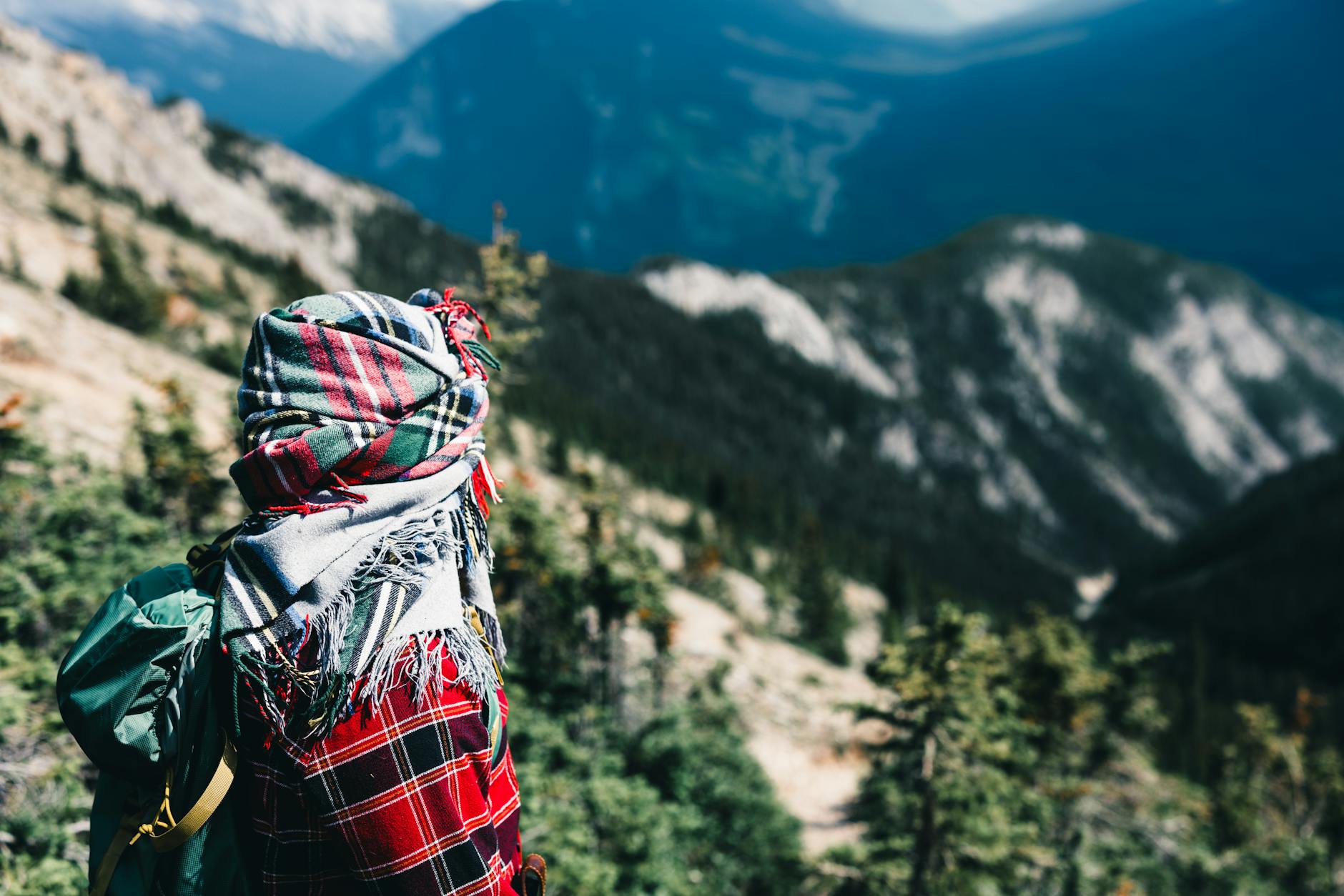
A budget traveler does not need to reject every paid activity. The better question is which paid item earns its place: a shuttle that protects lake access, a gondola, a guided hike, a winter tour, a better hotel location, a hot springs visit, or a transfer that saves the first day.
The dangerous spending is scattered spending. Small upgrades, weak meals, avoidable taxis, impulse admissions, and bad timing can consume the same money that would have bought one memorable Banff anchor.
- Choose one or two paid items that clearly improve access, safety, timing, or memory.
- Reserve timed activities when demand or transport makes spontaneity risky.
- Cut scattered extras before cutting the experience that makes Banff worth the trip.
When to order a short-term travel report
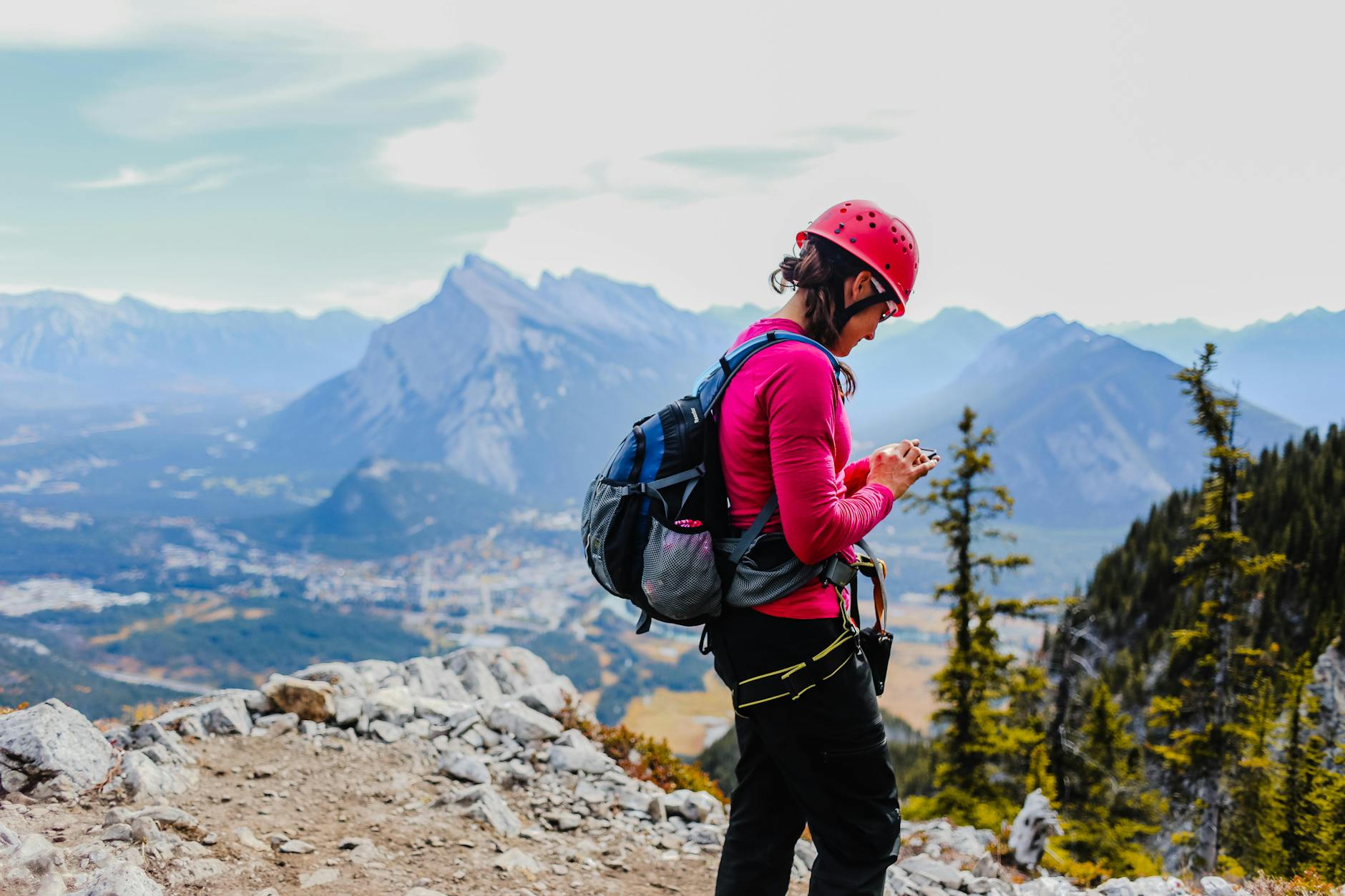
A budget traveler with flexible dates, a simple central base, and few must-do activities may not need a custom Banff report. A report becomes useful when the traveler is comparing Calgary transfers, cheaper lodging areas, car versus shuttle, peak-season prices, winter gear, lake access, paid anchors, or whether the trip works within a firm budget.
The report should test access cost, lodging location, park and shuttle logistics, food strategy, free scenic value, weather gear, paid activities, backup transport, budget ceiling, and what to cut. The value is a Banff trip that stays economical without becoming uncomfortable, slow, or false.
- Order when access, lodging, transport, weather gear, food, or paid-anchor choices could change the budget outcome.
- Provide dates, arrival mode, lodging options, budget ceiling, must-do sights, walking tolerance, and gear limits.
- Use the report to spend less where it does not matter and enough where it protects the trip.