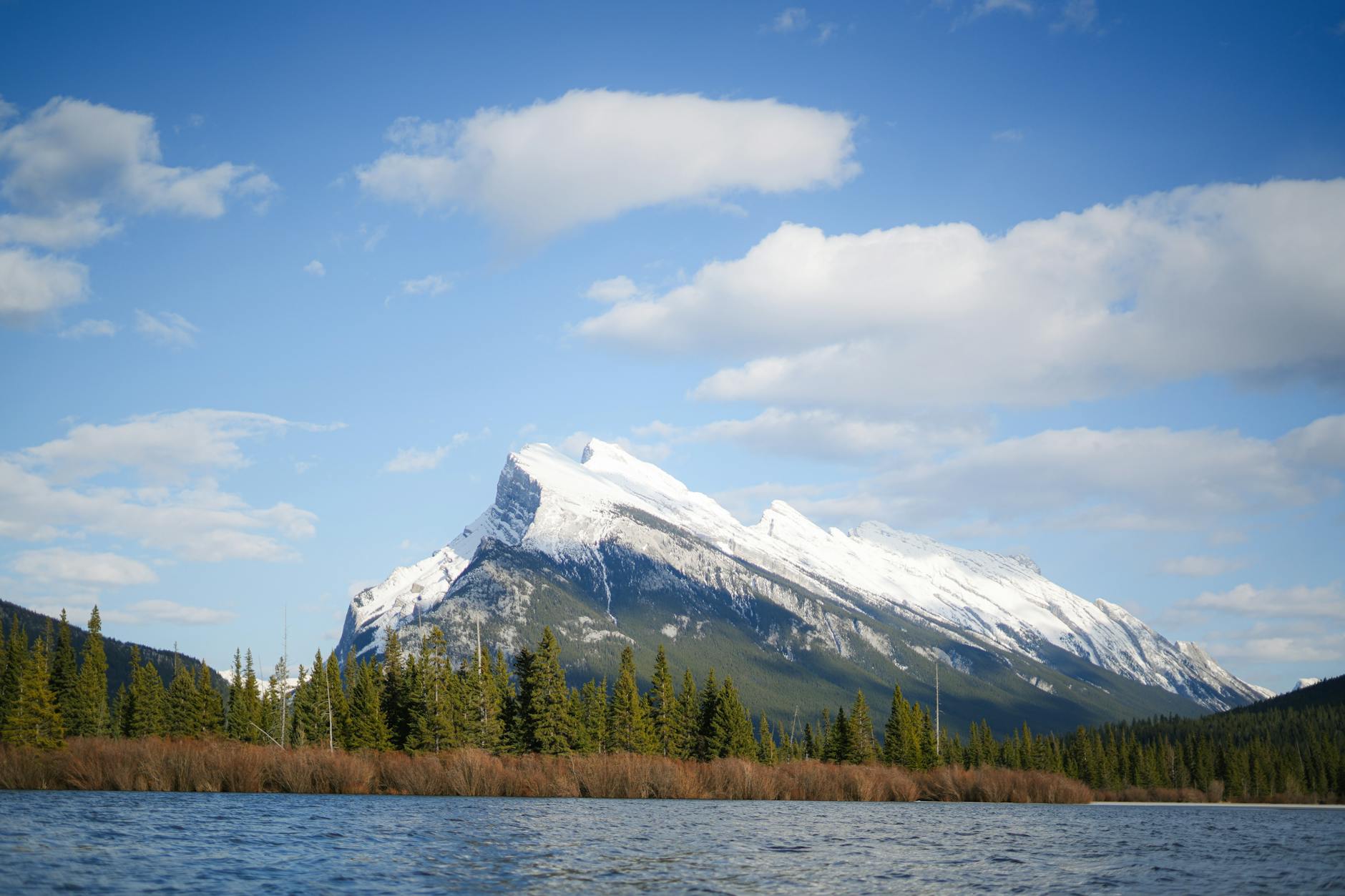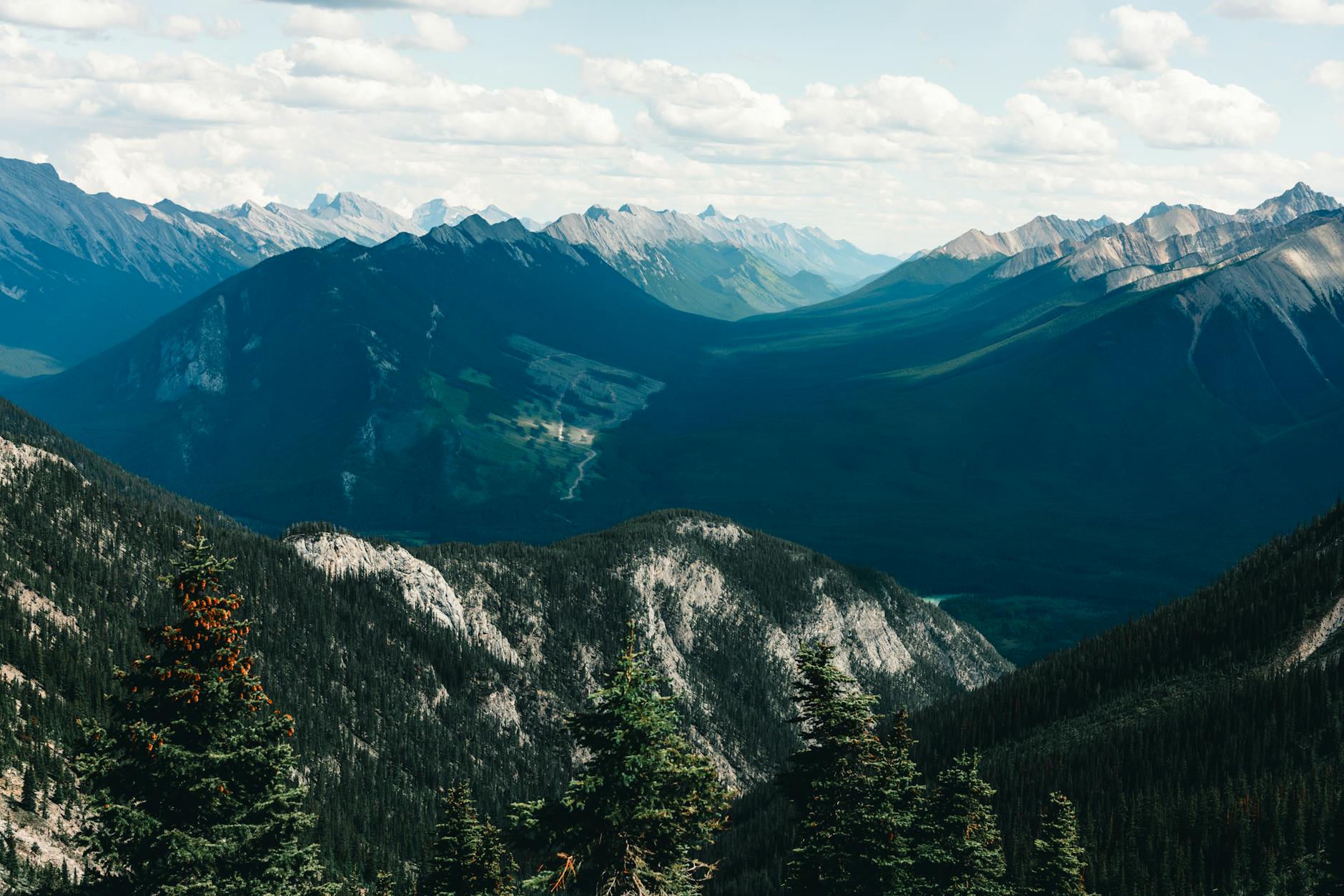
Banff is an obvious draw for adventure and outdoor travelers, but obvious does not mean simple. A short trip may involve hiking, lake visits, paddling, climbing, skiing, snowshoeing, cycling, scenic drives, photography walks, or guided experiences. Each activity depends on season, weather, access, road conditions, gear, fitness, permits, and current local rules. An outdoor traveler should build the trip around reality rather than aspiration. The best Banff itinerary protects the first transfer from Calgary, chooses activities by season and ability, respects wildlife and protected landscapes, and leaves enough recovery to make the next day safer.
Choose activities by season and ability
Banff outdoor travel changes sharply by season. A summer hiking plan, shoulder-season lake plan, winter snowshoe plan, ski weekend, or guided climbing day all require different equipment, daylight, risk tolerance, transport, and backup options. A route that looks easy online can be poor for the actual date.
Travelers should match ambition to fitness, experience, group pace, medical constraints, and weather. The goal is not to prove toughness. The goal is to return with a strong experience and no avoidable rescue, injury, or exhausted transfer.
- Match hiking, paddling, snow, cycling, climbing, or scenic plans to season and actual ability.
- Check distance, elevation, exposure, daylight, group pace, and required gear before committing.
- Build a lower-risk backup for weather, fatigue, or closed access.
Protect the Calgary transfer before the first activity
Many outdoor travelers arrive through Calgary and want to start immediately. That can work for a short town walk or gear check, but it is fragile for a strenuous hike, winter drive, guided departure, or paid activity. Flight delays, baggage, rental cars, shuttle schedules, and road conditions can all cut into the first day.
The first activity should respect the transfer. If the traveler needs checked gear, food, permits, or a guide meeting, a buffer may prevent the entire itinerary from starting under stress.
- Map flight timing, baggage, gear pickup, rental car or shuttle, road conditions, food, and first activity.
- Avoid placing high-consequence outdoor plans immediately after a fragile arrival.
- Carry essential layers, medication, documents, chargers, and activity confirmations with you.
Verify trail, lake, and access rules close to travel
Banff access planning should be current. Parking, shuttles, seasonal closures, wildlife restrictions, lake access, road conditions, and popular-site rules can change. Lake Louise, Moraine Lake, and other high-demand places should not be planned from stale assumptions or old trip reports.
Outdoor travelers should check official current information, guide instructions, and cancellation rules. A flexible plan can still include iconic sites, but it should not collapse if one route, parking option, or shuttle window is unavailable.
- Check current parking, shuttle, road, trail, lake, seasonal, and wildlife restrictions close to departure.
- Confirm guide meeting points, cancellation terms, equipment rules, and weather thresholds.
- Have alternatives that fit the same day, not just a wish list of other famous places.
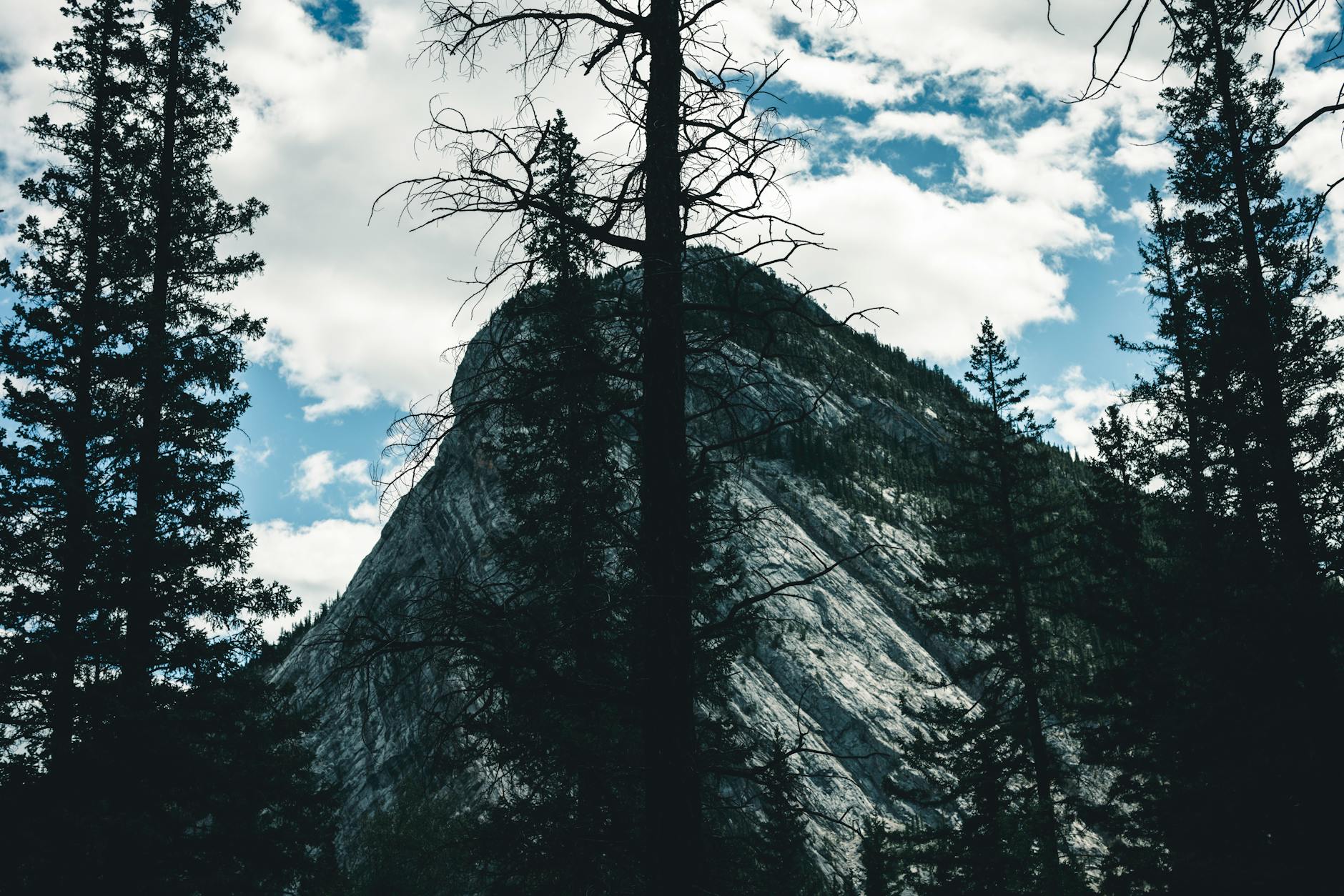
Treat gear as safety, not decoration
Footwear, traction, layers, rain protection, sun protection, gloves, headlamp, water, snacks, navigation, battery backup, and first-aid basics matter in Banff. Conditions can shift quickly, and winter or shoulder-season surfaces can punish casual packing. Rental or purchase options may be limited, expensive, or inconvenient once the day starts.
Travelers should pack for the activity they are actually doing, not the photo they want afterward. If the group has mixed experience, the least prepared person often sets the practical risk level.
- Plan footwear, traction, layers, rain gear, sun protection, water, snacks, navigation, and battery backup.
- Do not rely on buying essential gear at the last minute in a high-demand resort town.
- Match the plan to the least prepared person in the group.
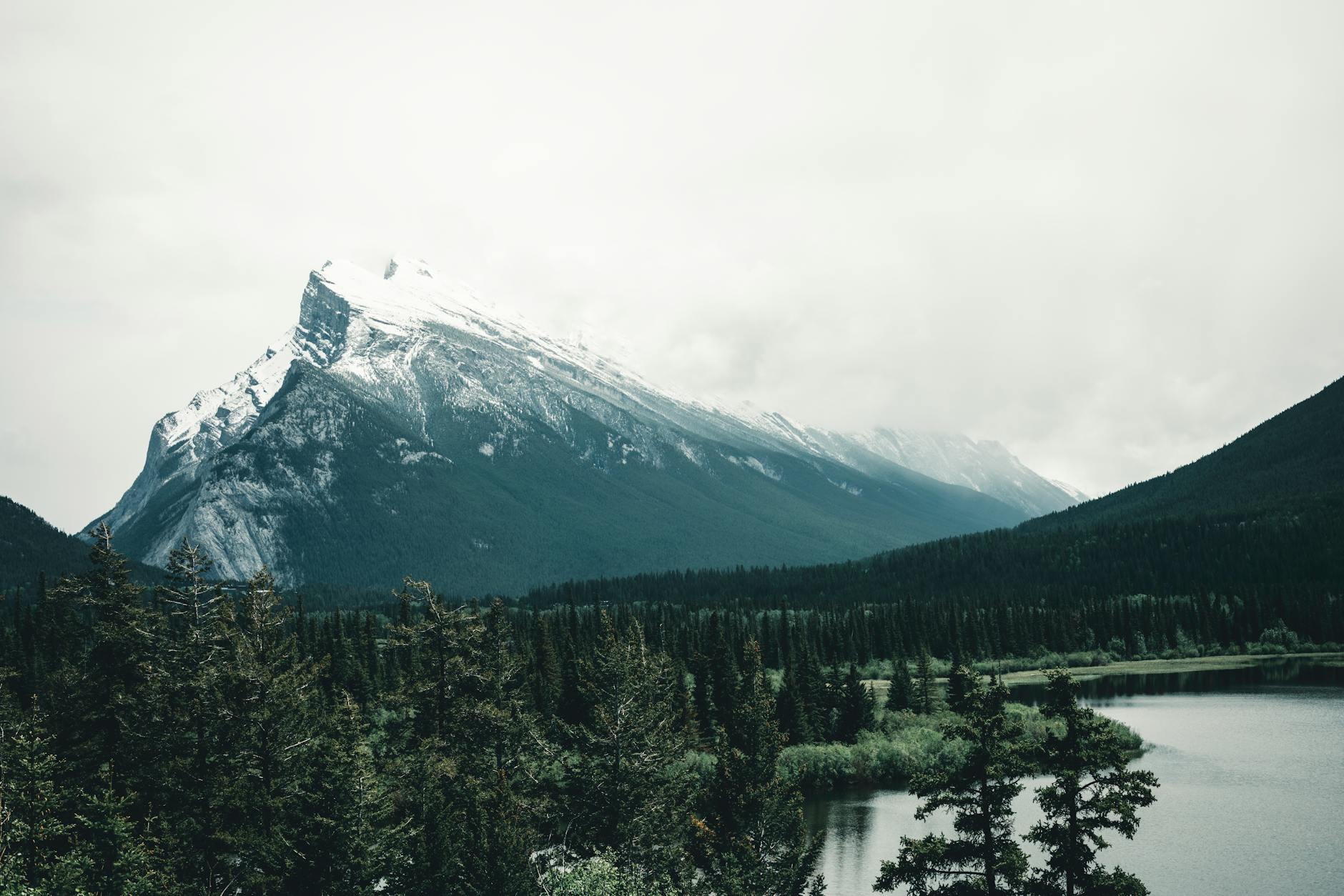
Respect wildlife, weather, and turnaround decisions
Outdoor travelers need a decision framework before conditions deteriorate. Wildlife activity, smoke, storms, ice, wind, snow, heat, darkness, and fatigue can all require a change. The traveler should know who decides to turn back, what signal ends the activity, and how the group stays together.
Banff is a protected landscape, not a private playground. Giving wildlife space, staying on appropriate routes, following closures, and accepting a shortened day are part of competent outdoor travel.
- Set turnaround rules for weather, smoke, darkness, fatigue, wildlife, injury, and route uncertainty.
- Follow closures, wildlife-distance rules, trail etiquette, and protected-area instructions.
- Choose a safer shortened day over forcing the original plan.
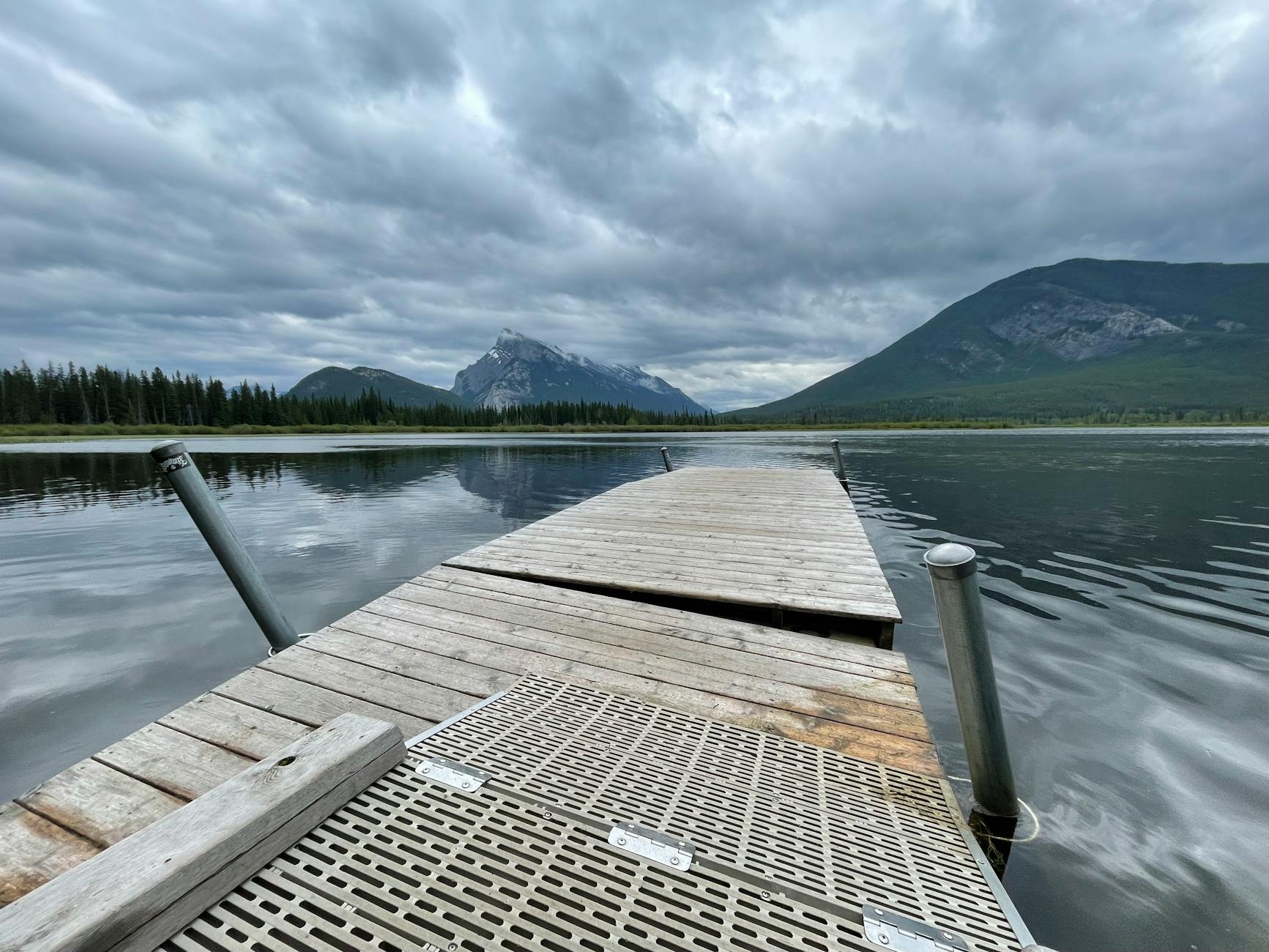
Budget for logistics and recovery
A Banff outdoor trip can become expensive through lodging, shuttles, rental cars, parking, guide fees, equipment rental, meals, snacks, laundry, activity tickets, and emergency purchases. A low nightly rate outside the best location may not save money if it creates long transfers before early starts.
Recovery should be budgeted too. Outdoor travelers need meals, sleep, hydration, dry clothing, and time to sort gear. A short trip packed from dawn to late night may produce more exhaustion than adventure.
- Budget for lodging, transport, guides, rentals, shuttles, parking, food, laundry, and emergency gear.
- Choose lodging that supports early starts, meals, gear drying, and recovery.
- Leave time to eat, sleep, hydrate, and adjust the next day's plan.
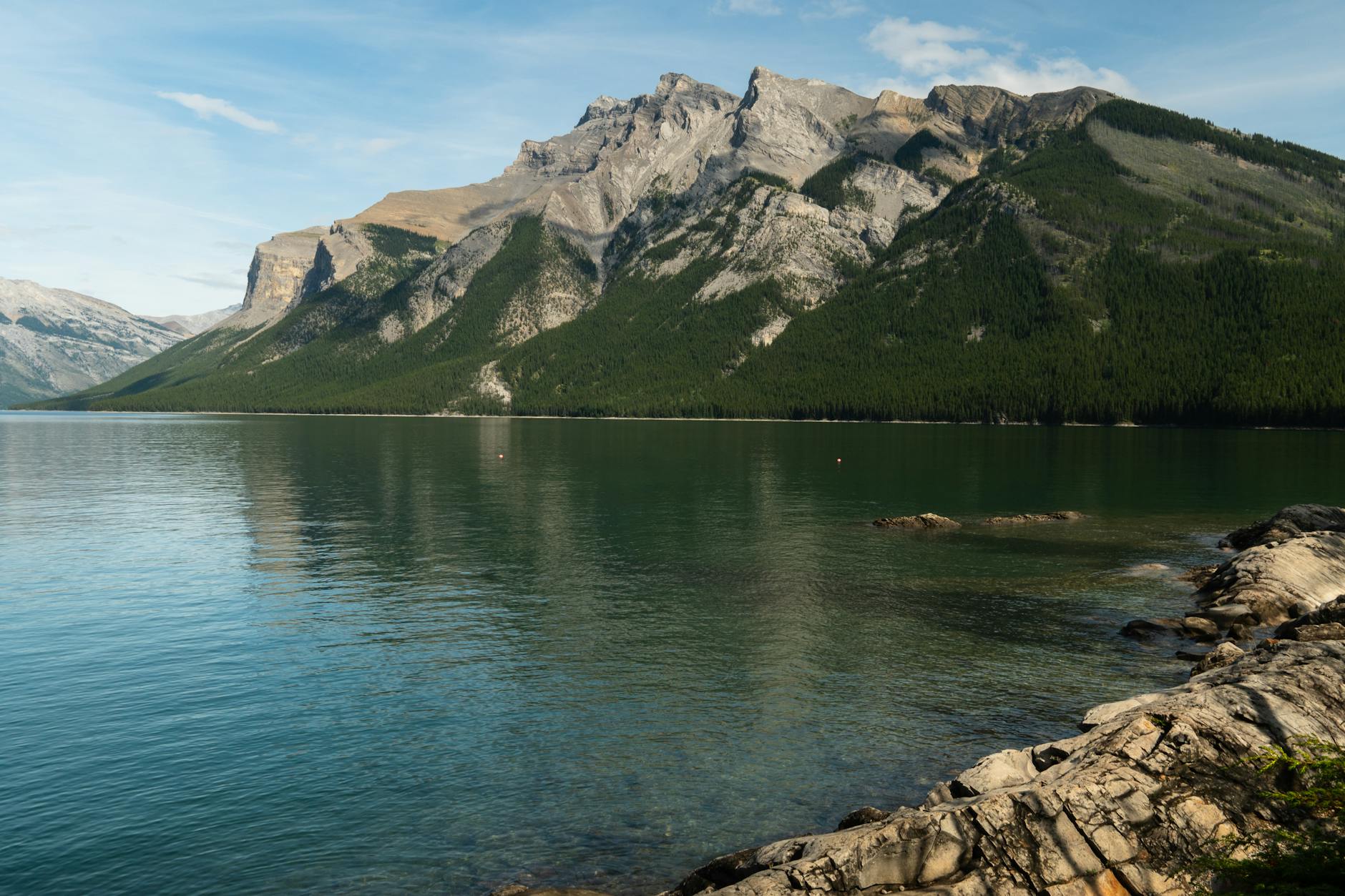
When to order a short-term travel report
An outdoor traveler with flexible dates, modest activities, and strong local planning may not need a custom Banff report. A report becomes useful when the itinerary includes winter conditions, tight Calgary transfers, guided activities, expensive lodging, multiple high-demand sites, mixed ability levels, medical constraints, or uncertainty around current access rules.
The report should test arrival, activities, trail and lake access, weather, road conditions, gear, wildlife rules, lodging, transport, budget, recovery, emergency options, and what to cut. The value is a Banff adventure plan that is ambitious without being careless.
- Order when access, weather, gear, fitness, guides, lodging, or mixed ability levels need testing.
- Provide dates, activities, route ideas, fitness level, gear plan, lodging options, health constraints, and budget.
- Use the report to keep the outdoor plan realistic, flexible, and safer.