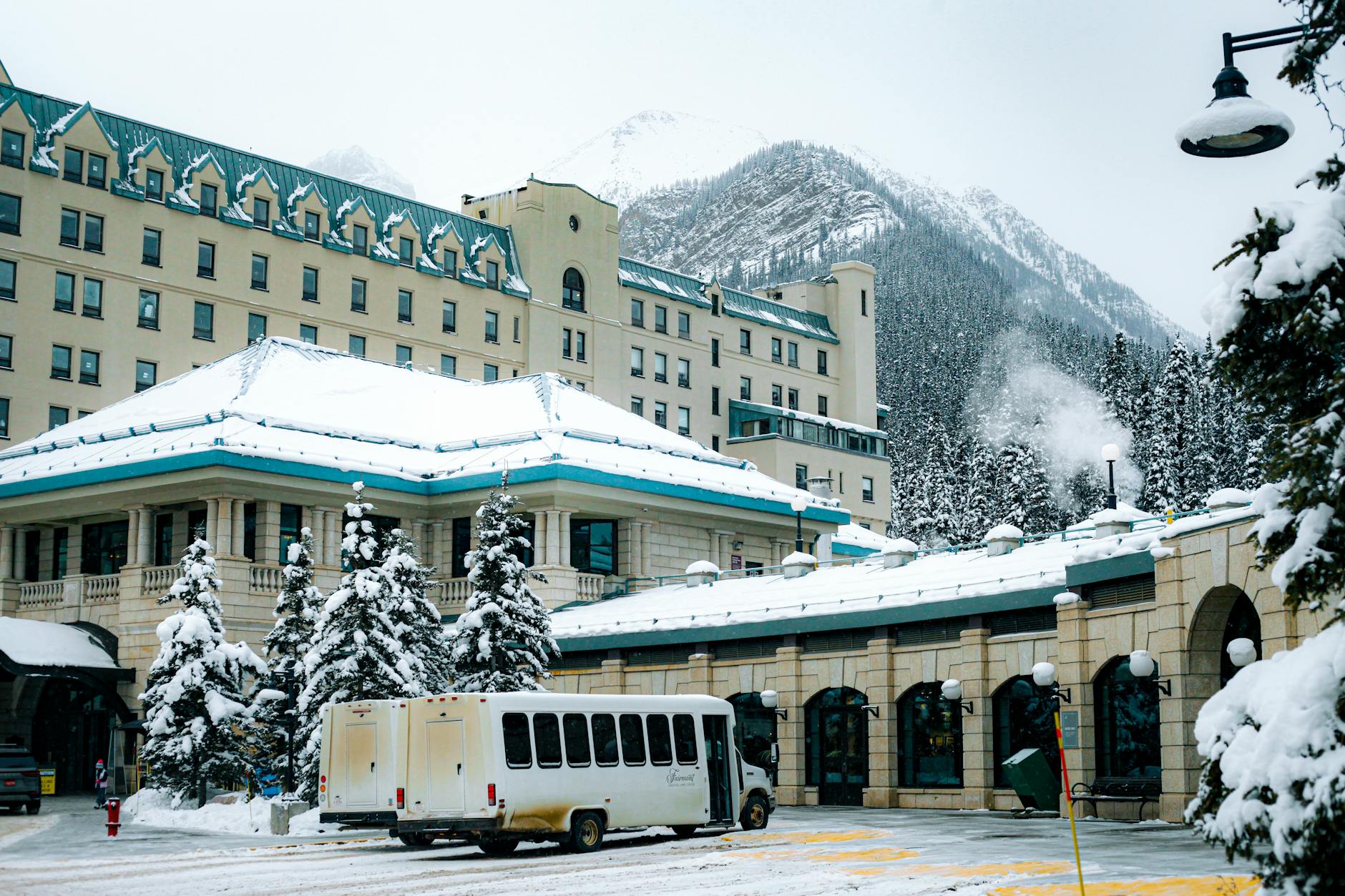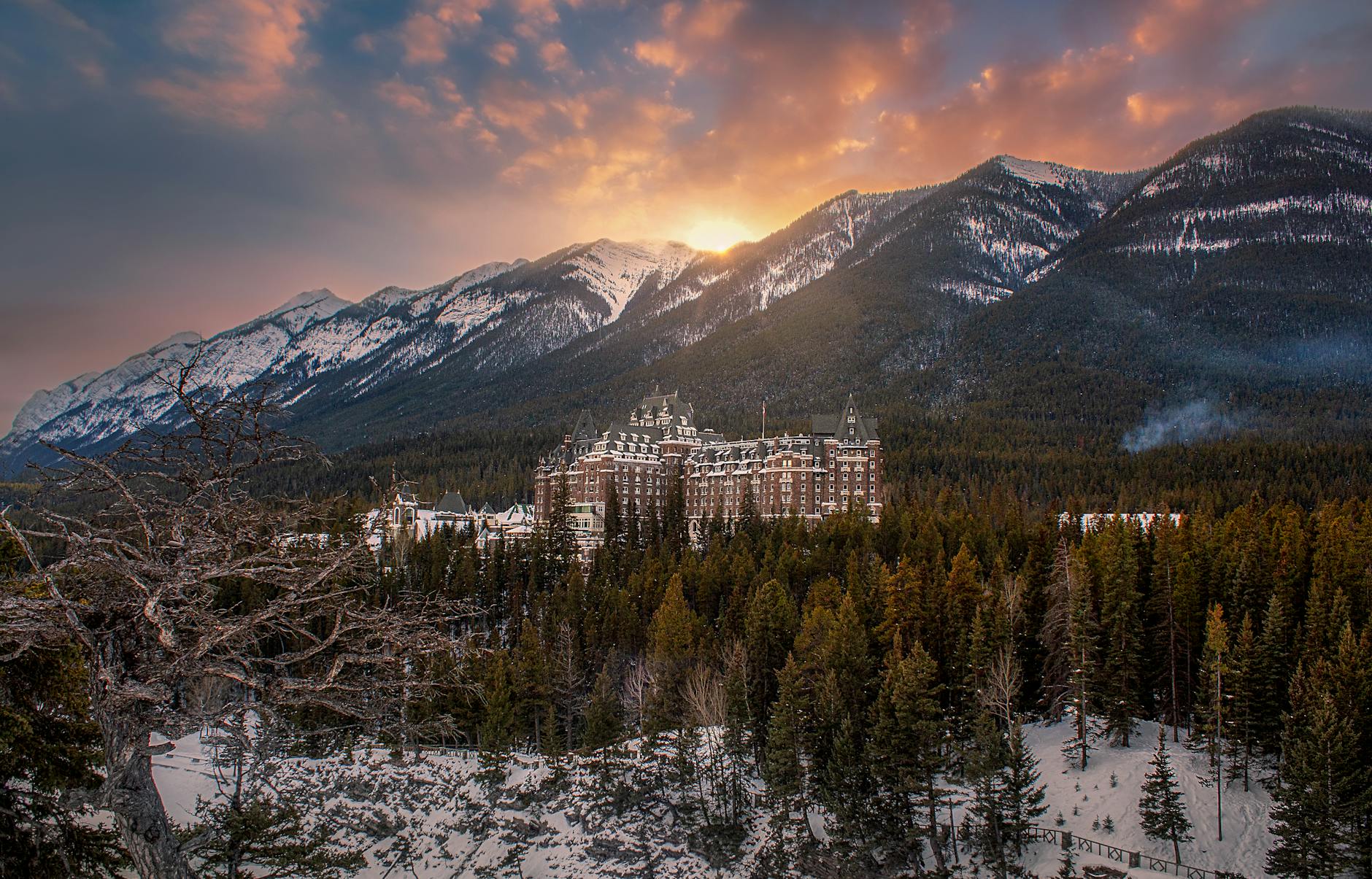
Banff can make an academic conference feel unusually memorable, but it also makes the logistics less ordinary. The attendee may be traveling through Calgary, crossing mountain roads, staying in a high-demand resort town, presenting in a hotel venue, and trying to combine serious academic work with scenery that encourages distraction. The useful plan starts with the conference purpose. A keynote speaker, graduate poster presenter, workshop attendee, association delegate, hiring committee member, continuing education participant, or research collaborator will not need the same arrival pattern, hotel choice, budget, or recovery rhythm. Banff rewards the attendee who protects the academic work before adding lakes, gondolas, spa time, or scenic drives.
Anchor the trip to the conference venue
A Banff academic conference should start with the exact venue and the actual schedule. Events may be based at a resort hotel, a conference center, a lodge, a retreat property, or a nearby venue that changes the transfer pattern. A traveler who books only for scenery can end up with long walks, shuttle dependence, winter footing, or awkward movement between sessions.
The attendee should map the hotel, registration desk, session rooms, poster area, receptions, private meeting spaces, meals, and transportation pickup points before assuming Banff will operate like a campus conference. In a resort town, the building layout and the weather can become part of the academic day.
- Confirm the venue, hotel, registration desk, session rooms, poster area, and reception locations.
- Check whether sessions require outdoor walking, shuttles, stairs, elevators, or winter footwear.
- Book lodging for academic access first, then scenery and amenities second.
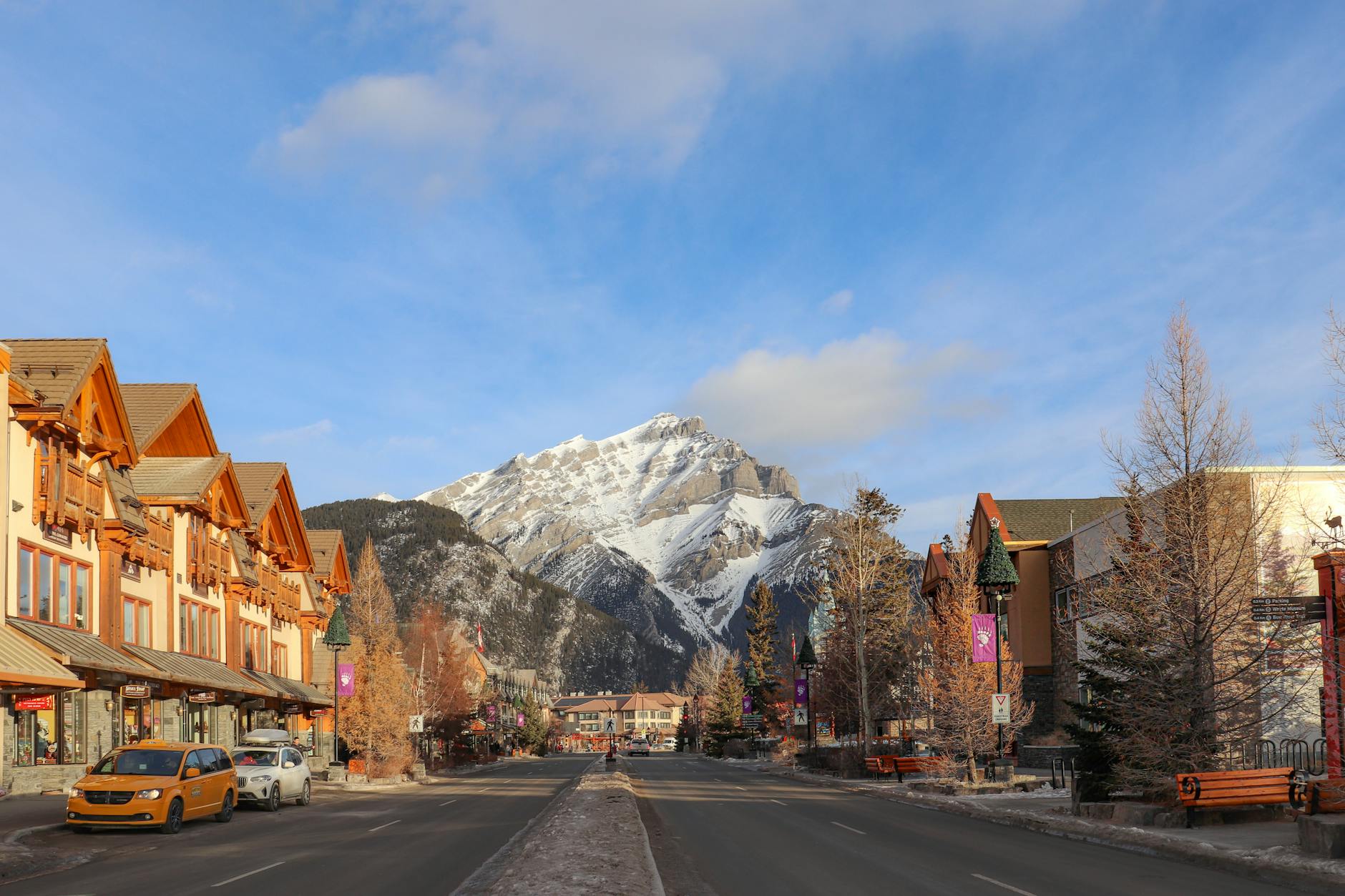
Protect the Calgary-to-Banff transfer
Most attendees must solve the journey from Calgary to Banff before they can think about panels or posters. Flight arrival time, baggage, shuttle schedules, rental-car choices, winter road conditions, delayed flights, and first-session timing all affect whether the academic plan is realistic. The road can be straightforward, but it is still a mountain transfer.
A presenter should avoid arriving with no margin before a session. A graduate student carrying a poster, a speaker with AV equipment, or a delegate with a grant meeting should be especially conservative. A Calgary overnight, earlier flight, arranged shuttle, or private transfer may be less glamorous than squeezing in late, but it can protect the trip.
- Compare shuttle, rental car, private transfer, and Calgary buffer options against the first obligation.
- Account for poster tubes, presentation equipment, luggage, winter roads, and delayed arrivals.
- Avoid a same-day mountain transfer when a missed session would damage the academic purpose.
Handle presentation, poster, and equipment details early
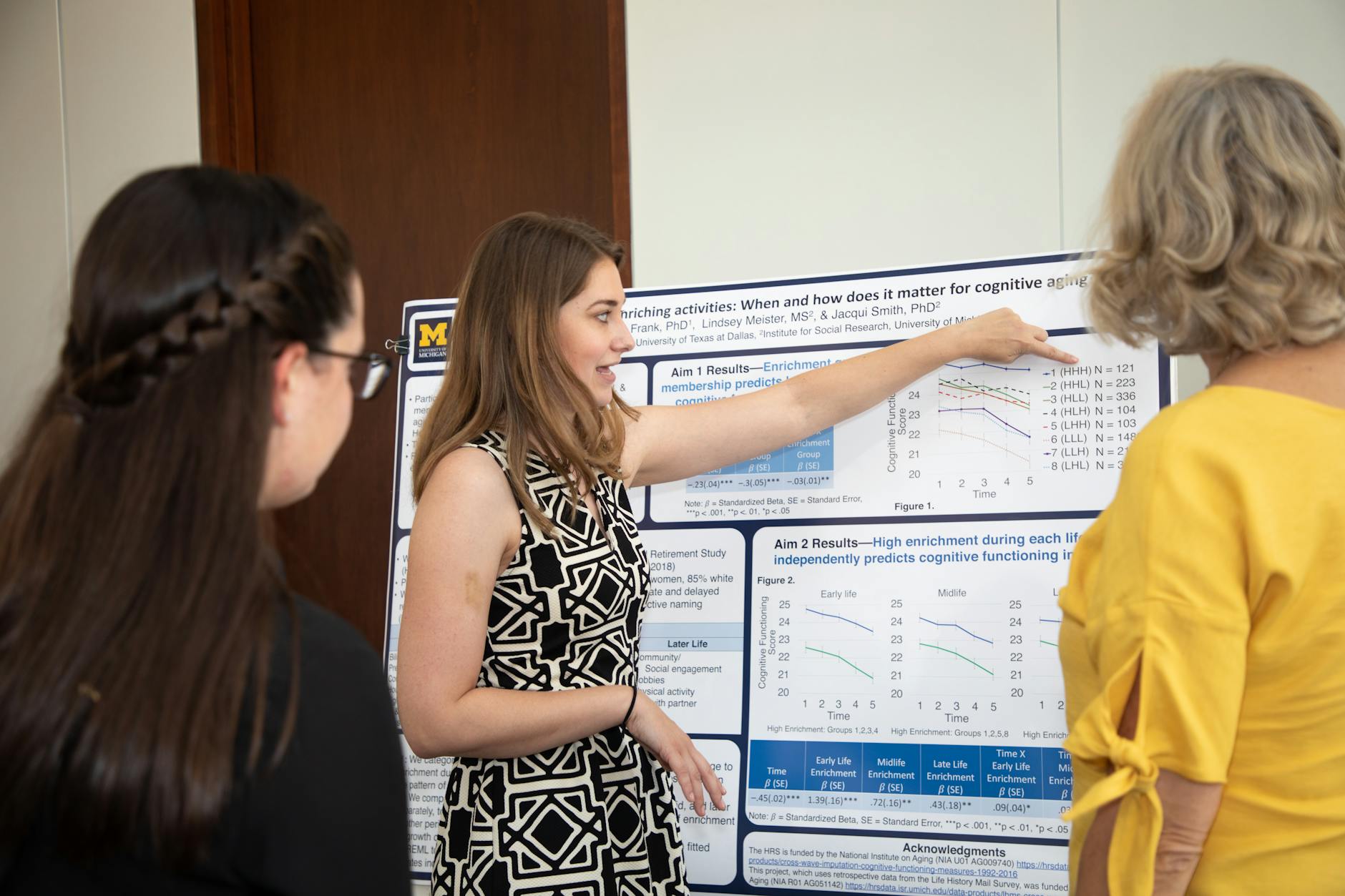
Banff's setting does not reduce the need for basic conference discipline. The attendee should confirm slide format, AV rules, adapters, microphones, Wi-Fi, room computer access, poster size, mounting method, storage, printing fallback, recording policy, badge pickup, and whether materials can be secured between sessions.
The mountain location can make last-minute fixes harder. A missing adapter, damaged poster, late luggage, or uncertain printing option may be easy to solve in a large university city and much more stressful in Banff. Critical materials should travel in a way that survives flight delay, shuttle transfer, snow, and hotel check-in timing.
- Confirm AV, slide format, adapters, Wi-Fi, microphones, poster size, mounting, and storage.
- Carry critical materials personally when checked baggage delay would affect a presentation.
- Identify printing and replacement options before relying on them under deadline pressure.
Budget for a resort town with academic rules
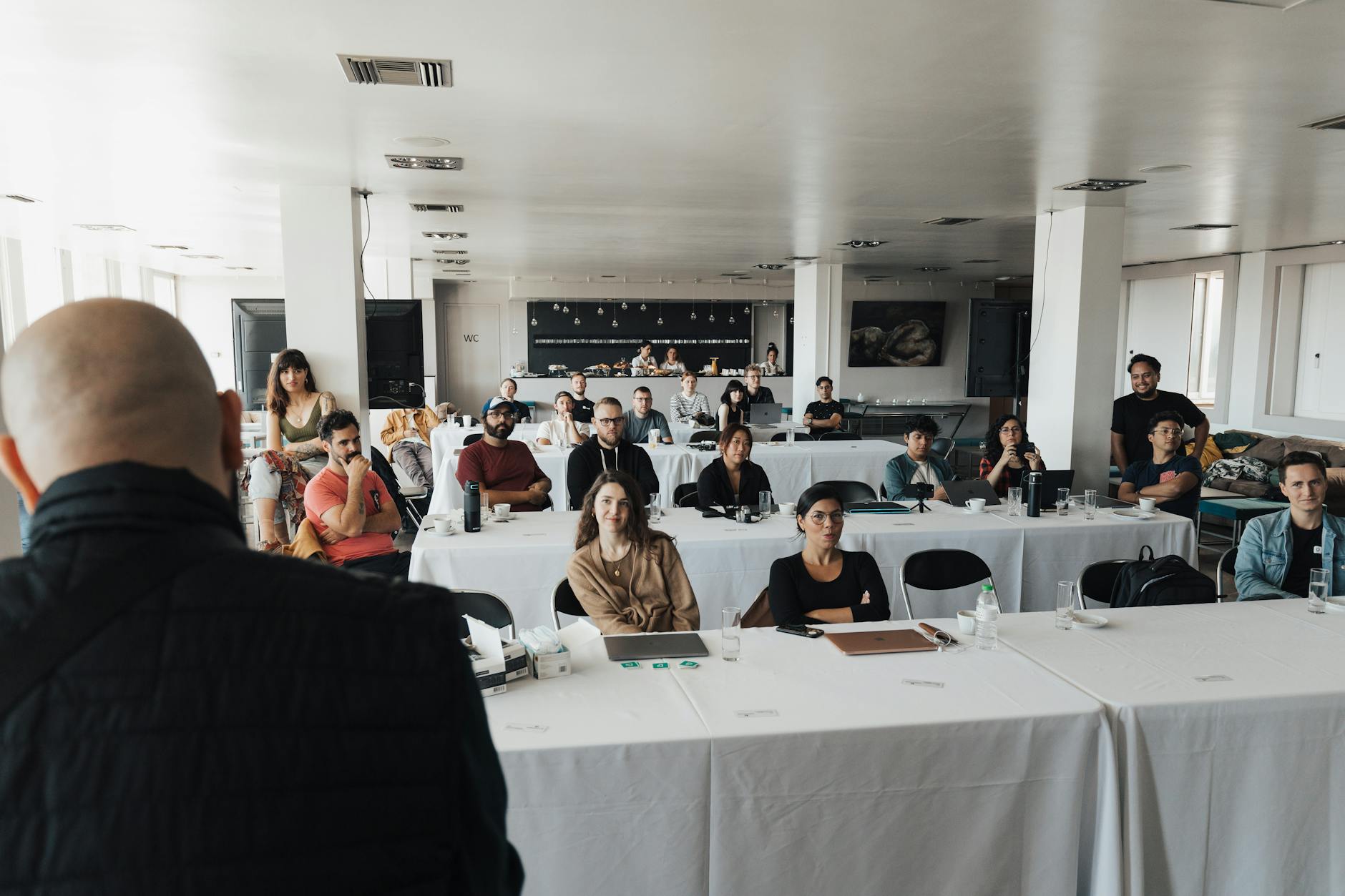
Banff can collide with academic reimbursement limits. Lodging, transfers, meals, taxis, resort fees, parking, winter clothing, and social events may exceed grant rules, per diem limits, or departmental expectations. The attendee should know what can be reimbursed before choosing convenience that later becomes a personal cost.
Networking still matters. A targeted coffee, reception, collaborator dinner, or meeting with a hiring committee may be worth more than a sightseeing add-on. The budget should protect the academic moments that create value and avoid spending heavily on activities that only make the schedule tighter.
- Check reimbursement rules for lodging, meals, transfers, taxis, parking, receipts, and alcohol.
- Reserve money and time for receptions, collaborator meetings, and targeted academic networking.
- Avoid cheaper lodging if it creates missed sessions, late arrivals, or poor recovery.

Use the mountain setting without losing the work
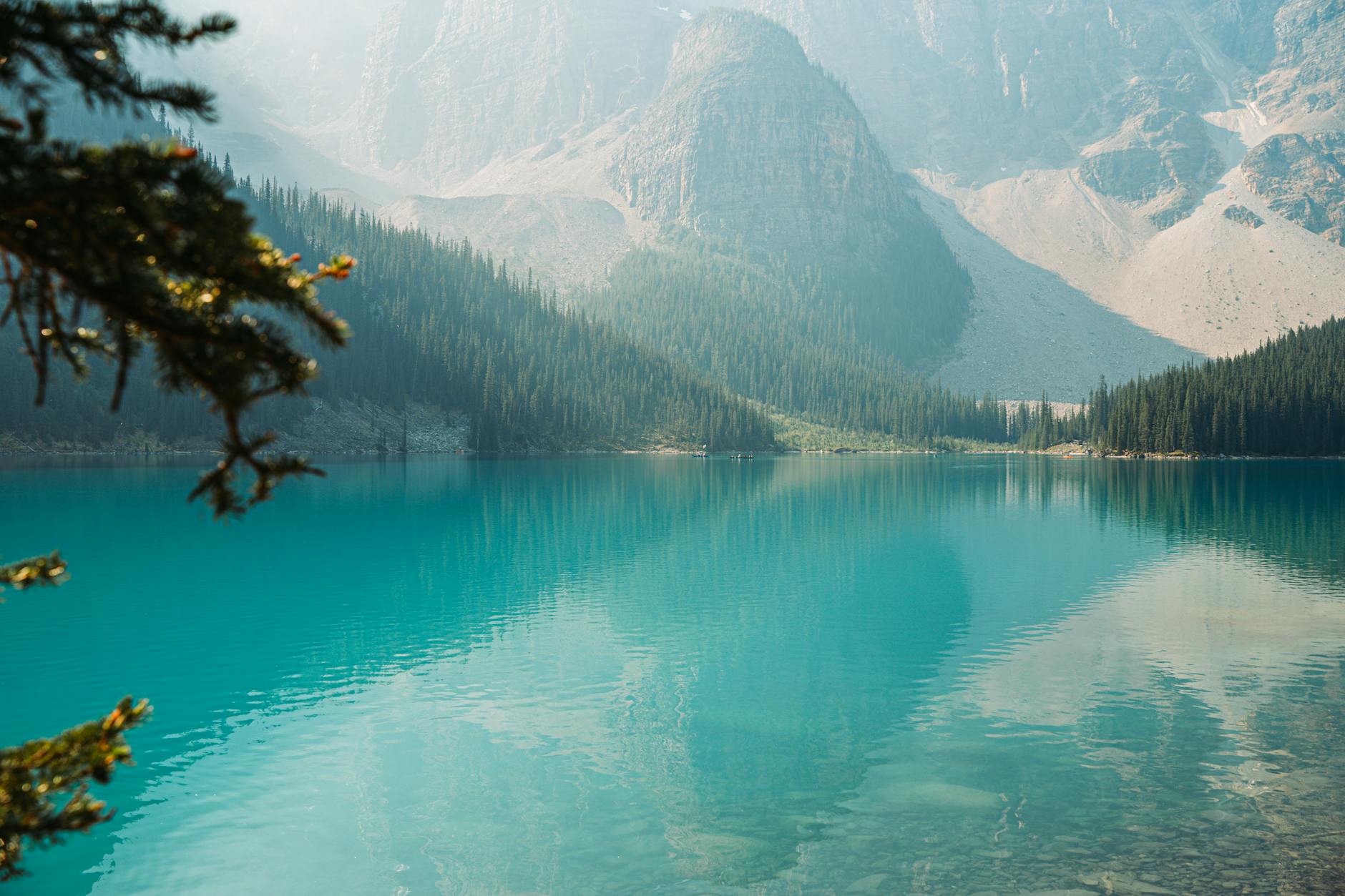
Banff invites side plans: Lake Louise, gondola views, hot springs, scenic drives, lodge meals, spa time, and winter or summer activities. Those can support an academic trip when they are placed carefully. They can also turn a useful conference into a fatigued checklist if the attendee tries to do everything between sessions.
The best scenic time is often one deliberate block, not a scattered series of rushed detours. A keynote speaker may need quiet preparation instead of a full-day excursion. A graduate presenter may need networking more than a lake photo. The attendee should decide what the mountain setting is allowed to do for the academic purpose.
- Choose one scenic add-on only if it fits the conference schedule and recovery needs.
- Do not trade presentation prep, collaborator meetings, or sleep for broad sightseeing.
- Treat Lake Louise, gondola, hot springs, and scenic drives as schedule commitments, not filler.
Plan weather, altitude, and recovery
Conference performance can suffer when the traveler ignores the environment. Banff can involve cold, snow, sun exposure, dry air, altitude, icy sidewalks, early starts, long transfers, social drinking, and dense schedules. The attendee should plan clothing, footwear, hydration, sleep, and quiet work blocks with the same seriousness as the paper or poster.
Recovery is not wasted time. It protects the ability to speak clearly, listen carefully, take useful notes, and follow up with contacts. A mountain conference can be stimulating, but it should not be built on exhaustion.
- Pack for cold, snow, sun, dry air, indoor conference rooms, and outdoor transfers.
- Protect hydration, sleep, meals, and quiet blocks for notes and follow-up.
- Do not let late receptions or scenic activities damage the next academic commitment.
When to order a short-term travel report
An attendee staying at the conference hotel with flexible timing may not need a custom Banff report. A report becomes useful when the trip includes a presentation, poster, tight arrival, Calgary transfer, winter travel, reimbursement limits, expensive lodging, multiple venues, accessibility needs, or an important networking goal.
The report should test transfer timing, hotel and venue fit, presentation logistics, poster handling, weather, reimbursement, networking value, scenic add-ons, recovery, medical fallback, and what to cut. The value is a Banff conference trip that advances the academic purpose instead of letting the destination consume it.
- Order when transfers, venue fit, poster logistics, reimbursement, weather, or networking need testing.
- Provide the schedule, venue, arrival details, materials, hotel options, budget, and constraints.
- Use the report to make the conference productive, not merely scenic.