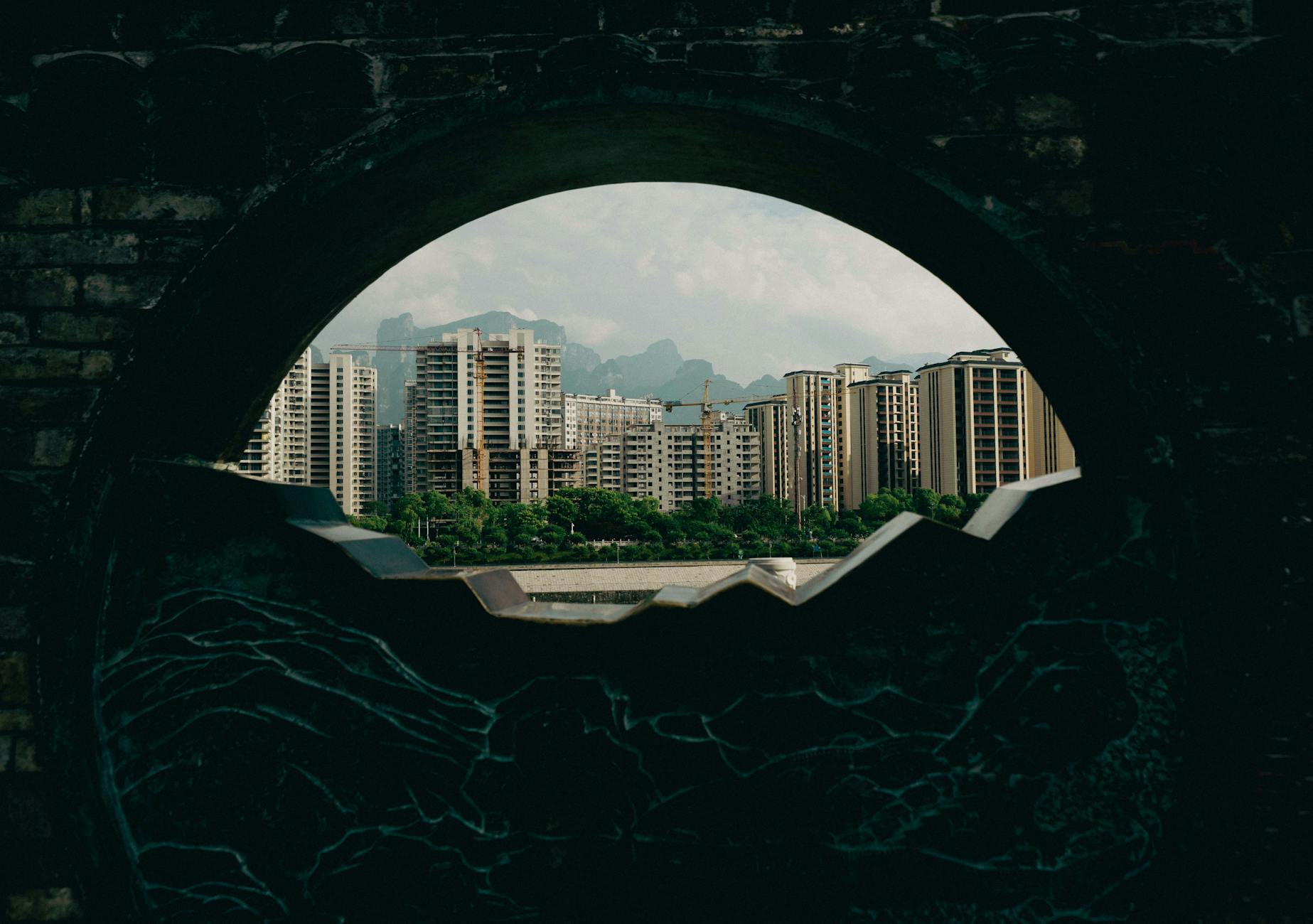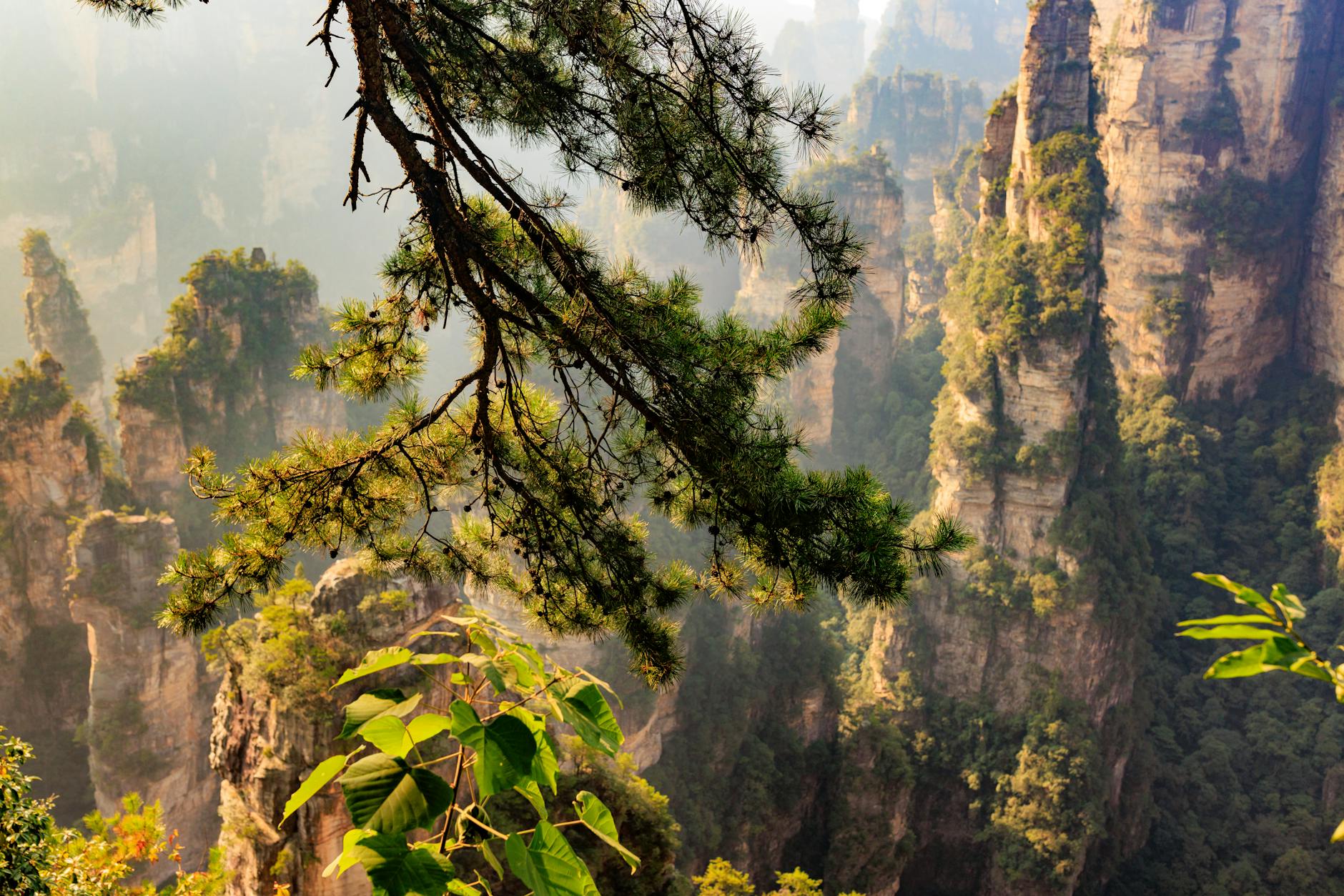
Zhangjiajie is one of those destinations that can look almost unreal in photographs and still feel startling in person. Pillar-like sandstone formations, mist, forest, glass structures, cableways, and a whole ecosystem of scenic engineering make the place feel cinematic in a way few landscape destinations do. That visual power is exactly why weak travel happens here. People assume the scenery will carry everything. Usually that means they underprepare for timing, crowds, weather, and the physical burden of moving through a mountain destination built to handle huge demand. A good Zhangjiajie trip is not only about views. It is about logistics, sequencing, rest, and respecting that dramatic nature plus high-volume infrastructure still require a plan.
How Zhangjiajie works
Zhangjiajie works as a scenic system rather than as one single viewpoint. That means the traveler needs to understand entrances, scenic areas, transport lifts, cableways, timing windows, and the burden of crowd-heavy movement. The destination becomes much better once the traveler accepts that mountain logic matters more than city logic. A weak plan makes the place feel like a queue. A better plan makes it feel astonishing.
- Zhangjiajie is a landscape system, not one simple attraction.
- Logistics determine whether the scenery feels magical or mechanical.
- Mountain logic matters more than city logic here.
Basic data
| Population | About 1.5 million |
|---|---|
| Area | 9,516 km2 |
| Major religions | Largely secular public life with Buddhist, Christian, Muslim, and local folk traditions |
| Political system | Prefecture-level city inside a socialist one-party state |
| Economic system | Mixed regional economy led by tourism, agriculture, services, and transport |
Best time to visit
Spring and autumn are often the most forgiving seasons because weather, visibility, and physical movement can align more cleanly. Mist and cloud can be part of the beauty rather than a total obstruction. Summer can be lush and dramatic, but demand, humidity, and weather volatility make strong planning much more important. Winter can be beautiful and eerie, but it is a more specialized product. The real question is not whether the scenery is famous. It is what kind of atmospheric Zhangjiajie the traveler wants.
- Autumn is often the easiest high-quality Zhangjiajie season.
- Spring can deliver the right balance of mist, greenery, and usability.
- Weather is one of the destination's main authors, not just a background fact.
Arriving and getting around
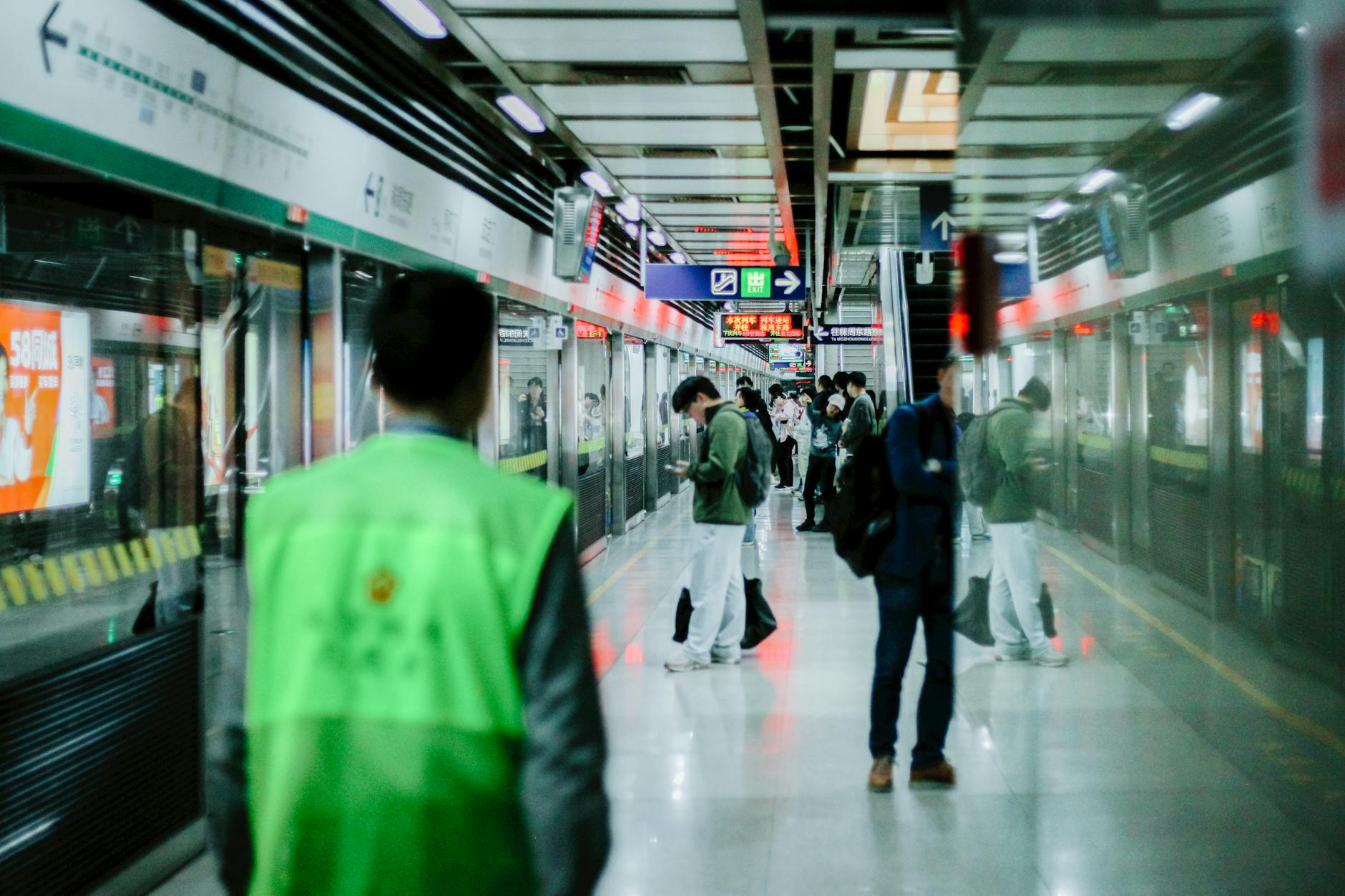
Zhangjiajie needs more respect for transfers than many travelers expect. The airport, station, hotel, scenic entrances, and daily movement all need to line up, because each mistake compounds physically. Cableways, shuttle systems, and walking segments are part of the trip structure rather than incidental details. The stronger move is to build shorter, cleaner scenic days with one major focus rather than assuming every dramatic sight must be forced into a single heroic route.
- Transfers matter more here than in a normal city break.
- Each scenic day should have one main structural idea.
- Overbuilding the mountain itinerary is one of the fastest ways to weaken the experience.
Where to stay
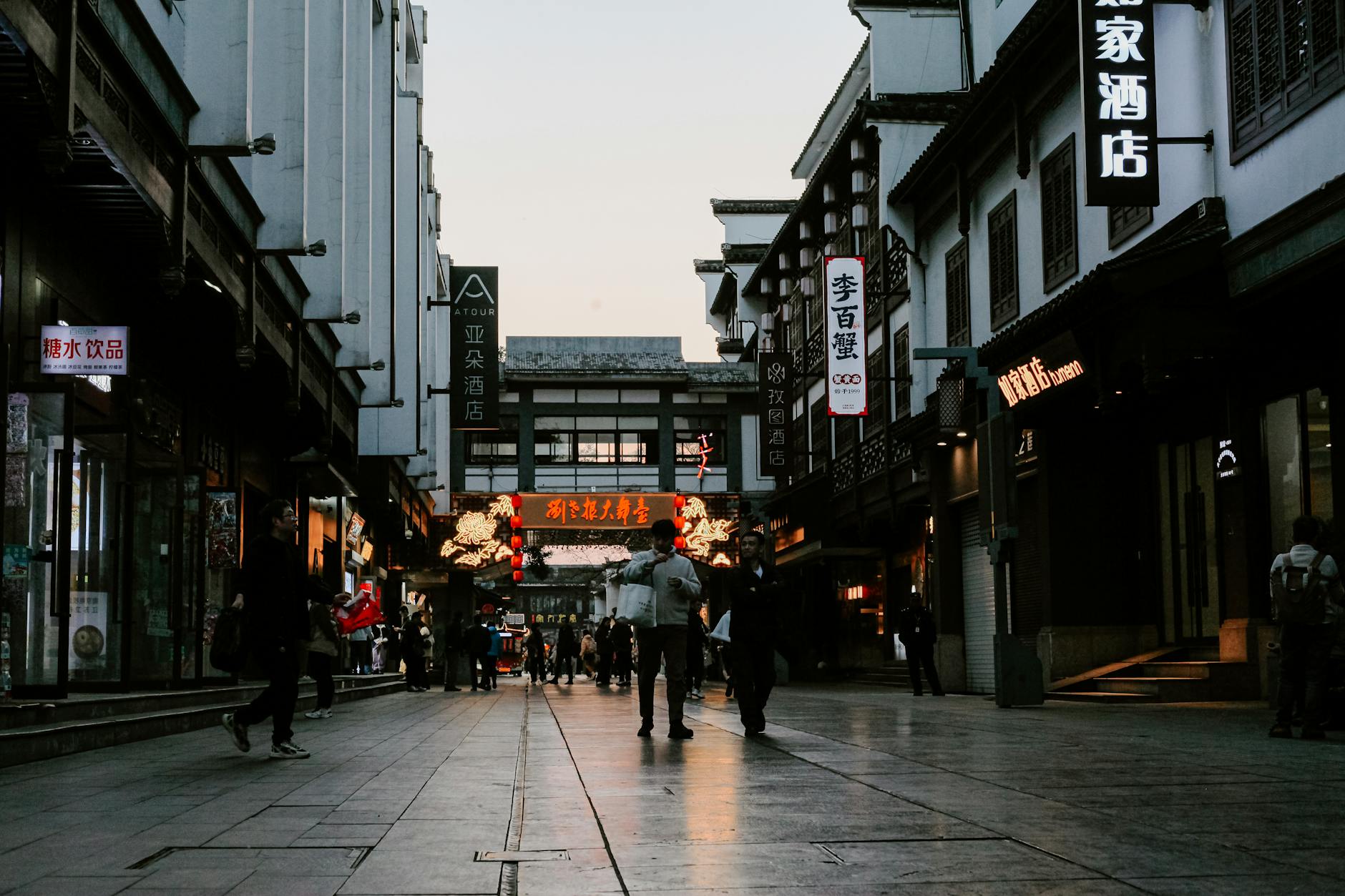
Hotel choice in Zhangjiajie should follow the actual movement strategy. Some travelers need easier access to one scenic area. Others need a more comfortable recovery base because the days will already be physically demanding. The wrong hotel can turn every morning and evening into unnecessary administrative effort. This is one of those destinations where the property is not just accommodation. It is part of the feasibility of the route.
- Choose the hotel by entrance and route logic, not only by room style.
- Recovery matters because the destination can be physically heavier than expected.
- A better-positioned base usually beats a superficially prettier but weaker one.
Fantasy scenery versus queue reality
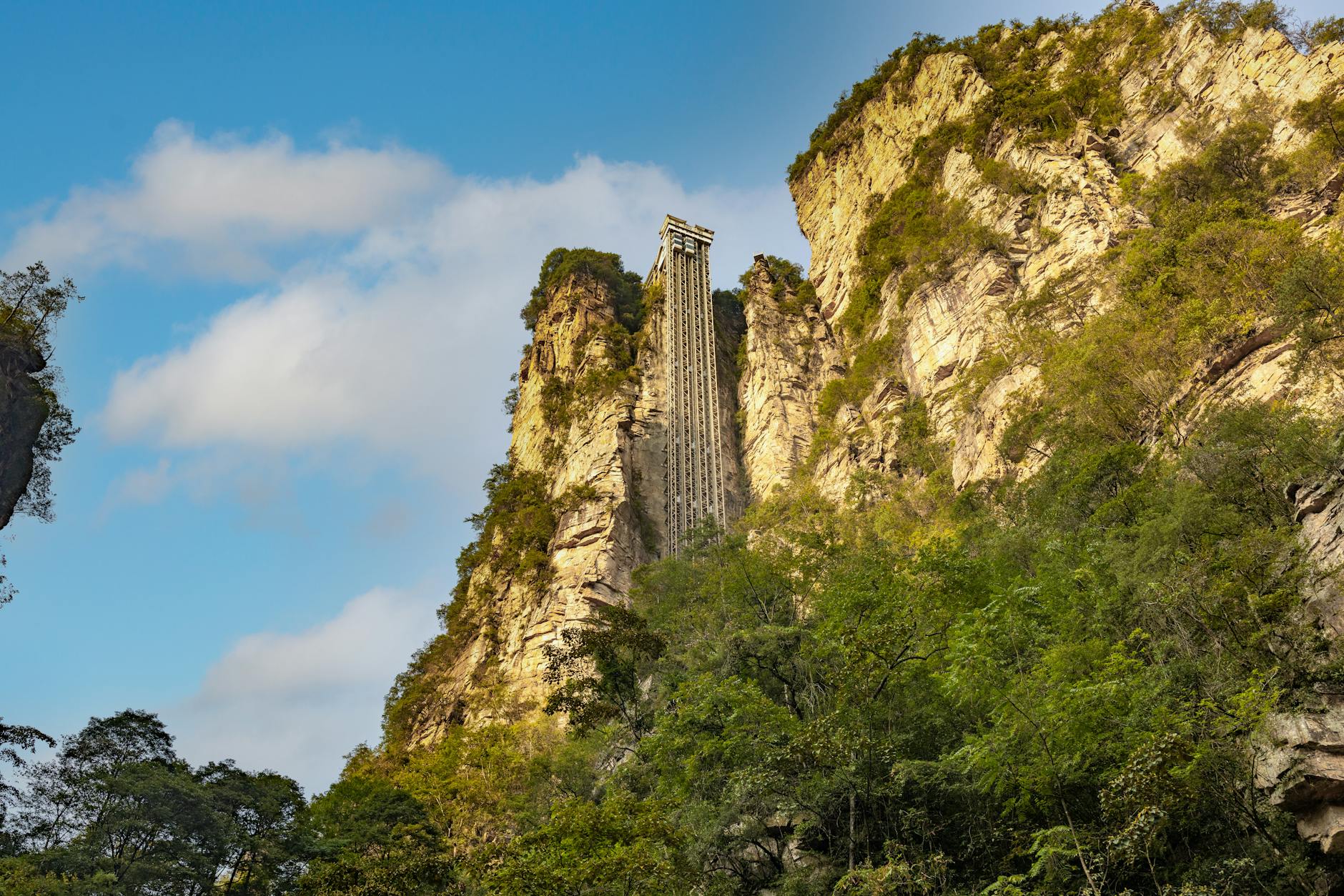
Zhangjiajie is one of those rare places where the landscape can look almost mythical while the traveler experience risks becoming heavily procedural. Shuttle lines, cableway timing, ticketing, viewing platforms, and crowd pulses can make the destination feel engineered just as much as natural. The right response is not cynicism. It is planning. The traveler has to protect the moments where the mountains regain their strangeness from the machinery that moves everyone through them.
- The destination can feel both sublime and procedural at the same time.
- Planning is what keeps the mountain from collapsing into infrastructure memory.
- A better Zhangjiajie protects wonder from queue logic.
What Zhangjiajie does better than almost anywhere
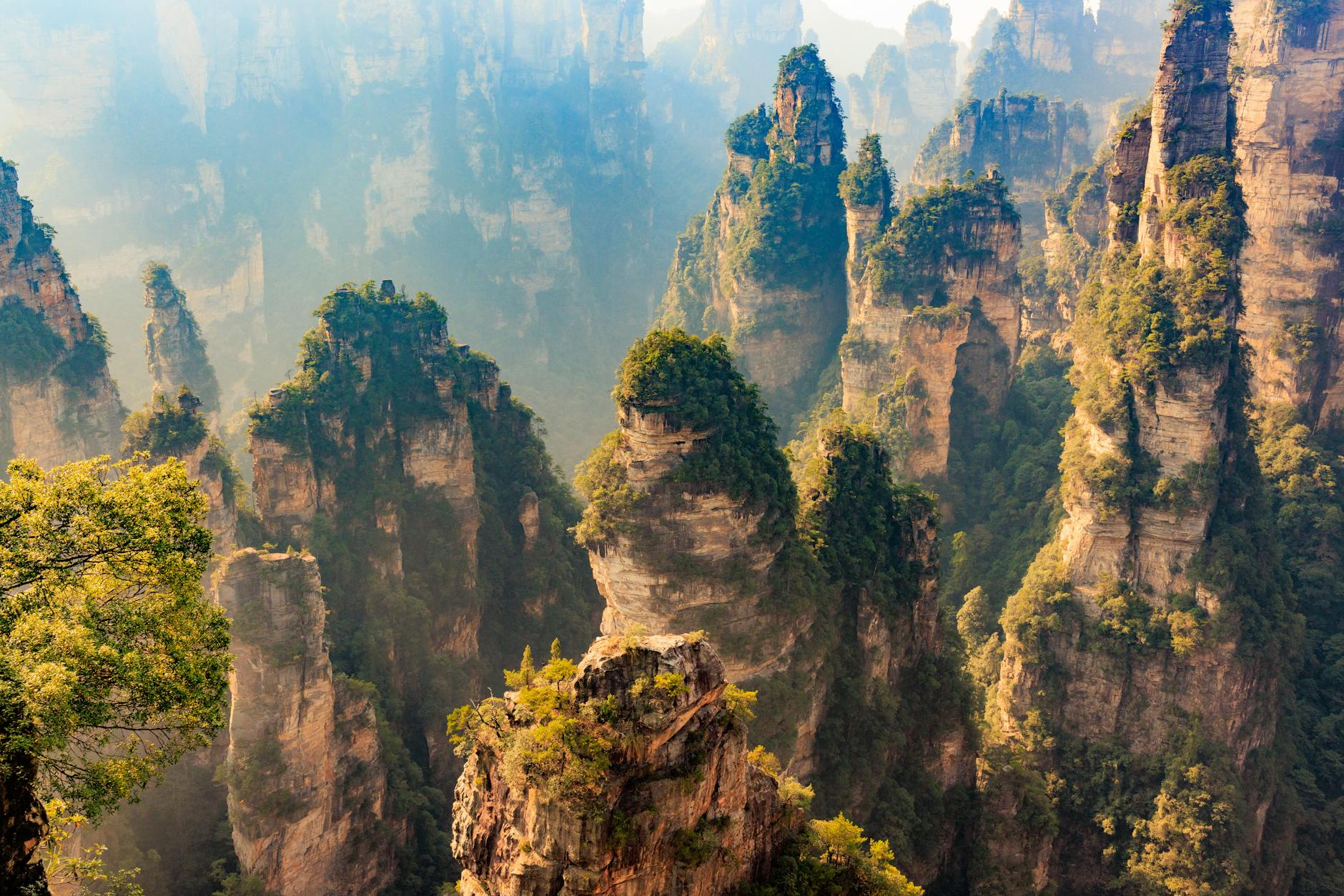
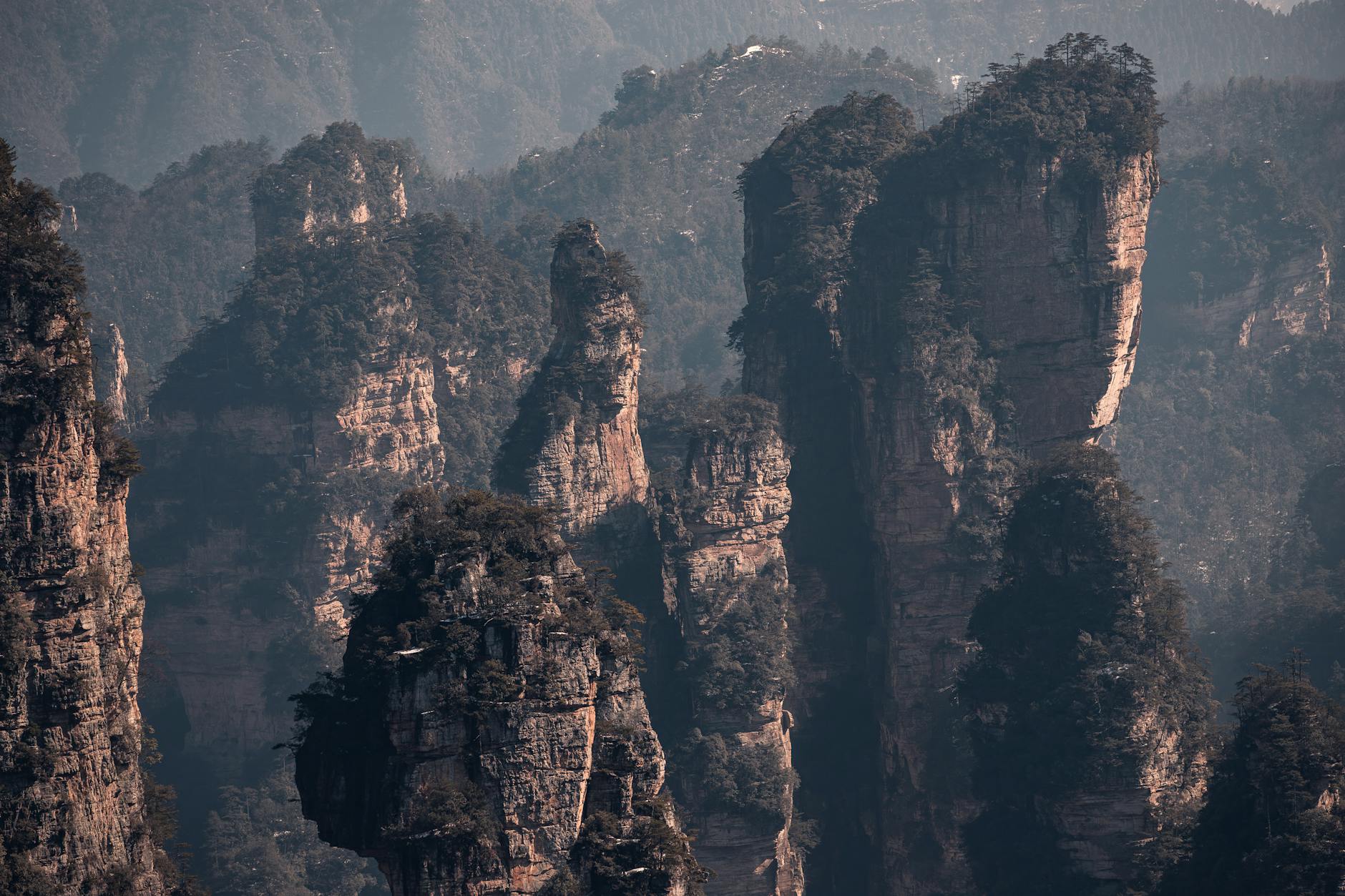
Zhangjiajie does visual improbability better than almost any destination. The rock pillars, mist, and vertical drama can feel genuinely otherworldly. It is especially strong for travelers who want nature that feels structurally unlike more familiar alpine or forest landscapes. But that uniqueness only lands if the traveler is not too tired or irritated to receive it, which is why route quality matters so much.
- Few destinations match Zhangjiajie for visual strangeness and drama.
- Its power lies in the landscape feeling unlike ordinary mountain travel.
- The better the logistics, the stronger the visual reward.
Food, recovery, and the practical side of the trip
Food in Zhangjiajie is less about culinary pilgrimage than about keeping the trip physically and operationally sound. Strong breakfasts, sensible lunches, and dinners that support recovery matter more than performance eating. This is a destination where the body and schedule are under more pressure than in a normal city trip. The practical layer should be treated seriously.
- Eat for recovery and route support, not only for novelty.
- The practical side of the trip matters more here than in many scenic destinations.
- A well-fed, better-rested traveler gets a much stronger Zhangjiajie.
Mist, weather, and why partial visibility can still be a success
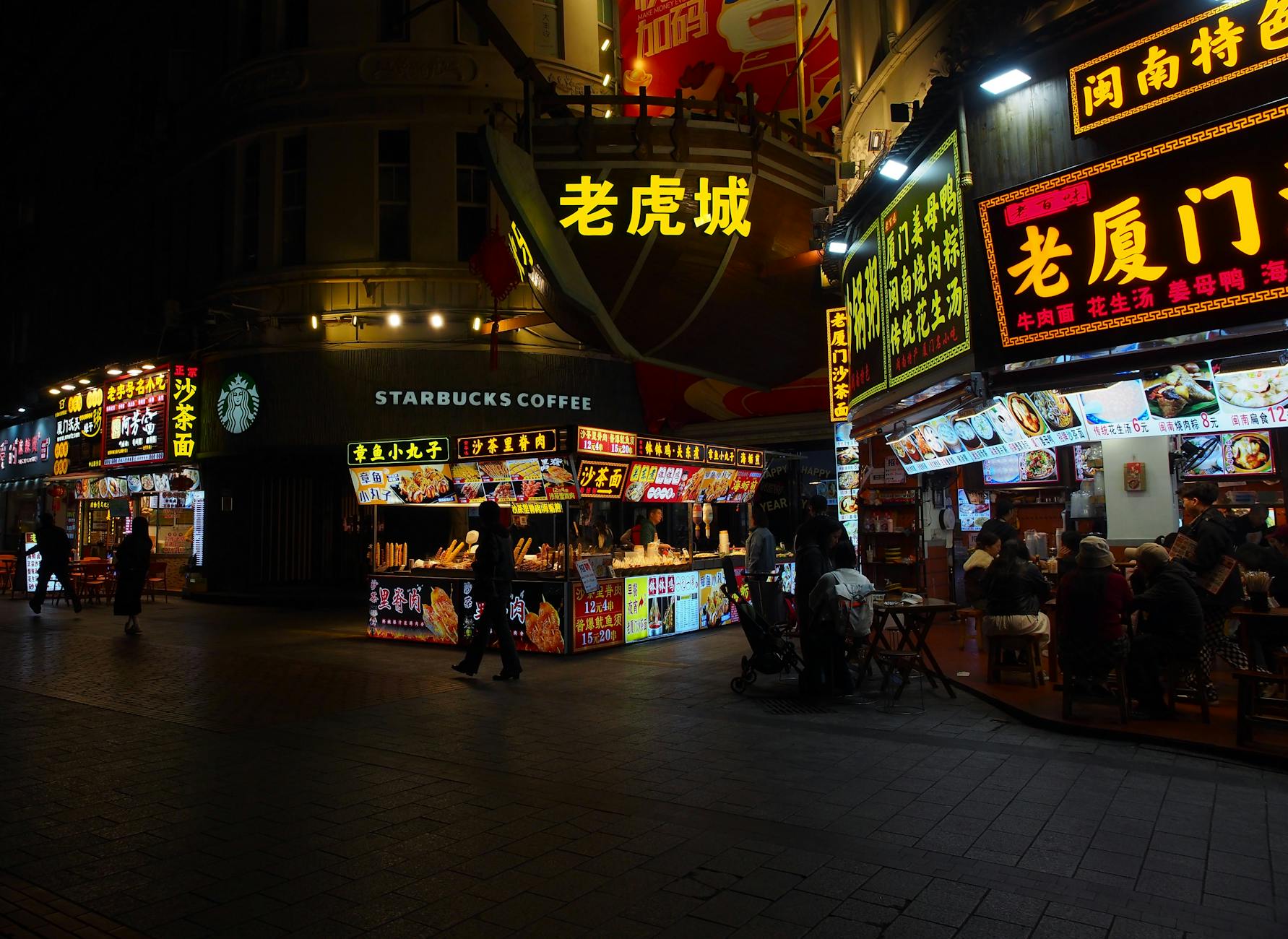
Travelers sometimes arrive at Zhangjiajie with the rigid expectation of postcard clarity, and then judge the whole trip too harshly if the mountain shows itself in fragments. That is often a mistake. Mist can be part of the destination's true power, turning the rock pillars into something stranger and more atmospheric than a fully literal reading. The key is to allow weather to shape the experience without letting it ruin the structure of the itinerary. Flexibility is one of the highest forms of competence here.
- Perfect visibility is not the only successful version of Zhangjiajie.
- Mist can deepen rather than diminish the mountain's character.
- The itinerary should be strong enough to absorb some weather ambiguity.
Etiquette and local norms
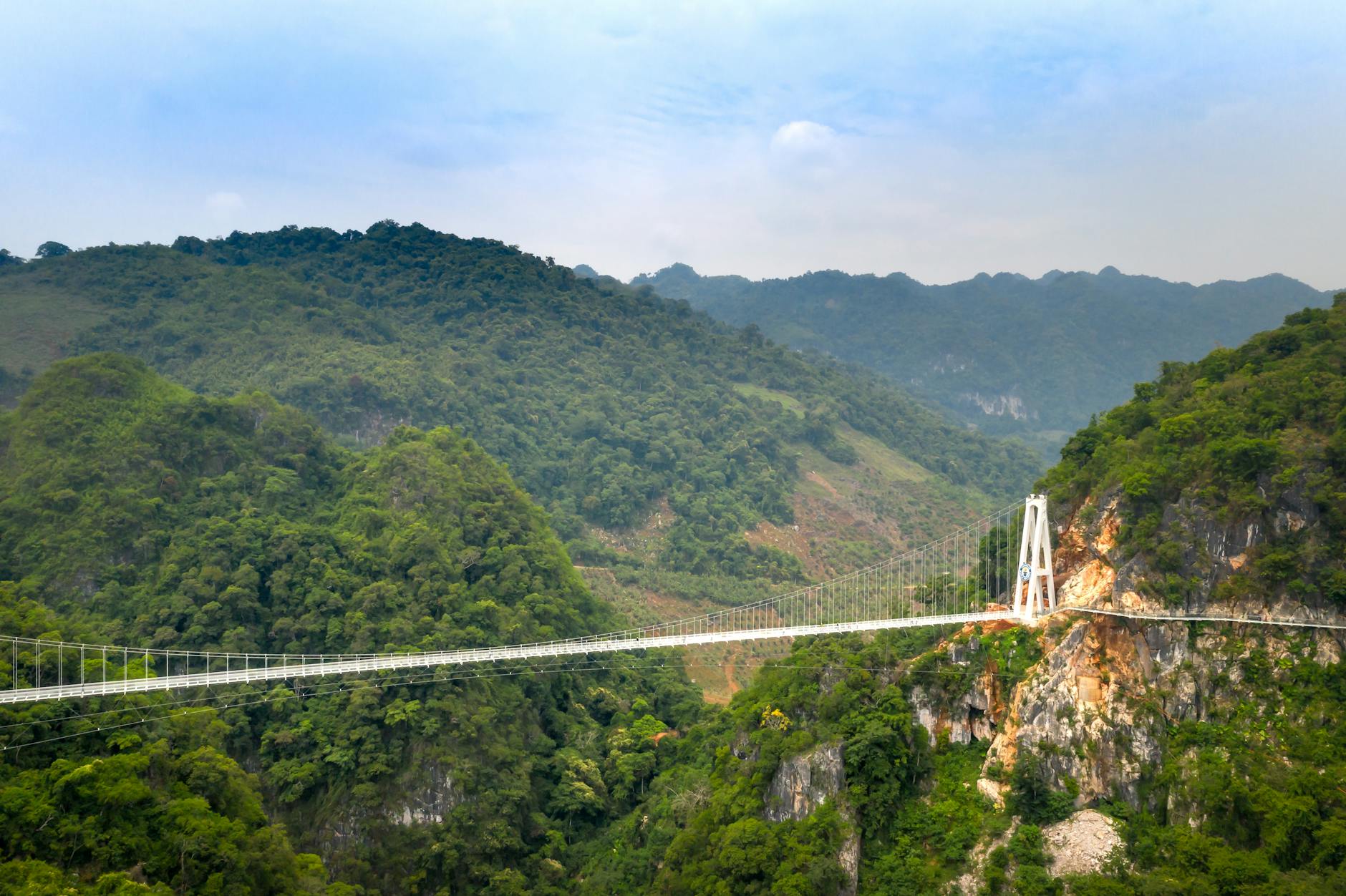
Zhangjiajie requires ordinary mountain-destination discipline: queueing, patience, courtesy in shared transport, and basic respect for landscapes that are both heavily visited and still genuinely important. The destination weakens quickly when visitors behave as though crowds excuse clumsiness. Calm patience is one of the more intelligent luxuries here.
- Patience is part of competence in a high-demand scenic destination.
- Shared systems work better when visitors keep their discipline.
- Respect the landscape and the logistics equally.
My blunt advice
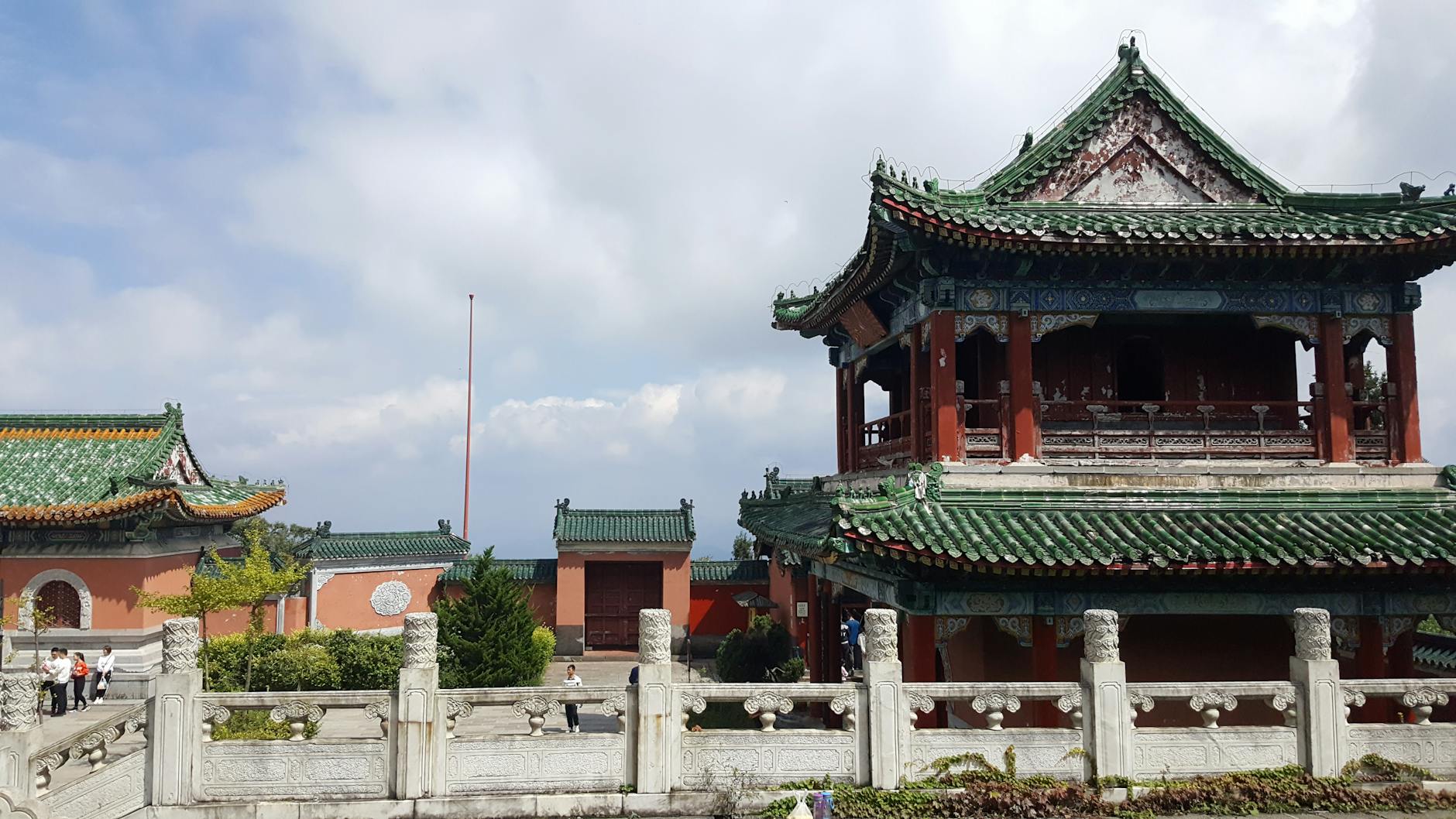
The biggest Zhangjiajie mistake is thinking the scenery will rescue a weak plan. The second is trying to do too much because every image looked unforgettable. Zhangjiajie is best when the route is simpler, the hotel is chosen with more care, and the traveler accepts that some restraint is what allows the destination to feel extraordinary rather than exhausting.
- Do not let the scenery trick you into bad planning.
- A smaller, better-built Zhangjiajie is the sophisticated answer.
- Restraint is one of the main ways to earn the reward here.