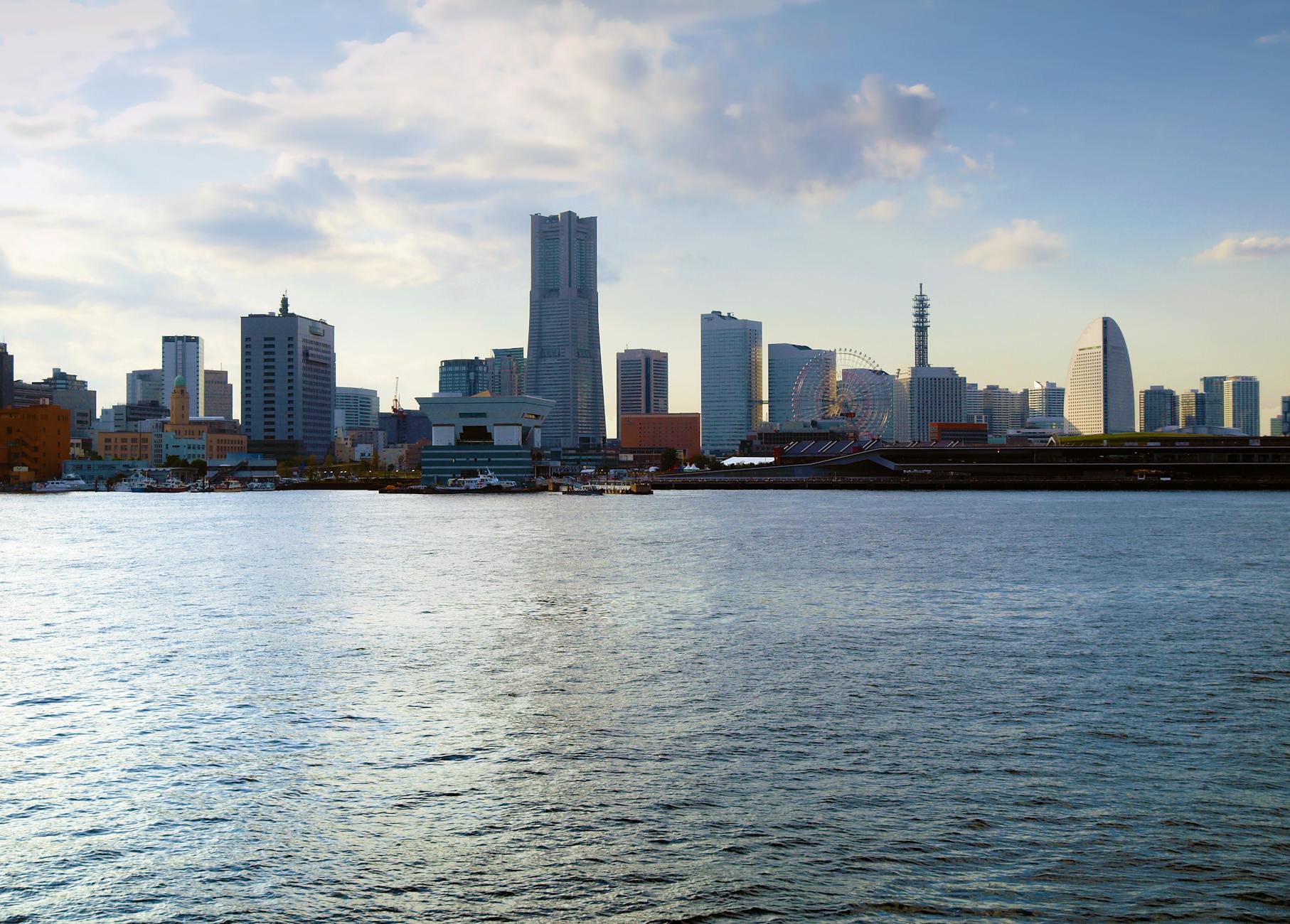
Yokohama is one of the easiest Japanese cities to underestimate because it looks so manageable from a distance.
Start Here
People assume it is basically Tokyo with more bay views, or a refined day trip with enough skyline to justify lunch and a walk. That is too small a reading. Yokohama works not because it imitates Tokyo well, but because it declines to. It is a harbor city built on sequence, breadth, and polish. It gives you easier movement, more visual openness, a better relationship between waterfront and hotel life, and a city rhythm that often feels calmer without ever becoming sleepy.
This is what makes Yokohama distinct. The port opening shaped it into one of Japan’s earliest outward-facing modern cities, and the official Yokohama visitors’ guide still describes it in exactly those terms: a harbor city that first brought many foreign influences into modern Japan.[1] You feel that history not as museum rhetoric but as urban behavior. The city is comfortable being elegant. It likes promenades, date-night districts, bay-facing towers, restored industrial architecture, and neighborhoods that connect cleanly rather than jostle for attention.
The best first trip to Yokohama is therefore not a checklist of landmarks. It is a composed harbor stay. Choose a base that fits the trip. Let one day belong to Minato Mirai and the modern waterfront sequence. Let another lean toward Yamashita, Chinatown, and the slightly older, more layered port-city atmosphere. If you have time, use Sankeien as a counterweight to all the polished bayfront movement. And above all, stop asking whether Yokohama is enough city. It is. The real question is whether you are using the right version of it.
The city in one sentence: Yokohama is a polished harbor city whose best first stay comes from sequencing waterfront, old-port, park, and garden districts instead of treating it as watered-down Tokyo.
Quick Verdict
Best for: couples, solo travelers, short luxury stays, design-aware travelers, first-time Japan returners, and anyone who likes cities with visual order and graceful movement.
Less ideal for: travelers who want constant urban intensity, people who only care about headline historic monuments, or anyone using Yokohama purely as a sleep-near-Tokyo convenience.
Ideal first stay: 2 nights.
Better stay: 3 nights if you want one full harbor day plus one slower garden or older-district day.
Minimum worthwhile stay: 1 night.
Best overall months: March to May and October to November.
Biggest planning mistake: turning Yokohama into a comparison exercise instead of a city stay.
One thing to prioritize: the hotel district.
One thing to keep flexible: how much the trip leans polished bayfront versus older port texture.
The blunt version: Yokohama is far better when you sleep there and let the harbor become the trip’s organizing line.
Who Will Love Yokohama?
Yokohama works especially well for travelers who like cities where one good scene leads smoothly into the next. If you enjoy moving from a skyline promenade to a shopping and dining zone, then into a park or bayfront stretch, and ending the day with a polished hotel return instead of a punishing cross-city commute, Yokohama is strong.
It is also good for travelers who like Japan but sometimes want more breathing room. Yokohama gives you polish without the constant compression of Tokyo. It gives you waterfront scale without the full labor of a larger city. It gives you easy date-night or solo-walk material without demanding endless tactical energy.
Travelers who need every city to prove itself through relentless density may find Yokohama too composed. That is not a weakness. It is part of the point.
Yokohama at a Glance
| Question | Practical Answer |
|---|---|
| Main gateway | Yokohama Station / Shin-Yokohama / central Tokyo-area rail access |
| Simplest local transit | rail plus subway, with selective city-bus use |
| Best first-time base | Minato Mirai / Sakuragicho or Yamashita / Kannai depending mood |
| Main polished waterfront anchor | Minato Mirai 21 |
| Main older harbor promenade zone | Yamashita Park / Chinatown side |
| Main classical counterweight | Sankeien Garden |
| Main practical sightseeing ticket | Minato Burari or subway-bus day pass |
| Car needed? | No |
| Best trip length | 2 to 3 days |
2026 Visitor Notes
Yokohama Still Reads Best Through Its Harbor History
The official Yokohama visitors’ guide still describes the city as the first harbor city introduced to the world as Japan’s entrance and as a place where outside influences were brought into modern Japanese life.[1] That remains the cleanest frame for understanding the city.
Minato Mirai Remains the Core First-Time Sequence
The same official guide still presents Minato Mirai 21 as the area where many of Yokohama’s best-known visitor spots sit within easy walking reach, including Landmark Tower and the Red Brick Warehouse.[1] That walkability is one of the city’s main structural advantages.
Yamashita Park Is Still the Best Older Waterfront Reset
Yamashita Park’s official listing still describes it as Japan’s first seaside park, opened in `1930` and stretching almost `700` meters along Yokohama Port.[2] That matters because it explains why the bayfront feels so composed rather than merely scenic.
Sankeien Is Still a Real Counterweight, Not a Side Errand
The official visitors’ guide still lists Sankeien as a `175,000` square meter classical garden opened to the public in `1906`, with historically significant relocated buildings and a pagoda brought from Kyoto.[3] If you do only modern waterfront Yokohama, you miss this whole register of the city.
City Transit Is Still Easy Enough to Reward Better Planning
Yokohama’s municipal transport pages still make two useful things clear: the subway and bus system is broad, and digital day tickets like the subway-plus-bus pass and Minato Burari options remain easy to buy through the `my route` app.[5][6] The city is forgiving, but that does not mean you should plan lazily.
How to Understand Yokohama
Yokohama works through five layers.
The first is waterfront sequence. This is a city where promenade logic matters.
The second is district mood. Minato Mirai, Yamashita, Chinatown, and the garden side all create different Yokohamas quickly.
The third is hotel power. A strong base makes the city feel elegant; a weak base makes it feel merely convenient.
The fourth is urban calm. Yokohama’s comparative ease is not an accident. It is part of the product.
The fifth is contrast. Modern bayfront polish and older port texture need each other.
The Main Mental Shift
Do not ask, “What are the top sights in Yokohama?” Ask, “Which Yokohama do I want more of: polished bayfront, older port atmosphere, or classical garden calm?” The city becomes clearer immediately.
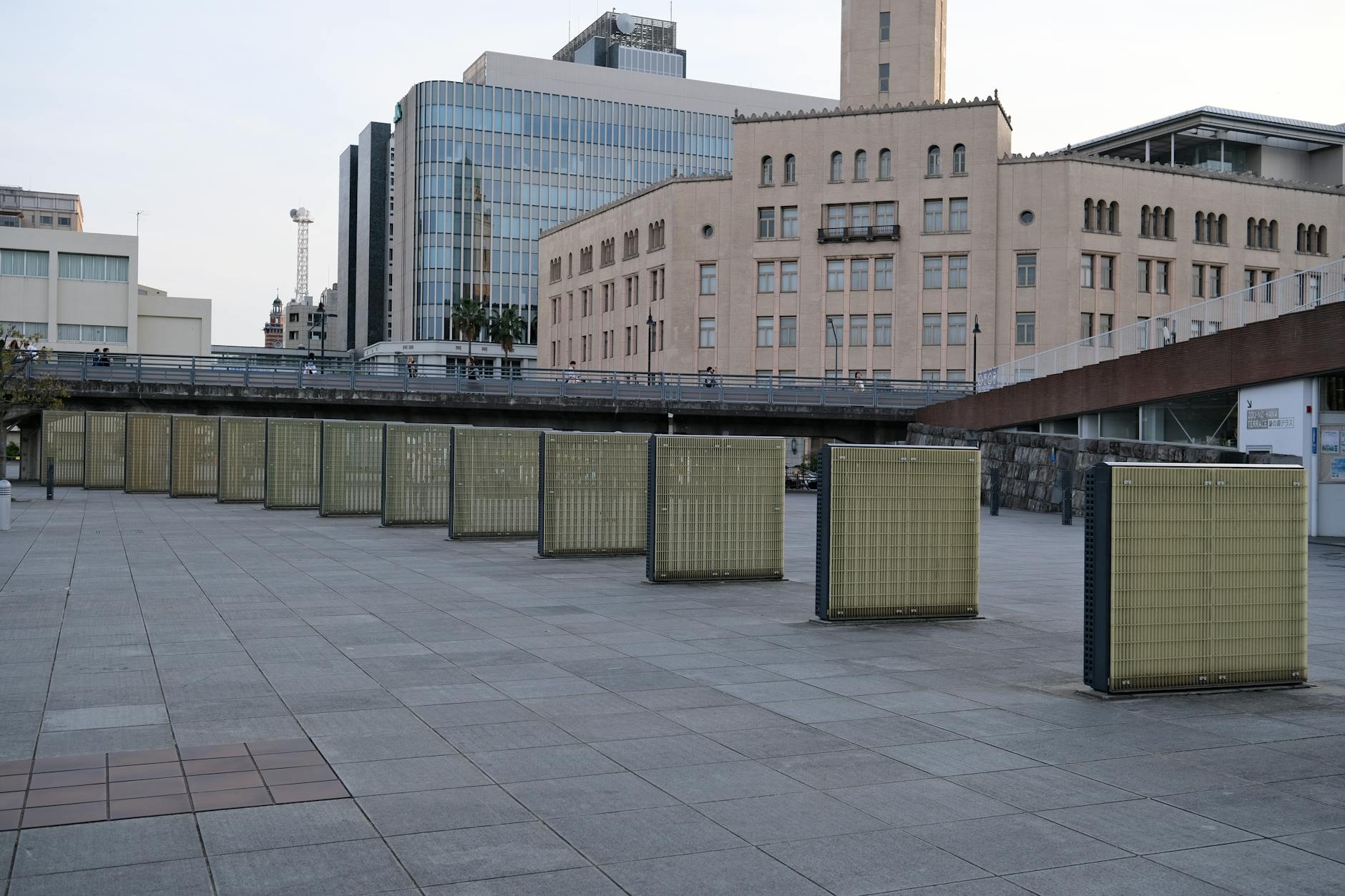
What Yokohama Does Better Than People Think
Yokohama is better than people think at delivering a complete short city break without the exhaustion tax many major Japanese cities impose. It is also better than people think at elegance. The harbor is not just scenic. It is a way of structuring the day. Even practical movement often feels cleaner here than in denser systems.
It is also better than people think at contrast. Red-brick industrial reuse, Chinatown density, bayfront parks, high-rises, and classical garden space coexist in a way that feels unusually legible. You do not have to fight the city to understand the relationship between its parts.
Finally, Yokohama is unusually good at making a short stay feel complete. Not finished, perhaps, but complete enough to feel that the city held its own terms.
Why Sleeping in Yokohama Changes the Trip
This is one of the most important differences between a respectable Yokohama experience and a genuinely good one.
As a day trip, Yokohama can look almost too tidy. You arrive, walk the bayfront, maybe do Chinatown, maybe glance at the Red Brick Warehouse, maybe ride an elevator for a view, and then head back toward Tokyo. That version is not false, but it is thin. It catches the city in public mode and leaves before the more persuasive part of the rhythm arrives.
Sleeping in Yokohama changes the emotional sequence. The city has time to become evening, then morning, then harbor again. The hotel starts mattering. The return walk matters. The bay stops being scenery and starts becoming orientation. Even breakfast feels different when you are waking up inside the city rather than borrowing it for a few hours.
This matters especially because Yokohama’s strengths are cumulative rather than explosive. It is a city of good transitions, correct pacing, clean endings, and unusually elegant short distances. All of that becomes more visible once you give the city at least one night.
That is why “sleep in Yokohama” is not just a lifestyle suggestion. It is the main practical advice that turns the city from a worthwhile side trip into a real stay.
Where Yokohama Fits in a Japan Trip
Yokohama works especially well in three kinds of Japan itinerary.
The first is the Tokyo-adjacent trip that needs one calmer urban chapter without losing quality. Yokohama does this extremely well because it preserves metropolitan standards while lowering the pressure. You still get strong infrastructure, good hotels, nighttime options, and polished public space, but the city does not demand the same relentless tactical attention as Tokyo.
The second is the couples’ or solo short-break itinerary that wants one harbor city with enough structure to feel substantial and enough ease to feel restorative. Yokohama is almost built for this use. Its promenades, skyline views, adaptive-reuse landmarks, and hotel logic all align naturally with the idea of a compact but satisfying short break.
The third is the return-to-Japan itinerary where the traveler is no longer trying to maximize first-time icons. Yokohama is very good once the trip has moved beyond “must-see Japan.” It shows another register of the country: international port history, polished bayfront planning, older Chinese and western influences, and a modern urban lifestyle that is not wholly defined by Tokyo.
It is less compelling as a token add-on. The city gains force when it is allowed to lead at least one day and one night rather than act as a decorative overflow zone.
First-Time Visitors Versus Repeat Visitors
First-time visitors often approach Yokohama with a slightly defensive question: is this enough? Enough city, enough atmosphere, enough history, enough difference from Tokyo. That question tends to produce bad behavior. It leads people to overpack the day, compare too much, and move too quickly through districts that are designed to unfold.
Repeat visitors usually become much better at using Yokohama because they stop testing it. They already know the city can be pleasant. So instead of interrogating its value, they start choosing which version they want. More Minato Mirai. More Yamashita. More hotel. More Sankeien. More evening. Less comparison. Less sampling. Better sequencing.
This is one reason Yokohama often leaves a stronger memory than expected. It does not always overwhelm on first contact, but it tends to clarify with familiarity. What first looked merely polished often turns out to be carefully composed.
That shift matters. Some cities win by intensity. Yokohama often wins by correctness.
Where Yokohama Fits in a Japan Trip
Yokohama often enters a Japan itinerary through Tokyo. That is useful, but it can also weaken the city if every hour is interpreted through proximity to the capital. The better way to think about Yokohama is as one of Japan’s strongest short harbor stays: close enough to the Tokyo megaregion to be convenient, different enough from Tokyo to be genuinely worth its own nights.
As a first stop after Tokyo, it can feel like relief. As a softer urban interlude before or after heavier sightseeing, it can feel beautifully composed. As a couples’ or solo short break, it is especially strong because hotel quality, promenades, evening light, and smooth transitions matter so much here.
It works less well as an obligation. If you only arrive to prove you have “done Yokohama,” you will likely flatten the city into skyline views and a hurried Chinatown pass. If you arrive to let the harbor shape two or three days, the city usually expands.
First-Time Visitors Versus Repeat Visitors
First-time visitors often use Yokohama too defensively. They worry it may not be enough, so they overcompensate by trying to fit every well-known district into one compressed circuit. That usually reduces the city’s main strength, which is flow.
Repeat visitors tend to do the opposite. They choose one side of the harbor more deliberately. They protect one long evening walk. They stay in a hotel that amplifies the mood they want. They let Sankeien, Yamashita, or Minato Mirai carry more weight instead of demanding equal attention from everything.
This is why Yokohama often improves on a second visit. Once the city is no longer being tested against Tokyo, it becomes easier to appreciate on its own terms. What first looked simply “nice” starts to feel unusually well-composed.
Best Time to Visit
Spring and autumn remain the cleanest answers. These are the seasons when the waterfront really earns its place in the itinerary and when longer walks between districts feel like part of the pleasure instead of just transit.
Summer still works, but it makes hotel quality more important and shifts more of the city’s charm toward evening. Winter strips Yokohama down to views, architecture, shopping, dinners, and illuminated harbor scenes, which can still be deeply satisfying if that is the version you want.
This is one of Yokohama’s strengths: the city does not stop working when the weather gets less ideal. It simply changes register.
How Many Days You Need
One Night
Enough for a polished harbor stay, especially if you arrive before lunch and sleep in the right district.
Two Nights
The best first answer. One day can belong to Minato Mirai and the modern waterfront sequence. Another can belong to Yamashita, Chinatown, and either Sankeien or a slower older-port walk.
Three Nights
Best if you want Yokohama to stop feeling like a “smart short stay” and start feeling like a city with its own internal rhythm.
Longer
Worth it if you are using Yokohama as a base with real hotel time, harbor routine, and lower daily ambition. Less necessary if your main goal is simply sampling the city once.
Arrival Strategy
Yokohama rewards intentional arrival.
If the trip is truly Yokohama-led, avoid burning your first afternoon on cross-metropolitan drift. Get to your hotel, establish the station logic, and walk the district you chose to stay in. This city becomes convincing quickly when the first evening belongs to it.
The other arrival rule is simple: protect the waterfront sequence. Yokohama’s greatest strength is flow. Do not break it with an awkward base, a utility-only hotel, or a plan that tries to sample the whole city before dinner.
Arrival days in Yokohama should feel graceful, not extractive.
Where to Stay
For most first-time visitors, stay either Minato Mirai / Sakuragicho or Yamashita / Kannai side, depending on what emotional version of Yokohama you want.
Minato Mirai / Sakuragicho
Best for: polished hotel stays, skyline views, smoother first-time harbor sequencing, and the most clearly “Yokohama as product” experience. Tradeoff: can feel a little over-curated if you never leave the area. Best use: strongest default for first-time visitors.
If you want Yokohama to feel immediately sleek and legible, this is the answer.
Yamashita / Kannai / Chinatown Edge
Best for: older port atmosphere, park access, layered street life, and a little more historical texture. Tradeoff: slightly less pure tower-and-view glamour, depending on property. Best use: excellent for travelers who want Yokohama to feel more like a real harbor city than a skyline set.
Yokohama Station Area
Best for: practicality, shopping, and rail convenience. Tradeoff: easier to dilute the emotional point of the trip. Best use: strong only if utility is genuinely the priority.
The Main Rule
In Yokohama, your hotel is part of the itinerary’s tone. Choose accordingly.
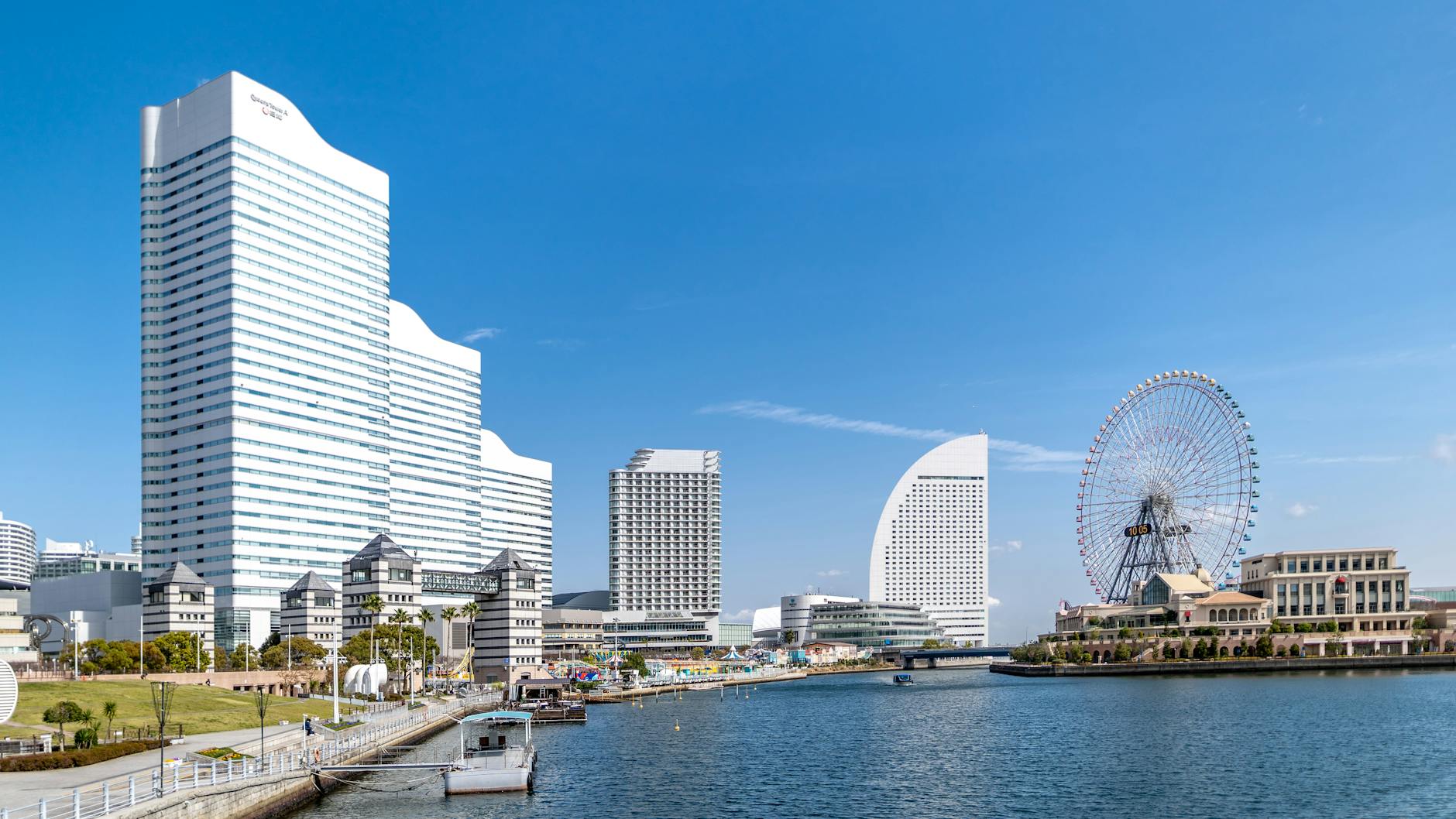
The Yokohamas That Matter Most
Modern Harbor Yokohama: Minato Mirai, Landmark Tower, the Red Brick Warehouse, and easy waterfront sequencing.[1][4]
Older Harbor Yokohama: Yamashita Park, Kannai, classic port-city atmosphere, and the Chinatown edge.[2][1]
Garden Yokohama: Sankeien, which gives the city a classical, spatially generous counter-register.[3]
Transit Yokohama: the pragmatic city of day passes, short station links, and smoother movement than many first-time visitors expect.[5][6]
Return Yokohama: the version that appears once you stop comparing it and start simply using it.
Minato Mirai and the Polished Waterfront
This is the version of Yokohama most first-time visitors are really coming for, whether they say so or not.
The official visitors’ guide still describes Minato Mirai 21 as the zone where Yokohama’s most popular visitor spots sit within easy walking access.[1] That is exactly what makes it work. You are not simply collecting attractions. You are moving through a designed bayfront sequence. The skyline, shopping complexes, open plazas, and bay views collaborate rather than compete.
This is also where the Red Brick Warehouse matters. The official listing explains that the former customs-inspection buildings from the early `1920s` have been converted into one of Yokohama’s most popular date and family spots, with shops, restaurants, and events right on the bay.[4] That adaptive reuse says a lot about Yokohama as a city: polished, public-facing, and comfortable mixing heritage with commerce.
Minato Mirai is strongest when you let it feel like a composed bayfront rather than a set of disconnected attractions.
Yamashita, Chinatown, and the Older Port Atmosphere
If Minato Mirai is the polished face of Yokohama, Yamashita and Chinatown are the city’s older harbor memory with more texture and less smoothness.
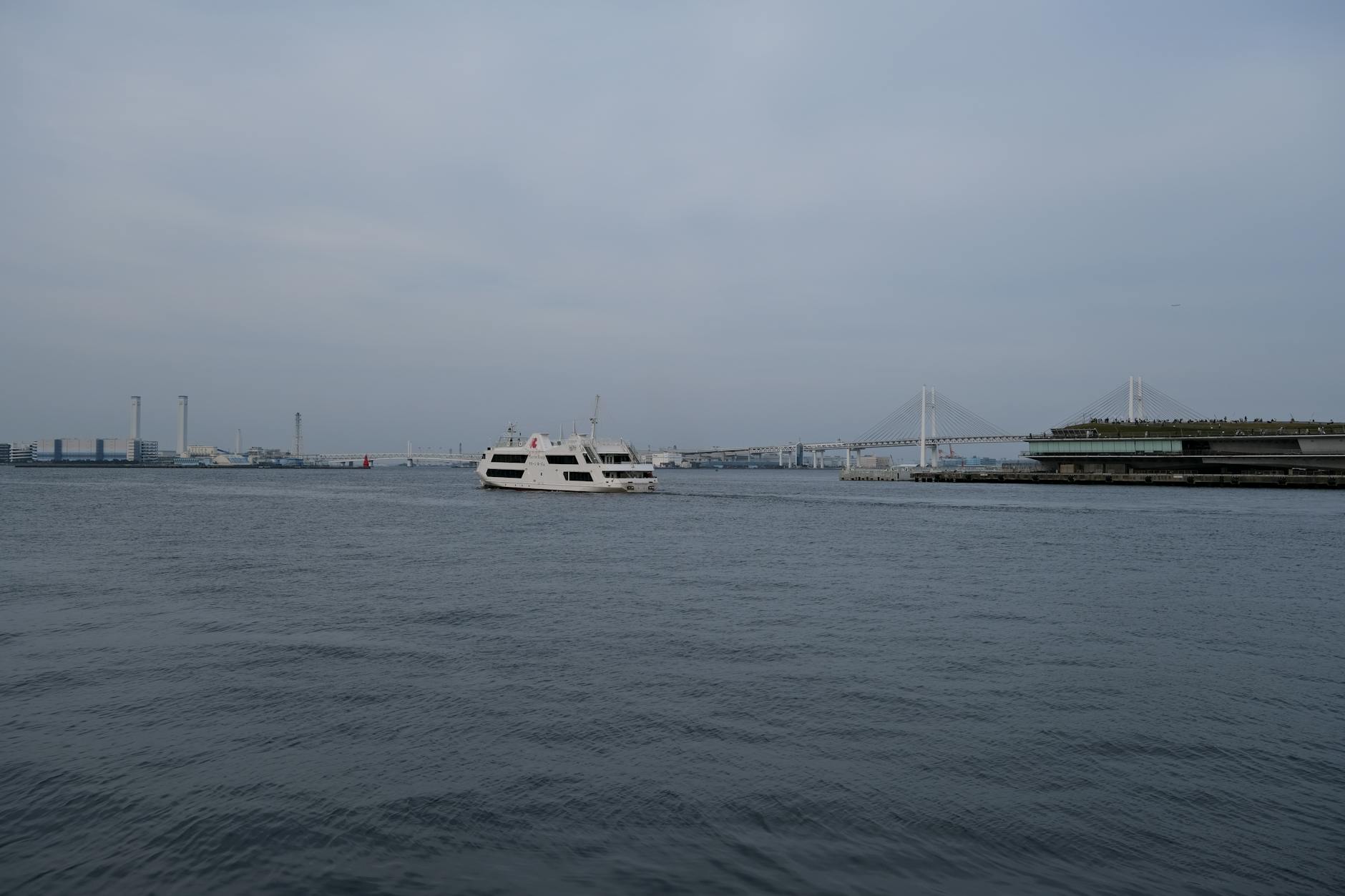
Yamashita Park’s official description as Japan’s first seaside park matters because it helps explain the city’s long habit of treating the waterfront as civic space, not just commercial frontage.[2] The area is broad, open, and excellent for slow walking.
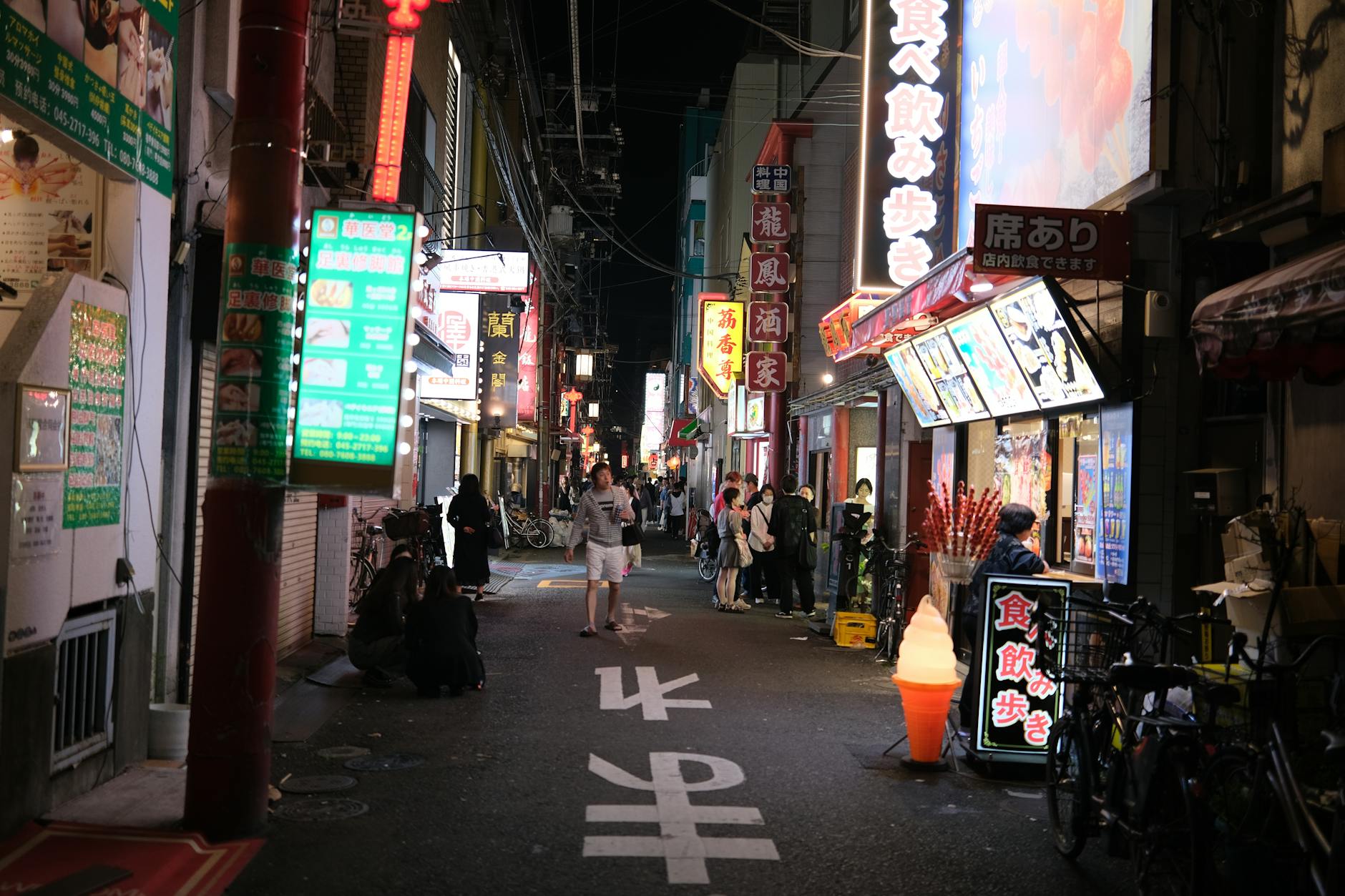
The official Yokohama overview also highlights Chinatown as one of the city’s central visitor districts and notes its scale, with roughly `500` Chinese restaurants, grocery stores, and related shops.[1] That does not mean you should reduce the area to a food challenge. It means Chinatown gives Yokohama one of its clearest doses of street density and urban energy.
This is the side of Yokohama that stops the city from becoming too polished in your memory.
Sankeien and the Need for Contrast
Sankeien matters because it prevents Yokohama from becoming purely a waterfront-consumption city in your mind.
The official visitors’ guide still notes the garden’s `175,000` square meters, its `1906` public opening, and its collection of significant historic buildings relocated from around Japan.[3] It is not central in the same way Minato Mirai is, which is exactly why it works. It changes the emotional register. Suddenly Yokohama becomes more than skyline, shopping, and promenades. It becomes spacious, cultural, and seasonally tuned.
If you have two or more nights, Sankeien is the best single counterweight to the harbor sequence.
Food and the Right Kind of Ambition
Yokohama is not a city where you need manic culinary aggression. It is better used through neighborhoods and timing.
Minato Mirai gives you polished dining and easy scenic meals. Chinatown gives you appetite and density. The station zones and older harbor districts fill in the rest. The goal is not to conquer Yokohama’s food. It is to let each district feed the version of the city it represents.
This is one reason hotel and dinner pairing matters more here than in some Japanese cities. A good Yokohama night should end with a clean return, not a long tactical commute.
Moderation actually improves this city. Too much ambition makes it feel more generic.
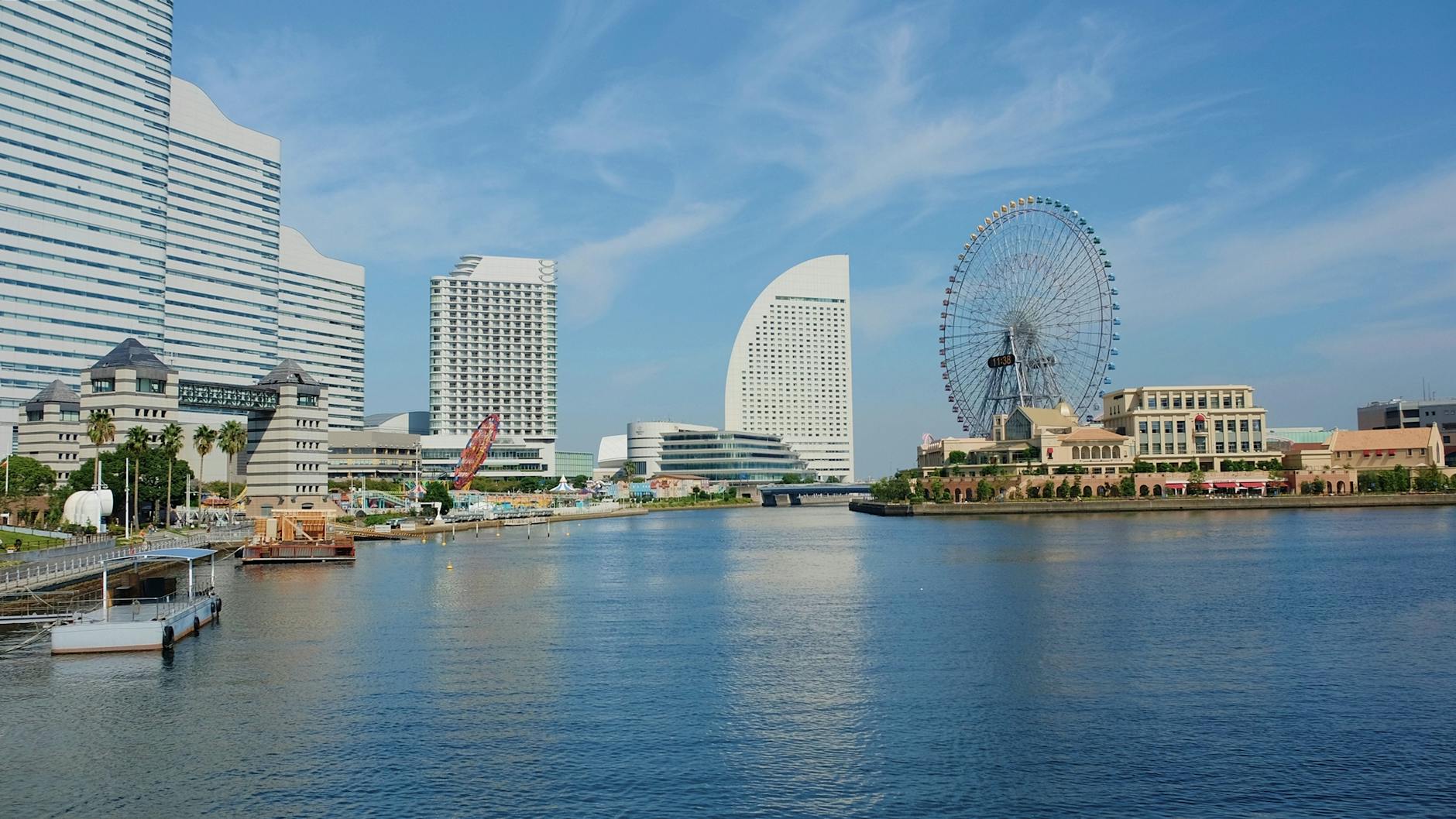
Getting Around
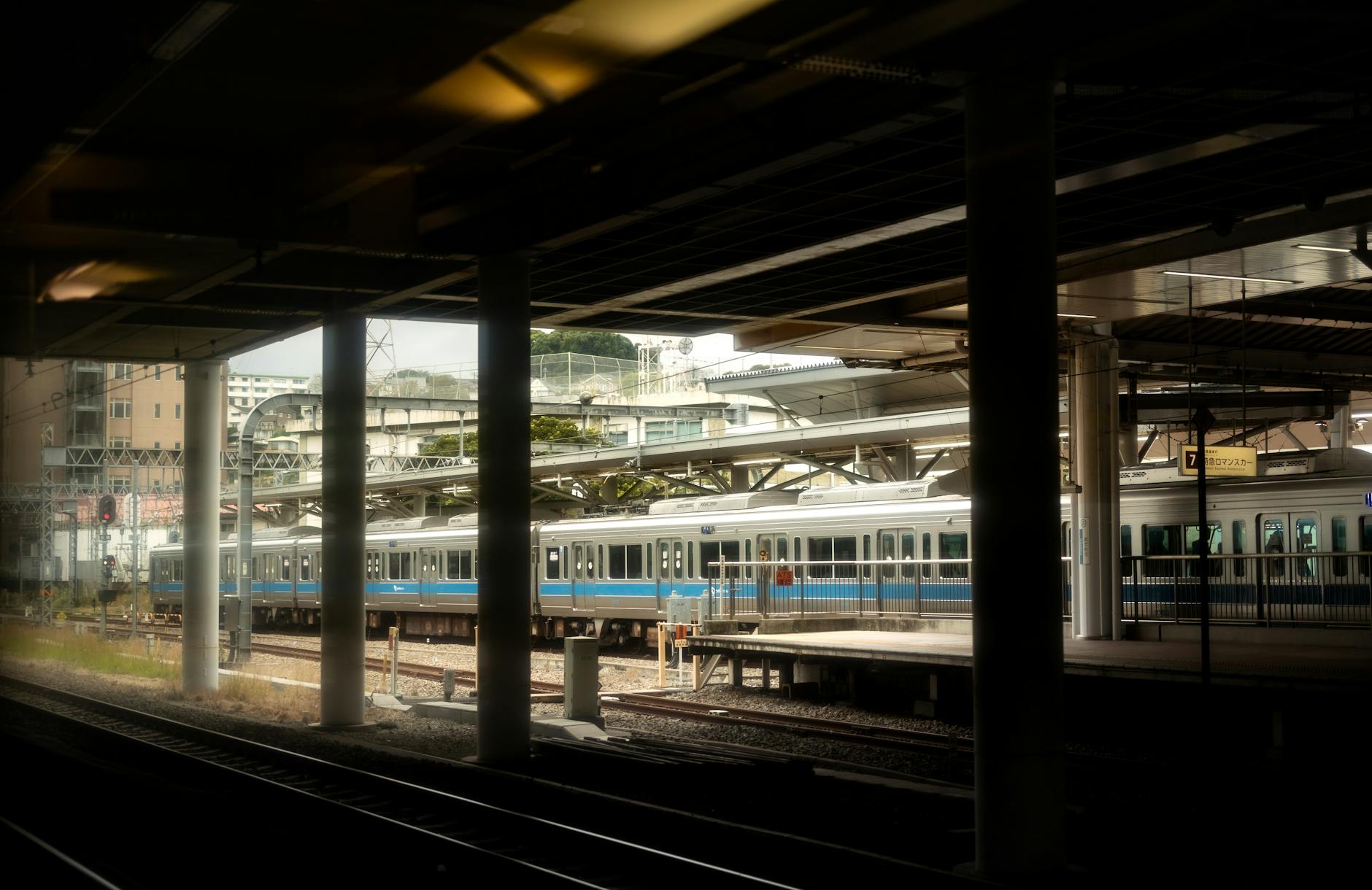
Yokohama is a rail-and-subway city first, selective-bus city second, walking city third.
The municipal transport pages make the network easy enough to understand, and the digital passes are genuinely useful when your day is transit-shaped.[5][6] The `Minato Burari` ticket is especially relevant for visitors focusing on the harbor-side core.[6]
But the larger point is this: Yokohama’s appeal depends on preserving ease. Use the system to keep the route elegant, not to turn the trip into overreach. The city works best when transit feels like support, not like a test.
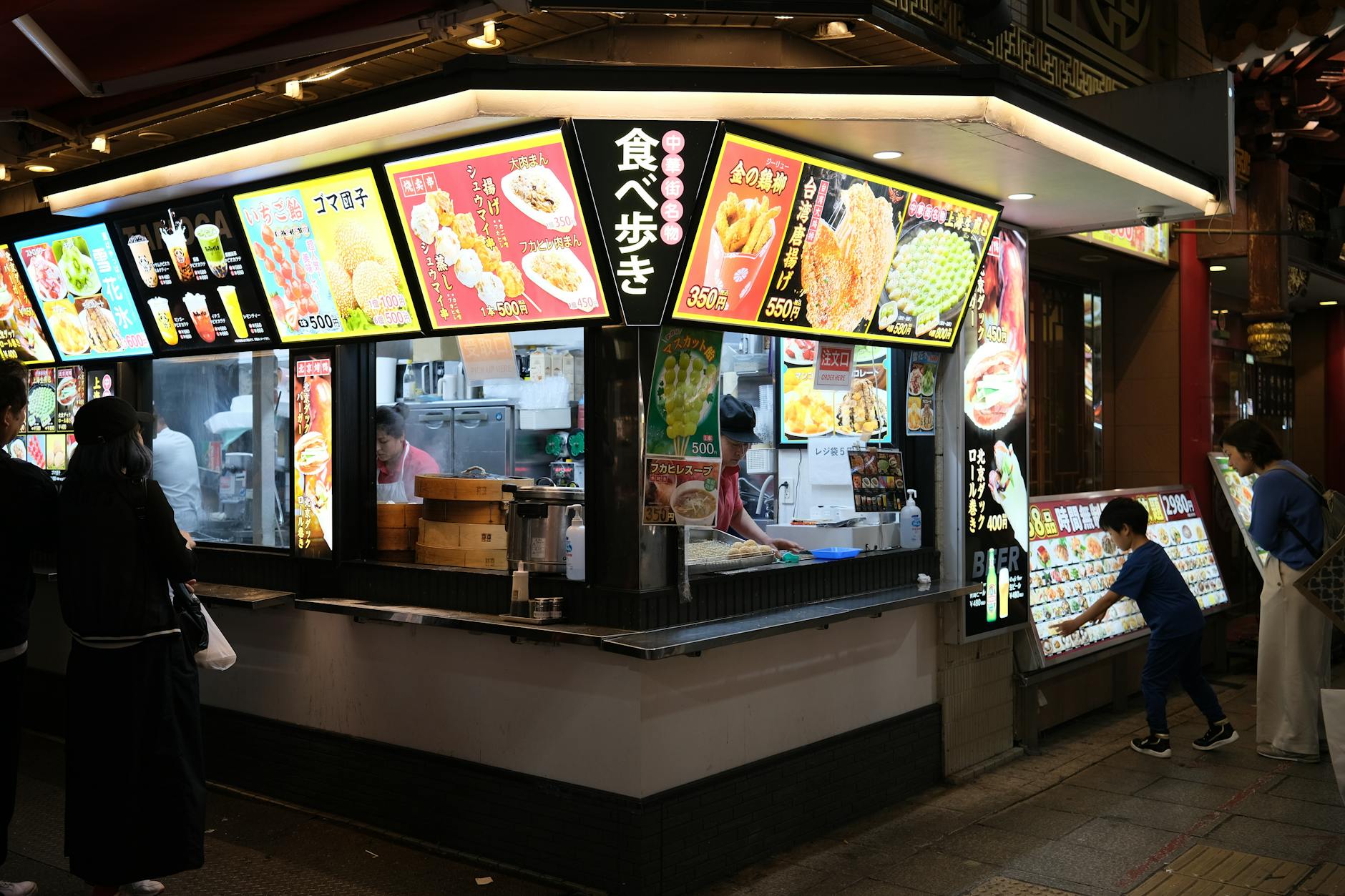
Morning Yokohama Versus Night Yokohama
Morning Yokohama is spacious, clean-edged, and good for orientation. Parks feel larger, harbor walks feel calmer, and the city’s polish registers without the same density of evening leisure.
Night Yokohama is where the city becomes seductive. Hotel towers, lit promenades, bay reflections, date-night movement, and the soft glow of the harbor all strengthen the city’s identity. This is why sleeping in Yokohama matters. The city becomes more itself after dark.
That does not mean mornings are disposable. It means the city really works in two registers: composed by day, atmospheric by night. A good first stay uses both.
One Good Harbor Line Is Better Than Five Isolated Sights
Yokohama is a city that rewards continuity more than range.
Visitors sometimes assume that because the city is relatively manageable, they should be able to pick off every major name in quick succession: Minato Mirai, the Red Brick Warehouse, Chinatown, Yamashita Park, Sankeien, maybe a tower view, maybe station shopping, maybe another waterfront walk somewhere else. The problem is not that this is impossible. The problem is that it ruins what the city does best.
Yokohama’s strength lies in how well one place leads to the next. A harbor promenade becomes a warehouse district, which becomes a meal, which becomes a view, which becomes a hotel return. An older port walk becomes a park, which becomes Chinatown, which becomes an evening arc. These sequences are the city’s real attractions.
When you break them apart in pursuit of total coverage, Yokohama starts to look more ordinary than it is. When you protect them, the city becomes unusually graceful.
Why Yokohama Feels Better When You Stop Comparing It to Tokyo
The biggest conceptual mistake in Yokohama is using Tokyo as the measure of all value.
Tokyo is denser, more varied, more exhausting, more expansive, and more famously itself. None of that invalidates Yokohama. In fact, Yokohama’s strength is partly that it declines the comparison. It offers something Tokyo often does not: a better ratio of effort to atmosphere. It is easier to move through, easier to rest in, and easier to shape into a coherent short stay.
If you ask, “Why isn’t this Tokyo?” you flatten the city. If you ask, “What kind of harbor stay does this city make possible?” it opens up immediately.
That distinction matters. Yokohama is not lesser Tokyo. It is one of the strongest urban alternatives within the Tokyo orbit precisely because it is not trying to win on Tokyo’s terms.
Who Yokohama Handles Especially Well
Yokohama is unusually good for travelers who want a city to feel complete without feeling relentless.
Couples often do well because the city naturally supports promenades, skyline dinners, bayfront hotels, and evening walks without much friction. Solo travelers often do well because the harbor gives the day shape even when nothing is heavily programmed. Design-conscious travelers often do well because the city’s surfaces, reuse of port architecture, and spatial polish are part of the pleasure. Families also tend to do well when the trip stays close to the harbor districts, because movement is relatively legible and the main zones do not demand extreme tactical effort.
This is one of Yokohama’s quiet strengths. It can be romantic, calm, practical, and visually satisfying at once without becoming bland. Few cities handle that combination especially well.
One Good Harbor Sequence Is Better Than Citywide Sampling
This is one of the most important Yokohama rules.
Visitors sometimes assume that because Yokohama is manageable, they should be able to sample every mood quickly: Minato Mirai, Chinatown, Yamashita, Sankeien, station retail, night views, and maybe even a little Tokyo-linked drift. On paper this can look efficient. In practice it usually weakens the city’s main gift, which is composure.
Yokohama rewards complete sequences more than broad sampling. One well-built day that moves naturally through the harbor line often does more for the trip than a wider but messier plan. The same is true of the older port side. Let districts complete their own arguments.
When in doubt, choose less spread and more continuity.
How the City Changes Over the Course of a Stay
On arrival, Yokohama can feel almost too easy. The skyline is clean, the routes are readable, and the harbor seems to explain itself immediately.
By the second day, if the trip is built well, the layers start separating. You notice whether you prefer the polished bayfront or the older port edge. You feel why Sankeien matters. You understand that the city’s real strength is not single attractions but the smoothness with which one atmosphere becomes another.
By the third day, Yokohama often becomes more emotionally persuasive. It stops feeling like a “nice” side city and starts feeling like one of the most coherent short urban stays in Japan. That is usually when the comparison with Tokyo finally falls away.
Why Yokohama Lingers in Memory
Yokohama is not always the city people speak about first after a Japan trip, but it is often the one they remember with unusual fondness later.
That usually happens because the city is built out of good transitions rather than shocks. A harbor walk becomes a warehouse district, then a meal, then a night view, then a hotel return. The older port side becomes a park, then a street, then Chinatown, then another stretch of water. The city rarely demands attention violently. Instead it keeps proving, quietly, that the day was composed well.
That aftereffect matters. Yokohama is not only a beautiful place to pass through. It is a place whose ease and proportion often become more impressive once the trip is over.
A Good Yokohama Day Versus a Bad One
A Good Day
It has one harbor logic. One district leads into the next. The hotel supports the mood. Transit shortens strain rather than multiplying it. One major counterpoint, such as Sankeien, is used deliberately rather than squeezed in thoughtlessly. Evening returns to the harbor rather than dispersing into commute.
A Bad Day
It treats Yokohama as a loose string of landmarks, samples everything too quickly, books a practical but emotionally flat base, and spends too much time wondering why the city is not Tokyo.
Yokohama is rarely the problem. Broken sequence usually is.
Common Mistakes
Treating Yokohama as Lesser Tokyo
This erases the very thing that makes it good.
Staying Only for Convenience
The city weakens immediately if the base serves trains better than the trip.
Doing Only Minato Mirai
It is essential, but it is not the whole city.
Ignoring Sankeien
Without one classical counterpoint, Yokohama can feel over-polished.
Overpacking the Day
Yokohama is best when the transitions remain graceful.
Refusing to Sleep There
The city’s evening identity is too important to leave to a rushed day trip.
Why Yokohama Often Improves on a Return Visit
First-time visitors sometimes use Yokohama too defensively, as though it must prove itself quickly. On a return visit, that pressure is gone. You already know it is pleasant. You already know where the harbor logic works. The city is then free to show more subtle things: how good a longer evening can be, how much difference a hotel district makes, how useful Sankeien is, how the older port side balances the polished bayfront.
That is why Yokohama often deepens rather than explodes. Its second impression is frequently more accurate than its first.
How the City Changes Over the Course of a Stay
On arrival, Yokohama can feel almost too easy. The skyline is clean, the routes are clear, the bayfront is handsome, and the city seems ready to be understood immediately.
By the second day, if the trip is built well, the layers begin separating. You understand which harbor side feels more natural to you. You see why Sankeien matters. You understand that the city is not just “nice” but intentionally sequenced.
By the third day, Yokohama often becomes more emotionally convincing. You stop testing it against Tokyo and start appreciating the way it lets a day stay whole. That is when the city often wins people over completely.
My Blunt Advice
Sleep in Yokohama.
Let one day belong to Minato Mirai.
Let another belong to Yamashita, Chinatown, and either a slower older-port walk or Sankeien.
Use the harbor as a line, not as a backdrop.
Do not ask why Yokohama is not Tokyo. Ask why more cities do not handle sequence this well.
If the trip leaves you calmer, not just entertained, you probably used Yokohama correctly.
Source Notes
- 1. Yokohama Official Visitors Guide. "About Yokohama." Official city tourism overview describing Yokohama’s harbor history, major sightseeing areas including Minato Mirai, Yamashita, and Chinatown, and the city’s role in modern Japanese culture. https://www.yokohamajapan.com/about/
- 2. Yokohama Official Visitors Guide. "Yamashita Park." Official listing describing the park as Japan’s first seaside park, opened in 1930 and stretching almost 700 meters along Yokohama Port. https://www.yokohamajapan.com/things-to-do/detail.php?bbid=190
- 3. Yokohama Official Visitors Guide. "Sankeien Garden." Official listing with size, history, opening hours, access, and ticket information. https://www.yokohamajapan.com/en/things-to-do/detail.php?bbid=87
- 4. Yokohama Official Visitors Guide. "Aka-Renga Soko (YOKOHAMA RED BRICK WAREHOUSE)." Official listing describing the former customs buildings, current shops and restaurants, access, and hours. https://www.yokohamajapan.com/things-to-do/detail.php?bbid=184
- 5. City of Yokohama. "Municipal Transportation." Official English city page for subway, bus, and transport guidance. https://www.city.yokohama.lg.jp/lang/residents/en/bus-subway/
- 6. City of Yokohama. "Digital One-day passes." Official English page listing the current digital bus, subway, and Minato Burari ticket options and prices. https://www.city.yokohama.lg.jp/lang/residents/en/bus-subway/bus/fares-bus/my-route.html