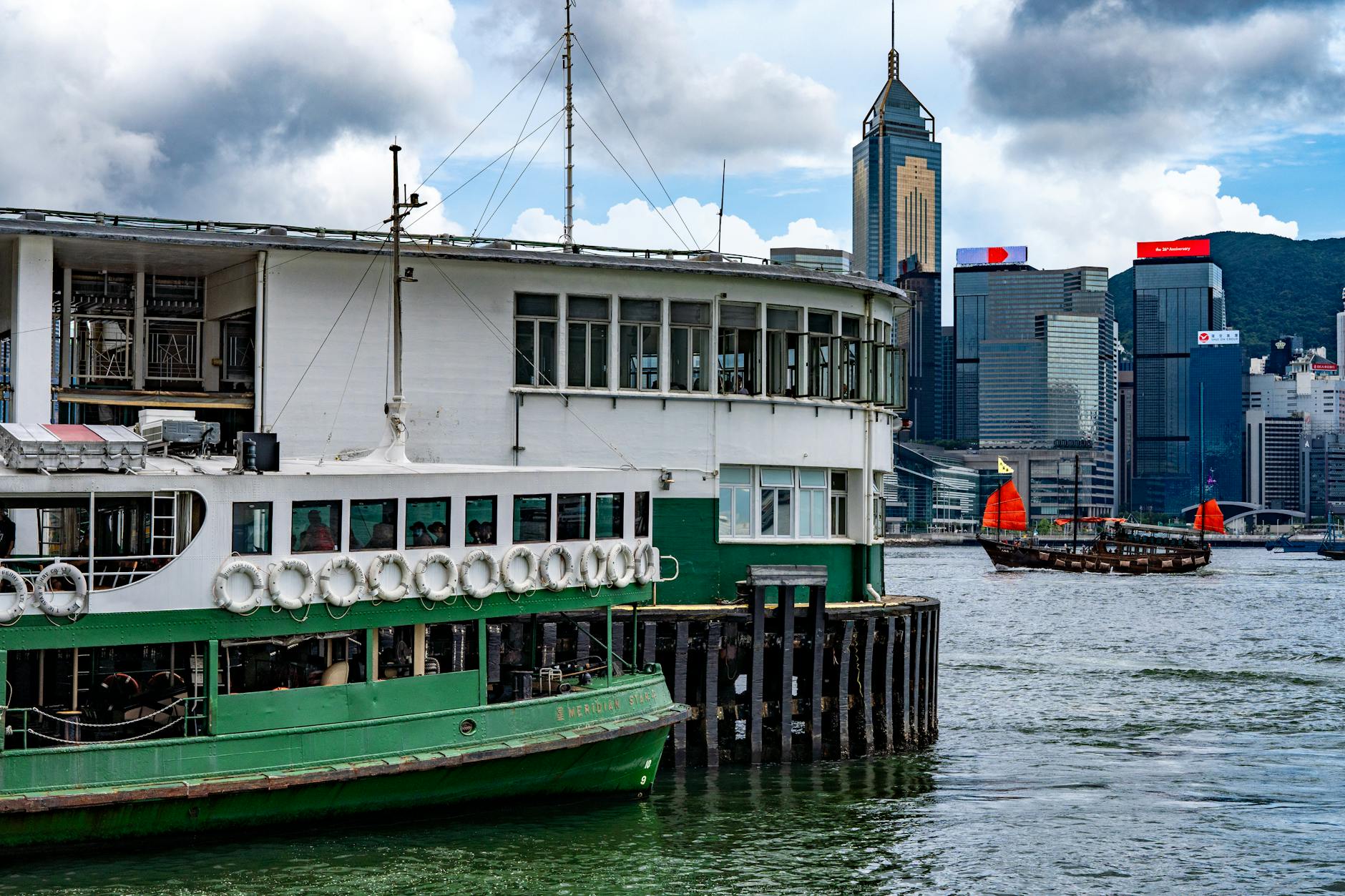
Tsim Sha Tsui is one of the most photographed parts of Hong Kong and one of the least clearly used.
Start Here
Most first visits reduce it to a handful of obvious images: the skyline view, the Star Ferry, Avenue of Stars, the promenade at night, and maybe a shopping mall or two before retreating elsewhere. Those things are real, and several of them are genuinely excellent. But they do not explain the district. Tsim Sha Tsui is not just a viewing platform facing Hong Kong Island. It is a dense Kowloon district where harbor spectacle, cultural infrastructure, hotels, retail pressure, museums, transit connections, and international foot traffic are all stacked into the same piece of city.
Hong Kong Tourism Board still frames Tsim Sha Tsui as a giant global bazaar where the harbor meets shops, stalls, markets, and malls.[1] That description is more accurate than it first sounds. Tsim Sha Tsui is not elegant in the cool, controlled way that Central tries to be. It is crowded, international, useful, showy, and perpetually in motion. The problem is not that visitors come here. The problem is that they often come here only for the most obvious edge of it.
Tsim Sha Tsui in one sentence: it is Hong Kong’s most famous harbor-facing district, but it only becomes satisfying once you treat it as a district and not just as a backdrop.
Basic data
| Population | Dense waterfront district inside Kowloon; the wider Hong Kong population is about 7.5 million |
|---|---|
| Area | Compact mixed-use urban district on the Kowloon Peninsula |
| Major religions | Buddhism, Taoism, Christianity, Islam, folk religion, and a large secular population |
| Political system | District inside a special administrative region |
| Economic system | High-income services economy led by tourism, hospitality, retail, logistics, and business services |
Quick Verdict
Best for: first-time Hong Kong visitors, short stays, skyline lovers, ferry users, museum-and-harbor travelers, and people who want high access with constant urban energy.
Less ideal for: travelers who dislike crowds, heavy commercial frontage, or districts where iconicity is part of the everyday texture.
Ideal first use: a strong half-day and evening, or as a hotel base for a broader Hong Kong trip.
Can justify more time: yes, especially if you split the harbor promenade from the interior retail-and-museum district.
Biggest planning mistake: doing only the waterfront and assuming you have understood Tsim Sha Tsui.
One thing to prioritize: sequence.
One thing to keep under control: attraction stacking.
The blunt version: Tsim Sha Tsui is better once you stop treating it like a single postcard strip.
Who Will Love Tsim Sha Tsui?
Tsim Sha Tsui works for travelers who want Hong Kong to feel immediate and legible. If you like districts where a city introduces itself loudly and efficiently, this is one of the best places to start.
It is especially useful for first-timers because it offers the harbor, ferry connections, major hotels, museums, and shopping in one connected zone. But it rewards visitors most when they can handle both spectacle and density without asking the district to become calmer than it is.
Tsim Sha Tsui at a Glance
| Question | Practical Answer |
|---|---|
| Best visit style | harbour spine plus interior district |
| Main first-time appeal | skyline and ferry access |
| Best structural move | combine promenade with one inland loop |
| Main physical challenge | crowd density, not terrain |
| Best transport anchor | Tsim Sha Tsui / East Tsim Sha Tsui MTR and Star Ferry |
| Biggest district trap | staying only at the water’s edge |
| Core payoff | a very complete Hong Kong first impression |
2026 Visitor Notes
Tsim Sha Tsui Still Functions as a Harbor-Facing Global Bazaar
Hong Kong Tourism Board continues to present Tsim Sha Tsui as a place where Victoria Harbour meets an intense concentration of shops, markets, and malls.[1] That remains the right overall frame. Tsim Sha Tsui is still one of the city’s clearest zones of visitor-facing concentration.
The Promenade Is Still the District’s Defining Public Edge
HKTB still describes the Tsim Sha Tsui Promenade as a harbor-side walk linking major cultural attractions while delivering dramatic views across to Hong Kong Island.[2] This remains the district’s most important public-space anchor, but it should be used as a spine, not mistaken for the entire district.
Avenue of Stars Still Matters, But Mostly as a View Sequence
HKTB continues to present the Avenue of Stars as one of the promenade’s photogenic harbor landmarks.[3] It still belongs in a first visit, but more for the relationship between water, skyline, and movement than for the celebrity-homage concept alone.
Star Ferry Still Makes the District Work
HKTB and Star Ferry continue to frame the Tsim Sha Tsui ferry connection as both transport and city icon.[4][5] This matters because Tsim Sha Tsui is stronger once you use the harbor rather than merely look at it.
How to Understand Tsim Sha Tsui
Tsim Sha Tsui works through three overlapping layers.
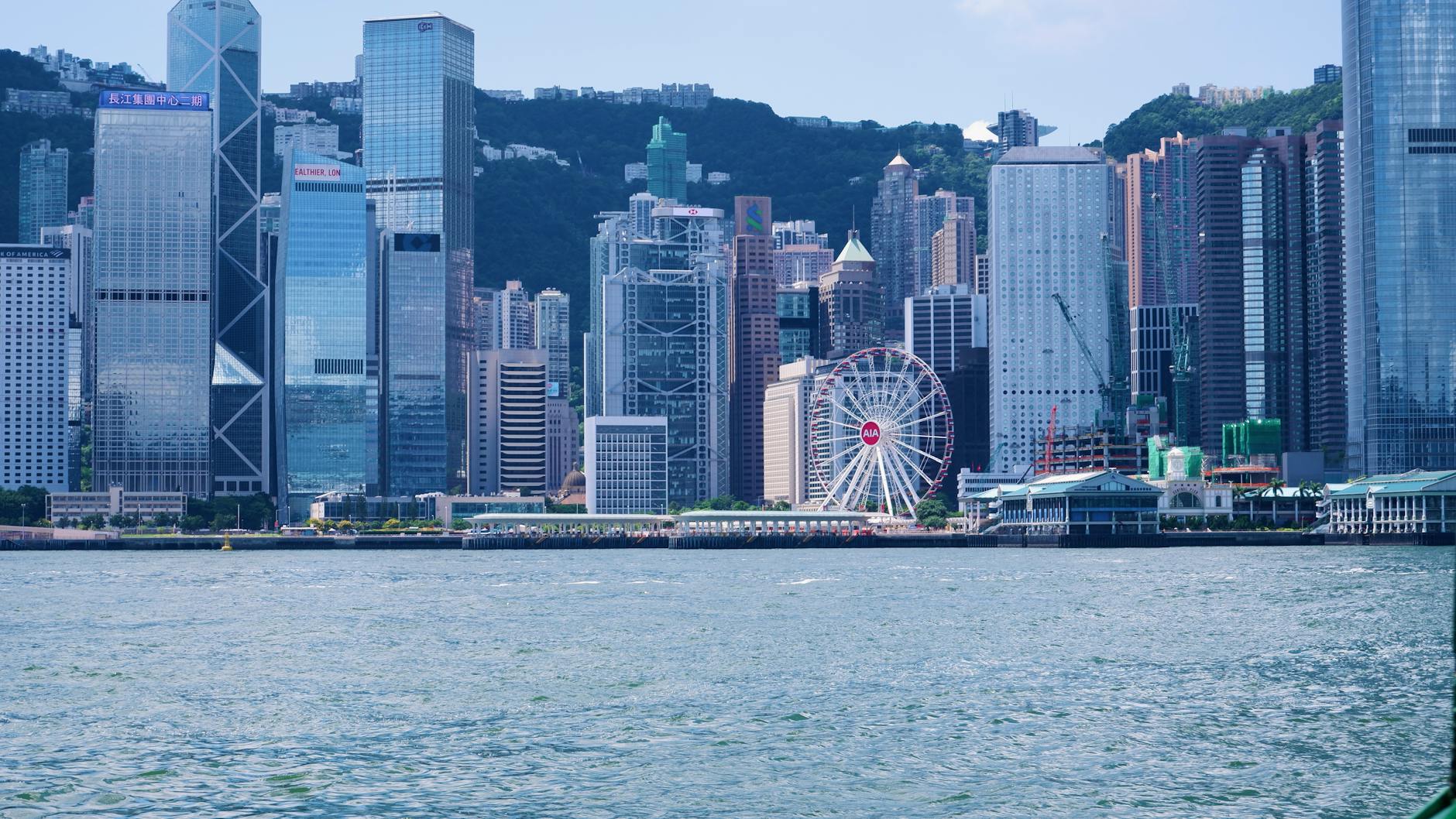
The first is the harbor edge: promenade, skyline, ferry, public views, and the district’s world-famous face.
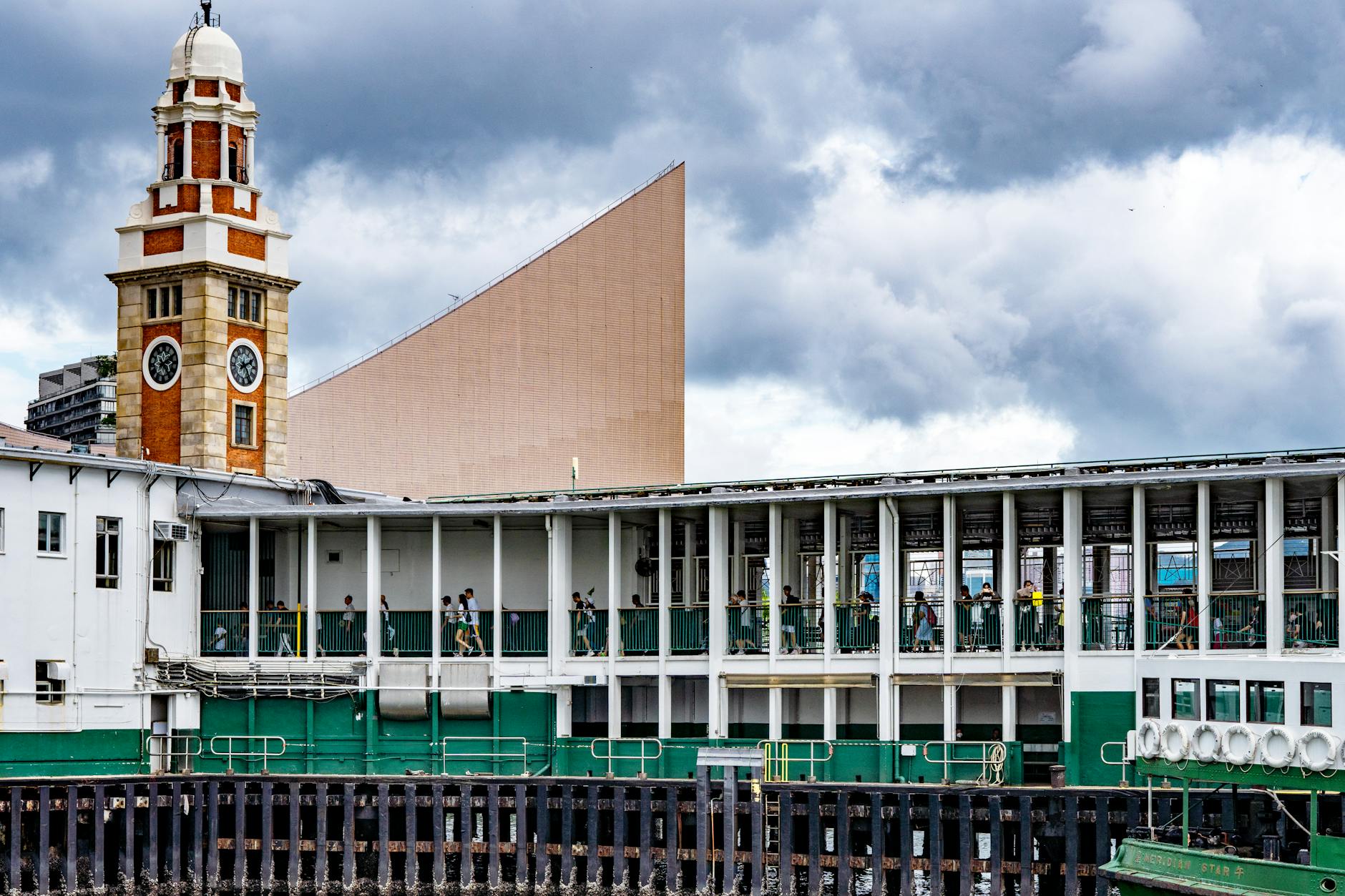
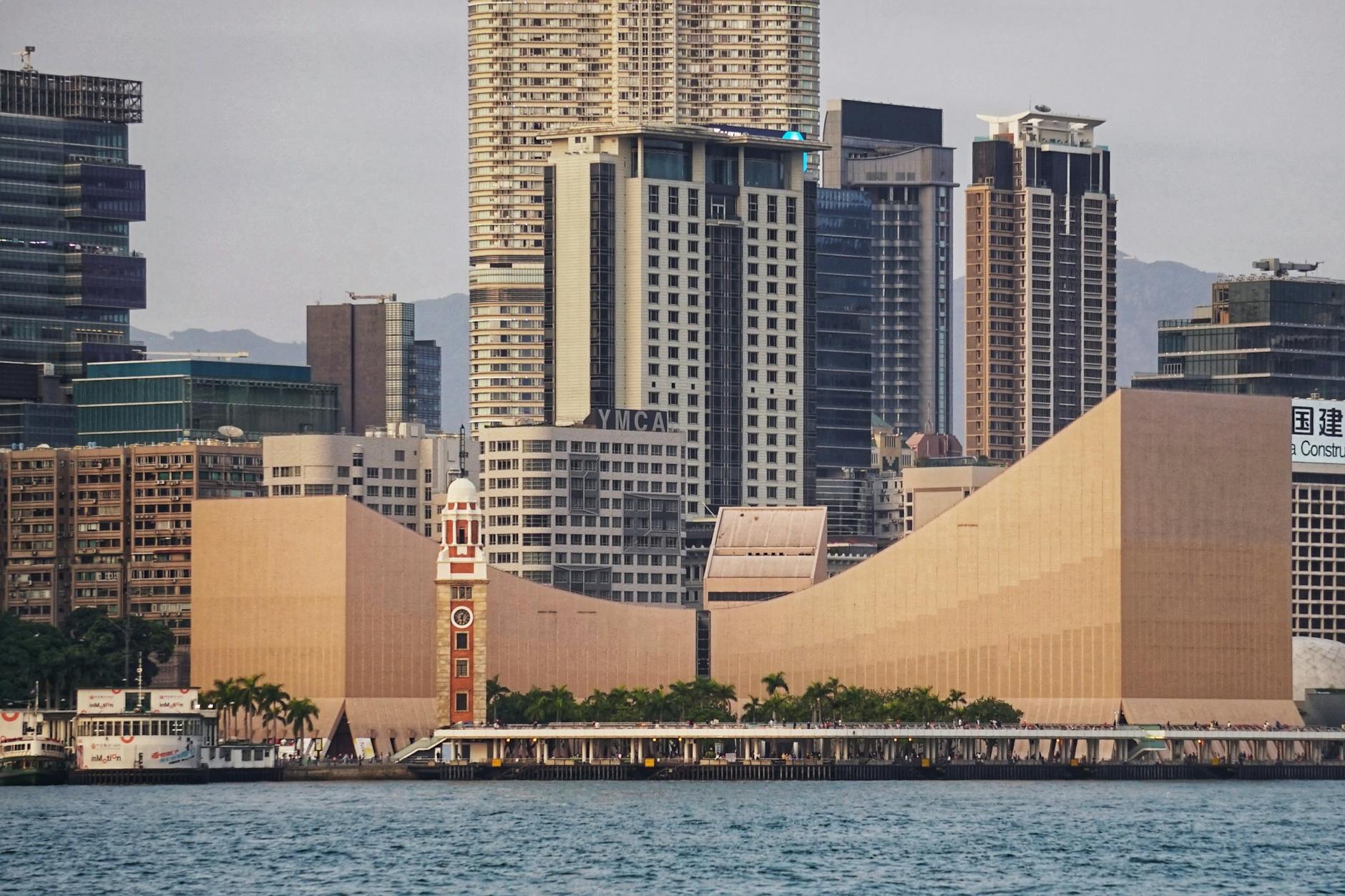
The second is the cultural strip: museum, clock tower, cultural centre, and the district’s role as a serious public front door rather than a mere entertainment zone.[2][8]
The third is the inland commercial mass: hotels, shopping, crowded blocks, and the feeling that all of global retail and transit convenience has been jammed into a few square kilometers.
The Main Mental Shift
Do not ask, “What are the Tsim Sha Tsui attractions?” Ask, “Which version of Tsim Sha Tsui am I using today?” Waterfront Tsim Sha Tsui, ferry Tsim Sha Tsui, museum Tsim Sha Tsui, and shopping Tsim Sha Tsui are all valid. The mistake is forcing them into one undifferentiated sweep.
What Makes Tsim Sha Tsui Distinct
Tsim Sha Tsui is distinct because it compresses the city’s most legible harbor spectacle with some of its most practical visitor infrastructure.
This is where many first-time visitors feel that Hong Kong has “started.” The district faces the skyline, receives the ferry, holds landmark civic structures, and surrounds all of that with retail intensity and heavy hotel presence. It is commercial, yes, but not shallow. The existence of the promenade, museums, and cultural centre keep it from collapsing into pure visitor throughput.
Best Time to Visit
Tsim Sha Tsui is best when you match the district to the light.
Daytime works well for promenade walking, museums, and ferry use. Late afternoon is strong because the harbor begins to shift visually while the inland district is still fully active. Evening is excellent for the waterfront and skyline, but weaker if you have not already given the district some daylight context.
If you only come at night, you get the lights but not the structure.
How Much Time You Need
Short Visit
Enough for promenade, ferry, and one quick inland pass. Useful, but incomplete.
Half Day
The best first answer if Tsim Sha Tsui is one district among several.
Full Day
Reasonable if you divide the day into waterfront, cultural, and commercial segments instead of drifting randomly.
Arrival Strategy
Tsim Sha Tsui should begin with a decision about orientation.
MTR continues to publish Tsim Sha Tsui and East Tsim Sha Tsui station information, and the district still depends heavily on these station relationships for clean access.[6][7] At the same time, Star Ferry remains one of the best ways to enter or leave the district as an actual piece of city rather than as a road-bound destination.[4][5]
The key is to decide whether your first move is water-facing or interior. If you arrive without that decision, the district can feel more generic than it really is.
The Promenade, Properly Used
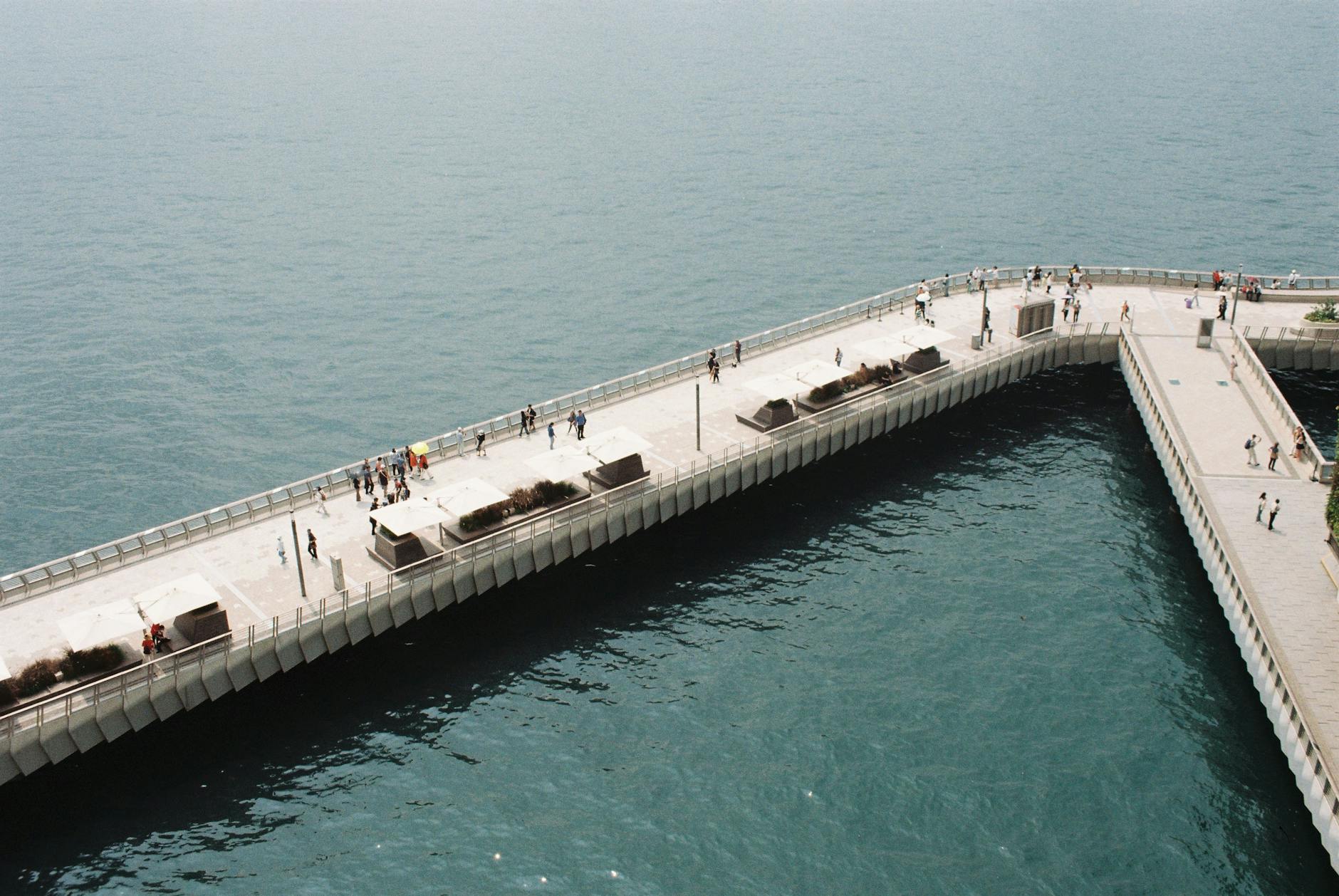
The Tsim Sha Tsui Promenade is not just where you stand for photos. HKTB still frames it as a harbor walk tied to major cultural sites and skyline views.[2]
That means the promenade works best as a linear organizer. Use it to read the harbor, find your bearings, and connect the cultural institutions and ferry edge. Do not let it become a stationary viewing platform when the district around it is designed for movement.
Avenue of Stars, the Harbor View, and the Risk of Stopping There
Avenue of Stars remains one of the district’s obvious first-time stops.[3] It deserves that status, but only within limits. The real payoff here is not the themed pavement alone. It is the fact that the promenade gives one of the most complete public views of Hong Kong’s harbor drama without requiring any altitude, tickets, or difficult logistics.
That is exactly why you should not end the visit there.
Star Ferry and Harbor Logic
HKTB still calls Star Ferry a city icon, and the operating company still presents it as an enduring harbor-crossing system linking Tsim Sha Tsui with Central and Wan Chai.[4][5]
This matters because the ferry is not merely something picturesque to watch. It is one of the simplest ways to make Tsim Sha Tsui feel connected rather than terminal. The district becomes much more coherent once you either arrive or depart by water.
The Cultural Strip: Clock Tower, Cultural Centre, and Museum Layer
The Hong Kong Cultural Centre still anchors the promenade zone at 10 Salisbury Road, with official access continuing from both Tsim Sha Tsui and East Tsim Sha Tsui stations.[8][9] Nearby, the former Kowloon-Canton Railway Clock Tower and the museum layer reinforce that this part of Tsim Sha Tsui is civic as well as commercial.[2]
This is one of the district’s strongest qualities. It prevents the harbor edge from becoming merely decorative.
Inland Tsim Sha Tsui: Hotels, Shopping, and Productive Excess
Inland Tsim Sha Tsui is where the district turns from elegant public face to usable urban machine.
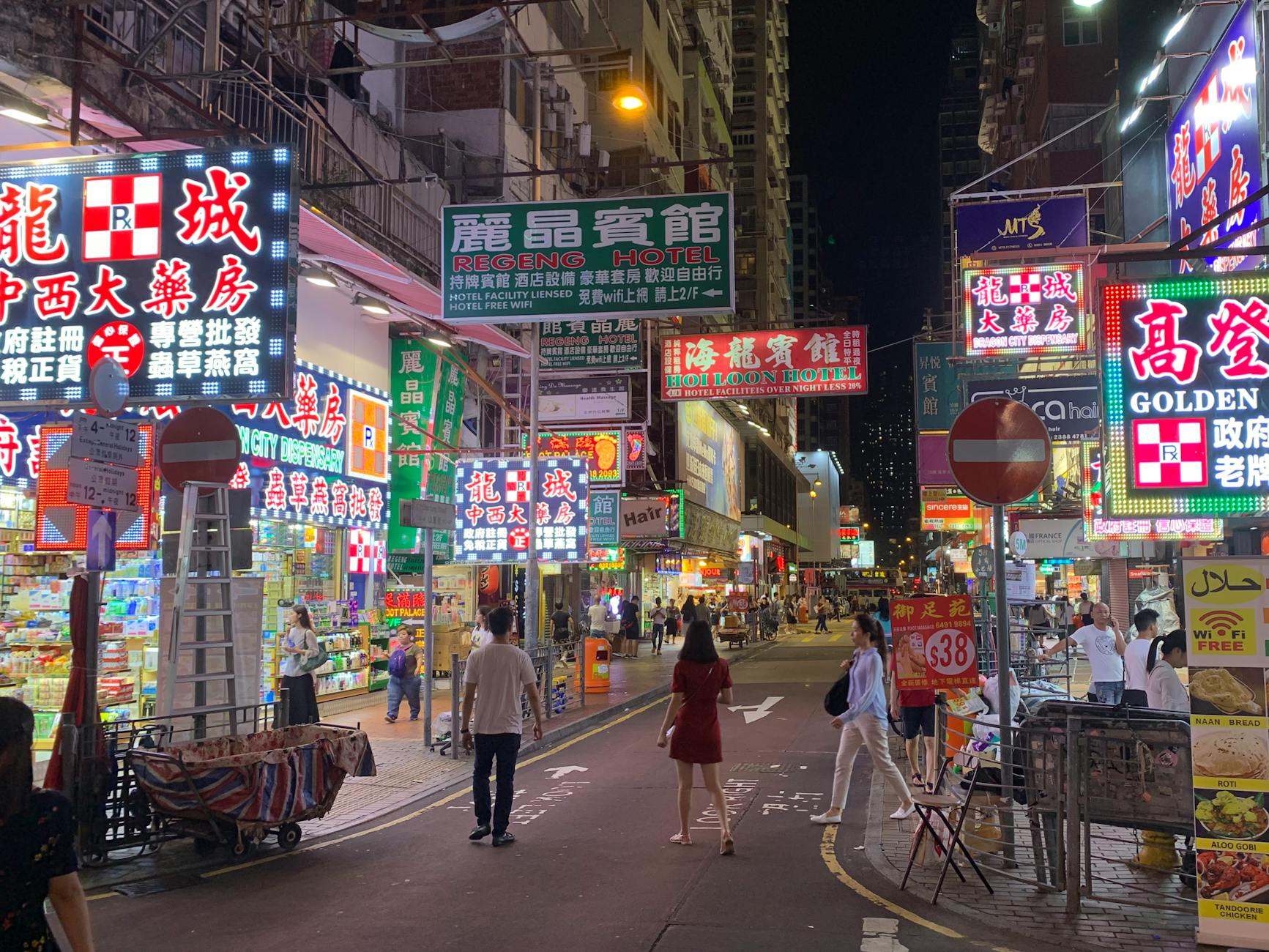
This is the zone of hotels, shops, heavy foot traffic, and the sort of international commercial density that makes the district convenient even when it is not especially charming. HKTB’s “global bazaar” framing is most accurate here.[1] You do not need to “cover” this area comprehensively. You just need to understand that it is part of the district’s identity and not a failure of it.
Where Tsim Sha Tsui Fits in a Hong Kong Trip
Tsim Sha Tsui often carries too much symbolic weight in first-time Hong Kong itineraries.
Because the skyline view is so famous, people start treating the district as the place where Hong Kong must prove itself immediately. That creates two different errors. Some visitors rush through the district as if they only need the view and the ferry in order to “get Hong Kong” before moving on to somewhere more local or more fashionable. Others overinvest in the area, staying there constantly and expecting every minute of it to feel iconic.
The better approach is more balanced. Tsim Sha Tsui is one of the best places to begin or anchor a first trip because it offers a remarkably legible mix of harbor drama, transit ease, hotel practicality, and public attractions. But it is not the whole city, and it should not have to be. Its job is to orient you quickly and convincingly, then support your movement into other districts.
That support role is important. Tsim Sha Tsui may not always be the most beloved district on a route, but it is often the one that makes the rest of the route easier to understand.
Tsim Sha Tsui as a Hotel Base
For many first-time visitors, Tsim Sha Tsui is one of the strongest hotel bases in Hong Kong.
The argument in its favor is clear. You get direct harbor presence, major hotel inventory, ferry access, strong MTR connectivity, and easy walking to a district that still feels undeniably like Hong Kong even when it is visitor-heavy. You can start the day with the water, end the day with the skyline, and move efficiently to Hong Kong Island or deeper into Kowloon.
The case against it is mostly about texture. Tsim Sha Tsui is crowded, commercial, and often more performed than intimate. Travelers who want quieter mornings, more neighborhood life, or less polished tourist infrastructure may prefer elsewhere. But that does not cancel the district’s hotel usefulness. It simply clarifies what kind of usefulness it offers.
As a base, Tsim Sha Tsui is best for travelers who value ease and access over local understatement. That is not an insult. On a first trip, ease and access are often exactly what you want.
Tsim Sha Tsui by Day Versus Tsim Sha Tsui by Night
Many people think of Tsim Sha Tsui primarily as a night district because the skyline looks so decisive after dark. That is only half right.
Daytime Tsim Sha Tsui gives you structure. You can see how the promenade links the cultural institutions, how the ferry sits in the broader harbor system, how the inland commercial grid absorbs visitors, and how the district actually functions as a transit and hotel zone. This is the version that helps you understand the district.
Nighttime Tsim Sha Tsui gives you theater. The skyline sharpens, the promenade becomes a public stage, and the district’s harbor identity takes over. This is the version that makes emotional sense even if you do not yet understand the logistics.
The mistake is choosing one and assuming you have captured the whole district. Tsim Sha Tsui is most persuasive when you have seen both versions. Day tells you how it works. Night tells you why people return.
Why the District Feels So Crowded
The crowding in Tsim Sha Tsui is not accidental. It is produced by the district’s function.
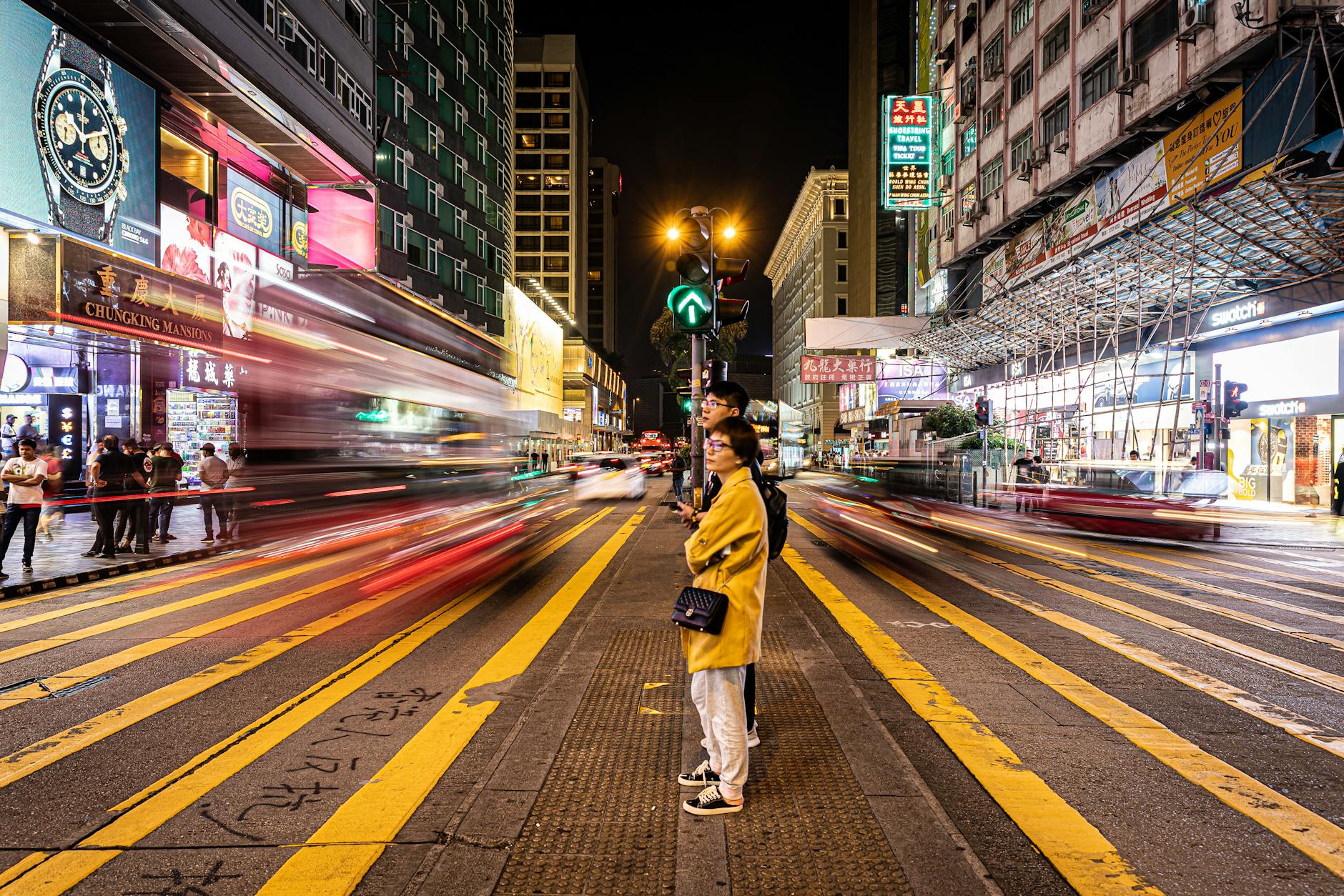
This is one of the few parts of Hong Kong where first-time visitors, hotel guests, museum-goers, shoppers, ferry riders, local commuters, and people simply out for a harbor walk all overlap in dense numbers. The result is a district that can feel perpetually overfull even when nothing unusual is happening.
Understanding that helps. If you arrive expecting neighborhood calm, you may find the district exhausting. If you arrive knowing that density is part of the price of access and visibility, the area becomes easier to use strategically. You choose your hours more carefully. You take the ferry rather than only standing near it. You decide when to go inland and when to retreat back toward the water.
Tsim Sha Tsui is not crowded because it is failing. It is crowded because too many different things work here at the same time.
The District Is Better in Sequences Than in Lists
Tsim Sha Tsui is a poor checklist district and a very good sequence district.
If you reduce it to attractions, you will end up with a rather flat list: promenade, Avenue of Stars, Star Ferry, Clock Tower, Cultural Centre, museums, shopping, hotels, and maybe a park or market nearby. None of those items is wrong. The problem is that the list does not explain the district’s rhythm.
A better approach is sequential. Start with the harbor edge. Let the promenade teach you orientation. Use the ferry or at least anchor the district around harbor movement. Move through the cultural strip while the district still feels public rather than purely commercial. Then go inland far enough to feel the productive excess that makes the place useful. Return to the water if the light is right.
That sequence makes Tsim Sha Tsui feel complete. A list does not.
The Value of Returning to the Water
One of the strongest habits you can build in Tsim Sha Tsui is the habit of returning.
The district’s inland blocks can be fatiguing. Hotel lobbies, shopping corridors, crowds, and continuous retail frontage all wear on the senses more quickly than the promenade does. That is one reason the harbor matters so much. It acts as reset space. You can go inland, do what the district is good at doing, and then come back out to the open edge before deciding what happens next.
This return pattern is one of the reasons Tsim Sha Tsui works better than many similarly commercial visitor zones in other cities. The water is not decorative. It is restorative. The public edge gives the district air.
Visitors who use that edge more than once usually understand the district more accurately than visitors who do one waterfront pass and then disappear into shopping or transit.
The Museum and Culture Question
People often talk about Tsim Sha Tsui as if the cultural infrastructure were secondary to the skyline. That undersells the district.
The museum and civic layer matters because it gives the harbor front depth and seriousness. Without it, Tsim Sha Tsui would risk becoming only a well-branded viewing platform attached to hotels and malls. The presence of the Cultural Centre, the Clock Tower, and the broader museum zone means the district can function as a public face of Hong Kong as well as a commercial one.[2][8]
This also affects how the promenade feels. A harbor walk anchored by civic institutions reads differently from a harbor walk anchored only by consumption. It feels more like a city and less like a packaged attraction strip.
For many first-time visitors, the correct move is not to try to consume every institution in the area. It is simply to let the cultural strip rebalance the district’s more commercial side.
Shopping Tsim Sha Tsui Without Losing the Day
Shopping in Tsim Sha Tsui is easy. Using it well is harder.
Because so much retail is concentrated here, it is very easy for a short errand or brief browse to become a time sink. This is especially dangerous on a first trip when every block still feels new. You can lose half a day without ever deciding to. That is one of the reasons I keep stressing structure. If shopping is the purpose, let it be the purpose. If it is not, keep it subordinate.
There is nothing wrong with using Tsim Sha Tsui commercially. In fact, one of the district’s strengths is that you can solve many practical needs here quickly. But the retail layer should serve the day’s design rather than replace it accidentally.
This is where the district’s hotel-base logic becomes clear. The same commercial density that can waste your afternoon can also make your stay much easier if handled with discipline.
Tsim Sha Tsui for First-Time Visitors Versus Repeat Visitors
First-time visitors generally need Tsim Sha Tsui to be legible. Repeat visitors often need it to be useful.
On a first visit, the district is valuable because it delivers classic Hong Kong with very little explanation required. The harbor is in front of you. The ferry makes sense immediately. The promenade gives you a public stage from which the city announces itself. The area feels international, busy, and photographable in exactly the way a first-time traveler expects.
Repeat visitors may still enjoy all of that, but they tend to use the district more instrumentally. They sleep here because it is practical. They pass through for a ferry, a museum, or a meal. They value its connectedness more than its drama. That does not mean the district gets worse on later trips. It means its role changes from revelation to convenience.
That shift is healthy. It shows that Tsim Sha Tsui is not only a spectacle zone. It is also a functioning piece of urban infrastructure.
Ferry Logic Versus MTR Logic
If you want to understand Tsim Sha Tsui properly, you should pay attention to how you enter and leave.
The MTR makes the district efficient. The ferry makes it meaningful. That is a simplification, but not by much. Entering through the station grid gives you immediate access to the inland density and hotel-commercial mass. Entering or exiting by Star Ferry makes the district feel like part of a harbor city rather than part of a transit diagram.[4][5][6]
This is why I usually recommend that at least one leg of your Tsim Sha Tsui use involve the ferry. It prevents the district from shrinking into pure convenience. You remember that its edge is maritime, not merely scenic.
You do not need to take the ferry every time. You just need to let the water participate in the day.
A Strong Half-Day Template
For many travelers, the best Tsim Sha Tsui visit is a disciplined half day.
Begin at the harbor edge. Use the promenade to orient yourself. Walk far enough to understand the district’s public face rather than just grabbing the first obvious photo point. Take or plan a Star Ferry crossing. Let the cultural strip add weight. Then go inland for one clearly bounded loop through the hotel-retail interior. Stop before the district starts feeling repetitive or purely commercial.
This works because it preserves contrast. You experience the three main layers of the district without asking any one of them to carry the whole story. It is also the version least likely to create fatigue.
The main discipline is knowing when Tsim Sha Tsui has given you what it came to give.
A Strong Evening Template
An evening visit should still have shape.
Arrive before full darkness if you can. Let the light change on the promenade rather than appearing only once the skyline is already at maximum theatricality. Walk, do not just stand. Use the ferry either before or after. Decide whether dinner belongs in Tsim Sha Tsui itself or whether the district is only the evening’s harbor stage. If you stay inland too long, the district can lose the very quality you came for.
The key is not simply to “see the skyline.” It is to let the skyline exist inside a usable district rather than as an isolated spectacle. That is what separates a strong evening here from a shallow one.
Tsim Sha Tsui With Family or Low-Energy Travelers
The district can work well for families and low-energy travelers, but mostly because it is so structurally convenient.
You do not need long transfers to get the payoff. The promenade is easy to understand. The ferry is memorable without being complicated. Museums and civic institutions provide alternatives if the weather shifts. There are constant places to sit, eat, and reset. If someone in the group needs to stop, that usually remains possible.
What can go wrong is overexposure. Crowds, noise, retail glare, and long stretches of movement through the inland zone can tire people more quickly than expected. In other words, the district is accessible but not automatically restful.
The version that works best for mixed groups usually leans harder on the harbor and lighter on shopping.
Rainy-Day Tsim Sha Tsui
Tsim Sha Tsui holds up quite well in bad weather compared with districts whose entire value depends on open-air strolling.
The harbor view may weaken, but the district does not collapse. Cultural venues, transit ease, hotels, covered commercial areas, and the general density of indoor options mean a wet day here can still be productive. The atmosphere changes, of course. The promenade becomes less generous. The skyline becomes moodier and sometimes less visible. But the district remains functional.
This is another reason it works so well as a base. You are not trapped by weather in the same way you might be in a thinner scenic district.
Why Some People Leave Underwhelmed
When travelers say Tsim Sha Tsui felt overhyped, the cause is usually one of two things.
Either they only used the most obvious stretch of promenade and never let the district widen, or they spent too much time inland without a plan and let retail fatigue flatten the experience. In the first case, the district feels too thin. In the second, it feels too generic. Both judgments miss the fact that Tsim Sha Tsui is designed to alternate between public grandeur and commercial usefulness.
The district tends to disappoint only when it is used as a single-note environment. It is not one. It is a layered arrival zone with a harbor front.
Why Tsim Sha Tsui Often Improves on Revisit
Tsim Sha Tsui can feel almost too obvious on a first trip. That is precisely why it improves later.
Once you are no longer trying to squeeze every symbolic landmark out of the harbor edge, the district becomes easier to edit. You may take the ferry more casually. You may use the promenade at a different hour. You may treat the museums or Cultural Centre as anchors rather than add-ons. You may finally see the inland commercial density not as clutter but as the infrastructure that makes the district function.
That is often when Tsim Sha Tsui stops feeling like “the tourist side” and starts feeling like a genuinely useful and revealing part of Hong Kong.
A Good Tsim Sha Tsui Day Versus a Bad One
A good Tsim Sha Tsui day has a clear harbor logic, a bounded inland move, and at least one moment when the district breathes.
You arrive knowing whether the waterfront or the ferry is leading. You let the public edge orient you. You give the cultural strip some time. You go inland only as far as needed to understand the district’s commercial mass, then return to openness before fatigue takes over. The day feels legible.
A bad Tsim Sha Tsui day is just a shuffle between obvious photo points, crowded malls, and transit exits. The district then feels like too many people doing too many predictable things in too little space. That version exists, but it is not the only available version. It is mostly what happens when the visit has no sequence.
How the District Changes Over the Course of a Stay
Tsim Sha Tsui is one of those districts that can look worse on first contact than it does once you have actually used it for a day or two.
On first arrival, especially with luggage or at a crowded hour, the area can feel purely transactional: hotel canopies, signage, queues, retail frontage, and constant crosscurrents of movement. That first impression is not false, but it is incomplete. Once you sleep there, take the ferry from there, return to the promenade at a different hour, and use the district as a base rather than a one-off spectacle zone, it tends to become more coherent.
You start to see that the commercial density is what makes the harbor edge so easy to inhabit. You begin to understand why people tolerate the crowds. You see the public waterfront not as a detached postcard strip but as relief built into a high-pressure urban district. The district’s better qualities emerge through reuse.
This is why Tsim Sha Tsui often becomes more convincing on the second or third pass of a trip. It stops being a theme and starts being a tool. Once that shift happens, many of the things that first seemed excessive begin to look functional, and the district’s balance of spectacle and practicality becomes much easier to respect.
The important implication for a first-time visitor is simple: do not judge the district only by first contact. Give it a return, a ferry crossing, or an evening after you have already used other parts of Hong Kong. Tsim Sha Tsui often reads more intelligently once the rest of the city has given it context.
Common Mistakes
Doing Only the Waterfront
It is the most famous edge of the district, but not the whole district.
Shopping Without Structure
Tsim Sha Tsui can absorb enormous amounts of time with little memory in return.
Ignoring the Ferry
One of the district’s best tools is also one of its most obvious.
Coming Only at Night
You get the spectacle but not the district logic.
Overpacking Nearby Stops
Tsim Sha Tsui is strongest when it is allowed to be a district, not just a transfer zone between attractions.
My Blunt Advice
Start at the water, but do not stay there forever. Walk the promenade. Use the skyline. Take or plan a Star Ferry crossing. Let the cultural strip give the district some seriousness. Then go inland far enough to feel the hotels, retail pressure, and lived density that make Tsim Sha Tsui more than a harbor postcard.
Tsim Sha Tsui is famous for good reasons. The trick is simply not to let its most famous view become the only thing you notice.
Source Notes
- 1. Hong Kong Tourism Board page for Tsim Sha Tsui. Used for current official framing of the district as a harbor-facing commercial zone of shops, markets, and malls. https://www.discoverhongkong.com/id/interactive-map/tsim-sha-tsui.html
- 2. Hong Kong Tourism Board page for Tsim Sha Tsui Promenade. Used for current official description of the harbor walk and its connection to major cultural attractions. https://www.discoverhongkong.com/eng/interactive-map/tsim-sha-tsui-promenade.html
- 3. Hong Kong Tourism Board page for Avenue of Stars. Used for current official reference to the promenade landmark. https://www.discoverhongkong.com/us/interactive-map/avenue-of-stars.html
- 4. Hong Kong Tourism Board page for Star Ferry. Used for current official framing of the ferry as a city icon linking Tsim Sha Tsui with Hong Kong Island. https://www.discoverhongkong.com/eng/place-to-go/travel.guide-star-ferry-pier.html
- 5. Star Ferry official site. Used for current operator reference. https://www.starferry.com.hk/en/home
- 6. MTR station information page for Tsim Sha Tsui / East Tsim Sha Tsui. Used for current official station-layout reference. https://www.mtr.com.hk/en/corporate/operations/station_tw_tst.html
- 7. MTR service-hours page for East Tsim Sha Tsui Station. Used for current official station-hours reference. https://www.mtr.com.hk/en/customer/services/service_hours_search.php?query_type=search&station=80
- 8. Hong Kong Cultural Centre official site. Used for current official institutional reference. https://www.hkculturalcentre.gov.hk/en/hkcc/index.html
- 9. Hong Kong Cultural Centre location page. Used for current official address and public-transport access reference. https://www.hkculturalcentre.gov.hk/en/hkcc/aboutus/location.html