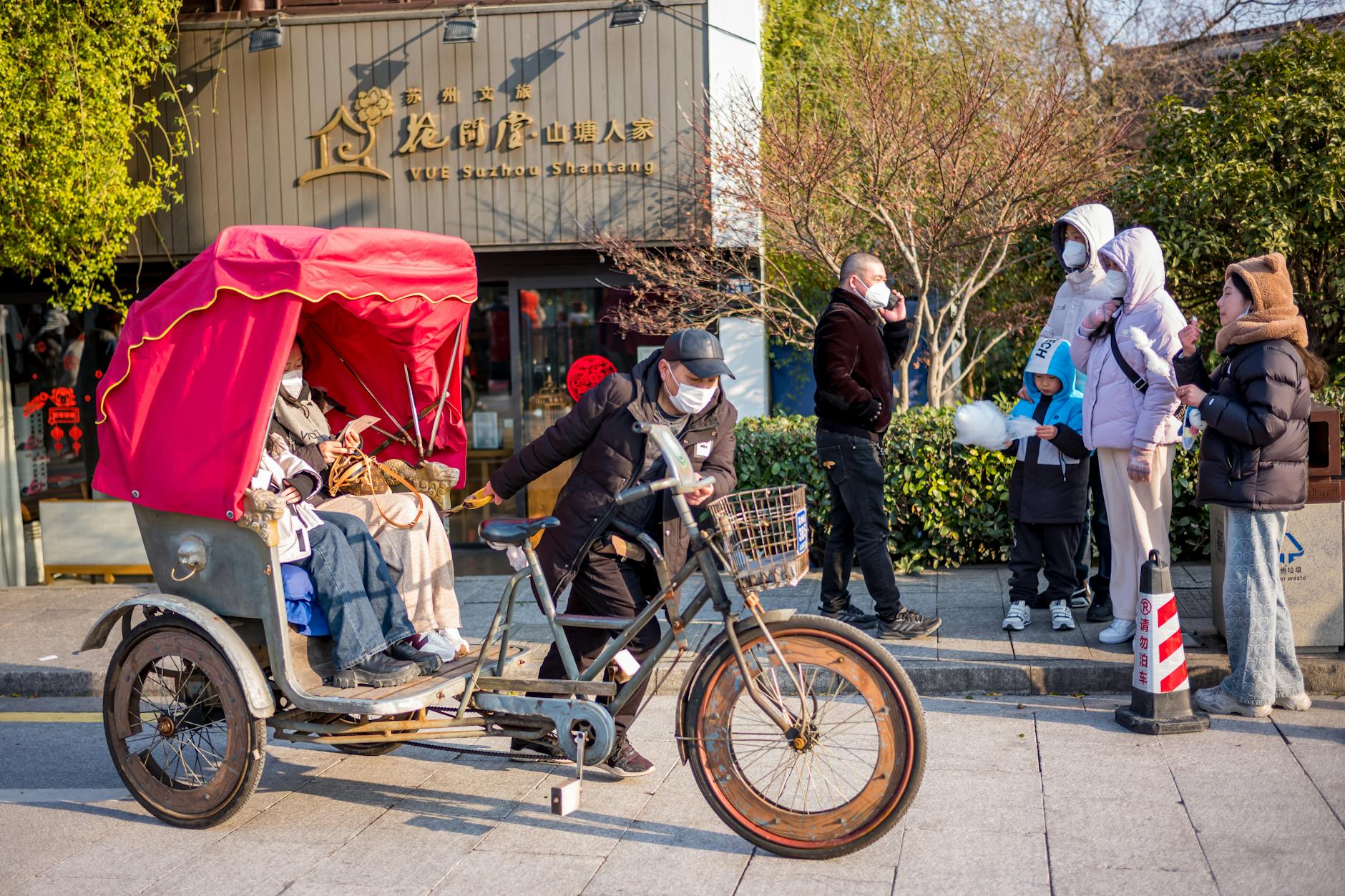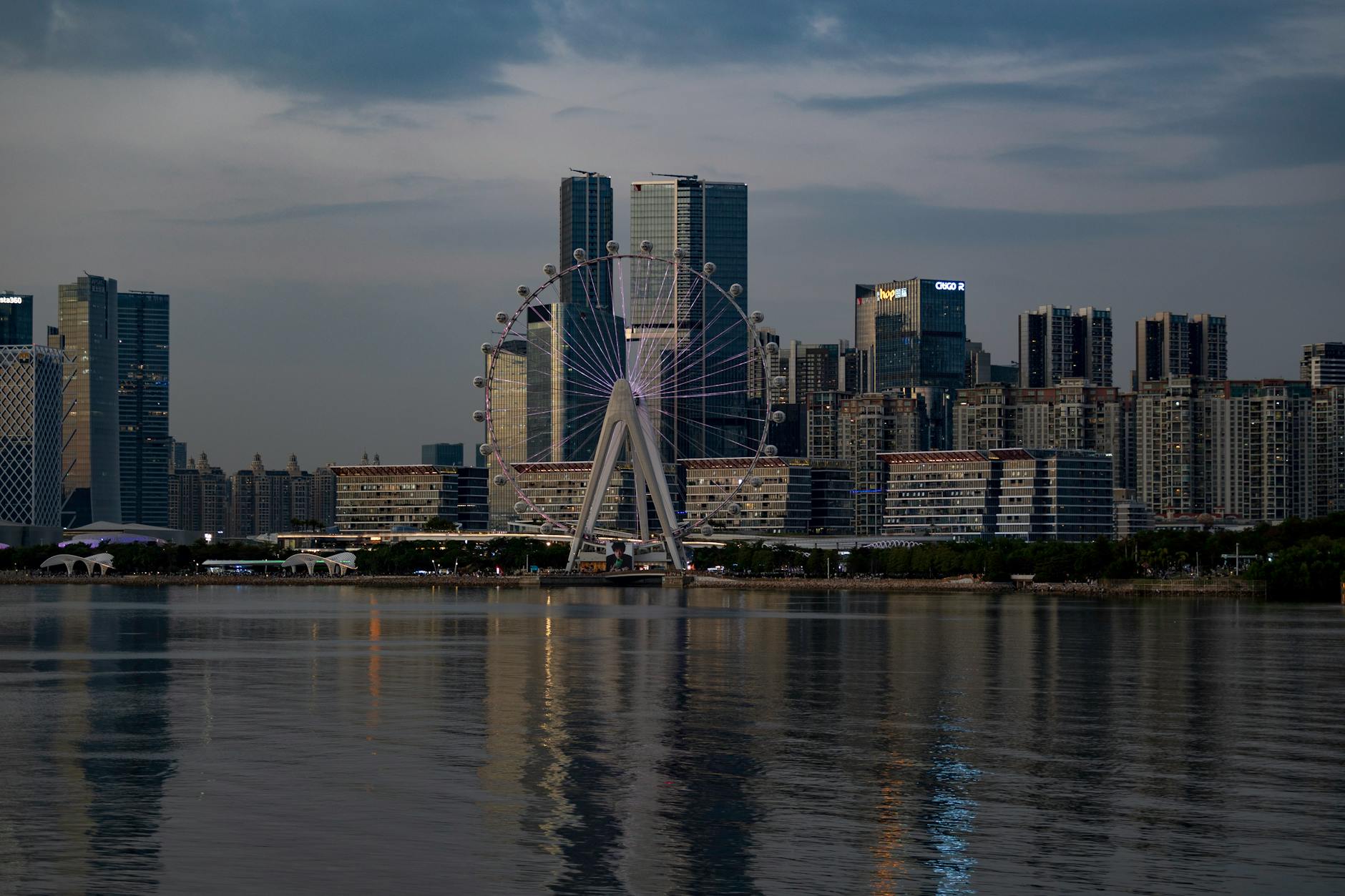
Suzhou has the kind of reputation that invites lazy travel. Classical gardens, canals, old bridges, silk, and an old-world softness are usually enough to get travelers there. The problem is that many visitors arrive already satisfied with the idea of the city and then do not ask enough of the actual place. Suzhou is not just picturesque. It is a city where classical aesthetic culture, modern wealth, old quarters, and day-trip convenience meet in a way that can be genuinely rewarding when handled with care. The best Suzhou trip is rarely the widest one. It is the one where a few gardens are chosen intelligently, the right historical quarters are allowed to breathe, and the city is used as more than a decorative errand.
How Suzhou works
Suzhou works through concentration. The gardens matter, but they are not interchangeable. The canals matter, but they can become ornamental quickly if the traveler never moves beyond the obvious lanes. The city has old-city beauty, modern comfort, and enough depth to support a more serious short stay than many people give it. Suzhou is best when the route is shaped around quality of atmosphere rather than raw quantity of named sites.
- Suzhou is strongest when treated as a composed short city break, not a maximal checklist.
- The famous elements are real, but they need to be selected carefully.
- The city rewards concentration and mood.
Basic data
| Population | About 13 million |
|---|---|
| Area | 8,657 km2 |
| Major religions | Largely secular public life with Buddhist, Daoist, Christian, and Muslim communities |
| Political system | Prefecture-level city inside a socialist one-party state |
| Economic system | Upper-middle-income mixed economy led by manufacturing, trade, technology, services, and tourism |
Best time to visit
Spring and autumn are usually Suzhou's best seasons because the gardens, canals, shaded lanes, and low-intensity walking all become more pleasurable at once. Summer can still be visually rich, but heat and humidity make the city feel heavier and can flatten the subtle beauty of long walking days. Winter can work for travelers who want quieter gardens and a thinner visitor field, but the city becomes more austere.
- Autumn is often the cleanest all-round Suzhou season.
- Spring suits the city beautifully when crowd pressure is handled well.
- Season matters because Suzhou's pleasures are small-scale and physical.
Arriving and getting around
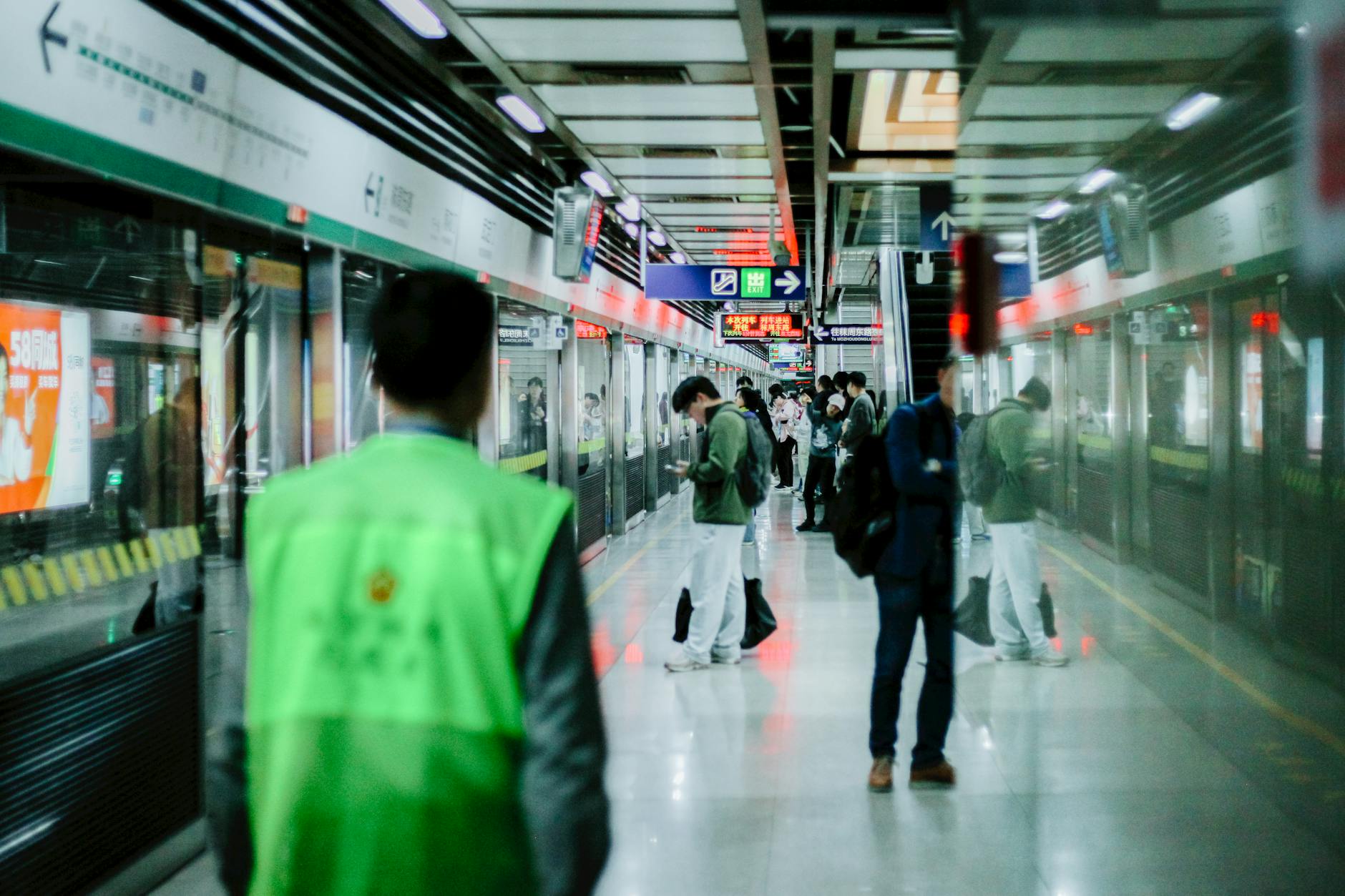
Suzhou is often folded into wider eastern China itineraries, which makes it vulnerable to rushed travel. Arrival and hotel choice should therefore be handled with more seriousness than many day-trippers give them. The city is manageable enough that a good base and a restrained route can make it feel wonderfully smooth. The wrong move is trying to compress it into a blur of scenic stops.
- Do not let easy rail access turn Suzhou into a rushed obligation.
- A compact, better-shaped route is almost always the right answer.
- The city works best when movement stays light and intentional.
Where to stay
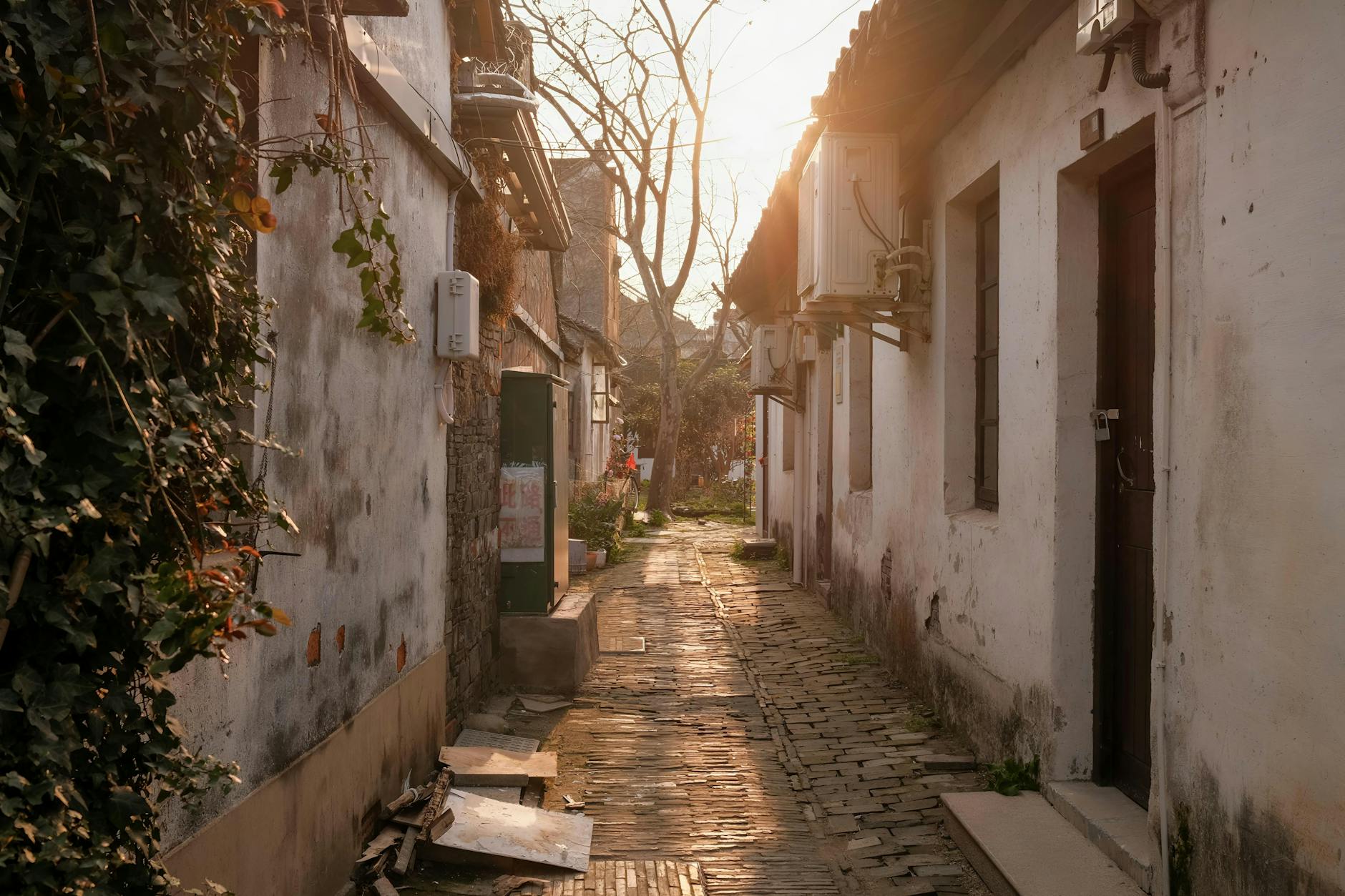
Hotel choice in Suzhou should balance old-city access with enough comfort to keep the city from feeling performatively quaint. Some travelers want historical atmosphere and are willing to accept a little more operational texture. Others need cleaner modern comfort and should not be ashamed to choose it. The key is not to sleep so far from the city's core pleasures that the stay becomes emotionally detached.
- Stay close enough to the old city to keep the trip coherent.
- Do not overpay for 'atmosphere' if it damages usability too much.
- The right base keeps Suzhou graceful rather than theatrical.
Garden culture versus garden accumulation
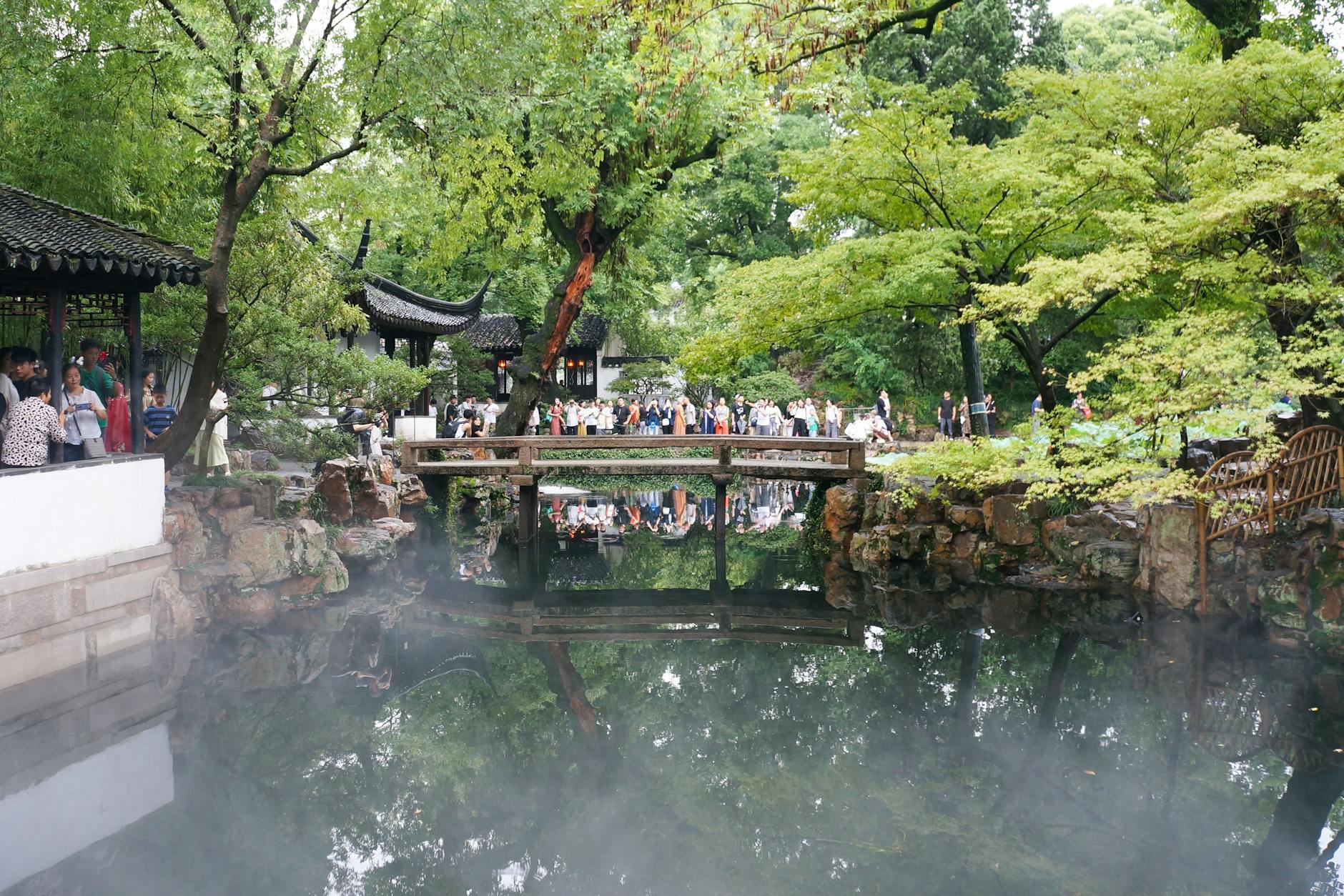
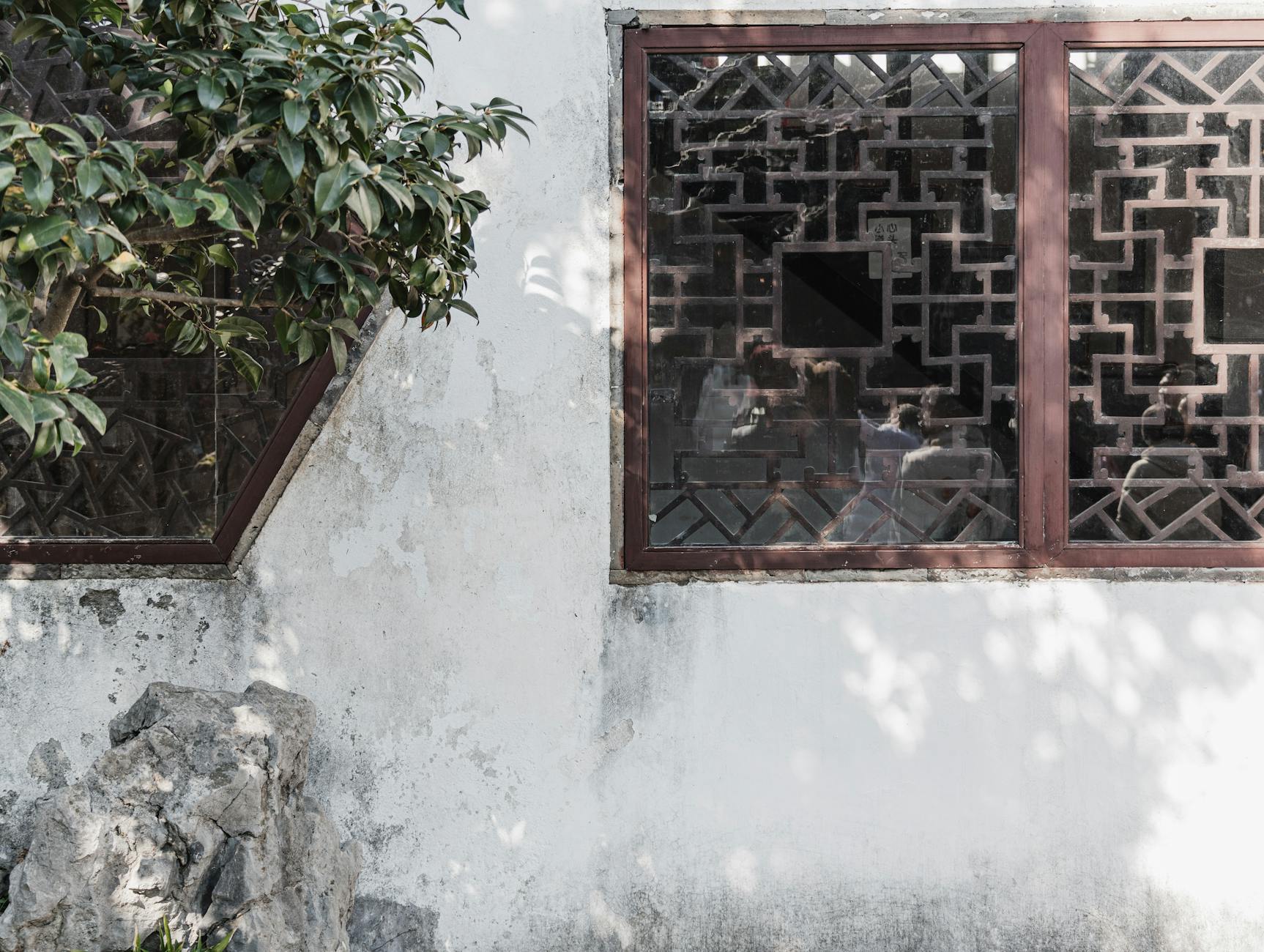
Suzhou's gardens are famous for good reason, but they do not reward brute-force collecting. Too many in one day and the eye begins to flatten them into a single category of ponds, rocks, corridors, and framed views. The better move is to choose fewer gardens with intention, let each one breathe, and allow the city around them to provide tonal contrast. Suzhou is one of those places where subtraction is a sign of seriousness.
- Not every celebrated garden belongs in the same itinerary.
- Fewer, better-chosen visits usually produce more memory than accumulation.
- Contrast between garden and city is part of what makes the gardens work.
What Suzhou does better than most pretty-city add-ons
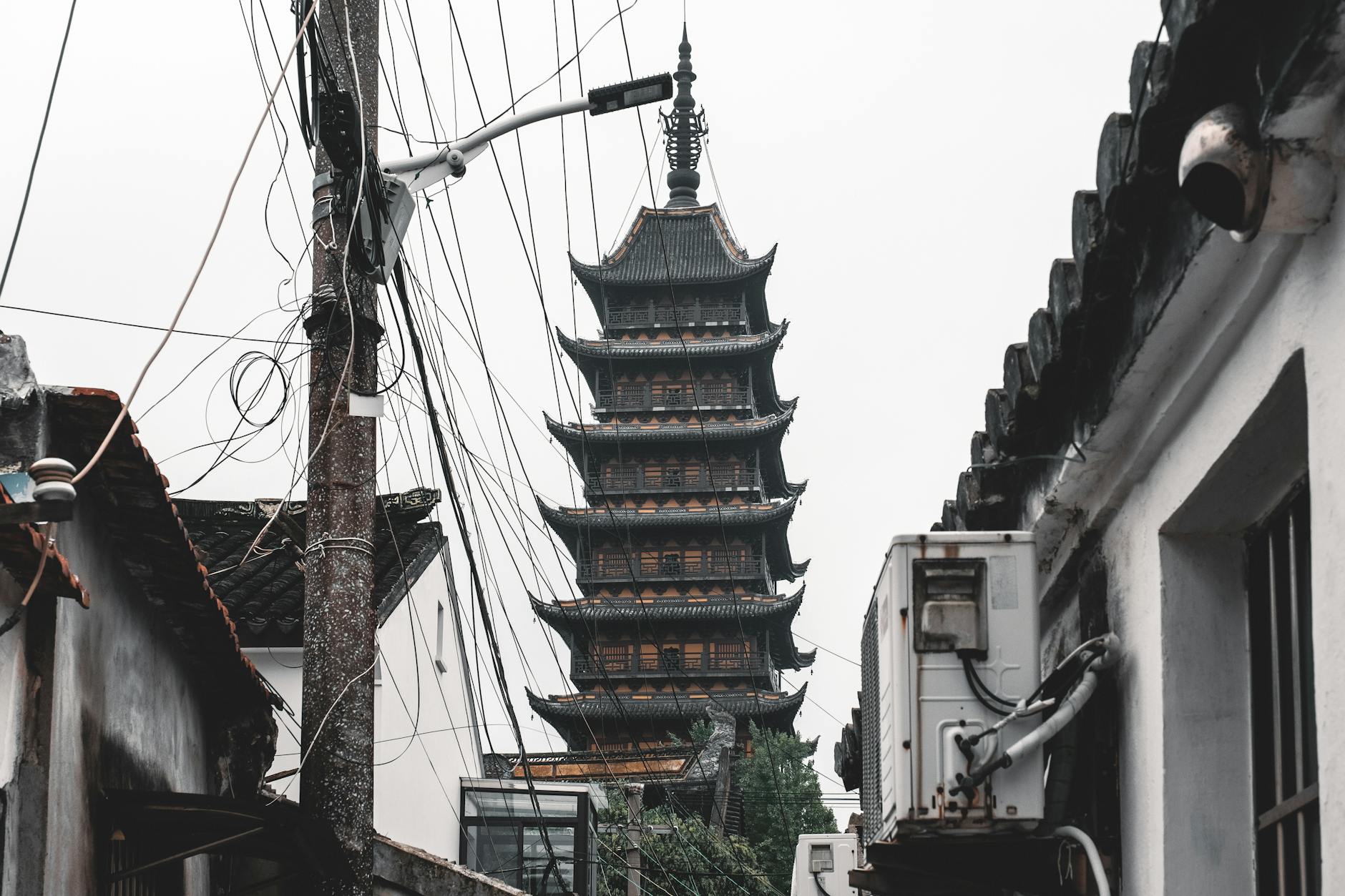
Suzhou does refinement extraordinarily well. It is one of the strongest Chinese cities for travelers who want atmosphere, garden culture, canal-side beauty, and a more classical aesthetic order without needing the city to become a museum. It is especially good for travelers who value subtlety and design over noise and velocity.
- Suzhou is one of the country's best cities for small-scale refinement.
- Its pleasures come from order, detail, and atmosphere.
- The city rewards travelers who can notice more than they consume.
Food, tea, and the city's quieter pleasures
Suzhou's food and tea life work best when they are treated as part of the city's refined texture rather than as a separate competition. This is not a city that needs to shout through food intensity. It often persuades more quietly through setting, timing, and fit. Meals by water, tea pauses, and gentler pacing make more sense here than aggressive restaurant collecting.
- Quiet fit matters more than culinary spectacle in Suzhou.
- Tea and setting often matter as much as the dish list.
- The city is about cumulative elegance rather than loud highlights.
Canals, old quarters, and the risk of decorative travel
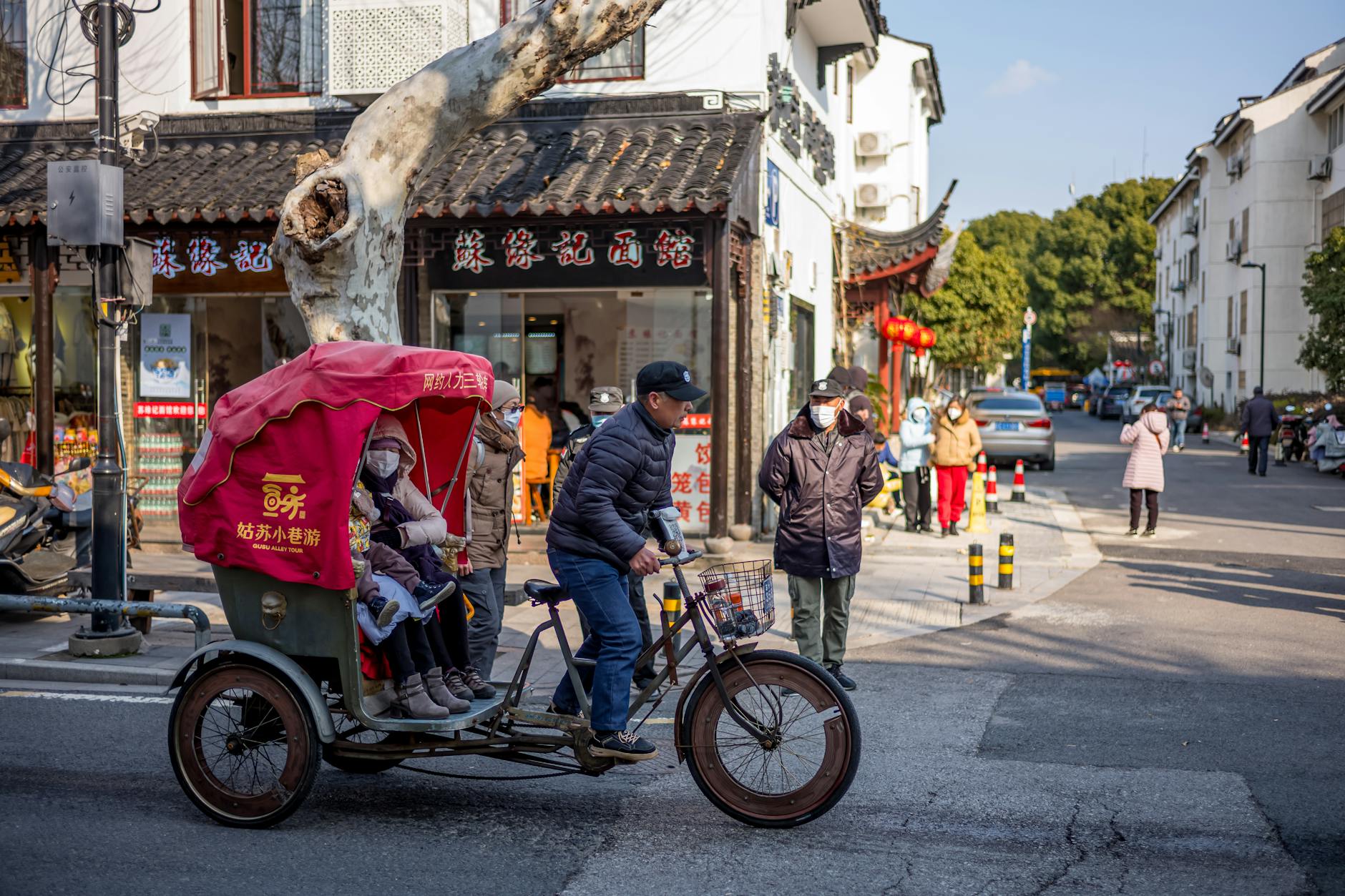
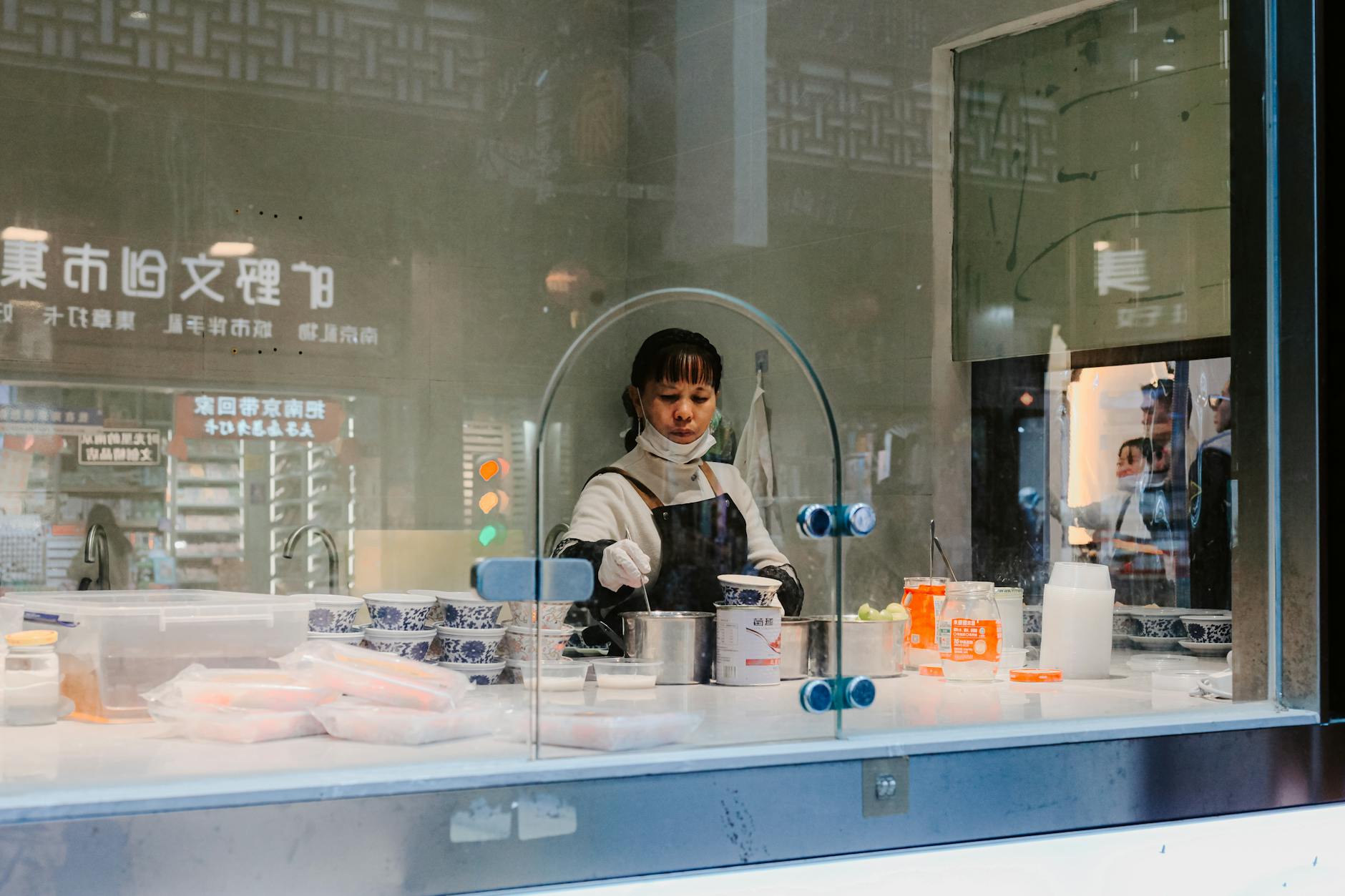
The canal-city image is powerful enough that some travelers unconsciously treat Suzhou like a background set for photographs rather than as a real urban place. That is when the city becomes disappointingly slight. The more persuasive Suzhou includes ordinary streets, modern comfort, local rhythms, and the sense that beauty here belongs to a functioning city rather than to an isolated heritage fantasy. When that balance is achieved, the old quarters feel more alive and less staged.
- Suzhou weakens when it is treated as decoration rather than city.
- Old quarters matter more when they are set against ordinary urban life.
- A real Suzhou is always stronger than an ornamental one.
Etiquette and local norms
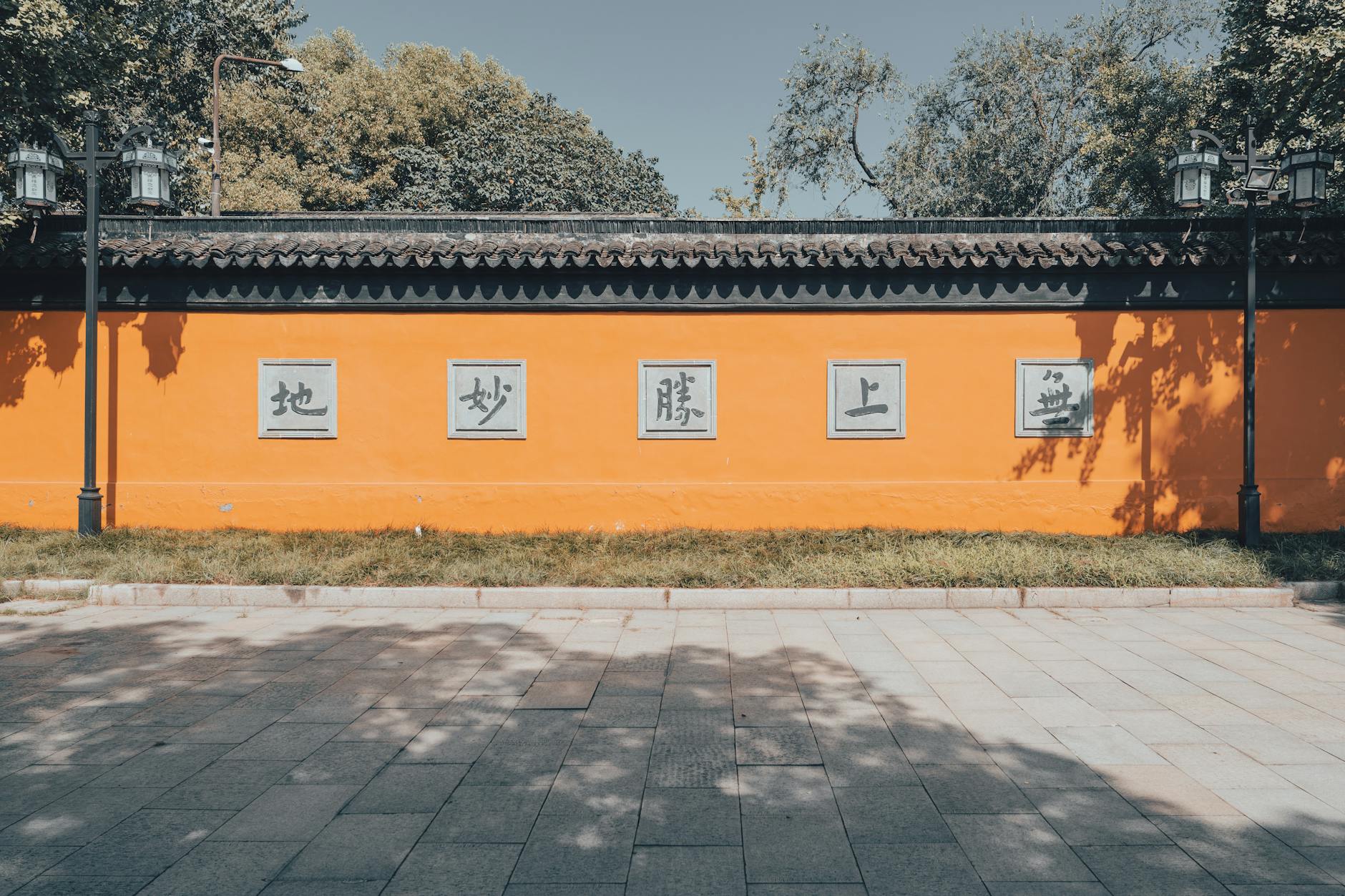
Suzhou rewards soft movement. Gardens, temples, waterside lanes, and smaller historic spaces all work better when visitors carry themselves with some restraint. The city can tolerate tourism, but it is one of those places that improves immediately when the traveler stops performing excitement and starts paying attention.
- Lower the volume and Suzhou gets better quickly.
- Gardens and older spaces deserve a little stillness.
- The city rewards attention more than enthusiasm alone.
My blunt advice
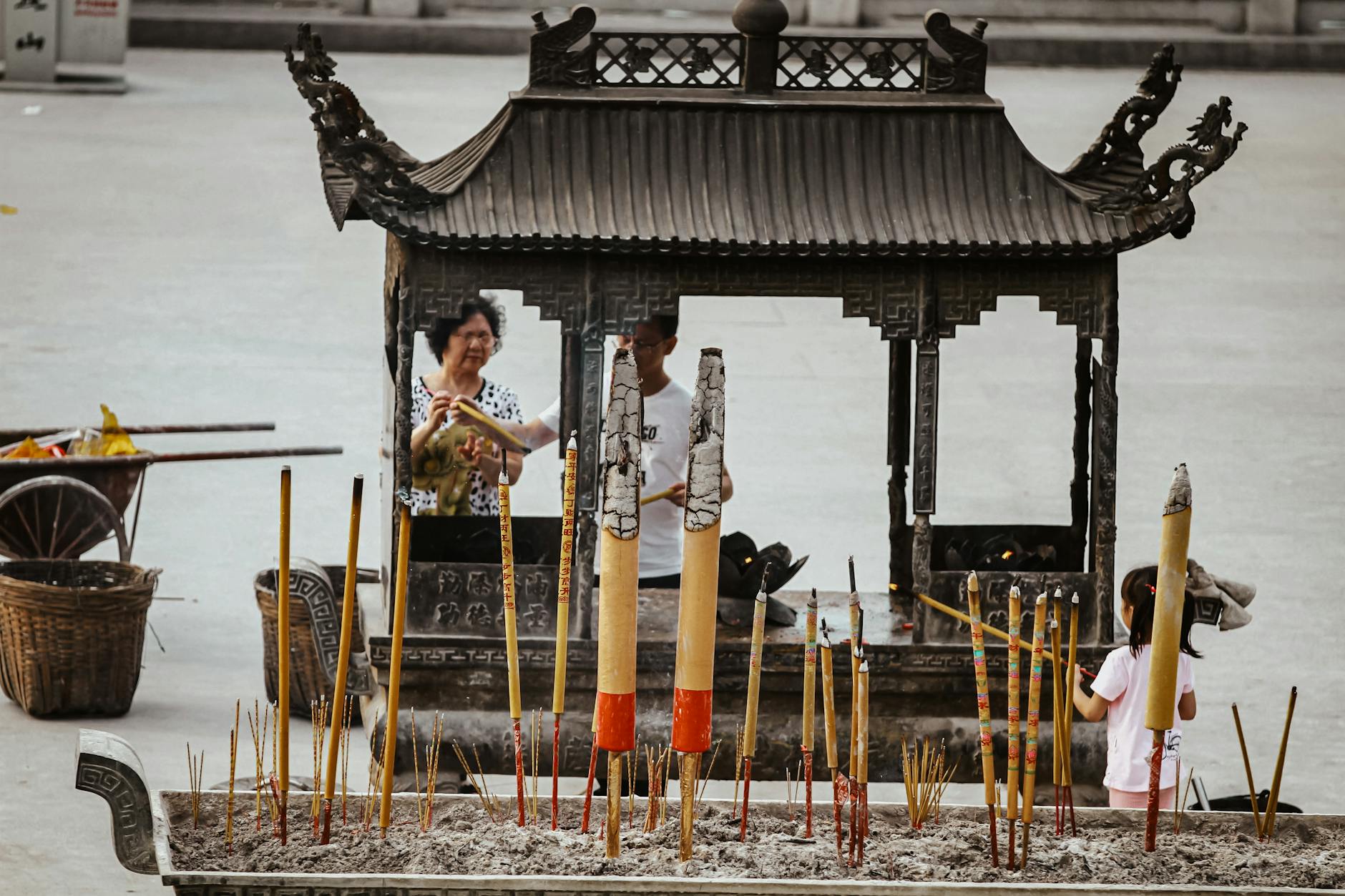
The biggest Suzhou mistake is treating it like a decorative stop on the way to somewhere louder. The second is confusing repetition with depth and assuming every canal lane delivers the same reward. Choose fewer gardens better, stay well, and let the city work at its intended scale. Suzhou can be exquisite, but only when the traveler stops asking it to become bigger than it is.
- Do not reduce Suzhou to postcard harvesting.
- The city should be edited hard, not consumed broadly.
- A smaller, sharper Suzhou is usually the right Suzhou.