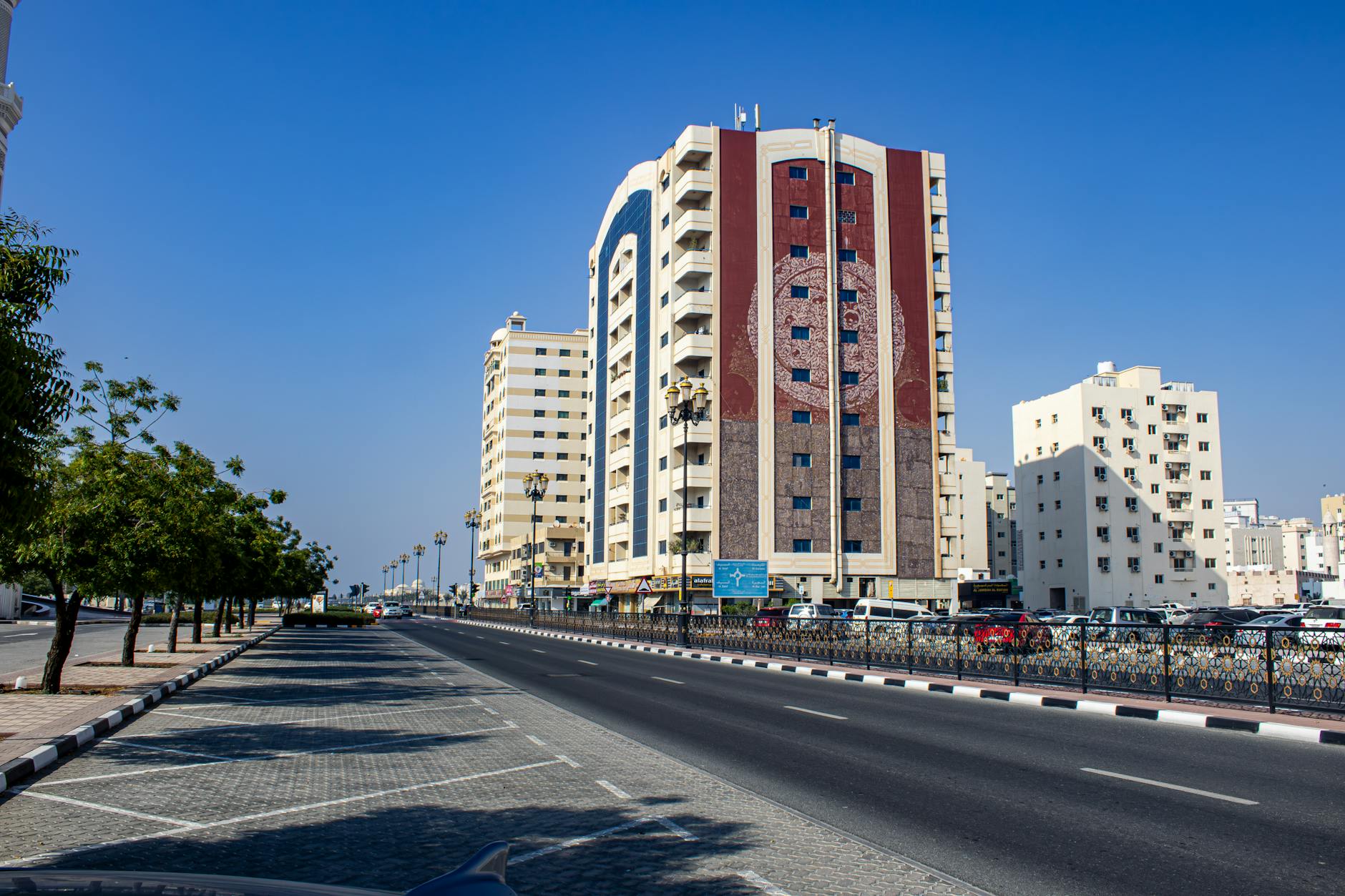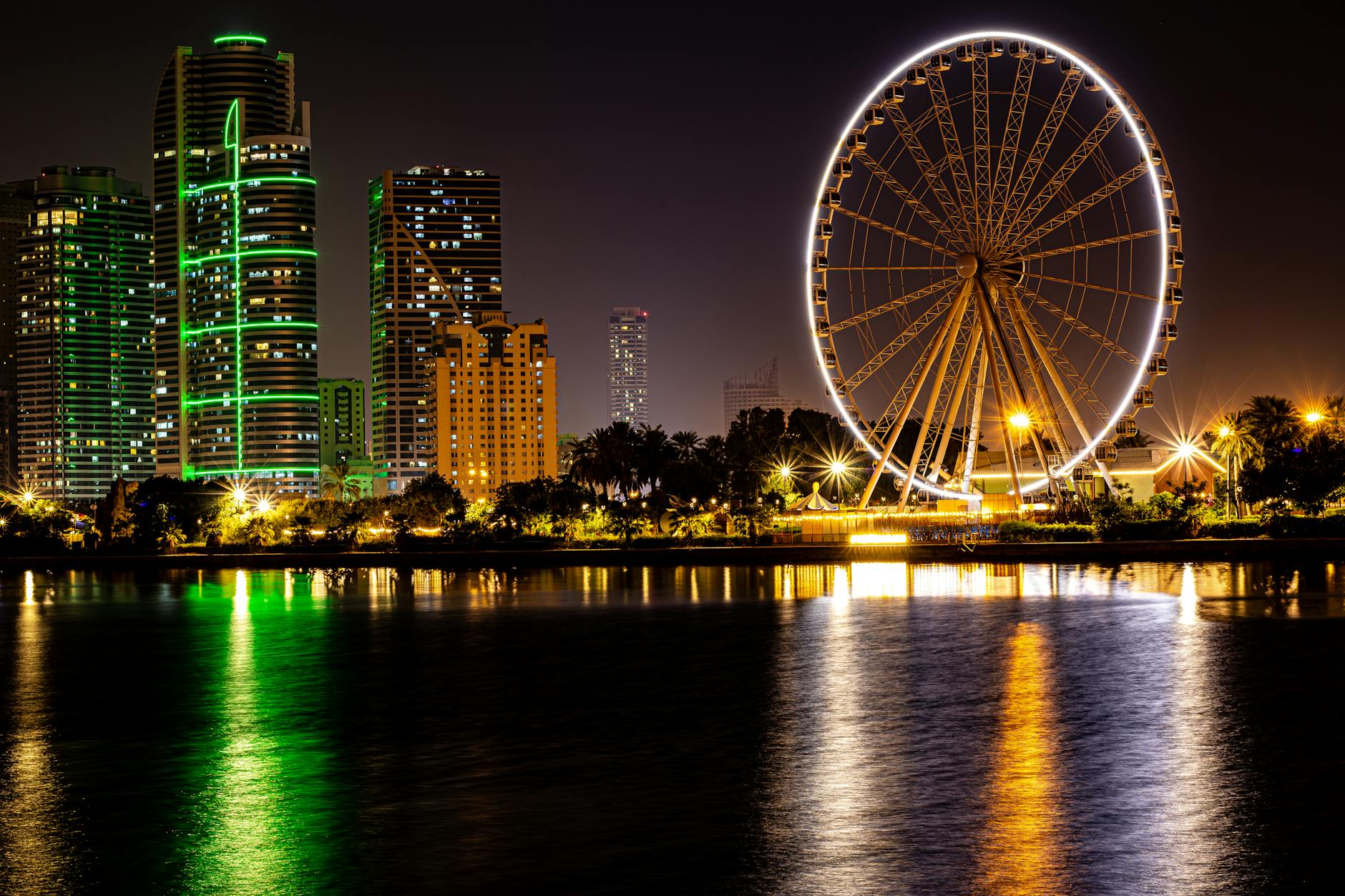
Sharjah is usually introduced by what it is not. It is not Dubai’s skyline theater, not Abu Dhabi’s grand-state polish, and not a place that begs to be consumed through spectacle. That framing is unfair and unhelpful. Sharjah has a stronger identity than outsiders often realize: museums and heritage zones that are actually used, a more civic waterfront, a family-oriented rhythm, and a public tone that asks for more awareness and gives back more texture in return. The city can be a very good decision for travelers who want the UAE to feel more grounded and less performed. But it only opens up once the traveler stops shopping by comparison and starts planning for Sharjah’s own tempo, norms, and style of urban life.
How Sharjah works
Sharjah works when the traveler values coherence over spectacle. It is a city where museum clusters, heritage districts, waterfront promenades, mosques, family spaces, and quieter hotel patterns can fit together into a highly usable stay, but only if the visitor understands that the point is not stimulation at all costs. Sharjah is more disciplined than many first-time Gulf itineraries expect. That can feel restrictive to the wrong traveler and deeply refreshing to the right one. The city rewards people who want context, order, and a more legible sense of local life than some neighboring emirates are willing to offer.
- Sharjah is a city of tone and context, not constant spectacle.
- The right traveler can get a great deal of value from its calmer rhythm.
- The trip improves once expectations are aligned with what Sharjah actually sells.
Best time to visit
Cooler months are far and away the easiest period because Sharjah becomes walkable in a more pleasant way, the waterfront starts functioning as part of the social day, and museum-hopping does not have to be bracketed by extreme heat management. Hotter periods are still possible, but they narrow the city into a more indoor product and make hotel quality more important. In Sharjah, climate is not just a comfort variable. It changes how civic the city feels, how long you want to remain outside, and how naturally the day can unfold between cultural sites and meals.
- Cooler conditions reveal much more of Sharjah’s appeal.
- Heat makes hotel quality and route discipline more important.
- Weather affects the city’s social usability, not just comfort.
Arriving and getting around
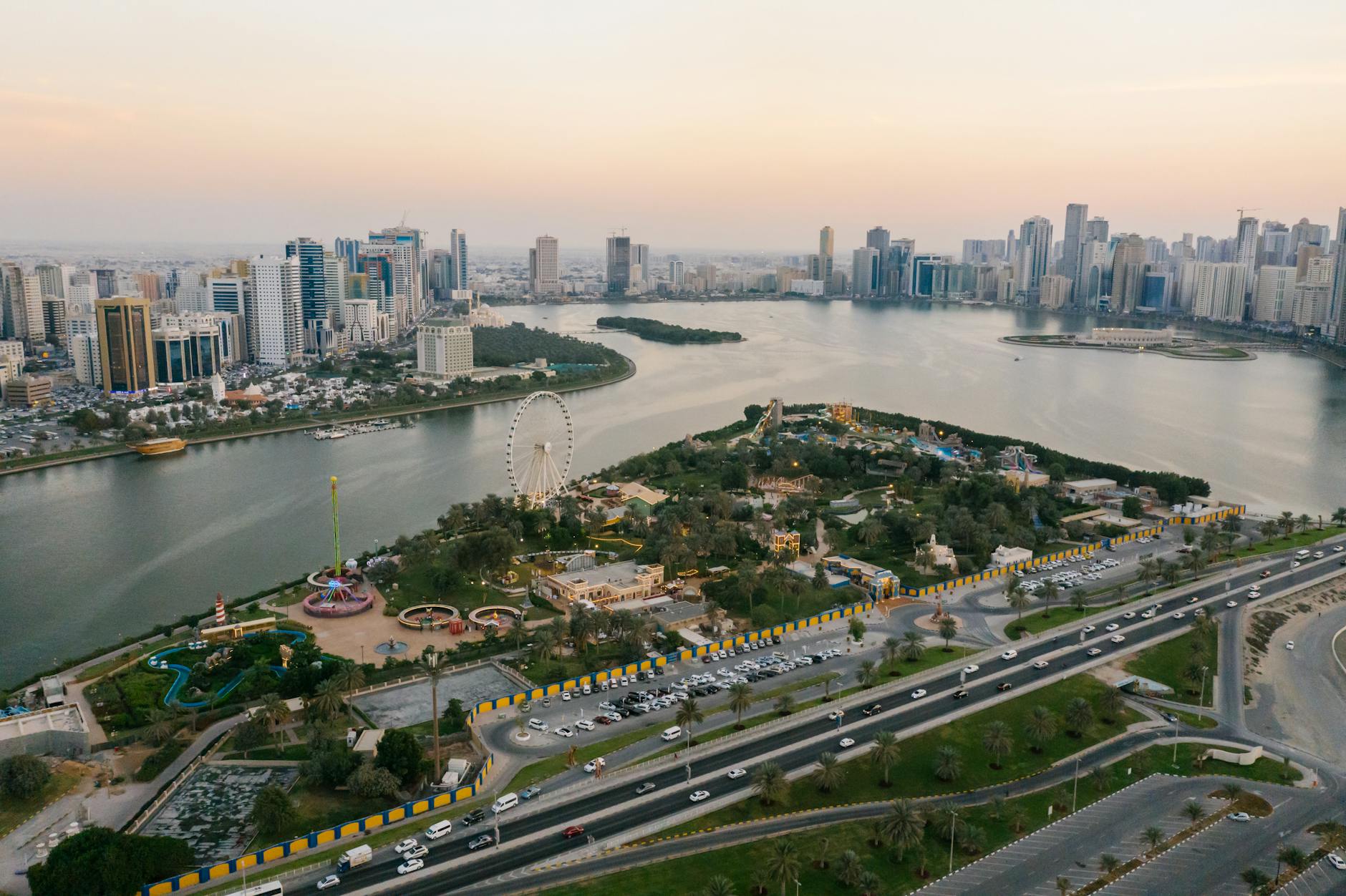
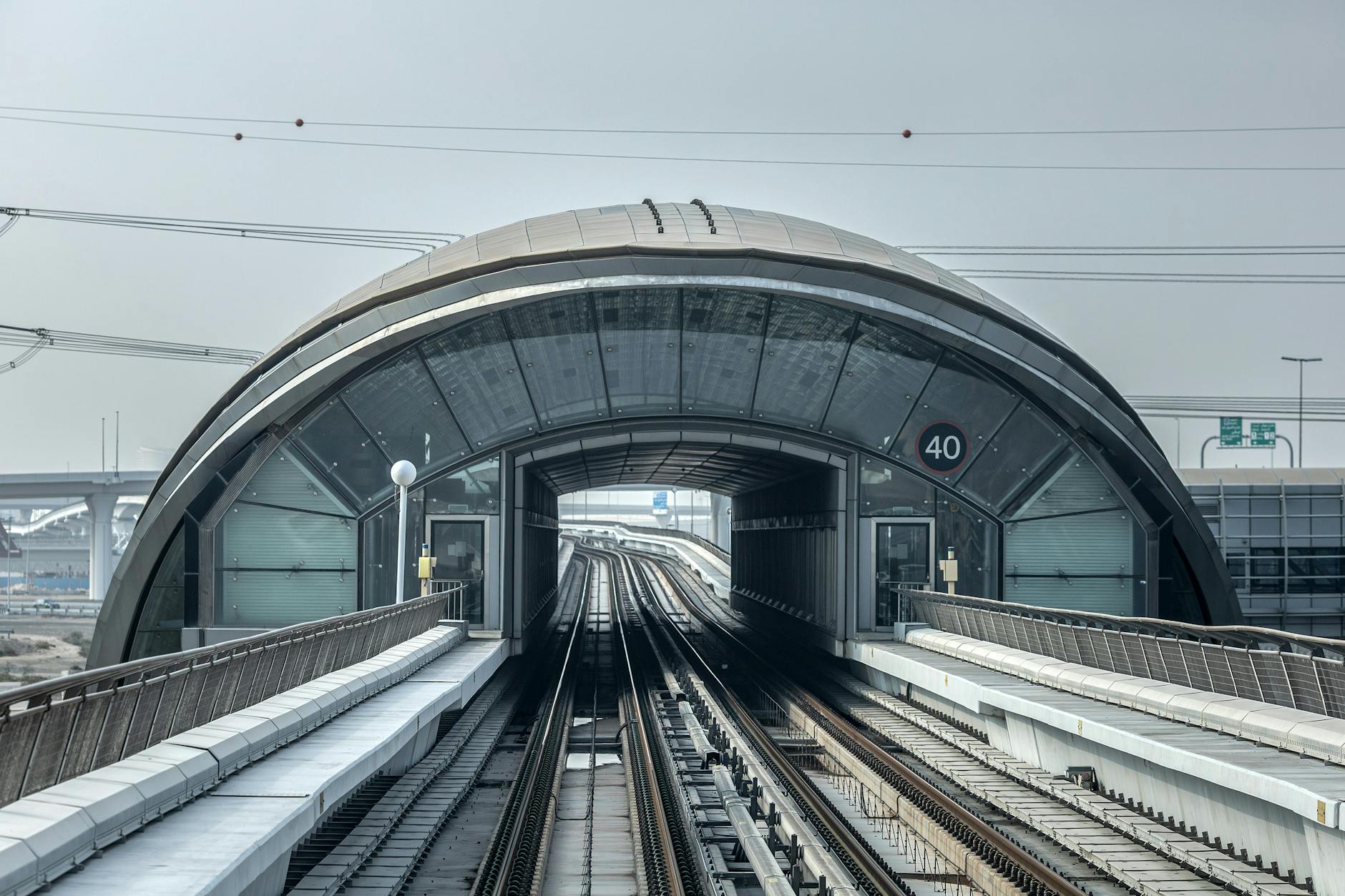
Sharjah should be entered with a clear plan for movement. The mistake is to assume it can be both a calm destination and an endlessly flexible launchpad for cross-emirate zigzagging. It usually cannot. The city gets better when the daily radius is narrower and the hotel is chosen for the actual purpose of the stay: museum access, waterfront proximity, family ease, or strategic but limited regional movement. Sharjah is not hard to use, but it loses much of its appeal if the traveler keeps dragging in the friction of another emirate’s itinerary.
- Keep the daily radius tighter than first instinct suggests.
- Plan around the actual role Sharjah plays in the trip.
- Do not degrade the stay with unnecessary cross-emirate churn.
Where to stay
Sharjah hotel choice matters because the city’s rewards are subtle and can disappear if the base is clumsy. A waterfront-facing stay may emphasize evening walks and a calmer public realm. A heritage-adjacent stay can make the city feel culturally legible. A more functional hotel may suit a shorter, more practical trip but flatten the city if overused. Since Sharjah is not selling maximal spectacle, small differences in location and hotel atmosphere have a larger effect here than they might in louder destinations. The right base turns restraint into elegance. The wrong one turns it into dullness.
- In Sharjah, the hotel is part of the interpretation of the city.
- Location can quietly determine whether the trip feels rich or thin.
- Choose the base for atmosphere as well as convenience.
The Sharjah that actually works
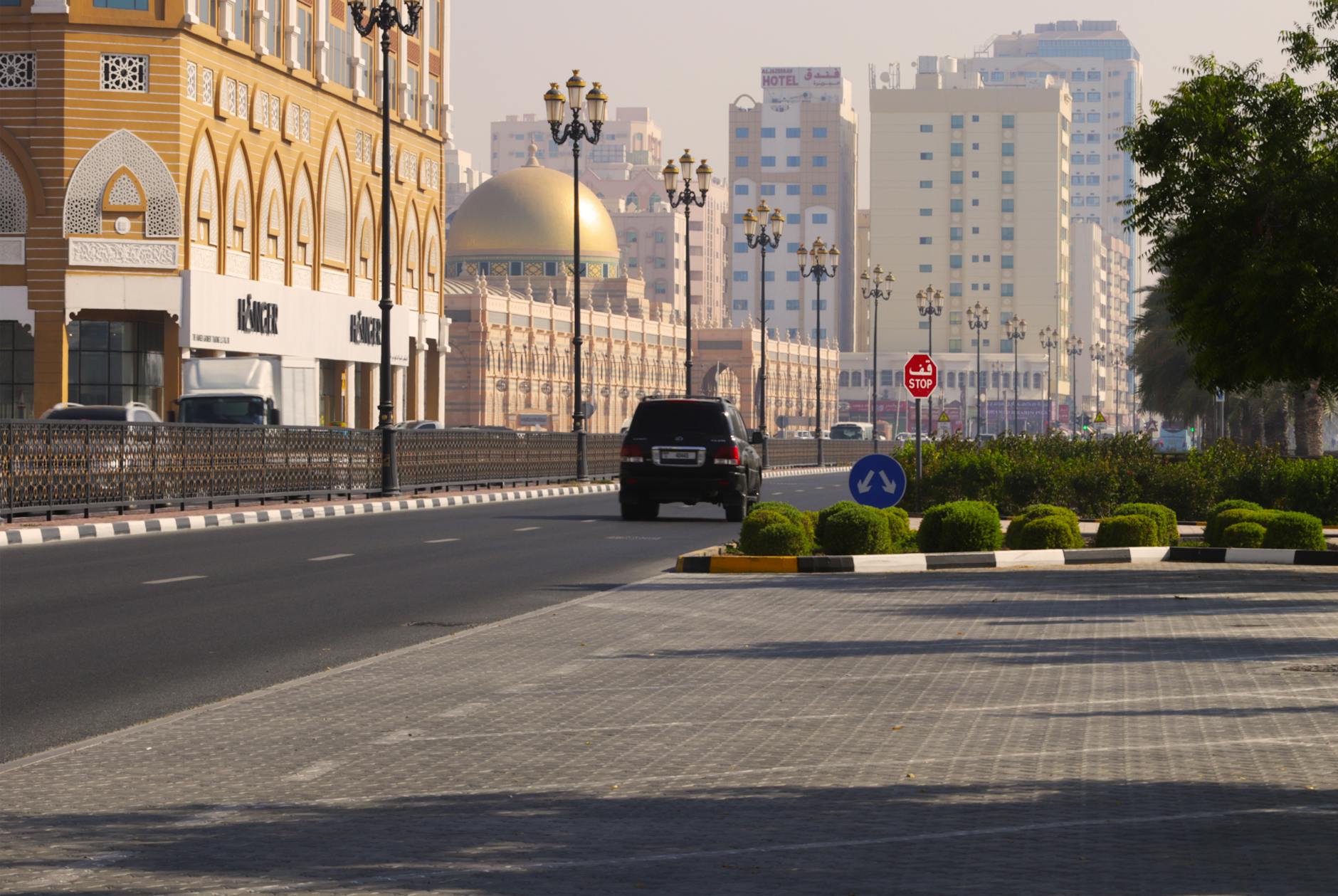
There is museum-and-heritage Sharjah, where the city reveals itself through curation, architecture, and public institutions. There is family Sharjah, where a calmer daily rhythm and easier public environment matter most. There is also practical Sharjah, useful for a narrower UAE route but at risk of being undervalued if that is the only lens applied. These are different products. Sharjah improves dramatically when one of them leads and the others support it. Travelers who try to make the city perform every role at once usually leave with a vague impression and blame the place for their own indecision.
- Sharjah becomes clearer when one travel purpose leads the itinerary.
- Different districts support different versions of the city.
- The city suffers when treated as an all-purpose compromise.
What Sharjah does best
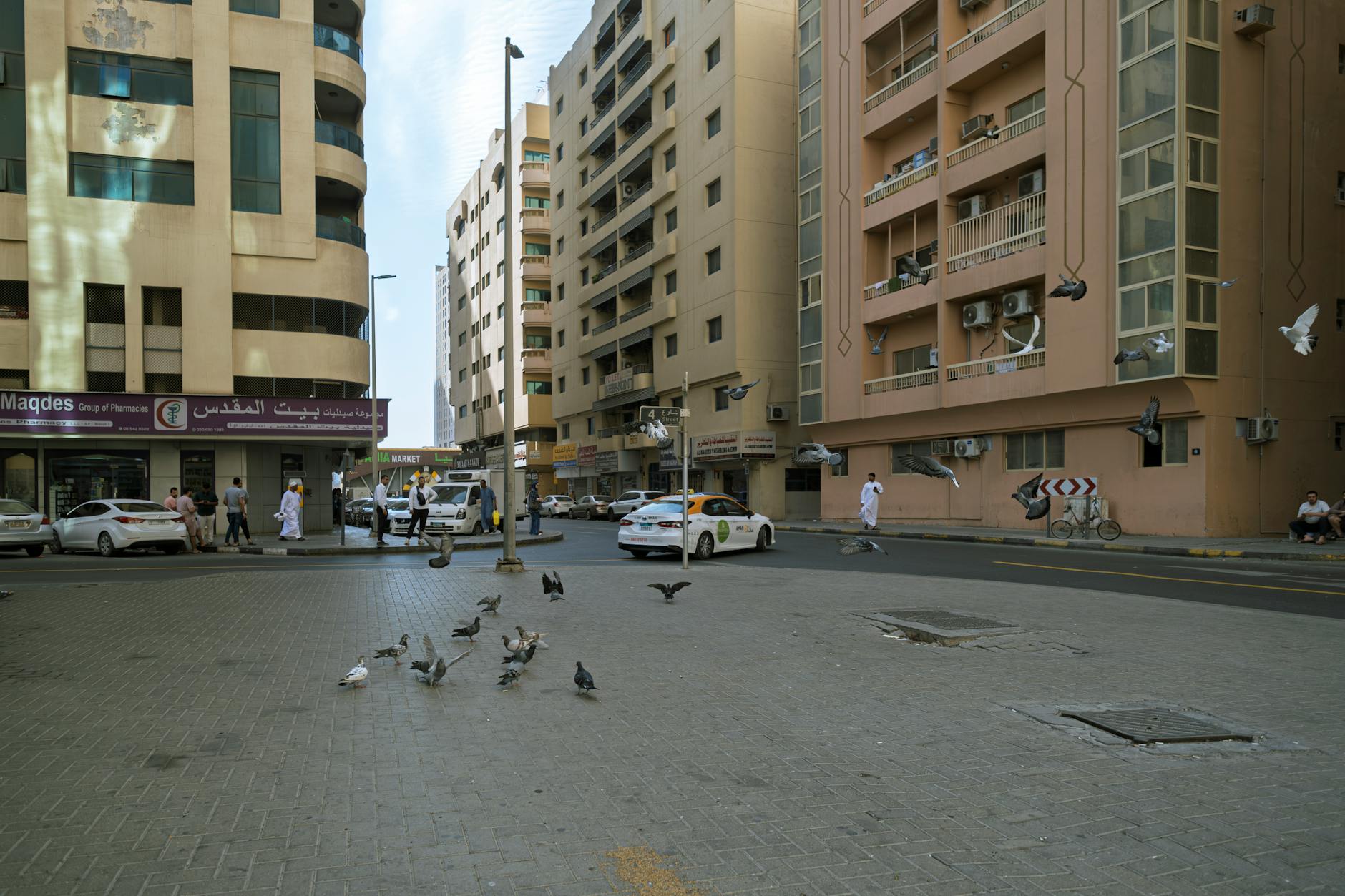
Sharjah does cultural seriousness, lower-noise urban life, and family-suitable Gulf travel better than many outsiders expect. It is especially attractive for travelers who find the UAE interesting but want a version of it that feels more civic and less cinematic. This is also one of Sharjah’s advantages for repeat Gulf travelers who no longer need every trip to be defined by spectacle. The city can feel grounded in a way that gives the overall journey more contrast and more meaning. That is its real luxury: not maximal glamour, but a more intelligible and composed environment.
- Sharjah is strongest when judged on civic and cultural quality, not spectacle.
- It offers a more grounded UAE experience than many first-time travelers expect.
- The city’s restraint is part of the value, not evidence of absence.
Food
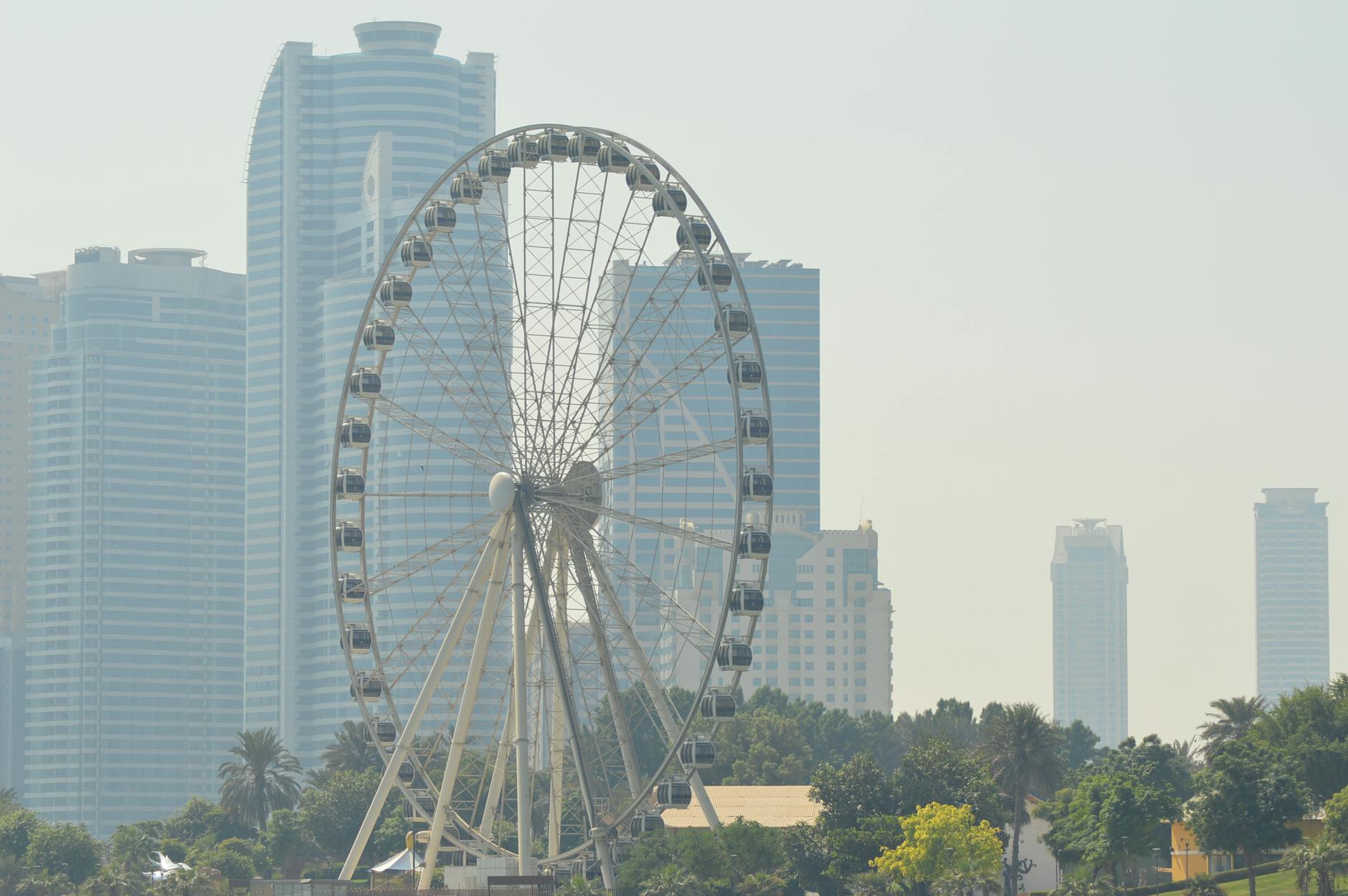
Sharjah dining works best when it stays integrated with the district of the day. In a city like this, dinner should not become a dramatic relocation project unless there is a very good reason. The most satisfying pattern is often a museum or waterfront rhythm that folds naturally into a nearby meal, especially when the traveler is trying to preserve a calmer tone. Sharjah can support very good eating, but the value comes from using food to deepen place rather than as an excuse to import another city’s nightlife or restaurant-hopping culture.
- Meals should follow the geography and tone of the day.
- Sharjah dining is stronger when kept local to the day’s corridor.
- Food works best here as part of a composed route.
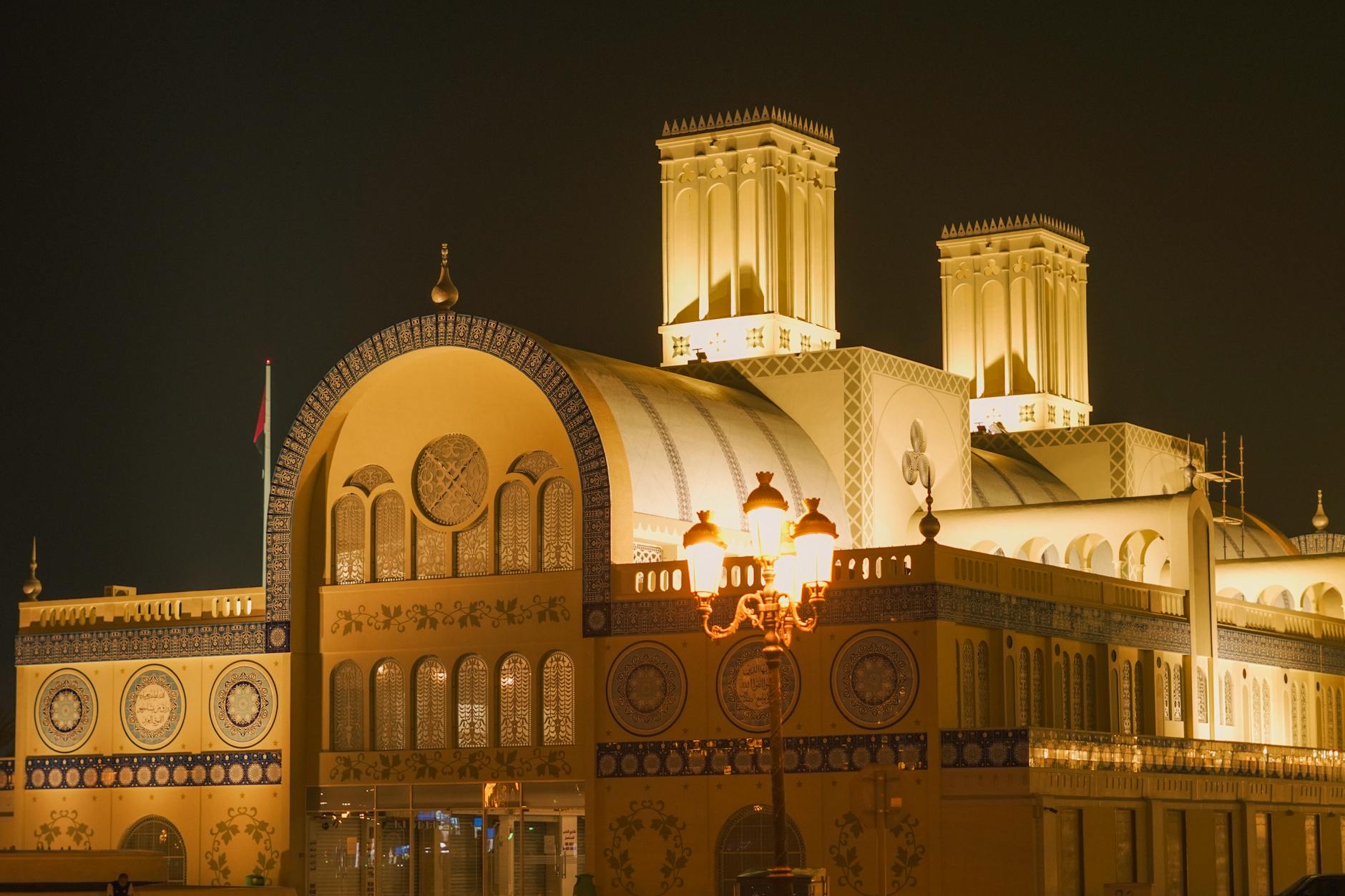
Nightlife
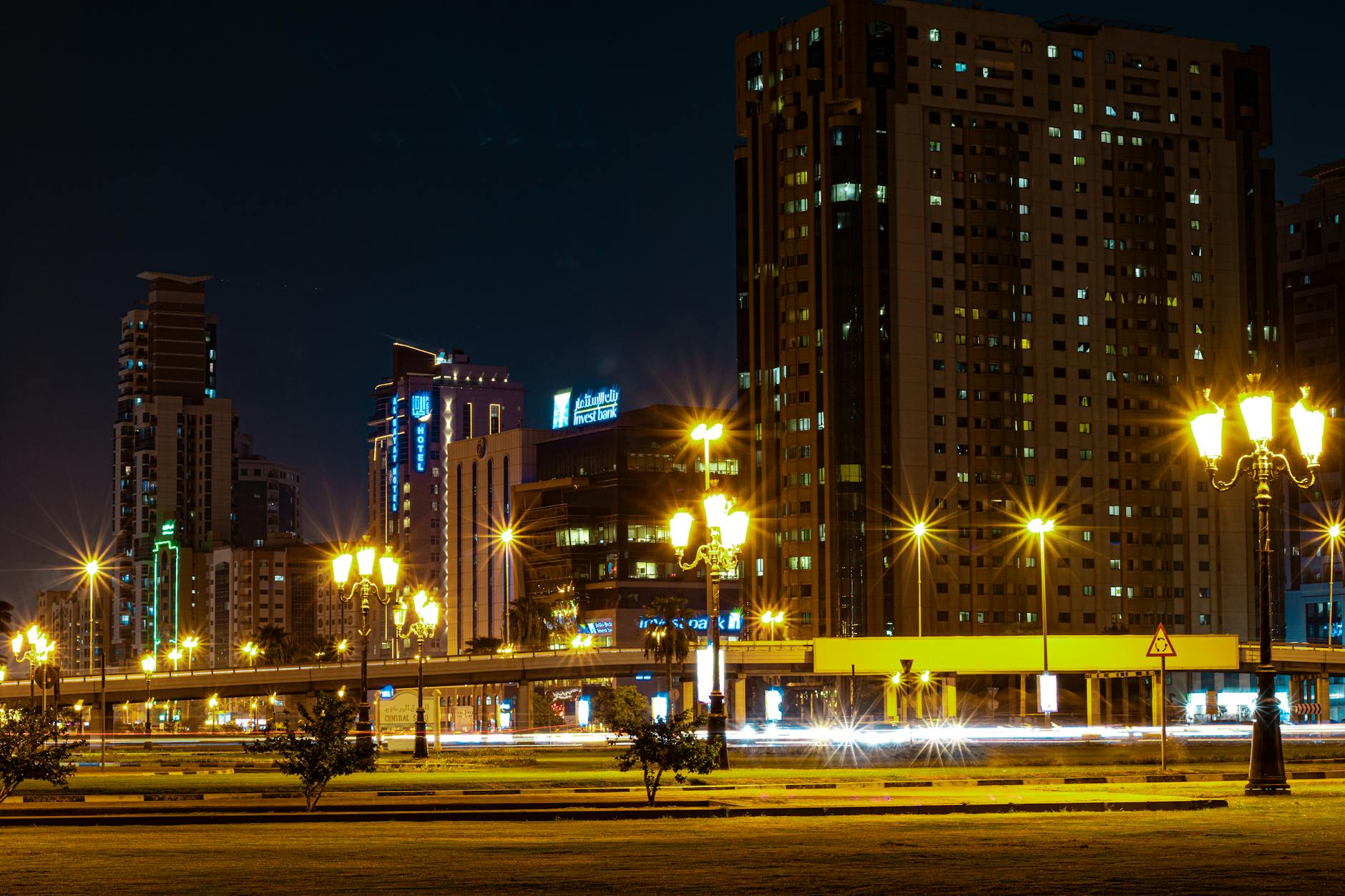
Sharjah should not be judged by the nightlife template travelers use elsewhere in the Gulf. Evenings here are often better when they remain proportionate: dinner, a quieter stroll, hotel calm, waterfront air, and an earlier finish that fits the city rather than fights it. For some travelers this will sound limiting. For others it is precisely the point. Sharjah is one of those places that rewards choosing the right city instead of demanding that every city serve the same appetite.
- Sharjah’s evenings are defined more by calm than by chase.
- The right traveler will see proportion as a strength, not a lack.
- Use the city for the kind of night it naturally supports.
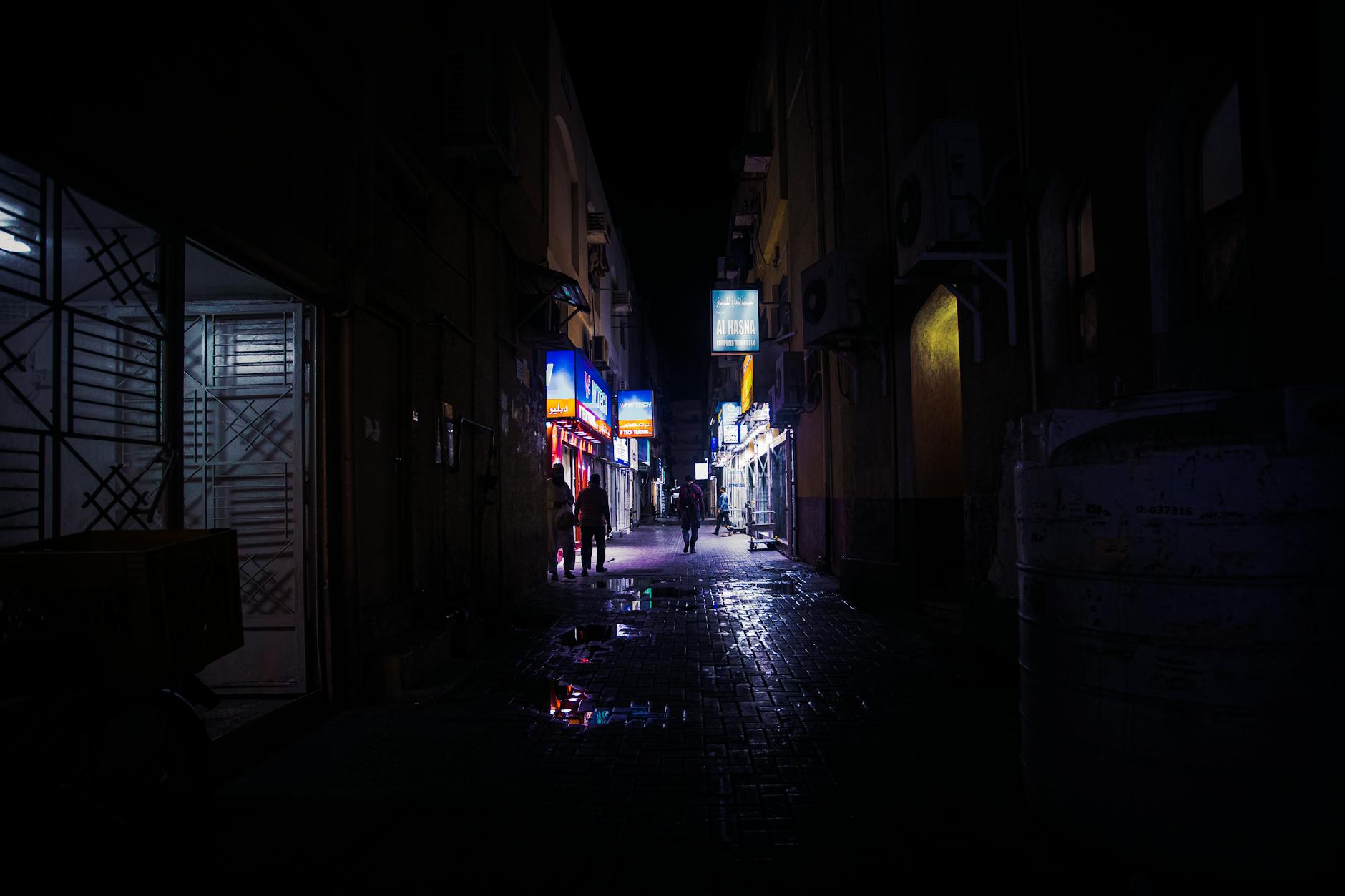
Etiquette and local norms
Sharjah rewards awareness. Dress, public behavior, family spaces, religious sensitivity, and the tone you bring into civic environments all matter more here than in destinations where tourism culture smooths over everything. None of this needs to become anxious or performative, but it does require attention. Travelers who understand that they are guests in a city with a stronger public ethic generally have a better experience. Sharjah responds well to visitors who notice where they are and behave accordingly.
- Public tone matters in Sharjah.
- Awareness of dress and setting improves the stay.
- The city gives more back to travelers who act with context in mind.
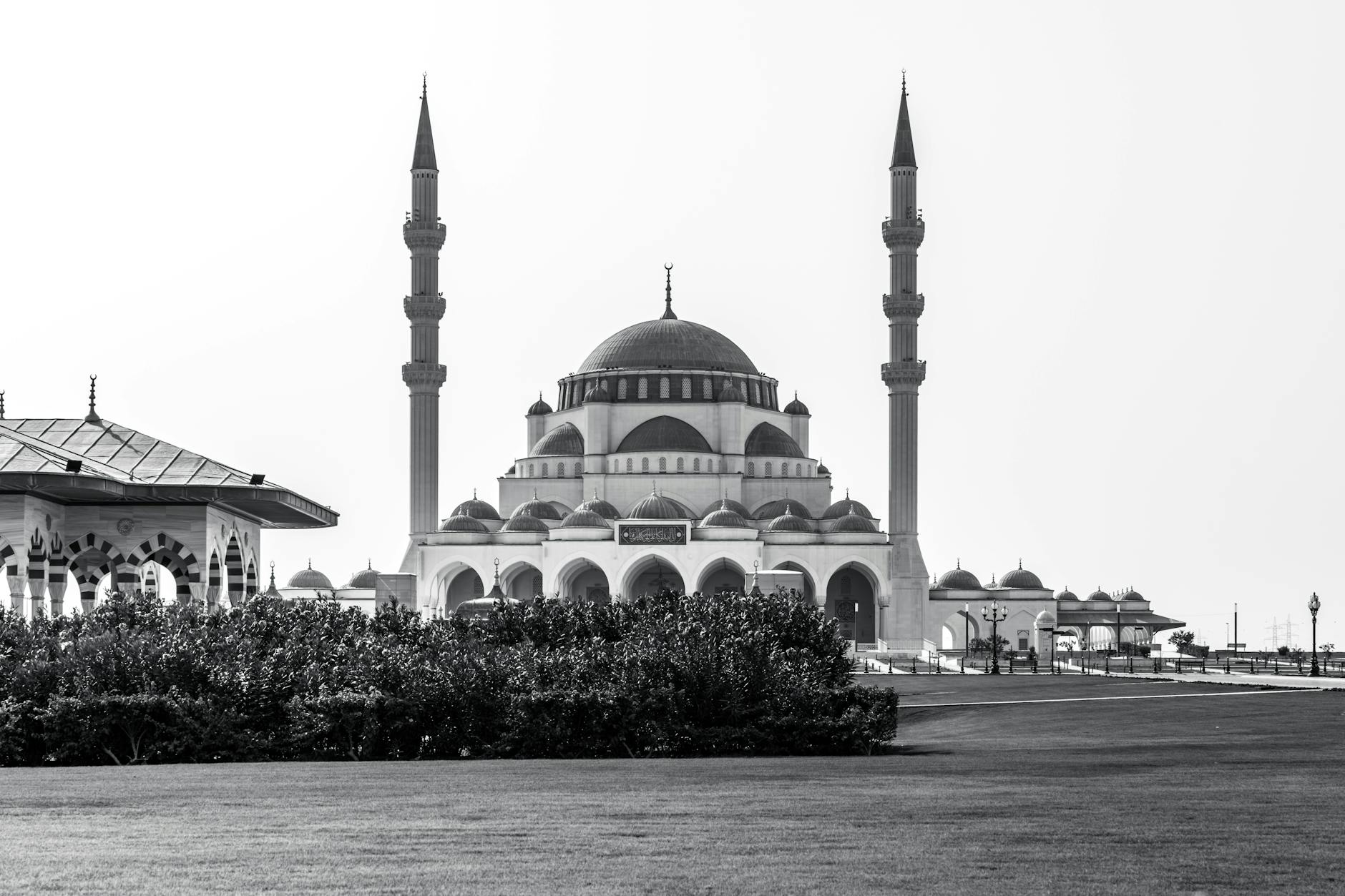
Blunt advice
The biggest Sharjah mistake is arriving with Dubai expectations and then faulting the city for not performing the wrong script. The second is overcomplicating the stay with too much commuting and too little commitment to Sharjah itself. This city works for travelers who value composure, context, and a clearer sense of local civic life. If that is not what you want, choose another emirate. If it is, Sharjah can be a much smarter and more distinctive choice than the comparison-shopping mindset suggests.
- Do not use Dubai as the measuring stick for every decision.
- Sharjah improves when treated as a destination, not overflow.
- The city rewards context, restraint, and a cleaner plan.