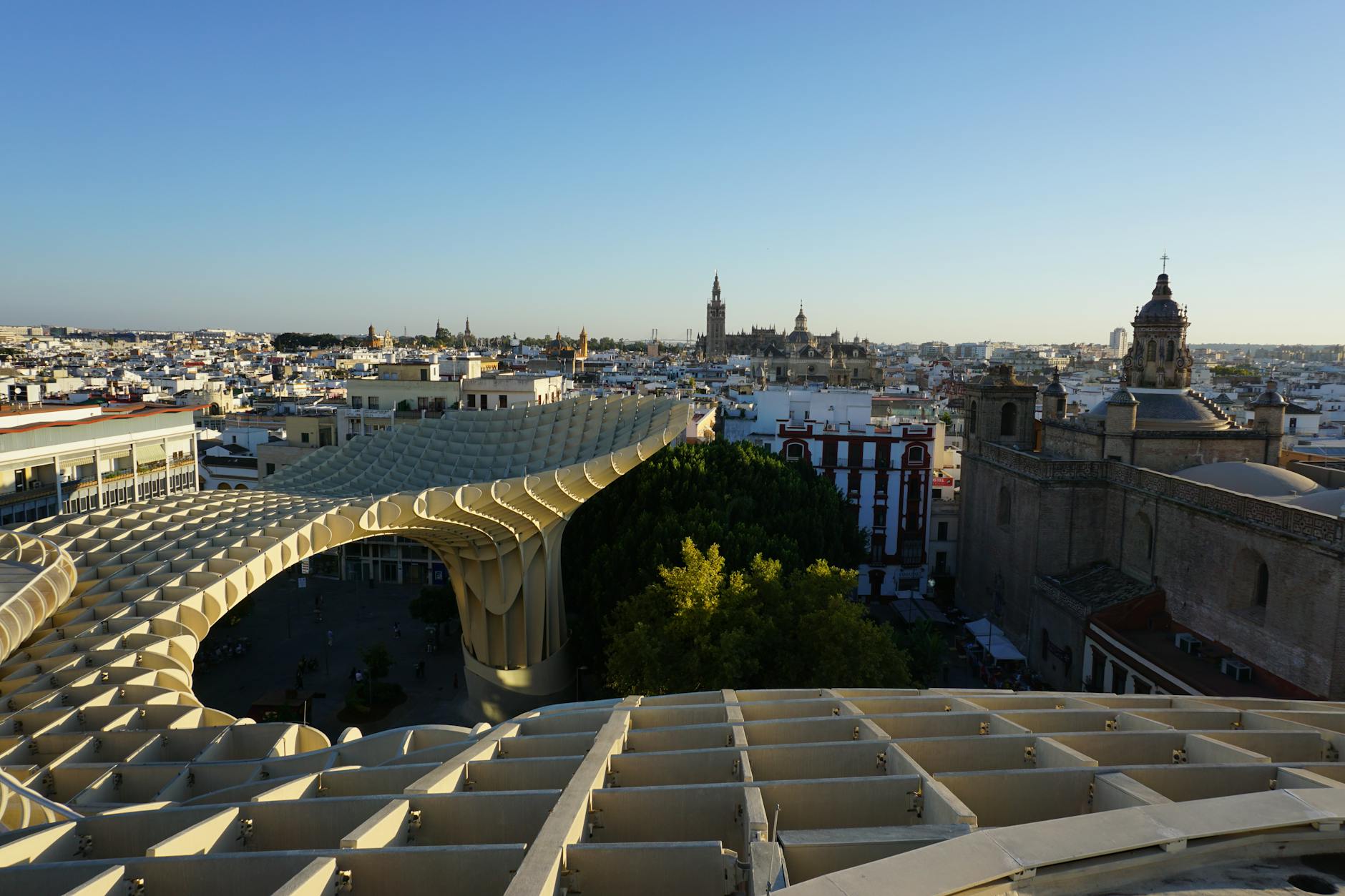
Seville is one of the most seductive cities in Europe, which is exactly why it gets mishandled.
Start Here
The seduction starts early. Orange trees, tiled courtyards, narrow lanes, bells, white walls, tapas bars, slow evenings, horse-drawn romance if you want it, and one of Spain's most photogenic monumental cores combine into a place that looks as if it should run itself. Many first-time visitors decide, without fully realizing it, that Seville is a city of atmosphere rather than structure. They assume beauty will cover weak planning.
It does not.
Seville is not difficult in the sense that Tokyo or Mexico City can be difficult. It is difficult in the sense that heat, timing, and route logic matter far more than people expect from a city that looks so compact on a map. The distances themselves are not the trap. The trap is repetition. A ten-minute walk at 9:00 a.m. is one thing. The same walk at 3:30 p.m. in warm weather, after an underplanned lunch, after a monument line, with another cross-center return still ahead, becomes something very different. Seville is a city where the body quietly becomes part of the itinerary.
This is why the best Seville trip is not built around a checklist of famous places. It is built around rhythm. Morning is for clarity and monument time. Midday is for either careful shade, a real meal, or retreat. Late afternoon and evening are when the city becomes persuasive again. The weak Seville trip behaves as though the whole day belongs equally to sightseeing. The strong Seville trip respects that the city's emotional peak often arrives after the harshest hours have passed.
That does not make Seville fragile. It makes it specific. Santa Cruz is not just an old quarter; it is a high-density beauty zone that needs to be used well or it turns from charm to crowd. The Alcázar and cathedral are not mere symbols; they are timed anchors around which entire days should be built. Triana is not a decorative detour across the river but one of the clearest ways to stop the city from becoming a single historical texture. María Luisa Park and the Plaza de España are not optional filler. They are part of what gives Seville air.
Then there is food. Seville is often discussed through tapas, which is fair, but too broad. The stronger point is that eating and drinking here are part of city management. Lunch is not just a meal. It can be a climatic strategy. An evening crawl is not just nightlife. It is often the hour when Seville feels most naturally itself.
The city also benefits from a certain refusal to overintellectualize it. Seville is not a puzzle to solve. It is a city to tune yourself to. The goal is not to extract every attraction. The goal is to move through monumentality, shade, appetite, and the river in a way that lets the city remain sensuous instead of turning punitive.
If you do that, Seville gives back heavily. Few European cities are this visually coherent, this socially alive after dark, or this capable of making a short stay feel lush rather than rushed.
The city in one sentence: Seville is an intensely atmospheric Andalusian city where the best first trip comes from organizing monuments, neighborhoods, heat, and evening life into a deliberate rhythm instead of assuming the beauty will carry bad planning for you.
Quick Verdict
Best for: couples, first-time Andalusia trips, architecture travelers, tapas-and-nightlife travelers, spring and autumn city breaks, and anyone who likes cities that feel theatrical without becoming fake.
Not ideal for: travelers who hate heat, people who expect to sightsee continuously from breakfast to dinner, or visitors who want the city to function like one long all-day walk.
Ideal first visit: 3 full days.
Minimum worthwhile stay: 2 full days.
Best overall months: March, April, May, October, and November.
Best hot-weather logic: early monument slots, a better hotel, and real midday withdrawal.
Biggest planning mistake: confusing compactness with consequence-free walking.
One thing to prioritize: the base.
One thing to leave flexible: how much of your afternoon belongs to sightseeing versus recovery.
The blunt version: Seville is one of Spain's most intoxicating short city breaks, but only when you respect heat, shade, and the fact that the city gets better again after a pause.
Who Will Love Seville?
Seville suits travelers who want a city with a strong emotional register from the first hour. If you like places where architecture, scent, color, and public life all announce themselves clearly, Seville is unusually generous.
It works especially well for couples because it offers multiple compatible versions of romance. There is monumental Seville: the cathedral, the Giralda, the Alcázar, and the old Jewish quarter. There is evening Seville: bars, terraces, slow drinks, and an urban tempo that often starts properly only after the day has softened. There is also calmer Seville: courtyards, gardens, river light, and hotel interiors that can genuinely rescue the whole trip if chosen well.
Solo travelers also do very well here, especially if they like cities where wandering matters but should still be edited. Seville is easy to enter socially even when traveling alone. There is enough life in the streets, enough food structure, and enough obvious urban reward that solo movement rarely feels thin.
The city is particularly strong for travelers interested in how a historic center can remain highly performative without becoming dead. Seville has some museum-city tendencies, of course, but it still functions as a lived, inhabited place. That matters.
It is less ideal for travelers who want a broad portfolio of totally different neighborhoods all equal in weight. Seville is more concentrated than that. The trick is to use its variations well, not to expect endless reinvention.
Seville at a Glance
| Question | Practical Answer |
|---|---|
| Main airport | Seville Airport |
| Simplest airport transfer | EA airport bus |
| Best first-time base | Santa Cruz edge, Centro, or Arenal |
| Best monument anchor | Real Alcázar |
| Best church-and-view anchor | Cathedral and Giralda |
| Best evening-neighborhood counterpoint | Triana |
| Main park-and-air anchor | María Luisa Park / Plaza de España |
| Main modern punctuation mark | Setas / Metropol Parasol |
| Main practical challenge | heat and repeated walking |
| Public transport backbone | walking plus airport bus, buses, tram, and selective taxis |
| Car needed? | No |
| Currency | Euro |
| Emergency number | 112 |
| Tap water | Safe to drink |
| Power plugs | Type C and F |
2026 Visitor Notes
The Airport Bus Is The Right Default Arrival Move
Aena's official Seville Airport bus page and TUSSAM's visitor guidance both present the EA airport line as the direct connection into the city center, with major stops including Santa Justa, Prado de San Sebastián, and Plaza de Armas.[1][2] For many first-time visitors, that is the cleanest arrival and departure strategy.
Airport Tickets Are Straightforward
The official Aena and TUSSAM guidance still lists the EA single journey at 6 euros and the return at 8 euros, with card payment accepted on the bus.[1][2] This is exactly the kind of practical simplicity that helps Seville start well.
The Alcázar Should Shape A Day, Not Decorate One
The official Real Alcázar site continues to stress seasonal opening hours and direct visit preparation, including the need to think about timing before purchase.[3][4] That is the right mindset. The Alcázar is not a casual add-on.
The Cathedral Is A Full Visit, Not A Façade
The cathedral's official site still positions the cultural visit as a major attraction with its own schedules, rates, and access logistics.[6][5] That means you should decide whether you are truly visiting it or merely using the exterior and surrounding streets as atmosphere.
Plaza De España And María Luisa Park Are Not Optional Filler
Official Seville tourism sources continue to treat both the plaza and the park as core city experiences, not decorative extras.[12][13] That is correct. They provide air, space, and a different register from the denser old center.
Santa Cruz Is Beautiful And Heavily Used
The current Seville tourism pages explicitly describe Santa Cruz as a high-traffic tourist area while still emphasizing its historic Jewish-quarter identity and intricate street pattern.[8][9] That means timing matters.
Triana Is The Right Counterweight To Monument Seville
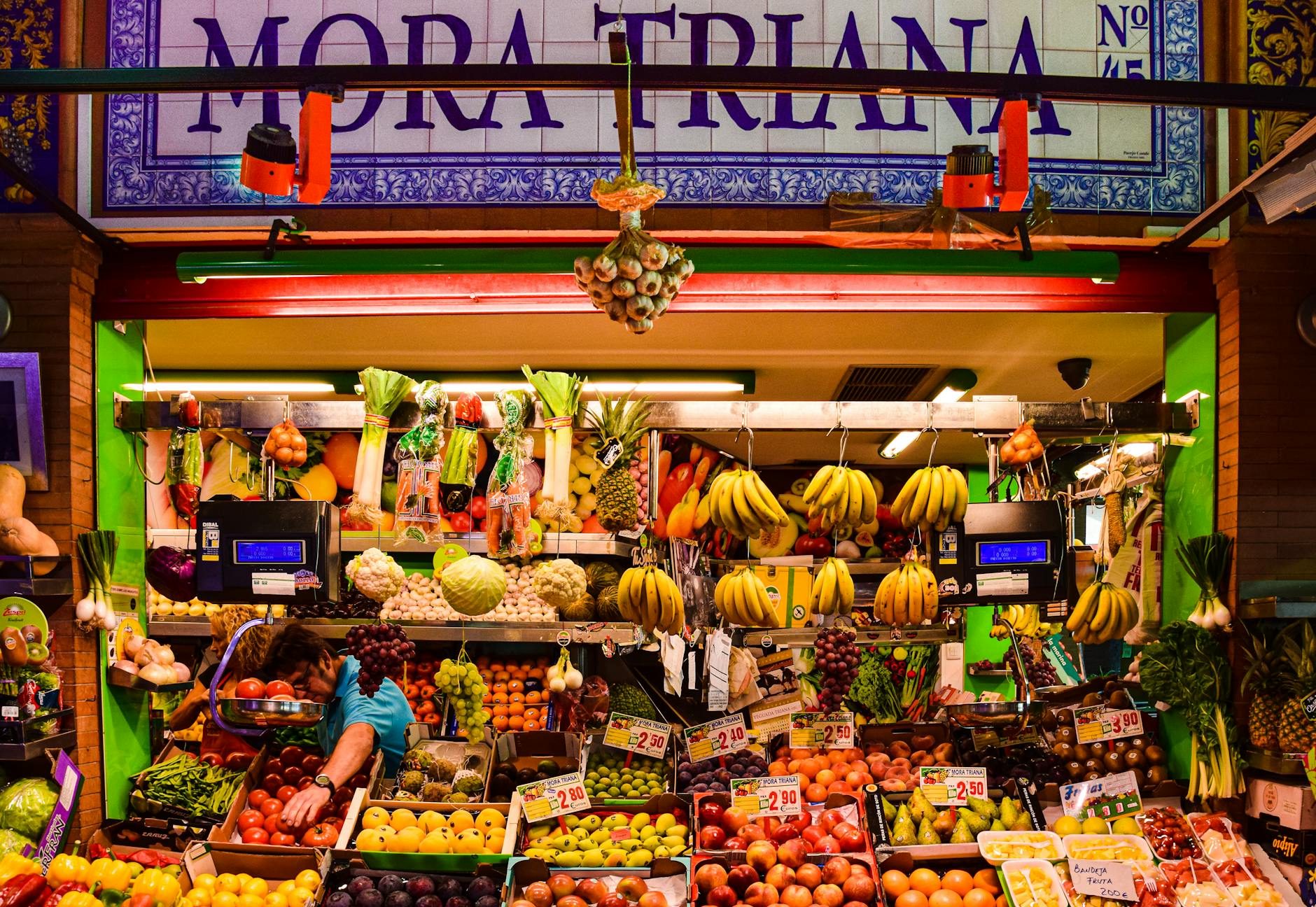
Official tourism material continues to present Triana as one of the city's most distinctive identity districts, with its own market, ceramic tradition, and riverbank logic.[10][11] That is why it matters so much on a first trip.
How to Understand Seville
Seville works through five forces.
The first is heat and timing. This is not a secondary concern. It shapes route quality more than most first-time visitors expect.
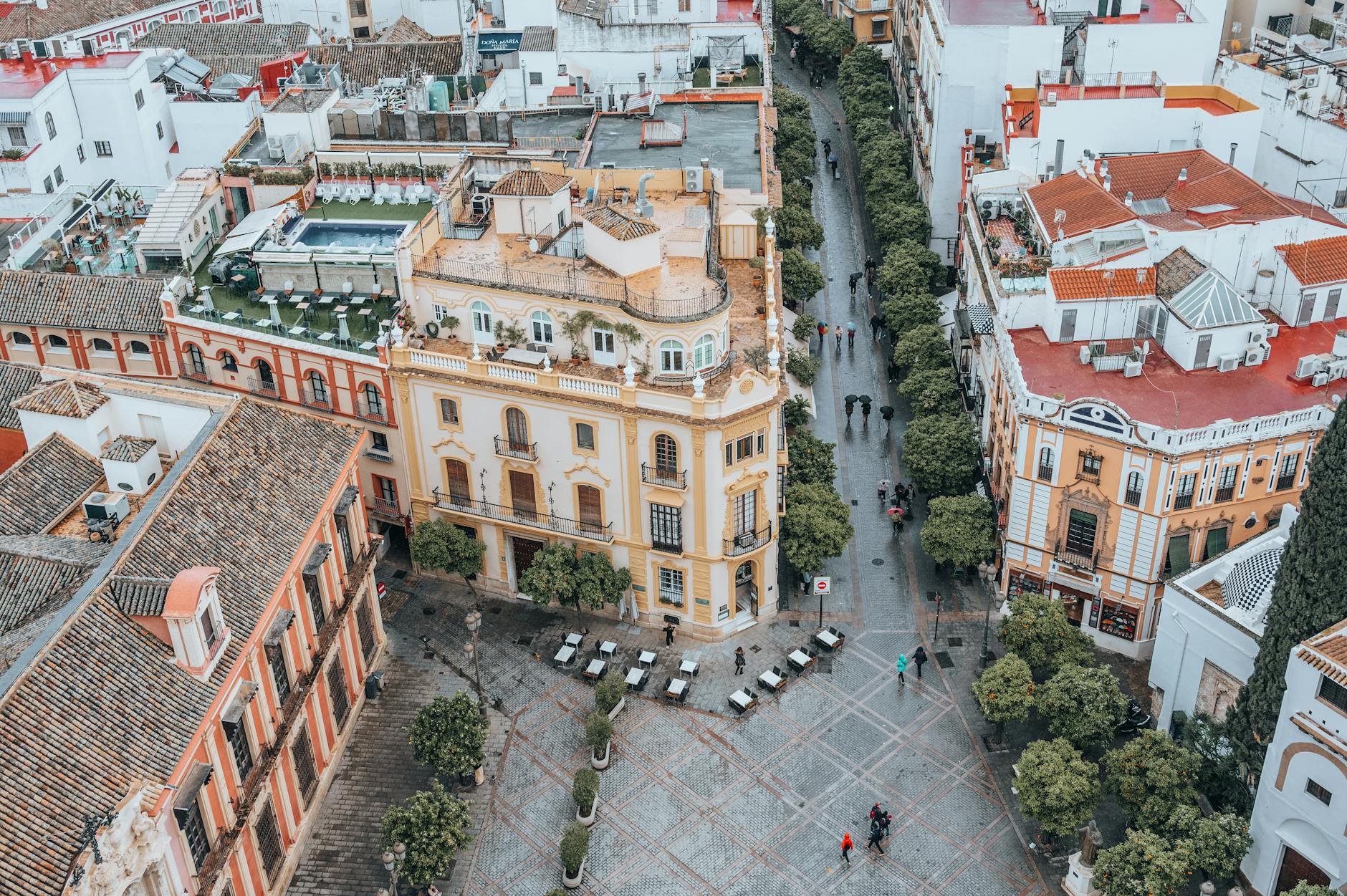
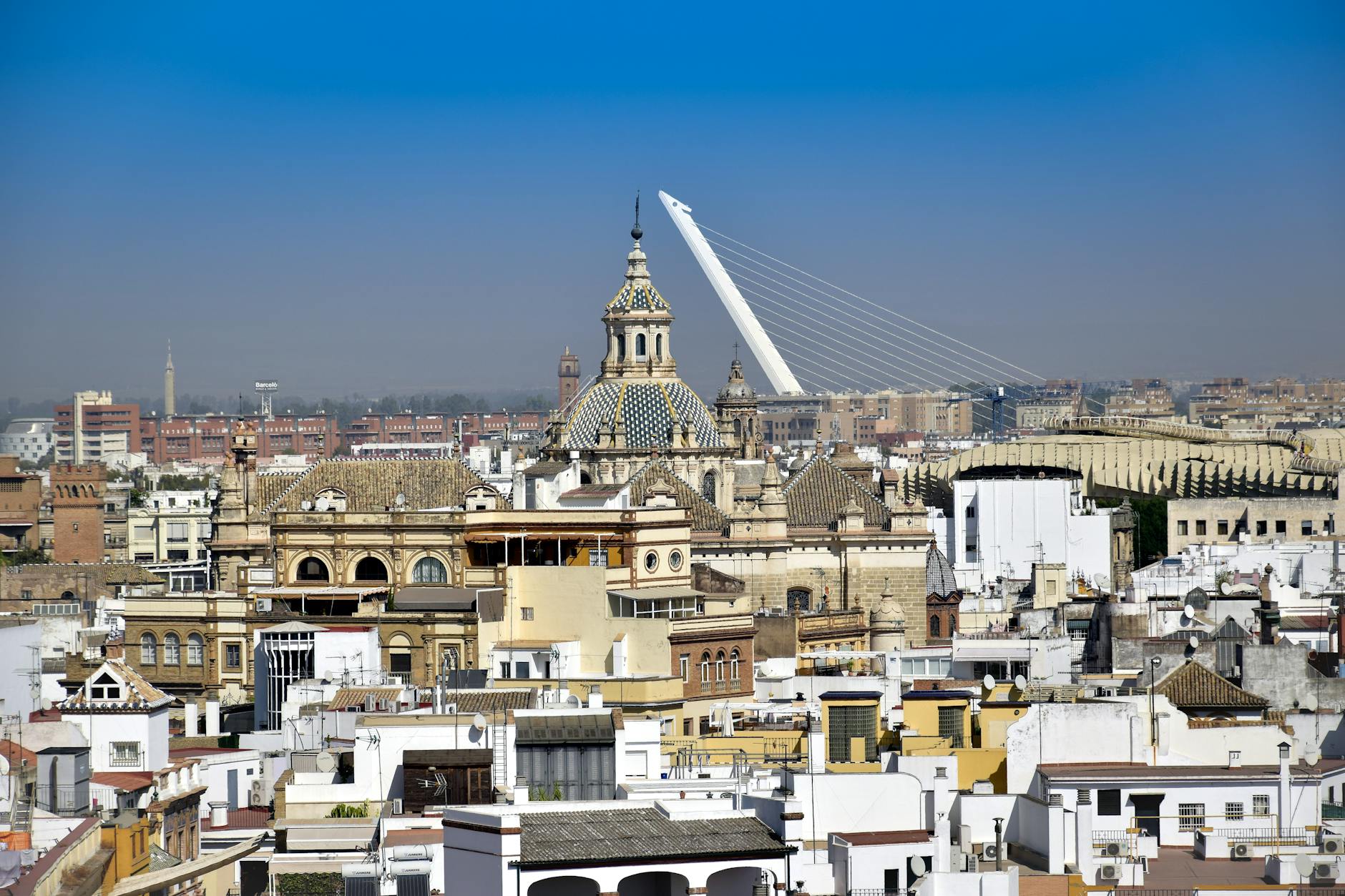
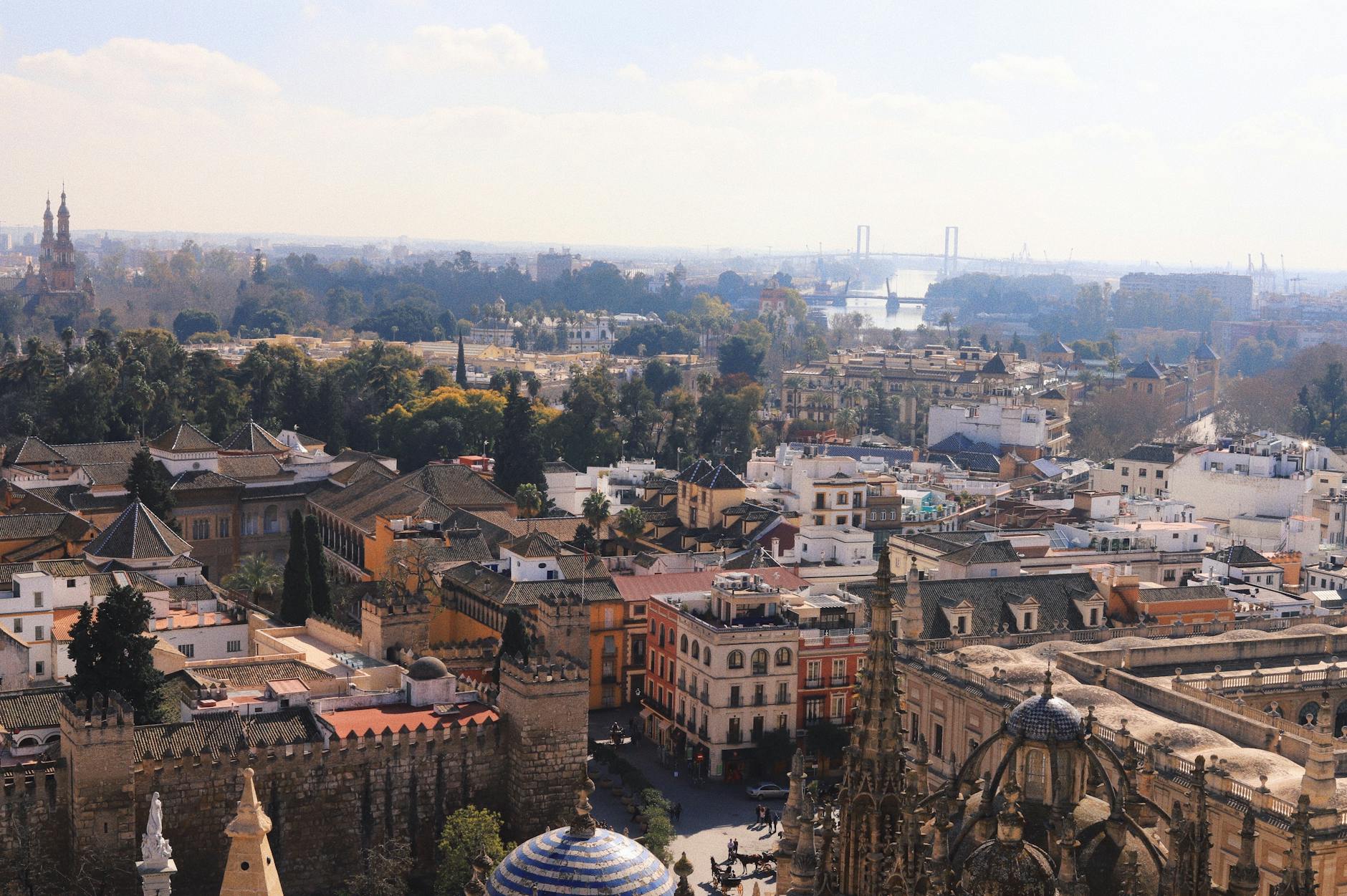
The second is monumental density. The cathedral, the Giralda, the Alcázar, and Santa Cruz sit close enough together that it is easy to overconcentrate a day.
The third is the river split. Triana matters because Seville needs a second emotional register across the Guadalquivir.
The fourth is park and plaza release. María Luisa Park and Plaza de España provide scale, openness, and visual reset.
The fifth is the late urban rhythm. Seville often becomes most enjoyable once the light softens and the city transitions from monument mode to social mode.
The Five Sevilles A Visitor Actually Meets
Monument Seville: Alcázar, cathedral, Giralda, and the city's most famous historic core.[3][5]
Santa Cruz Seville: labyrinthine, floral, whitewashed, and the city at its most concentratedly atmospheric.[8]
River Seville: Arenal and Triana, where the city becomes broader, more social, and less claustrophobic.[10]
Park Seville: María Luisa Park and Plaza de España, which give Seville breath and grandeur.[13][12]
Evening Seville: tapas, drinks, strolling, and a city that often feels more naturally itself after dusk.
The Main Mental Shift
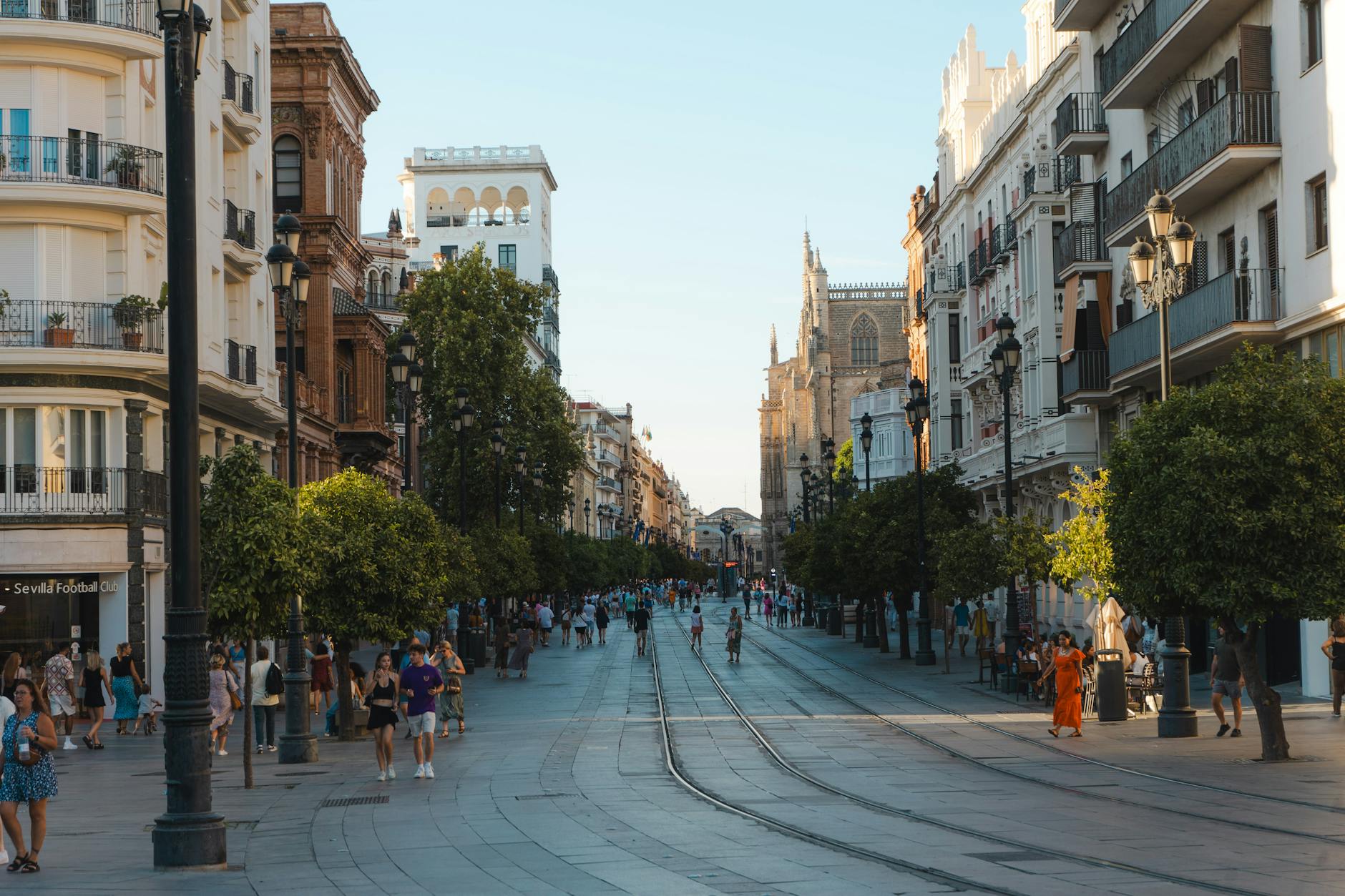
Do not ask, "What are the top sights in Seville?" Ask, "Which Seville is this block of the day for?" Monument Seville, Santa Cruz Seville, Triana Seville, park Seville, evening Seville. Once you separate those, the city becomes much easier to use well.
What Seville Does Better Than People Think
Seville is better than people think at nighttime recovery. Cities this beautiful often become inert after the main sightseeing hours. Seville does not. It resets itself.
It is also better than many first-time visitors expect at district contrast within a compact frame. Santa Cruz, Arenal, Triana, and the park axis all feel distinct enough to change the texture of the stay.
Another underrated strength is hotel payoff. In some cities, the hotel is mainly where you sleep. In Seville, a better hotel can genuinely improve the day because it allows for heat management without emotional collapse.
The city is also strong at linking high culture and low ceremony. The same city that gives you the Alcázar also gives you very unforced drinks, bar-hopping, and late-night ease.
Finally, Seville is better than people think at making a short trip feel full without needing scale. You do not need a week to feel something real here. You need timing.
Best Time to Visit Seville
Seville is not a season-neutral destination. Temperature changes the city more than many people want to admit.
Best Overall Months
March, April, May, October, and November are the easiest first answers. The city can then behave like the version people imagine: outdoor meals, long walks, shade as pleasure rather than survival, and evenings that feel lush.
Spring
Spring is the classic answer for good reason. The city is beautiful, the social life spills outdoors naturally, and the balance between monument time and wandering still works.
Summer
Summer is where false confidence gets punished. Seville can still be excellent, but only in a more conditional way. Stronger hotels, earlier starts, longer breaks, and reduced ambition all matter much more.
Autumn
Autumn is often ideal, especially later September into November. The city remains rich and social, but the body pays less for movement.
Winter
Winter can be very good for visitors who care more about monuments, hotels, and food than about maximal terrace life. Seville remains beautiful and usable.
How Many Days You Need
One Full Day
Enough for a sketch, not enough for the city to reveal its rhythm.
Two Full Days
The minimum strong version. One day should belong mainly to the monumental core. The second should give room to Triana, the park axis, or a slower food-led city use.
Three Full Days
Ideal for most first-time visitors. This allows one monument-heavy day, one neighborhood-and-river day, and one more relaxed day with the park and evening life properly integrated.
Four Days Or More
Very good if you want slower lunches, more museum time, or simply a less compressed relationship to the city's heat and beauty.
Where to Stay in Seville
In Seville, the base is not just about convenience. It is about recovery.
Fast Answer
For most first-time visitors, stay on the Santa Cruz edge, in Centro, or in Arenal. These areas let you reach the historic core quickly while still giving you cleaner returns. Stay in Triana if you deliberately want a stronger neighborhood counterpoint and do not mind crossing the river as part of the trip's identity.
Neighborhood Decision Table
| Traveler Type | Best Area |
|---|---|
| First-time couple | Santa Cruz edge / Arenal / Centro |
| Maximum atmosphere traveler | Santa Cruz edge, not deep in its busiest lanes |
| Food-and-evening traveler | Arenal or Triana |
| Cleanest all-round answer | Arenal or Centro |
| Repeat visitor | Triana |
Santa Cruz Edge
Best for: first-time visitors who want immediate beauty. Why it works: you are close to the monumental heart without being trapped in it every hour. Tradeoff: deeper inside the quarter, noise and crowd pressure become more real. Best use: short stays that want strong atmosphere with less friction.
Arenal
Best for: balance. Why it works: easy access to cathedral core, river, and Triana crossing, with a slightly broader-feeling urban register. Tradeoff: not quite as storybook from the doorstep. Best use: the best all-round first base for many travelers.
Centro
Best for: practical movement, shopping, food, and a more mixed-use city feel. Why it works: good operational flexibility and less total dependence on one tourist quarter. Tradeoff: some stays feel less theatrically Seville than Santa Cruz. Best use: visitors who want Seville to remain workable all day.
Triana
Best for: repeat visitors or travelers who want Seville to feel more neighborhood-driven. Why it works: distinct identity, food culture, river context, and a useful counterweight to the old core.[10][11] Tradeoff: the main monuments become a more intentional move. Best use: longer stays and visitors who do not need to sleep inside the most famous image of Seville.
Area Profiles
Santa Cruz: best for atmosphere, monuments, and emotional first impact.
Arenal: best for first-time balance and river access.
Centro: best for practical day-to-day usability.
Triana: best for identity, food, and river-side counterpoint.
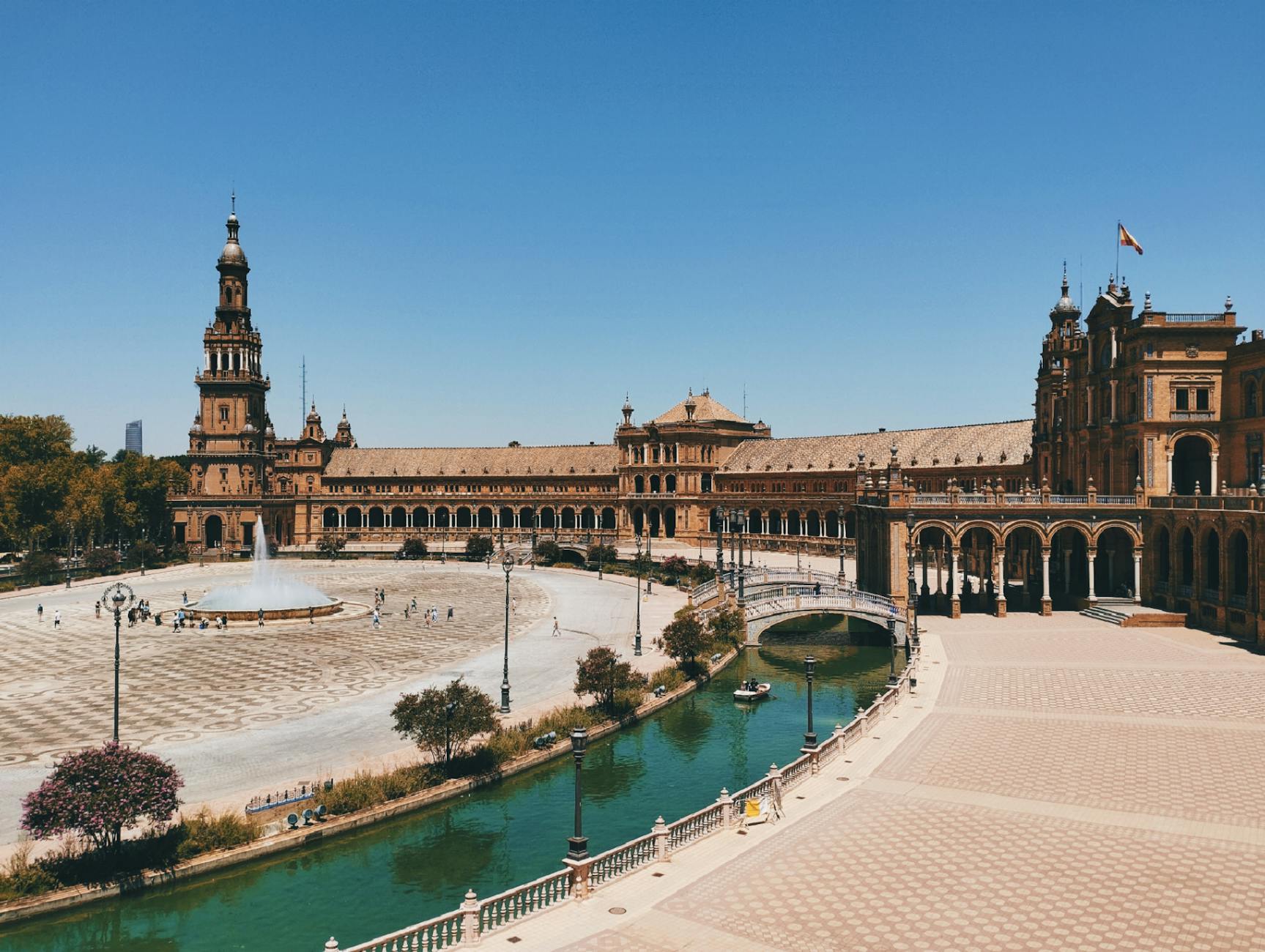
María Luisa / Plaza de España axis: best for release, scale, and quieter grandeur.
Neighborhood Guide: Where to Explore, Not Just Sleep
Santa Cruz is where many first-time visitors feel Seville most intensely. That is understandable, but it should not be used all day long as if intensity were infinite. The district is best in measured doses.[8][9]
Arenal often gets less poetic treatment than it deserves. In practice, it can be the district that keeps the trip elegant because it connects the center to the river and makes movement less repetitive.
Triana matters because it breaks the city's spell in the right way. It adds local color, market life, ceramic history, and a different social texture across the water.[10][11]
The Plaza de España and María Luisa Park area should not be treated as one quick photo stop. The point is not just the plaza itself. The point is the shift in scale and air.[12][13]
The Setas work best as a punctuation mark. They are a reminder that Seville is not only an inheritance city; it also has a contemporary architectural conversation.[14]
The Best Things to Do in Seville
- Give the Alcázar a real timed visit and let it define part of the day.[3][4]
- Decide whether the cathedral is a full interior visit or a surrounding-neighborhood chapter, and plan accordingly.[5][6]
- Use Santa Cruz early or late, not only at its hottest and busiest.
- Cross to Triana for food, market life, and a different version of Seville.[10][11]
- Put the Plaza de España and María Luisa Park into a lower-pressure part of the day.[12][13]
- Let one evening belong to bar-hopping and city life rather than one more attraction.
Itineraries
If You Have One Full Day
Do one serious monument in the morning, take a proper midday pause, then use Santa Cruz or the cathedral surroundings later and finish with dinner and drinks. Do not try to consume the whole city in a straight line.
If You Have Two Full Days
Use one day for the Alcázar, cathedral zone, and Santa Cruz. Use the second for Arenal, Triana, María Luisa Park, and Plaza de España, with a slower evening.
If You Have Three Full Days
This is the ideal first structure. One day for the monumental core. One day for river and Triana Seville. One day for park, plaza, the Setas, and a looser food-led city rhythm.
Itineraries By Traveler Type
Monument-first traveler: Alcázar, cathedral, Santa Cruz, and one late-day river shift.
Food-and-evening traveler: Arenal or Triana base, one monument slot, and multiple slower social chapters.
Heat-sensitive traveler: earliest possible monument entries, stronger hotel, and one real afternoon retreat each day.
Classic first-time visitor: Santa Cruz edge or Arenal base with one monument day, one Triana-and-river day, and one park-and-plaza day.
Food and Drink
Seville's food life works best when you stop treating tapas as an endless generic activity and start treating it as city choreography. A late lunch can save the whole afternoon. A carefully built evening of a few bars can show you more of Seville's character than another hour of forced sightseeing.
Triana and Arenal are especially useful here because they widen the city's flavor beyond the monument core. Seville is at its best when food is not just reward but rhythm.
Getting Around
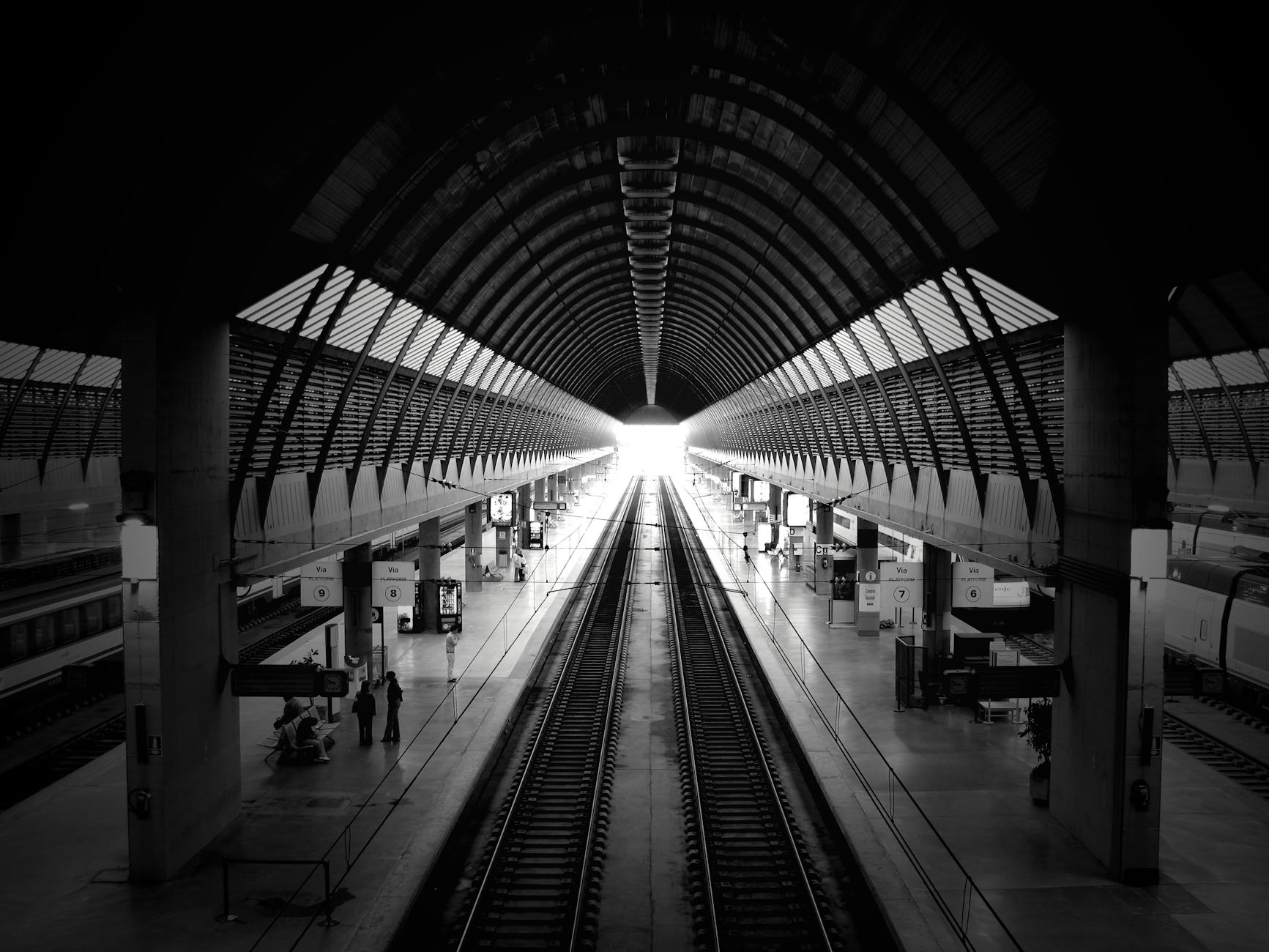
Seville is largely a walking city, but not an infinite-walking city. The EA airport bus is the simplest arrival tool for many first-timers, and the tram, buses, and selective taxis help keep the day clean when heat or fatigue rises.[1][2][7]
The key is not transport mastery. It is reducing pointless backtracking. Seville improves whenever each block of the day belongs to one zone and one emotional purpose.
What To Skip
Skip planning as though shade, rest, and return distance are irrelevant.
Skip sleeping in the most atmospheric lane you can find if it creates daily friction.
Skip treating Triana as an optional extra when it is often the neighborhood that makes the trip feel rounded.
Skip forcing one more attraction into the hot middle of the day just because the map says it is close.
Common Mistakes
The first mistake is underestimating heat.
The second is overconcentrating the monumental core and then having nowhere to go emotionally afterward.
The third is choosing a hotel for romance alone.
The fourth is ignoring the river and Triana.
The fifth is walking beautifully but stupidly.
My Blunt Advice
If this is your first Seville trip, do not try to prove your stamina. Prove your judgment instead.
Choose a base that lets you recover without losing the city's mood. Book the Alcázar and cathedral as real anchors, not vague intentions. Use Santa Cruz with timing, Triana with appetite, and the park with gratitude. Seville is one of the most rewarding cities in Spain, but only when you stop treating charm as a substitute for structure.
Where Seville Fits in a Spain Trip
Seville matters in a Spain itinerary because it gives you a version of the country that is both iconic and still unusually self-contained. Madrid gives breadth and national scale. Barcelona gives density, architecture, and global intensity. Seville gives atmosphere, ritual, heat, and one of the strongest combinations of monumentality and social evening life in the country.
That makes Seville especially useful when a trip needs emotional saturation without requiring metropolitan sprawl. It can carry a short break almost by itself because its core experiences are so tightly integrated: major monuments, old-quarter texture, river crossing, park relief, and late-night appetite all sit within a compact frame. You do not need to work hard to make the city rich. You need to work intelligently to keep that richness from turning into fatigue.
It is also one of the clearest answers to a specific travel question: what if you want a city that still feels unmistakably Spanish to outsiders, but not in a thin postcard way? Seville gives you tiled courtyards, bells, orange trees, flamenco associations, and famous monuments, yes, but also timing discipline, contemporary neighborhood life, and a serious architectural and civic logic that goes beyond cliché.
This is why Seville is best treated as a destination city, not simply as an Andalusian box to tick. It can connect to Cordoba, Granada, or Cadiz if your trip is longer, but it should not be diminished into a place you are always preparing to leave.
Seville Versus Granada
This is one of the comparisons that most often distorts first-time Andalusia planning. Travelers know both cities are beautiful and history-heavy, then start quietly asking which one is “better.” The comparison is understandable but often badly framed.
Granada is more dramatic in its relationship to a single overwhelming monument and landscape. The Alhambra and the surrounding topography create a city whose emotional pressure is concentrated. Seville is more distributed. It has major monuments, but its larger triumph is that the whole city keeps participating in the experience.
Granada can feel more dreamlike, more elevated, and more obviously singular. Seville can feel more urban, more social, and more dependent on how you use the day. In Granada, one great monument can dominate the memory naturally. In Seville, the memory is more often the result of sequence: Alcázar, cathedral zone, shade, lunch, park, Triana, night.
Travelers who want one central monumental revelation may respond more strongly to Granada. Travelers who want a fuller city that can hold monuments, food, neighborhoods, and evening life together often find Seville more complete. Neither is superior in the abstract. They simply ask different things of you.
First-Time Visitors Versus Repeat Visitors
Seville is a city that first-time visitors usually love quickly. The look of the city announces itself at once, and even weak itineraries tend to produce at least a few beautiful hours. That is part of why people keep underestimating how much craft the city actually requires.
On a first trip, visitors often focus on the obvious major sequence: Alcázar, cathedral, Santa Cruz, Plaza de España, perhaps Triana, then evening tapas. That can work very well. But repeat visitors usually discover that Seville improves once you stop trying to compress every iconic image into one visit and start letting whole blocks of the day belong to one mode of the city.
That is when Triana becomes more than a counterpoint. That is when the park can matter as much as another church. That is when the hotel stops being only a place to sleep and becomes a strategic recovery tool. That is when you recognize that the city’s real sophistication lies not only in what you see, but in how it teaches you to stop at the right moment.
The best first-time traveler can borrow something from this repeat-visitor posture. You do not need to solve Seville. You need to keep the city’s lushness from turning into excess.
Cooler-Season Seville Versus Summer Seville
Seville is not a season-neutral city, and pretending otherwise is one of the easiest ways to ruin a first trip. In spring and autumn, the city often behaves like the fantasy people booked: walkable, atmospheric, sociable, and monument-rich without too much physical consequence. In summer, the same streets and routes can become punitive if you insist on using them the same way.
This does not mean summer Seville is bad. It means summer Seville is conditional. Stronger hotel quality matters more. Early starts matter more. Midday retreat matters more. Routes must be shorter, denser, and more intelligently cooled. Travelers who accept that can still have an excellent trip.
Cooler-season Seville is in some ways more naturally balanced. The park and river can be used longer. Santa Cruz can feel beautiful without becoming claustrophobic. You can walk later into the afternoon without bargaining with your own energy. The city’s evening resurgence still happens, but it no longer needs to rescue the day.
Shoulder season remains the cleanest recommendation because it lets Seville feel both lush and humane. But winter can also be very good for travelers who care more about monuments, hotel life, and food than about maximum terrace theater.
Why One Proper Seville Day Matters
Because Seville is so attractive, travelers often assume that any part of the city will feel rewarding at any hour. That is simply not true. A proper Seville day matters because the city is deeply time-sensitive. The same district can feel luminous, crowded, punishing, or perfect depending on when you use it.
One proper Seville day means the city is not being squeezed around half-formed monument intentions and panicked midday wandering. It means one morning is committed to a clear anchor, one afternoon is treated with respect, and one evening is allowed to become a real urban experience instead of an exhausted coda.
This matters because Seville’s pleasures are relational. The Alcázar lands differently if the rest of the day is not already collapsing. Triana feels more meaningful if it comes as a second register rather than a desperate afterthought. Plaza de España and María Luisa Park become air, not filler, if they are placed properly in the rhythm.
Without a proper city day, Seville becomes a fever dream of too many beautiful fragments. With one, it becomes one of Spain’s most coherent short breaks.
Why the Base Matters More Than Visitors Expect
In Seville, the base is not a technical decision. It is a climate, mood, and recovery decision. A hotel that looks romantic on a map can still make the whole trip harder if it turns every return into another negotiation with heat, crowds, and narrow streets.
The right base does several things at once. It keeps at least one major zone close. It gives you a clean re-entry point after the midday break. It lets evening begin without a long psychological reset. And it supports the possibility that you will actually pause when you should, rather than push through simply because getting back feels inconvenient.
That is why Arenal and carefully chosen Centro or Santa Cruz-edge stays work so often. They protect access without locking you into the city’s most overprocessed lanes at every hour. Triana can also be excellent, but only if crossing the river is part of the identity of the stay rather than an unintended friction.
Weak base logic in Seville usually means one of three things: paying for pure atmosphere at the expense of recovery, staying too far from the emotional core, or treating hotel choice as secondary in a city where physical reset is central. The best Seville trips solve that before they start.
Day Seville Versus Evening Seville
By day, Seville is all structure and exposure. The monuments are strongest then. The architectural details are easier to read. The park and plaza can still feel expansive rather than theatrical. This is the city’s instructional phase.
By evening, Seville stops teaching and starts performing. Bars fill. The temperature relents. The old center becomes less like a route and more like a social field. Arenal and Triana begin to matter differently. The city feels less monumental and more inhabited.
That change is crucial because many first-time visitors judge Seville too early in the day or too harshly in the middle of it. They think the fatigue is the city. It is not. Often it is just the badly timed version of the city. Evening Seville is one of the strongest arguments for staying at least two nights, because it lets the day close in the key that best suits the place.
The strongest evenings are not necessarily extravagant. A good walk, a drink, a meal, another crossing, a final plaza or alley. The point is not volume. It is recovery and glow.
Why Andalusia Should Not Own the Whole Trip
This is the regional version of Seville’s main planning problem. Because Andalusia is so rich in obvious names, travelers keep telling themselves that no one city should receive too much attention. They then build routes that constantly distribute energy outward.
That approach weakens Seville quickly. If every thought is about Cordoba, Granada, or the next transfer, Seville never gets to become the city it is. It remains a handsome holding space between famous names.
The better approach is not to deny the richness of the region. It is to let Seville claim its own authority first. Once the city feels complete, wider Andalusian logic can resume. Before that, regional ambition is usually just another form of underestimating Seville.
Why Food Is Structural, Not Decorative
Everyone says food matters in Seville, but too many itineraries still treat meals as either trophies or filler. Neither works especially well. In Seville, food is structural because it helps the city manage heat, social timing, and emotional reset.
A proper lunch can save the afternoon. A bar sequence can restore the city after monument fatigue. A late drink can turn a tired day into a good memory. Even the choice between staying in the monument core or crossing toward Triana can become a food decision that changes the city’s whole register.
This is also one of the reasons overbooking restaurants can backfire. If every meal becomes a destination, you lose Seville’s natural drift. The city is often better when one or two deliberate meals sit inside a broader pattern of appetite and movement.
Why Seville Often Works Better Than It Sounds
Seville has the opposite problem from some underrated cities. It is not obscure. It is beloved. But that fame can make sophisticated travelers suspicious. They assume a city this adored, this romanticized, and this photographable must finally be somewhat shallow.
Then the city often works better than the summary because it does, in fact, have real structure beneath the seduction. The monuments are major. The neighborhoods do differ. The river matters. The park matters. The hotel matters. The day-to-night transition matters. Seville is not just one long charming surface. It is a serious urban organism wrapped in very flattering light.
That is why even travelers who think they know exactly what Seville will be are often surprised by how complete the city feels once they have used it well.
Why Seville Often Improves on the Second Visit
The first visit to Seville is often dominated by fame. You go where the city and everyone else told you to go. That is reasonable. But it leaves a lot of value for a return.
On a second visit, travelers often become calmer and more exact. They stop trying to prove they have seen everything. They choose a better season or a better hotel. They understand how much Triana changes the trip. They give Santa Cruz less total authority. They may even realize that a slower day can be more truthful than one more list of sights.
This does not mean Seville is weak on first contact. It means it belongs to the class of cities where familiarity reduces strain and increases pleasure. Once you no longer need the city to keep showing you its biggest face, other faces emerge.
How Seville Changes Over the Course of a Stay
On arrival, Seville often feels like it is already doing everything promised. The old center is beautiful, the monuments are obvious, and the whole place seems overqualified to seduce you. That is both true and slightly misleading.
During the first full day, many travelers meet the city mainly at its most exposed: hot streets, crowded quarters, major monuments, long lines, and a surprising amount of physical drain for such a visually inviting place. This is often the moment when weak planning announces itself.
Then Seville resets. An evening goes well. A better lunch changes the afternoon. Triana widens the city. The park opens it up. The hotel proves why it mattered. By the second day, Seville often stops feeling like a fantasy under pressure and starts feeling like a city that can carry you if you move with its logic.
That is the essential arc: seduction, correction, alignment. The best Seville trips do not avoid the correction. They use it to get into tune with the place.
Source Notes
- 1. Aena, official Seville Airport bus page: [https://www.aena.es/en/sevilla/getting-there/bus.html](https://www.aena.es/en/sevilla/getting-there/bus.html)
- 2. TUSSAM, official Seville airport-arrival page: [https://www.tussam.es/en/descubre-sevilla/how-get-here](https://www.tussam.es/en/descubre-sevilla/how-get-here)
- 3. Real Alcázar de Sevilla, official site homepage: [https://alcazarsevilla.org/](https://alcazarsevilla.org/)
- 4. Real Alcázar de Sevilla, official "prepare your visit" page: [https://alcazarsevilla.org/prepara-la-visita/](https://alcazarsevilla.org/prepara-la-visita/)
- 5. Cathedral of Seville, official cathedral page: [https://www.catedraldesevilla.es/en/the-cathedral/](https://www.catedraldesevilla.es/en/the-cathedral/)
- 6. Cathedral of Seville, official schedules and rates page: [https://www.catedraldesevilla.es/en/cultural-visit/schedules-and-rates/](https://www.catedraldesevilla.es/en/cultural-visit/schedules-and-rates/)
- 7. Cathedral of Seville, official access and transport page: [https://www.catedraldesevilla.es/en/cultural-visit/how-to-get-there/](https://www.catedraldesevilla.es/en/cultural-visit/how-to-get-there/)
- 8. Seville tourism, official Santa Cruz neighborhood page: [https://visitasevilla.es/en/barrio-de-santa-cruz/](https://visitasevilla.es/en/barrio-de-santa-cruz/)
- 9. Seville tourism, official Plaza de Santa Cruz page: [https://visitasevilla.es/en/plaza-de-santa-cruz/](https://visitasevilla.es/en/plaza-de-santa-cruz/)
- 10. Seville tourism, official Triana page: [https://visitasevilla.es/en/triana-el-encanto-de-lo-singular/](https://visitasevilla.es/en/triana-el-encanto-de-lo-singular/)
- 11. Seville tourism, official Triana Market page: [https://visitasevilla.es/en/mercado-de-triana/](https://visitasevilla.es/en/mercado-de-triana/)
- 12. Seville tourism, official Plaza de España page: [https://visitasevilla.es/en/plaza-de-espana-2/](https://visitasevilla.es/en/plaza-de-espana-2/)
- 13. Seville tourism, official María Luisa Park page: [https://visitasevilla.es/en/maria-luisa-park/](https://visitasevilla.es/en/maria-luisa-park/)
- 14. Seville tourism, official Setas / Metropol Parasol page: [https://visitasevilla.es/en/setas-y-mercado-de-la-encarnacion/](https://visitasevilla.es/en/setas-y-mercado-de-la-encarnacion/)