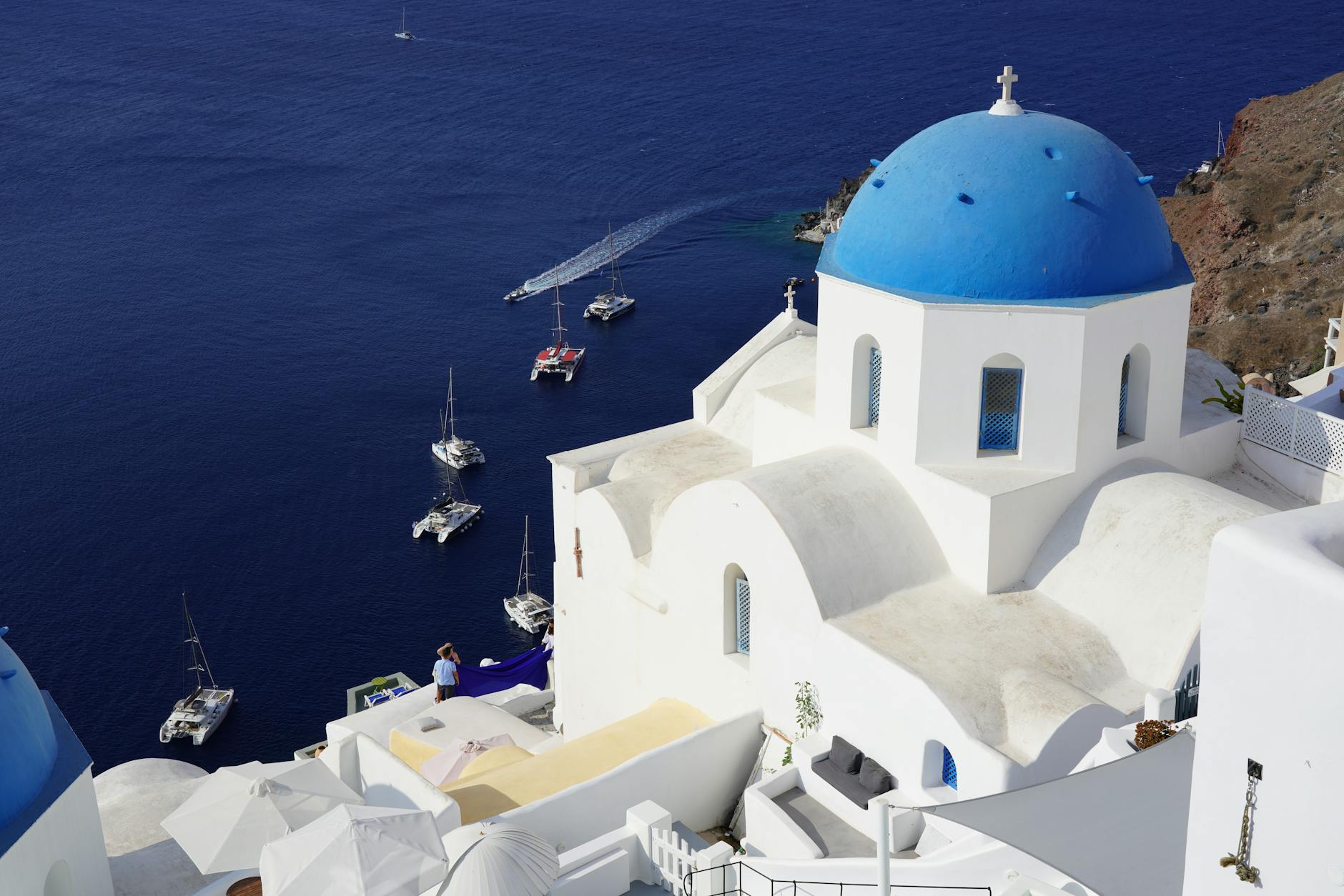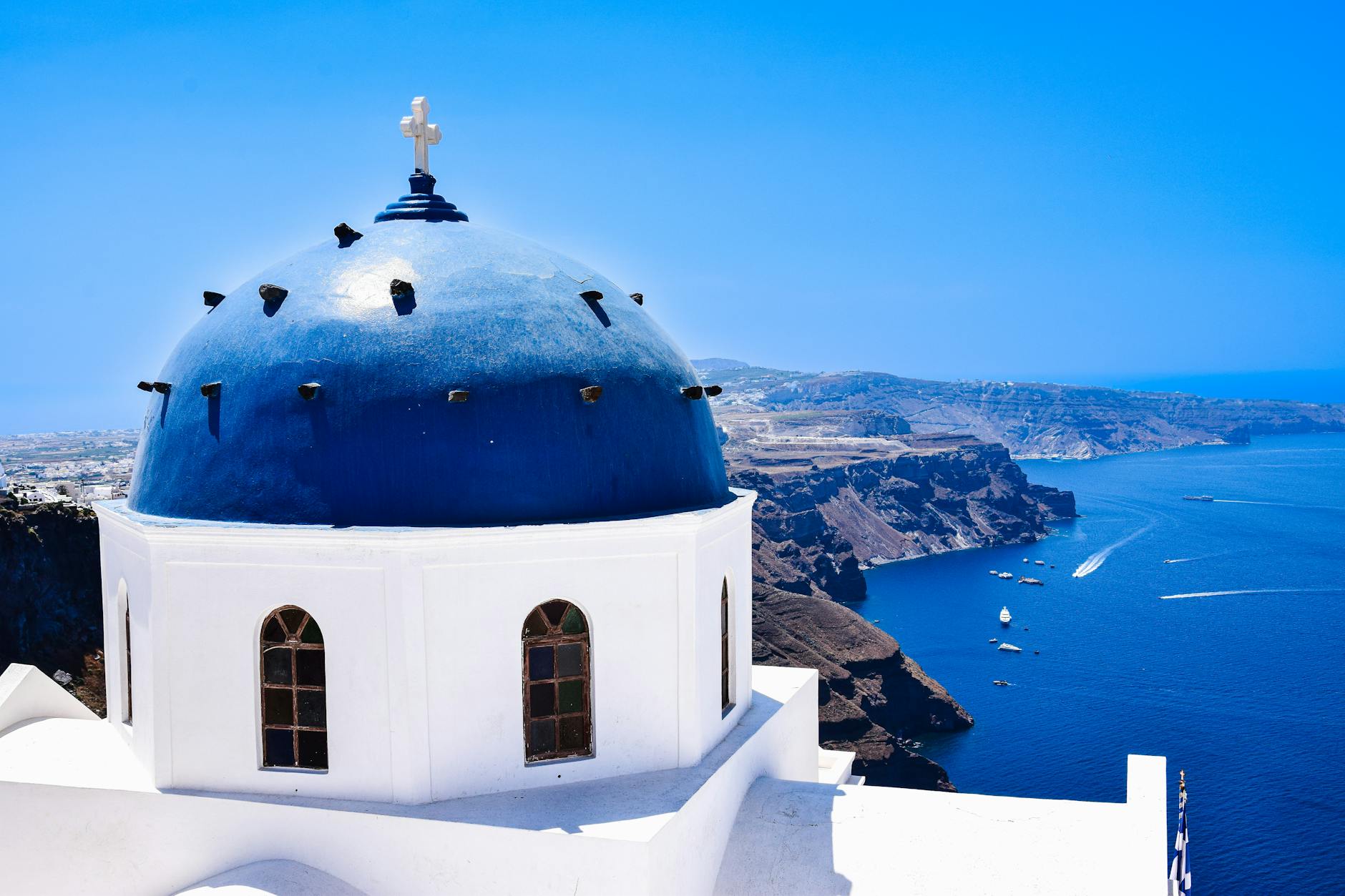
Santorini is one of those destinations where image can become an enemy of judgment. The caldera views are so famous, and so genuinely powerful, that travelers often book the island as if visual drama were enough to organize the whole trip. It is not. Santorini is steep, crowded in the wrong windows, expensive in ways that do not always map cleanly to quality, and highly uneven from village to village. It can feel transcendent or faintly exhausting depending on where you sleep, how you move, how much luggage you drag through stairs and lanes, and whether your appetite is really for romance, recovery, dining, or simple bragging rights. The island is best when the traveler makes peace with its reality. This is not a do-everything Greek island. It is a choose-the-right-base Greek island. Once that is understood, Santorini can still deliver the thing people came for: light, sea, cliffside architecture, late dinners, and one of the most cinematic hotel experiences in the Mediterranean.
How Santorini works
Santorini is not really an island of infinite options. It is an island of strong constraints with exceptionally high aesthetic payoff. That distinction matters. The cliffs, stairs, transfer friction, limited road logic, cruise-driven crowd pulses, and strong variations between villages mean the island works best when the traveler chooses one version of Santorini and lets the rest go. Trying to absorb every angle of the island often produces fatigue rather than richness. Santorini is strongest when the hotel, the view, the dinner rhythm, and a handful of well-chosen movements carry the stay.
- Santorini rewards acceptance of limits more than ambitious coverage.
- The island’s beauty is real, but it is best enjoyed through a selective route.
- One strong version of Santorini is better than four partial ones.
Best time to visit
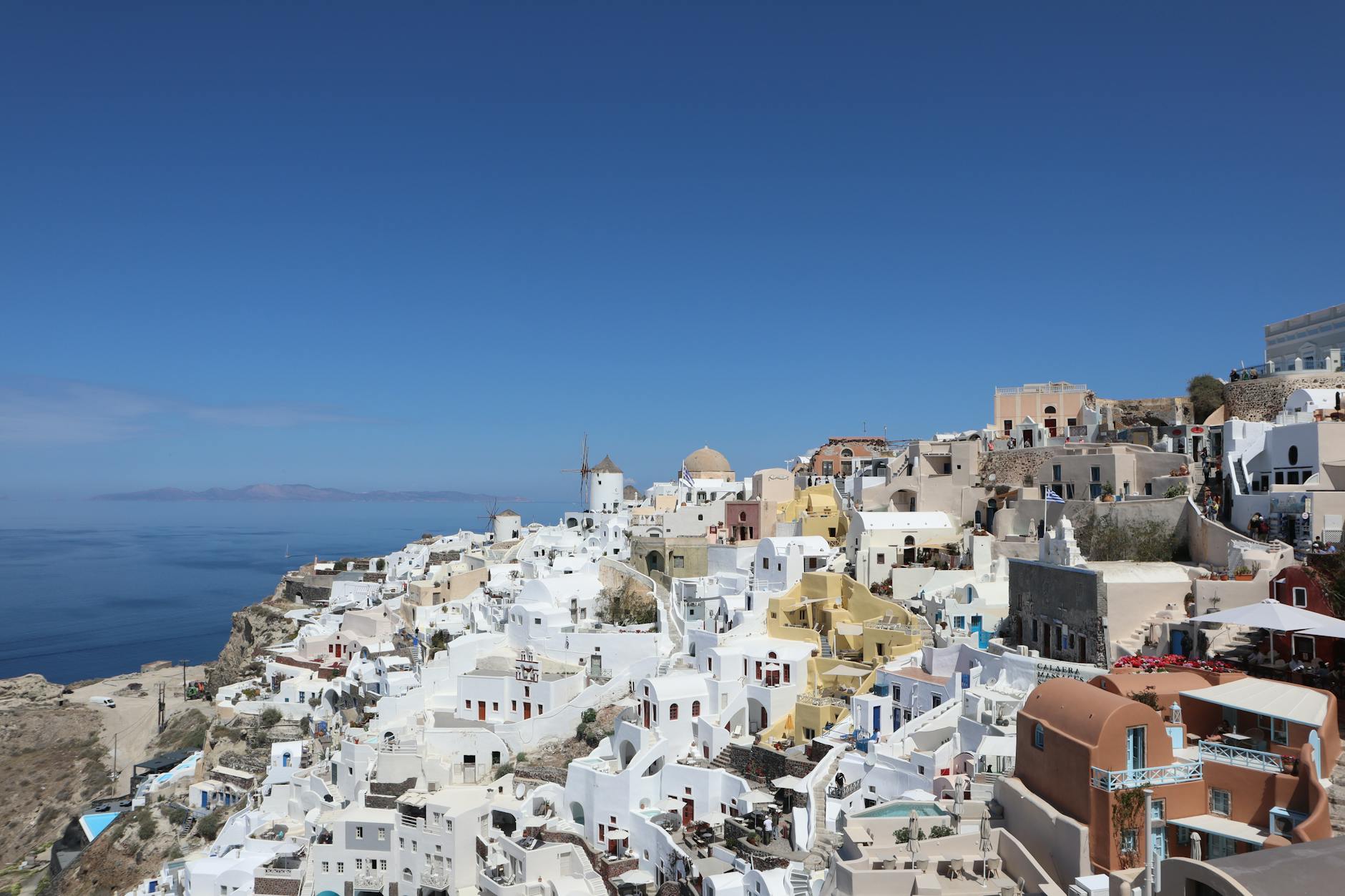
Shoulder seasons are often the cleanest answer because they preserve much of the island’s visual power while lowering some of the pressure around price, crowding, and movement. Peak periods can still be magnificent, but only if the traveler books early, spends intelligently, and arrives with honest expectations about how many other people also paid for the exact same fantasy. Very quiet periods can work for a calmer, more introspective island, though some of Santorini’s social and service energy narrows. This is a destination where timing is not a small optimization. It changes the emotional temperature of the whole experience.
- Shoulder periods usually offer the best balance of beauty and usability.
- Peak season can be superb, but only with higher discipline and higher tolerance.
- Timing determines whether the island feels cinematic or overrun.
Arriving and getting around
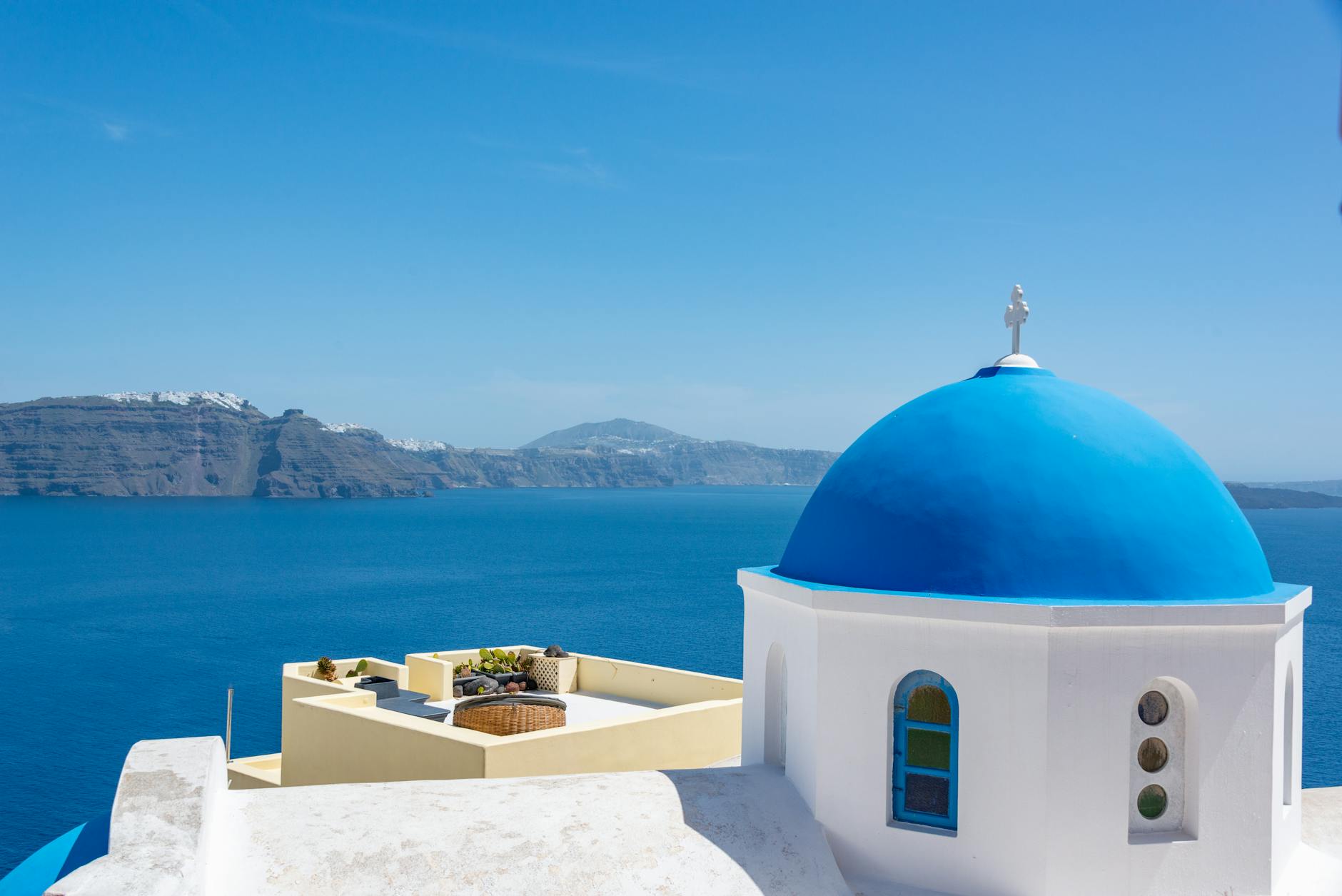
Arrival in Santorini is part of the trip’s design, not its prelude. Transfers, luggage handling, stairs, meeting points, and the exact location of the property matter enormously because one awkward arrival can puncture the romance before the room has had a chance to compensate. Once settled, movement should stay modest. The island is not best used as a constant hop between beaches, wineries, viewpoints, and dinner villages. It is more satisfying when each day has one main spine and the rest of the experience comes from inhabiting the base well.
- A disciplined arrival can save the first day of the trip.
- Luggage burden and stair burden should be treated as real planning variables.
- Keep island movement narrower than the fantasy itinerary first suggests.
Where to stay
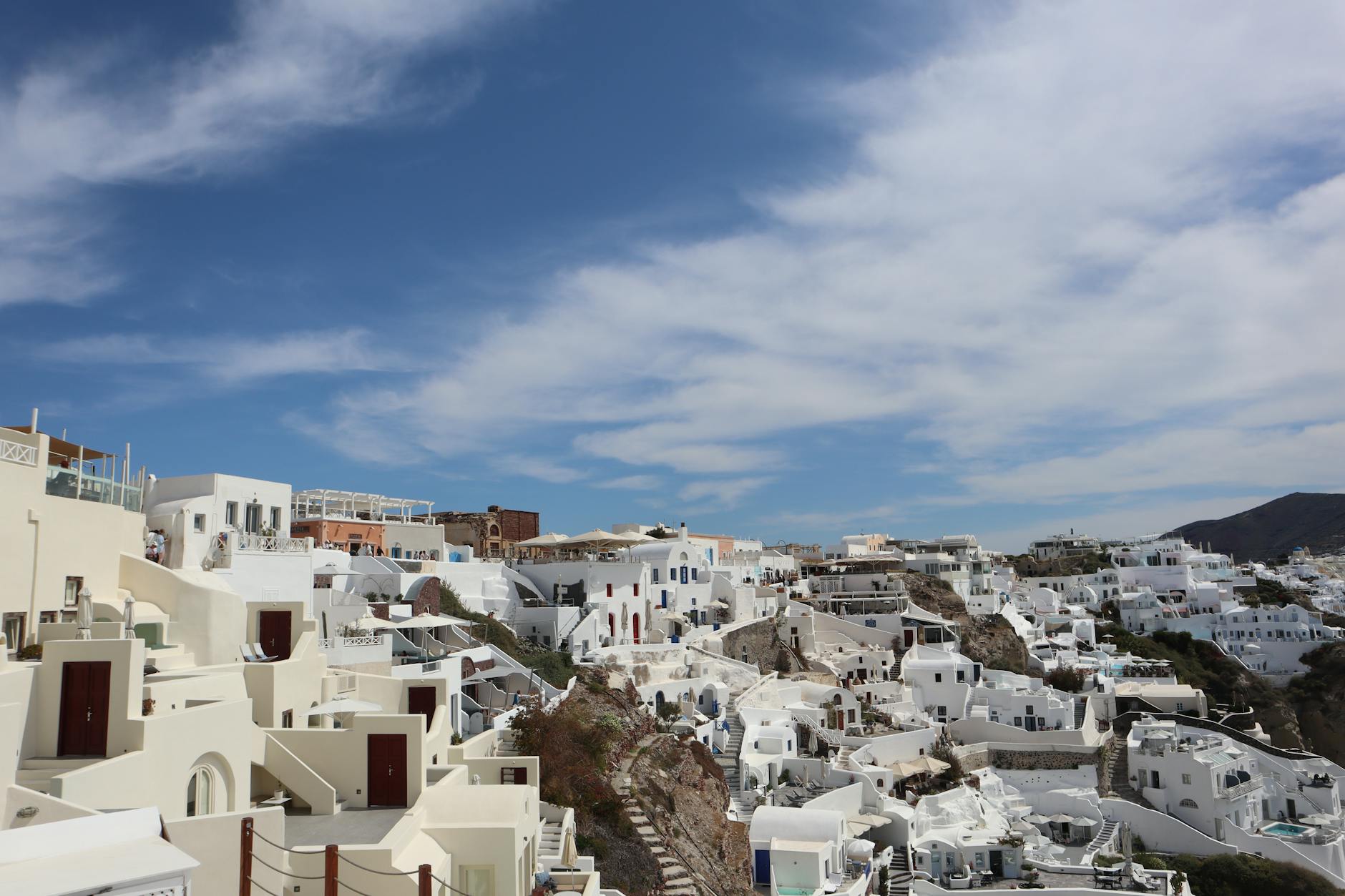
The hotel base is the central Santorini decision because accommodation here does more than provide rest. It determines view quality, transfer pain, crowd exposure, privacy, and how romantic the island actually feels in practice. Caldera hotels can be extraordinary, but not all of them justify their price once access and comfort are considered. Some travelers want prestige and sunset drama. Others need more peace, better space, or cleaner operational ease. The right answer depends on whether the trip is a honeymoon-style stay, a celebratory short break, a hotel-forward reset, or simply a first encounter with the island that should feel beautiful rather than punishing.
- In Santorini, the room is a major part of the destination product.
- Not every expensive caldera stay is a good stay.
- Choose privacy, access, and comfort consciously rather than by generic prestige alone.
Neighborhoods that matter most
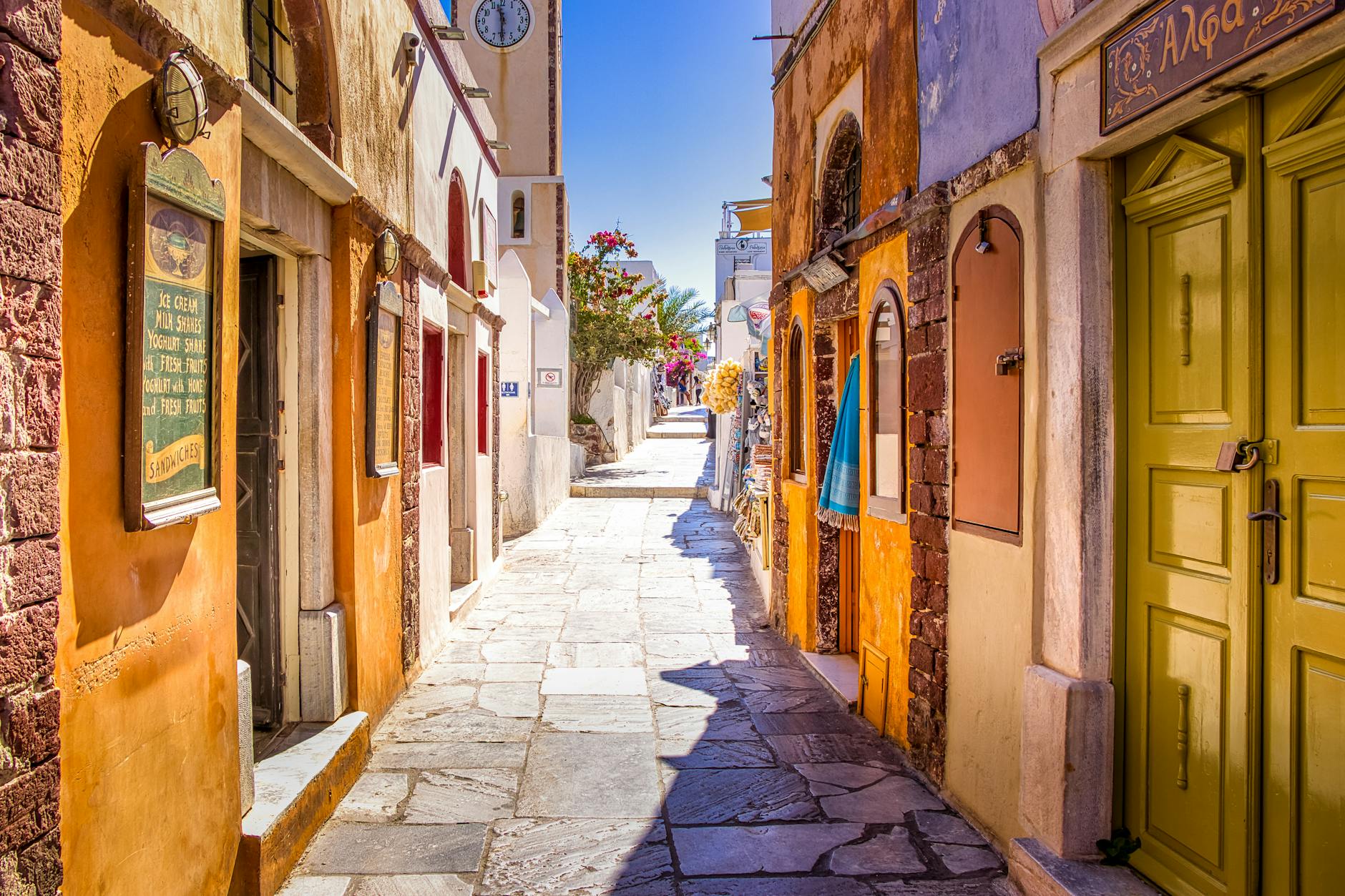
Oia offers the classic fantasy version of Santorini: high visual drama, sunset mythology, and the feeling of having arrived at the most photographed edge of the island. It also carries more performance and more crowd burden. Fira and nearby bases can make the island more practical and connected, though not always more romantic. Imerovigli often gives travelers a cleaner version of the caldera dream, with more calm and fewer of the island’s most theatrical traffic jams. Beyond the caldera, other villages and beach-oriented areas can solve a very different Santorini, one less about cliffside iconography and more about broader island ease. The correct choice depends on what the traveler is truly paying for.
- Oia is not the only answer, and for some trips it is the wrong one.
- Imerovigli often outperforms louder prestige picks for travelers who want calm.
- Village choice determines whether Santorini feels romantic, practical, performative, or restorative.
What Santorini does best
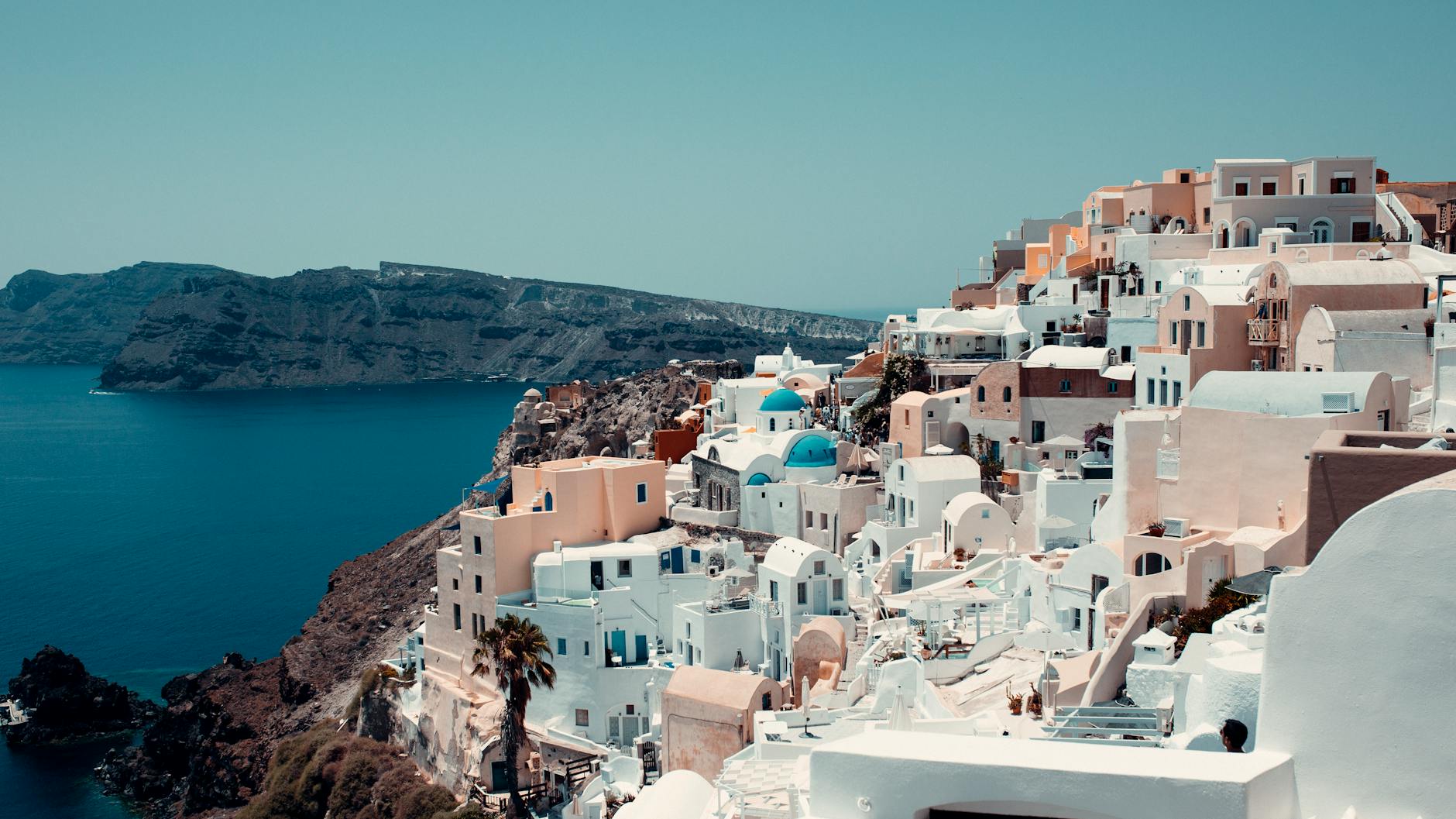
Santorini excels at high-aesthetic, low-mileage travel. Few places let a traveler derive so much satisfaction from a room, a terrace, one view, one pool, one carefully chosen dinner, and the changing quality of light across a single cliffline. It is especially good for celebration travel, couples’ trips, short luxurious escapes, and travelers who understand that staying put in the right place can be more rewarding than chasing movement. The island’s real luxury is not constant activity. It is the permission to stop and still feel that something significant is happening.
- Santorini is strongest when the base itself does meaningful emotional work.
- It rewards travelers who value atmosphere, light, and space over constant coverage.
- The island’s best version is often quieter and more contained than people expect.
Food
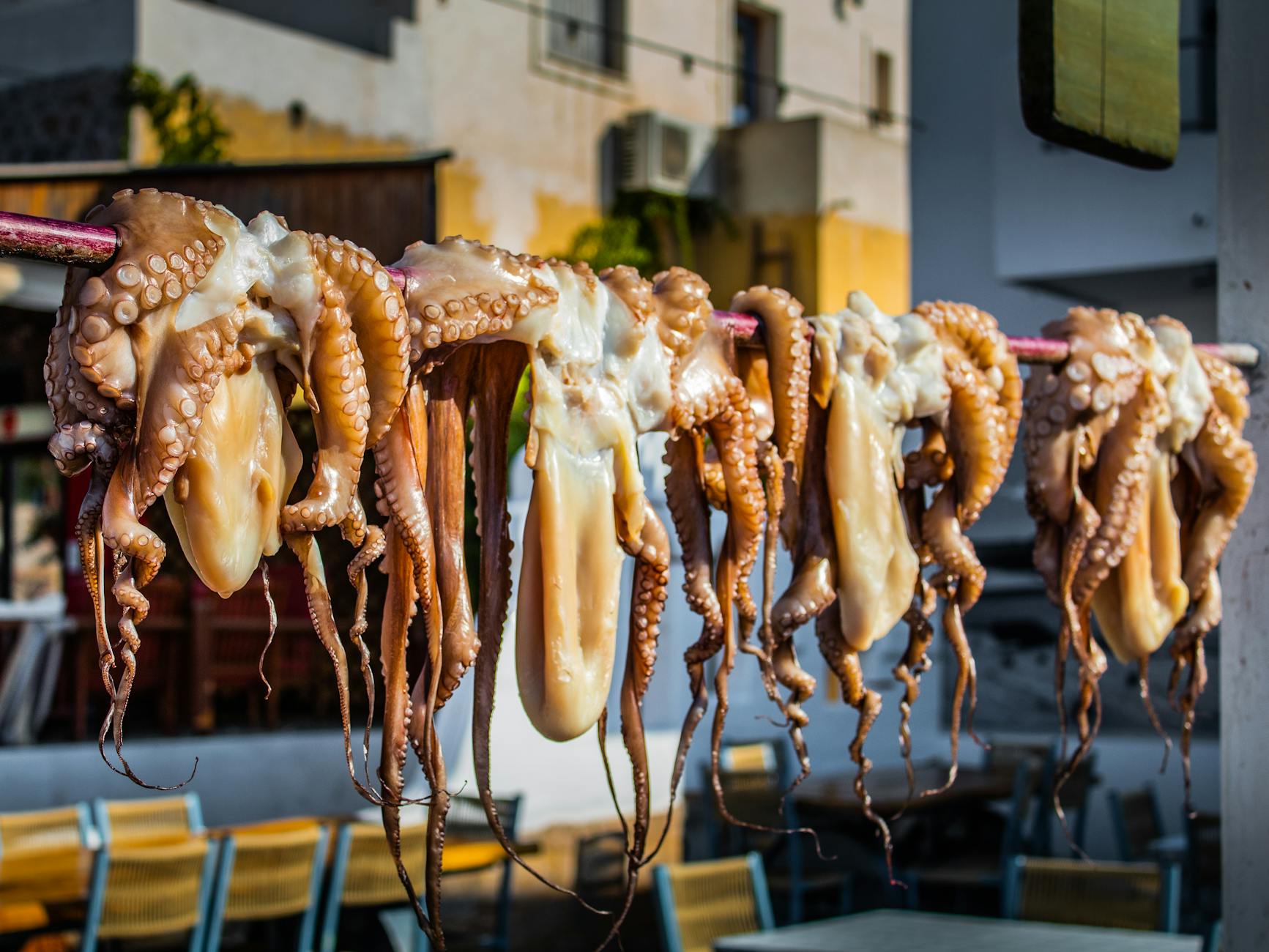
Food on Santorini should reinforce the logic of the stay, not fight it. A lunch with a view, a dinner close to the hotel, or a meal that grows naturally out of the village you are already using often works better than elaborate island-crossing reservations. The point is not that the island lacks worthwhile dining. It is that dinner should deepen the evening rather than break it. Santorini is one of those places where setting, timing, and return route are inseparable from the meal itself.
- On Santorini, dining quality includes setting and ease as much as cuisine.
- A restaurant that fits the base often outperforms a better-known one that requires too much friction.
- Meals should support the island’s slower, view-led rhythm.
Nightlife
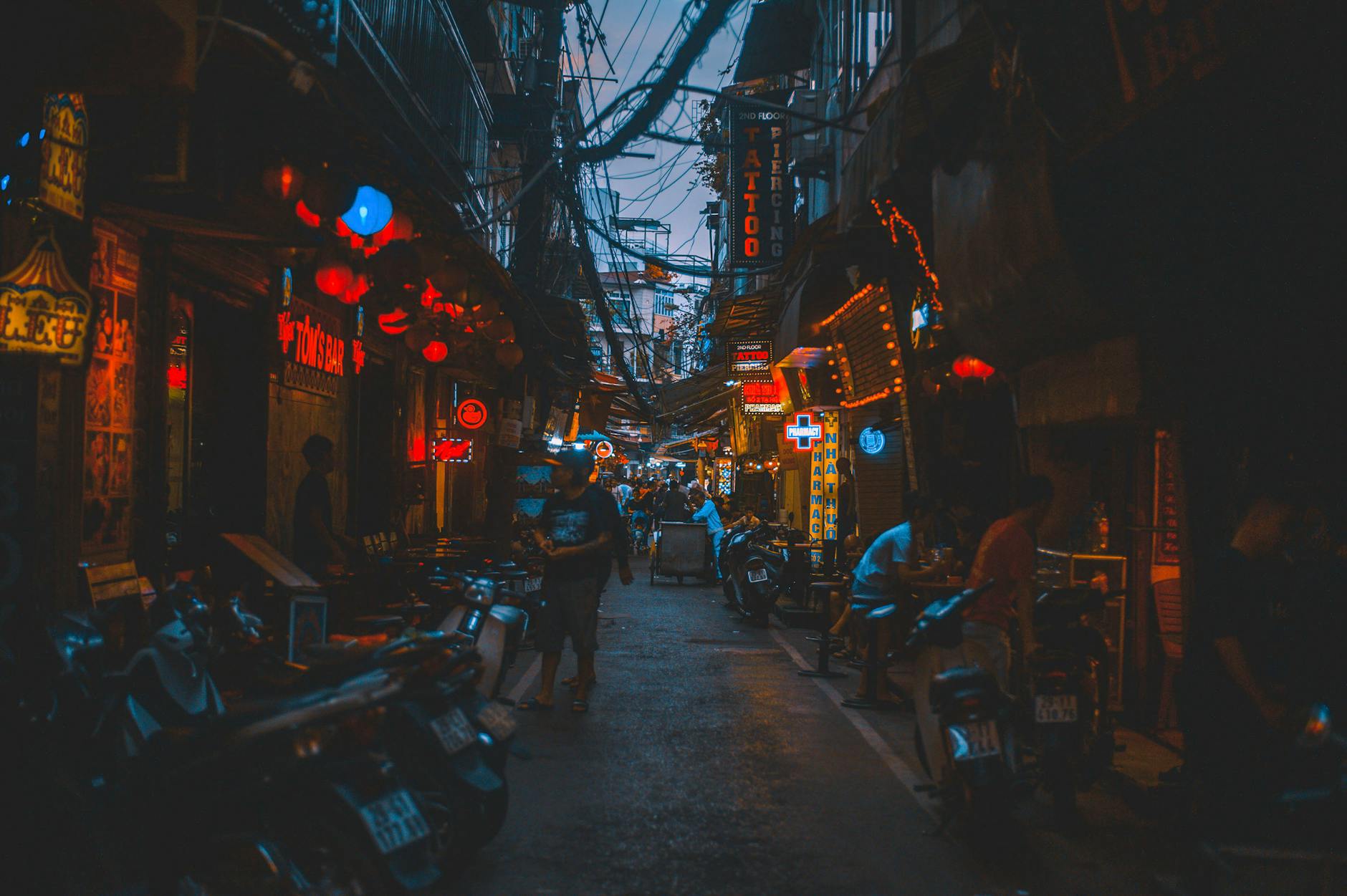
Santorini after dark is usually at its best as a polished evening destination rather than a one-size nightlife destination. Sunset drinks, elegant dinners, bars with a view, and a hotel terrace often matter more than any search for volume. Some travelers want energy, and certain parts of the island can supply it, but many people come to Santorini for a night that feels luminous rather than loud. The route back matters because stairs, darkness, and fatigue can quickly turn a glamorous evening into an awkward one if the base is wrong.
- Santorini nights are usually strongest when they stay elegant and localized.
- The ideal evening depends heavily on where you are sleeping.
- A clean return route is part of the romance, not separate from it.
Etiquette and local norms
Because Santorini is such an intensely photographed environment, one of the main etiquette challenges is simply remembering that it is still a shared place. Patience matters on narrow paths, respect matters around hotel terraces and private-looking spaces, and basic courtesy matters when everyone is trying to experience the same famous light. Travelers do better here when they resist the urge to behave as if the island exists solely as a backdrop for their own visual proof of having been there.
- Shared scenic environments demand more patience than many visitors initially show.
- Do not let the island’s visual prestige make you careless about other people’s space.
- Good behavior improves the island for everyone, including you.
Blunt advice
The biggest Santorini mistake is paying for a fantasy and refusing to plan for reality. The second is choosing the wrong base because the internet said one village was the obvious answer. Santorini can justify its reputation, but only if the traveler respects its physical and social constraints. Book the right hotel, narrow the route, and let the island be about fewer, better hours rather than about total coverage.
- The hotel base is the decisive Santorini choice.
- Trying to outsmart the island’s constraints usually makes the trip worse.
- Santorini rewards discipline disguised as ease.