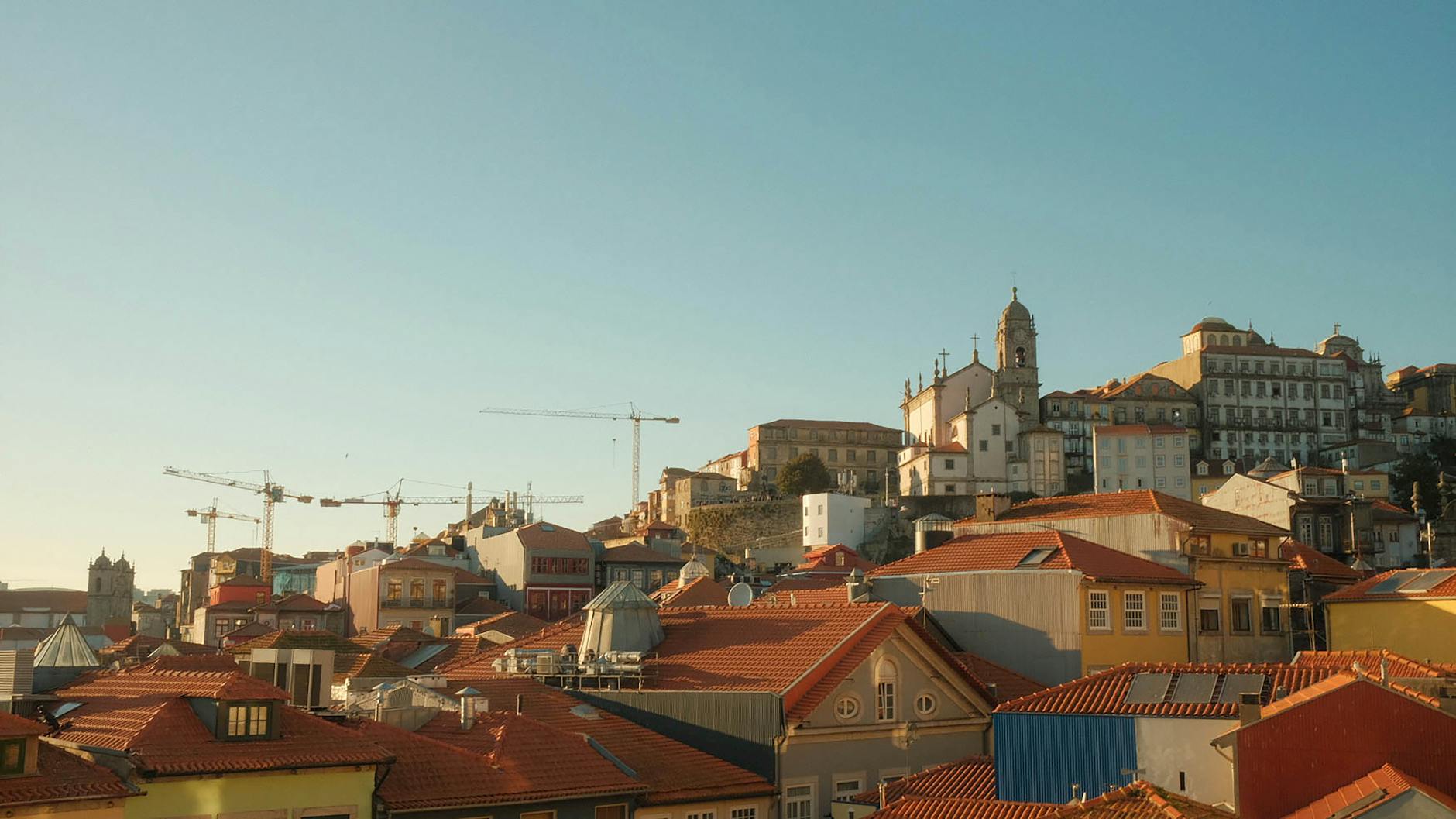
Porto is one of Europe's easiest cities to underestimate because it arrives in fragments that look manageable. A bridge here, a tiled church there, a steep lane dropping toward the Douro, a dramatic sunset over the wine lodges, a plate of something heavy and salty, and suddenly the visitor decides they understand the place. The city encourages that mistake because its beauty is so immediate and so photogenic. Porto rarely needs to sell itself twice.
Start Here
But Porto is stronger than its first impression, and far more particular. This is not just a pretty riverside city with good wine and useful weekend scale. It is a city of edges, levels, and temperament. The upper city and the river city are not the same experience. Ribeira and Baixa are not interchangeable. Vila Nova de Gaia is not merely "across the bridge." And the difference between a graceful Porto day and a tiring Porto day is often just one bad lodging choice, one too many unnecessary climbs, or one itinerary built too greedily around views rather than flow.
That is what weak Porto trips get wrong. They treat the city like a tiny scenic container that can be emptied in a rush. One walk down to the river, one bridge crossing, one cellar visit, one viewpoint, a hasty church or station, and a dinner somewhere obvious. Then the traveler leaves saying Porto was lovely, which is true, but incomplete. A better Porto trip understands rhythm. It knows when to descend and when not to. It knows the river is not the whole city, but also not a decorative fringe. It knows that the most atmospheric Porto is not always the most practical, and that the best stay comes from managing those two truths without flattening either of them.
Porto rewards proportionality more than conquest. One good base. One properly paced old-city day. One day that lets Gaia, port wine, and the river make sense without swallowing everything else. One museum or design move that reminds you Porto is not just facades and views. One evening where the city contracts into appetite and warmth instead of more stairs. That is the version that stays with people.
This city also has a strong appetite. That matters. Porto is not delicate. It is handsome, weathered, practical, and often a little blunt in the best way. The food has weight. The built fabric has weight. The streets feel worn in rather than polished for easy consumption. Porto works because the place still seems to belong first to itself.
The city in one sentence: Porto is a compact but topographically serious river city where the best first trip comes from balancing upper-city life, Ribeira and Gaia atmosphere, food and wine, and practical route discipline instead of treating the place as a postcard with stairs.
Quick Verdict
Best for: couples, solo travelers, first-time Portugal trips, food-and-wine travelers, shorter European city breaks, walkers, and travelers who like beauty with some roughness left in it.
Not ideal for: people with significant mobility limits who want a purely walk-everywhere trip, travelers who expect a flat effortless city, or anyone who wants every hour to feel polished and frictionless.
Ideal first visit: 3 full days.
Minimum worthwhile stay: 2 full days, if one of them is not wasted on sloppy up-and-down routing.
Best overall months: May, June, September, and early October.
Best winter case: late autumn through winter for mood, food, and lighter crowd pressure, provided you do not need every view in bright sun.
Biggest planning mistake: staying somewhere chosen only for romance and then discovering you built the whole trip around repetitive climbs.
One thing to prioritize: the base. Porto is small enough that people underestimate how much district and slope affect the trip.
One thing to leave flexible: the exact sequencing of viewpoints, bridges, and Gaia time. Porto is better when some of its scenic logic stays responsive to weather and energy.
The blunt version: Porto is one of Europe's highest-return short city breaks if you move through it intelligently, and one of the easiest cities to make needlessly tiring if you let the views dictate every decision.
Who Will Love Porto?
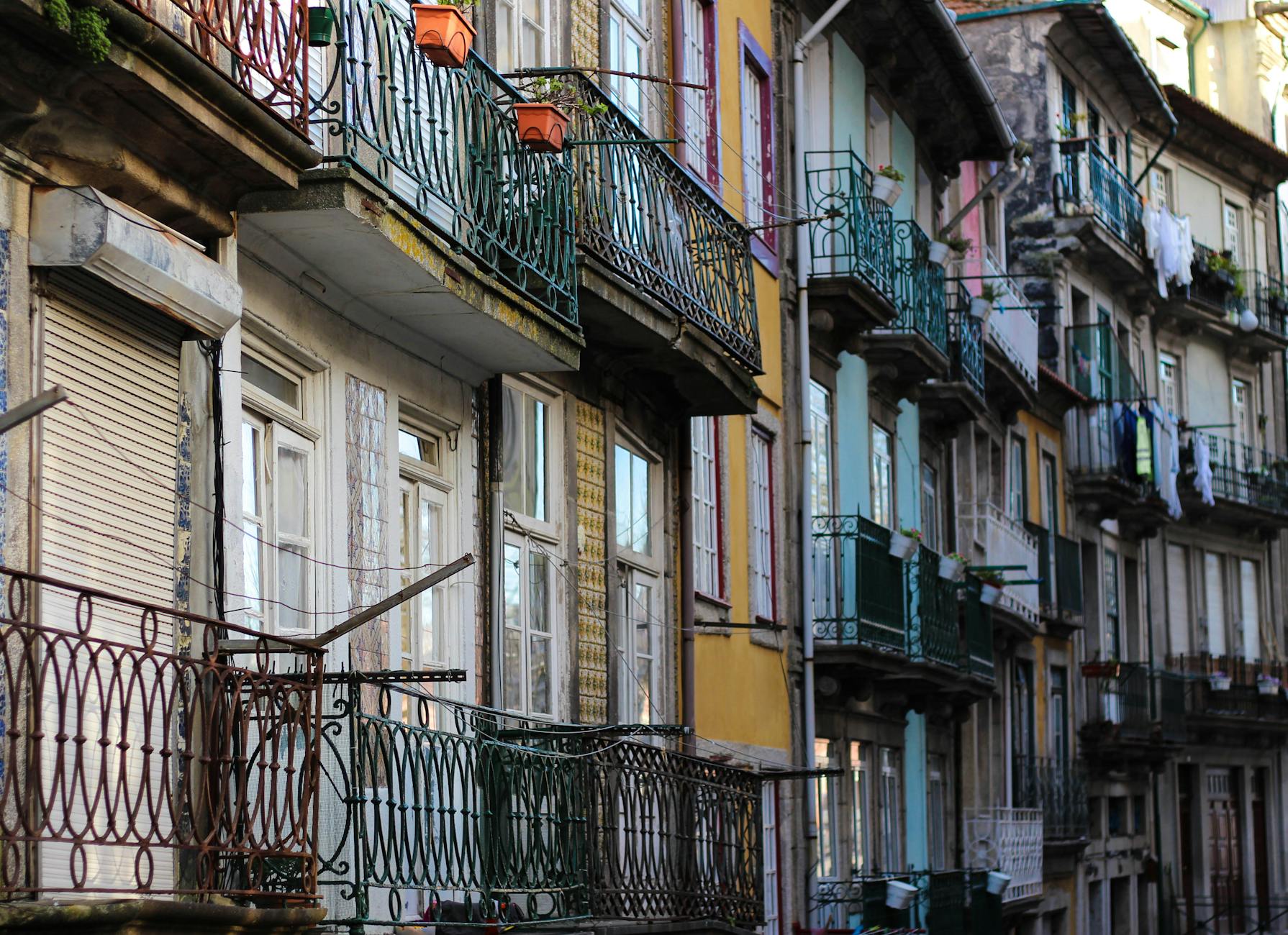
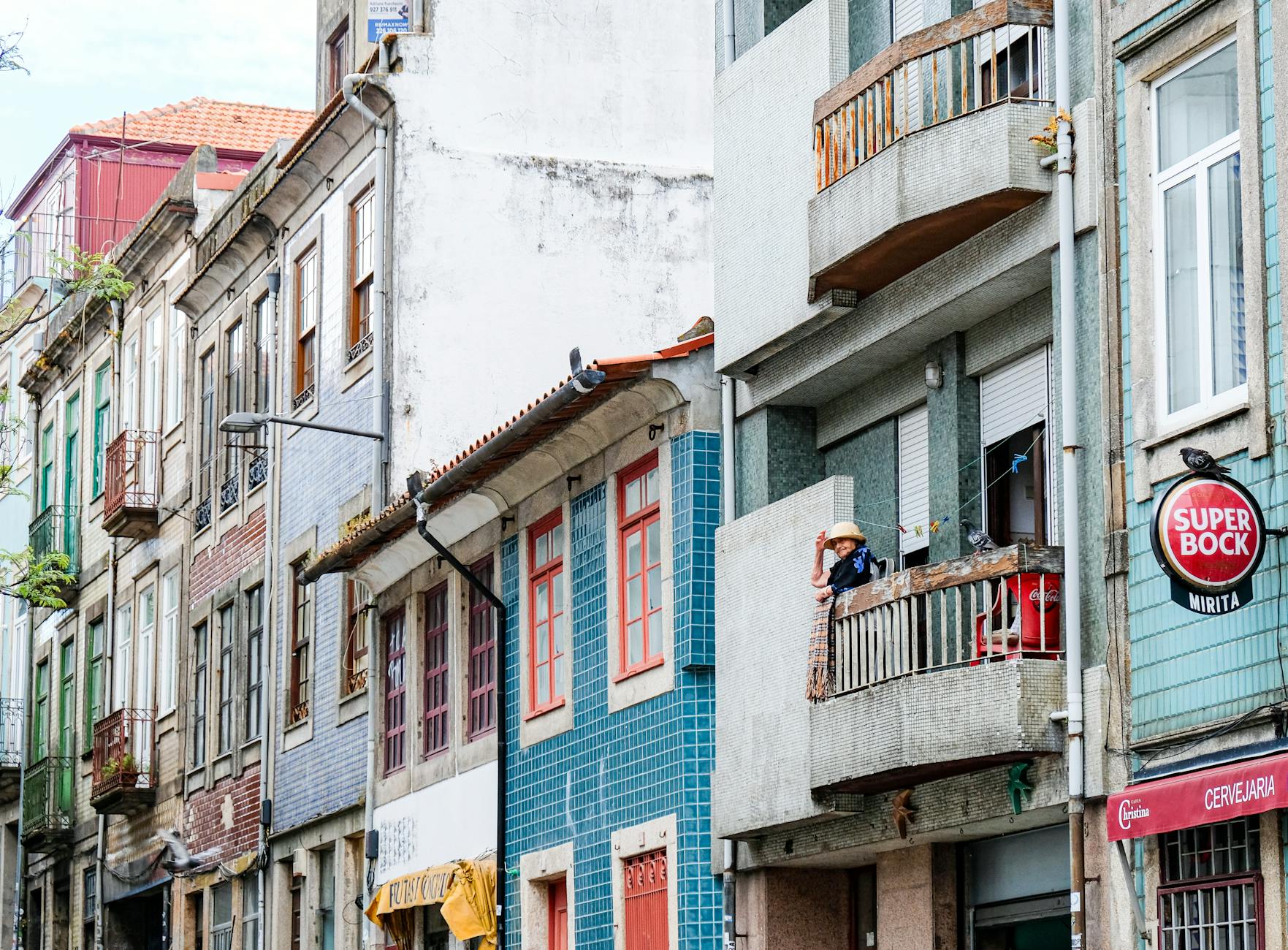
Porto suits travelers who like cities that still feel worn into themselves. This is not a smooth, immaculate, museumified beauty. The facades peel. The granite darkens. The streets tilt. Laundry still hangs in places where tourists are photographing church towers. That friction is part of the point. Porto feels inhabited even when it is busy.
It works especially well for couples because it combines scenic drama with appetite. A very good Porto day can include one strong walk through the upper city, a decisive descent to the river, a long lunch or lingering glass of port, one carefully chosen cultural stop, then dinner in a room with enough warmth and solidity to make the city feel complete. Porto has romance, but not the floating decorative kind. It is a more grounded, more urban form of romance.
Solo travelers also do well here. Porto is legible, vivid, and full of routes that reward independent wandering, provided you know when to stop proving you can climb one more hill. The city gives solo visitors a lot to work with because its pleasures are not dependent on constant booking or highly choreographed experiences. Walking, eating, river light, neighborhood transitions, and the built texture do much of the work.
It is also excellent for travelers who care about the relationship between commerce and beauty. The Douro, the port trade, the bridges, and the warehouse logic across in Gaia all remind you that Porto was made by exchange and labor, not merely by aesthetic ambition. Even its prettiness usually has a practical history behind it.
The city is less ideal for travelers who need nonstop monument density or perfectly frictionless urban luxury. Porto has elegance, but it also has edges. If you want a more polished Iberian city break, there are cleaner answers. If you want one with more character, Porto is an excellent one.
Porto at a Glance
| Question | Practical Answer |
|---|---|
| Main airport | Francisco Sá Carneiro Airport (OPO) |
| Best public airport move | Metro Line E to Trindade for many stays |
| Airport-to-center metro timing | About 30 minutes to Trindade[1] |
| Best first-time base | Baixa / Aliados / Clérigos side of the upper city |
| Most atmospheric district | Ribeira, but not always the best place to sleep |
| Best evening zone | Baixa-to-Clérigos corridor or well-chosen Gaia riverfront finish |
| Public transport backbone | Metro, walking, selective taxi/ride-hail |
| Signature view axis | Douro, Dom Luís I Bridge, upper-city miradouros |
| Signature wine move | Gaia lodges, handled selectively |
| Best all-weather cultural anchor | Serralves or a smaller church/museum pairing |
| Biggest practical variable | Hills |
| Car needed? | No |
| Currency | Euro |
| Emergency number | 112 |
| Tap water | Safe to drink |
| Power plugs | Type C and F |
2026 Visitor Notes
The Airport Arrival Is Better Than Many First-Timers Expect
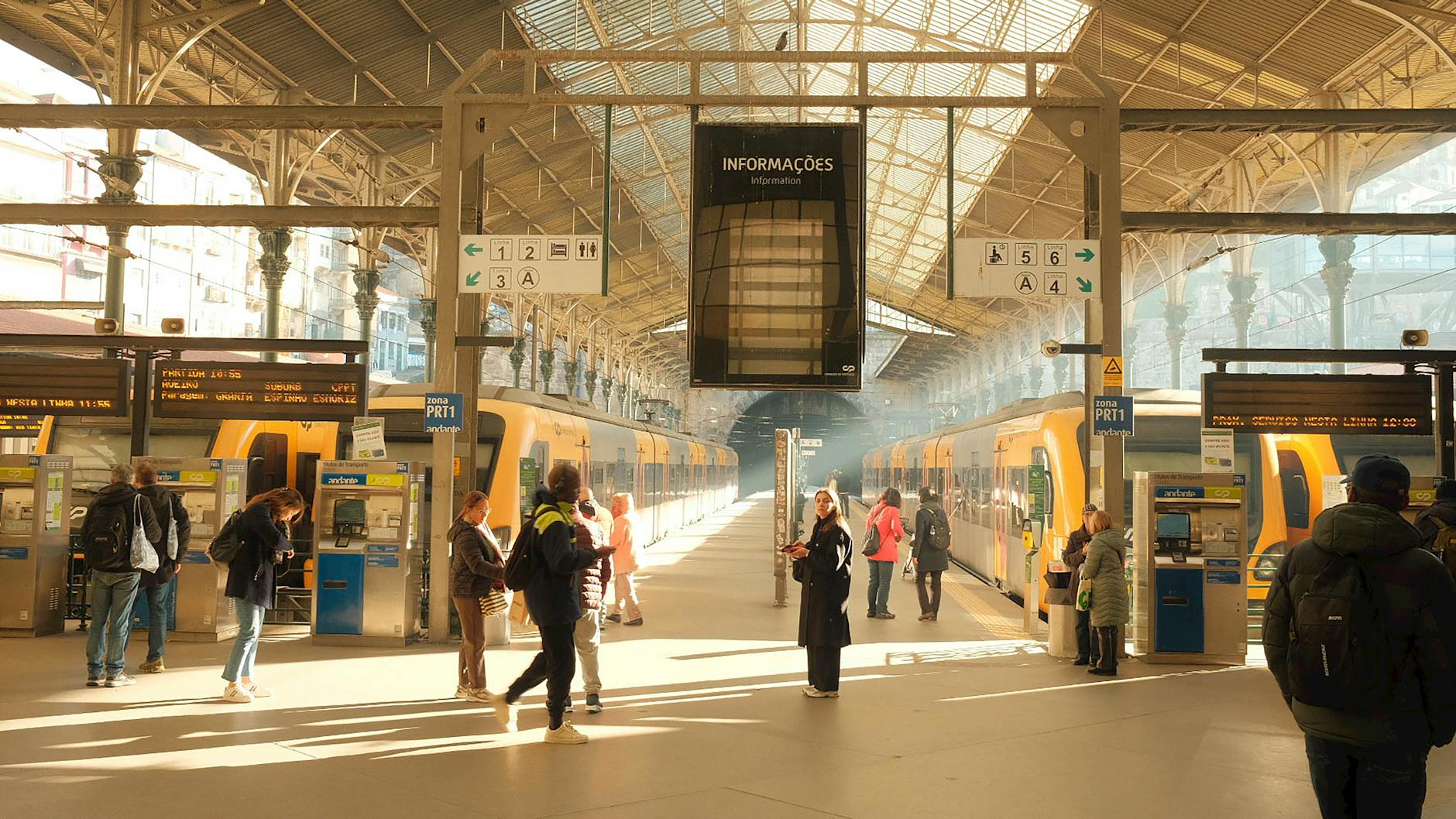
Visit Porto's official city page describes the E Line of the metro as a fast, affordable, direct link from the airport to Trindade in about 30 minutes, running daily from 06:00 to 01:00.[1] That is good enough that many first-time visitors should think in terms of metro-plus-walk or metro-plus-short-taxi rather than automatic airport transfer spending.
Metro Tickets Are Still Practical Once You Understand Zones
Metro do Porto's official fare page remains very usable if you read it calmly. The Andante Azul ticket itself costs €0.60, and then the journey title depends on zones, with Z2 at €1.40, Z3 at €1.80, and Z4 at €2.25 on the current English fare page.[2] Porto does not need elaborate transit strategy, but it does reward a traveler who spends five minutes understanding the system before validating blindly.
Porto.CARD Can Help, But It Is Not Automatic Value
Visit Porto's official Porto.CARD page says the pass offers free access to five museums, discounts on monuments and experiences, and, in its transport version, unlimited use of the metro, STCP buses, and CP urban trains in the metropolitan area.[3] That can be useful. It can also be wasted if your trip is mostly walking, eating, and one or two paid sights.
Clérigos Is Best Used Deliberately, Not Casually
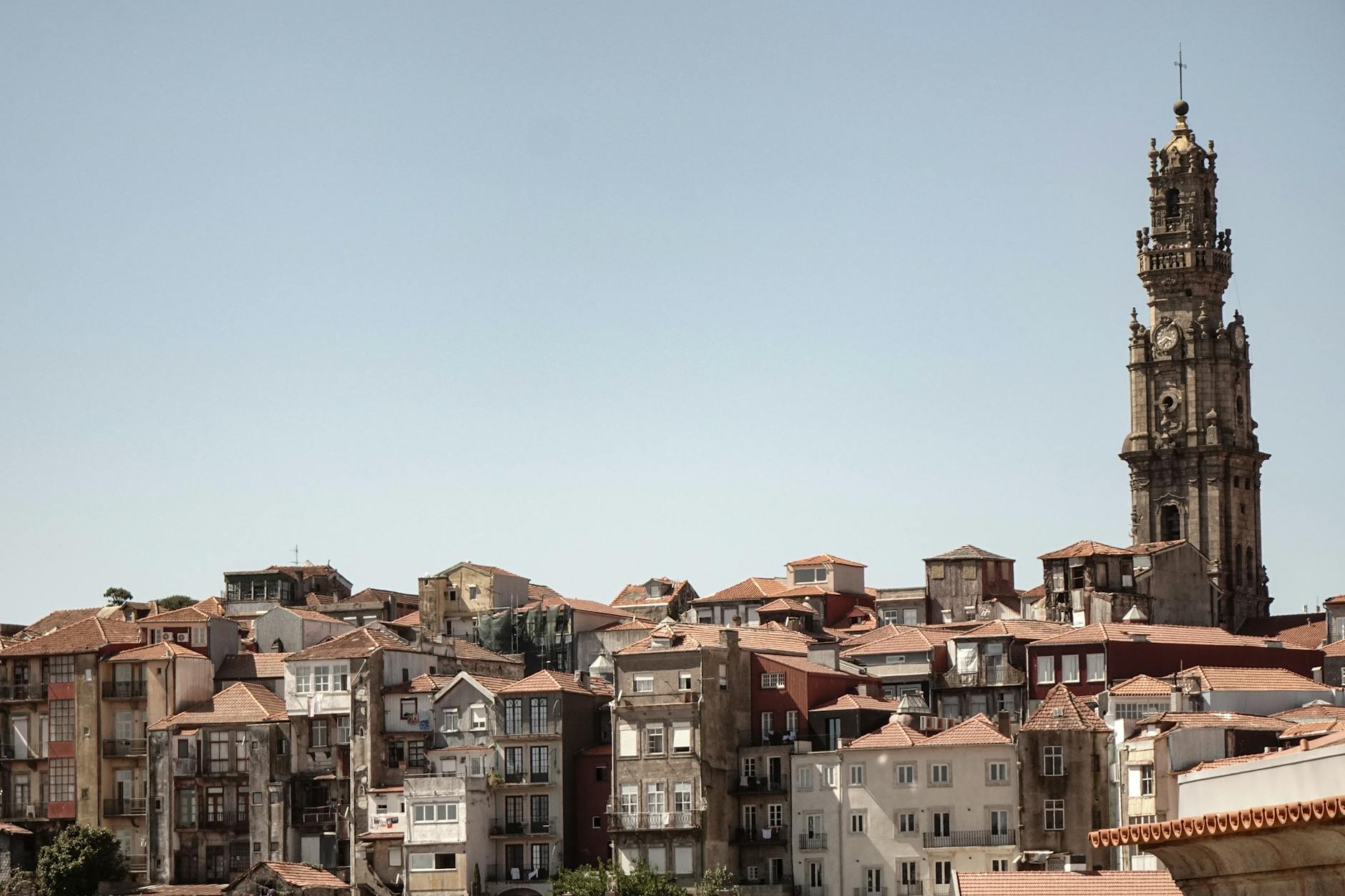
Clérigos remains one of the city's major symbolic moves, and the official planning page notes it is open 365 days a year, with normal-season hours of 09:00 to 19:00 and later evening hours in certain seasonal periods.[4] Like many obvious Porto experiences, it is better when you choose the moment rather than simply joining the first queue you see.
Serralves Is One Of The Best Ways To Stop Porto Becoming Pure Scenery
Serralves is one of the most useful correctives to a too-scenic Porto trip. The foundation's official visitor page lays out its bus and metro connections and makes clear that it is a full cultural move, not an incidental stop.[5] This matters because Porto can otherwise become overly dependent on views and riverfront repetition.
Gaia Is Not The Same Thing As Doing Porto Properly
Yes, Gaia matters. Yes, the lodges and views are part of the trip. But too many first-timers let a cellar visit and a sunset define the city in full. Gaia should complete your Porto understanding, not replace it.
How to Understand Porto
Porto works through five forces.
The first is the drop to the river. This city is defined by descent and return. The Douro is the emotional center, but not the whole practical city. That tension explains a lot.
The second is the upper-versus-lower city split. Baixa, Aliados, Cedofeita, and the upper historic core operate differently from Ribeira. A strong Porto trip knows when it is using each.
The third is commerce. Warehouses, port wine, rail, shipping, and work shaped this place. Porto's beauty is inseparable from that harder commercial identity.
The fourth is texture. Granite, tile, church interiors, steep streets, weathered facades, and a slight ruggedness give the city more depth than a smoother destination would have.
The fifth is appetite. Food, wine, coffee, and tavern-like interiors matter here. Porto is not a city where you should glide past meals as mere logistics.
The Five Portos A Visitor Actually Meets
Upper Porto: Baixa, Aliados, Clérigos, São Bento, and the version of the city that feels most structurally useful.
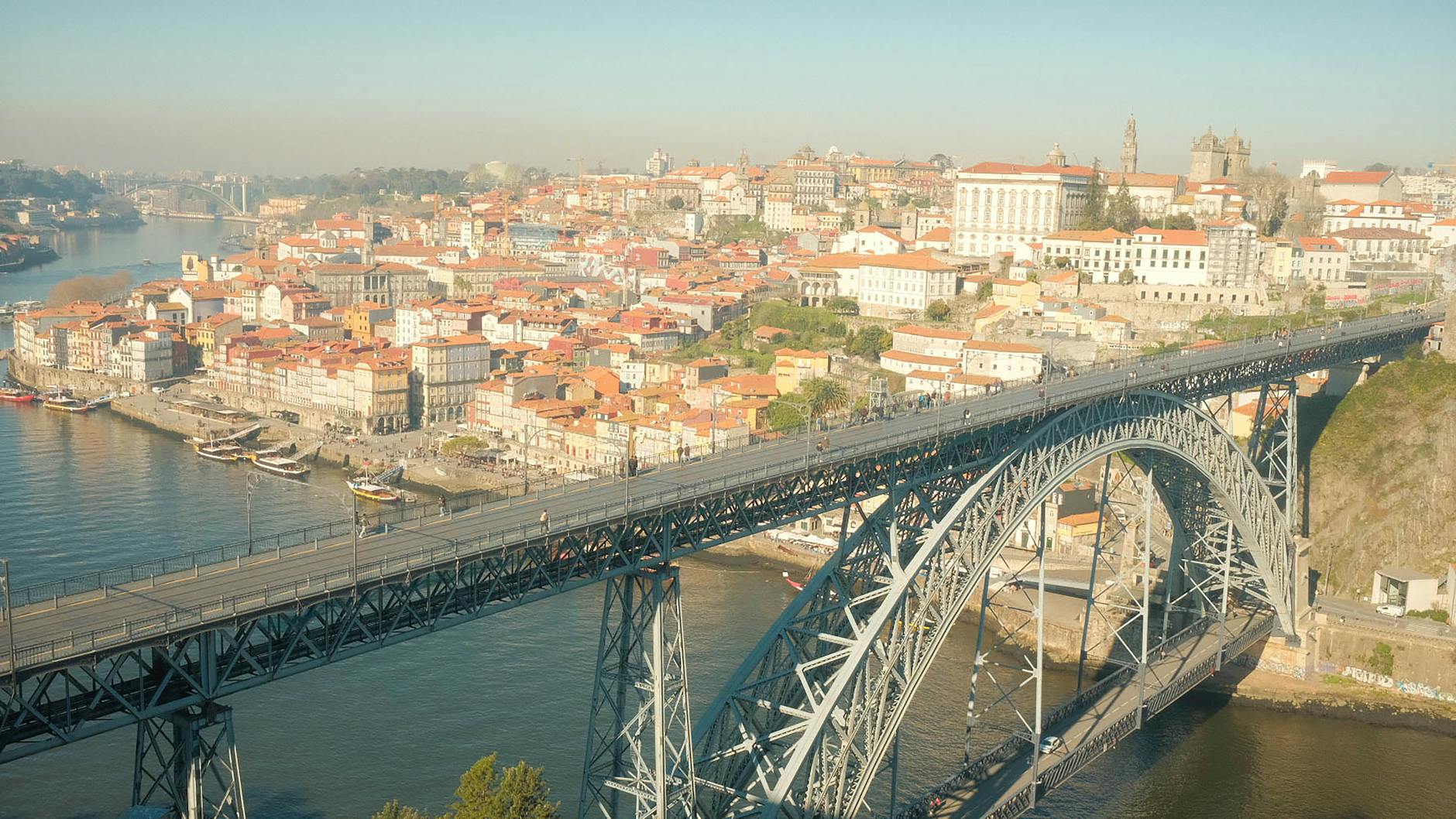
River Porto: Ribeira, quayside energy, bridge views, and the postcard city most visitors fall for first.
Gaia Porto: wine lodges, opposite-bank panoramas, and the commercial mirror that helps explain the city.
Residential Porto: quieter streets, local commerce, and the parts of town where Porto stops performing quite so hard for the visitor.
Cultural Porto: Serralves, churches, markets, and the reminders that the city is not only about views and wine.
The Main Mental Shift
Do not ask, "What are the prettiest things to see in Porto?" Ask, "How do I want the city to work for me today?" Upper city, river city, Gaia, museum Porto, food Porto. That shift makes the trip more intelligent almost immediately.
What Porto Does Better Than People Think
Porto is unusually good at beauty with weight. Plenty of scenic cities are pleasant and forgettable. Porto is scenic but substantial. The river, the bridges, the freighted history of wine and trade, and the roughness in the stone all give it more staying power.
It is also better than many visitors expect at holding romance and practicality together. The city can be dramatic and atmospheric, but it still functions as a real place with ordinary movement, neighborhood variation, and useful public transport. That prevents it from becoming a pure stage set.
Another underrated strength is day-to-night continuity. Some cities peak visually in daylight and fade into generic nightlife later. Porto often does the opposite. The evening can make the city feel more coherent, especially once day-trippers thin out and food becomes central.
The city is also very good at compressed distinctiveness. You do not need a week to understand why Porto is unlike Lisbon or unlike most other river cities. Its identity arrives quickly.
Finally, Porto does imperfection well. It is not precious. That is one reason people remember it with such warmth.
Best Time to Visit Porto
Porto is a year-round city, but not a season-neutral one. The way you feel the hills, the river, and the appetite of the place changes meaningfully with weather and crowd levels.
Best Overall Months
May, June, September, and early October are the strongest first-visit windows for most travelers. The city remains walkable, the evenings are attractive, and the physical effort feels more manageable than in hotter or wetter periods.
Summer
Summer is easy to love and easy to mishandle. The riverfront comes alive, terraces fill, and Porto's beauty becomes instantly legible. The downside is that heat amplifies every bad route and every weak hotel choice. A slower summer Porto is often a better summer Porto.
Autumn
Early autumn suits the city extremely well. Porto often feels more composed, slightly less strained by volume, and still generous in light. It is one of the smartest times to go.
Winter
Winter Porto can be excellent for travelers who like mood, red wine, heavier lunches, and a more interior city rhythm. The light is less reliable, and river time is less of an all-day proposition, but the city remains compelling.
Spring
Spring is strong because Porto begins to open outward again without becoming overwhelmingly busy. Walking, views, and appetite line up well in this season.
Month-by-Month Guidance
January: quieter, moodier, good for food-and-city travelers. February: still subdued, often pleasant for a slower break. March: transitional and variable. April: improving and increasingly attractive. May: one of the best overall choices. June: excellent for a first visit. July: lively, warm, scenic, and physically more demanding. August: workable, but choose your base with extra care. September: one of the smartest months to go. October: often ideal early in the month. November: softer light, fewer crowds, more interior pleasures. December: atmospheric and strong for a food-led trip.
How Many Days You Need
One Day
Enough for a memorable impression, not enough for the city to stop feeling like a scenic sequence.
Two Days
The minimum respectable stay. One day should belong mostly to the upper city and old core. The other should use the river and Gaia intelligently without becoming repetitive.
Three Days
Ideal for a first visit. This gives Porto enough space for food, one substantial cultural move, and some control over terrain and fatigue.
Four To Five Days
Very good if you want Porto plus the Douro Valley or another northern Portugal extension without reducing the city to a staging base.
One Week
Excellent for a wider northern Portugal route, provided Porto itself still gets several direct days.
Where to Stay in Porto
Where you stay matters because Porto is compact in theory and cumulative in practice. One badly placed hotel can quietly tax every day.
Fast Answer
For most first-time visitors, stay in Baixa, near Aliados, around Clérigos, or on the upper-city side of the historic core. Choose Ribeira lodging only if you are certain the atmosphere payoff is worth the crowding, noise, and slope implications.
Neighborhood Decision Table
| Traveler Type | Best Area |
|---|---|
| First-time couple | Baixa / Aliados / Clérigos |
| Maximum postcard traveler | upper historic core or Ribeira edge |
| Better sleep and smoother logistics | Aliados / Baixa |
| Food-and-night traveler | Baixa-to-Clérigos / Cedofeita edge |
| Repeat visitor | Cedofeita or quieter upper-city streets |
| River-view loyalist | carefully chosen Gaia or Ribeira property |
Baixa and Aliados
For many first-timers, this is the smartest answer. You stay central, connected, and better protected from the most exhausting up-and-down patterns. It is not less romantic; it is just more durable.
Clérigos and the Upper Historic Core
This zone offers the strongest blend of atmosphere and usability if you choose carefully. You are close to old-city texture without being forced to live at river level.
Ribeira
Ribeira is glorious to walk and sometimes excellent to visit at golden hour. It is not automatically the best place to sleep for multiple nights. Too many travelers confuse scenic value with operational value here.
Gaia
Gaia can work well if you specifically want the wine-lodge side and bridge views to shape the stay, but I would not default to it for a first-time city-led trip unless the hotel is clearly solving a specific problem.
Area Profiles
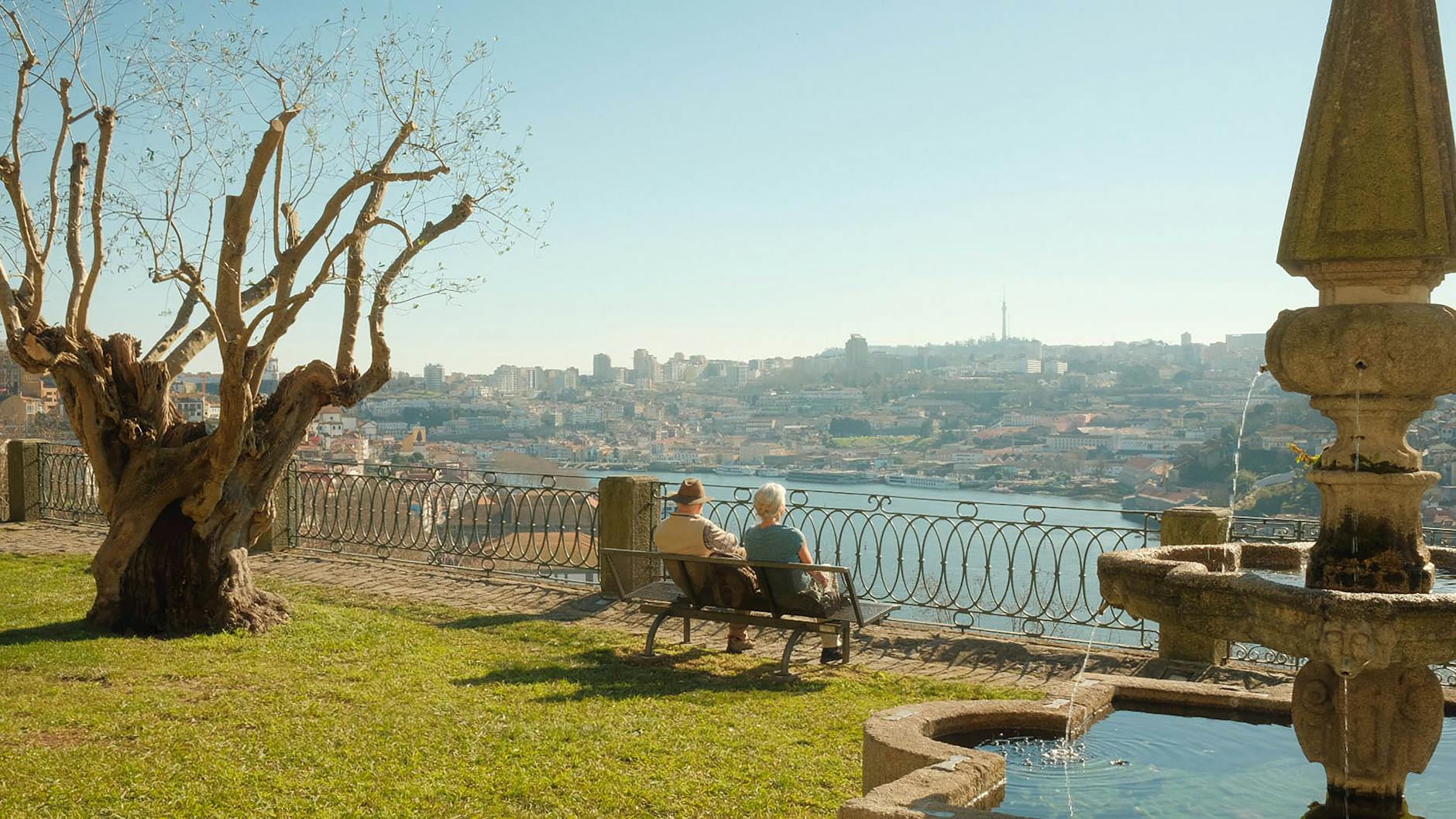
Baixa
The practical heart of a strong Porto stay: transport, restaurants, and easier movement.
Ribeira
The riverfront showpiece: beautiful, atmospheric, busy, and best used with some discipline.
Gaia
Commercially historic, wine-linked, and essential to understanding Porto's river identity.
Cedofeita and Beyond
Calmer, more local-feeling, and useful for travelers who want Porto without constant performance.
Neighborhood Guide: Where to Explore, Not Just Sleep
Aliados and Baixa: the city's operating center and often the right place to orient the first day.
Clérigos to Vitória: old Porto texture with better strategic position than pure river obsession.
Ribeira: essential, but best handled at selective hours rather than as an all-day trap.
Across Dom Luís I into Gaia: necessary at least once, but stronger when treated as a chapter, not the whole book.
Cedofeita side streets: useful for seeing Porto loosen into ordinary city life.
The Best Things to Do in Porto
Use The Upper City Before You Surrender To The River
If you start too completely at river level, Porto can collapse into one scenic note. Let the upper city explain the place first.
Cross To Gaia With A Purpose
Go for one well-chosen cellar, one strong view, or one riverside evening. Do not collect lodges mechanically just because they are there.
Climb Clérigos At The Right Moment
Clérigos is worth doing, but it is far better as a timed scenic move than as a reflex queue.[4]
See More Than The Postcard Core
A city-only Porto trip gets better when one part of the day moves beyond the most photographed lanes.
Give Serralves Or Another Cultural Stop Real Weight
Serralves is one of the best ways to stop Porto from becoming purely picturesque.[5]
Let Food Carry Part Of The Day
Porto is a city where appetite should organize time, not just fill the spaces between sights.
Itineraries
The Best First 48 Hours
Day 1: Baixa, upper historic core, Clérigos side, a deliberate descent, Ribeira at the right hour, then dinner above or just off the river rather than directly in its busiest grip.
Day 2: Gaia used selectively, one cellar or river-view move, then a corrective afternoon with more city texture and less pure spectacle.
The Best First 72 Hours
Day 1: upper Porto. Day 2: river-and-Gaia Porto. Day 3: cultural Porto, with Serralves or another slower move plus room for food, shopping, and a final evening circuit.
If You Only Have One Full Day
Stay disciplined. Use Baixa and the upper core first, descend once, cross once if you want Gaia, and end with a proper meal. Do not keep zigzagging vertically just because the map makes it look close.
Itineraries By Traveler Type
For Food And Wine Travelers
Keep sightseeing focused, let lunch matter, use Gaia surgically rather than excessively, and protect one excellent dinner.
For Couples
Choose a base that keeps the city graceful, save the most scenic descent for the right light, and let one evening belong almost entirely to appetite and atmosphere.
For First-Time Portugal Travelers
Use Porto as a city, not just as a charming contrast to Lisbon. The city's own structure is worth your full attention.
For Repeat Visitors
Move further from the most obvious riverside loop and spend more time on neighborhoods, contemporary culture, and rhythm.
Food and Drink
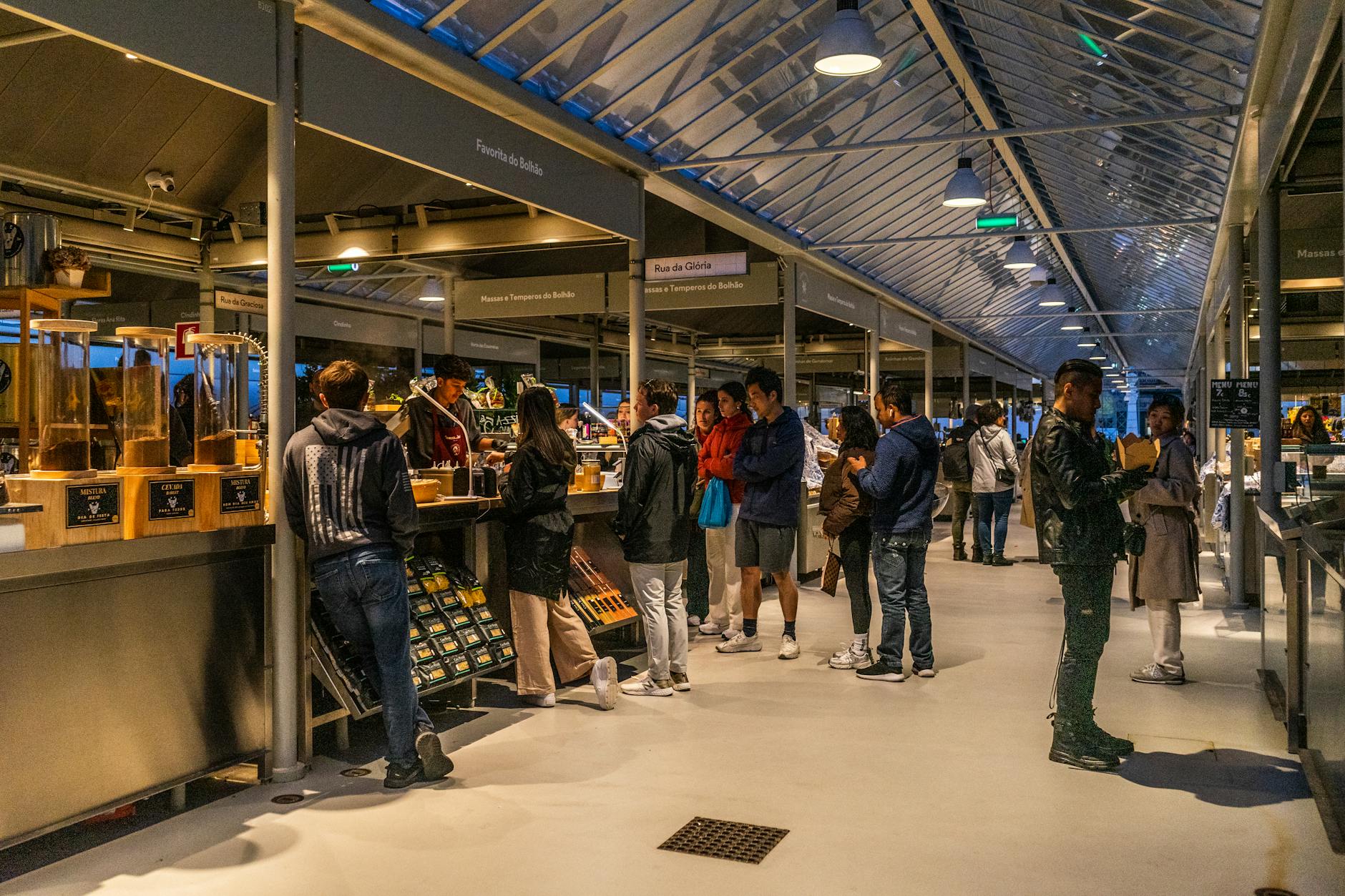
Porto eats like a city that expects the traveler to take appetite seriously. This is not somewhere you should graze through lazily while saving your energy for views. Food is part of the city's texture, and so is the room you eat in. Heavy plates, wine, slower lunches, cafes, pastry stops, and the slight bluntness of Porto's culinary self-confidence all contribute to the experience.
Port wine, similarly, should be approached with proportion. A cellar visit can be genuinely useful and enjoyable. Three in a row usually means you are performing Porto rather than experiencing it. Better one good lodge, one good explanation, and then back to the city.
The other common mistake is eating too predictably in Ribeira. The riverfront is scenic, but not the only place where Porto tastes like itself. Some of the city's best meals and drinking hours happen once you move slightly uphill or sideways from the most obvious frontage.
Getting Around
Porto is a walking city, but only partly. What it really is is a selective walking city. The better question is not "Can I walk this?" but "Should I still be walking this as my third major vertical move of the day?"
That is why the airport metro and the wider system matter. Official city guidance and Metro do Porto information make clear that the network is part of a normal Porto trip, not a fallback.[1][2] Taxis and ride-hail also have real value here because they can preserve the city's romance rather than dilute it.
Porto is at its best when your legs are being used intelligently, not stubbornly.
Gaia, Port Wine, And The Problem Of Scenic Repetition
Porto's most obvious trap is scenic repetition. The river is so beautiful, the bridge is so iconic, and Gaia is so easy to sell that many first-timers keep returning to the same visual logic all trip long. That can make Porto feel smaller than it is.
The answer is not to skip Gaia. The answer is to use it properly. One crossing at the right time of day can be one of the highlights of the trip. One good lodge can make the commercial history legible. One long look back at Porto from across the water can complete the city's image in your mind. But after that, return to the city. Porto should not disappear behind its own reflection.
This is the difference between a good Porto trip and a slightly generic one. The city is not just what you look at from across the river. It is what you move through before and after that moment.
Common Mistakes
- Staying in the most scenic spot instead of the most functional one.
- Treating Ribeira as the whole city.
- Crossing into Gaia repeatedly without a good reason.
- Using too many climbs as a badge of seriousness.
- Turning port wine into a checklist activity.
- Ignoring Baixa and upper-city rhythm.
- Eating every major meal on the riverfront.
My Blunt Advice
Stay uphill enough to keep the trip usable. Descend when it counts. Cross to Gaia once or twice, not endlessly. Take one cellar seriously and then stop. Let food, wine, and built texture do as much work as the viewpoints. Give Porto one slower day where the city can feel substantial rather than merely scenic.
That is what makes Porto memorable. Not just the bridge, not just the wine, not just the sunset over the Douro. It is the combination of appetite, stone, slope, and river logic all working together. Done properly, Porto feels far richer than its size suggests.
Where Porto Fits in a Portugal Trip
Porto works best in Portugal itineraries when you let it represent a version of the country that is more compact, steeper, darker, and more commercially textured than Lisbon. It is not the capital's range, not the Algarve's climate-led ease, and not the Douro Valley's landscape-first logic. Porto is a city of appetite, slope, granite, trade memory, and very deliberate scenic structure.
For first-time Portugal visitors, Porto is often strongest either as the second major city after Lisbon or as the northern anchor of a wider route. It provides contrast efficiently. Lisbon can feel broader, brighter, and more expansive in its urban personality. Porto feels tighter, moodier, and more river-bound. That difference matters because it prevents a Portugal trip from flattening into one single urban rhythm.
For repeat visitors, Porto often becomes even more attractive. Once the basic iconic moves are out of the way, the city rewards slower neighborhood use, better food planning, more selective Gaia time, and a stronger sense of when to stop pursuing views and let the city become ordinary in the best way.
The wrong use of Porto is as a one-night scenic contrast before moving on to the Douro Valley or back to Lisbon. The right use is as a city that deserves its own internal logic and at least one day when the river is only part of the story.
Porto Versus Lisbon, Seville, And Bordeaux
Porto versus Lisbon is the most obvious comparison, and it is usually handled badly. Lisbon has more districts, more sprawl, more transit complexity, more museums, more nightlife range, and more ways to build a trip. Porto usually wins when the traveler wants concentration, shorter decision loops, heavier atmosphere, and a city whose scenic logic arrives faster. Lisbon can feel like a capital that contains many mini-cities. Porto feels like one coherent city with several strongly different levels.
Porto versus Seville is a question of climate and temperament. Seville is more theatrical, more patio-and-plaza social, and more overtly shaped by heat and ceremony. Porto is darker, hillier, and more river-driven. Travelers who want sunlit outwardness often prefer Seville. Travelers who want weight, wine, granite, and a more rugged beauty often prefer Porto.
Porto versus Bordeaux is useful because both cities are associated with wine and river identity. Bordeaux is broader, flatter, and often more composed in its urban finish. Porto is more physically dramatic, less polished, and more intense in small doses. If Bordeaux offers elegance, Porto offers force.
That is the practical takeaway. Porto is one of Europe's strongest shorter city breaks when you want immediate distinctiveness and can respect the topography that delivers it.
First-Time Visitors Versus Repeat Visitors
First-time visitors often experience Porto through the city's greatest obvious signals: São Bento, Clérigos, Ribeira, Dom Luís I, Gaia, one port-wine chapter, and several scenic descents that feel compulsory the moment they appear on the map. That can already make an excellent trip, but first-timers often still use the city too greedily. They chase every viewpoint and end up tired rather than deepened.
Repeat visitors tend to understand Porto's discipline better. They know which hills matter and which do not, which meal should be near the river and which should not, when Gaia is useful and when it becomes repetitive, and how much more pleasant the city becomes once every movement is not optimized for the next photograph.
This matters because Porto is not a city that scales upward through quantity. It scales upward through judgment. The better you shape it, the stronger it becomes.
Why the Base Matters More Than It First Seems
Porto is the kind of city where a romantic mistake can quietly ruin a trip. A beautiful room in the wrong place can mean repeated climbs, awkward late-night returns, and a constant sense that every outing has a hidden physical tax. A practical room in the right place can make the city feel elegant, fluid, and much less tiring than its reputation suggests.
That is why Baixa, Aliados, and the upper-city side of the center are such strong first-time answers. They let you enter the old core and the river dramatically, but they do not force you to live at the bottom of every descent. The traveler keeps control of the rhythm instead of surrendering it to the map.
This is especially important for couples and shorter stays. Porto works best when the room supports the day rather than fighting it. A good base turns the city from scenic effort into scenic reward.
Why One Proper Porto Day Matters
Porto is very easy to sample and very easy to misread. A few hours can give you famous views, a bridge crossing, a cellar, and a memorable meal. What those hours usually cannot give you is the city's internal balance. Without that balance, Porto risks feeling like a beautiful but slightly overconcentrated backdrop.
A proper Porto day usually needs three chapters. Morning should belong to the upper city, where the trip gains structure before the river starts demanding attention. Midday and afternoon can descend toward Ribeira and Gaia, but should do so purposefully rather than repeatedly. Evening should belong to appetite, warmth, and one district choice that allows the city to feel complete instead of scenic only.
Without that full-day sequence, Porto can remain a highlight reel. With it, the city becomes a place.
Day Porto Versus Evening Porto
Daytime Porto is when the city performs its form most clearly. Bridges, terraces, facades, tiled churches, and river views all announce themselves immediately. This is the Porto that wins people quickly and also tricks them into overplanning.
Evening Porto often becomes better. The city contracts. Views stop competing so aggressively. Restaurants, bars, and lamplit streets start carrying more of the emotional weight. The riverfront is still there, but it no longer has to explain everything by itself.
That is why at least one evening should be given over to Porto as a city rather than Porto as a scenic objective. The destination becomes more persuasive once it stops constantly asking to be looked at and starts asking to be occupied.
Why Gaia Should Not Own the Whole Trip
Gaia matters. The views back to Porto are excellent, the lodges explain a central part of the city's history, and one or two carefully timed visits can complete the whole mental picture. But Gaia is also the easiest place in a first-time itinerary to overuse.
The problem is not that Gaia is unworthy. The problem is that its logic repeats quickly. One more lodge, one more river view, one more photo from a slightly different section of the same bank can make Porto feel smaller than it is. The city across the river becomes a picture rather than a lived urban fabric.
The stronger move is to let Gaia clarify Porto, not replace it. Cross with intention, learn something useful, enjoy the angle, then return to the city and let the upper streets, food, and neighborhoods finish the argument.
Why Porto Often Improves on the Second Visit
Porto improves on repeat because the city is less about novelty than proportion. The first visit proves that the famous image is real: the bridge, the slopes, the river, the stone, the wine, the appetite. The second visit is usually when travelers stop trying to consume the city in its entirety and begin shaping it properly.
Repeat visitors often choose better bases, do fewer riverfront meals, handle Gaia with more discipline, and understand that not every day needs a heroic descent. They also begin to appreciate the city above and beyond its scenic reveal. Porto becomes less about proving it is beautiful and more about enjoying how it holds together.
That shift usually makes the city much richer. Once Porto no longer has to act as a checklist, it starts acting like a home-sized city with remarkable form.
How Porto Changes Over the Course of a Stay
On arrival, Porto often feels instantly legible. The airport move is manageable, the upper city is usable, and the iconic images are close enough that the whole destination can seem almost too easy to understand. During the first substantial walk, though, the city begins to separate into functions: useful Porto, scenic Porto, appetite Porto, and the more repetitive version you want to avoid.
By the first evening, the city usually becomes warmer and more convincing. Meals matter more. The streets settle. The destination stops being only vertical drama and starts feeling inhabitable.
By the second day, the different Portos begin to align: upper Porto, river Porto, Gaia Porto, and the quieter streets that keep the city from collapsing into pure spectacle. This is the stage where Porto usually stops being merely "lovely."
By the third day, if you stay that long, Porto often feels surprisingly complete. You know which climb is worth it, which view is not, where you would stay next time, and how much better the city is once appetite and route discipline are taken seriously. That is usually the point at which affection becomes stronger than admiration.
Source Notes
- 1. Visit Porto, "Getting to Porto is easy. And starting to explore it, even easier." https://visitporto.travel/en-GB/city
- 2. Metro do Porto, "Fares." https://en.metrodoporto.pt/pages/397
- 3. Visit Porto, "Porto.CARD." https://visitporto.travel/en-GB/porto-card
- 4. Clérigos Tower, "Planning a visit to Clérigos." https://www.torredosclerigos.pt/en/planning-a-visit-to-clerigos/
- 5. Serralves, "Visit." https://www.serralves.pt/en/visitar-serralves/