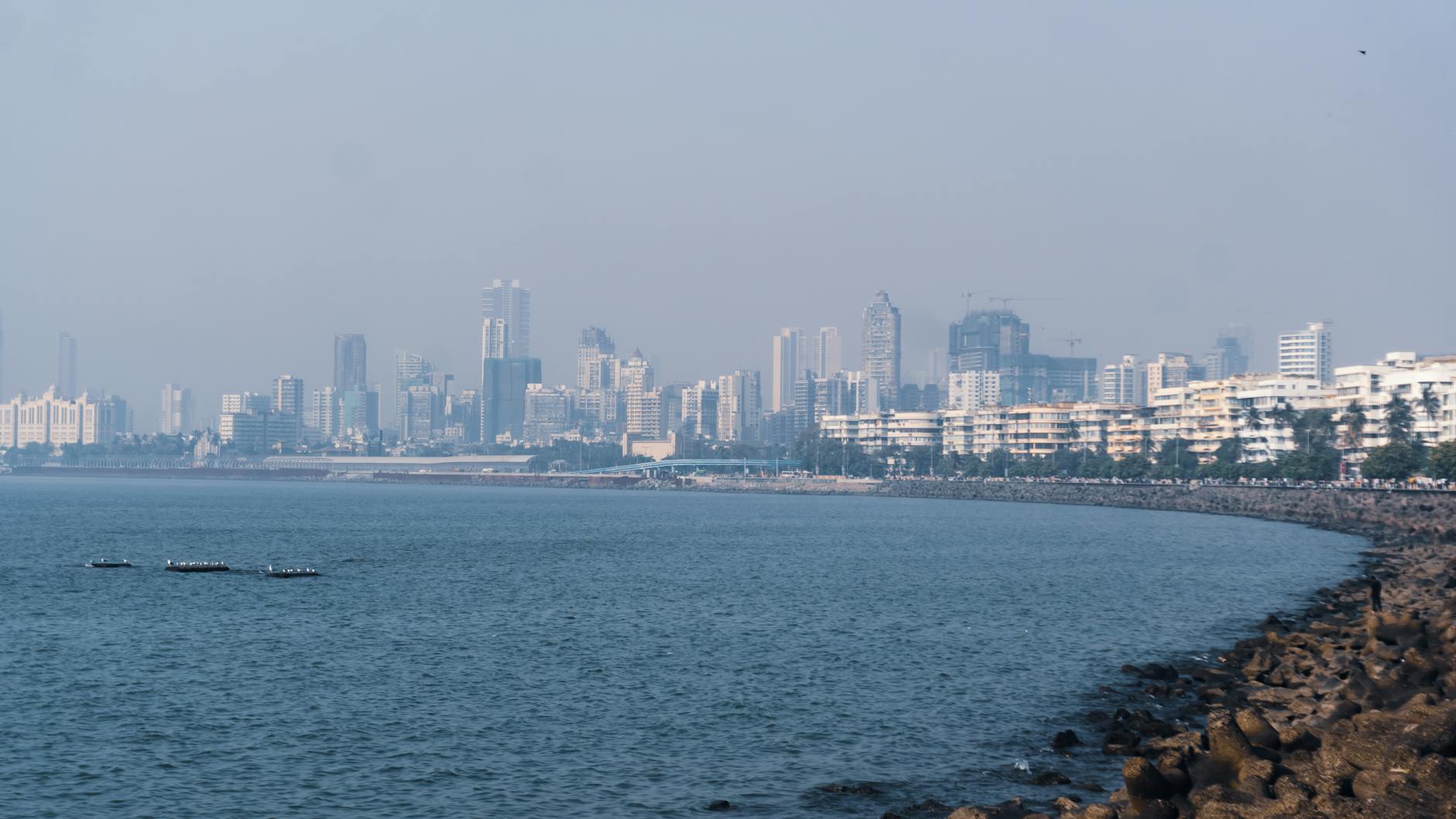
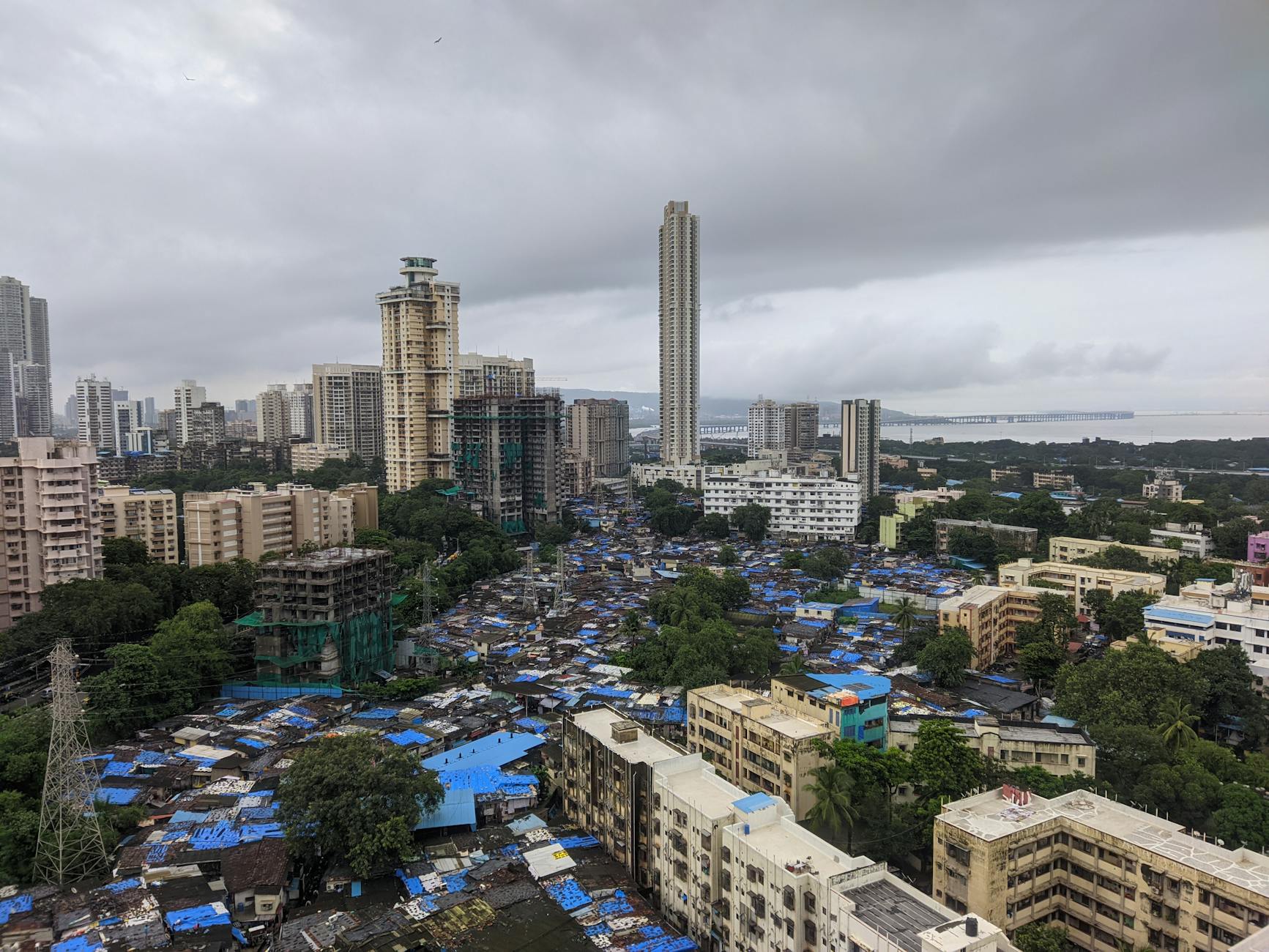
Mumbai is one of the world’s great cities of compression.
Start Here
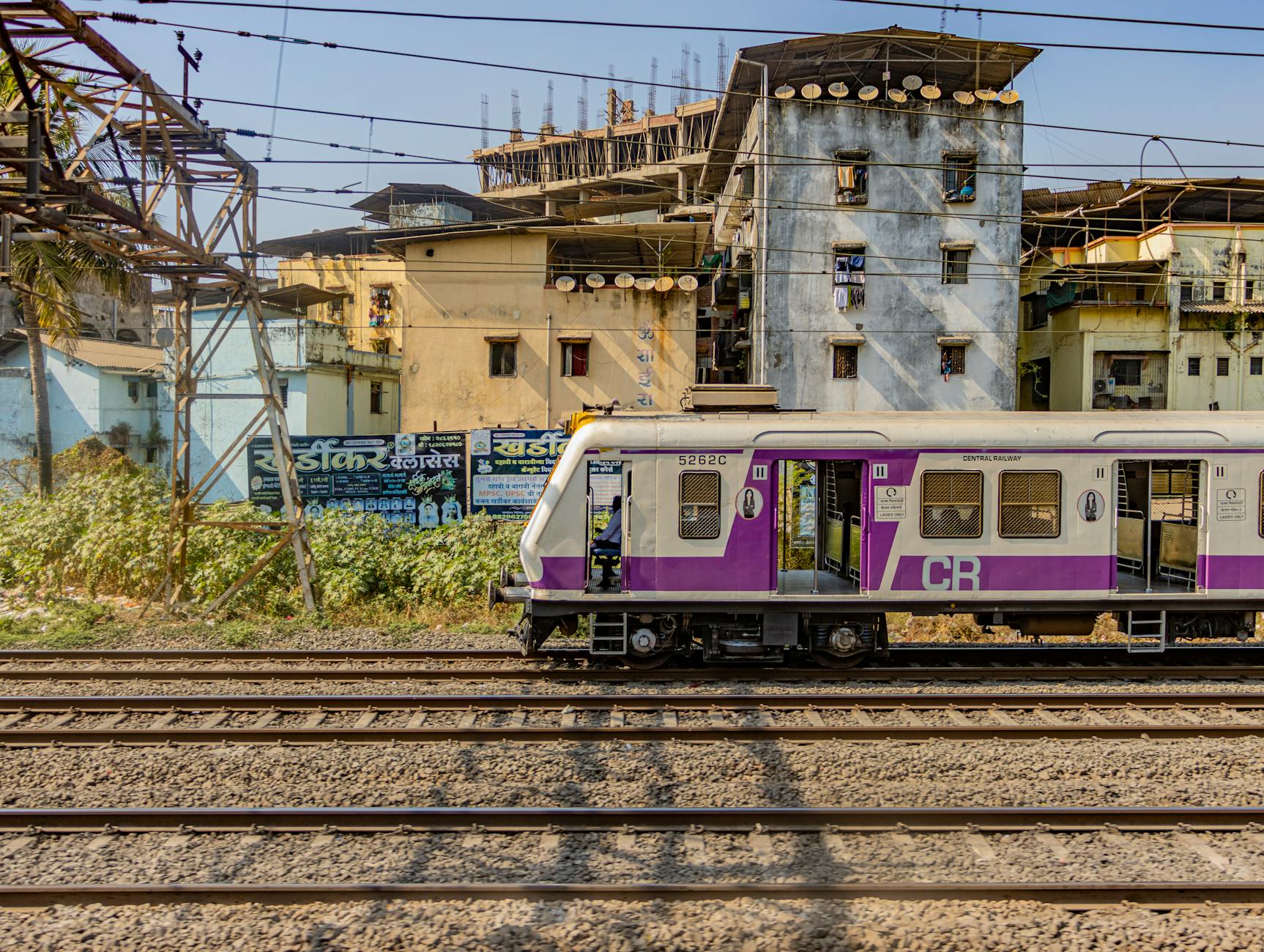
Finance, cinema, colonial architecture, sea air, local trains, billion-dollar ambition, fishing-village memory, Gujarati cafés, Irani nostalgia, art-deco facades, luxury hotels, and suffocating traffic all coexist on a strip of land that often feels as if it should not be able to contain so much life. That density is part of the city’s magnetism. It is also why so many first-time visitors mis-handle it.
The common error is to treat Mumbai as a list of famous names arranged on a normal map. Gateway of India, Marine Drive, Colaba, Bandra, markets, museums, restaurants, maybe Juhu, maybe one business district, maybe one film-world curiosity, maybe an old café in the south and a fashionable dinner in the north. On paper, it can all look possible. In practice, a bad Mumbai plan turns the city into car windows, road frustration, and brief, exhausted encounters with places that deserved far more concentration.
The right first trip is therefore not comprehensive. It is sectional. South Mumbai should usually anchor the first-time imagination because this is where the city’s imperial and mercantile drama reads most clearly. Bandra represents another Mumbai entirely: more contemporary, more lifestyle-led, more restaurant-and-residential than ceremonial. Kala Ghoda and its museum zone prove that the city is not only about sea views and skyline aura. Marine Drive and the UNESCO-protected Gothic and Art Deco ensemble remind you that Mumbai’s beauty is urban before it is cinematic.
The city in one sentence: Mumbai is India’s hardest-working great metropolis, and the best first visit comes from choosing one or two coherent city versions instead of trying to win against its geography.
Quick Verdict
Best for: first-time India travelers, repeat India travelers, urban-history lovers, food travelers, business travelers with some flexibility, and anyone who likes serious cities with visible texture.
Less ideal for: travelers who want easy logistics, dry-air comfort, or a sightseeing city that can be “completed” quickly.
Ideal first stay: 3 nights.
Still worthwhile: 2 nights if you keep the trip heavily sectional.
Can justify more: absolutely.
Main planning mistake: treating north-south movement as a minor detail.
One thing to prioritize: base location.
One thing to edit hard: cross-city ambition.
Who Will Love Mumbai?
Mumbai is for travelers who like cities that feel economically and culturally alive in every direction. If you enjoy urban contradictions rather than needing them resolved into postcard coherence, Mumbai is rewarding. It is also one of the strongest cities in India for travelers who like to understand how power, money, migration, art, and daily life produce one another.
It is particularly strong for people who can accept that pleasure may come from neighborhoods, institutions, sea-edge rituals, and food rather than from monument collection alone.

Mumbai at a Glance
| Question | Practical Answer |
|---|---|
| Main gateway | Chhatrapati Shivaji Maharaj International Airport |
| Best first-time base | South Mumbai for most leisure visitors |
| Best alternative base | Bandra, if the trip is more contemporary and restaurant-led |
| Main planning problem | north-south distance and traffic |
| Strongest heritage argument | Fort / Oval Maidan / Kala Ghoda / Gateway zone |
| Strongest atmospheric public edge | Marine Drive |
| Best trip type | sectional city stay |
2026 Visitor Notes
Mumbai’s Airport Is Efficient Enough, but Geography Still Wins
The official CSMIA passenger-guide pages remain the main reference for airport process and passenger information.[1] For the traveler, the key truth is simpler: the airport may be in the city, but that does not make every district feel close.
Mumbai’s Built Heritage Still Matters More Than Casual Visitors Realize
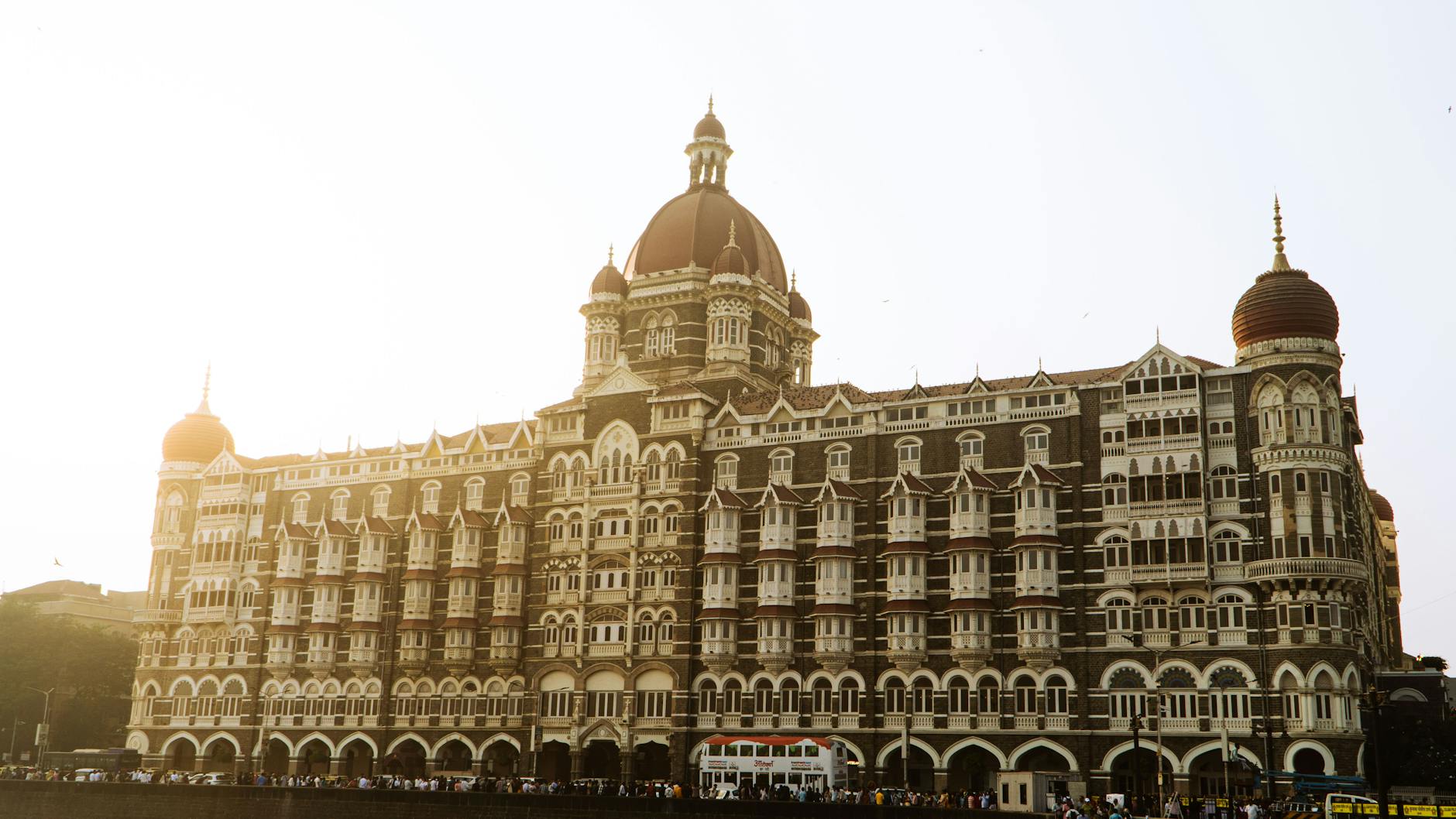
UNESCO continues to describe the Victorian Gothic and Art Deco ensembles as a unique urban expression of Mumbai’s modernization, with the Oval Maidan holding both architectural worlds in dialogue.[4] That is one of the city’s central visual arguments.
South Mumbai Is Still the Clearest First-Time Frame
Maharashtra Tourism’s Mumbai district material continues to emphasize the city’s history, seafront, heritage icons, Marine Drive, and major architectural landmarks as defining features of Mumbai’s identity.[2]
The Gateway of India Still Works as a Waterfront Threshold, Not Just a Photo Stop
The official Maharashtra Tourism page continues to place the Gateway in Apollo Bunder, frame its waterfront position, and note its historical commemorative role.[3]
How to Understand Mumbai
Mumbai works through four main forces.
The first is linear geography. This is a city that punishes lateral fantasy.
The second is district identity. South Mumbai, Bandra, the western suburbs, and business corridors produce very different experiences.
The third is humidity and stamina. Mumbai’s climate changes the meaning of walking and daily pacing.
The fourth is urban density. The city’s best moments often come from letting one zone unfold rather than trying to touch too many.
The Main Mental Shift
Do not ask, “What are the top ten things to do in Mumbai?” Ask, “Which Mumbai am I staying in, and which second Mumbai deserves one deliberate crossover?” That question usually improves the whole trip.
What Makes Mumbai Distinct
Mumbai’s distinctiveness lies in its urban seriousness.
Other Indian cities may feel more monumental, more ceremonial, more spiritual, or more obviously historic. Mumbai feels modern and historic at the same time because both its colonial-commercial core and its contemporary social power are still active. This is not a preserved capital or a museum city. It is a city where heritage buildings still face trading life, where sea promenades absorb office workers and teenagers at the same hour, where old institutions sit close to luxury hotels and ferry points, and where residential neighborhoods can matter more than classic attractions.
That is why Mumbai feels so alive. It is not waiting to be interpreted. It is already in use.
Best Time to Visit
Maharashtra Tourism’s city material continues to support the broad common-sense answer: the drier, cooler stretch from roughly October to February is the easiest period for most visitors, while monsoon transforms movement and mood.[2]
Monsoon is not automatically bad, but it makes Mumbai more interior, more weather-led, and more operationally inconsistent. In dry weather, the sea edge, heritage walks, and neighborhood movement all work more generously.
How Many Days You Need
One Night
Enough only for a narrow, purposeful encounter.
Two Nights
A workable first stay if you choose one main zone and one supporting crossover.
Three Nights
The strongest first answer. One day can belong to South Mumbai heritage, one to a contemporary district like Bandra, and one to food, museum, or business-linked city use.
Arrival Strategy
Do not let your first Mumbai hour be a bad summary of the whole city.
The airport’s official passenger-guide ecosystem is clear enough, but the harder problem is where you go next.[1] If you are staying in South Mumbai after a long-haul arrival, accept that the transfer is part of the day and protect the rest accordingly. If your stay is very short and business-linked, a closer base may be wiser. Mumbai becomes much better when the first day is not overpromised.
Where to Stay
South Mumbai
Best for first-time visitors who want Fort, Colaba, Marine Drive, Kala Ghoda, old luxury-hotel logic, and the strongest heritage-and-waterfront city frame.
Bandra
Best for travelers who care more about restaurants, cafés, shops, nightlife, and a more residential-contemporary urban register than about classic first-time heritage.
Airport / BKC / Business-Linked Bases
Best only if the trip is driven by work or very short operational needs. These bases can be right, but they should not be mistaken for “seeing Mumbai.”
The Main Rule
In Mumbai, a good district often matters more than a better hotel.
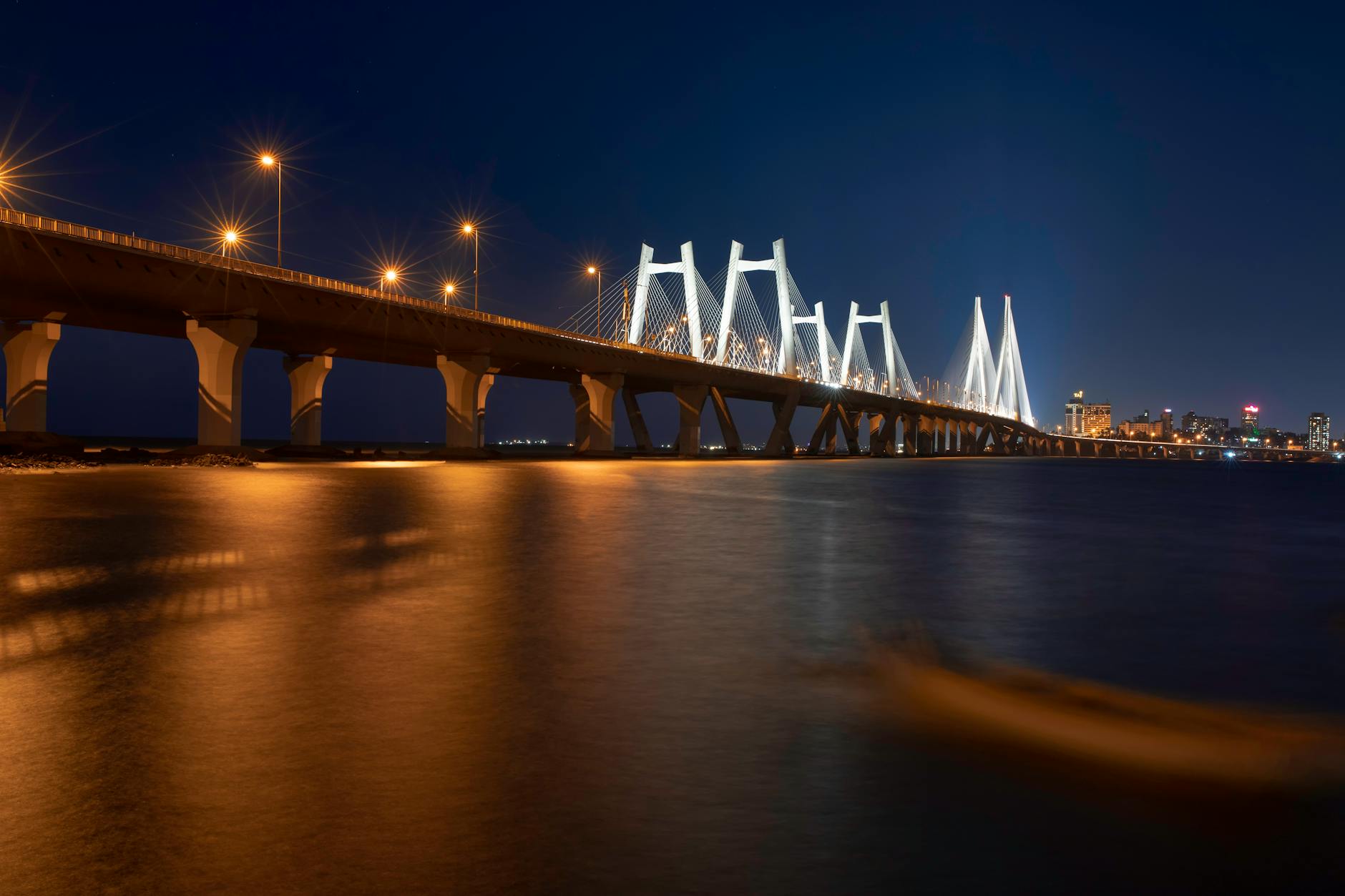
The Mumbais That Matter Most
South Mumbai: Gateway, Fort, Kala Ghoda, Marine Drive, the Oval, old hotels, and the historical-commercial city.[3][4][2]
Bandra: contemporary social Mumbai, restaurants, nightlife, and residential-cultural texture.
Sea-Edge Mumbai: promenades, harbor feeling, weather, and the relief that keeps the city breathable.
Institutional Mumbai: museums, art spaces, and the city’s habit of thinking through its own history.
South Mumbai and the First-Time Argument
For most first-time visitors, South Mumbai should be the emotional center of the trip.
This is where the city’s mercantile, colonial, and seafront character is easiest to read. The official Maharashtra Tourism material still places the Gateway, Marine Drive, and major heritage structures at the core of the city’s public identity.[2][3] That remains correct. Here, the city has scale and texture without immediately dissolving into pure sprawl.
If Mumbai is your first serious contact with the city, begin where its public face is most legible.
Marine Drive, the Oval, and the City’s Urban Beauty
Mumbai’s beauty is not only vertical or cinematic. It is compositional.
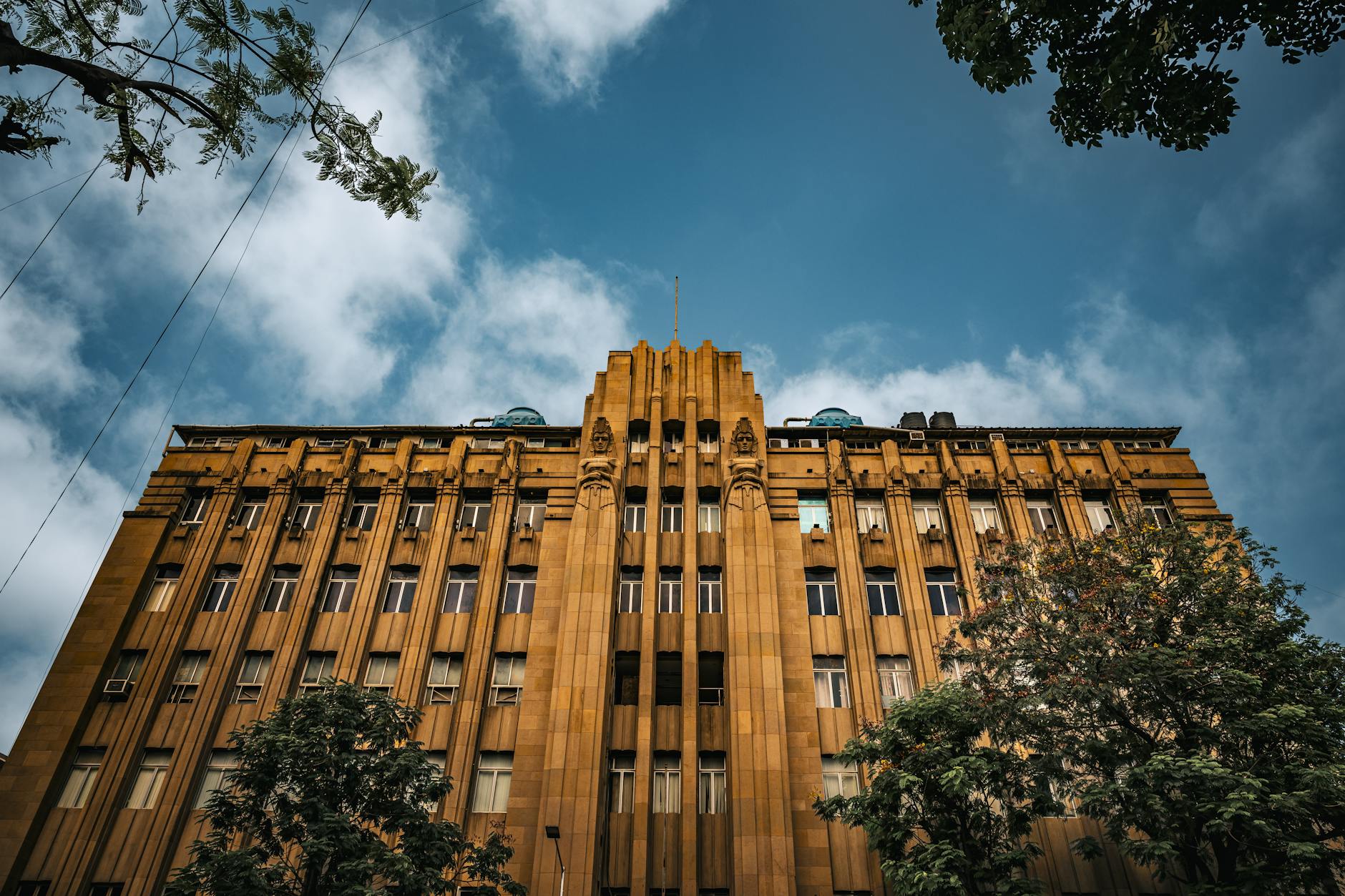
UNESCO’s description of the Victorian Gothic and Art Deco ensemble makes this especially clear: the east side of Oval Maidan and the west-facing Art Deco sweep toward Marine Drive reflect two phases of the city’s modernization in one urban field.[4] This is one of the best ways to understand Mumbai properly. The city is not just “busy” or “iconic.” It is architecturally argued.
Marine Drive then gives that argument public air. It is where the city relaxes into itself.
Kala Ghoda, CSMVS, and the Thinking City
If Mumbai starts to feel like pure velocity, Kala Ghoda corrects it.
CSMVS’s own institutional material continues to present the museum as one of India’s premier art and history museums, set in the southern heritage precinct.[5] That matters because it reinforces a different truth about Mumbai: this is not merely a city of commerce and surface glamour. It is also a city with deep collecting, public culture, and intellectual seriousness.
A good South Mumbai day often improves when one museum or gallery interval interrupts the sea-and-street rhythm.
Bandra and the Contemporary Register
Bandra matters because it prevents Mumbai from being read as only grand old stone and nostalgia.
This is where many travelers find the more contemporary social city: restaurants, cafés, shopping, residential street life, and evenings that feel less ceremonial and more lived. Bandra should not replace South Mumbai on a first trip unless your reasons for being in the city are already contemporary and local rather than classic. But as a second Mumbai, it is strong.
The mistake is trying to make Bandra and Colaba one seamless day. They are not.
Food and How Mumbai Actually Feeds You
Mumbai is one of India’s great eating cities, but it is best used by neighborhood and mood rather than by list tyranny.
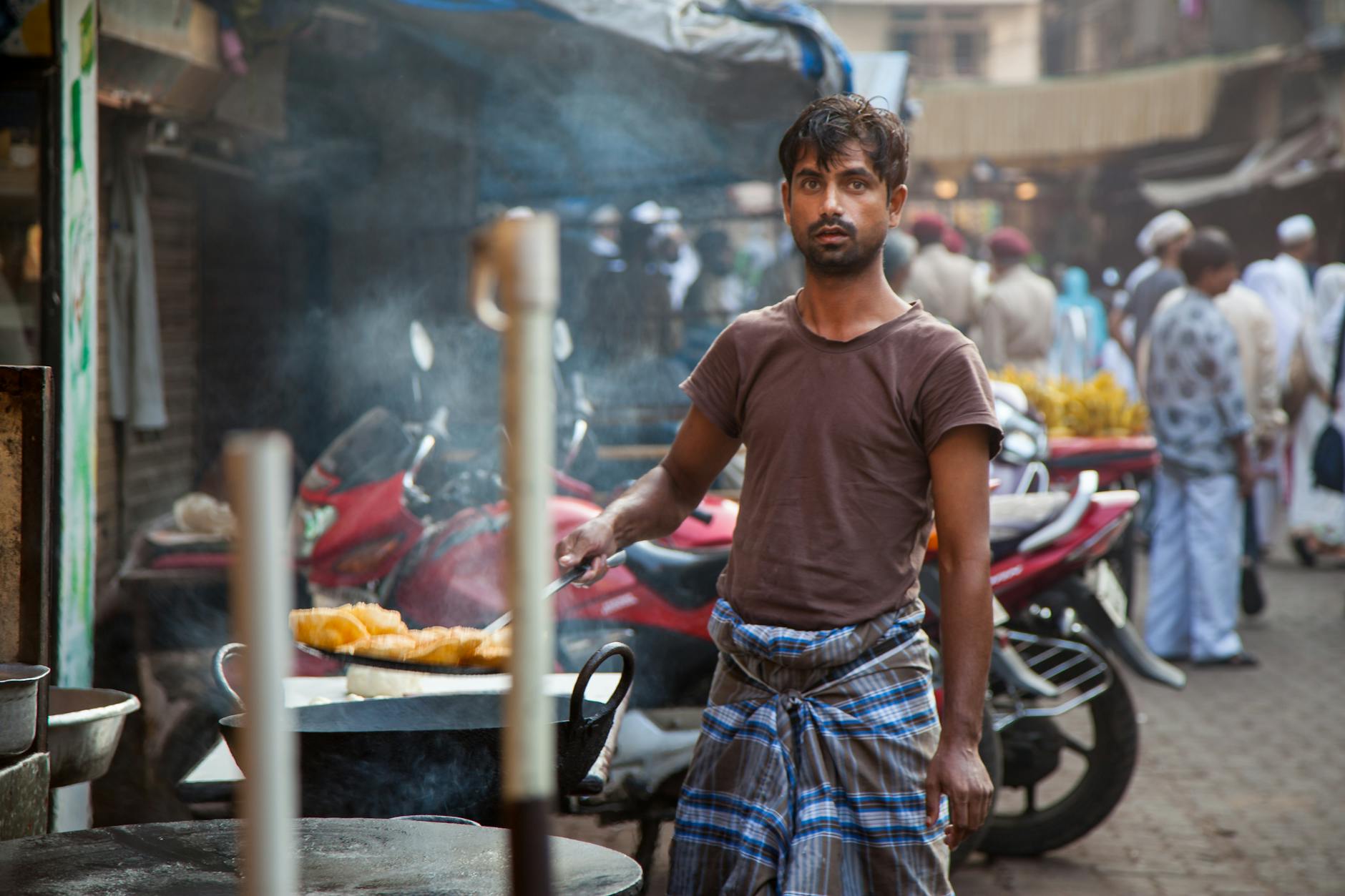
Street food, old cafés, seafood, regional specificity, and contemporary restaurant culture all belong here. The city’s appetite is plural. What matters is that food in Mumbai should help define which city you are in. South Mumbai meals and Bandra meals should not feel interchangeable. That is part of the point.
The best food day in Mumbai often comes from staying put longer than you expected.
Optional Expansion: Gateway, Harbor, and Elephanta
If you want one classic extension beyond the immediate city fabric, Elephanta remains one of the most coherent options.
Maharashtra Tourism continues to describe the caves as a ferry-linked harbor excursion from the Gateway side, with the island lying roughly `10 km` off the Mumbai coast and the caves closed on Mondays.[6] The reason to do it is not box-ticking. It is to let Mumbai become a harbor city again, not only a land-bound one.
Do it if you have the time and weather. Skip it if your South Mumbai day is already full.
Where Mumbai Fits in an India Trip
Mumbai often arrives in itineraries with two contradictory burdens.
On the one hand, it is expected to behave like a global great city: layered, energizing, culturally serious, and economically vivid. On the other hand, travelers sometimes want to reduce it to a short transit chapter before supposedly more “Indian” or more comfortable destinations. Both instincts distort the trip. Mumbai is not merely a gateway, but it is also not a city that yields instantly to casual sampling.
This is why it helps to decide what role Mumbai is playing. If it is your first city in India, it may shape the whole emotional grammar of the trip. If it comes later, after smaller or more ceremonial cities, it can feel like a shock of metropolitan force and modern density. If it follows beach or wildlife travel, it may feel like a useful reentry into urban seriousness. In every case, it works best when the itinerary accepts that the city deserves a section of its own rather than a handful of emblematic stops.
Mumbai is one of the places where India’s urban present feels impossible to ignore. That alone makes it worth more than transit logic.
First-Time Visitors Versus Repeat Visitors
First-time visitors usually need Mumbai to become legible. Repeat visitors often need it to become narrower.
On a first trip, the city should usually be organized around one dominant southward argument and one deliberate secondary movement. South Mumbai helps establish the city’s history, scale, sea edge, and institutional density. Once that frame is secure, Bandra or one other contemporary zone can provide contrast. That is enough to understand that the city contains more than one register.
Repeat visitors often enjoy Mumbai more because they stop trying to prove total acquaintance. They may stay entirely in South Mumbai and deepen the museum-café-harbor logic. Or they may base in Bandra and use the city through restaurants, social life, and neighborhood movement. They may choose one mood and let the rest wait. That narrower use is often richer.
Mumbai improves dramatically when the traveler stops asking it to summarize itself in one trip.
Daytime Mumbai Versus Evening Mumbai
This distinction matters almost as much as district choice.
Daytime Mumbai is usually about movement, architecture, weather management, and the city’s laboring intensity. This is when the scale of traffic, humidity, and distance is felt most sharply. It is also when museums, heritage precincts, and older civic spaces read most clearly.
Evening Mumbai is more social, more fluid, and often more forgiving. Marine Drive becomes ritual rather than route. Restaurants matter more. Certain neighborhoods soften. The city’s relationship to the sea becomes emotionally visible again after a day of operational strain. This is one reason hotel location matters so much. A well-based evening can rescue a demanding daytime pattern and reveal why the city is beloved rather than merely endured.
The strongest first stay usually lets evenings stabilize the trip rather than treating them as afterthoughts.
The Sea Edge Is Not Decorative
Visitors often notice Marine Drive, the harbor, the Gateway, or the city’s broader seafront glamour and then still treat the water as secondary to the built city. That is a mistake.
The sea edge is one of the reasons Mumbai remains breathable in psychological terms. It gives relief, ritual, and distance in a city otherwise defined by density. Marine Drive matters not simply because it is famous, but because it provides a civic edge where the city can exhale. The Gateway harbor matters not simply because it is historic, but because it reminds you that Mumbai was built through sea movement and port logic, not only through inland growth.
This is why even a highly urban first trip should still use the water consciously. Not just from a taxi window, and not only as a night view, but as a recurring part of how the city is understood.
Why South Mumbai Still Wins the First-Time Argument
Some travelers worry that choosing South Mumbai is too obvious, too colonial, or too expected. That concern is understandable but mostly misplaced.
For a first visit, obvious can be correct. South Mumbai wins because it is where the city’s formal public face is still strongest and most legible. The heritage zone, the Oval, the old institutions, the Gateway, and the sea edge create a frame through which the rest of Mumbai can be interpreted. Without that frame, the city can feel more overwhelming than illuminating.
This does not mean Bandra or other districts are less real. It means they are better as contrast after the southern core has done its explanatory work. South Mumbai helps the visitor form a grammar. Once that exists, other Mumbais become more readable rather than just farther away.
Bandra as Contrast, Not Correction
Bandra is important precisely because it should not be treated as a correction to South Mumbai.
It is tempting to use Bandra as the “nicer,” “easier,” or “more contemporary” version of the city and therefore to treat the southern core as something ceremonial that can be minimized. But the two districts do different jobs. South Mumbai gives you history, institutions, and sea-edge civic weight. Bandra gives you a strong sense of the city’s current social and lifestyle register.
That difference is the value. Bandra works best when it shows you that Mumbai is still generating new urban identities rather than living off old architecture alone. If you make it a deliberate second act, it clarifies the city beautifully. If you try to turn it into a substitute for the south, the trip often loses balance.
Monsoon, Humidity, and Physical Truth
Mumbai is one of the cities where weather should be treated as bodily truth, not background information.
Even outside monsoon, the city can be humid enough to reduce ambition more quickly than travelers admit. Walking is still rewarding, but it should be sequenced intelligently. Interiors matter. Museum pauses matter. Good hotel returns matter. During monsoon, the city changes mood more than some people expect. The sea edge becomes rougher, movement can become slower, and plans that looked elegant on a dry-season map can start feeling foolish.
This does not mean monsoon travel is always a mistake. It means the trip has to accept a different rhythm. In the rains, Mumbai can become more interior, more café-and-museum-led, and more about neighborhood use than about scenic extension. Travelers who understand that can still have excellent stays. Travelers who expect the same city under different atmospheric conditions are more likely to feel frustrated.
Safety Through Structure
Mumbai rewards visitors who replace improvisation with clean structure.
That does not mean fear or hypervigilance. It means choosing districts well, limiting unnecessary transfers, knowing where the evening is ending, and treating the city’s size with respect. Mumbai’s intensity often becomes easier once the traveler stops trying to be overly clever with route design. A good hotel, one defined zone, and one well-judged crossover usually outperform a far more ambitious plan.
This is also why the city feels safer and more enjoyable when the day has a center. Endless repositioning creates not sophistication but fatigue. Mumbai is not the city to outmaneuver casually. It is the city to inhabit one section at a time.
Mumbai With Family or Low-Energy Travelers
Mumbai can work well for low-energy or mixed-energy travelers if the city is edited brutally.
The mistake is to assume that a famous city must be used in full just because you are there. For many travelers, one strong South Mumbai day, one calmer sea-edge evening, and perhaps one second neighborhood with a clearly chosen meal or museum is enough. Children, older travelers, or anyone managing heat and fatigue will usually do better with repeated returns to a base than with heroic cross-city movement.
In this sense, Mumbai can be generous, but only if the traveler is honest. The city offers enormous reward, but the reward is not distributed evenly across every possible hour of the day. Timing and location matter much more than volume.
Food in Mumbai Is Geographic
Many cities are famous for food. Mumbai is one of the cities where the geography of food matters almost as much as the food itself.
What you eat in South Mumbai should help reinforce the southern city: cafés, institutions, legacy places, older restaurant culture, and the sense that food here belongs to a historical-commercial metropolis. What you eat in Bandra should feel more contemporary, neighborhood-based, and socially current. The city’s culinary meaning changes with its districts.
This is why list-driven dining can be a trap. If you are crossing the city only to chase a recommendation that could have been replaced by a more coherent local choice, the food may be excellent while the day becomes worse. Mumbai rewards meals that support location, not just meals with reputations.
Why the City Often Feels Better on Day Three
Mumbai is rarely at its best on first contact.
On arrival, the city can feel like heat, traffic, noise, scale, and partial comprehension. By the second day, the district logic begins to hold. By the third, if the trip has been designed well, the city starts to reward you for having stayed put long enough. The roads feel less arbitrary. The hotel base either proves itself or does not. Marine Drive or the harbor begins to feel like part of a rhythm rather than a photo demand. Even the distances become more emotionally manageable once you stop fighting them.
This is one reason short Mumbai trips can underperform while still seeming technically correct. The city may need one extra day simply to stop being abstract.
Why Some People Leave Mumbai Underwhelmed
This outcome is more common than travelers admit, because the city’s reputation is so large.
When people leave underwhelmed, it is usually because the itinerary became all transitions and too few inhabitable moments. They saw important things, but never long enough to let them connect. Mumbai then feels like effort without synthesis. The visitor is left with fragments: a hotel, a museum, a sea view, a famous gate, a long drive, a good dinner, another long drive.
The fix is not more sightseeing. It is stronger sectional discipline. Once the city is used in large enough pieces, its logic becomes visible. Then the very traits that exhausted the first-time visitor can become the traits that fascinate them.
A Good Mumbai Day Versus a Bad One
A good Mumbai day has a clear zone, one or two meaningful anchors, and a return to the sea or to a strong evening district before fatigue destroys the city’s texture.
You know whether the day belongs to South Mumbai or to a deliberate second register. You walk enough to understand the place, but not so much that humidity turns the city into punishment. You eat in the district you are already using. You let the day keep its own identity.
A bad Mumbai day is the classic first-time fantasy: Colaba in the morning, Bandra by lunch, maybe another neighborhood by late afternoon, and an evening planned somewhere that looks close on a phone map but lives in another emotional universe. That kind of day can contain excellent ingredients and still fail completely.
How the City Changes Over the Course of a Stay
Mumbai is one of the cities that often becomes more lovable precisely when the traveler stops expecting immediate reward.
At first it can feel abrasive, even if intellectually exciting. Later, once the city’s sections are no longer competing in one impossible day, the same density can start to feel like richness rather than punishment. The sea becomes more than relief. The museum quarter becomes more than a break from traffic. Bandra becomes more than a social-media district. The city begins to cohere.
That is why Mumbai stays with people. Not because every hour was comfortable, but because the city eventually makes sense on its own intense terms.
Airport Reality and the Cost of Distance
Mumbai’s airport can be orderly enough while the city beyond it remains stubbornly slow.
This is one of the central practical misunderstandings of the first trip. Official airport guidance may be clear, terminals may function reasonably, and the arrival may look contained on paper.[1] But once you leave the airport, Mumbai’s geography and traffic reassert themselves immediately. The city does not care that the flight landed on time. Districts remain far in the only sense that matters: time and fatigue.
This is why first-day and last-day planning need unusual honesty. If you are staying in South Mumbai, the transfer is part of the day, not a neutral prelude to the day. If you are staying closer to the airport or a business district, that may solve one problem while creating another. Travelers who understand that tradeoff early tend to like the city more because their expectations and energy stay aligned.
In Mumbai, the airport is never the whole story. The route from the airport to your chosen version of the city is already part of the interpretation.
Business Mumbai Versus Leisure Mumbai
One of the reasons visitors talk past one another about Mumbai is that they are often describing completely different city experiences.
Business Mumbai can be efficient, polished, hotel-oriented, and highly controlled. It may center on airport-adjacent zones, corporate districts, or a limited set of meetings and dinners. In that version, the city can seem more manageable than its reputation suggests, but also more generic. Leisure Mumbai, by contrast, is usually slower, more exposed to geography, and more dependent on district choice. It is often richer, but it asks more.
The trouble comes when a short leisure trip accidentally behaves like a business trip, moving from one insulated location to another with no coherent urban experience between them, or when a business traveler assumes that a few free hours are enough to “do Mumbai” without selecting a proper section of the city. The rules are different.
For leisure travelers, this means one practical thing: do not envy the apparent efficiency of business movement. It may have nothing to do with the city you actually came to experience.
One Underplanned Evening Helps More Than Another Transfer
Mumbai is one of the places where a lightly held evening can do more to improve a trip than another ambitious daytime crossover.
This is because the city often becomes emotionally legible at dusk. The sea edge takes over. Heat eases slightly. Restaurants and cafés feel less like tasks and more like urban life. The same neighborhood that was exhausting at 2 p.m. may feel almost persuasive at 8 p.m. if you have not asked too much of the day already.
An underplanned evening also lets the hotel base prove whether it was chosen well. If you can return, walk a little, eat in the same section of city, and still feel that the trip has a center, the itinerary is probably working. If the evening requires another major relocation, the city can quickly turn from thrilling into extractive.
This is one reason Mumbai rewards strong endings to the day. Not grand endings. Strong ones. A sea-facing walk, a district-appropriate meal, one more short outing, then stop. The city often deepens there.
Why the City Needs One Institutional Pause
Mumbai’s intensity can mislead visitors into believing that stopping for an institution is somehow slowing the city down too much. Usually the opposite is true.
A museum, gallery, or heritage interval gives the trip internal depth and also helps regulate pace. CSMVS and Kala Ghoda are especially useful in this way because they interrupt the false binary between movement and food with thought.[5] They remind you that Mumbai is not only pressure, and not only pleasure, but also interpretation.
This matters more than it might in some other large cities because Mumbai can otherwise become overly atmospheric in memory. You remember the sea, the heat, the traffic, the hotel, the café, the skyline of facades, and the dense feeling of having been somewhere important. But without one institutional anchor, the city can remain frustratingly unsorted in the mind. The institutional pause helps organize it.
That is another reason the first trip often goes best when South Mumbai leads. The city’s infrastructure for this kind of pause is strongest there.
Common Mistakes
Booking the Wrong Base
This is the biggest Mumbai error.
Trying to Do South Mumbai and Bandra Like Adjacent Neighborhoods
They are not.
Underestimating Humidity and Transfer Fatigue
Mumbai gets harsher when you pretend climate is irrelevant.
Treating Marine Drive as Only a Drive-By
It should be inhabited, not merely passed.
Ignoring the City’s Institutional Depth
Museums and heritage precincts keep Mumbai from becoming only a skyline and restaurant story.
My Blunt Advice
If it is your first time, stay in South Mumbai unless work or a highly specific preference overrides that logic.
Let one day belong almost entirely to the southern core.
Let Bandra be a deliberate second act, not an add-on.
Use the sea edge.
Respect transfer time.
And do not ask Mumbai to become calm. Ask it to become coherent. That is the version of the city that stays with you.
Source Notes
- 1. Chhatrapati Shivaji Maharaj International Airport, official passenger-guide pages. Used for current airport passenger-information framing and terminal guidance. https://csmia-mumbai.adaniairports.com/en/passenger-guide
- 2. Department of Tourism Maharashtra, Mumbai City district pages. Used for the city’s current official tourism framing, Marine Drive and key-heritage emphasis, and broad seasonal guidance. https://maharashtratourism.gov.in/districts/mumbai-city/ and https://maharashtratourism.gov.in/districts/mumbai-city/mumbai/
- 3. Department of Tourism Maharashtra. "The Gateway of India." Used for the Gateway’s official waterfront framing and historical role in South Mumbai. https://maharashtratourism.gov.in/spotlights/the-gateway-of-india/
- 4. UNESCO World Heritage Centre. "Victorian Gothic and Art Deco Ensembles of Mumbai." Used for the city’s Oval-Maidan-to-Marine-Drive architectural argument and world-heritage framing. https://whc.unesco.org/en/list/1480/
- 5. Chhatrapati Shivaji Maharaj Vastu Sangrahalaya, official institutional pages. Used for the museum’s role as a major art-and-history institution in the southern heritage precinct and for visitor planning. https://www.csmvs.in/who-are-we.html and https://networksofthepast.csmvs.in/visit-us/
- 6. Department of Tourism Maharashtra, Elephanta Caves page. Used for ferry access from Mumbai, island distance, and closure guidance. https://maharashtratourism.gov.in/mr/cave/elephanta/