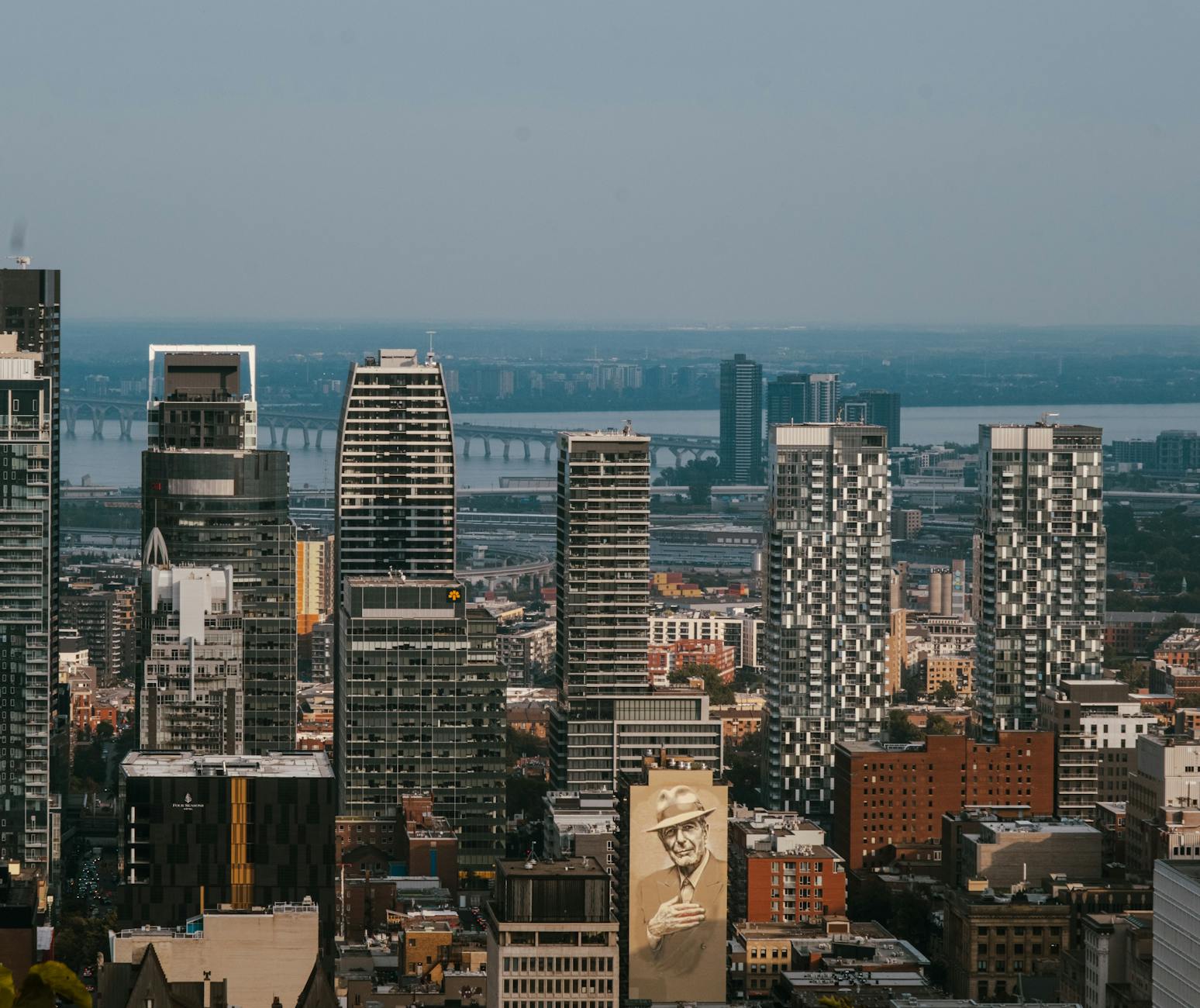
Montreal is one of the few North American cities that feels fully itself within the first hour.
Start Here
You hear French around you but not only French. You see church towers, duplexes, metal exterior staircases, murals, bagel lines, university buildings, terraces, and a skyline that feels big enough to matter but not so big that it swallows the street. The city is not trying to sell itself as a museum, a financial capital, a beach city, or a mountain city. It is a place of neighborhoods, language, appetite, and public life. That is why so many first-time visitors like it immediately.
It is also why many first-time visitors use it badly.
The weak Montreal trip is very easy to construct. You stay downtown because it seems efficient. You walk through Old Montreal once because it is famous. You go up Mount Royal because the guidebook said to. You eat one expensive dinner that could have happened in any fashionable city in North America. You maybe see the Museum of Fine Arts or Jean-Talon Market if time allows. Then you leave thinking Montreal was pleasant, attractive, and faintly undefined.
The stronger Montreal trip works differently. It understands that Montreal is not one center with satellites. It is a city of adjoining moods. Old Montreal is the stone-fronted historical argument. Downtown is the practical modern argument. The Plateau is the urban-living argument. Mile End is the cultural-texture argument. Mount Royal is the geographic argument. The market districts and neighborhood restaurants are the appetite argument. The French language is not decoration over all of this. It is one of the things holding the city together.
That matters because Montreal is not mainly a checklist destination. The city does have major sights. Some of them are excellent. But what makes Montreal memorable is not simply having visited them. It is the way the city feels when the day is built correctly. A morning in Old Montreal followed by a climb or transit shift into more lived-in neighborhoods feels different from an all-day loop trapped inside the tourist core. A summer evening on a terrace feels different from a rushed landmark meal. Staying in the right district changes the tone of the entire trip.
Montreal also rewards visitors who accept its layered identity rather than trying to force a simpler story. It is not Paris in North America. It is not only a French city, not only a Canadian city, not only a food city, and not only a student city. It is all of those things at once, with enough confidence to avoid explaining itself too much. That is part of the pleasure. The traveler does not need to solve Montreal. The traveler needs to use Montreal properly.
The city in one sentence: Montreal is a French-speaking, neighborhood-led city whose best first trip comes from balancing language, food, terraces, Old Montreal, Mount Royal, and lived-in districts instead of treating the city like one historic quarter plus a few famous stops.
Basic data
| Population | About 1.8 million in the city; metro about 4.3 million |
|---|---|
| Area | 431 km2 |
| Major religions | Christian heritage, Muslim, Jewish, Hindu, Buddhist communities, and a large secular population |
| Political system | Mayor-council city government inside a federal parliamentary constitutional monarchy |
| Economic system | Advanced mixed market economy led by aerospace, technology, education, culture, logistics, and services |
Quick Verdict
Best for: couples, solo travelers, first-time Canada trips, food-focused travelers, walkers, culture travelers, summer and early autumn city breaks, and anyone who likes cities whose character is built from neighborhoods instead of one monumental center.
Not ideal for: travelers who want everything contained in one tiny old core, people who dislike switching between districts, or anyone expecting mountain scenery, beach weather, or a conventional North American downtown-only trip.
Ideal first visit: 3 full days.
Minimum worthwhile stay: 2 full days.
Best overall months: late May, June, September, and early October.
Best summer case: if you want terraces, festivals, markets, bikes, long evenings, and a city that does a remarkable amount of its best work outdoors.
Biggest planning mistake: spending too much of the trip in Old Montreal and downtown and not enough in the neighborhoods that make the city feel inhabited.
One thing to prioritize: where you stay. Montreal is forgiving, but the wrong base can make the city feel generic, while the right base makes it feel unusually complete.
One thing to leave flexible: one meal block and one neighborhood block. Montreal often rewards appetite and drift more than overprecision.
The blunt version: Montreal is one of North America's strongest first-time city trips if you use it as a neighborhood city with a French-speaking center of gravity, not as a sightseeing checklist.
Who Will Love Montreal?
Montreal works extremely well for travelers who like cities with a visible social life. Some places are admirable from a distance. Montreal wants to be occupied. Cafes spill outward, terraces matter, parks matter, markets matter, corner bars matter, and whole districts feel built for walking without a defined destination. That makes the city especially good for visitors who want more than attractions and logistics.
Couples tend to do well here because Montreal can be romantic without becoming theatrical. It has beautiful old streets, good restaurants, strong hotel options, evening light, and enough urban texture to keep a three-day stay from collapsing into sameness. The romance comes less from one postcard and more from the city’s rhythm.
Solo travelers also do well because Montreal is legible in parts. You do not need to understand the whole city at once. You can build the trip district by district and still feel rewarded. It is one of those places where being alone with time, coffee, and walking shoes is not a fallback version of the trip. It is often the correct version.
Food travelers should be here with seriousness. Montreal is not only about one or two famous local items, though those matter. The city’s real strength is that eating is built into daily life rather than reserved for special-occasion splurging. Markets, neighborhood bakeries, wine bars, small restaurants, bagel shops, Portuguese grilled chicken, Levantine food, Jewish deli traditions, and seasonal produce all belong to the same urban system.
The city is less ideal for travelers who need their first visit to resolve around one central monument. Montreal does have icons. None of them alone explains the destination. That is a strength if you like complexity and a weakness if you want one obvious answer.
Montreal at a Glance
| Question | Practical Answer |
|---|---|
| Main airport | Montreal-Trudeau International Airport (YUL) |
| Main city transit system | STM |
| Useful airport public link | 747 bus between YUL and downtown metro/bus hubs |
| Best first-time base | Old Montreal edge, downtown near good metro access, or Plateau-adjacent depending style |
| Signature structural contrast | Old Montreal and downtown versus Plateau, Mile End, and surrounding lived-in districts |
| Signature geographic anchor | Mount Royal |
| Signature market anchor | Jean-Talon Market |
| Signature history anchor | Old Montreal and Pointe-a-Calliere |
| Signature art anchor | Montreal Museum of Fine Arts |
| Car needed? | No |
| Emergency number | 911 |
| Tap water | Safe to drink |
| Currency | Canadian dollar |
| Power plugs | Type A and B |
2026 Visitor Notes
The 747 Bus Still Matters
YUL’s own airport guidance confirms that the 747 bus continues to connect the airport with Lionel-Groulx and Berri-UQAM, with 24/7 service and a downtown run time that varies by stop pattern and traffic.[1] That matters because Montreal is one of the rare big-city arrivals where public transportation from the airport is still a normal first choice for many travelers.
STM Fare Logic Is Straightforward Enough For Visitors
STM’s official fares page makes the visitor options clear, including the airport fare, 24-hour, and 3-day choices.[2] This is not a city where you need a car or a heroic amount of transit research. What you need is a clean understanding of whether you are taking a few strategic rides or building a pass-heavy trip.
Old Montreal Is Stronger If You Treat It As A District, Not A Photo Zone
Tourisme Montreal’s own neighborhood pages continue to present Old Montreal and the Old Port as core visitor territory, and that is correct.[3][4] But Old Montreal works best when you use it early, late, and repeatedly rather than trying to “finish” it in one block.
Mount Royal Is More Than A View Stop
Official Mount Royal material highlights the heritage weight of the Chalet du Mont-Royal and the Kondiaronk Belvedere, but the larger point for visitors is that the mountain is a structural piece of the city.[5] If you skip it, Montreal becomes flatter in every sense.
Jean-Talon Market Is Not A Token Food Stop
The official market site describes Jean-Talon as one of the largest public markets in North America and stresses its year-round role in the life of the city.[6] That is the right framing. Go because it helps explain Montreal, not because it checks a market box.
Pointe-a-Calliere Adds Needed Historical Depth
Pointe-a-Calliere’s own materials still define it as the place where Montreal was founded and the city’s major archaeology-and-history complex.[8][9] For first-timers, that makes it one of the strongest ways to keep Old Montreal from remaining only decorative.
The Museum Of Fine Arts Is Still One Of The Best Indoor Anchors In The City
The MMFA continues to publish clear visitor information and substantial operating hours, including the useful Wednesday evening opening.[7] In a city that is often sold through atmosphere, it is important to remember Montreal can do seriousness indoors too.
How to Understand Montreal
Montreal works through five forces.
The first is language. French is a daily reality here, not a theme. Even for visitors who do not speak it, it changes the sound and feel of the city.
The second is neighborhood scale. Montreal is unusually good at feeling distinct every few kilometers without becoming fragmented.
The third is public sociability. Terraces, parks, markets, and sidewalks do real civic work here.
The fourth is Mount Royal. The mountain is not wilderness. It is the physical reference point that keeps the city from becoming just another flat grid.
The fifth is the old-versus-lived balance. Montreal has one of the continent’s strongest historic districts, but the city’s personality is distributed far beyond it.
The Five Montreals A First-Time Visitor Actually Meets
Historic Montreal: stone facades, river history, church architecture, Place d'Armes, the old streets, and the city at its most formal.
Practical Montreal: downtown, metro logic, hotels, museums, business towers, and the functional core that supports the visit.
Neighborhood Montreal: Plateau, Mile End, Little Italy, Outremont edges, and the street-level city people actually inhabit.
Appetite Montreal: markets, bagels, bakeries, terraces, wine bars, delis, lunch counters, and the full food grammar of the city.
Mountain Montreal: the parks, the climb, the lookout, and the crucial reminder that this is not a purely horizontal urban experience.
The Main Mental Shift
Do not ask, "What are the top sights in Montreal?" Ask, "Which version of Montreal am I using today?" Historic, practical, neighborhood, appetite, or mountain. That creates much better days and much better transitions between them.
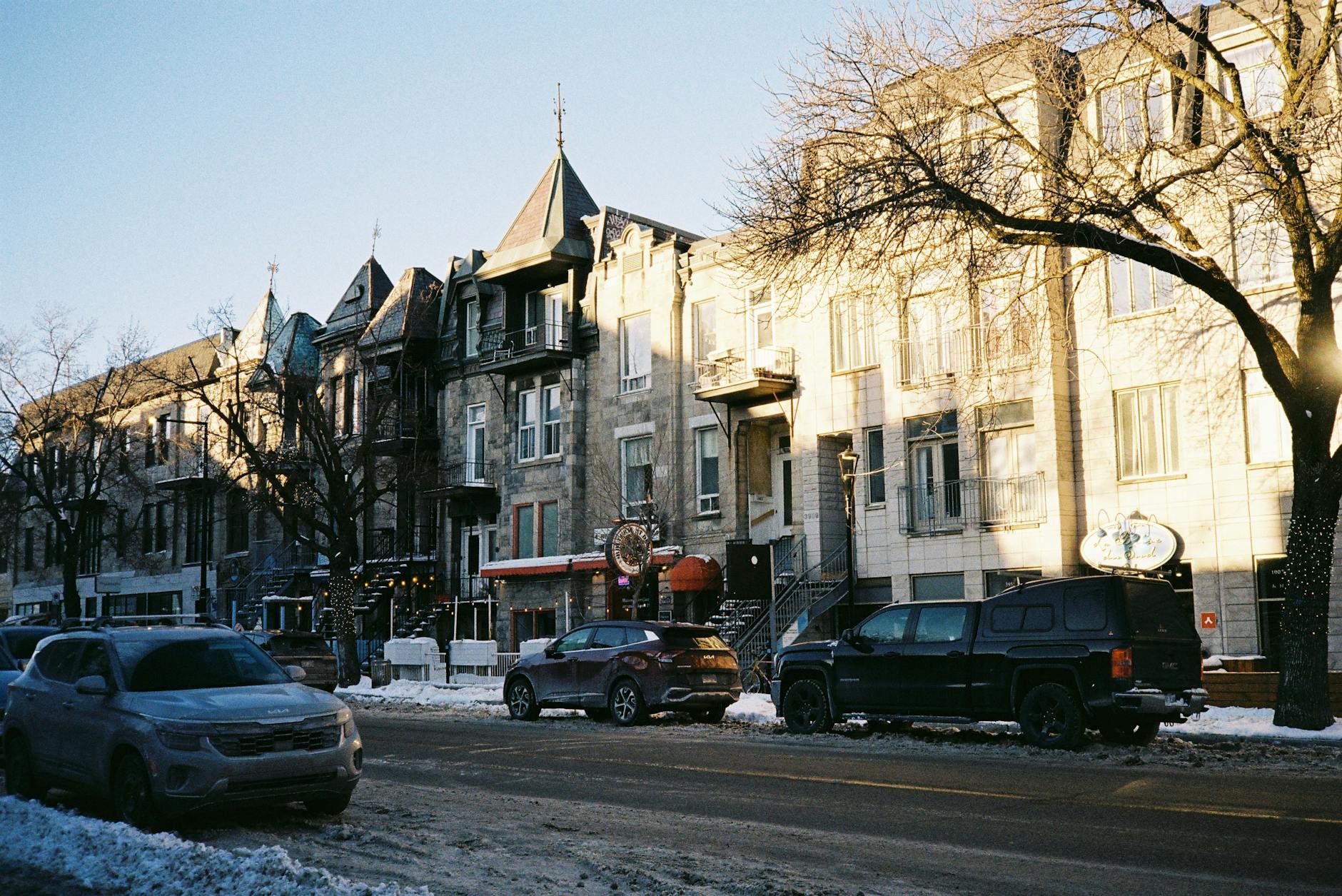
What Montreal Does Better Than People Think
Montreal is better than people think at making ordinary city life feel like travel. A short walk for coffee or lunch can feel rewarding here in a way it does not in many comparably sized cities.
It is also better than people think at balancing beauty with looseness. Some lovely cities feel overcurated. Montreal usually does not. Even the pretty districts still feel like part of a working urban system.
The city is stronger than outsiders sometimes expect at mixing cultures without flattening them. Montreal’s French foundation matters, but the city’s food and neighborhood texture come partly from how many other communities have shaped daily life.
It is also better than people think at summer urban pleasure. When the weather is good, Montreal can feel like a city designed around being outside. Terraces, BIXI bikes, parks, and long dinner hours all become part of the trip.
Finally, Montreal is better than people think at repeat walks. Old Montreal, the Plateau, and Mile End all improve when you pass through them more than once at different times of day.
Best Time to Visit Montreal
Montreal is useful in all four seasons, but not all seasons reward the same kind of traveler.
Best Overall Months
Late May, June, September, and early October are the safest recommendations. These months usually give the best combination of good walking weather, active terraces, and a city energetic enough to feel fully itself without the deepest midsummer pressure.
Summer
Summer is the city’s most obvious high season. Montreal feels expansive and sociable then. Parks fill, markets thrive, terraces become part of the daily plan, and the city’s public confidence becomes unusually visible. The tradeoff is that hotel prices rise and the most famous districts get busier.
Early Autumn
Early autumn is arguably the smartest moment for many first-timers. The city still lives outdoors, but the air sharpens, and the whole place often feels slightly more controlled.
Winter
Winter Montreal should be chosen deliberately. If you like cold-weather cities, museum days, heavier food, and a French-speaking city with snow and lights, it can be excellent. If you are hoping for terrace weather and effortless wandering, it will feel like the wrong version of the city.
Spring
Spring is transitional and less glamorous, but still viable, especially later in the season. Montreal starts reopening itself outward as temperatures stabilize.
How Many Days You Need
One Day
Enough to get a taste, not enough to understand the city. If you only have one day, cluster carefully: Old Montreal plus downtown, or Mount Royal plus Plateau and Mile End.
Two Days
The minimum respectable stay. One day should cover Old Montreal, the Old Port edge, and one historical or museum anchor. The second should belong mainly to Mount Royal and the neighborhoods north and west of downtown.
Three Days
Ideal for most first-timers. This gives you room for repetition, food, one slower district day, and one serious museum or market block.
Four Days
Excellent if Montreal is the point rather than a stop inside a broader Quebec or Ontario route. Four days lets the city feel inhabited rather than sampled.
Where to Stay in Montreal
Where you stay matters because Montreal can feel either beautifully connected or oddly thin depending on your base.
Fast Answer
For most first-time visitors, the best base is Old Montreal edge or downtown with strong metro access if you want maximum convenience, or Plateau-adjacent if you want the trip to feel more local from the moment you step outside.
Neighborhood Decision Table
| Traveler Type | Best Area |
|---|---|
| First-time couple | Old Montreal edge or downtown near good metro access |
| Food-first traveler | Plateau, Mile End edge, or downtown with easy access northward |
| Maximum atmosphere | Old Montreal, but with awareness of crowding |
| Practical short stay | Downtown near metro |
| Repeat visitor | Plateau, Mile End, or another lived-in district with transit support |
Old Montreal
Best for: atmospheric stays and visitors who want history on the doorstep. Why it works: beautiful streets, strong evening walks, and immediate sense of place. Tradeoff: tourist concentration and less of daily Montreal outside peak eating hours. Best use: short first visits and couples who want the city to look dramatic instantly.
Downtown
Best for: logistics, transit, museums, and efficient first-time movement. Why it works: practical hotel stock, easy STM use, and clean access in multiple directions. Tradeoff: parts of downtown can feel generic if you never move beyond them. Best use: visitors who want reliable structure and do not want to think too hard about transportation.
Plateau / Plateau Edge
Best for: visitors who want the city to feel like itself right away. Why it works: neighborhood texture, cafes, bars, restaurants, and walkable daily life. Tradeoff: slightly less direct for the airport and Old Montreal. Best use: longer stays, repeat visitors, and food-focused travelers.
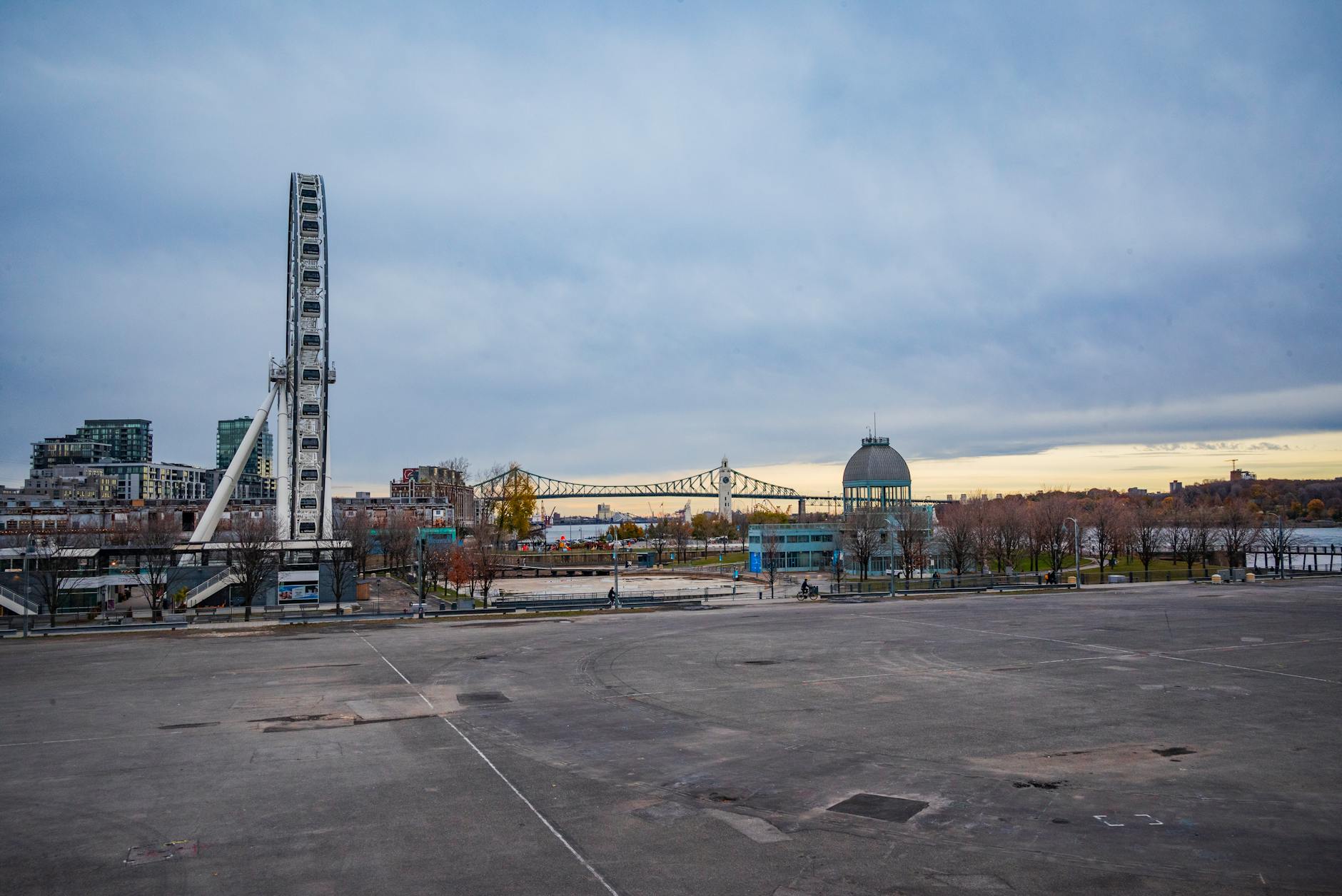
Area Profiles
Old Montreal: best for formal beauty and evening atmosphere.
Downtown: best for efficiency and transit reach.
Plateau: best for lived-in urban pleasure.
Mile End: best for cultural texture, cafes, and some of the city’s most useful drifting.
Little Italy / Jean-Talon axis: best for market logic and appetite-driven daytime use.
Neighborhood Guide: Where to Explore, Not Just Sleep
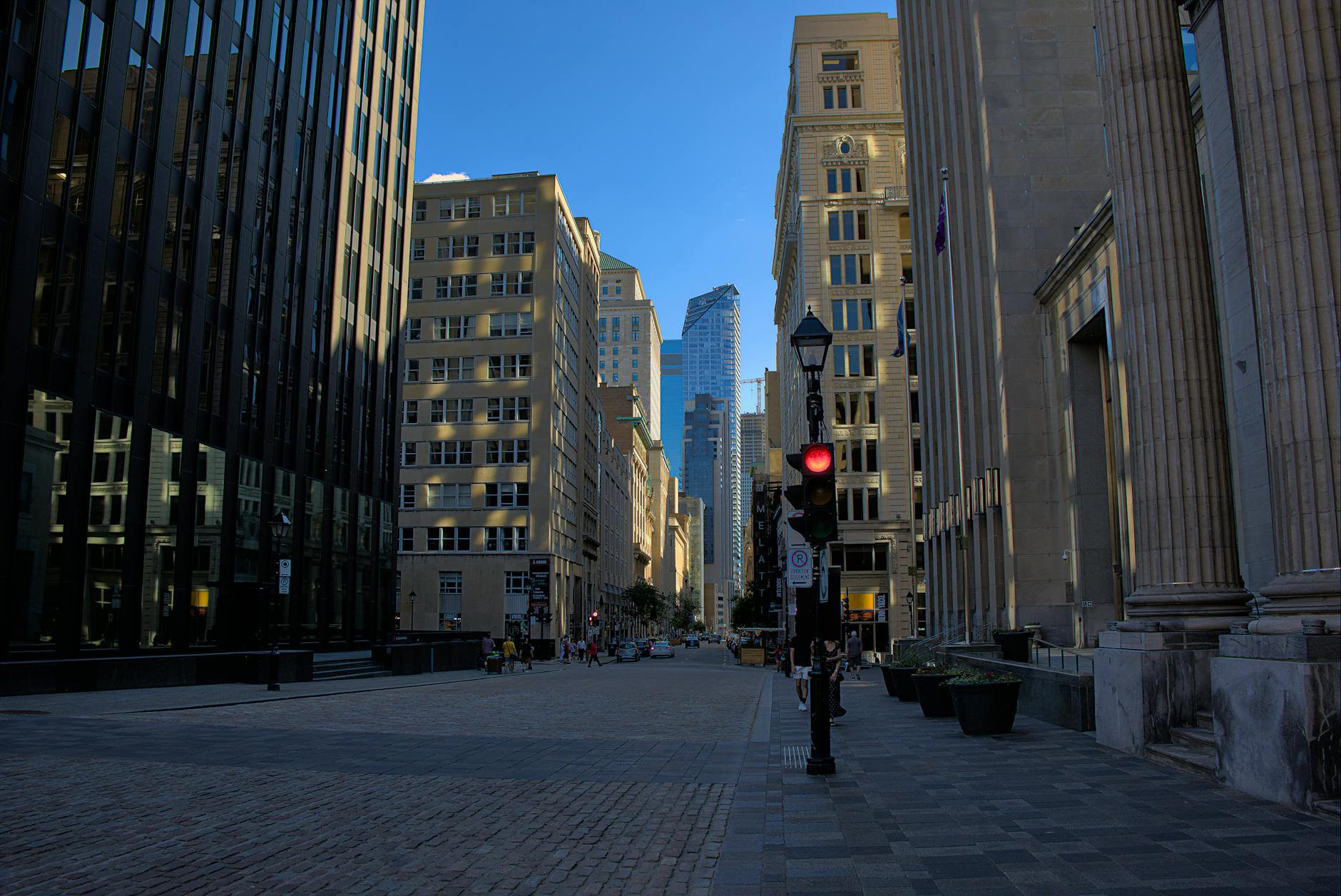
Old Montreal deserves the attention it gets, but it should not dominate the trip. The stone architecture, church interiors, squares, and old port edge all make a strong first impression.[3][4] The error is not going there. The error is treating it as sufficient.
Downtown matters less as a destination in itself than as a connector. It contains the Museum of Fine Arts, useful hotels, shopping, and transit, but its greatest value is often practical. It keeps the city open.
The Plateau is where many travelers begin to understand why Montreal attracts so much affection. The architecture becomes more intimate, the blocks feel more residential, and daily life becomes the point. This is the district where meals, bookstores, wine bars, and ordinary walks start doing as much work as formal sightseeing.
Mile End gives the city another register. It feels slightly more cultural, slightly more self-editing, and often more interesting for slow wandering than for box-checking. It is good for travelers who want Montreal’s intelligence as much as its beauty.
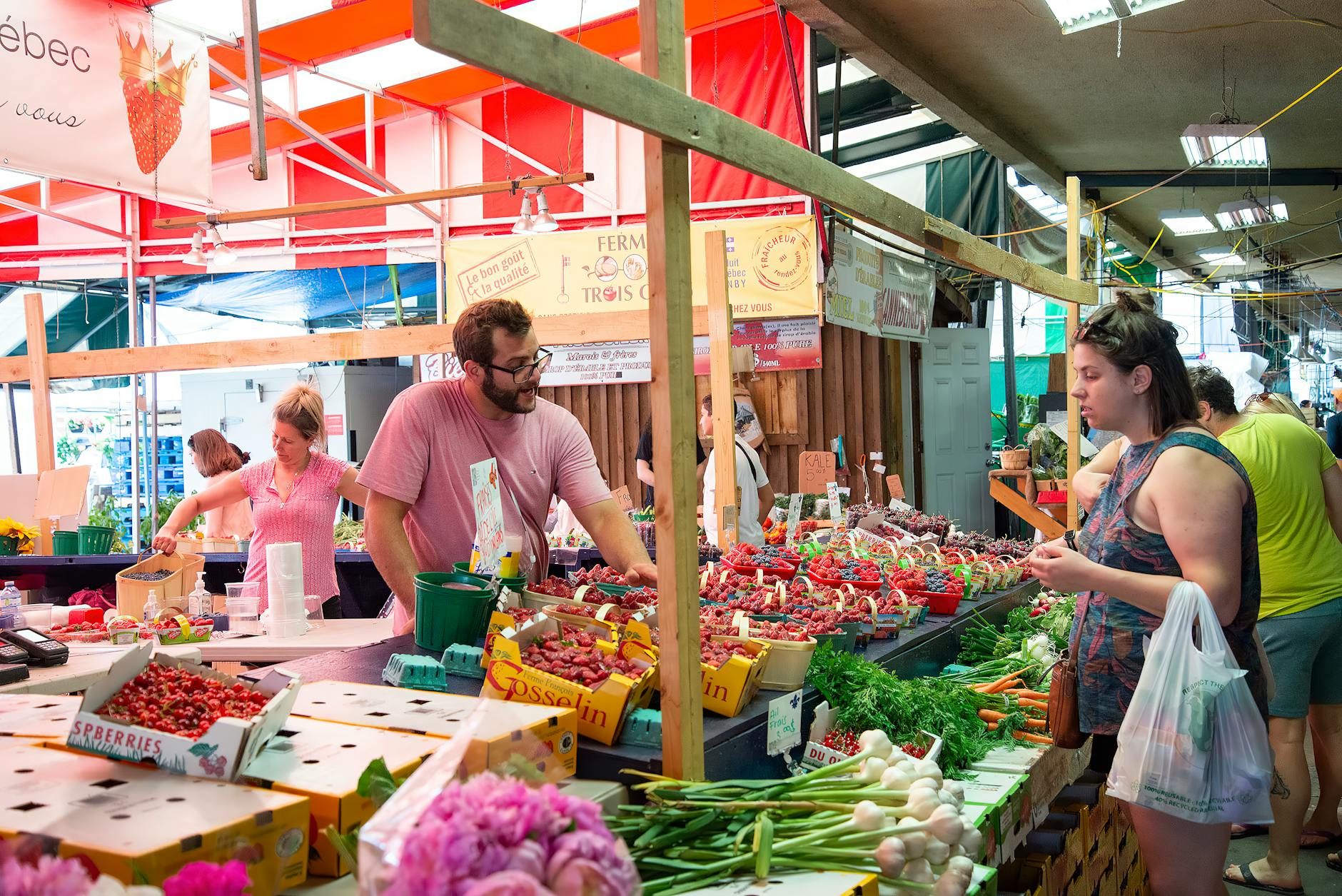
Little Italy and the Jean-Talon Market zone matter because they connect appetite to place. You are no longer just finding a good meal. You are inside one of the city’s longstanding systems of food and neighborhood life.[6]
Mount Royal should be thought of almost as a district in itself. It is the city’s breathing space and its visual organizer. Even travelers who are not especially park-driven should give it real time.[5]
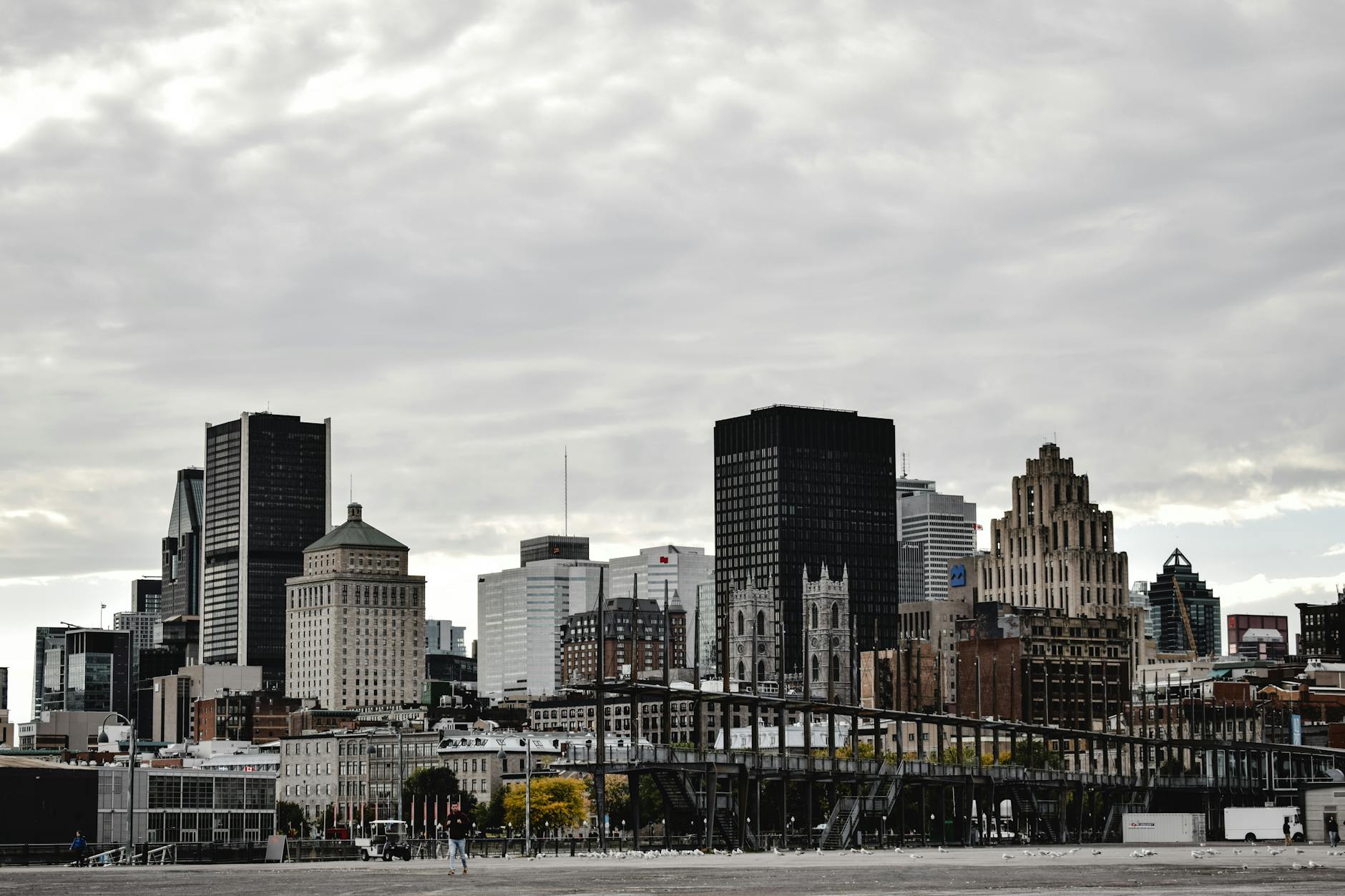
The Best Things to Do in Montreal
- Walk Old Montreal more than once, ideally at different times of day.[3]
- Use Mount Royal for both orientation and relief, not only for one quick lookout.[5]
- Give one real block of time to the Plateau and Mile End rather than just riding through them.
- Visit Jean-Talon Market because it explains Montreal’s appetite and sociability, not because it is a market on a list.[6]
- Use Pointe-a-Calliere if you want Old Montreal to feel historical rather than merely photogenic.[8][9]
- Visit the Montreal Museum of Fine Arts if you want one of the city’s strongest all-weather anchors.[7]
- Eat with structure: one classic item, one neighborhood meal, one terrace, one place that feels fully contemporary Montreal.
Itineraries
If You Have Two Days
Use day one for Old Montreal, the Old Port, and either Pointe-a-Calliere or a long evening return through the historic core. Use day two for Mount Royal, the Plateau, Mile End, and one market or museum anchor.
If You Have Three Days
This is the best first-time pattern. Keep the two-day structure, then add a third day for a slower district-based plan: Jean-Talon Market and Little Italy, another museum, more downtown and Golden Square Mile context, or a deliberate food-led day.
If You Have Four Days
Do not fill the fourth day with excess obligation. Montreal improves when one day contains slack. Use it for neighborhoods, a long lunch, repeat walking, and one well-chosen evening.
Itineraries By Traveler Type
For Couples
Stay either in Old Montreal or in a stylish downtown/Plateau-adjacent base. Balance one formal scenic evening with one more casual neighborhood dinner so the city does not become overcomposed.
For Solo Travelers
Use walking and STM as the main tools. Montreal is one of the easiest cities on the continent to enjoy alone, especially if you leave space for cafes, markets, bookstores, and public-life observation.
For Food-First Travelers
Do not put all your energy into one expensive dinner. Montreal is a cumulative eating city. Markets, bakeries, lunch counters, bagels, neighborhood bistros, and wine bars matter as much as one reservation.
For Winter Travelers
Choose a strong base, lower your daily mileage, use museums and long meals intelligently, and let the city work through warmth and interior life rather than insisting on a summer version of Montreal.
Food and Drink
Montreal’s food identity is strong enough that it gets simplified constantly. Outsiders reduce it to bagels, smoked meat, and maybe one or two French-coded restaurants. Those things are real, but they do not explain the city.
The larger truth is that Montreal eats as a daily urban habit. The city’s pleasures are distributed. One excellent coffee can matter. One market lunch can matter. One bakery run can matter. A terrace at the right hour can matter. So can a wine bar, a Syrian restaurant, a Portuguese grill, a Jewish deli, a serious contemporary restaurant, or a neighborhood bar where dinner feels unannounced rather than monumental.
That means the traveler should stop looking for one “best restaurant in Montreal” mentality and start building an eating rhythm. Make breakfast count. Use lunch to discover a district. Keep one dinner properly ambitious if you want to. But understand that Montreal’s food strength is not luxury alone. It is density of everyday pleasure.
Getting Around
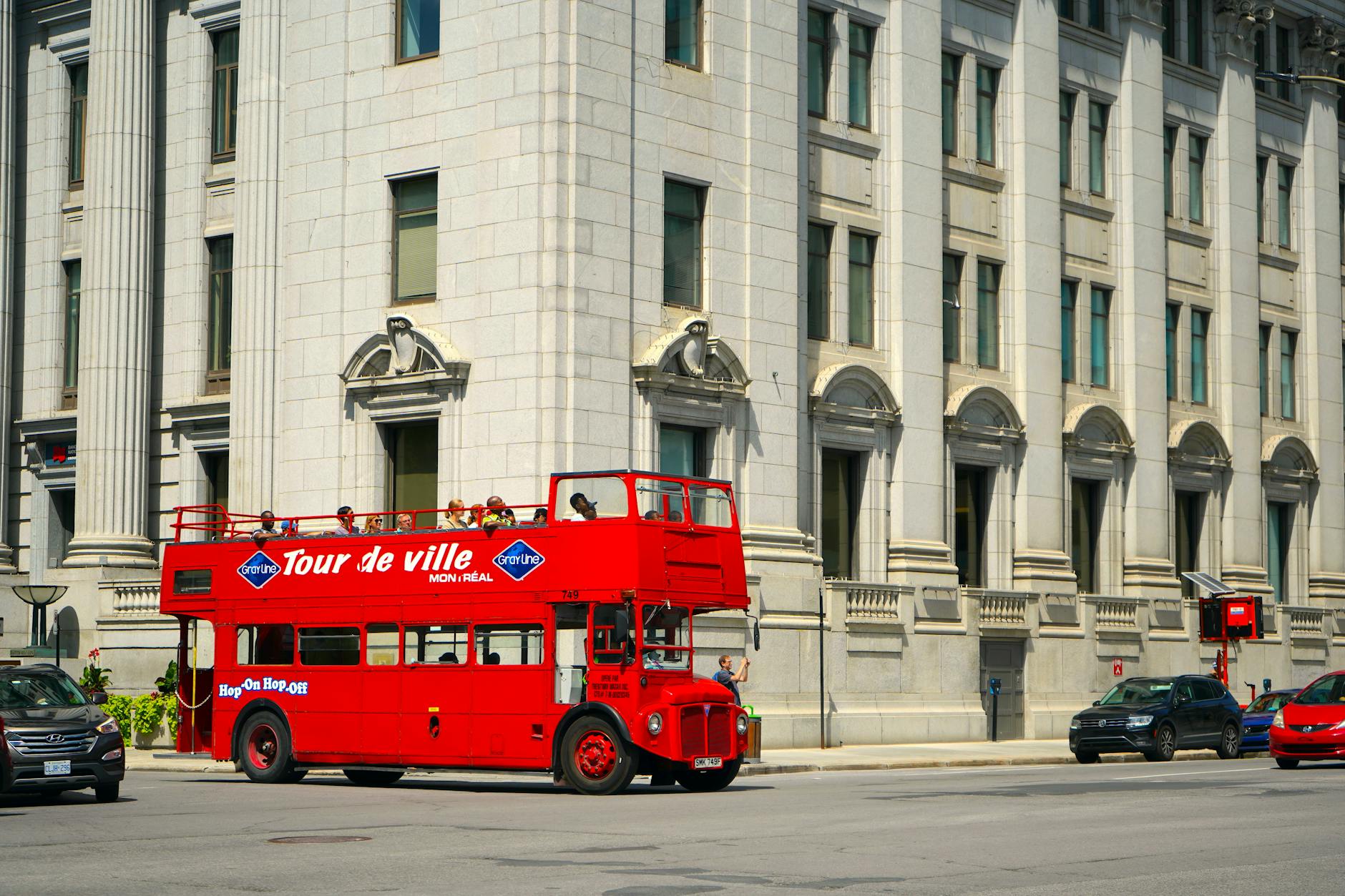
Montreal is best without a car. STM makes the city usable, and the airport bus plus metro network covers most first-time needs well.[1][2] Walking matters within districts. Transit matters between districts. That is the governing logic.
The important thing is not to over-romanticize walking. Montreal is walkable in pieces, not as one continuous sightseeing carpet. Old Montreal to downtown is easy enough. Downtown to the Plateau is possible. Old Montreal to Mile End on tired feet at the wrong hour is simply inefficient.
The practical rule is simple: use transit to change versions of the city, then walk once you arrive. That preserves energy for the blocks that deserve it.
What To Skip
Skip treating Old Montreal as the whole trip. Skip choosing a hotel solely because it seems cheapest without checking how the district actually feels. Skip planning every meal around hype. Skip racing through Mount Royal as if it were an observation deck errand. Skip comparing every pleasure to Europe. Montreal is more interesting when allowed to remain Montreal.
Common Mistakes
- Staying downtown and never moving far enough north or west to meet the real neighborhood city.
- Doing Old Montreal once at midday and assuming you now understand it.
- Treating food as a trophy rather than as part of the structure of the day.
- Underusing STM out of misplaced loyalty to walking.
- Booking too short a stay for a city whose real strengths are cumulative.
My Blunt Advice
Use Montreal as a city of districts, not a single historic quarter with add-ons. Sleep somewhere that lets the city open rather than close. Let French be part of the atmosphere instead of something to mentally translate away. Give Mount Royal real time. Give one day mostly to neighborhoods. Use markets and terraces intelligently. Let one meal be memorable and let several others be simply right.
If you do that, Montreal stops feeling like a charming Canadian city and starts feeling like one of North America’s most complete urban experiences: self-possessed, social, bilingual at the edges but French at the center, beautiful without stiffness, serious without heaviness, and full of blocks where the trip seems to improve for no dramatic reason other than that the city is being itself.
That is the correct first Montreal. Not maximum coverage. Proper use.
Where Montreal Fits in a Canada Trip
Montreal works best in a Canada itinerary when you let it represent something no other large Canadian city quite does: a genuinely neighborhood-led, French-speaking, food-serious urban life that feels continental without becoming imitation. It is not Toronto's scale, not Vancouver's setting, not Quebec City's ceremonial historical compression, and not Ottawa's institutional order. Montreal is looser, denser in daily pleasures, and more dependent on district transitions.
For first-time Canada visitors, Montreal is often the city that broadens the trip most quickly. It can follow Toronto and make the country feel less monocultural. It can follow Quebec City and make the province feel larger and more internally varied. It can stand alone and still produce one of the continent's most convincing short city breaks.
For repeat visitors, Montreal becomes even stronger because so much of its value lies beyond first-impression landmarks. Once Old Montreal, Mount Royal, and a handful of headline foods no longer need to prove themselves, the city can work through better district choices, longer neighborhood walks, and a slower attention to how French, food, and ordinary street life all hold together.
The wrong use of Montreal is as a big city with one pretty old quarter and some decent restaurants. The right use is as a city whose neighborhoods are the attraction and whose identity is strongest when you stop trying to summarize it too quickly.
Montreal Versus Toronto, Quebec City, And Paris-Fantasy Expectations
Montreal versus Toronto is less about "better" than about what kind of urban experience you want. Toronto has more scale, more vertical intensity, more corporate weight, and more ways to build a long metropolitan stay. Montreal usually wins when the traveler wants a city that feels more intimate, more district-led, and more obviously shaped by language and daily street culture. Toronto can impress through range. Montreal more often wins through texture.
Montreal versus Quebec City is an internal Quebec comparison that matters. Quebec City is stronger when you want concentration, historical form, and a trip built around scenic coherence. Montreal is stronger when you want neighborhoods, wider food range, longer urban days, and the feeling of a city that keeps changing register every few stops north or west.
The most unhelpful comparison, though, is the one visitors keep making to Paris. Montreal has French at its center, and of course some parts of the city invite easy shorthand. But the better reading is not "Paris in North America." It is "a major North American city with a French-speaking center of gravity and a wholly local urban personality." That framing protects the traveler from cliché and makes the actual city easier to value.
That is the practical conclusion. Montreal is one of Canada's strongest city trips when you let it stay itself instead of turning it into a comparison exercise.
First-Time Visitors Versus Repeat Visitors
First-time visitors often experience Montreal through a handful of powerful entry points: Old Montreal, Mount Royal, Jean-Talon Market, one good dinner, one walk in the Plateau or Mile End, and an emerging sense that the city is easy to like. That can already make an excellent trip. But first-timers often still treat neighborhoods as optional extras rather than as the city's central logic.
Repeat visitors tend to shape the city much better. They choose more intentional bases, use transit more efficiently, stop giving Old Montreal disproportionate time, and understand that the city's pleasures are cumulative rather than singular. They also tend to stop looking for "the best" bagel, market, terrace, or dinner in isolation and start reading how these things belong to daily life.
This matters because Montreal is not a city that reveals itself through one triumphant sightline. It improves through use. The second visit often makes the first one look too careful.
Why the Base Matters More Than It First Seems
Montreal is forgiving enough that many visitors assume hotel choice is almost irrelevant so long as a metro station is nearby. That is not quite true. Because the city works through district shifts and daily appetite, the base shapes whether Montreal feels alive from the moment you step outside or whether it takes too much effort to find its real energy.
The best base is not just central. It is central to the version of Montreal you want more often. Old Montreal works if you want formal beauty and strong evening walks. Downtown works if you want practical transit reach and museums. Plateau-adjacent stays work if you want the trip to feel more local and less front-loaded with visitor spaces. Each can be right. Each changes the whole mood.
This matters especially on short stays. Montreal's greatest strength is continuity between meals, walks, and districts. A good base preserves that continuity.
Why One Proper Montreal Day Matters
Montreal is easy to sample and easy to underread. A few hours can give you stone streets, one market, one park, and one strong meal, which is enough to know the city is good. It is not enough to understand why the city matters so much to people who return.
A proper Montreal day needs three chapters. Morning should usually belong to one defined district while your attention is still fresh. Midday and afternoon should widen the reading through transit or walking into a second register: perhaps Old Montreal to downtown, downtown to the Plateau, or Mount Royal to Mile End. Evening should belong to appetite and sociability, because this is one of the North American cities where dinner, wine, and terraces help explain the place as much as a museum does.
Without that full-day arc, Montreal can remain attractive but diffuse. With it, the city becomes much more exact.
Day Montreal Versus Evening Montreal
Daytime Montreal often feels generous and legible. Districts announce themselves clearly, the language environment is audible, markets and cafés are active, and the city's visual and social confidence comes through quickly. This is often when first-time visitors become attached to the place.
Evening Montreal, though, is where the city often becomes memorable. Terraces, bars, restaurants, neighborhood streets, and late walks pull much more weight than in many North American cities. The city that seemed casually appealing by day often becomes fully convincing at night.
That is why at least one evening should be protected from overprogramming. Montreal needs one stretch of time in which you are not still trying to get to the next attraction. It wants one period when you are simply in the right district at the right hour.
Why Old Montreal Should Not Own the Whole Trip
Old Montreal is one of the city's strongest first-contact districts, and there is no value in pretending otherwise. But if every decision stays trapped inside its logic, the trip weakens quickly. The area can become beautiful but over-resolved, historic but less alive than the rest of the city, and too easy to confuse with a complete answer.
What makes Old Montreal valuable is its relationship to the wider city. Downtown gives modern scale. Mount Royal gives orientation. The Plateau and Mile End give lived-in rhythm. Jean-Talon and the market districts give appetite. Museums like Pointe-a-Calliere let the old quarter mean more than stone surfaces. Old Montreal can open the trip brilliantly; it should not do every job.
The right discipline is not to avoid it. It is to keep letting the rest of Montreal answer it.
Why Montreal Often Improves on the Second Visit
Montreal improves on return because it does not depend on revelation alone. The first trip usually proves that the city is attractive, social, French-speaking, and unusually easy to enjoy. The second trip often reveals something richer: that Montreal is one of those places where ordinary use becomes the real attraction.
Repeat visitors usually choose better districts, let themselves spend longer in one neighborhood, and stop feeling compelled to "cover" the city. They understand that one afternoon in Mile End, one market lunch, one bar after a museum, or one second walk through the Plateau may be more truthful to Montreal than another famous stop.
That shift usually improves the city dramatically. Montreal turns from a very good first trip into a city people can imagine returning to repeatedly without exhausting it.
How Montreal Changes Over the Course of a Stay
On arrival, Montreal often feels immediately promising. The language, the street life, the food signals, and the architecture all suggest that the city will be easy to like. During the first major walk, though, the place begins to separate into functions: historic Montreal, practical Montreal, neighborhood Montreal, appetite Montreal, mountain Montreal.
By the first evening, the city usually becomes more convincing. It stops being simply attractive and starts feeling socially complete. The districts that looked interesting by day begin doing emotional work at night.
By the second day, the different Montreals begin to link. Old Montreal no longer stands alone, downtown becomes useful instead of generic, and the Plateau or Mile End starts to feel essential rather than optional. This is often where visitors realize the city is much stronger than its headline image.
By the third day, if you stay that long, Montreal often feels fully inhabitable. You know which district you want to eat in, which walk you would repeat, and which version of the city suits your mood. That is usually the point at which liking turns into loyalty.
Source Notes
- 1. YUL Montreal-Trudeau International Airport, official 747 airport bus page: [https://yulsatisfaction.admtl.com/hc/en-ca/articles/14541675516573-Autobus-747-YUL-Downtown](https://yulsatisfaction.admtl.com/hc/en-ca/articles/14541675516573-Autobus-747-YUL-Downtown)
- 2. Societe de transport de Montreal, official transit fares page: [https://www.stm.info/en/info/fares/transit-fares](https://www.stm.info/en/info/fares/transit-fares)
- 3. Tourisme Montreal, official Old Montreal neighborhood page: [https://www.mtl.org/en/city/about-montreal/neighbourhoods/old-montreal](https://www.mtl.org/en/city/about-montreal/neighbourhoods/old-montreal)
- 4. Old Port of Montreal, official visitor information page: [https://www.oldportofmontreal.com/visitor-info](https://www.oldportofmontreal.com/visitor-info)
- 5. Official Mount Royal site, Chalet du Mont-Royal and Kondiaronk Belvedere heritage page: [https://montroyal.montreal.ca/batiment-municipal/chalet-du-mont-royal](https://montroyal.montreal.ca/batiment-municipal/chalet-du-mont-royal)
- 6. Marches publics de Montreal, official Jean-Talon Market page: [https://www.marchespublics-mtl.com/en/marches/jean-talon/](https://www.marchespublics-mtl.com/en/marches/jean-talon/)
- 7. Montreal Museum of Fine Arts, official plan-your-visit page: [https://www.mbam.qc.ca/en/information/plan-your-visit/](https://www.mbam.qc.ca/en/information/plan-your-visit/)
- 8. Pointe-a-Calliere, official about page: [https://pacmusee.qc.ca/en/about/](https://pacmusee.qc.ca/en/about/)
- 9. Pointe-a-Calliere, official hours and rates page: [https://pacmusee.qc.ca/en/plan-your-visit/hours-and-rates/](https://pacmusee.qc.ca/en/plan-your-visit/hours-and-rates/)