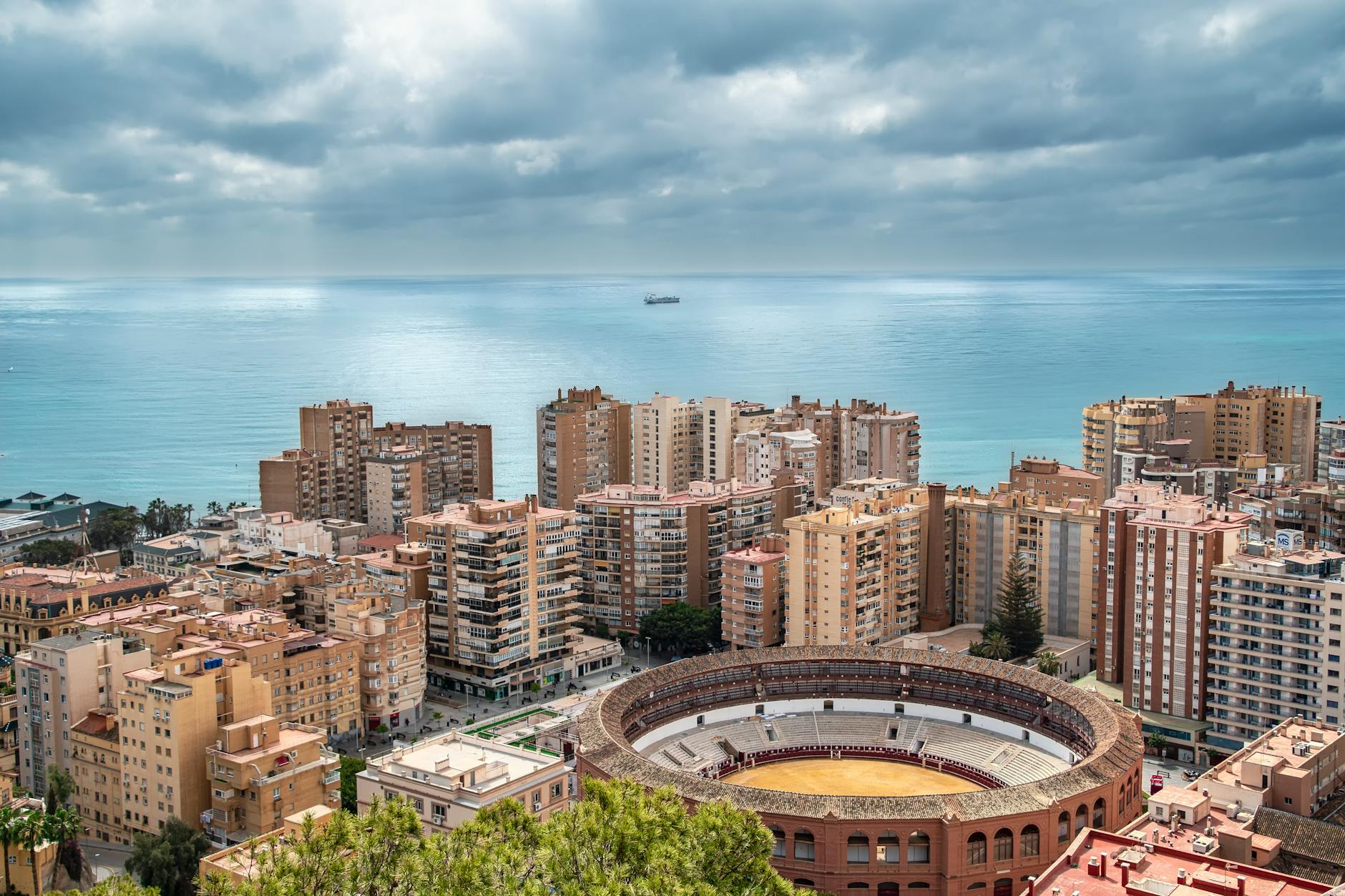
Malaga is one of southern Europe's most persistently underestimated city breaks because too many travelers continue to speak about it as if it were only infrastructure.
Start Here
They fly into Malaga, sleep in Malaga, maybe eat one decent dinner there, and then leave for some more supposedly definitive version of the Costa del Sol. Or they give the city one rushed day, walk through the center, see the cathedral from outside, perhaps enter the Picasso Museum, perhaps climb halfway toward Gibralfaro, and then conclude that Malaga was pleasant but secondary. That is the mistake.
Malaga is not Spain's most dramatic city. It is not Seville's fever dream, Granada's topographic argument, or Valencia's perfectly balanced urban system. Its strength is subtler and, for many travelers, more useful. It is a real Andalusian city with sea light, a strong old center, very workable museum density, an unusually successful port-front transition, and one of the cleanest combinations in Europe of short-break ease and actual local weight.
The key is to stop treating it like a leftover zone between airport, beach, and excursion planning.
Malaga only starts to feel thin when you ask the wrong question. If the question is, "Can Malaga out-monument Seville?" the answer is obviously no. If the question is, "Can Malaga give me several days of city, sea, food, and culture without strain?" the answer is emphatically yes. That distinction matters because the city rewards a different travel style. It does not demand maximal extraction. It rewards coherence.
What makes the city good is not one overwhelming sight but the way its parts support one another. The old center gives you compact urban pleasure: churches, lanes, bars, squares, museum entries, and the sense that Malaga is lived in rather than merely consumed. The Alcazaba and Gibralfaro give height, history, and the city's most legible visual argument. The port and Muelle Uno give openness and an easy waterfront chapter without turning the whole place into resort blankness. The beaches and eastern shore give a softer extension of the stay when wanted. The markets and museums keep the city from becoming just a promenade with tapas.
This means the best Malaga trip is usually edited in a very particular way. You use the center seriously but not endlessly. You choose whether the sea is a mood shift or a daily pillar. You decide whether the hill monuments are a central historical chapter or an atmospheric supporting one. You treat food as part of the city's structure and not merely as beach-adjacent fuel. Above all, you stop planning your escape to somewhere else before Malaga has had a chance to work.
Malaga is at its best when it feels self-sufficient. That does not mean you cannot take a day trip. It means the city itself should still be the point.
The city in one sentence: Malaga is a bright, highly usable Andalusian city where the best first trip comes from balancing old-center life, hilltop history, museums, market-and-port rhythm, and selective beach time instead of using the city as generic Costa del Sol overflow.
Quick Verdict
Best for: couples, first-time Andalusia itineraries, museum travelers, winter-sun city breaks, food travelers, and anyone who wants a city-and-sea stay without full resort energy.
Not ideal for: travelers who want a monumentally overwhelming destination, people who insist on measuring every Spanish city against Seville or Granada, or anyone who plans to spend the whole stay elsewhere and sleep in Malaga by default.
Ideal first visit: 2 to 3 full days.
Minimum worthwhile stay: 2 full days.
Best overall months: March, April, May, October, and November.
Best winter case: very strong if you want light, museums, port walks, and easier weather than much of Europe.
Biggest planning mistake: treating the city as a logistical base instead of a destination.
One thing to prioritize: the base.
One thing to leave flexible: how much beach or port time the trip really needs.
The blunt version: Malaga is one of Spain's smartest short stays once you stop asking it to be a more famous city and start using its own mix of culture, coast, and ease.
Who Will Love Malaga?
Malaga suits travelers who want a city that feels immediately usable. Some destinations take a day or two before they become legible. Malaga usually does not. The airport is close, the center is compact, the sea is visible, the hotel stock is strong, and the city gives returns quickly.
It works especially well for couples because it offers a clean blend of urban and coastal pleasures without requiring total commitment to either. You can do a museum morning, a market lunch, a hilltop monument chapter, an evening in the old center, and a sea-facing walk without feeling that you have stitched together incompatible destinations.
It is also strong for solo travelers because the city is easy to move through and has enough public life to keep even a quieter itinerary full. Malaga is not only photogenic. It is operationally friendly.
The city is particularly good for travelers who like the idea of Andalusia but do not need every day to feel operatic. Malaga gives heat, light, history, and food in a more breathable register than some of the region's more famous cities.
It is less ideal for travelers who need one giant signature monument to dominate the whole trip. The point here is ensemble quality.
Malaga at a Glance
| Question | Practical Answer |
|---|---|
| Main airport | Málaga-Costa del Sol Airport |
| Best simple airport move | Airport express bus or C1 train depending your base |
| Best first-time base | Centro / Soho / Alameda edge |
| Main historic anchor | Centro Histórico |
| Main fortress anchor | Alcazaba and Gibralfaro |
| Main art anchor | Museo Picasso Málaga |
| Main market anchor | Mercado de Atarazanas |
| Main sea-facing urban anchor | Muelle Uno / port side |
| Best coastal extension without leaving the city | Malagueta and the eastern beaches |
| Public transport backbone | walking plus airport bus/train and city buses |
| Car needed? | No |
| Currency | Euro |
| Emergency number | 112 |
| Tap water | Safe to drink |
| Power plugs | Type C and F |
2026 Visitor Notes
The Airport Is Unusually Easy For A Mediterranean City Break
Aena's official Málaga-Costa del Sol Airport pages still make two things clear: the airport has both the express airport bus into the center and the C1 suburban rail connection to Málaga Centro Alameda.[1][2] That makes arrival and departure much simpler than in many comparable destinations.
The Airport Bus Is Cheap And Direct
The official Aena airport-bus page lists the Málaga-centro express bus at 4 euros, with luggage carried free and payment possible by bank card or cash on board.[1] That is excellent short-break infrastructure.
The Alcazaba And Gibralfaro Need To Be Thought Of Together
The official municipal Alcazaba and Gibralfaro pages continue to frame the two monuments as a paired fortified ensemble, with joint-ticket logic and a shared hill-and-city reading.[3][4][5] That is exactly the right way to use them.
Museo Picasso Málaga Is A Real Core Attraction, Not Just A Name Check
The museum's official visit page continues to emphasize online ticketing, regular daily hours, and its location in the historic center close to the cathedral, Alcazaba, and Roman Theatre.[6] In practice, that makes it one of the easiest serious museums in Spain to integrate into a city day.
Atarazanas Is Still A Working Market
The Ayuntamiento's market listing keeps the practical basics visible: Atarazanas is an active municipal market with morning hours and hundreds of stalls.[7] That means it is worth using as a living place, not just an architectural backdrop.
The Roman Theatre Is Part Of The Same Core Historical Conversation
The Junta de Andalucía's Roman Theatre materials still frame the theatre as part of the archaeological and historic understanding of Malaga at the foot of the Alcazaba hill.[8] This is why the center's historical layering feels unusually legible.
How to Understand Malaga
Malaga works through five forces.
The first is arrival ease. It is one of the reasons the city is so effective for short stays.
The second is old-center compactness. Malaga's core is highly walkable without being tiny.
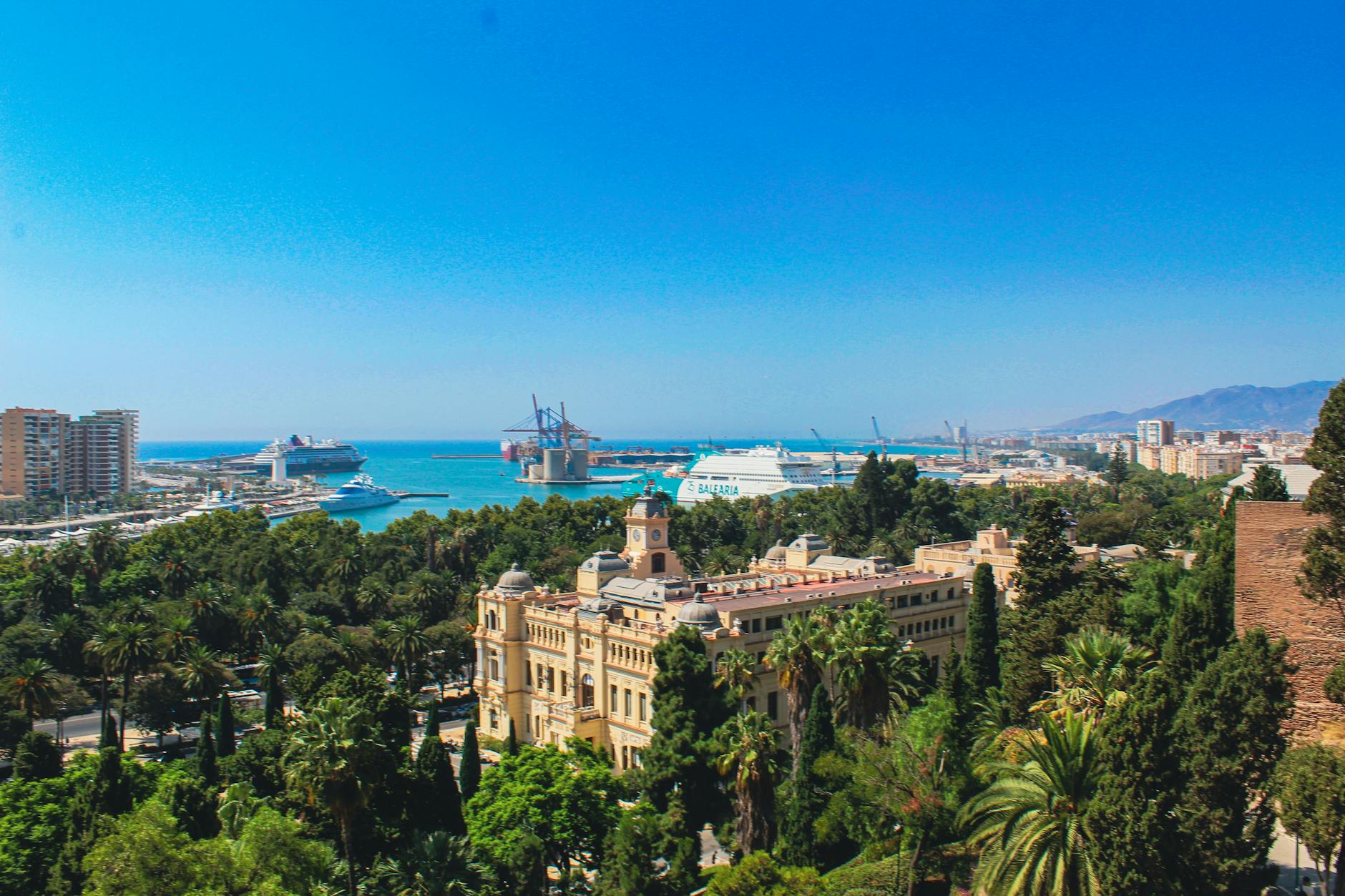
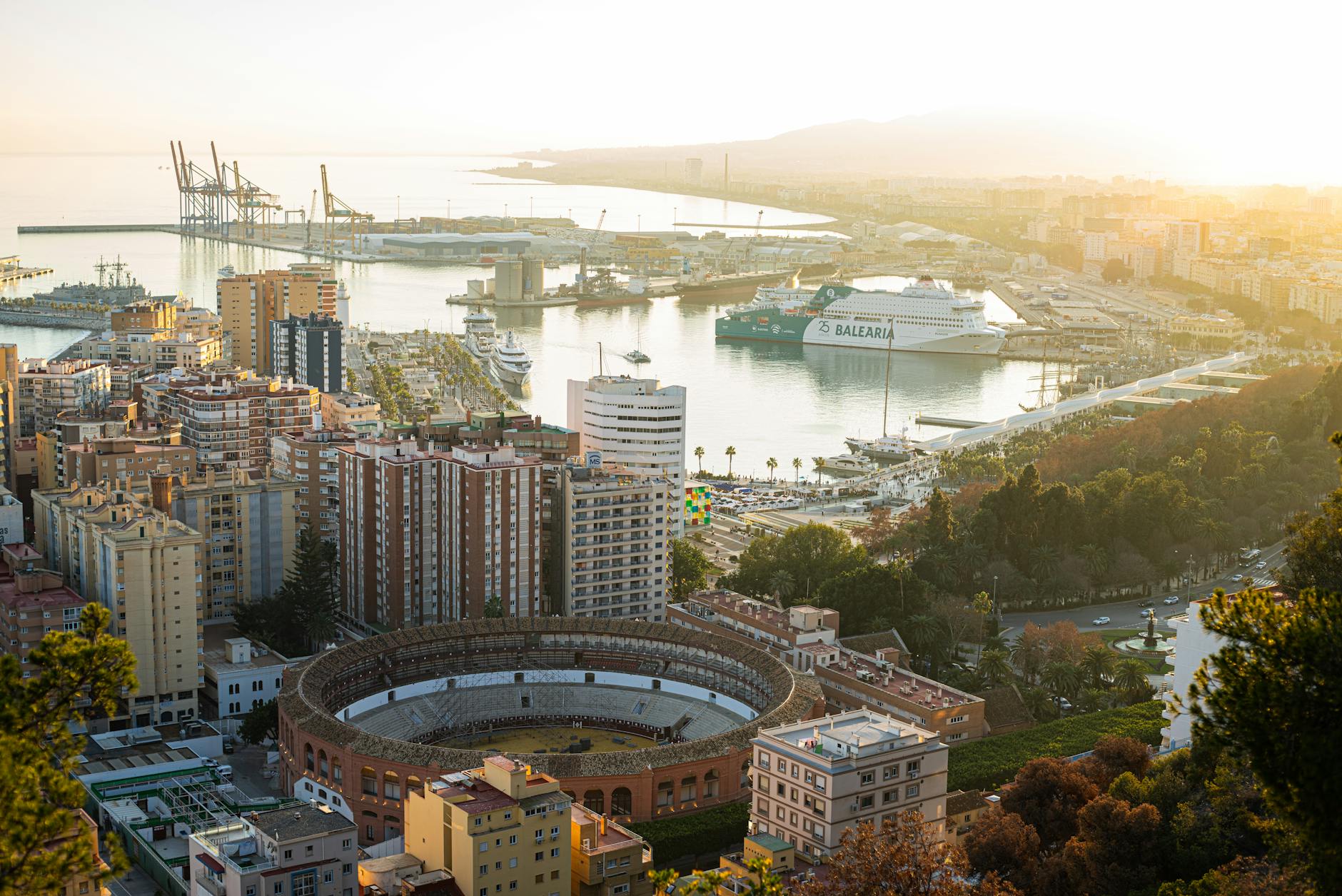
The third is hill-and-harbor contrast. The fortified heights and the open port frontage give the city its best visual tension.
The fourth is museum-and-market culture. Malaga is better than many people expect at real urban substance.
The fifth is the coast as extension, not domination. The sea matters here, but it does not have to erase the city.
The Five Malagas A Visitor Actually Meets
Historic Malaga: cathedral zone, central lanes, squares, and bar life.
Fortified Malaga: Alcazaba, Gibralfaro, Roman Theatre, and the city's defensive and topographic identity.[3][4][8]
Cultural Malaga: Museo Picasso Málaga and the broader museum city.[6]
Market-and-port Malaga: Atarazanas, Muelle Uno, and the city where commerce and sea light meet.[7][9]
Beach-edge Malaga: Malagueta and the eastern shoreline when the trip wants air and water rather than one more church interior.
The Main Mental Shift
Do not ask, "What should I do before moving on from Malaga?" Ask, "Which Malaga am I using today?" Historic, fortified, cultural, port-side, or beach-edge. The city gets much better once it is allowed to have internal variety rather than serving as prelude.
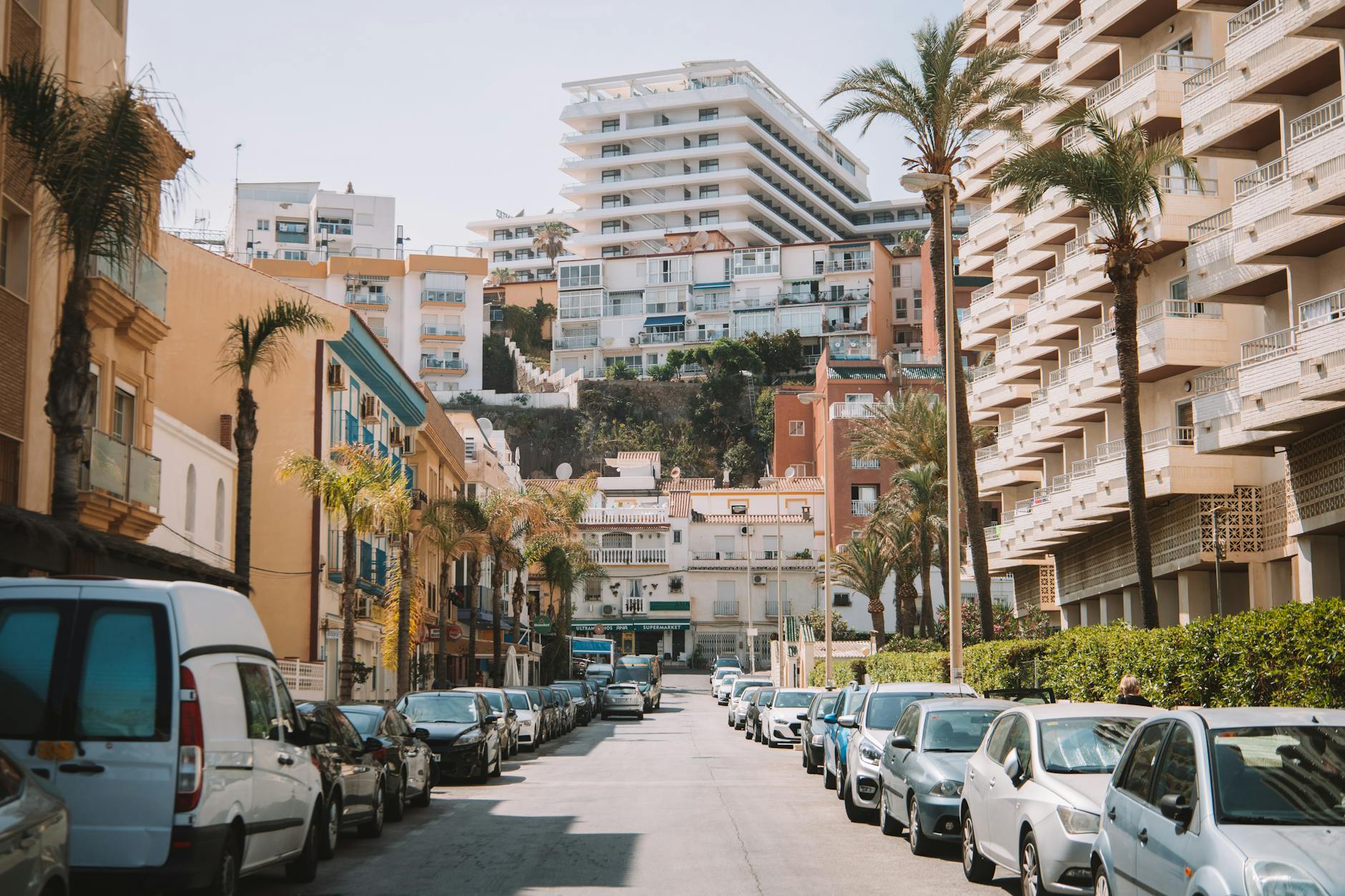
What Malaga Does Better Than People Think
Malaga is better than people think at supporting a short trip without stress. Arrival, hotel access, and daily movement are unusually manageable.
It is also better than people think at combining culture and sunlight without feeling fake. Plenty of sunny cities become blandly leisure-led. Malaga usually does not.
Another underrated strength is ensemble history. The Roman Theatre, Alcazaba, Gibralfaro, cathedral zone, and port do not create one giant monument city, but they do create a very readable one.
The city is also strong at being pleasant without becoming empty. This sounds obvious, but it is rare. Malaga feels easy, yet it still has enough density to hold attention.
Finally, Malaga is better than people think at winter and shoulder-season travel. It remains bright and sociable when other parts of Europe feel shut down.
Where Malaga Fits in a Spain Trip
Malaga fits a Spain trip best as the city that proves ease does not have to mean superficiality.
That matters because many first-time Spanish itineraries still sort cities into dramatic primaries and practical secondaries. Seville, Granada, and Madrid get treated as the “real” destinations; Malaga gets treated as the place you land, sleep, and leave from. That reading badly underuses the city.
Used properly, Malaga works in four especially strong ways.
The first is as a short standalone city break. The airport is close, the old center is compact, the hill monuments are legible, the port is successful, and the city can feel complete in only a few days.
The second is as a winter-sun city. Few European urban stays combine this much light, food, museums, and walkability with such little arrival friction.
The third is as a first Andalusian city. It introduces southern Spain through ease rather than through overload, which is often the smarter starting point.
The fourth is as a repeat-Spain city. Once you stop demanding monumental drama from every stop, Malaga becomes easier to appreciate for its proportions.
What it is not is merely the respectable option when you cannot get somewhere “better.” The city is strongest when it remains the point.
Malaga Versus Valencia
This comparison matters because both cities can appeal to travelers who want a Spanish city with sea access, good food, and less pressure than Madrid or Barcelona.
Valencia is larger, more varied, and stronger if you want a wider range of urban districts, a more ambitious museum-and-modern-architecture layer, and more substantial beach-city contrast.
Malaga is more compressed and easier to use. It gives you hilltop history, old-center sociability, museum quality, and sea light in a tighter package. The city does not try to do as much as Valencia. Its strength is that it does enough and wastes very little time.
If you want the broader city, Valencia usually wins. If you want the cleaner short-break equation, Malaga may be better.
First-Time Visitors Versus Repeat Visitors
First-time visitors often make one of two mistakes in Malaga. Either they treat it like a base and never let it become a destination, or they try to make it prove itself by comparison with louder Andalusian cities.
Repeat visitors usually do better because they stop asking the city to compete with someone else. They know whether they want a center-first stay or a more port-and-sea-facing one. They understand how much hill time they actually want. They stop reducing the city to airport ease and begin using that ease as one of the city’s advantages.
This is one reason Malaga often improves on a second visit. The first may still be defensive. The second starts to trust the city’s own balance.
Best Time to Visit Malaga
Malaga is usable year-round, but not every season gives the same city.
Best Overall Months
March, April, May, October, and November are the easiest first answers. The center is pleasant, the port and coast feel attractive rather than punishingly hot, and the city can still be walked with pleasure.
Spring
Spring is one of Malaga's best seasons. The city has energy, the sea light helps, and the old center remains enjoyable rather than oppressive.
Summer
Summer is viable, but it changes the terms. The sea becomes more central, the old center requires more discipline, and hotel quality matters more. Malaga is still good in summer, but only if you let the climate edit the day.
Autumn
Autumn is especially strong because the city keeps its brightness while becoming more comfortable to use.
Winter
Winter is a major reason Malaga works so well as a short European break. You still get light, museums, food, and port walks without needing beach weather to justify the trip.
Cooler-Season Malaga Versus Summer Malaga
Cooler-season Malaga is where the city’s structure is easiest to appreciate. Walking the center feels good, the hill monuments are less punishing, and the port or beach edge can be used as relief rather than as survival strategy.
Summer Malaga can still work very well, but the city changes terms. Shade, hotel quality, midday editing, and sea access all become more important. In summer the city is stronger when you stop pretending the old center should absorb unlimited afternoon energy.
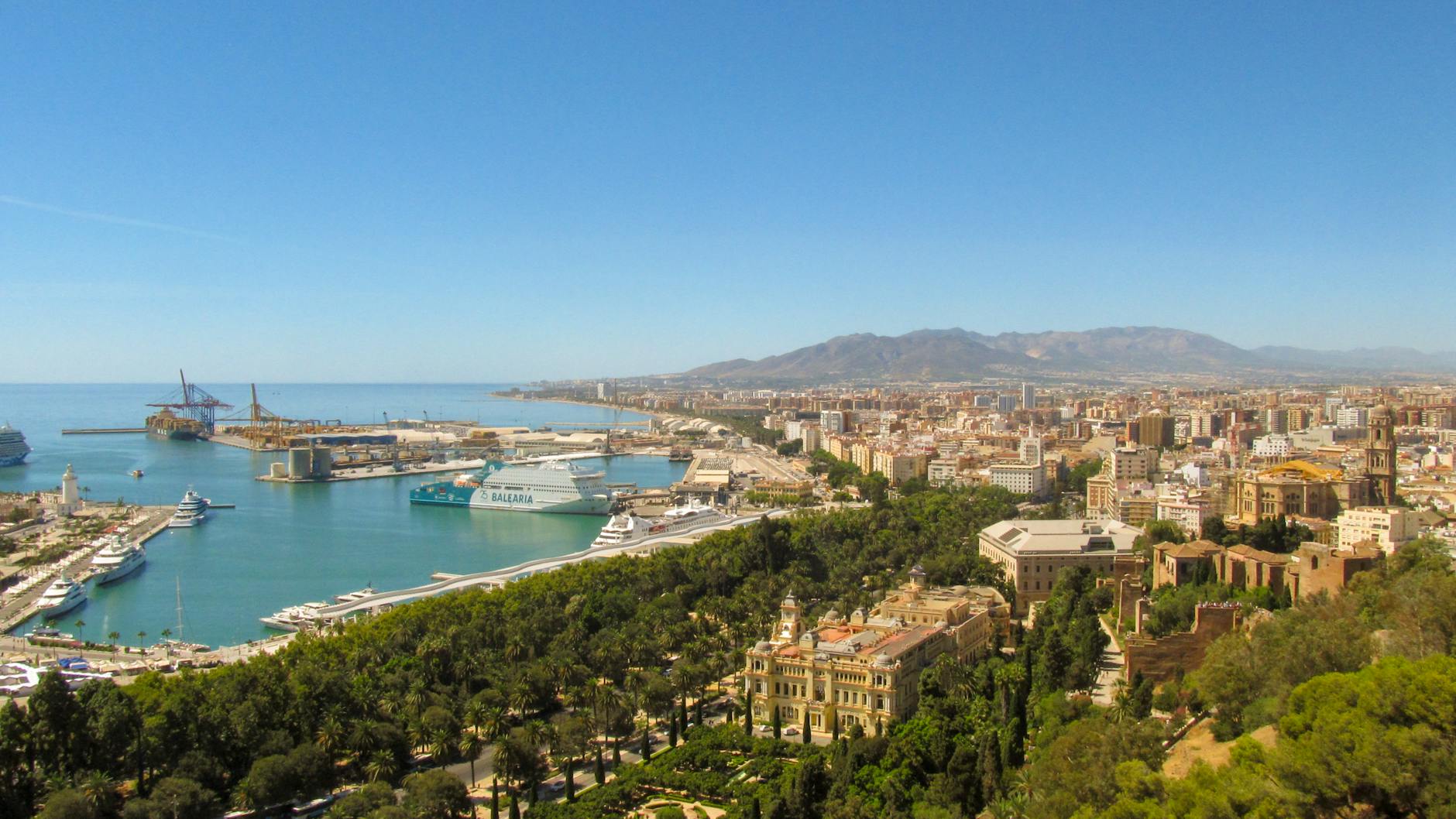
How Many Days You Need
One Full Day
Enough to see the center and one major anchor, but not enough for the city to feel complete.
Two Full Days
The minimum strong version. One day should belong to the old center, market, and one museum. The second should handle the hill monuments and sea-facing Malaga.
Three Full Days
Ideal for most first-time visitors. This gives room for cultural Malaga, fortified Malaga, and one looser day that lets the port or beach edge matter.
Four Days Or More
Very good if you want to include an actual beach chapter or a day trip without reducing Malaga itself to transit infrastructure.
Why One Proper City Day Matters
Travelers sometimes assume that because Malaga is easy, it can be understood almost accidentally. That is not quite true.
One proper city day means a day where Malaga itself carries the argument. The center gets enough time to feel urban rather than touristic. The market is used as a working place. One museum matters. The hill chapter has enough energy behind it. The evening belongs to the city and not only to recovery. Without that day, Malaga can remain merely pleasant. With it, the city becomes specific.
Where to Stay in Malaga
Where you stay in Malaga determines whether the city feels urban, polished, coastal, or generic.
Fast Answer
For most first-time visitors, stay in Centro, Soho, or around the Alameda edge. These areas keep the old center, museums, market, and port in practical relationship. Stay farther east or directly beach-side only if sea time is truly central to the trip.
Neighborhood Decision Table
| Traveler Type | Best Area |
|---|---|
| First-time couple | Centro edge / Soho / Alameda |
| Museum-and-food traveler | Centro or Soho |
| City-and-port traveler | Soho / Alameda / port-adjacent |
| Beach-aware traveler | closer to Malagueta or eastward, with intention |
| Cleanest all-round answer | Soho / Centro edge |
Centro
Best for: first-time atmosphere and maximum walkability. Why it works: old-center pleasures, museums, churches, bars, and plazas are close together. Tradeoff: the deepest core can feel busy and noisy. Best use: short stays that want Malaga's historic side front and center.
Soho / Alameda Edge
Best for: balance. Why it works: you get easy access to the center, market, station side, and port without feeling sealed inside the old core. Tradeoff: the immediate street mood can be less romantic than the oldest center. Best use: the most reliable first-time base for many travelers.
Port / Malagueta Side
Best for: city-and-sea travelers. Why it works: a more open and luminous relationship to Malaga. Tradeoff: the old center becomes slightly less immediate depending on exact location. Best use: longer stays or summer stays where the coast genuinely matters.

Why The Base Matters More Than Visitors Expect
Malaga is one of those cities where “central enough” is not a sufficient hotel strategy. A hotel can be perfectly acceptable on the map and still weaken the trip if it places the wrong version of the city around you.
Stay in the center and Malaga feels historical, sociable, and food-led. Stay in Soho or the Alameda seam and the city often feels more balanced between center, station, and port. Stay too beach-led by default and the city can begin dissolving into generic Mediterranean leisure before its urban identity has had a chance to work.
This is why the base matters. In Malaga, your hotel decides whether the city feels like a destination or a convenient climate.
Area Profiles
Centro Histórico: best for atmosphere, eating, and historic Malaga.
Soho / Alameda: best for practical balance and cleaner daily movement.
Alcazabilla / hill-foot zone: best for historical layering and monument access.
Port / Muelle Uno: best for openness and waterfront mood.[9]
Malagueta / eastern shore: best for sea chapters.
Neighborhood Guide: Where to Explore, Not Just Sleep
The historic center is the emotional core of the trip, but it should not be treated as the whole city. Its value lies in compactness, not endlessness.
The Alcazabilla side matters because it condenses several Malagas at once: Roman Theatre, Alcazaba, museum access, and the vertical pull toward Gibralfaro.[3][8]
Soho is useful less because it is the city's most beautiful quarter and more because it can make the trip function better. That matters.
The port and Muelle Uno are not just shopping-and-restaurants filler. They are part of Malaga's sea-facing identity and a key reason the city feels more open than many other Andalusian centers.[9]
The beaches to the east should be used deliberately. They are an excellent mood shift, but they do not need to dominate every first-time stay.
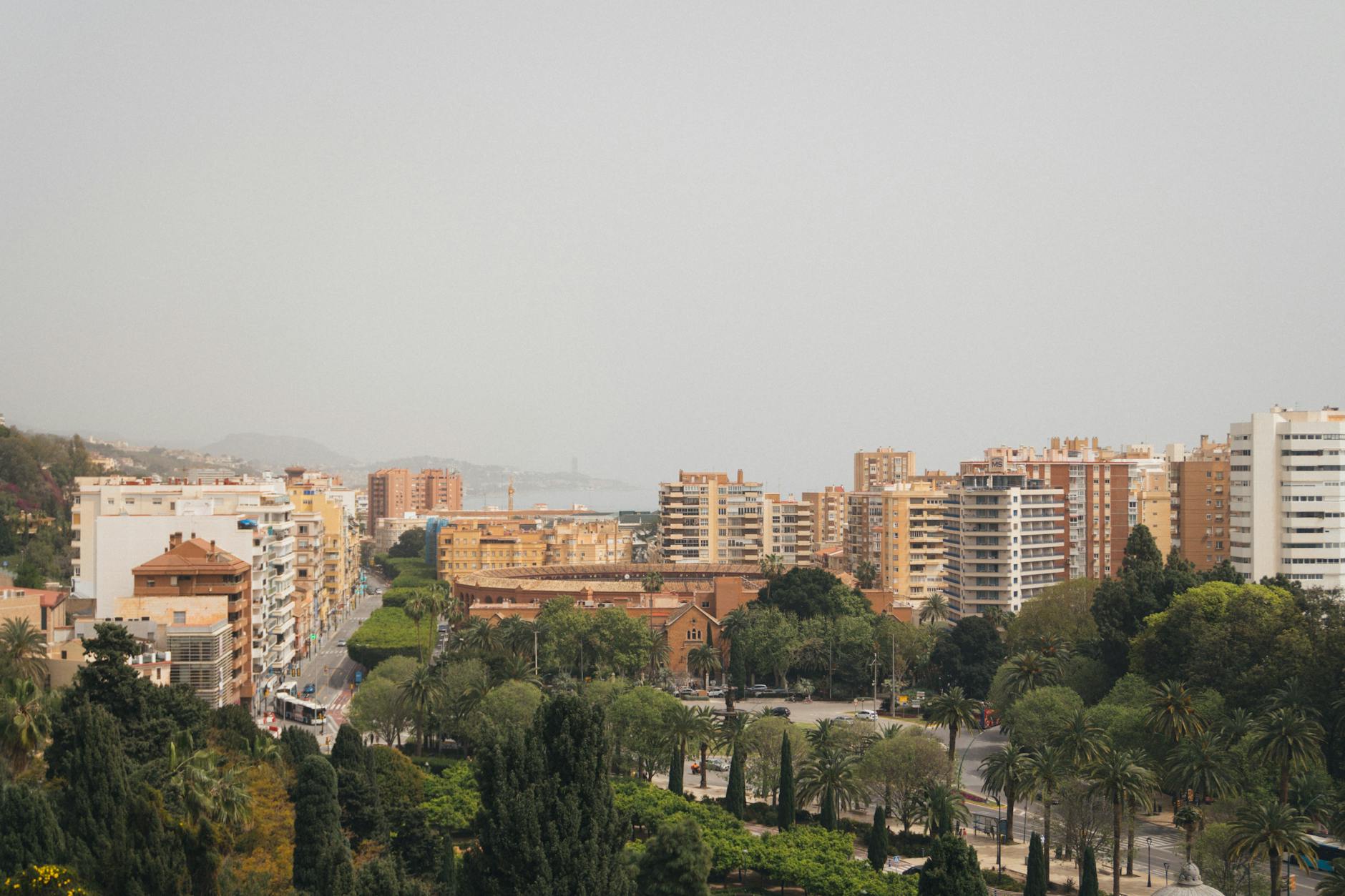
Day Malaga Versus Evening Malaga
Daytime Malaga is about legibility. You see how the center, hill, museum, market, and port relate. The city feels bright, compact, and highly usable, but also potentially a little exposed in warmer weather.
Evening Malaga is often the corrective. The center becomes more social than simply walkable. The port becomes more atmospheric than functional. The old city starts behaving like a place to inhabit instead of only a route to cover. This is one reason weak Malaga trips underperform: they understand the city during its most logistical hours but never let it become evening-urban in a meaningful way.
Why The Coast Should Not Own The Whole Trip
The sea is one of Malaga’s strengths, but it becomes weaker when it is asked to explain the whole city.
If every decision bends toward beach logic, the old center starts shrinking, the market and museum city disappear, and Malaga risks becoming interchangeable with easier Mediterranean coast stops. A better trip lets the coast support the city rather than replace it.
The Best Things to Do in Malaga
- Use the old center seriously enough that Malaga feels like a city, not just a promenade.
- Pair the Alcazaba and Gibralfaro as one fortified-hill chapter rather than isolated stops.[3][4][5]
- Give Museo Picasso Málaga real time if art matters to you.[6]
- Visit Atarazanas in the morning when it is functioning as a market.[7]
- Let one part of the trip belong to the port or sea edge without surrendering the whole stay to beach logic.[9]
- If you want a beach, treat it as a chapter, not a moral obligation.
Itineraries
If You Have One Full Day
Do the old center and one major anchor in the morning, use the market or museum well, then choose between the hill monuments and the port. Do not try to stretch the city into a fake long-stay itinerary.
If You Have Two Full Days
Use one day for historic and cultural Malaga. Use the second for Alcazaba, Gibralfaro, and the port or beach edge.
If You Have Three Full Days
This is the ideal first pattern. One day for center and museum Malaga. One for fortified Malaga. One for port, market, slower food, and a possible sea-facing chapter.
Itineraries By Traveler Type
Culture-first traveler: center, Picasso Museum, cathedral surroundings, Alcazaba, and one lighter port chapter.
City-and-sea traveler: Soho or port-aware base, one old-center day, one hill day, and one looser coastal chapter.
Winter-break traveler: city, museums, market, and port first; beach optional.
First-time Andalusia traveler: let Malaga be a real stop, not a transit shrug.
Food and Drink
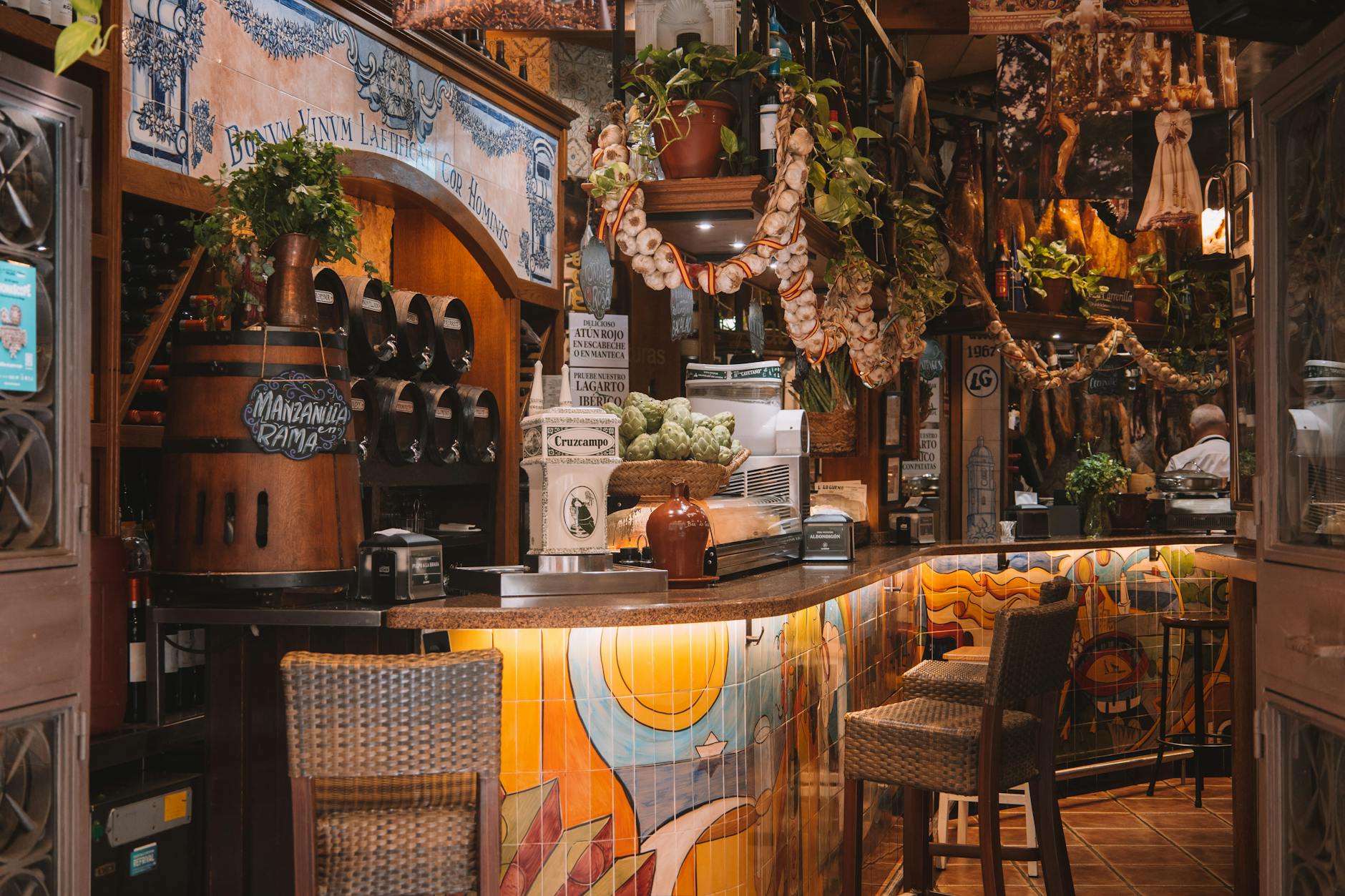
Malaga works best when you eat according to place. Atarazanas in the morning belongs to produce, seafood, and the city in working mode.[7] The old center belongs to bar-hopping and slower evening appetite. The port belongs to light and openness more than to culinary authenticity for its own sake.
The main mistake is to let beach-adjacent expectations flatten the city's food life. Malaga is better than that. Eat in the city as well as by the sea.
Why Food Is Structural, Not Decorative
In Malaga, food is not simply what happens between monuments. It is part of how the city keeps its urban authority.
Atarazanas belongs to morning and working-city rhythm. The center belongs to bars and slower evening appetite. The port belongs to light and openness. The coast belongs to relief when genuinely wanted. Meals placed well help each district feel complete. Meals placed badly make the city feel generic. That is why food matters structurally here.
Getting Around
Malaga is easy to move through once you choose the right base. Aena's official airport pages make clear that both the express bus and the C1 rail line connect the airport to central Malaga.[1][2] Within the city, walking does most of the work, with buses or a taxi helping when you want to save your legs for the hill chapter.
The practical rule is simple: keep each part of the day geographically honest. Malaga weakens when the traveler keeps planning as if every neighboring coast possibility must be squeezed in.
Why Malaga Often Works Better Than It Sounds
If you describe Malaga lazily, it can sound like airport convenience plus a nice old center, one fortress, one museum, and a port with restaurants. That summary misses what makes the city so effective.
Malaga works because its elements reinforce one another. The airport improves the stay. The center gives it density. The hill gives it perspective. The port gives it openness. The market gives it working-city life. The coast gives it relief without needing to dominate. It is not monumental in the grand Spanish sense, but it is integrated in a way many more famous cities are not.
Why Malaga Often Improves On The Second Visit
On a first visit, many travelers are still deciding whether Malaga is mainly a base, mainly a city break, or mainly a warm-weather convenience. That uncertainty can make the stay too provisional.
On a second visit, the city often gets better quickly. You know which base suits you. You know how much beach you actually want. You stop trying to compare every corner with another Andalusian city. You begin trusting Malaga’s short-break intelligence instead of testing it.
How Malaga Changes Over The Course Of A Stay
On arrival, Malaga can seem almost suspiciously easy. The airport is near, the center is simple to enter, and the whole city appears ready to give returns without asking much from you. Some travelers conclude too quickly that this means the city is minor.
By the second day, if the trip is shaped well, the city starts separating into clearer identities. The center feels more lived. The hill monuments begin to explain the city’s topographic logic. The port becomes more than a pleasant edge. The market and museum side add weight.
By the third day, Malaga often feels more persuasive precisely because it has stopped needing to shout. Its value lies in how cleanly city, culture, and coast cooperate.
Why Movement Changes The Meaning Of Malaga
In Malaga, movement is not just logistics. It is one of the reasons the city feels so well composed. Walking from the market toward the old center, then out toward the port, then back uphill toward the Alcazaba zone changes the emotional reading of the city each time. The contrast between low open sea light and fortified height is part of the point.
That is why Malaga weakens when the route becomes careless. If the day keeps jumping between distant coastal ideas or unconnected meal plans, the city starts feeling thinner than it is. If movement is grouped intelligently, Malaga feels almost unusually complete for the effort required.
Why Malaga Should Not Be Overprogrammed
Because Malaga is so easy to use, travelers can be tempted to overfill it. One museum, one market, one hill climb, one port walk, one beach, one day trip, one more meal, one more district. On paper, all of it looks possible.
In practice, overprogramming weakens one of the city’s main strengths, which is coherence. Malaga works best when each day has one clear shape and enough room for a proper meal, a slower evening, or a second walk through the same area in better light. The stronger trip is edited, not maximal.
Why Malaga Rewards A Chosen Lane
Malaga does not require every traveler to want the same city. In fact, it becomes stronger once you admit that different visits should privilege different versions of it.
A museum-and-center traveler may want Picasso, Atarazanas, the old core, and one fortified-hill chapter. A city-and-sea traveler may want the port and Malagueta to matter more, but still needs the center to keep Malaga from becoming generic coast. A winter-break traveler may care most about light, food, and easy movement. A repeat Spain traveler may need less proof and more rhythm.
The point is not to build the perfectly balanced Malaga. The point is to choose your lane and let the city support it. Once that happens, Malaga stops feeling like a secondary Andalusian convenience and starts feeling like one of Spain’s smartest short urban stays.
What To Skip
Skip treating Malaga as a waiting room for another destination.
Skip seeing only the waterfront and concluding you have understood the city.
Skip doing the hill monuments lazily in bad light or with no energy left.
Skip sleeping in a beach zone by default if the actual trip is city-first.
Common Mistakes
The first mistake is using the city only as infrastructure.
The second is underestimating how much the Alcazaba and Gibralfaro explain the whole place.
The third is overcommitting to day trips.
The fourth is ignoring the market-and-museum side of the city.
The fifth is allowing the coast to blur Malaga into generic Mediterranean ease.
My Blunt Advice
If this is your first Malaga trip, spend less time proving how many places nearby you could reach and more time letting Malaga itself become distinct.
Stay somewhere that keeps the center and the port in useful relation. Use the market in the morning, the museum seriously, the hill monuments as one coherent historical chapter, and the sea as relief rather than replacement. Malaga does not need to impersonate a grander city to be excellent. It just needs to be taken seriously on its own terms.
Source Notes
- 1. Aena, official Málaga-Costa del Sol Airport bus page: [https://www.aena.es/es/malaga-costa-del-sol/como-llegar/autobus.html](https://www.aena.es/es/malaga-costa-del-sol/como-llegar/autobus.html)
- 2. Aena, official Málaga-Costa del Sol Airport homepage: [https://www.aena.es/en/malaga-costa-del-sol.html](https://www.aena.es/en/malaga-costa-del-sol.html)
- 3. Ayuntamiento de Málaga, official Alcazaba visit page: [https://alcazabaygibralfaro.malaga.eu/en/visits/alcazaba/](https://alcazabaygibralfaro.malaga.eu/en/visits/alcazaba/)
- 4. Ayuntamiento de Málaga, official Gibralfaro listing page: [https://www.malaga.eu/la-ciudad/instalaciones-y-espacios/detalle-de-la-instalacion/?id=248](https://www.malaga.eu/la-ciudad/instalaciones-y-espacios/detalle-de-la-instalacion/?id=248)
- 5. Ayuntamiento de Málaga, official Alcazaba/Gibralfaro schedules and fares page: [https://alcazabaygibralfaro.malaga.eu/es/visitas/horarios-y-tarifas/index.html](https://alcazabaygibralfaro.malaga.eu/es/visitas/horarios-y-tarifas/index.html)
- 6. Museo Picasso Málaga, official visit page: [https://www.museopicassomalaga.org/en/visita](https://www.museopicassomalaga.org/en/visita)
- 7. Ayuntamiento de Málaga, official Mercado de Atarazanas listing: [https://www.malaga.eu/la-ciudad/instalaciones-y-espacios/detalle-de-la-instalacion/?id=160](https://www.malaga.eu/la-ciudad/instalaciones-y-espacios/detalle-de-la-instalacion/?id=160)
- 8. Junta de Andalucía, official Roman Theatre of Malaga archaeological site page: [https://www.juntadeandalucia.es/organismos/culturaydeporte/servicios/directorio-instituciones/detalle/2595.html](https://www.juntadeandalucia.es/organismos/culturaydeporte/servicios/directorio-instituciones/detalle/2595.html)
- 9. Muelle Uno, official site: [https://www.muelleuno.com/en/](https://www.muelleuno.com/en/)