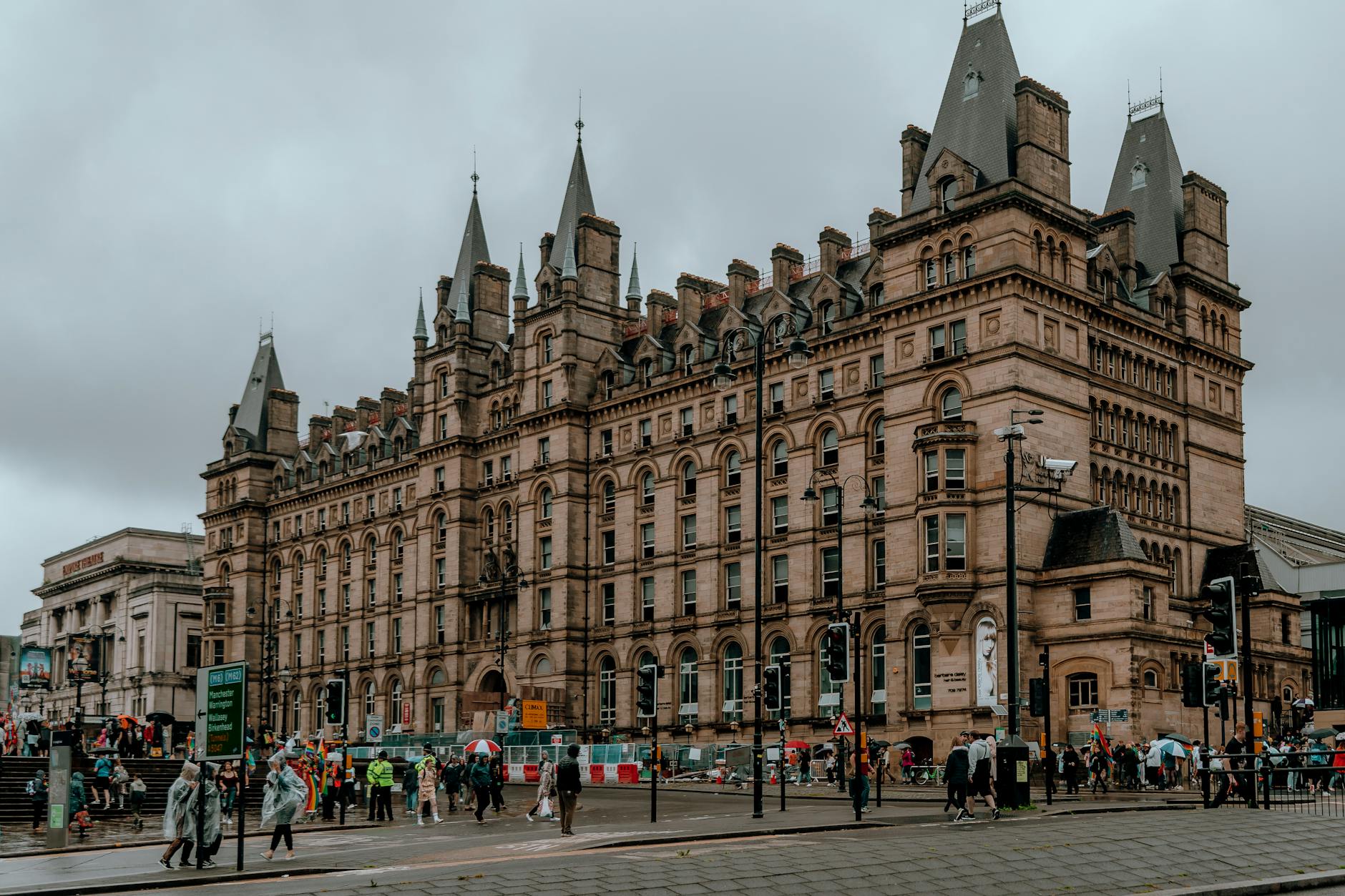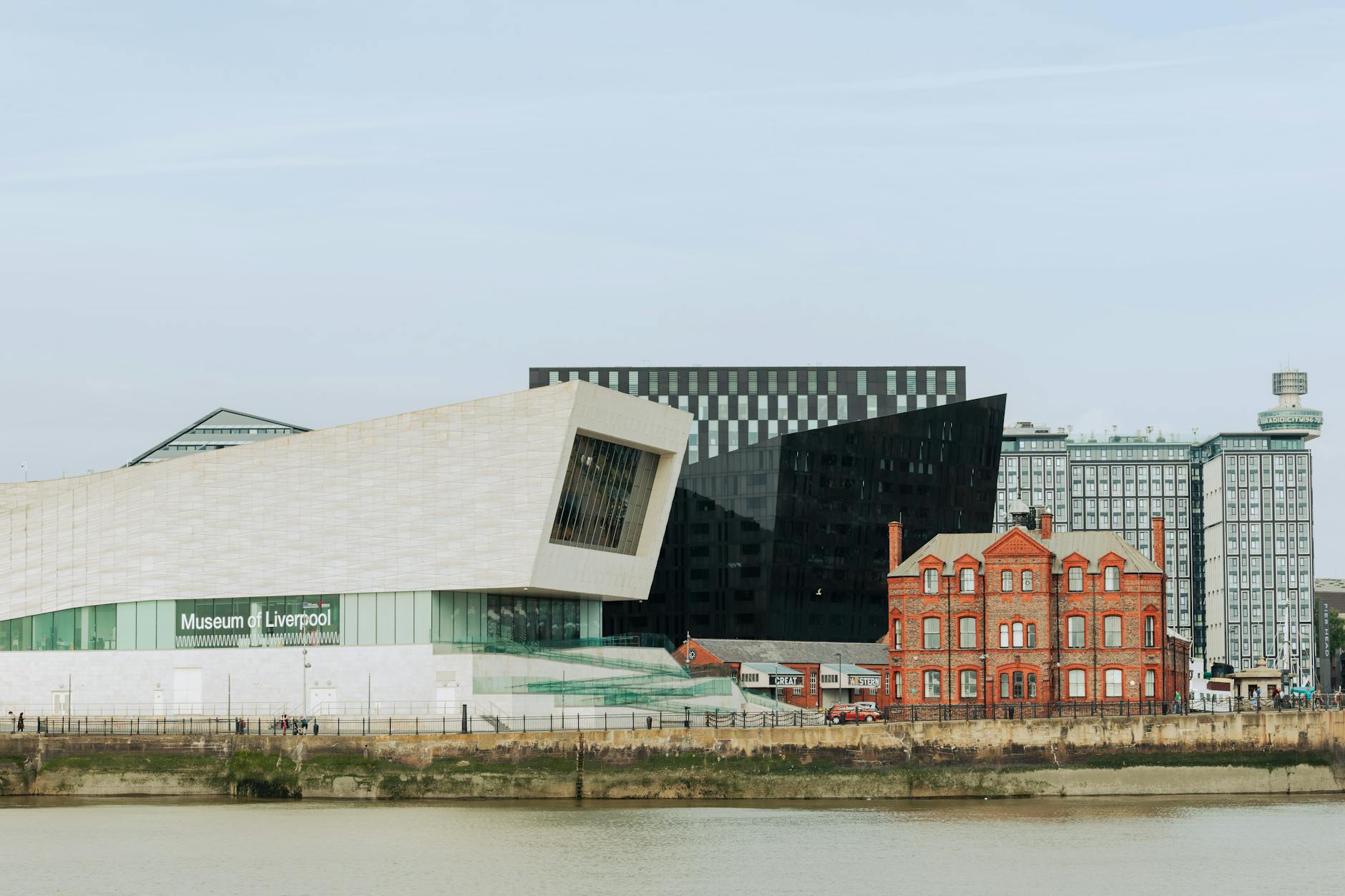
Liverpool is one of the British cities most trapped by its own shorthand. People arrive thinking in references: Beatles, football, docks, nightlife. All of that matters, but none of it explains the city. Liverpool can support a genuinely rich short stay with a strong waterfront, very good museums, polished hotels, civic architecture, and a social life that feels rooted rather than generic. The mistake is assuming one loud association can do the work of planning. The city is best when the traveler chooses a district, a tone, and a daily rhythm deliberately. Liverpool repays seriousness. It just does so in a way that still feels warm and unpretentious.
How Liverpool works
Liverpool works through tone and waterfront geometry. The city can feel civic, musical, social, museum-rich, or weekend-loose depending on where you sleep and how the day is built. That range is why it is stronger than outsiders often expect. It is not one broad center with a few famous associations attached. It is a city of different corridors and moods. The best Liverpool trips decide whether the stay is led by museums and waterfront walking, by nightlife and restaurants, by an event, or by a more polished urban weekend, then let the base reinforce that decision.
- Liverpool is a city of tones, not just references.
- The waterfront helps organize the city, but it does not explain all of it.
- A clear lane makes Liverpool feel far richer.
Best time to visit
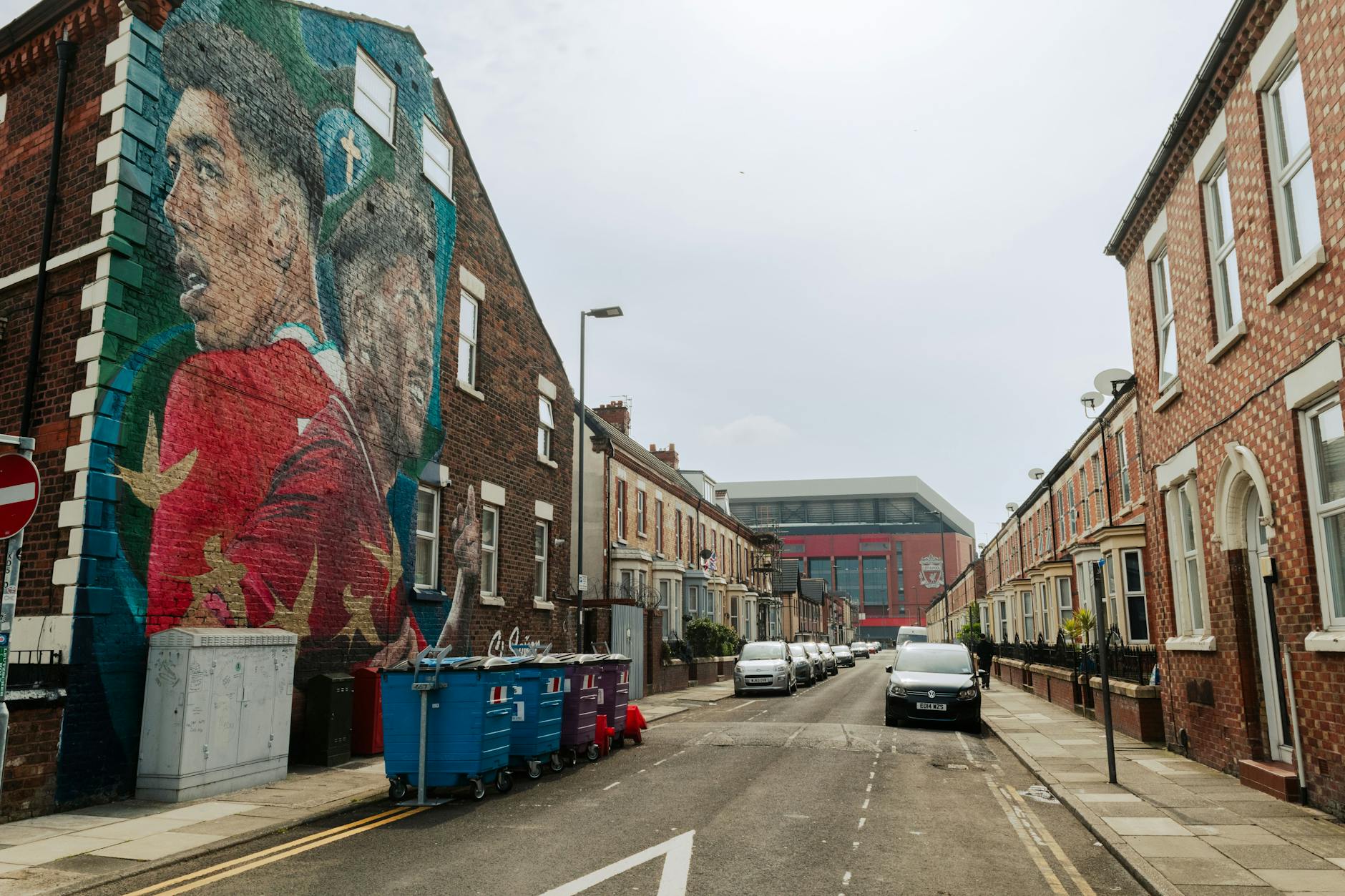
Late spring, summer, and early autumn are often Liverpool at its easiest because the waterfront, walking routes, and evening life all breathe better. The city can still work well in colder months if the route is more indoor, dining-heavy, and event-driven. Liverpool is less about perfect weather than about whether the stay has enough structure to feel like a city and not just a wet night out.
- Warmer periods are the cleanest general answer.
- The city still works in colder months with the right route.
- Season shapes rhythm more than basic viability.
Arriving and getting around
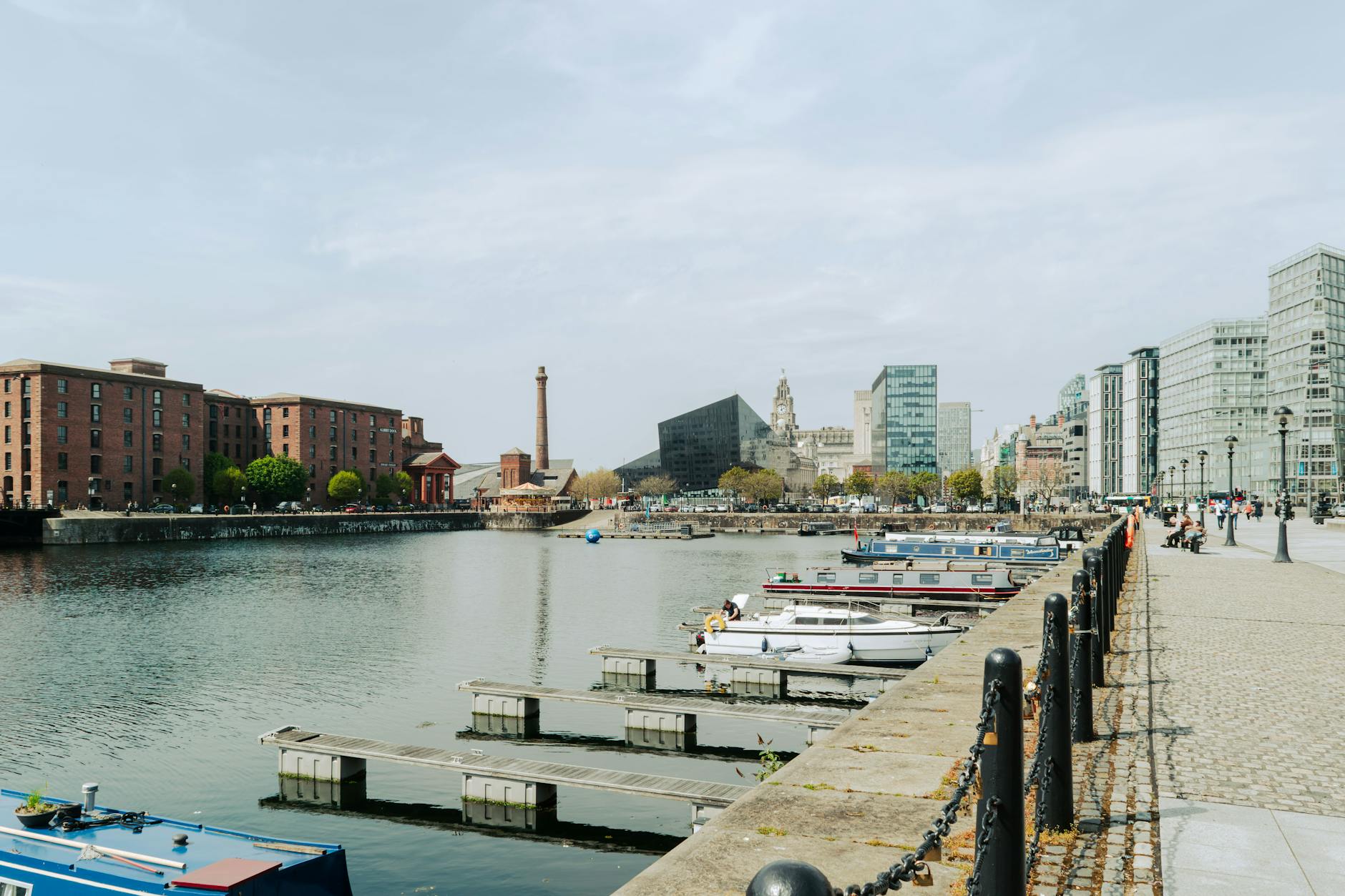
Liverpool arrival is generally straightforward, and the city becomes highly usable once the hotel is right. The practical question is whether the traveler is choosing a base that matches the actual purpose of the stay. Liverpool is not especially hard to use, but it still improves markedly when the hotel, waterfront logic, and after-dark route all pull in the same direction.
- Choose the base with the stay in mind.
- The city is easy once the district is right.
- Do not flatten it into generic centrality.
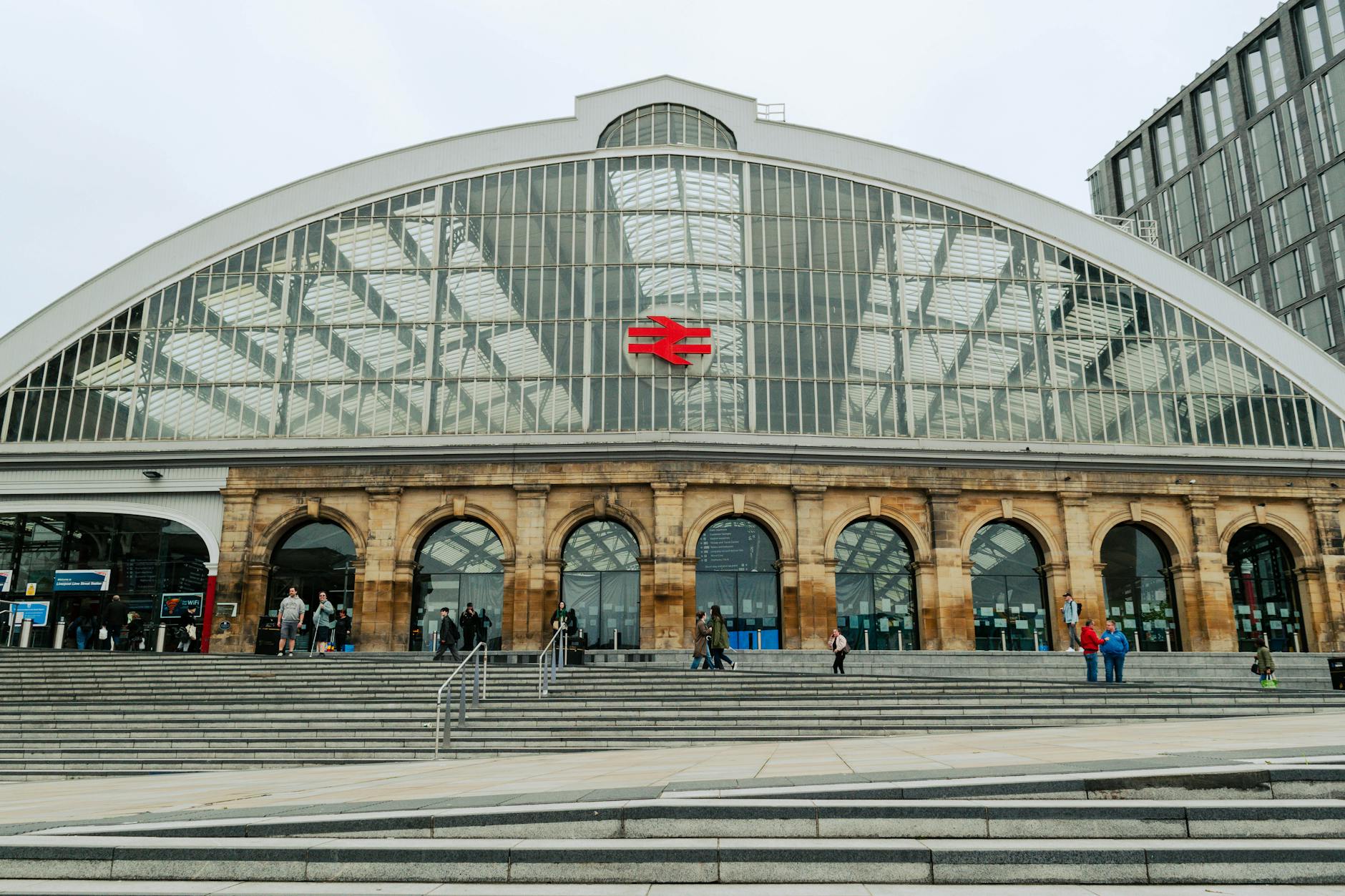
Where to stay
Waterfront-adjacent, central business-friendly, and nightlife-adjacent districts all create different Liverpools. The right answer depends on whether the trip is event-heavy, leisure-heavy, or more formal. A polished waterfront stay produces one city; a nightlife-led base produces another. Liverpool rewards travelers who choose around tone as much as convenience.
- District choice is the real hotel decision in Liverpool.
- A better base pays back in tone and movement.
- Choose around the actual trip shape.
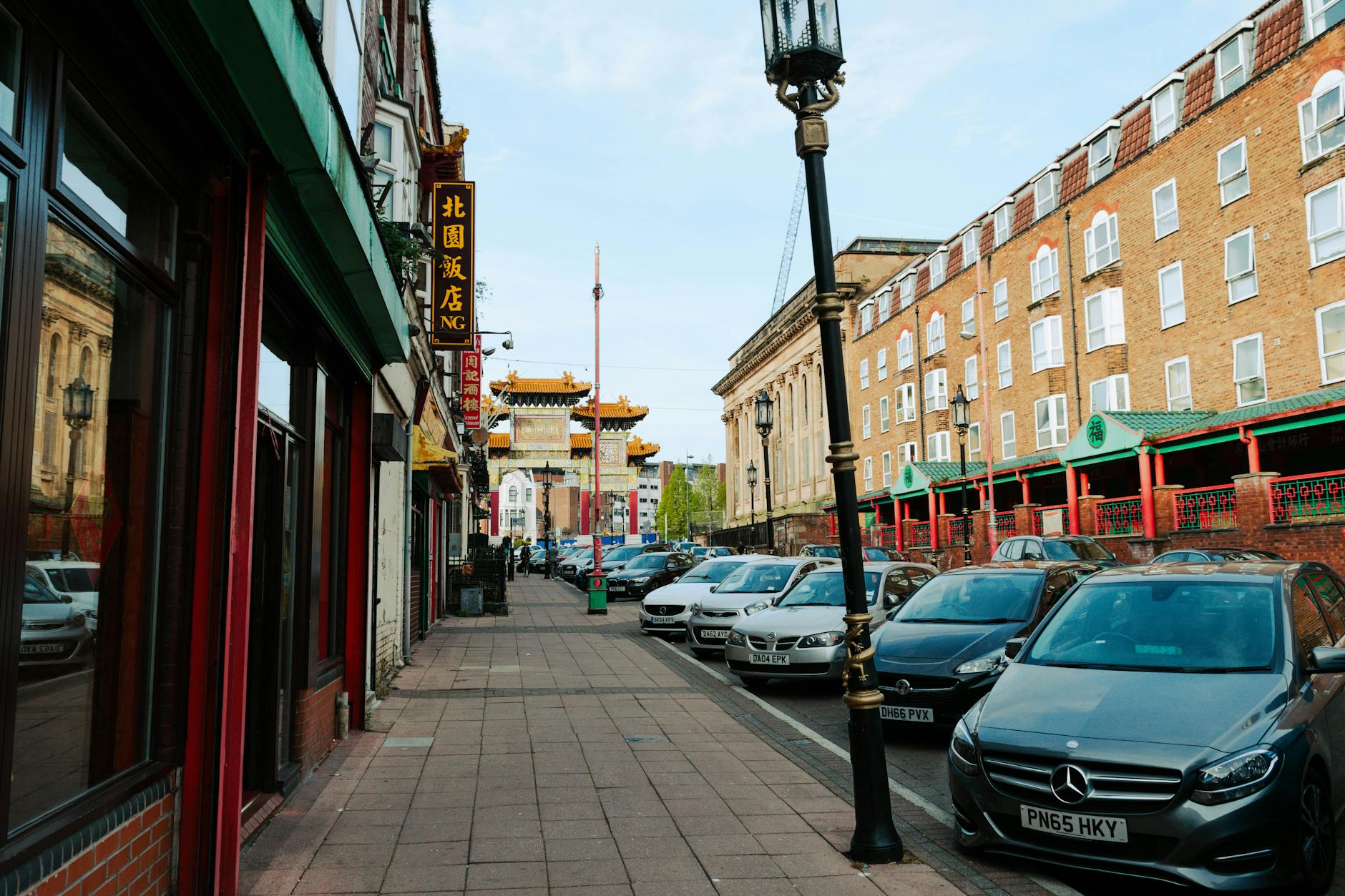
Neighborhoods that matter most
Liverpool changes materially by district. Some areas fit a more polished urban stay, others a more energetic nightlife or event-heavy trip. The city improves when the traveler chooses intentionally because district tone affects not just the evening, but also how serious or frivolous the whole city seems in memory.
- Each district creates a different Liverpool.
- Neighborhood tone matters a lot.
- Pick the version of the city you actually want.
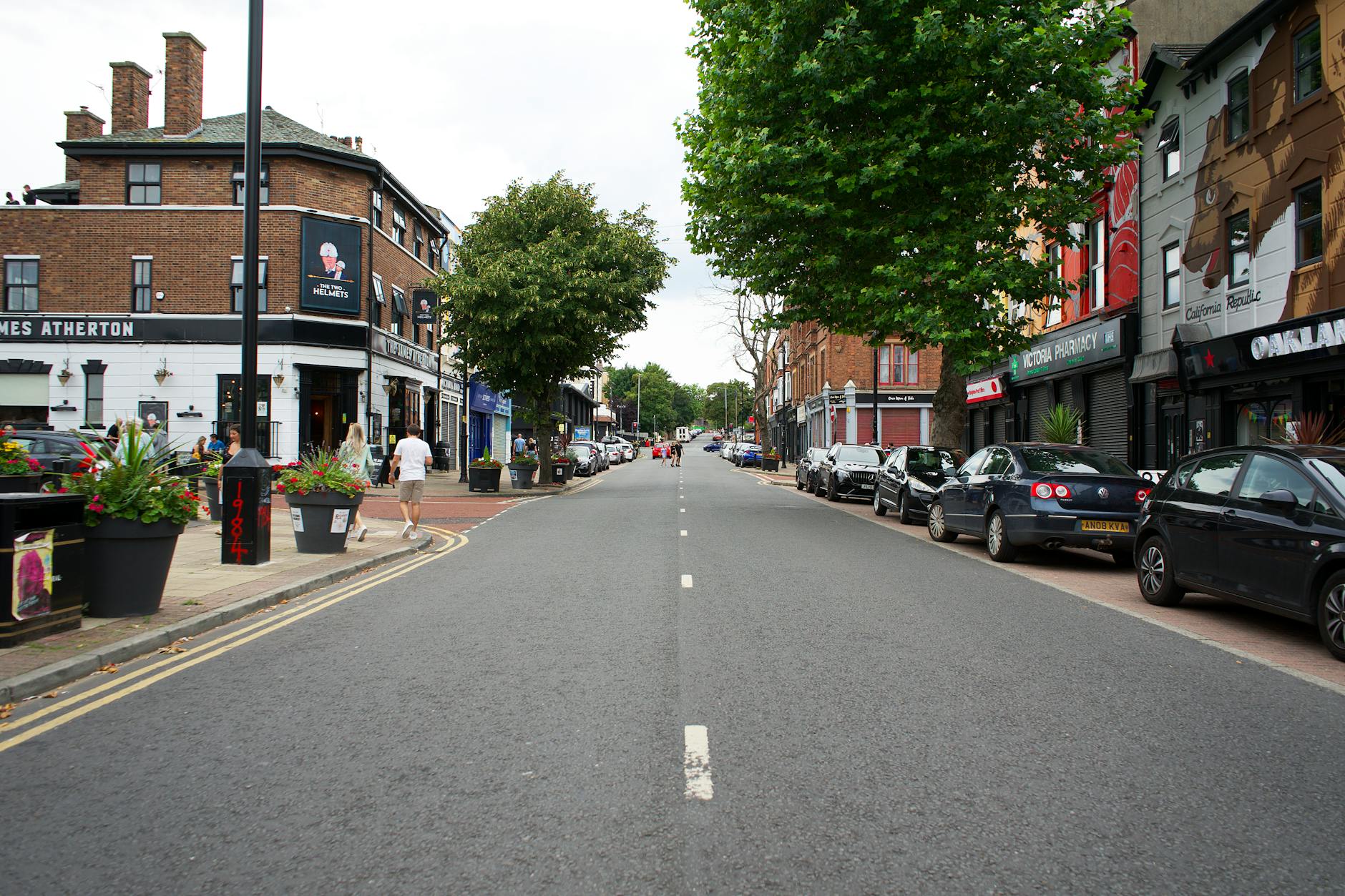
What Liverpool does best
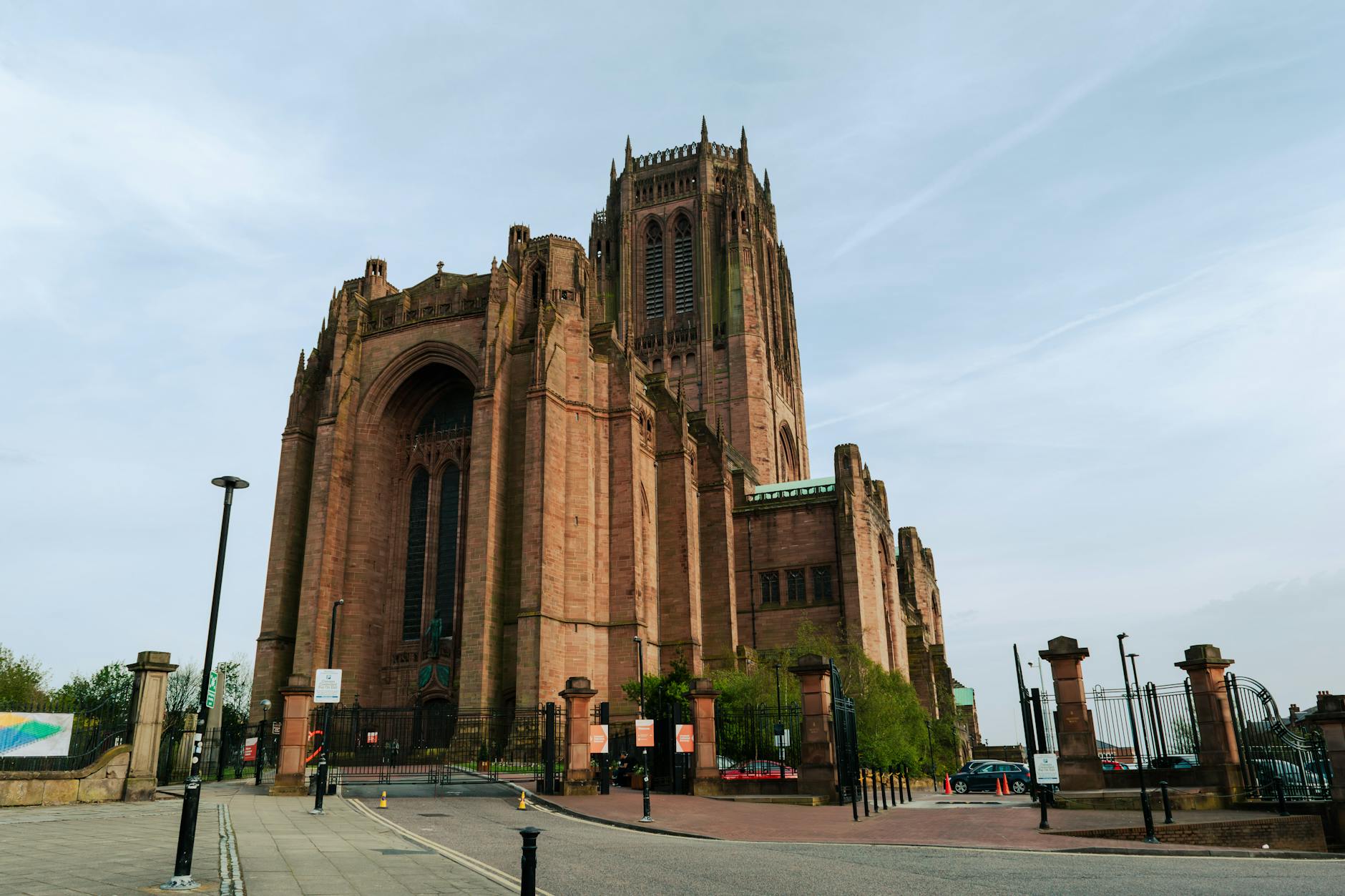
Liverpool excels at giving travelers a city with personality that does not feel manufactured. It has real civic memory, a still-legible waterfront identity, good museums, and a social life with enough confidence to avoid being merely performative. It is especially good for travelers who want a British city with character and nightlife but do not need London’s scale or Manchester’s constant momentum. Liverpool’s great advantage is that it can feel substantial and lively at the same time, which is exactly what makes a short stay here so rewarding when done properly.
- Liverpool offers one of the UK’s strongest balances of culture and social life.
- The city feels substantial without requiring giant-capital effort.
- It rewards travelers who treat it as a destination, not an anecdote.
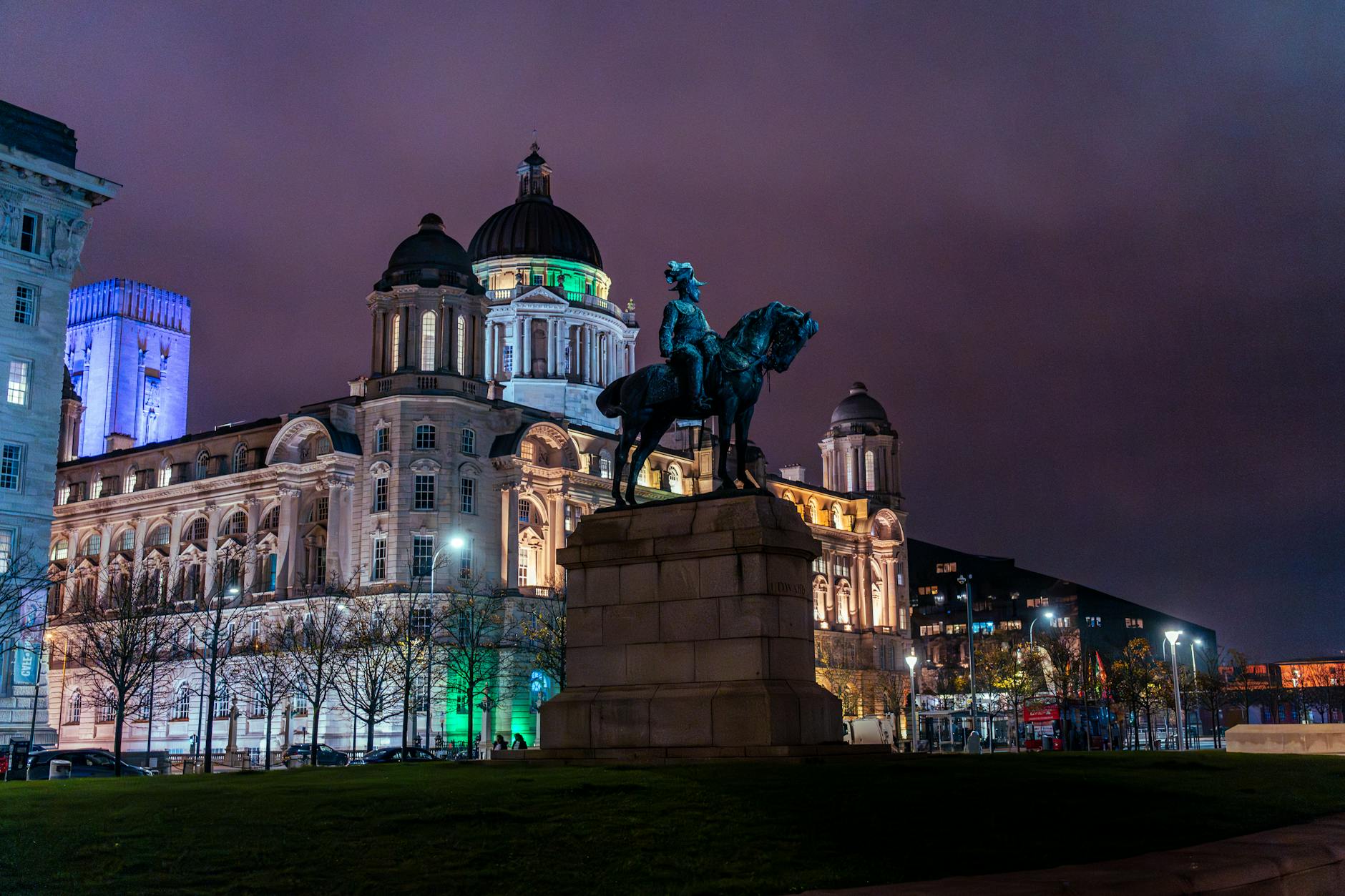
Food
Liverpool works best when meals support the district rhythm of the stay. The city is stronger when dining feels like part of neighborhoods and waterfront movement rather than a separate hunt. Good Liverpool food days often feel social and local rather than overdesigned.
- Eat by district as well as by list.
- Food is part of Liverpool’s value, not just support for it.
- Keep dining aligned with the route.

Nightlife
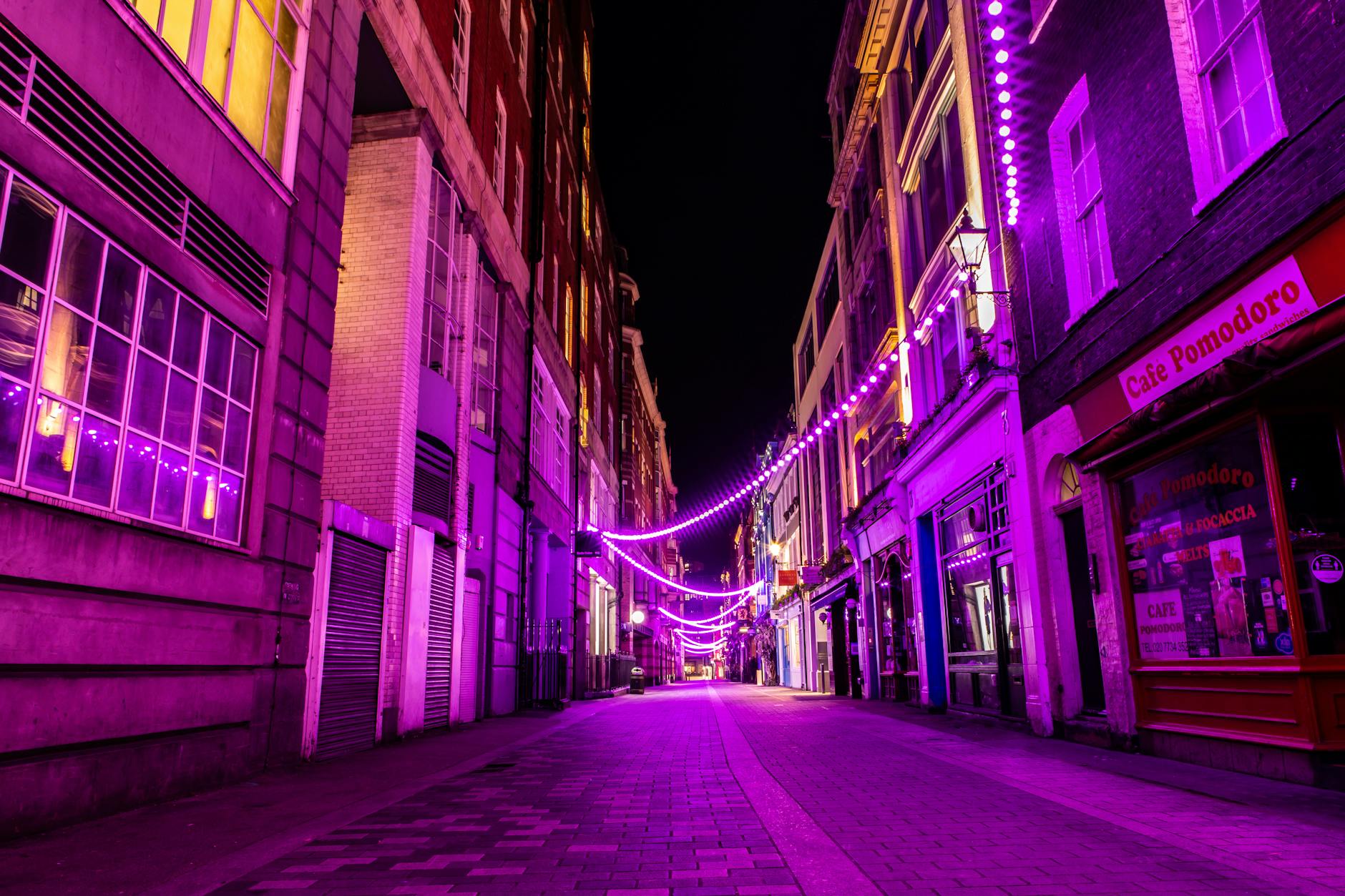
Liverpool after dark is one of the city’s major strengths, but it is highly district- and traveler-type-dependent. Some nights want proper energy. Others want a more polished bar-and-dinner version of the city. The base still matters once the night runs longer, because the route home shapes how enjoyable the whole evening feels.
- Nightlife is a real reason to choose Liverpool.
- A stronger base improves evenings quickly.
- Know what kind of night you actually want.
Etiquette and local norms
Liverpool is not socially difficult, but travelers still do better when they stay measured, courteous, and aware that different parts of the city carry different tones. A little context awareness usually gives the traveler a much better city back than acting as though every district is one continuous stage.
- Context matters in Liverpool.
- Courtesy helps.
- Let the district shape the tone.
Blunt advice
The biggest Liverpool mistake is treating it like shorthand and then sleeping somewhere mediocre enough to flatten the city into exactly that. The second is assuming one loud evening explains a place with far more civic and cultural depth than the stereotype allows. Liverpool is best when chosen on purpose, based in the right district, and used with enough seriousness to notice the city behind the references.
- The hotel district matters much more than casual visitors assume.
- One big night is not the whole city.
- Liverpool rewards intention more than stereotype-hunting.