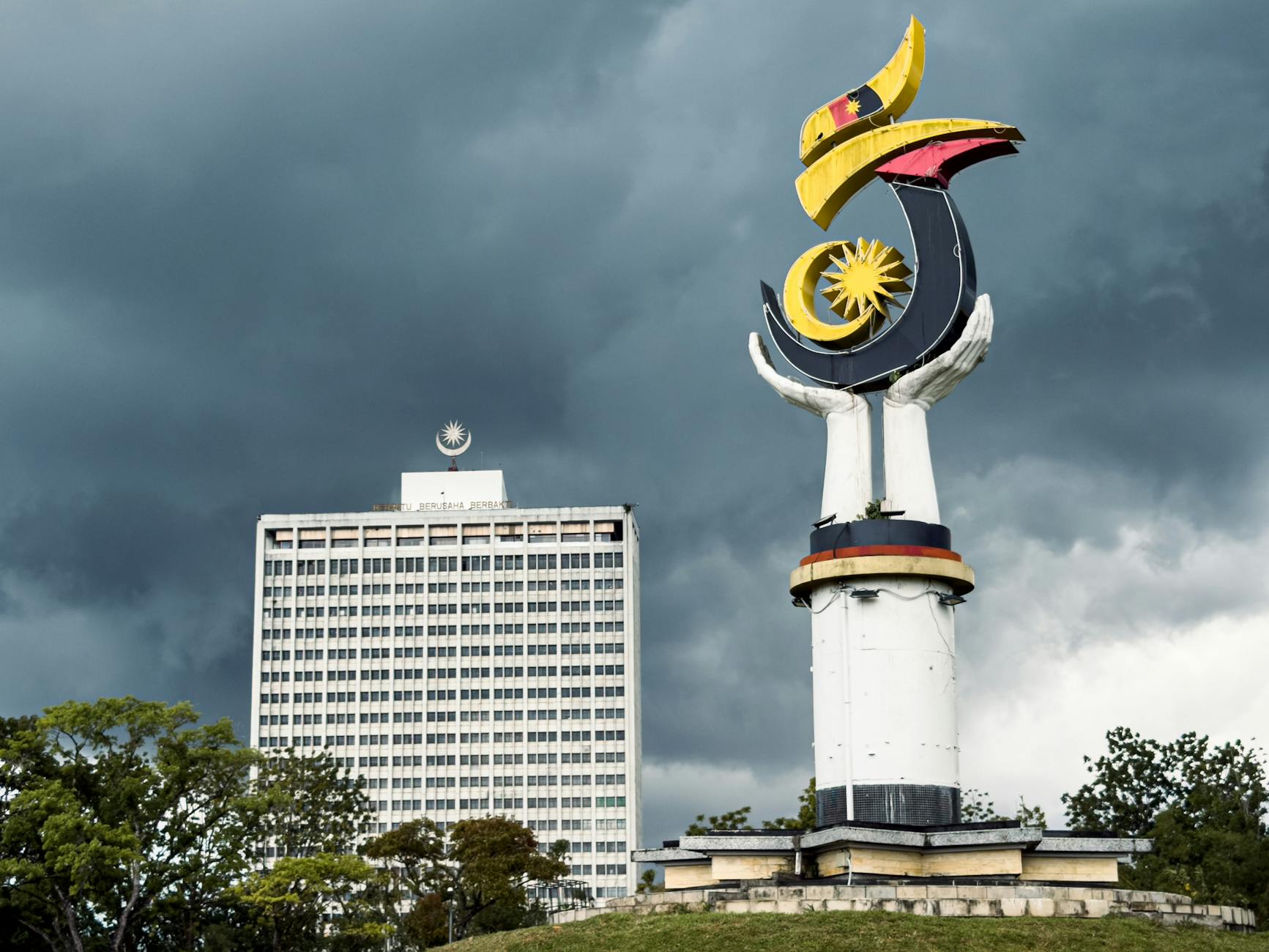
Kuching is one of the easiest cities in Southeast Asia to underestimate.
Start Here
People talk about it as a relaxed gateway: a place to land in Sarawak, eat well, look at the river, maybe visit a museum, then move on to wildlife lodges, national parks, or longer Borneo plans. That is not wrong. But it is too small a reading of the city.
Kuching is better understood as a river city with unusual civic calm. The Sarawak River is not a background decoration here. It organizes the feel of the place. The waterfront, the old civic quarter, the older commercial streets, the museum complex, and the evening rhythm all make more sense once you realize Kuching is not trying to dazzle you into submission. It works by coherence, softness, and local confidence.
That makes it unusually strong for travelers who are tired of cities that demand constant performance. Kuching has enough food, enough history, enough atmosphere, and enough structure to support a real stay, but it rarely shouts about any of it. Sarawak Tourism Board continues to frame the Kuching Waterfront as a major local attraction and community space along the Sarawak River, while the Sarawak Museum Department still places Borneo Cultures Museum and the older museum layer at the center of the city’s cultural identity.[1][3]
Kuching in one sentence: it is one of Southeast Asia’s best low-pressure city stays, provided you treat it as a river-and-culture city rather than a short pre-jungle errand.
Basic data
| Population | About 800,000 in the wider urban area |
|---|---|
| Area | Regional river city in Sarawak |
| Major religions | Islam, Christianity, Buddhism, Taoism, Hinduism, and Chinese folk traditions |
| Political system | State capital city inside a federal constitutional monarchy |
| Economic system | Upper-middle-income mixed economy led by services, government, tourism, education, and trade |
Quick Verdict
Best for: return Southeast Asia travelers, food-first travelers, museum-and-river walkers, and anyone who likes cities with texture but not constant strain.
Less ideal for: travelers who want nonstop nightlife, huge landmark density, or a city that explains itself through one world-famous sight.
Ideal first stay: 2 nights.
Still worthwhile: with 1 night, if you stay near the river and keep the plan disciplined.
Can justify longer: yes, especially if Kuching anchors a broader Sarawak trip.
Biggest planning mistake: treating it as a place to pass through instead of a place to settle into.
One thing to prioritize: the riverfront and old civic-commercial core together.
One thing to keep simple: day trips.
The blunt version: Kuching is not dramatic, but it is deeply likable when used properly.
Who Will Love Kuching?
Kuching works for travelers who enjoy cities that reveal themselves gradually. If you like walking riversides, museums that explain a region rather than merely display trophies, low-rise urban cores, local food, and evenings that feel social without being frantic, Kuching is strong.
It is especially good for people who want Borneo context before or after more nature-heavy travel. The city helps you understand where you are, not just where you are transiting through.
Kuching at a Glance
| Question | Practical Answer |
|---|---|
| Best first stay length | 2 nights |
| Main arrival airport | Kuching International Airport |
| City logic | riverfront core plus older civic and commercial streets |
| Main walking zone | waterfront, Main Bazaar side, courthouse-and-museum side |
| Main cultural anchor | Borneo Cultures Museum and the wider museum quarter |
| Main risk | underbuilding the city or overbuilding distant excursions |
| Best use | a calm Sarawak base with real urban character |
2026 Visitor Notes
The Waterfront Still Functions as the City’s Public Spine
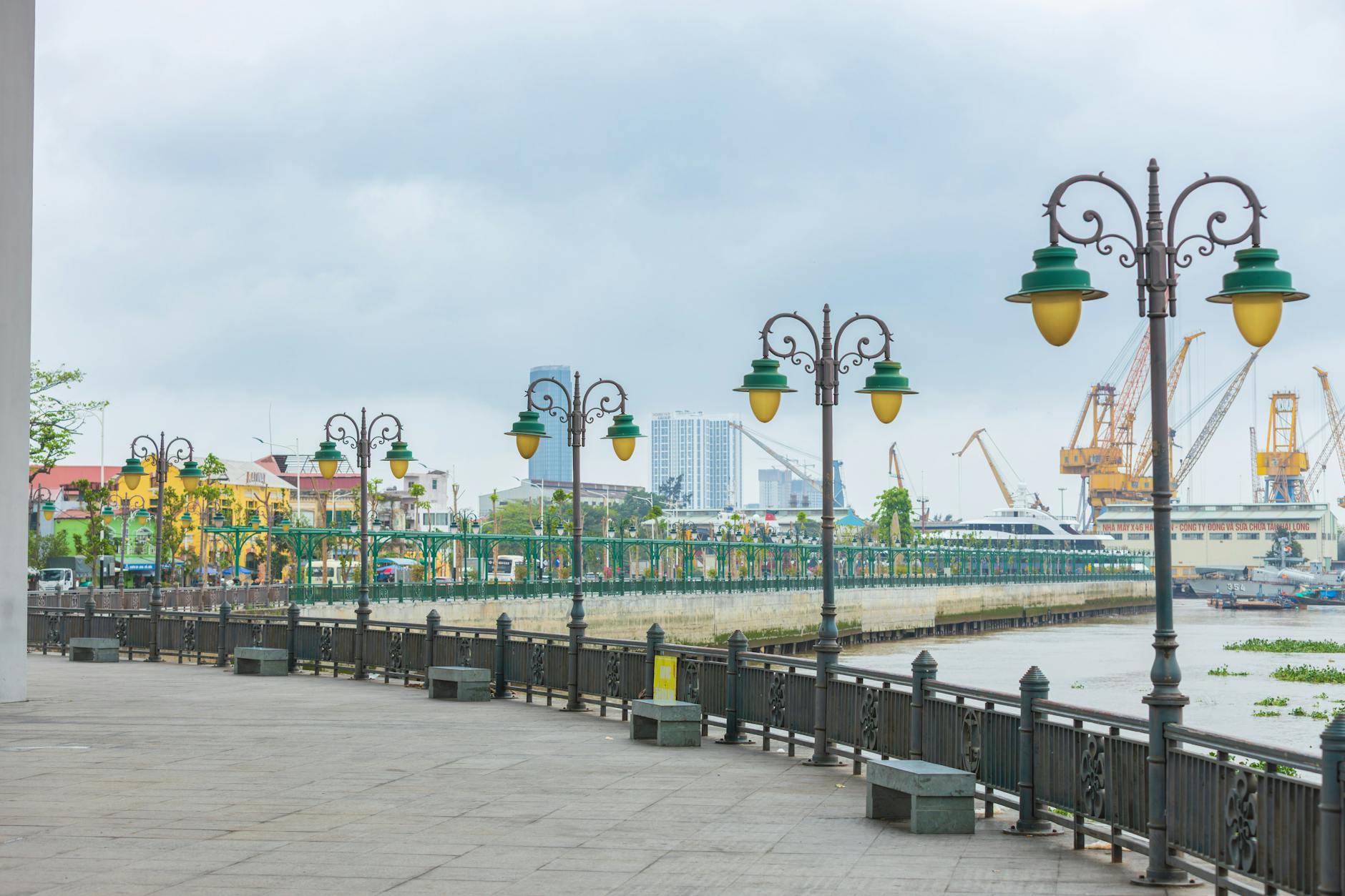
Sarawak Tourism Board continues to present Kuching Waterfront as one of the city’s defining attractions: a Sarawak River promenade tied to landmarks, food, public events, and daily gathering life.[1] That framing is correct. The waterfront is not just where tourists go; it is where Kuching feels most legible.
Kuching International Airport Still Makes Arrival Easy
Malaysia Airports continues to present Kuching International Airport as the city’s principal air gateway.[2] This matters because Kuching is simple to reach relative to the emotional distance many travelers imagine when they hear “Borneo.”
The Museum Layer Is Stronger Than Many First-Timers Expect
Sarawak Museum Department continues to position the city’s museum system, including Borneo Cultures Museum, as central to understanding Sarawak’s peoples, history, and cultural identity.[3][4] Service Sarawak also continues to publish current Borneo Cultures Museum hours, last-admission timing, and admission categories.[5]
How to Understand Kuching
Kuching works through four forces.
The first is river-city structure. The Sarawak River gives the city both orientation and mood.
The second is cultural depth without overload. Kuching has enough museum and heritage substance to be serious, but not so much that it becomes oppressive.
The third is food as ordinary civic pleasure. The city eats well without turning every meal into theater.
The fourth is low-pressure scale. Kuching is not tiny, but the useful visitor city is compact enough to feel manageable.
The Main Mental Shift
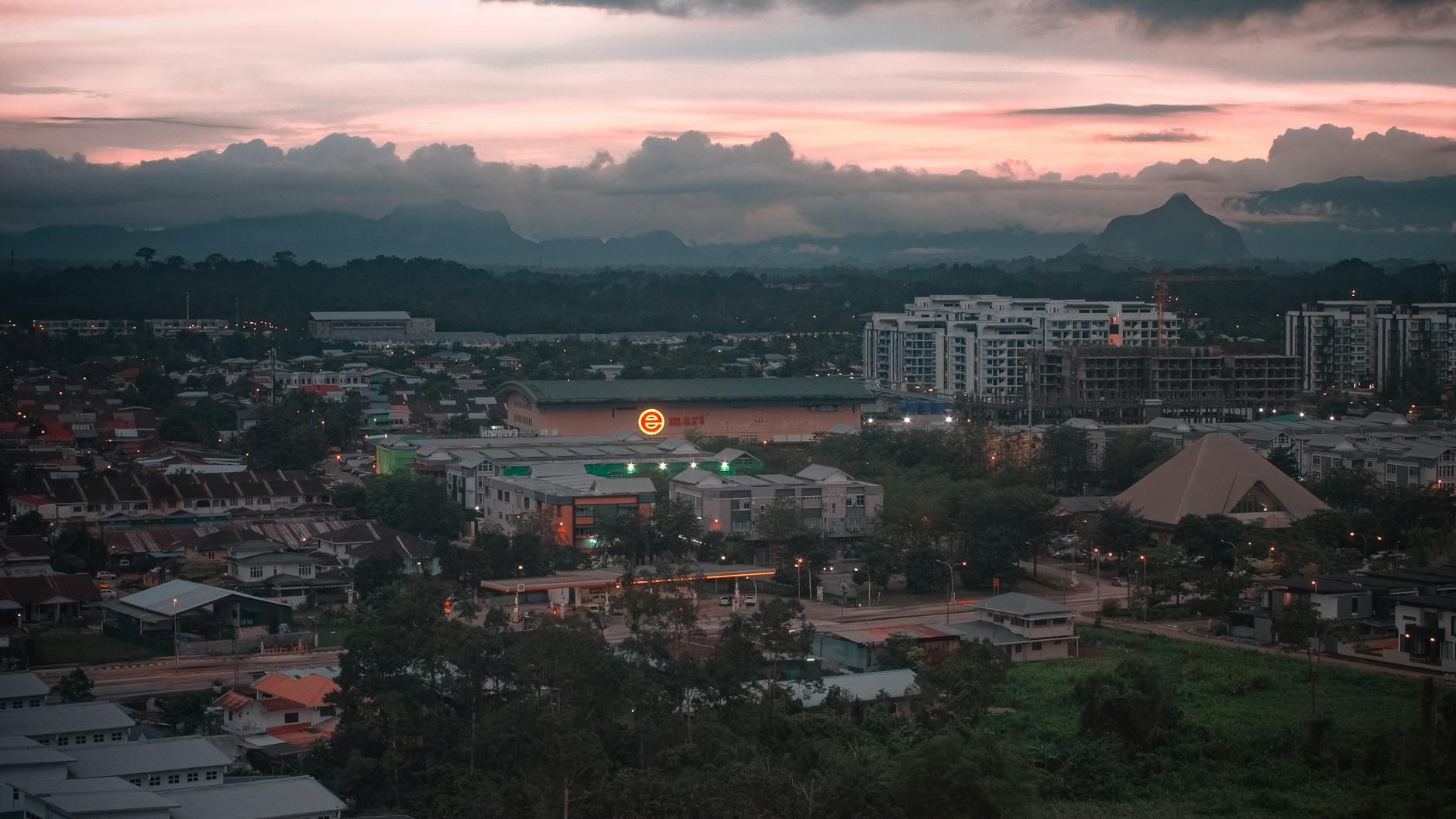
Do not ask, “What are the famous Kuching sights?” Ask, “How should a relaxed Sarawak river city be used well?” That question produces a much better trip.
What Makes Kuching Distinct
Kuching’s distinction is balance.
Many gateway cities are either functionally useful but forgettable, or atmospherically charming but too thin to support a stay. Kuching escapes both traps. The riverfront is real. The museum complex is real. The city’s old center still makes sense on foot. The food culture is generous without becoming performative. And the overall tone is unusually composed.
That composure is the point. Kuching does not try to overwhelm you with monumentality or novelty. It wins by letting multiple strengths stay in proportion.
Best Time to Visit
Kuching is warm, humid, and often rainy enough that you should plan honestly rather than romantically.
That does not reduce the city’s value. It just shapes how you should use it. Good Kuching days are built around earlier walks, shaded pauses, museum time, food stops, and a calmer evening return to the river. The weather should edit the pace, not cancel the trip.
How Many Days You Need
One Night
Enough for a first impression if you stay close to the river, walk the waterfront well, and choose one strong cultural stop.
Two Nights
The best first answer. This gives you time for the waterfront, older central streets, and the museum layer without rushing everything into one hot afternoon.
Longer
Reasonable if Kuching is your Sarawak base or if you want the city to frame a broader Borneo itinerary.
Arrival Strategy
Kuching arrival should be simple.
Kuching International Airport is close enough to keep first-day logistics manageable, and that is one of the city’s understated strengths.[2] Do not waste that advantage by building a complicated arrival schedule. Get to the hotel, settle, and let the first outing be a short riverfront walk rather than a full civic audit.
Kuching rewards people who arrive gently.
Where to Stay
Base selection matters, but not in a stressful way.
Near the Waterfront
Best for: first-timers, evening walkers, and travelers who want the city’s central mood immediately available. Tradeoff: more tourist presence and less separation from the city’s most obvious activity zone.
Near the Old Commercial Core
Best for: travelers who care about coffee shops, markets, and everyday city rhythm as much as postcard river views. Tradeoff: slightly less scenic at first glance.
Further Out
Best for: return visitors, specific hotel preferences, or people using Kuching more as a practical base. Tradeoff: weaker first-visit intimacy with the city.
The Main Rule
On a first trip, proximity to the river and older center usually matters more than squeezing marginal value out of a larger room somewhere else.
The Kuching That Matters Most
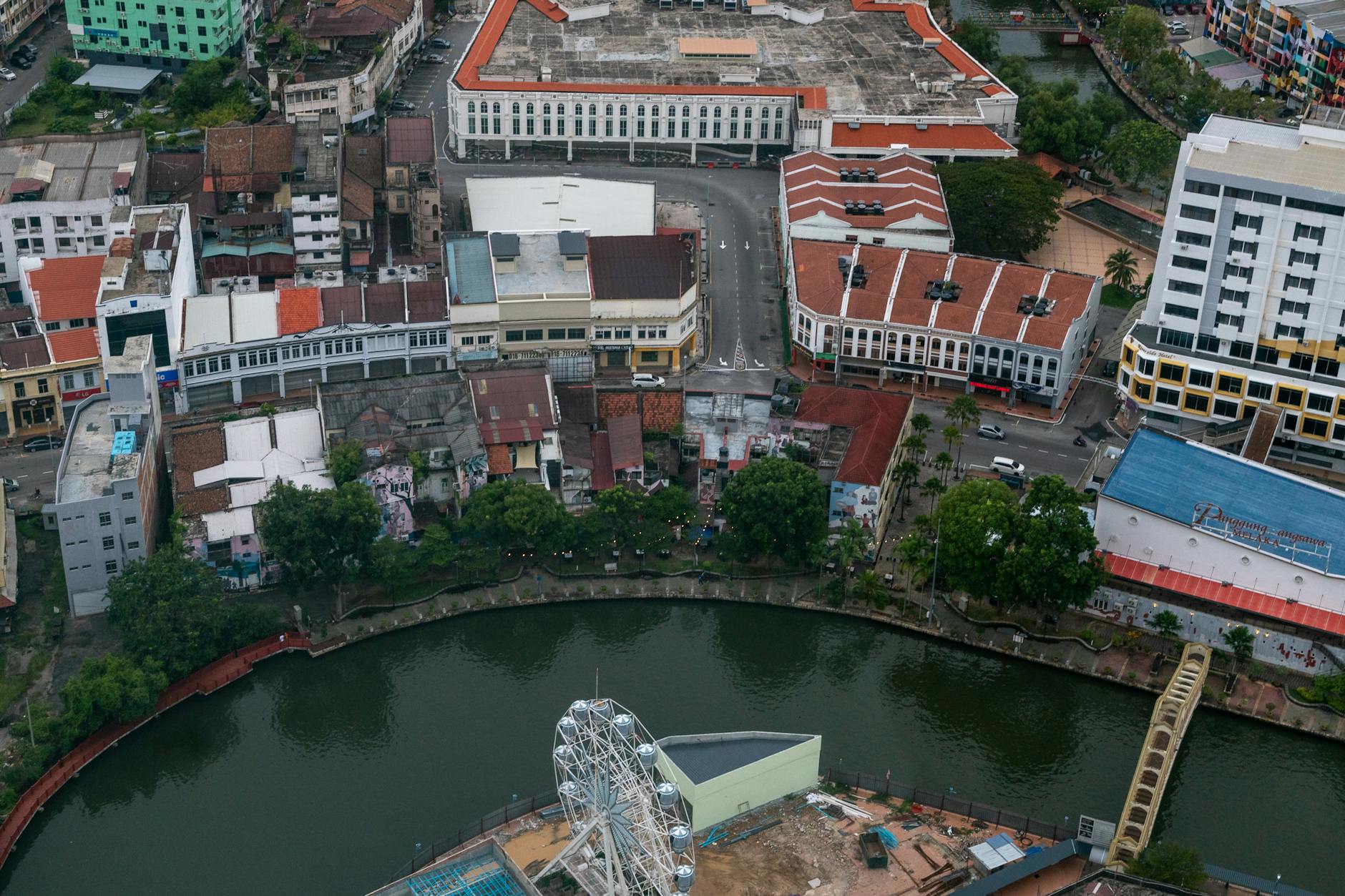
Waterfront Kuching: the Sarawak River, the promenade, public life, evening pacing, and the city’s clearest front-facing image.[1]
Civic Kuching: the courthouse-and-museum side, where the city’s institutional and historical logic becomes clearer.
Commercial Kuching: older shopfront streets, food, and the practical city underneath the promotional image.
Museum Kuching: the cultural layer that explains why Sarawak is different, not just where it is.
Waterfront and the River
This is where most first trips should begin.
Sarawak Tourism’s official waterfront framing emphasizes the promenade’s role as both attraction and community space, and that is exactly why it matters.[1] The river gives Kuching its public face. It also gives the city a kind of emotional breathing room that many tropical cities lose once traffic and density take over.
The key is not merely to photograph the river and move on. Walk it. Cross mentally between the scenic and the civic. Watch how evening changes the place. Let the waterfront explain the rest of the city.
The Museum Quarter
Kuching’s museum layer is not optional filler. It is one of the reasons the city can support a real stay.
Sarawak Museum Department describes Kuching as a hub of Borneoan heritage and presents Borneo Cultures Museum as a major repository for the peoples and cultures of Sarawak and Borneo.[4] Service Sarawak’s current ticketing page also confirms that Borneo Cultures Museum remains a formal, structured visitor institution with published operating hours, last-admission rules, and current admission categories.[5]
This matters because Kuching is better after explanation. A museum visit here is not just a rainy-day substitute. It helps convert the city from “pleasant riverfront stop” into “capital of a culturally distinct region.”
Old Core, Main Bazaar, and Street Texture
One of Kuching’s strengths is that the center is not all one note.
The river edge gives you openness; the older central streets give you compression. That contrast is useful. The best walking in Kuching usually mixes them: some waterfront breathing room, some older shopfront texture, some civic-space clarity, then food or coffee before the weather or fatigue takes over.
Do not force this into an all-day march. The city is better in segments.
Food and Evening Rhythm
Kuching eats well, but it does not need to be conquered.
The strongest trips let food reinforce the city rather than dominate it. Kuching works especially well in the late afternoon and evening, when the heat softens, the waterfront regains social energy, and dinner feels like part of the city’s daily pattern rather than a travel task.
This is not a city where you need a punishing list of “must-eat” places. A few good meals and a little restraint will leave a better impression than a full-time graze.
Kuching as Base City, Not Transit City
Kuching does function as a base for wider Sarawak movement. That is true and useful.
But the mistake is to let that practical function erase the city itself. Travelers often give nature destinations all the narrative weight and reduce the city to logistics. Kuching deserves more than that. It has enough identity to hold its own share of the trip.
If you are in Sarawak for several days, Kuching should not just be where you sleep before something “better.” It should be part of what the trip is actually about.
Where Kuching Fits in a Borneo Trip
Kuching often works best as the place where a Borneo itinerary becomes human-sized.
Many travelers arrive in Borneo carrying a slightly distorted mental model. They expect wildlife, rainforest, river journeys, lodges, national parks, and practical transfer cities between them. That model is not wrong, but it can lead people to underinvest in the urban parts of the trip. Kuching suffers from this especially because it is so easygoing. Its calm can be mistaken for thinness.
In reality, Kuching is one of the best places in the region to absorb context. It gives you Sarawak before the itinerary fragments into excursions. It gives you museums before the forest becomes the story. It gives you food and river life before every day becomes about departure times and gear. That makes it not just a base, but a stabilizer.
This is particularly valuable on longer Borneo routes. If the broader trip contains nature-heavy days, early departures, transport uncertainty, or physically demanding outings, Kuching becomes the counterweight that keeps the journey from turning into pure logistics and exhaustion.
Kuching as a Hotel Base
For first-time visitors, Kuching is usually at its best when the hotel decision is simple rather than optimized.
Staying close to the waterfront or old core is usually worth more than squeezing small extra value out of a more remote room. The city’s main pleasures are spatially modest: river walks, evening returns, food stops, museum access, and the ability to move between civic and commercial layers without negotiation. If your hotel weakens those movements, the city loses some of what makes it special.
This does not mean every traveler must stay in the exact same zone. It means the base should support Kuching’s rhythm rather than impose friction on it. The city improves when you can step out and be in it quickly, especially in the early evening when the riverfront begins to matter most.
Kuching is not a city that demands luxury strategy. It rewards proximity, ease, and repeatable movement more than room maximization.
Daytime Kuching Versus Evening Kuching
Kuching changes more over the course of the day than some visitors realize.
Daytime Kuching is clearer, more educational, and often more practical. This is when the museum layer feels most natural, the older streets are easiest to read, and the civic side of the city becomes visible. If you want to understand the city’s structure, use daylight well.
Evening Kuching is softer and in some ways more emotionally persuasive. Heat eases, the waterfront acquires social life, and the city’s calm begins to feel deliberate rather than incidental. This is when people who underestimated the city often start to like it.
The strongest first trip usually includes both. Day tells you why the city exists. Evening tells you why it is pleasant to stay.
Why the River Matters So Much
Many cities have waterfronts. Fewer cities are genuinely organized by them in visitor experience.
In Kuching, the Sarawak River is not simply where the nice walk happens. It is the line that helps the city make emotional sense. It provides air in a hot climate, perspective in a relatively compact center, and a public stage on which the city can be itself without forcing spectacle. The river is the reason the center feels open rather than trapped.
This matters because it changes how you should use the city. You do not only “see the waterfront” once and move on. You return to it. You let it connect civic, commercial, and evening parts of the trip. You use it as a way to re-enter the city after museums, after food, or after a slower morning.
That return pattern is one of the main reasons Kuching supports a real stay instead of only a stop.
Why the Museum Layer Deserves More Time
Travelers often praise Kuching after visiting the museum quarter, then still fail to revise their understanding of the city.
But the museum layer should change the whole reading of the destination. Sarawak Museum Department’s positioning of the Borneo Cultures Museum and the wider museum system makes clear that Kuching is not only pleasant; it is interpretive.[3][4] The city helps explain a whole region. That function gives the place a seriousness that many “gateway cities” lack.
This is why I strongly prefer that first-time visitors give the museums real time rather than just ticking them. A city like Kuching becomes much richer once it is no longer merely scenic and calm, but intellectually grounded. The museum quarter supplies that grounding.
It also helps in practical terms. In a hot or wet climate, indoor cultural depth is not just a backup plan. It is part of the right plan.
First-Time Visitors Versus Repeat Visitors
First-time visitors usually need Kuching to prove that quiet does not mean empty. Repeat visitors already know that.
On a first trip, the city’s challenge is one of perception. Travelers may worry that if the place does not announce itself dramatically, it may not contain enough. The best antidote is a structured stay: riverfront, museum quarter, old commercial texture, and evening food. Once those are in place, the city tends to justify itself.
Repeat visitors often use Kuching more freely. They may spend longer over coffee, skip formal sightseeing, or let the river and food carry more of the day. That often produces an even stronger experience, because Kuching is exactly the kind of city that improves once you stop asking it to perform urgency.
This is a good sign. Cities built on rhythm rather than spectacle often reveal their best selves later.
Weather, Heat, and the Right Pace
Kuching is forgiving, but only if you stop pretending it is a dry, cool walking city.
The right pace here has shape. Mornings can hold more movement. Midday often benefits from museums, indoor pauses, or slower meals. Later afternoon lets the city reopen. Evening is where the outdoor public life becomes easiest again. This is not overplanning. It is just respecting climate.
The mistake many travelers make is trying to impose a generic all-day strolling model on a city that is better in pulses. Kuching does not punish you for slowing down. In fact, it improves.
This also explains why the city’s calm feels earned rather than lazy. The climate teaches a certain urban intelligence, and the best itineraries adopt it.
Food Strategy in Kuching
Kuching eats well, but the city should not be turned into a checklist of appetite.
That is easy to do because travelers hear that the food is good and then start trying to optimize every meal. The result can be a trip that feels oddly anxious in a city whose best quality is the absence of anxiety. The strongest food strategy here is simple: eat locally, eat well, and let meals reinforce the day’s rhythm rather than replace it.
Lunch can support a museum or old-core day. A later afternoon coffee or snack can bridge heat and evening. Dinner works best when it returns you to the riverfront mood or to the city’s softer evening social life. None of this requires culinary maximalism.
Kuching is one of those places where satisfaction often comes from timing and setting as much as from the dish itself. The city does not need to be consumed at full appetite to be memorable.
The Old Core and Why Modest Streets Matter
Visitors sometimes undervalue the older commercial streets because they are not monumental enough to feel like “the main attraction.”
But in Kuching, modesty is part of the point. The older core and Main Bazaar side give the city grain. Without them, the waterfront would risk becoming too polished and the museum quarter too institutional. These streets provide the connective tissue that turns Kuching into a city rather than a sequence of attractions.
They are also where you feel the scale most accurately. The city is not trying to impress you through height or overload. It is showing you a workable, human urban core where culture, commerce, and river life sit within walkable relation to each other.
That is why I usually advise people to walk in segments rather than in one long proving march. The old core is best read by drifting with purpose, not by grinding through mileage.
A Strong One-Night Kuching Template
If you only have one night, the city can still work, but you need to keep the plan disciplined.
Arrive, settle near the river if possible, and make the first outing a riverfront and old-core walk rather than a complicated outing. Let the city introduce itself through air, orientation, and evening movement. If time allows the next day, choose either a museum-heavy morning or a slightly broader central walk, not both plus an overambitious day trip.
The main goal is to avoid turning the short stay into transit with garnish. Even one night can feel worthwhile if the city is allowed to be itself rather than treated like dead time between flights or park visits.
What you cannot do on one night is “cover” Kuching. Fortunately, coverage is not the right standard here anyway.
A Strong Two-Night Kuching Template
Two nights is where Kuching begins to make sense fully.
On the first day or evening, orient through the riverfront and the older center. On the next full day, give the museum quarter real time and then return to the city’s everyday fabric rather than forcing a huge external excursion. Use the evening to come back to the river at a different pace than before. On the final morning, walk again or eat somewhere that makes the city feel inhabited rather than completed.
This works because it respects the city’s internal balance. River, culture, street texture, and food all matter, but none needs to dominate. Kuching is better when the stay feels proportionate.
Kuching With Family or Low-Energy Travelers
Kuching works unusually well for travelers who want a softer urban experience.
Families can benefit from the manageable scale of the center, the museum layer, and the fact that the riverfront provides easy public walking without the stress of a highly aggressive traffic environment. Low-energy travelers often do well here because the city allows progress without pressure. You can have a meaningful day without constant transit hopping or intense queue logic.
That said, heat still matters. The city is gentle in pace, not automatically light in climate. The version that works best for mixed-energy groups is usually one that alternates riverfront, indoor cultural time, food, and rest rather than forcing a continuous walking day.
Kuching rewards that kindness to the body.
Rainy-Day Kuching
Rain does not ruin Kuching. It redistributes it.
The riverfront may become less central for a few hours, but the city still has enough museum and food depth to remain fully usable.[4][5] In some ways, rainy-day Kuching clarifies what the city really is. If the destination collapses without its outdoor promenade, then it was never much more than a scenic strip. Kuching does not collapse. It shifts toward its cultural and culinary interior.
That is another reason the city is stronger than its reputation. It is not merely pleasant under favorable conditions. It remains coherent when conditions are ordinary.
Excursion Discipline: What Belongs in the City and What Does Not
One of the easiest ways to spoil Kuching is to make the city compete with every possible Sarawak excursion at the same time.
This happens because the city is so often marketed alongside national parks, wildlife experiences, and regional outings. Travelers start thinking that if they are not outside the city doing something “special,” they may be wasting Borneo. But this logic confuses geographic possibility with good trip design.
Kuching does not need to win against every excursion. It needs to be used for what it is good at: orientation, cultural context, recovery, food, and river-city atmosphere. If you do take a day trip, the city should frame it, not disappear underneath it. Leave from Kuching, yes. Return to Kuching, definitely. Let the city absorb the before and after. That is how it contributes.
The version that usually works best is one where the city has at least one whole block of time that is not subordinate to an outward move. Give Kuching a real evening, a real morning, or a real museum-and-river day. Otherwise you end up with accommodation logic and not much else.
This is especially important because outward travel in Sarawak can be mentally heavier than the map suggests. Transfers, pickup times, weather changes, and excursion coordination can all take more energy than expected. When that happens, Kuching’s calm and coherence become even more valuable. But they only help if you have actually left space for them.
In other words, good Kuching planning is not about maximizing external adventure. It is about deciding how much outward adventure the overall trip can absorb before the city’s role as ballast becomes more important than another excursion.
Why Calm Is a Feature, Not a Defect
Travel culture often teaches people to distrust cities that do not generate immediate adrenaline.
Kuching is a useful corrective to that habit. Its calm should not be misread as lack of content. Calm here is structural. It comes from scale, river width, museum seriousness, slower evening life, and the absence of any need to shout over itself. The city is not empty. It is composed.
That composure is rare enough to be one of the destination’s main values. It gives travelers a chance to notice things more gradually: the relation between civic buildings and river space, the cultural breadth of the museum quarter, the way food and evening walking fold into one another, and the fact that a city can be deeply satisfying without demanding a peak experience every hour.
Many people only realize this after they have left. Kuching tends to expand in memory because its strengths are cumulative. It is not the sort of city that always overwhelms you on contact. It is the sort that quietly makes the trip better while you are busy looking elsewhere.
Why Some People Leave Underwhelmed
When travelers say Kuching was “nice but quiet,” the diagnosis is usually simple.
Either they gave the city too little time, or they approached it with the wrong metric. If you arrive looking for one overwhelming landmark or a nonstop urban charge, the city may feel subdued. But that is not failure. It is misread scale. Kuching is a city of proportion, not spectacle.
The other common mistake is to externalize too much of the trip. If every meaningful hour is assigned to an excursion elsewhere, Kuching cannot show what it is for. It becomes only the place where you slept before the “real” day happened. That design error would make almost any city feel thin.
Why Kuching Often Improves on Revisit
Kuching becomes easier to love once you no longer require it to justify itself immediately.
On a second visit, you already know the river matters, the museum quarter matters, and the city does not need to be rushed. That knowledge frees you from the anxiety of extraction. You may spend longer at the waterfront. You may use the city as a base more intelligently. You may appreciate its softness instead of apologizing for it.
This is often when the place becomes genuinely memorable. The first stay proves that Kuching is good. The second often proves why.
A Good Kuching Day Versus a Bad One
A good Kuching day has rhythm.
You move early or late when the weather is kindest. You let the river organize the center. You give culture real time instead of treating it as backup. You eat without turning every meal into a hunt. You come back to the waterfront or the old core after the middle of the day has softened. The city feels coherent.
A bad Kuching day is usually just a city misused as waiting space. Too much transfer logic, too much external ambition, too little respect for the climate, and too little willingness to let the city operate at its own tone. That version can make Kuching seem flatter than it is. But the problem is almost never the city itself.
How the City Changes Over the Course of a Stay
Kuching often becomes better on the second or third walk than on the first.
At first, some travelers only see calmness. Later, they begin to see structure. The riverfront is no longer just pleasant but essential. The museum layer no longer feels optional but interpretive. The older streets no longer look merely low-key; they start to feel like the scale that makes the city coherent.
This is why Kuching is such a good candidate for a real stay. It does not peak instantly and collapse. It accumulates. Repetition improves it. The city gains value every time you return to the river with more context than you had before.
Common Mistakes
Giving the City Too Little Time
Kuching often gets one rushed night when it really wants two.
Treating the Waterfront as the Whole Story
The river is central, but the museum and old-core layer give the city depth.
Overbuilding Day Trips
A city this calm gets weaker when every hour is outsourced elsewhere.
Ignoring the Weather
Kuching is more enjoyable when the day has pauses.
Reducing the City to Gateway Status
This is the easiest mistake and the one that most often produces an incomplete trip.
My Blunt Advice
Stay near the river. Walk the waterfront at least twice. Give the museum quarter real time. Eat well without turning the trip into a scavenger hunt. Let the city be unhurried.
Kuching does not need aggressive itinerary design. It needs confidence from the traveler. If you arrive willing to let a quieter city prove itself on its own terms, it usually does.
Source Notes
- 1. Sarawak Tourism Board page for Kuching Waterfront. Used for the current official framing of the waterfront as a major riverfront promenade, community space, and key city attraction. https://www.sarawaktourism.com/web/places-to-visit/town-view/kuching/major-attractions/kuching-waterfront
- 2. Malaysia Airports Holdings Berhad page for Kuching International Airport. Used for current official airport and arrival-gateway context. https://www.malaysiaairports.com.my/en/kuching
- 3. Sarawak Museum Department official homepage. Used for the department’s current role, museum-system context, and historical framing of Sarawak Museum in Kuching. https://museum.sarawak.gov.my/web/home/index/
- 4. Sarawak Museum Department page “Museums of Wonder.” Used for current official framing of Kuching as a hub of Borneoan heritage and for Borneo Cultures Museum’s role, thematic galleries, and position opposite the old museum. https://museum.sarawak.gov.my/web/subpage/webpage_view/139
- 5. Service Sarawak page for admission tickets to museums under the Sarawak Museum Department. Used for current Borneo Cultures Museum operating hours, last-admission timing, and admission-fee structure. https://service.sarawak.gov.my/web/web/home/sla_view/0/646/