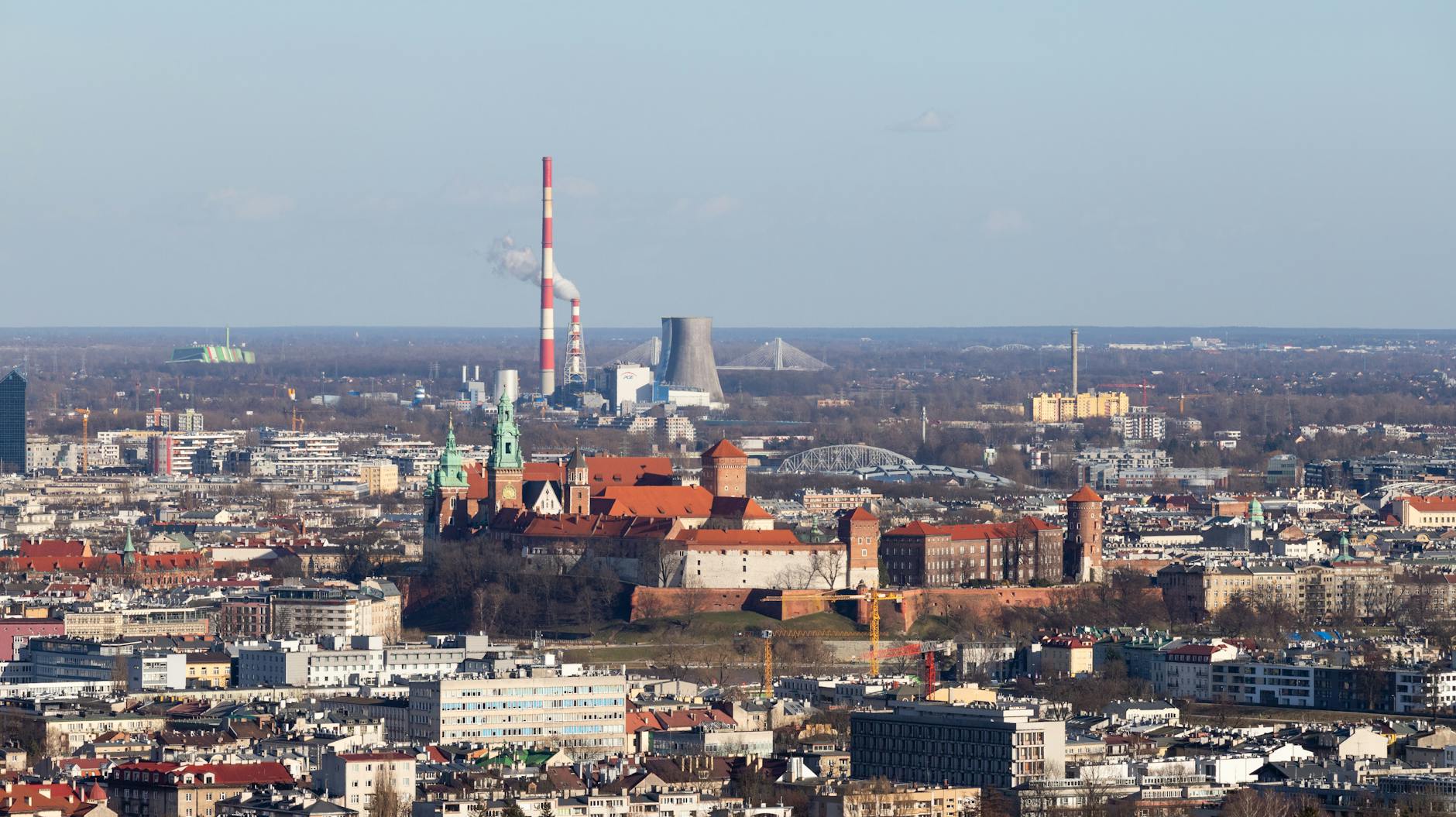
Krakow is one of Europe's most immediately legible cities, and that legibility is part of the danger. You arrive, walk into the Old Town, see the Main Market Square, hear the bugle call, pass church towers and horse carriages, and think the city has already explained itself. Many visitors stop there. They leave with a set of handsome impressions and a weak understanding of what actually gives Krakow its hold.
Start Here
The city is better than that first reading. Krakow is not just an unusually intact old European core with cheap flights and a dense museum map. It is a former royal capital, a university city, a city of ceremony and memory, a place where beauty and historical damage sit very close together, and a city whose most interesting districts do not all flatter the visitor in the same way. The Old Town performs magnificence. Kazimierz carries layered memory and contemporary social life. Podgorze asks for a more serious emotional register. Wawel remains symbol, museum, and national stage all at once.
This is also a city that can be used badly by efficient travelers. People overbook day trips, confuse crowd density with value, and let the city become a backdrop between airport transfer, salt mine, Auschwitz, pub crawl, and one expensive dinner on the square. A stronger Krakow trip does the opposite. It gives the city its own gravity. It walks. It gives Wawel time. It lets Kazimierz be more than nightlife. It crosses the river on purpose. It understands that not every historical experience should be stacked back to back just because the map allows it.
Krakow rewards proportion more than conquest. The best first trip is not a maximal one. It is a well-paced one: one strong base, one day anchored in the royal and medieval core, one day for Kazimierz and Podgorze, one museum or memorial handled with real attention, one evening that belongs to food and conversation rather than logistics, and enough slack to let the city feel lived in rather than processed.
The city in one sentence: Krakow is a deeply walkable former capital where the strongest visit combines Old Town grandeur, Kazimierz and Podgorze texture, serious historical attention, and disciplined restraint against turning the city into a checklist of nearby heavy sites.
Basic data
| Population | About 800,000 in the city |
|---|---|
| Area | 327 km2 |
| Major religions | Roman Catholic heritage with growing secular and minority-faith communities |
| Political system | City government inside a parliamentary republic |
| Economic system | High-income mixed economy led by tourism, education, business services, technology, and culture |
Quick Verdict
Best for: first-time Poland trips, couples, solo travelers, history travelers, museum travelers, architecture lovers, food-led city breaks, and anyone who likes a city with visible beauty and real moral weight.
Not ideal for: travelers who only want a light weekend city break, people who dislike crowds but insist on staying inside the busiest postcard core, or anyone who wants to treat Holocaust-related places as fast itinerary trophies.
Ideal first visit: 3 full days.
Minimum worthwhile stay: 2 full days, if one is not surrendered entirely to an out-of-town excursion.
Best overall months: May, June, September, and early October.
Best winter case: December for atmosphere and indoor culture, or late winter for a quieter museum-focused city break.
Biggest planning mistake: using Krakow only as a launchpad for day trips and never giving the city enough time to become emotionally legible.
One thing to prioritize: where you stay. Krakow is walkable, but there is a real difference between sleeping in the crowded showcase core, on the calmer edge of the center, or in Kazimierz.
One thing to leave flexible: historical intensity. Not every traveler should pair Schindler Factory, Auschwitz, and every wartime site into the same compressed trip.
The blunt version: Krakow is one of the strongest first-time city destinations in Europe if you let it be a city with layers, and one of the easiest places to flatten into medieval scenery, memory tourism, and cheap-flight excess if you do not.
Who Will Love Krakow?
Krakow is excellent for travelers who want a city to feel both beautiful and substantial. Plenty of attractive European centers are pleasant without being especially consequential. Krakow is not like that. Even a casual walk here moves through architecture, memory, and civic symbolism with unusual density. The city feels staged, but not artificial. It feels earned.
It works especially well for couples because it offers a rare combination: easy walking, strong hotels, atmospheric evenings, serious museums, and enough neighborhood texture to keep a three-day trip from becoming repetitive. A good Krakow day is easy to imagine: coffee, one museum or historical site, a long walk through different districts, dinner in Kazimierz or on its edge, and a late stroll back through streets that still hold real life after the day-trippers thin out.
Solo travelers do well here too. Krakow is readable, safe-feeling in the practical sense most travelers care about, and full of public space that rewards moving without a rigid plan. You can spend hours just walking between the Planty, the square, Wawel, the river, Kazimierz, and Podgorze and never feel like you are merely killing time.
The city is particularly strong for travelers interested in the relationship between official national history and ordinary urban life. Wawel tells one story about Poland. Kazimierz and Podgorze tell others. University Krakow tells another. Even the current tourist pressure tells you something about the city's place in Europe now.
It is less ideal for visitors who want every city to stay emotionally light. Krakow can absolutely be pleasurable, and often is. But the city is also ringed by difficult histories and filled with places that deserve better than surface attention. If that sounds engaging, Krakow is a superb choice. If it sounds draining, it may not be the right short break.
Krakow at a Glance
| Question | Practical Answer |
|---|---|
| Main airport | Krakow Airport (John Paul II International Airport Krakow-Balice) |
| Best public airport move | Train to Krakow Glowny for many stays |
| Airport train fare | PLN 20 one way to Krakow Main Station[1] |
| Best first-time base | Old Town edge or Kazimierz edge within walking distance of the core |
| Best evening district | Kazimierz |
| Best all-weather cultural anchor | Wawel or Schindler Factory |
| Best way to understand the city | Walking plus selective tram use |
| Public transport operator | MPK Krakow |
| Signature royal-historic site | Wawel Hill |
| Signature social district | Kazimierz |
| District that deepens the trip most | Podgorze |
| Car needed? | No |
| Currency | Polish zloty |
| Emergency number | 112 |
| Tap water | Safe to drink |
| Power plugs | Type C and E |
2026 Visitor Notes
The Airport Train Is The Best Default Arrival
Krakow Airport's rail station sits directly next to the terminal and is connected by a covered footbridge.[1] The airport's official English guidance lists the fare to Krakow Main Station at PLN 20.[1] For many first-time visitors this is the cleanest way to arrive, and it makes central hotel choice matter even more because the whole landing can be train-to-foot rather than taxi-to-traffic.
The Public Transport Ticket System Is Simple Once You Stop Guessing
MPK Krakow's official English ticket guide is clearer than many visitors expect. Standard 24-hour, 48-hour, and 72-hour tickets are published directly, with the 24-hour Zone I ticket at PLN 20 and the 72-hour I+II+III ticket at PLN 55.[2] You do not need to overengineer this city. You just need to stop improvising blindly at the tram stop.
Wawel Still Requires Real Planning
Wawel is not a single monument you "do" in one motion. The official site notes daily entrance limits, timed entry, and separate routes and seasonal options.[6] On Mondays, only selected exhibitions have free admission and ticket numbers are limited.[6] If Wawel matters to your trip, treat it like a real museum complex, not a hill with a castle attached.
Schindler Factory Is One Of The Places You Should Not Leave To Chance
The Museum of Krakow's official Schindler Factory page states that online sales close six hours before the visit date, tickets are limited, and the on-site ticket office only sells same-day tickets for the next available date.[4] That is exactly the kind of detail people ignore until they are standing outside frustrated. Book early if it matters.
Driving In The Historic Core Is More Restricted Than Many Visitors Realize
The municipality's English-language guidance is explicit: the Main Market Square and nearby streets, as well as Plac Nowy in Kazimierz, sit inside restricted traffic zones where driving is generally not allowed.[7] This is another reason not to overvalue a rental car if your trip is city-first.
Krakow Can Be Overfilled Without Becoming Pointless
Yes, the city is crowded. Yes, parts of the Old Town can feel overperformed. No, that does not cancel Krakow's value. It just means the traveler should understand timing, district choice, and when to step laterally away from the most obvious axis.
How to Understand Krakow
Krakow works through five forces.
The first is the royal city. Wawel, the ceremonial core, the great square, and the old capital identity still shape the city's emotional posture. Krakow does not feel like an incidental provincial center that happened to preserve some architecture. It feels like a place long accustomed to importance.
The second is the walkable historic shell. The Old Town and its edges are so intact and so legible that the city can seem almost too easy to read. But that shell is only the beginning.
The third is memory. Jewish Krakow, wartime Krakow, occupied Krakow, postwar Krakow, and the politics of remembrance all matter here. Some cities offer history as ornament. Krakow offers it as a live demand on the visitor's judgment.
The fourth is the student and everyday city. The Jagiellonian legacy, the cafe culture, the younger energy in Kazimierz, and the ordinary tram-and-apartment city keep Krakow from becoming a heritage diorama.
The fifth is tourism pressure. Cheap flights, stag traffic, packed summers, and nearby blockbuster day trips all shape how people experience Krakow, sometimes badly. A strong visit acknowledges that pressure and works around it rather than pretending it is not there.
The Five Krakows A Visitor Actually Meets
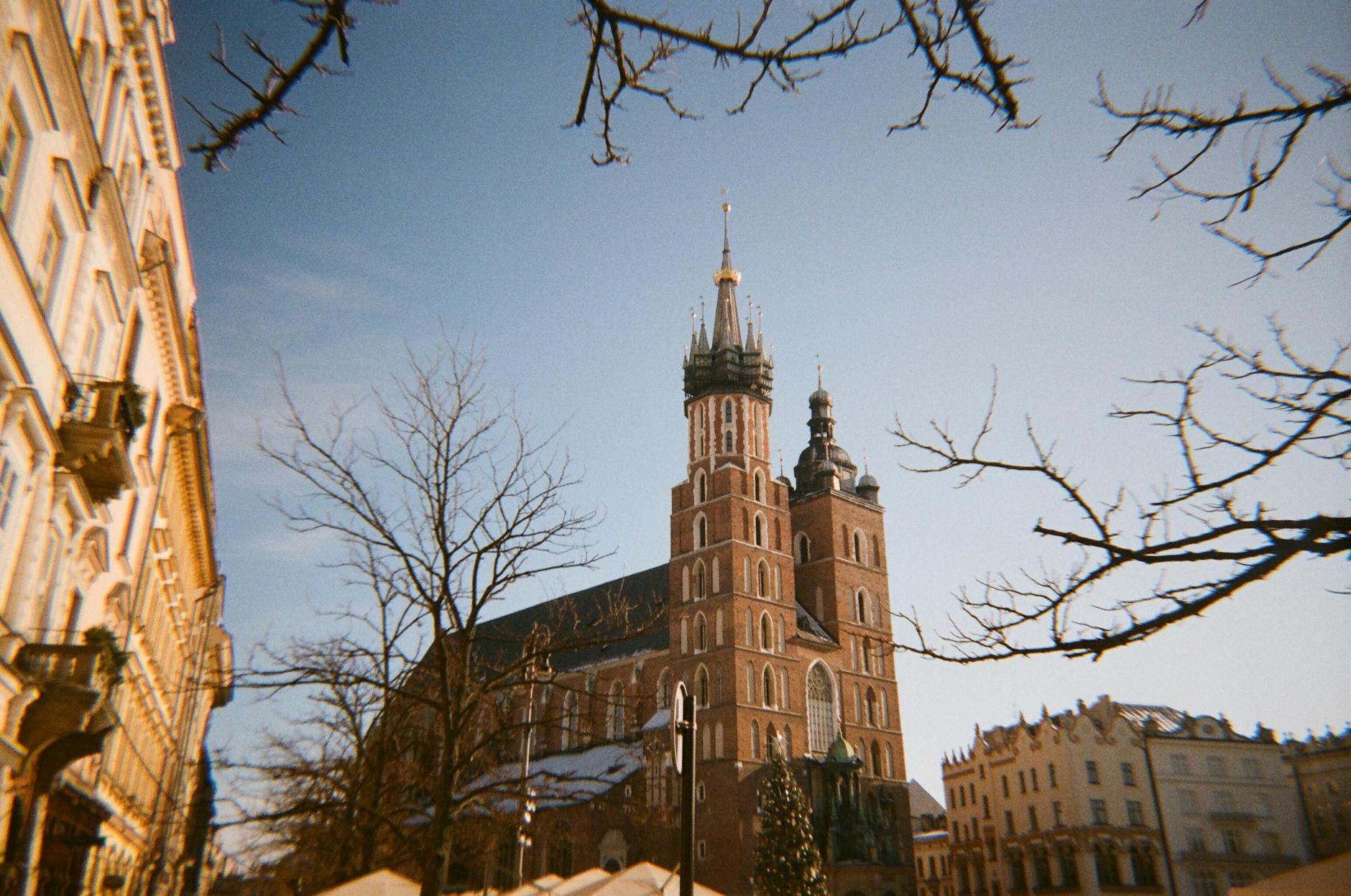
Ceremonial Krakow: Rynek Glowny, St. Mary's, Cloth Hall, Wawel, and the version of the city that still feels nationally theatrical.
Scholarly Krakow: old university life, courtyards, bookish streets, and the intellectual quiet that survives behind the crowds.
Social Krakow: Kazimierz, cafe life, bars, restaurants, river walks, and the less formal city people actually inhabit at night.
Memory Krakow: synagogues, cemeteries, wartime museums, Podgorze, and the places where a visitor needs more seriousness than speed.
Tourist Krakow: the carriage routes, souvenir corridors, loud group travel, and the parts of town that remind you the city is globally consumed now.
The Main Mental Shift
Do not ask, "What are the top things to see in Krakow?" Ask, "Which Krakow am I in right now?" The royal city, the student city, the memory city, the over-touristed city, the river city. The trip gets sharper the moment you stop treating the city as one continuous medieval set.
What Krakow Does Better Than People Think
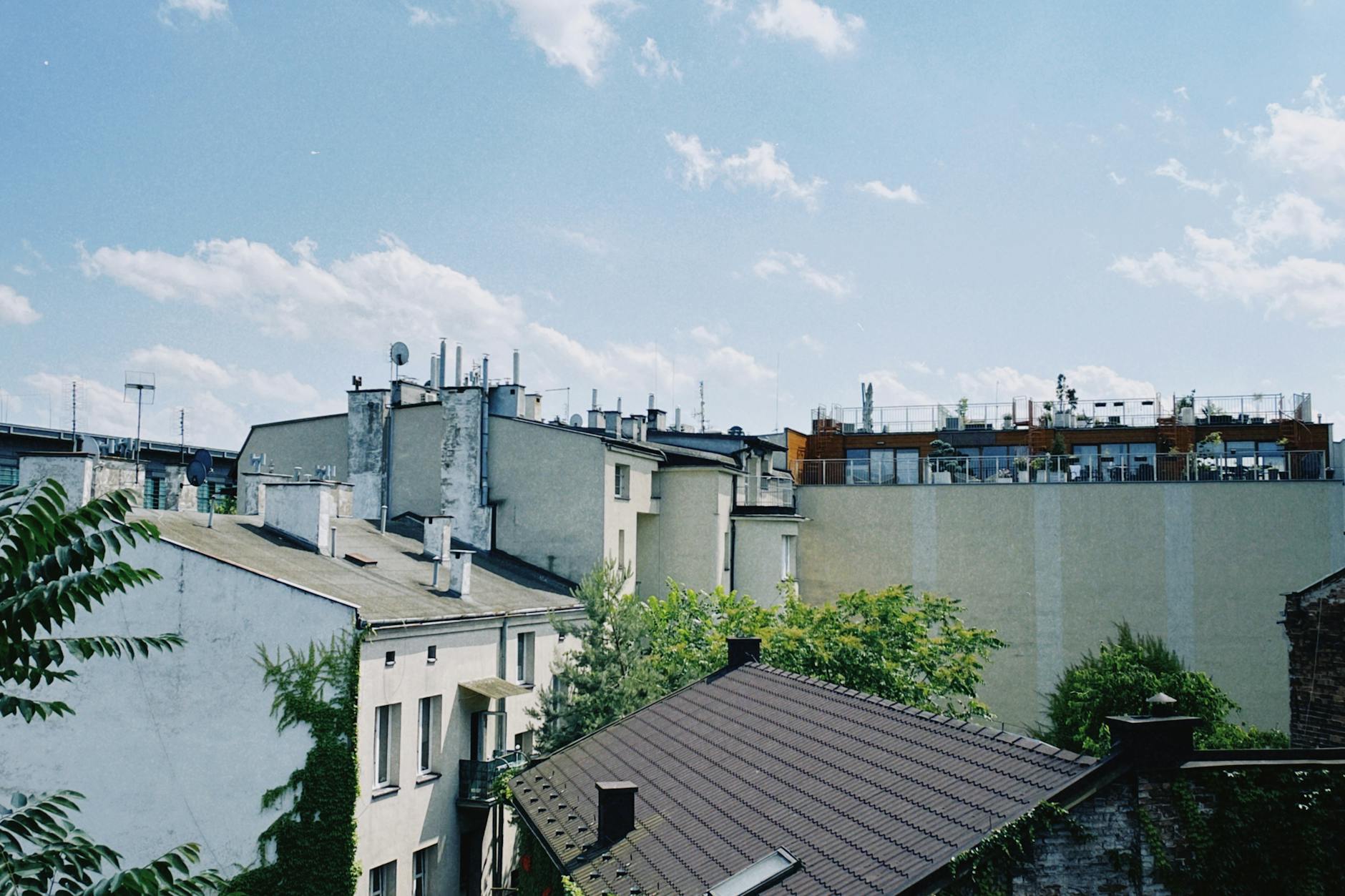
Krakow is unusually good at holding grandeur and intimacy together. The big spaces are genuinely big: the square, Wawel, the old churches, the civic drama of the center. But the city also keeps yielding human-scale lanes, courtyards, cafes, riverside movement, and neighborhoods where the trip becomes more personal.
It is also better than many first-time visitors expect at district contrast without urban sprawl. You do not need a subway map and forty-five-minute commutes to feel meaningful shifts. The movement from Old Town to Kazimierz to Podgorze changes the trip in ways that are emotional, architectural, and historical all at once.
Another underrated strength is museum seriousness relative to trip length. A two- or three-day Krakow stay can include genuinely important cultural and historical institutions without feeling like you barely scratched the surface.
Krakow is also very strong at walk-led travel. Plenty of cities say they are walkable when they really mean one district is walkable. Krakow actually works on foot, provided you understand where the crowds are worst and when to detour.
Finally, Krakow does beauty with consequence better than many European city-break destinations. The city is lovely, but not trivial. That is why people remember it.
Best Time to Visit Krakow
Krakow is a year-round city, but the balance between atmosphere, crowding, daylight, and emotional ease changes a lot across the calendar.
Best Overall Months
May, June, September, and early October are the strongest first-visit windows for most travelers. The weather is usually workable, daylight helps, and the city still feels alive without being quite as exhausting as peak summer.
Summer
Summer is easy to enjoy and easy to misuse. The streets are active, outdoor dining works, river life improves, and long days make district-hopping graceful. The cost is crowd density. If you stay right on the hottest Old Town corridors and move only at peak hours, you can end up resenting a city that is actually still excellent.
Autumn
Early autumn suits Krakow especially well. The city keeps its walkability and beauty, but often regains some composure. The colors around Planty and the river help. So does the slightly more local feeling once peak summer pressure softens.
Winter
Winter narrows Krakow into churches, museums, restaurants, cafes, and evening atmosphere. This can be very good. The city carries winter well because the center is dense, interiors matter, and ceremonial architecture still holds mood. Just do not expect a river-and-neighborhood trip of the same kind you would build in June.
Spring
Spring is attractive because Krakow begins to reopen psychologically. Terraces return, walking expands, and the city starts to feel less interior-led. It can also be variable. That is not a flaw, only a planning fact.
Month-by-Month Guidance
January: quiet, cold, and good for museum-led travel. February: still wintry, but manageable for a city break. March: transitional and unpredictable. April: improving, but still mixed. May: one of the best overall choices. June: excellent if booked intelligently. July: strong, lively, and crowded. August: still rewarding, but busiest in mood. September: one of the smartest months to go. October: atmospheric and often ideal early in the month. November: subdued, more reflective, good for serious travelers. December: festive, attractive, and strong for first-timers who like winter city breaks.
How Many Days You Need
One Day
Enough to see why people come. Not enough to understand why the city stays with them.
Two Days
The minimum respectable stay. One day should belong to the Old Town and Wawel. The second should include Kazimierz and Podgorze, not just more of the square at different angles.
Three Days
Ideal for a first visit. This gives Krakow enough room for one deep historical institution, one district day, one slower food-and-walk day, and better control over crowd timing.
Four To Five Days
Very good if you want Krakow plus one carefully chosen excursion without reducing the city to accommodation logistics.
One Week
Excellent if Krakow anchors a broader southern Poland route, provided the city itself still gets several direct days of attention.
Where to Stay in Krakow
Where you stay shapes the whole trip because Krakow's center is dense but not uniform. Noise, crowding, and the difference between ceremonial beauty and actual ease are real.
Fast Answer
For most first-time visitors, stay on the edge of the Old Town or on the Old Town-Kazimierz seam. Choose Kazimierz if evening life and food matter most. Choose a quieter edge-of-center hotel if you want easy walking but better sleep. Stay directly on the most touristed square-frontage only if being inside the spectacle matters more to you than calm.
Neighborhood Decision Table
| Traveler Type | Best Area |
|---|---|
| First-time couple | Old Town edge |
| Food-and-night traveler | Kazimierz |
| History traveler | Old Town edge or southern Kazimierz |
| Lighter sleeper | Edge of Old Town, not deep in it |
| Short stay with early train | Near Krakow Glowny or north-east edge of center |
| Repeat visitor | Kazimierz or Podgorze edge |
Old Town
This is the obvious base and often the right one. You are near the square, Planty, Wawel, the station, and the visual core that first-time visitors usually want. The tradeoff is that the heart of the Old Town can become loud, expensive, and overexposed very quickly. The sweet spot is often not the square itself but the streets just outside the densest flow.
Kazimierz
Kazimierz gives many travelers the version of Krakow they end up loving most. It is social, layered, and less formally staged than the Old Town. It also works well because you can still walk into the center while getting better food-and-evening texture. For travelers who want Krakow to feel inhabited, this is often the best base.
Podgorze Edge
Podgorze is less conventional as a first base, but it can work for repeat visitors or travelers who want a more residential, quieter, and slightly more contemporary-feeling stay. I would not make it the default for a first two-day trip, but I would absolutely use it for a slower return.
Area Profiles
Old Town
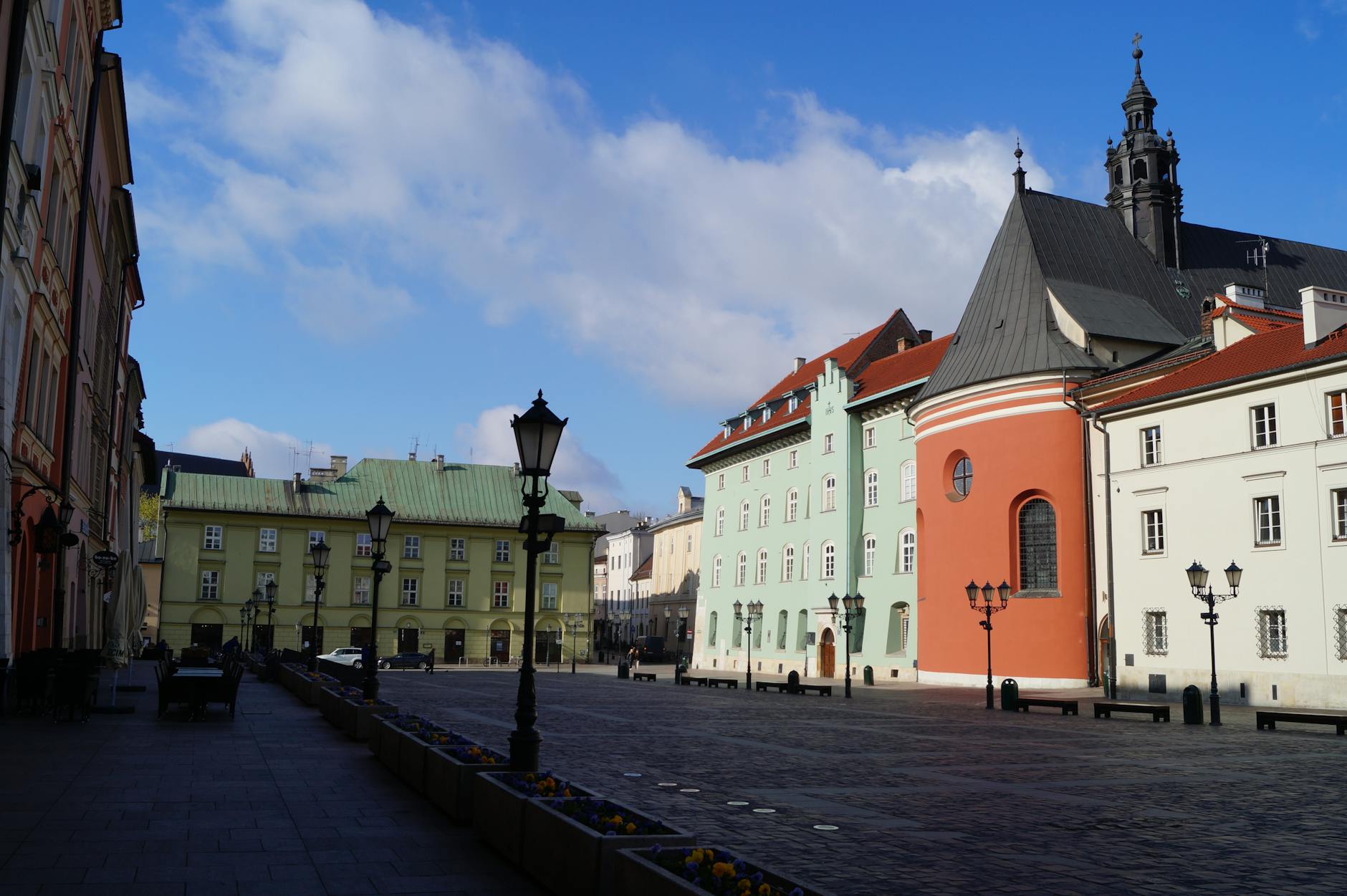
The monumental core: beautiful, high-value, crowded, and still worth it. You come here for the square, the churches, the Planty circuit, the university atmosphere on the edges, and the pure civic theater of Krakow.
Wawel and the River Edge
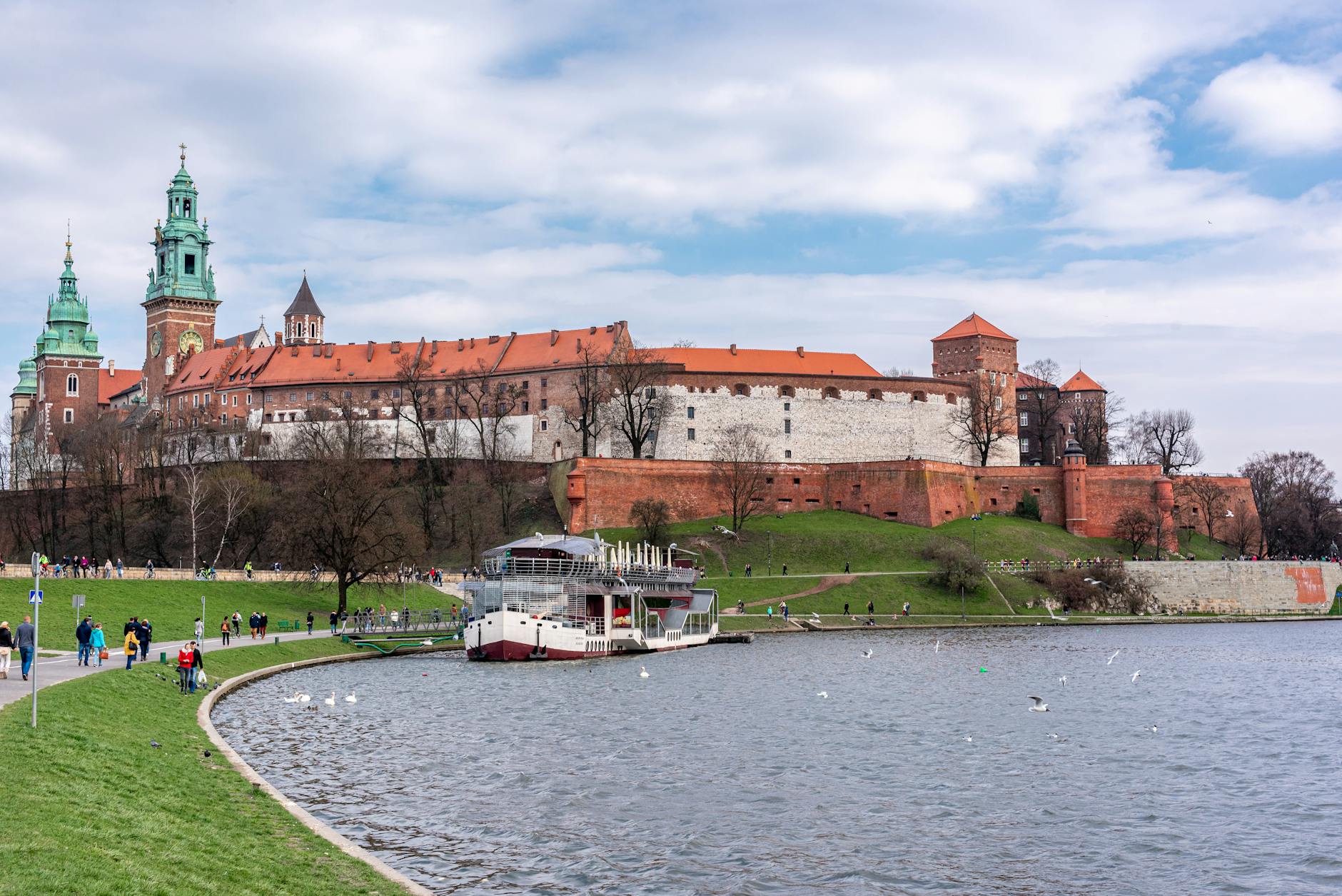
This is where Krakow's royal and symbolic identity becomes unavoidable. It is one of the few great urban-set-piece zones in Europe that still feels nationally charged rather than merely decorative.
Kazimierz
The city's most rewarding blend of memory, food, and contemporary social life. It is also the district most easily misread if you treat it only as nightlife or only as heritage.
Podgorze
The district that deepens the trip. It adds wartime memory, separate-city history, more breathing room, and a valuable shift away from the visitor's easiest Krakow.
Neighborhood Guide: Where to Explore, Not Just Sleep
Rynek and its immediate lanes: see it early and late, not only at peak noon density. Krakow's showpiece deserves those quieter hours.
Planty: use the ring deliberately. It helps the city make sense and gives relief from the most direct crowd corridors.
Kazimierz around Szeroka, Józefa, and Plac Nowy: this is where social Krakow and memory Krakow sit closest together. Treat it with enough time and enough tact.
Podgorze around Plac Bohaterow Getta and Lipowa: one of the most important zones in the city for visitors who want more than postcard beauty.
The river walks: useful not just for scenery but for emotional spacing. Krakow benefits from pauses between heavy sites.
The Best Things to Do in Krakow
Do Wawel Properly
The official Wawel site describes the castle and hill as the most historically and culturally important site in Poland.[5] Believe that scale. Do not reduce Wawel to one exterior photo and a dragon joke. Pick one or two routes inside, accept that it is a museum complex, and give it real time.
Use Rynek Glowny As Structure, Not Just Spectacle
The Main Market Square matters because it orients the whole trip. See it in the morning, again at dusk, and once as a passage rather than a destination. You will understand the city better that way.
Walk From Old Town To Kazimierz On Foot
This is one of the essential Krakow transitions. The city gets more interesting the moment the ceremonial core loosens and daily life begins to dominate the mood.
Give Schindler Factory A Proper Slot
Schindler Factory is one of the most effective museum experiences in the city when handled without hurry. Because ticketing is constrained, it also rewards planning more than improvisation.[3][4]
Cross Into Podgorze On Purpose
Do not let Podgorze be something you only glimpse from a tour bus or a museum queue. Crossing the Vistula changes the emotional scale of the trip and gives Krakow its necessary second register.
Walk The Planty
The ring where the old walls once stood remains one of the best ways to move between parts of central Krakow without feeling trapped in tourist current. It is practical and interpretive at the same time.
Itineraries
The Best First 48 Hours
Day 1: Old Town early, Planty, Wawel, a late lunch, slow afternoon through the center, dinner in Kazimierz, and an evening walk back.
Day 2: Kazimierz in the morning, Schindler Factory or another major memory-site choice, Podgorze on foot, then a less programmed evening with room for food and reflection.
The Best First 72 Hours
Day 1: ceremonial Krakow. Day 2: Kazimierz and Podgorze. Day 3: one museum or excursion choice, plus a deliberately unstructured half-day for return walks, food, and whatever district still feels unfinished.
If You Only Have One Full Day
Stay city-focused. Old Town, Wawel exterior plus at least one interior choice, Kazimierz by late afternoon, and a good dinner. Do not burn your only day on bus logistics out of town.
Itineraries By Traveler Type
For History Travelers
Anchor the trip around Wawel, Schindler Factory, Kazimierz, and Podgorze. Leave enough emotional space between major wartime and Holocaust-related material.
For Couples
Stay central or in Kazimierz, keep the schedule walkable, use Wawel and the river in daylight, and let at least one evening be mostly about dinner and neighborhood atmosphere.
For Food-Led Travelers
Base in Kazimierz or on its edge, use the Old Town earlier in the day, and let meals pull you through the city rather than forcing every meal onto the square.
For Repeat Visitors
Spend less time performing the postcard core and more time on district rhythm: Kazimierz, Podgorze, the river, museums, and ordinary tram-linked movement.
Food and Drink
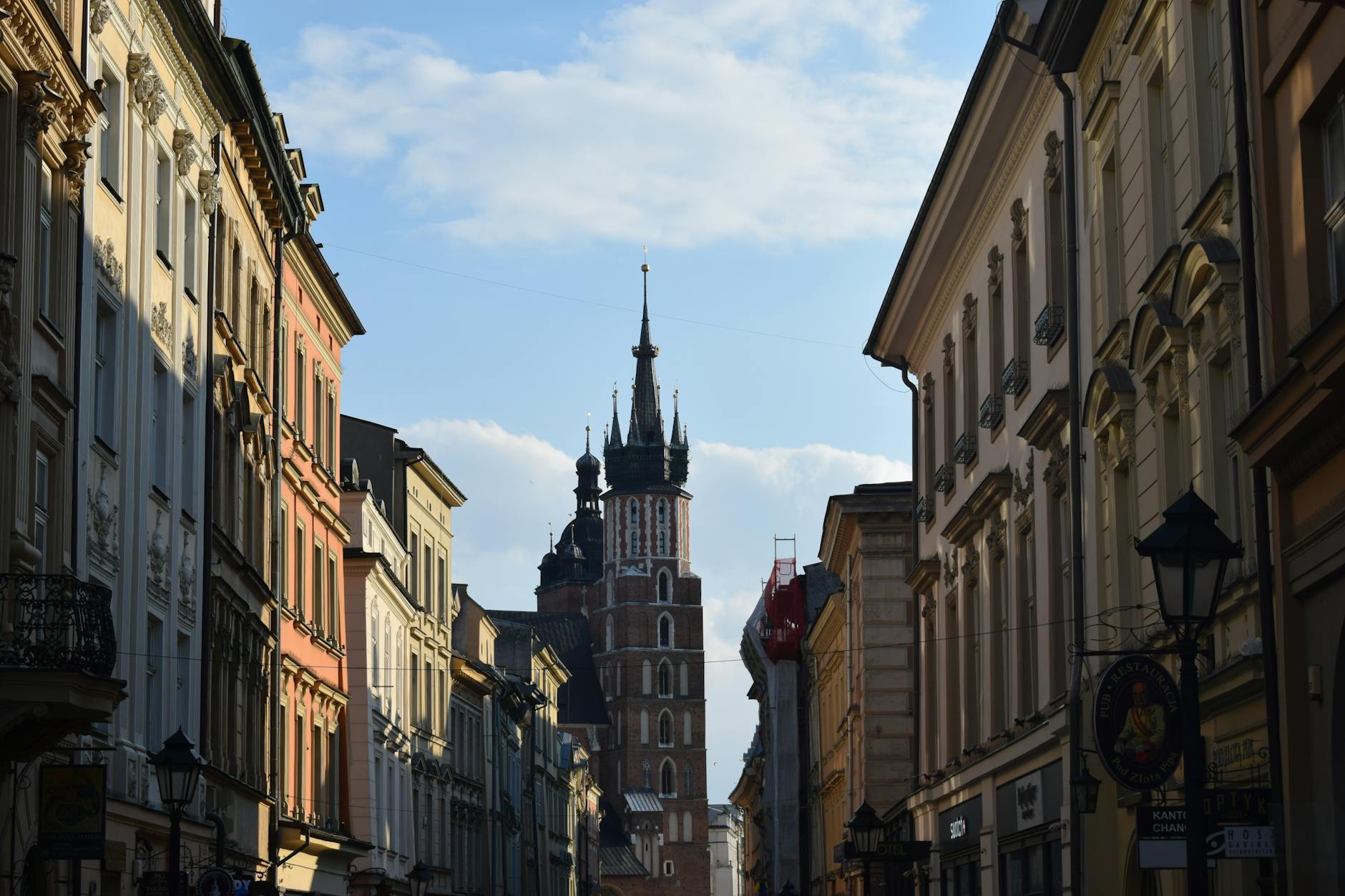
Krakow eats better than the worst versions of its tourism economy suggest. The mistake is letting the square dictate your meals. The strongest food-and-drink Krakow is usually found by moving one layer off the most theatrical frontage and taking Kazimierz seriously.
This is a city where cafe time matters, where a long dinner can usefully follow a heavy museum day, and where neighborhood energy is often more valuable than formal prestige. Kazimierz tends to deliver that best: more range, more life, and less sense that you are dining inside a stage set built for passing groups.
You also do not need to chase every iconic snack simply because it appears on short itineraries. Better to eat with some rhythm than to graze through the city like you are collecting proof of presence.
Getting Around
Krakow is primarily a walking city. That is the first thing to understand and the most useful. The second thing is that trams are there to preserve your energy and extend your range, not to replace walking altogether.
MPK's official ticket structure makes short-term visitor use straightforward once you decide whether you need single rides or a day-based ticket.[2] For most first-time travelers staying centrally, the smartest pattern is simple: walk the core, use trams selectively for Podgorze, outer museums, or weather fatigue, and take the airport train if your hotel geography suits it.
Driving is rarely worth the trouble for a city-first Krakow stay. Between restricted traffic zones in the historic center and the fact that most of what matters to first-timers lies within walk-and-tram reach, the rental car usually belongs to a different trip.[7]
Kazimierz, Podgorze, And The Problem Of Memory Tourism
Krakow asks for judgment here. Kazimierz is not only a picturesque quarter full of bars, and Podgorze is not only a box to tick because Schindler's Factory is there. These districts carry Jewish history, wartime history, erasure, reinvention, and present-day urban life all at once.
The bad version of this part of Krakow is emotionally rushed. A traveler photographs synagogue facades, scans a memorial square, enters one museum, and moves on with the satisfied feeling of having addressed history. The stronger version is slower. It accepts that these districts are not supposed to deliver uncomplicated pleasure, and it does not ask them to.
That does not mean turning the trip into a moral performance. It means behaving like an adult visitor in a city where memory is part of the urban fabric, not a detachable excursion theme.
Where Krakow Fits In A Poland Trip
Krakow is often the most emotionally effective first city in Poland for international visitors because it is both immediately beautiful and historically legible. Warsaw may be the capital and the more structurally essential city for understanding the modern state, but Krakow is usually the cleaner first love. It presents itself quickly, and that first presentation is strong enough to make the traveler care about the country's deeper layers.
That matters in itinerary design. If you start in Krakow, Poland can feel ceremonially rich, walkable, and culturally dense almost at once. If you add Warsaw later, the trip acquires scale, reconstruction history, and a more contemporary national argument. If you start in Warsaw and then come to Krakow, Krakow often feels like the rewarding second act: more concentrated, more immediately atmospheric, and easier to inhabit on foot.
Krakow is also one of the best anchor cities in Central Europe for a short regional route because it gives so much without demanding giant-city stamina. You can use it as the Polish section of a wider trip through Prague, Vienna, or Budapest, but it is better when not treated as interchangeable with them. Krakow is less imperial-showcase urbanism than Vienna, less pure visitor theater than Prague at its most compressed, and less river-capital drama than Budapest. It is its own thing: royal, scholarly, memorial, and stubbornly walk-led.
Krakow Versus Warsaw, Prague, And Budapest
Compared with Warsaw, Krakow is easier to love quickly. Warsaw is broader, tougher, more modern in feel, and more necessary for understanding twentieth-century Poland and present-day national life. Krakow is more condensed and more visibly preserved. If you want instant spatial satisfaction, Krakow often wins. If you want a city that feels more like a living national argument, Warsaw has the deeper case.
Compared with Prague, Krakow is generally less overtaken by its own image, even if parts of the Old Town still suffer from heavy visitor pressure. Prague can feel more architecturally overwhelming on first sight, but Krakow often feels more morally and historically textured once you move beyond the ceremonial core. It has less of the "perfect old city under glass" effect and more sense of friction between beauty, memory, and present life.
Compared with Budapest, Krakow is smaller, calmer, and easier to complete without fatigue. Budapest spreads its drama across hills, bridges, baths, and boulevards. Krakow is more compact, more district-driven, and often better for travelers who want one strong urban experience without turning every day into a transport-and-ticket campaign.
This is why Krakow works so well in shorter trips. It gives real grandeur and real seriousness without requiring the energy budget of a large capital.
First-Time Visitors Versus Repeat Visitors
First-time visitors usually enter through the Old Town and understandably assume the city will remain a single unbroken tone of beauty, history, and crowd flow. That is the correct opening and the wrong conclusion. A first visit should allow the old core to impress, but it should not end there. The first crucial improvement is always the move into Kazimierz and then across toward Podgorze. Those districts complicate the trip in productive ways and rescue it from postcard monotony.
Repeat visitors often start doing Krakow better because they become less obedient to the city's most famous angles. They stop measuring success by how much time they spent on Rynek or how many nearby heavy sites they completed. Instead they begin to care more about pacing, where they sleep, which district gets the evening, and whether one day should belong almost entirely to walking and food instead of to formal sightseeing.
Krakow holds up extremely well on return because it is not merely decorative. Decorative cities can feel exhausted once the surprise is gone. Krakow often strengthens because its second- and third-order qualities become more visible: district contrast, social life, river spacing, and the relationship between public beauty and public memory.
Why One Proper Krakow Day Matters
Many visitors inadvertently cut Krakow in half. They give it an arrival evening and perhaps a partial day, then spend the real daylight on famous excursions or heavy out-of-town material. What remains is pleasant but incomplete: a square, a church, a castle exterior, one dinner, maybe Kazimierz at night. A proper Krakow day is what turns the city from a handsome stop into a genuine destination.
That full day gives Wawel the time it deserves. It lets the Old Town breathe outside the worst crowd windows. It allows the Planty to function as more than just greenery around the edge of the postcard. It creates room for the move southward into Kazimierz without making the day feel overstuffed. Most importantly, it lets the city reveal its own rhythm instead of being squeezed between tickets elsewhere.
One proper day also shows how much Krakow changes by hour. Morning order, midday density, late-afternoon relief, and evening sociability do not feel interchangeable here. If you only know one of those modes, you do not yet know the city well.
Why The Old Town Should Not Own The Whole Trip
The Old Town is powerful enough to monopolize attention, especially on a first visit. It is beautiful, historically consequential, and one of Europe's genuinely great ceremonial cores. The problem is not that travelers spend too much time there. The problem is that they sometimes let it dictate their whole reading of Krakow.
This weakens the trip because the rest of Krakow is what gives the Old Town proportion. Kazimierz supplies district texture and present-day social life. Podgorze introduces a different emotional register and deepens the historical reading. The river adds pause and distance. Even something as simple as walking out of the densest center and back again changes how the core feels when you return to it.
If you never leave the Old Town meaningfully, Krakow can start to resemble a successful set piece with excellent churches and increasingly predictable crowd patterns. Once the trip broadens, the old core regains force because it becomes one part of a larger urban narrative rather than the whole performance.
How Krakow Changes Over The Course Of A Stay
On arrival, Krakow often feels almost too ready. The square is ready. The towers are ready. Wawel is ready. The city seems to hand over its beauty with unusual confidence. That first generosity is real, but it can encourage shallow certainty. By the second day, Krakow typically becomes more complex. You notice where the visitor current thickens and where it thins. You see which streets are still functioning as city and which are mostly functioning as tourism. You begin to understand why Kazimierz and Podgorze matter.
By the third day, many travelers stop trying to extract maximum proof from every hour. They trust the city more. They return to Planty, take a slower lunch, choose one district for the evening instead of crossing constantly, and begin to appreciate how well Krakow supports repetition. The city often becomes more persuasive in this phase because it no longer has to dazzle continuously. It can simply remain coherent.
That is one of Krakow's deepest strengths. It does not collapse once the first-view magic wears off. If anything, it improves because the first-view magic is only the front door.
Common Mistakes
- Staying right on the loudest Old Town frontage and then complaining that Krakow feels over-touristed.
- Trying to "clear" Wawel in a hurry.
- Treating Kazimierz only as nightlife.
- Treating Podgorze only as a Schindler Factory queue.
- Doing too many heavy historical sites back to back.
- Using Krakow mainly as a base for day trips.
- Renting a car for a city-led stay.
- Eating every major meal in the most obvious part of the square.
My Blunt Advice
Give Krakow three days if you can. Stay either on the calmer edge of the Old Town or in Kazimierz. Walk more than you think you need to. Do Wawel seriously. Cross the river. Let Kazimierz and Podgorze alter your first impression of the city. Refuse the urge to turn the trip into a badge collection of nearby famous places.
Krakow is at its best when it stops being a medieval backdrop and becomes a layered urban experience with beauty, intelligence, appetite, and conscience all operating at once. That is the real prize here, and it is much better than simply saying you have been.
Source Notes
- 1. Krakow Airport, "Train." https://www.krakowairport.pl/en/train-en
- 2. MPK Krakow, "KMK ticket guide." https://mpk.krakow.pl/en/kmk-tickets
- 3. Museum of Krakow, "Oskar Schindler's Enamel Factory." https://www.muzeumkrakowa.pl/en/branches/oskar-schindlers-enamel-factory
- 4. Museum of Krakow, "Oskar Schindler's Enamel Factory" ticketing and availability notes. https://www.muzeumkrakowa.pl/en/branches/oskar-schindlers-enamel-factory
- 5. Wawel Royal Castle, "About the Museum." https://wawel.krakow.pl/en/information-about-museum
- 6. Wawel Royal Castle, "What to See." https://wawel.krakow.pl/en/what-to-see
- 7. Municipality of Krakow, "How to drive around Krakow's city centre - current rules." https://krakow.pl/krakow_open_city/news/300056%2C245%2Ckomunikat%2Chow_to_drive_around_krakow_s_city_centre___current_rules.html