
Halifax is often marketed too gently.
Start Here
People describe it as friendly, maritime, walkable, easy, seafood-rich, and pleasant. None of that is false. But it is incomplete in a way that weakens the city before the visitor even arrives. Halifax is not just agreeable. It is one of the few smaller North American cities whose character still feels actively shaped by its harbor. The water is not decorative. The slope up from the waterfront is not incidental. The weather is not a background inconvenience. The military past, immigration history, ferry crossings, port activity, and old Atlantic practicality all still participate in the mood of the place.
That is why Halifax works best when treated as a real city and not as a soft-edged stopover. A weak trip reduces the place to a boardwalk, a lobster roll, a pub, and a vague sense that maritime Canada seems nice. A stronger trip understands that Halifax has several distinct selves that need to be balanced: the waterfront city, the hill city, the student city, the institutional city, and the harbor-facing city that only fully makes sense once you cross the water or at least keep Dartmouth in the frame.
Scale helps, but only if you use it well. Halifax is compact enough that visitors assume almost any plan will work. That assumption is the trap. Hotel location matters. Weather matters. Whether you build the trip around the waterfront alone or allow room for Citadel Hill, the Public Gardens, the south end, the North End, or a ferry ride matters. If you get those calls right, Halifax becomes one of the most convincing smaller-city stays in Canada: social without trying too hard, historic without becoming embalmed, coastal without turning into a resort, and serious without losing warmth.
The city also benefits from a slightly slower eye than travelers often bring to it. Halifax does not win by overwhelming you with monuments. It wins by coherence. The harbor edge talks to the old fort. The old fort explains the hill. The hill changes the way you feel the waterfront. The ferry shows you the city from the water and reminds you that Dartmouth is not an accessory. Pier 21 and the Maritime Museum deepen the harbor story beyond scenery. The Public Gardens reveal a Victorian civic ambition that would sound ornamental if it were not still so beautifully maintained. Food and bars then give the whole thing a social shape that makes the city feel lived rather than curated.
The city in one sentence: Halifax is a harbor capital whose best first trip comes from combining waterfront time with hill-and-history logic, ferry movement, and enough neighborhood and museum depth to make the city feel like Atlantic Canada's real urban center rather than a merely likable coastal backdrop.
Basic data
| Population | About 480,000 in the regional municipality |
|---|---|
| Area | Large regional municipality; the visitor core is compact |
| Major religions | Christian heritage with a large secular contemporary public culture |
| Political system | Regional municipality inside a federal parliamentary constitutional monarchy |
| Economic system | Advanced mixed economy led by port activity, government, education, defense, tourism, and services |
Quick Verdict
Best for: couples, solo travelers, first-time Atlantic Canada trips, seafood-focused travelers, short summer or shoulder-season stays, and anyone who likes smaller cities with real historical and geographic logic.
Not ideal for: travelers who need giant-city cultural density, nightlife intensity every hour, or beaches and resort infrastructure as the core of the trip.
Ideal first visit: 2 to 3 full days.
Minimum worthwhile stay: 2 full days.
Best overall months: June, July, September, and early October.
Best winter case: a slower hotel-and-restaurant city break built around museums, weather, and harbor atmosphere rather than pure outdoor ambition.
Biggest planning mistake: assuming the waterfront alone explains Halifax.
One thing to prioritize: your base. Being able to walk easily between the harbor, Citadel area, and dinner districts makes the city read much more cleanly.
One thing to leave flexible: outdoor harbor time. Wind, fog, rain, or clear light can change what deserves priority.
The blunt version: Halifax is much better as an authored overnight city than as a generic "Maritime stop," and a short but well-shaped stay can be one of Canada's highest-return urban breaks.
Who Will Love Halifax?
Halifax is especially good for travelers who like cities that still feel tied to working geography. If you are drawn to places where the port is not purely heritage decoration, where the weather changes the emotional temperature of the day, and where a hill, a fort, and a ferry can all still make urban sense, Halifax gives you a lot.
Couples tend to do very well here because the city naturally supports an attractive rhythm: waterfront in the morning, one historical or museum anchor in the afternoon, dinner and drinks without much friction, then a harbor walk once the cruise-day or day-trip crowd has thinned. Halifax is easy to enjoy, but the pleasure is not empty. The city has enough grain to make even a simple day feel like a real place rather than a visitor strip.
Solo travelers also do well. Halifax is legible, manageable, and not socially awkward to use alone. The boardwalk, ferry terminals, museum institutions, cafés, and neighborhood streets all feel accessible without demanding constant planning. It is the kind of city where you can decide at midday to cross to Dartmouth, climb toward the Citadel, or stay south and simply keep walking, and none of those choices feels like a mistake.
Travelers interested in history should pay attention. Halifax's appeal is not just that it is old. It is that several different histories still remain physically understandable: military history at the Citadel, maritime history on the waterfront, immigration history at Pier 21, and a wider Atlantic story visible in the city's practical, weather-aware self-presentation.
The city is less ideal for travelers who need spectacle density. Halifax has enough to fill a short stay gracefully, but it is not trying to crush you with options. It is at its best when the visitor has enough patience to let atmosphere, harbor orientation, and social ease do part of the work.
Halifax at a Glance
| Question | Practical Answer |
|---|---|
| Main airport | Halifax Stanfield International Airport |
| Simplest budget airport move | Halifax Transit Route 320 Regional Express |
| Main local transport system | Halifax Transit |
| Useful scenic transit move | Halifax-Dartmouth ferry |
| Best first-time base | Downtown Halifax near the waterfront but not too far from Spring Garden Road or Citadel Hill |
| Best short walk | A long stretch of the waterfront boardwalk plus an uphill turn into the core |
| Signature historic anchor | Halifax Citadel National Historic Site |
| Signature waterfront museum | Maritime Museum of the Atlantic |
| Signature immigration-history stop | Canadian Museum of Immigration at Pier 21 |
| Best softer civic detour | Halifax Public Gardens |
| Car needed? | No, not for a normal first visit |
| Emergency number | 911 |
| Tap water | Safe to drink |
| Currency | Canadian dollar |
| Power plugs | Type A and B |
2026 Visitor Notes
The Airport Bus Is Real, Useful, And Worth Knowing About
Halifax Stanfield's official ground transportation page lists Halifax Transit Route 320 as the public-transit link between the airport and downtown Halifax, while Halifax Transit's own route materials confirm the 320 Airport/Fall River Regional Express pattern.[1][2] That matters because Halifax is one of those cities where visitors often assume the airport is too far out for public transit to matter. It does matter.
Halifax Transit Is Simple Enough If You Keep Expectations Realistic
Halifax Transit publishes standard fare and pass information, including ferry use and mobile-ticketing options through HFXGO.[3][4] This is not a hyper-slick big-city system, but it is workable and especially useful when paired with walking and the ferry rather than imagined as a door-to-door urban miracle.
The Waterfront Boardwalk Really Is One Of The City's Structural Experiences
The Halifax Waterfront Boardwalk is officially described by the municipality as running from Pier 21 to Casino Nova Scotia, and Discover Halifax describes the waterfront walk as a four-kilometre essential city experience.[7][8] This is important because the boardwalk is not just a visitor promenade. It is one of the clearest ways to understand how the city meets the harbor.
The Citadel Is More Than A Viewpoint
Parks Canada keeps the Halifax Citadel open year-round, with fuller programming from May through October.[9][10] Visitors should use it as both a historical site and a physical orientation tool. The hill matters almost as much as the fort.
Pier 21 Deserves Real Time
The Canadian Museum of Immigration at Pier 21 is not just a worthy add-on at the south end of the waterfront. It is a national museum tied to one of the most important immigration sites in Canadian history.[11][12] If the trip needs one institution that makes the harbor feel consequential rather than merely photogenic, this is one of the best candidates.
The Maritime Museum Adds Depth To The Waterfront
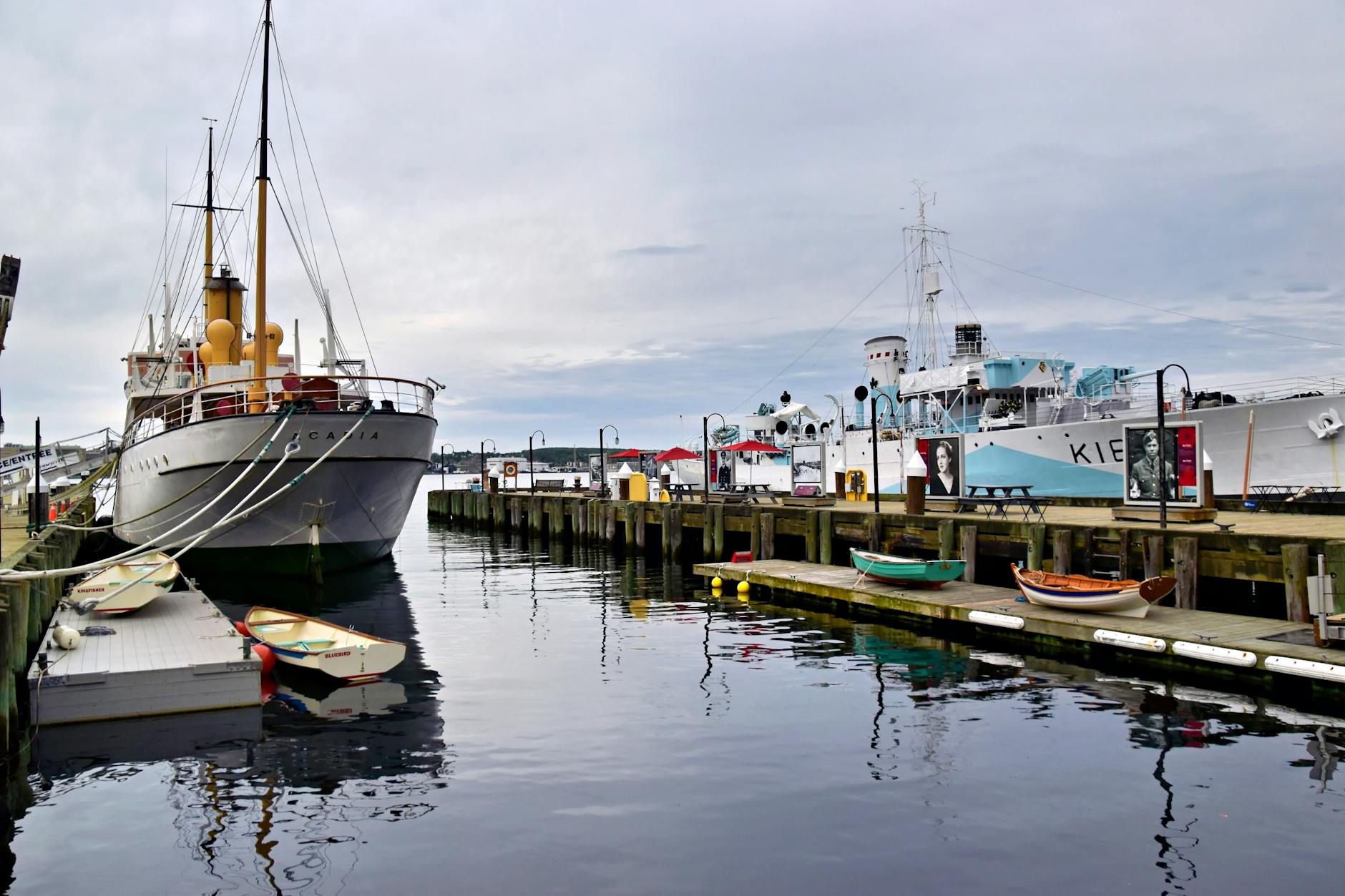
The Maritime Museum of the Atlantic's official materials make clear that the museum sits in the heart of the waterfront and interprets Nova Scotia's relationship with the sea, including Titanic and Halifax Explosion contexts.[13][14] It is one of the easiest ways to make the harbor story intellectually complete.
The Public Gardens Are Not Filler
Municipal and garden-history sources describe the Halifax Public Gardens as one of the finest surviving examples of a Victorian Garden in North America.[15][16] This is exactly the sort of place that mediocre city guides reduce to "nice if you have time," when in fact it helps explain Halifax's civic texture.
How to Understand Halifax
Halifax works through five forces.
The first is the harbor. Everything begins there: the city's mood, its practical history, the boardwalk, the port energy, the museum concentration, the ferry logic, and the sense that Halifax still faces outward.
The second is the hill. The slope up from the water is not dramatic by alpine standards, but it changes the city completely. Halifax is stronger once you feel the relationship between the harbor edge and the ground above it.
The third is Atlantic weather. Fog, light, wind, dampness, and sharp clear spells all matter here. Halifax can feel soft, stern, social, or cinematic depending on conditions, often in the same day.
The fourth is institutional density relative to scale. The Citadel, Pier 21, the Maritime Museum, the Public Gardens, universities, and the civic core give the city more gravity than its size first suggests.
The fifth is Dartmouth across the water. Halifax is not fully legible if you never acknowledge the opposite shore. Even if you do not devote a whole day to Dartmouth, the ferry and the harbor-crossing perspective improve the trip.
The Five Halifaxes A First-Time Visitor Actually Meets
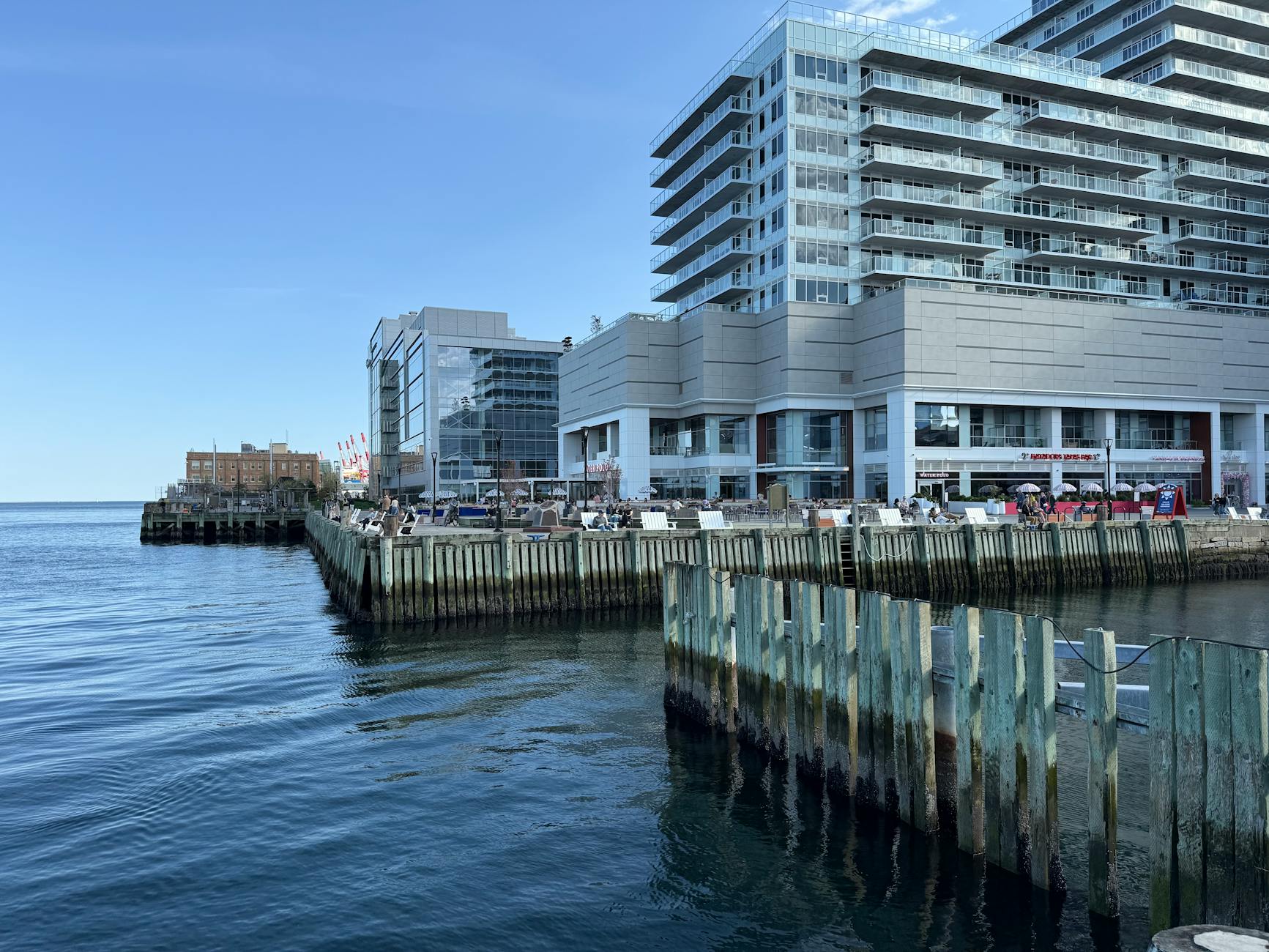
Waterfront Halifax: boardwalk, harbor light, restaurants, museum entries, ships, and the city's easiest first impression.
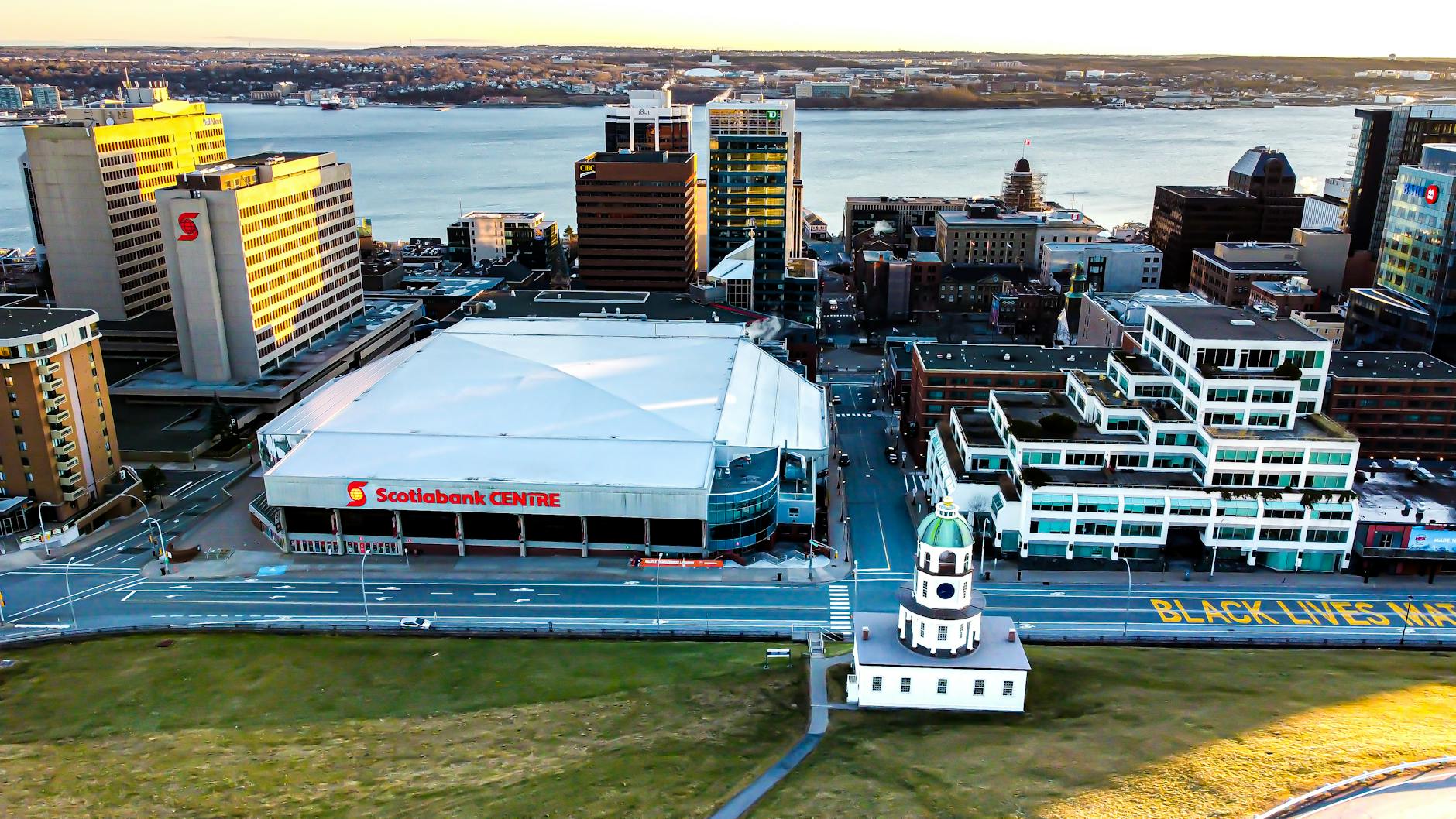
Citadel Halifax: the uphill, more historical version of the city where military and civic logic sharpen the waterfront view.
South-End Halifax: institutions, gardens, university presence, and a slightly calmer, more residential rhythm.
North-End Halifax: more local grain, stronger neighborhood texture, and a reminder that Halifax is not only heritage and harbor.
Harbor-Crossing Halifax: the version of the city that only becomes clear when you use the ferry or at least keep Dartmouth in your mental map.
The Main Mental Shift
Do not ask, "What are the top Halifax sights?" Ask, "How does this city move between harbor, hill, and neighborhood life?" Once you ask that, the city stops looking small and starts looking coherent.
What Halifax Does Better Than People Think
Halifax is better than people think at completeness over a short stay. Many smaller cities are pleasant but run out of urban logic after a single good walk. Halifax usually does not. It can support two or three days with real variation if you use the ferry, the museums, the fort, and the neighborhoods properly.
It is also better than people think at social warmth without theatricality. A lot of coastal cities sell themselves through relaxed charm. Halifax earns it more convincingly because the warmth still sits inside a city that has weather, work, history, and enough institutional seriousness to avoid seeming weightless.
Another underrated strength is harbor urbanism. The boardwalk is not a fake entertainment zone dropped beside water. It is connected to real civic and historical anchors. This gives Halifax a stronger center of gravity than many visitors expect.
The city is also very good at making museums feel structurally relevant. Pier 21 and the Maritime Museum are not random rainy-day backups. They are part of the logic of the place.
Finally, Halifax is better than people think at late-day atmosphere. Once daytime foot traffic thins and the harbor light changes, the city often becomes more persuasive, not less.
Best Time to Visit Halifax
Halifax is usable year-round, but its personality changes sharply with season, wind, and daylight.
Best Overall Months
June, July, September, and early October are the smartest all-around choices. The harbor is alive, walking is easy, and both waterfront and broader city movement feel natural.
Summer
Summer is the easiest season for first-timers because the boardwalk, patios, ferry rides, and general walkability all work effortlessly. The tradeoff is obvious: more activity, more cruise presence, and a greater temptation to mistake pleasant weather for sufficient planning.
Shoulder Season
September is arguably the sharpest month for many travelers. The city remains highly usable, but the light and atmosphere often feel more textured and less overtly performative than peak summer.
Winter
Winter Halifax is for travelers who like weather and understand that coastal cities can feel powerful when stripped down. The right winter trip is about harbor mood, seafood, pubs, museum time, and a good hotel, not about pretending every outdoor plan will be equally comfortable.
Spring
Spring is transitional but often attractive, especially if you like the city slightly under less visitor pressure. It is a good season for travelers who do not mind rebalancing the day based on conditions.
Month-by-Month Guidance
January: harbor mood, short daylight, indoor emphasis. February: similar, though socially easier than its reputation suggests. March: transitional and inconsistent. April: improving, though still weather-shaped. May: increasingly strong and greener. June: one of the best months to go. July: the easiest first-time month. August: still excellent, sometimes slightly busier and softer-edged. September: one of the smartest choices. October: very good early, moodier later. November: quieter and more interior. December: festive in parts, best for city atmosphere over sightseeing ambition.
How Many Days You Need
One Day
Enough to sample the waterfront, the Citadel area, and one museum. Not enough to understand Halifax properly.
Two Days
The minimum respectable first visit. One day should be built around harbor and hill. The second should include either the ferry/Dartmouth logic or deeper museum and neighborhood time.
Three Days
Ideal for most first-timers. This gives room for weather variation, one slower meal-and-walk day, and a more complete sense of the city.
Four Days
Excellent if you want Halifax itself to remain the point while also allowing a looser pace or a nearby Nova Scotia extension.
Where to Stay in Halifax
Where you stay matters because Halifax is compact, but not flat in emotional terms. A base that feels close to the harbor but still connected to Spring Garden Road, the Citadel side, or a stronger dinner corridor will make the city feel much better assembled.
Fast Answer
For most first-time visitors, stay in downtown Halifax near the waterfront but not so far north or south that every uphill move becomes annoying. A base around the waterfront / downtown core / Spring Garden edge is usually the smartest compromise.
Neighborhood Decision Table
| Traveler Type | Best Area |
|---|---|
| First-time visitor | Downtown Halifax near the waterfront and Spring Garden connection |
| Couple weekend | Waterfront edge or polished downtown harbor-facing stay |
| History-first trip | Downtown with easy Citadel and Pier 21 reach |
| Food-and-bars trip | Downtown with easy access to Barrington, Argyle, or North End movement |
| Calm overnight stay | South-end edge or quieter downtown-adjacent property |
Waterfront / Downtown Core
Best for: first-timers, short stays, easy harbor access. Why it works: you can walk the boardwalk, reach museums, and still move uphill into the city core without much effort. Tradeoff: parts of it can skew visitor-heavy during the day. Best use: the cleanest default base.
Spring Garden / Citadel Edge
Best for: travelers who want equal access to harbor and city. Why it works: it balances practical movement better than a purely waterfront stay. Tradeoff: less immediate water romance out the front door. Best use: one of the smartest all-around locations.
South-End Edge
Best for: quieter stays, garden and institutional access, slightly softer city rhythm. Why it works: it feels a touch more residential while staying connected. Tradeoff: not as immediate for late-night waterfront drifting. Best use: longer short stays or travelers who value calm over centrality.

Area Profiles
Waterfront core: best for first orientation and harbor atmosphere. Downtown uphill core: best for a more balanced city feel. South end: best for a calmer, greener version of Halifax. North End: best for dining and local texture rather than default first-time lodging. Dartmouth across the ferry: best as an extension, not necessarily the primary first-time base.
Neighborhood Guide: Where to Explore, Not Just Sleep
The waterfront is the obvious starting point, and rightly so. The boardwalk is one of Halifax's strongest structural experiences because it connects harbor views with museums, restaurants, and an understanding of how much of the city still faces the water.[7][8]
Citadel Hill matters because it changes the entire geometry of the place. Halifax is one of those cities that becomes more memorable once you have seen how the harbor sits beneath the fort rather than only walking beside the water.[9]
The area around Pier 21 and the southern waterfront deserves real time because it makes the harbor feel historical rather than purely scenic. The immigration story there gives the city a national dimension.[11][12]
The Public Gardens and the nearby civic core are useful because they reveal a gentler but still serious Halifax: Victorian ambition, green calm, and a reminder that this is not only a port but also a capital city with institutional memory.[15]
The North End is where the city starts to feel more locally textured. This is where visitors often find Halifax becoming less postcard-maritime and more convincingly lived-in. It is useful for food, bars, and a less polished but more grounded urban layer.
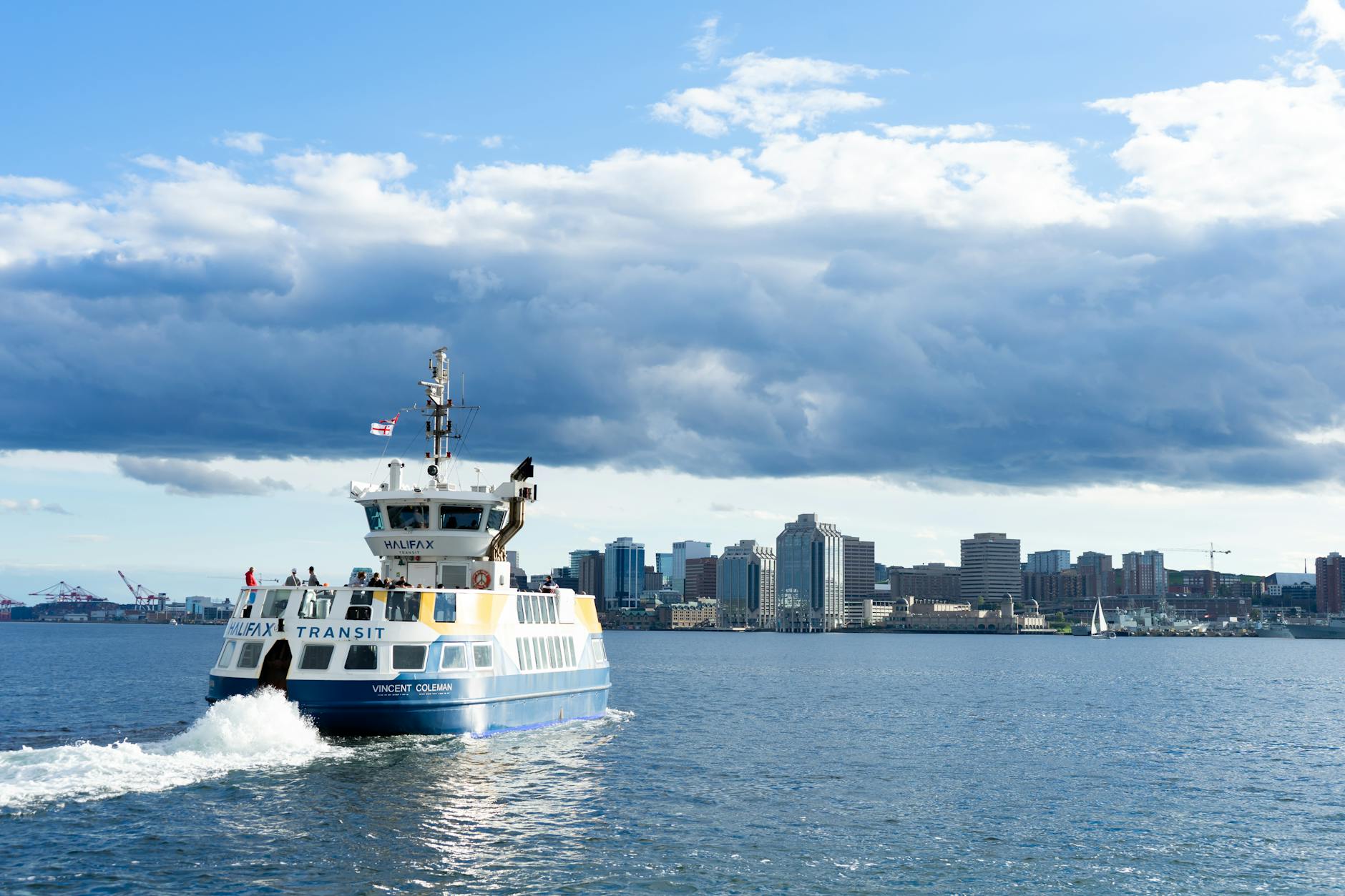
The ferry perspective matters as well. Halifax Transit runs regular ferry services, and even a simple round trip can make the city read more clearly by restoring the harbor to the center of the story rather than leaving it at your side.[5][6]
The Best Things to Do in Halifax
- Walk a serious stretch of the waterfront boardwalk rather than sampling it in fragments.[7]
- Use the Halifax Citadel to understand both history and topography.[9][10]
- Give either Pier 21 or the Maritime Museum enough time to deepen the harbor story.[11][13]
- Take the ferry, even if only for perspective and not a full Dartmouth day.[6]
- Spend time in the Public Gardens if you want the city to feel more complete.[15]
- Build one meal around seafood and one around ordinary neighborhood dining instead of treating both as the same category.
- Let the city have an evening. Halifax often lands better after the daytime visitor rhythm thins out.
Itineraries
If You Have Two Days
Use day one for the waterfront, Citadel Hill, and one harbor-history institution. Use day two for the Public Gardens, a ferry ride, and either North End or south-end neighborhood time depending on mood and weather.
If You Have Three Days
This is the best first-time pattern. Keep the two-day structure, then add a slower third day that allows one full museum visit, a proper seafood meal, and either Dartmouth or a more complete neighborhood circuit.
If You Have Four Days
Use the extra day to relax the pace rather than to overstuff the schedule. Halifax benefits from space. The fourth day is best spent letting harbor, food, and one additional district breathe.
Itineraries By Traveler Type
For Couples
Stay near the waterfront or Spring Garden edge, build around harbor walks and one strong dinner, and give yourselves an evening when the city can feel more intimate than busy.
For Solo Travelers
Use the boardwalk as orientation, the Citadel as perspective, and the ferry as the move that makes Halifax feel fully itself. The city is very comfortable alone.
For History-First Travelers
Prioritize the Citadel, Pier 21, and the Maritime Museum. Those three together explain a remarkable amount about why Halifax matters.
For Food-First Travelers
Do not reduce the city to one seafood cliché. Halifax is strongest when one harbor meal is balanced by a more local neighborhood meal and at least one unhurried drink or café stop.
Food and Drink
Halifax's food identity is coastal, but it should not be flattened into shellfish branding. Seafood absolutely matters, and a first-time visitor should make room for it. But the city is stronger when you also notice its pub culture, casual warmth, bakery-and-coffee layer, and the way neighborhood dining supports the trip's social shape.
One of Halifax's quieter strengths is that dinner can still feel tied to place. Harbor-facing restaurants have their role, but so do ordinary urban rooms where the city seems to exhale a little. That is why the best food strategy is usually not "find the single most famous seafood place." It is "build one harbor meal, one more local meal, and let the city show you two different versions of itself."
Getting Around
Halifax is a walking city first, a transit city second, and a driving city only if your trip is heavily regional. The airport bus exists and is useful, local fares are straightforward, and the ferry is both functional and genuinely part of the experience.[1][3][4][6]
The key is not to expect frictionless metro-scale frequency. Halifax works well when transit supports a walking-based trip. Use the bus when it helps, the ferry when it clarifies the harbor, and your feet for most of the city's emotional understanding.
Where Halifax Fits In A Canada Trip
Halifax is one of the strongest smaller-city additions to a Canada itinerary because it changes the country's emotional range. Toronto, Montreal, and Vancouver can dominate planning because they are bigger, more internationally legible, and easier to slot into broader long-haul routes. Halifax matters because it offers something those cities cannot replicate cleanly: a harbor capital with Atlantic weather, maritime history, and a scale that makes two or three days feel both complete and calm.
It works particularly well as the eastern urban counterweight in a Canada trip that otherwise risks feeling too central or too western. If you only do the biggest cities, Canada can start to read as a country of large modern metros with regional accents. Halifax restores a different national texture: port logic, military and immigration history, a stronger relationship to weather, and a less hurried urban rhythm.
The city is also excellent in itineraries that need a true stop rather than a scene. Some destinations are impressive but structurally exhausting. Halifax is rarely exhausting if you have chosen your base well. It can re-center a trip. One harbor walk, one museum, one ferry ride, and one well-judged dinner often do more for overall trip quality than another over-programmed day elsewhere.
Halifax Versus Quebec City, Victoria, And St. John's
Compared with Quebec City, Halifax is less theatrical and less enclosed by a single historic image. Quebec City can dominate the traveler with one very powerful old-city reading. Halifax is more open, more working, and more distributed between waterfront, hill, institutions, and neighborhoods. That makes it less immediately cinematic, but often more livable over several days.
Compared with Victoria, Halifax feels less polished and more structurally tied to its harbor. Victoria is graceful and often gentler. Halifax has more edge, more weather, and a stronger sense that history and port function still shape the city rather than merely decorate it.
Compared with St. John's, Halifax is larger, steadier, and generally easier for first-time visitors to use as a comfortable short city break. St. John's can feel more dramatic and more idiosyncratic. Halifax is the stronger all-purpose city. It gives you Atlantic feeling without asking quite as much interpretive work from the traveler.
What this means in practice is simple: Halifax is not Canada's most dazzling city, but it is one of its most balanced. It satisfies history-first, harbor-first, and food-first travelers without becoming captive to any one of those identities.
First-Time Visitors Versus Repeat Visitors
First-time visitors usually begin with a very waterfront-heavy version of Halifax. That makes sense. The harbor is beautiful, the boardwalk is practical, and many of the city's easiest pleasures cluster nearby. But a first trip should still make room for the city's uphill logic, because without that Halifax can remain too flat in the mind. The Citadel, the gardens, and at least one move away from the boardwalk help the place become a city instead of a backdrop.
Repeat visitors often do better because they stop asking the city to summarize Atlantic Canada in one glance. They start using Halifax more selectively. One trip may be heavy on history and museums. Another may be mostly restaurants, ferry rides, and harbor weather. Another may use Halifax as the urban anchor in a larger Nova Scotia route while still preserving one strong day for the city itself.
This is one reason Halifax holds up well on return. It does not depend on a single moment of revelation. It becomes more persuasive as you notice how well its parts fit together.
Why One Proper Halifax Day Matters
A rushed Halifax stay often produces a very pleasant but very incomplete memory: a boardwalk, a view, one seafood meal, and a general sense that the city seems nice. A proper Halifax day corrects that. It lets the traveler move between harbor and hill, indoor and outdoor, history and ordinary street life. That range is the difference between liking Halifax and understanding why it works.
One full day also gives weather room to matter. In Halifax, that matters more than in many cities of similar size. Fog can soften the harbor into something almost cinematic. Wind can make the waterfront feel briefly hostile and push you uphill toward museums or cafés. Clear air can justify a longer external day than you expected. A real day allows the city to answer the conditions rather than forcing the same plan regardless.
Most importantly, one proper day allows Halifax to stop looking like a packaged waterfront district and start looking like a capital city with shape. The fort, the slope, the institutions, and the harbor begin to talk to one another. Once that happens, the city becomes much harder to dismiss as merely pleasant.
Why The Waterfront Should Not Own The Whole Trip
The waterfront is strong enough that it can easily overperform. That is both its gift and its danger. If you stay beside it, eat beside it, stroll beside it, and never really move beyond it, you will still have an enjoyable trip. But you will have chosen the most obvious layer of Halifax and mistaken it for the whole city.
This matters because the rest of Halifax is what gives the waterfront its meaning. Citadel Hill explains why the harbor mattered so much strategically. Pier 21 explains why it mattered nationally and personally. The Public Gardens and civic core explain that Halifax was building itself not only as a port but as a serious place of public life. The ferry reminds you that the harbor is a lived crossing, not only a view.
The goal is not to minimize the waterfront. It should still be central. The goal is to keep it in proportion. In Halifax, proportion is often the difference between tourism and understanding.
How Halifax Changes Over The Course Of A Stay
On arrival, Halifax can feel easy, almost instantly legible. The harbor tells a clear story and the compactness is reassuring. By the second day, the city usually gains weight. The slope starts to matter, the differences between districts become clearer, and the harbor stops being just attractive water and becomes the structural fact around which the city is organized.
By the third day, many visitors start trusting the place enough to use it more loosely. They take a second harbor walk at a better hour. They cross by ferry not because they "should" but because it fits the afternoon. They understand which meal should happen on the water and which one should happen away from it. That is when Halifax often becomes most convincing.
This gradual deepening is one of the city's strengths. Halifax rarely overwhelms on first contact. Instead it improves as the traveler stops demanding proof and starts noticing consistency. The place grows more persuasive because it remains coherent under repetition.
What To Skip
Skip reducing Halifax to a daytime waterfront stroll. Skip pretending a rushed stop "covers" the city. Skip overcommitting to out-of-town side trips before Halifax itself has made its case. Skip mistaking any coastal patio with a view for the full food story.
Common Mistakes
- Staying too far from the core to save a little money and then losing the city's walkable logic.
- Treating the boardwalk as the whole city.
- Ignoring the ferry because it seems too simple to matter.
- Missing the Citadel and therefore missing the city's vertical logic.
- Building a Nova Scotia trip in which Halifax is only the place you arrive and depart.
My Blunt Advice
Use Halifax like a harbor capital, not a maritime mood board. Stay centrally. Walk the waterfront properly. Climb into the city. Cross the water once. Give at least one museum real time. And leave room for weather, because the city improves when you let the atmosphere participate.
Do that, and Halifax becomes more than charming. It becomes persuasive.
Source Notes
- 1. Halifax Stanfield International Airport, official buses and shuttles page: [https://halifaxstanfield.ca/parking-transport/buses-and-shuttles/](https://halifaxstanfield.ca/parking-transport/buses-and-shuttles/)
- 2. Halifax Transit, official route descriptions page including Route 320 Airport/Fall River Regional Express: [https://www.halifax.ca/transportation/halifax-transit/routes-schedules/route-descriptions](https://www.halifax.ca/transportation/halifax-transit/routes-schedules/route-descriptions)
- 3. Halifax Transit, official fares, tickets, and passes page: [https://www.halifax.ca/transportation/halifax-transit/fares-tickets-passes](https://www.halifax.ca/transportation/halifax-transit/fares-tickets-passes)
- 4. Halifax Transit, official HFXGO fare-media page: [https://www.halifax.ca/transportation/halifax-transit/fares-tickets-passes/hfxgo](https://www.halifax.ca/transportation/halifax-transit/fares-tickets-passes/hfxgo)
- 5. Halifax Transit, official passenger information page: [https://www.halifax.ca/transportation/halifax-transit/passenger-information](https://www.halifax.ca/transportation/halifax-transit/passenger-information)
- 6. Halifax Transit, official Alderney ferry schedule page: [https://www.halifax.ca/transportation/halifax-transit/ferry-service/alderney-ferry-schedule](https://www.halifax.ca/transportation/halifax-transit/ferry-service/alderney-ferry-schedule)
- 7. Halifax Regional Municipality, official Halifax Waterfront Boardwalk page: [https://www.halifax.ca/parks-recreation/parks-trails-gardens/trails/halifax-waterfront-boardwalk](https://www.halifax.ca/parks-recreation/parks-trails-gardens/trails/halifax-waterfront-boardwalk)
- 8. Discover Halifax, official Halifax Waterfront page: [https://discoverhalifaxns.com/things-to-do/halifax-waterfront/](https://discoverhalifaxns.com/things-to-do/halifax-waterfront/)
- 9. Parks Canada, official Halifax Citadel hours page: [https://parks.canada.ca/lhn-nhs/ns/halifax/visit/heures-hours](https://parks.canada.ca/lhn-nhs/ns/halifax/visit/heures-hours)
- 10. Parks Canada, official Halifax Citadel facilities and services page: [https://parks.canada.ca/lhn-nhs/ns/halifax/visit/services](https://parks.canada.ca/lhn-nhs/ns/halifax/visit/services)
- 11. Canadian Museum of Immigration at Pier 21, official museum site: [https://pier21.ca/](https://pier21.ca/)
- 12. Canadian Museum of Immigration at Pier 21, official Pier 21 Story page: [https://pier21.ca/pier-21-story](https://pier21.ca/pier-21-story)
- 13. Maritime Museum of the Atlantic, official museum site: [https://maritimemuseum.novascotia.ca/](https://maritimemuseum.novascotia.ca/)
- 14. Maritime Museum of the Atlantic, official visit page: [https://maritimemuseum.novascotia.ca/visit](https://maritimemuseum.novascotia.ca/visit)
- 15. Halifax Regional Municipality, official gardens page including Halifax Public Gardens: [https://www.halifax.ca/parks-recreation/parks-trails-gardens/gardens](https://www.halifax.ca/parks-recreation/parks-trails-gardens/gardens)
- 16. Friends of the Public Gardens, official history page: [https://www.halifaxpublicgardens.ca/history-of-the-gardens](https://www.halifaxpublicgardens.ca/history-of-the-gardens)