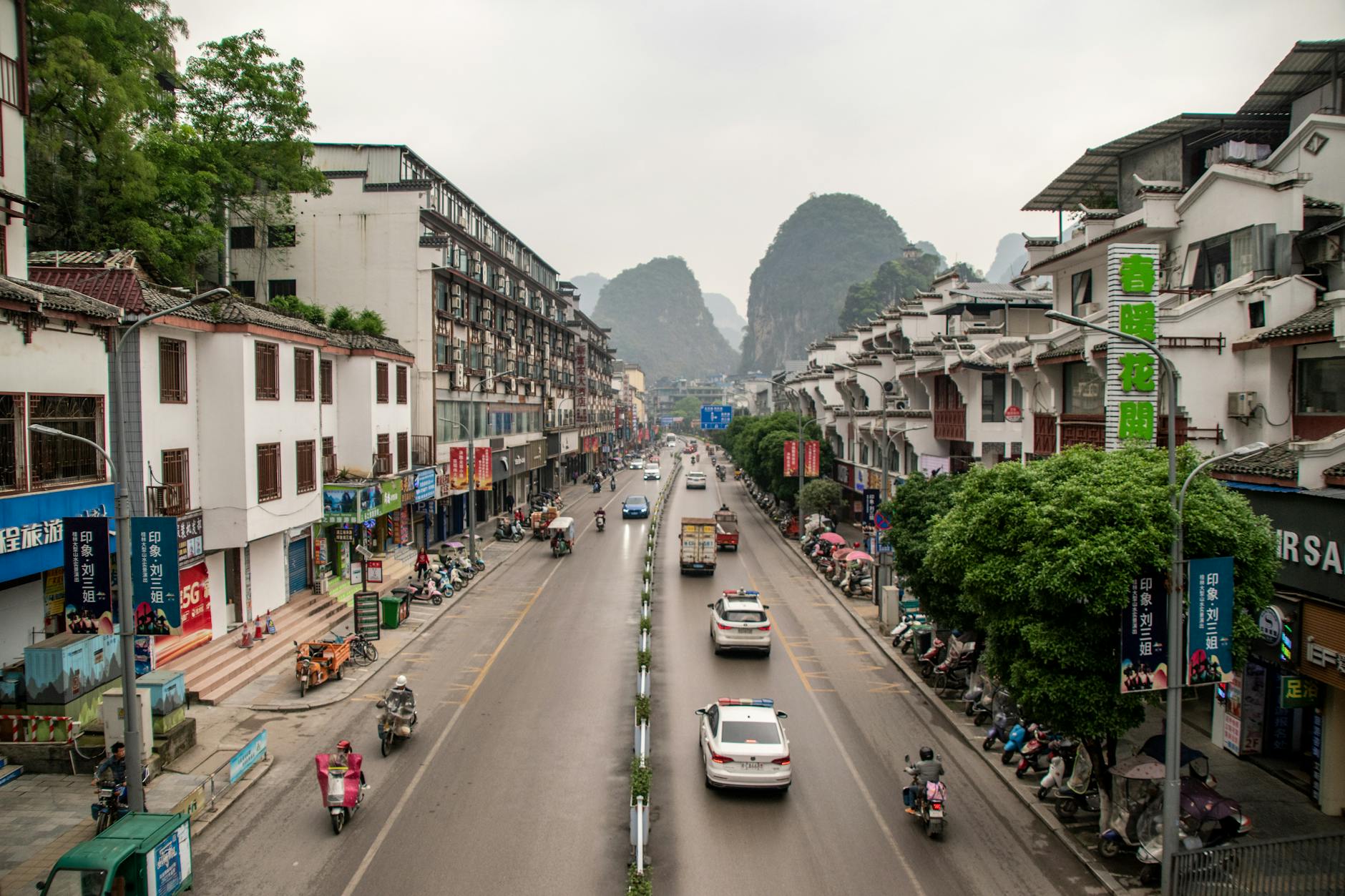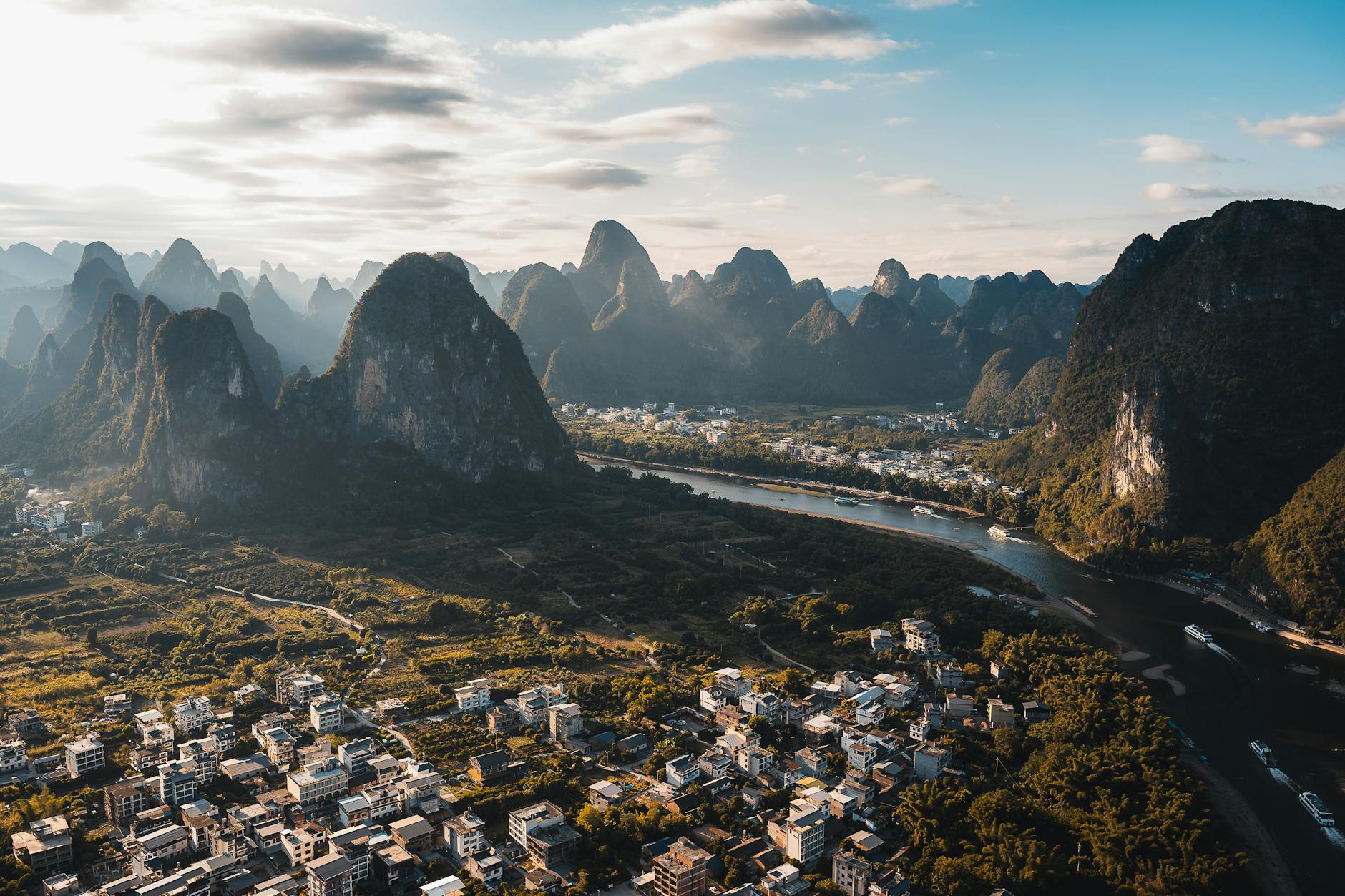
Guilin has one of the oldest travel reputations in China, which is both a gift and a danger. The karst peaks, river scenery, and landscape iconography are so familiar that some travelers arrive already half-bored by the idea of them. That is a mistake. Guilin and its wider landscape can still be genuinely magnificent when approached with enough care. The problem is not that the scenery has become weak. The problem is that weak itineraries turn a highly specific landscape into generic 'pretty nature.' A good Guilin trip usually depends on choosing the right balance between city, river, countryside, and pace. It should feel like landscape with shape, not scenery on autopilot.
How Guilin works
Guilin works as a landscape gateway rather than as a pure city break. The city itself matters, but much of the trip's force comes from how it gives access to a highly specific natural world. That means the key planning question is not just where to sleep, but how much of the trip is city, how much is river, and how much is surrounding countryside. Guilin improves when the route is shaped around viewpoint quality and atmosphere rather than raw movement volume.
- Guilin is a gateway city to a landscape system, not only a standalone urban answer.
- The route should balance city comfort with landscape access.
- The city weakens when scenery is treated as interchangeable.

Basic data
| Population | About 5 million in the prefecture-level city |
|---|---|
| Area | 27,800 km2 |
| Major religions | Largely secular public life with Buddhist, Christian, Muslim, and local folk traditions |
| Political system | Prefecture-level city inside a socialist one-party state |
| Economic system | Upper-middle-income mixed economy led by tourism, agriculture, light manufacturing, and services |
Best time to visit
Spring and autumn are usually the cleanest Guilin seasons because the landscapes are usable, the air can feel more forgiving, and the balance between city and countryside is easier to manage. Summer can still produce lush, dramatic scenery, but heat, humidity, and heavier domestic demand can make certain days feel more burdensome. Winter can be atmospheric and quieter, though it changes the lushness that many travelers expect from the region. The key question is not just weather. It is what kind of Guilin landscape you want the trip to deliver.
- Autumn often gives the strongest mix of usability and beauty.
- Summer can be very beautiful, but it raises the cost of weak planning.
- Season shapes not only comfort, but the visual register of the whole destination.

Arriving and getting around
Guilin needs a transport plan that respects what kind of trip is being built. If the stay is city-heavy, the base and local movement become more important. If it is countryside- or river-heavy, transfer days and overnight logic matter more. The mistake is assuming that because the region is scenic, the route will build itself. Usually it will not. The better move is to keep movement purposeful and protect the landscape portions from administrative clutter.
- Transport choices should follow the landscape-city balance of the trip.
- The route should feel lighter than it looks on paper.
- Protect the scenic portions from unnecessary logistical drag.

Where to stay
Hotel choice in Guilin depends on whether the city is the point or the base. Some travelers need polished city comfort and easier onward movement. Others should be sleeping in more scenic or quieter settings that deepen the landscape experience. What rarely works well is a compromised base that captures neither urban convenience nor environmental quality. Guilin is a destination where the hotel should clarify the trip rather than muddy it.
- Choose whether Guilin is the destination or the operational base.
- A stronger property can define the mood of the whole stay.
- The wrong middle-ground hotel often weakens both city and landscape.
The icon landscape versus the overfamiliar landscape
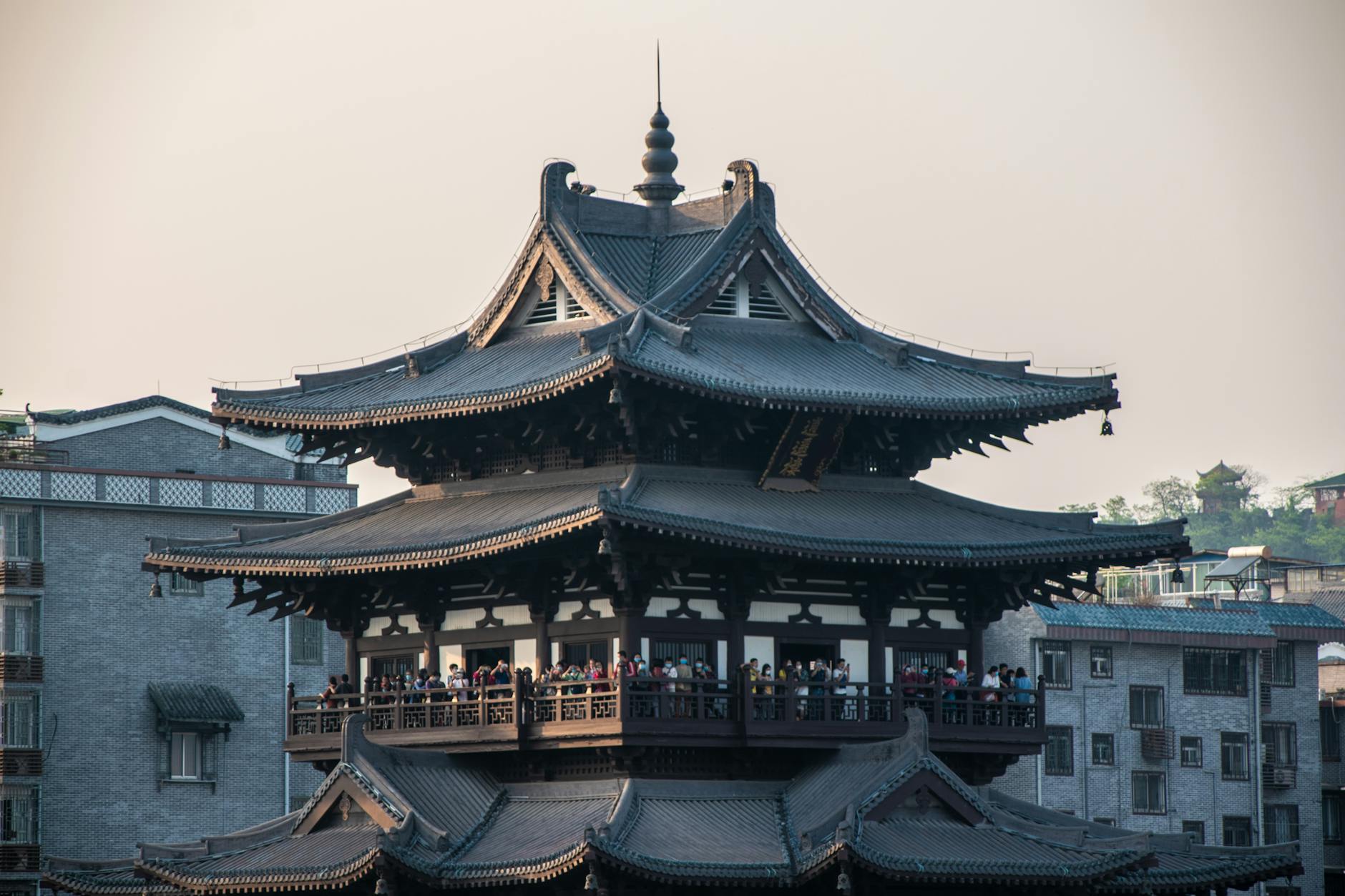
Guilin has the peculiar challenge of being so visually canonical that some travelers stop really seeing it. The karst silhouettes feel pre-known from calendars, textbooks, old posters, and generic China scenery iconography. Yet the landscape still has enormous force when it is experienced with pace, scale, weather, and local life intact. The fix is not novelty for novelty's sake. It is designing the trip so that the scenery can recover its specificity instead of collapsing into a recycled image bank.
- The landscape is famous enough to risk becoming mentally pre-flattened.
- Specificity returns when pace, weather, and local context are given room.
- A strong Guilin restores freshness to an overfamiliar image world.
What Guilin does better than many scenic destinations
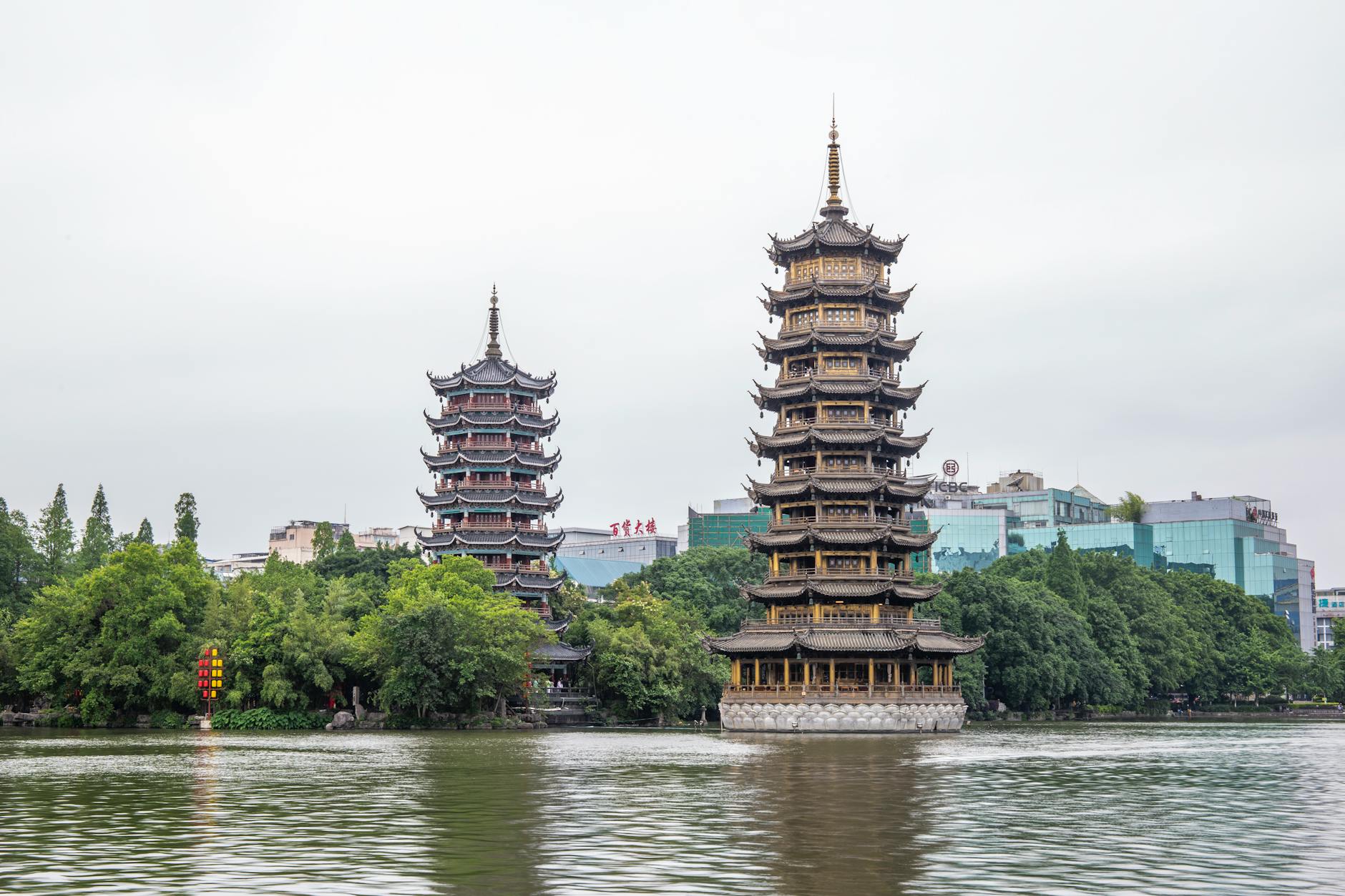
Guilin is at its best when it reminds travelers that heavily photographed landscapes can still feel specific and powerful in person. The karst topography gives the region a recognizability that is almost logo-like, but the real value lies in seeing how light, weather, water, and rural movement make those forms feel alive. It is especially strong for travelers who want scenery with cultural density still present around it.
- Guilin's strength is not just beauty but recognizability with depth.
- The landscape still earns its reputation when the trip is shaped properly.
- It suits travelers who want scenery without total isolation.
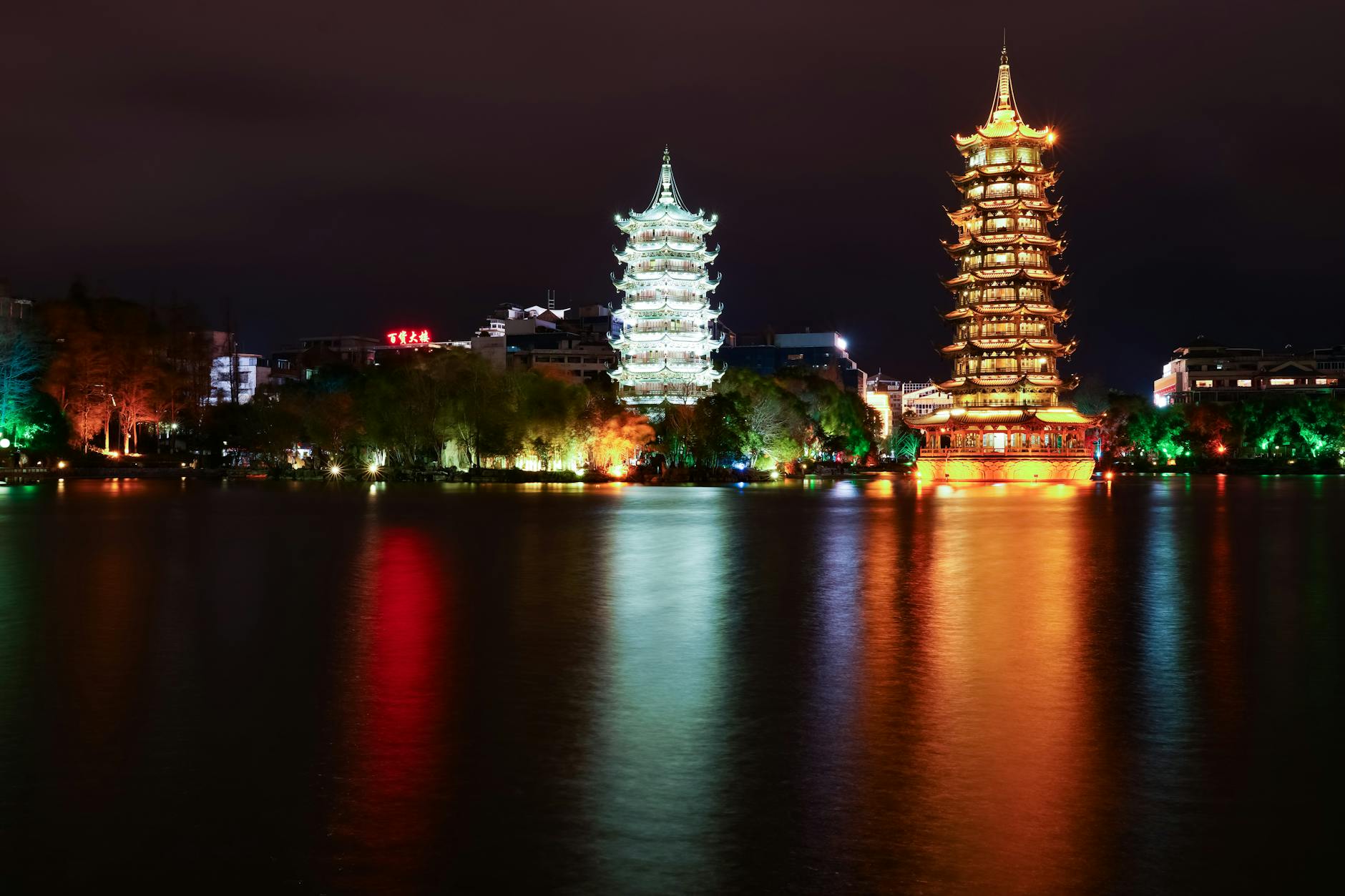
Food and the city's quieter pleasures
Guilin is not a city that usually leads with culinary dominance in the way Chengdu or Guangzhou does, but the trip still improves when meals are chosen with care. The city and region work best when eating supports the pace of scenic days rather than competing with them. River views, simpler local meals, and calmer evenings often fit better here than a frantic hunt for maximum food hype.
- Guilin's food should support the landscape rhythm of the trip.
- Fit matters more than spectacle here.
- Quieter meals can often be the right luxury in a scenery-led destination.

River days, countryside rhythm, and the danger of scenic overcollection
One of the easiest ways to weaken Guilin is to keep adding one more lookout, one more river segment, one more village detour, or one more scenic transfer because each sounds individually reasonable. Together they can leave the traveler with only motion and no real atmosphere. Guilin is stronger when the route allows a river day to feel complete, a countryside segment to breathe, and an evening to land somewhere calm rather than in yet another transit handoff.
- Scenic abundance can tempt travelers into too much movement.
- A complete landscape day is usually better than several partial ones.
- Guilin rewards rhythm more than accumulation.

Etiquette and local norms
Guilin and the surrounding scenic areas reward respectful use. Natural sites, rural stretches, boats, and smaller towns all deserve the same awareness travelers would ideally bring to any lived landscape. The region becomes weaker when visitors move through it as though it exists only as a backdrop to their own photos. Calm attention improves the experience quickly.
- Treat scenic space as lived space, not only as display.
- A little restraint improves the whole destination immediately.
- The region rewards travelers who can notice without consuming carelessly.
My blunt advice
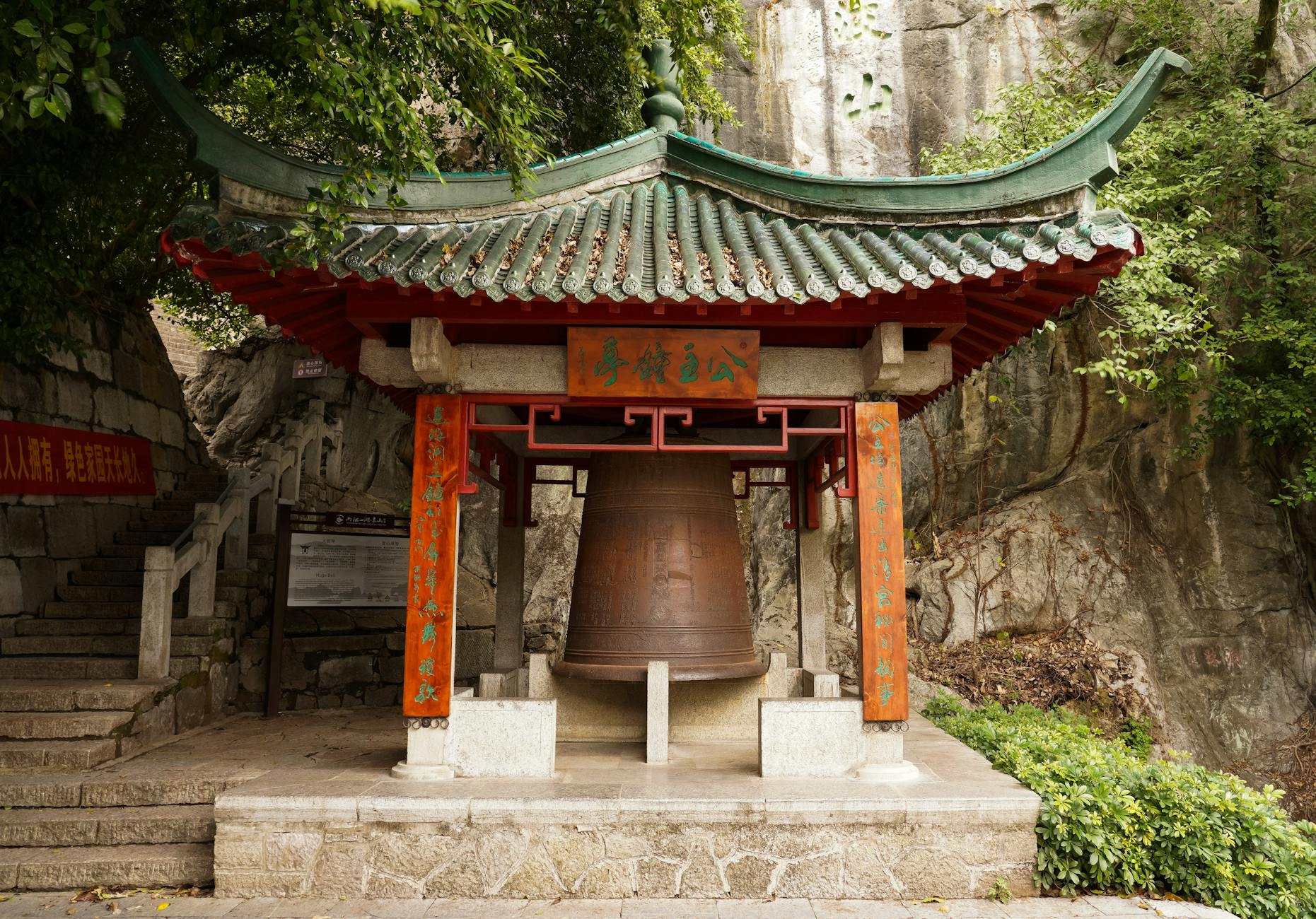
The biggest Guilin mistake is treating the whole region as one scenic blur. The second is overtransferring because every place with a mountain looked worth one more stop. Guilin is strongest when the route is shaped around a few real landscape moments and a base that makes those moments easy to reach. Let the scenery breathe, and do not flatten it into a package-tour cliche by rushing through it.
- Do not let all the karst scenery become one memoryless blur.
- Fewer stronger landscape moves usually beat more weak ones.
- A better-shaped Guilin is almost always a quieter Guilin.