Guadalajara is often described in broad, flattering terms and then planned with very little seriousness. That is the mistake. The city is large enough, layered enough, and neighborhood-led enough that a weak base can quietly ruin the stay while still leaving the traveler unable to explain exactly why it felt off. Outsiders often approach it with the wrong mental model: either as a smaller, simpler Mexico City or as a gentle regional city that will naturally take care of itself. It is neither. Guadalajara has a real social map, a real design culture, a real food life, and several different versions of a successful trip depending on where you sleep and how you move. At its best, the city offers a more breathable, design-conscious, and socially pleasurable version of urban Mexico. But it only does that when the hotel, district, and route are chosen with much more care than casual visitors tend to give it.
How Guadalajara works
Guadalajara works as a city of social geography. The wrong assumption is that because it feels more open and less crushing than Mexico City, it will therefore take care of itself. It will not. The city changes significantly by neighborhood, and what looks like a manageable cross-city hop on a map can become exactly the kind of friction that drains a short stay. Guadalajara improves fast when the traveler chooses a version of the city early: polished urban, food-led, design-led, nightlife-capable, or a more mixed executive-cultural stay. Once that decision is made, the rest of the trip sharpens quickly.
- Guadalajara is neighborhood-first and highly tone-sensitive.
- The city rewards a chosen lane more than broad urban sampling.
- A good base transforms Guadalajara more than many first-timers expect.
Best time to visit
Milder and drier periods are usually the cleanest answer because terraces, walking stretches, and district life all become more forgiving. Guadalajara can still work in warmer periods, but heat tends to expose weak hotel choices and encourage the kind of loose midday planning that makes the city feel more diffuse than it really is. This is not only a weather question. It is a stamina-and-rhythm question. A season that keeps the traveler comfortable is a season that lets Guadalajara feel coherent.
- Milder periods usually let Guadalajara feel more polished and more social.
- Warmer stretches raise the value of a better room and tighter midday pacing.
- Season changes how legible the city feels, not just how hot it is.
Arriving and getting around
Arrival should stay clean because Guadalajara is at its best when the trip begins in control. Once settled, the city is best used in clusters rather than through long optimistic drifts between neighborhoods that merely looked close enough online. Traffic, timing, and mood all matter here. The city becomes much more enjoyable when lunch, coffee, evening plans, and the return to the hotel belong to some shared geographic logic instead of being stitched together from whatever sounded attractive in isolation.
- Start the stay clean and keep the city in clusters.
- Do not let map optimism create a fragmented day.
- Movement in Guadalajara should support the tone of the trip, not erode it.
Where to stay
The hotel question in Guadalajara is almost always a district question first. The strongest stays usually come from polished, traveler-proven neighborhoods where dining, coffee, evening life, and the emotional tone of the city line up cleanly. A weak base can make Guadalajara feel spread out, confusing, or oddly inert. A strong base makes it feel composed, urbane, and easy to like. Travelers often underestimate just how much the room and the immediate surroundings determine which Guadalajara they actually experience.
- District choice is the main hotel decision in Guadalajara.
- A stronger base pays back in mood as much as logistics.
- Saving money on the wrong neighborhood is usually false economy here.
The Guadalajaras that matter most
There is polished Guadalajara, where the city feels creative, social, design-conscious, and comfortable. There is more traditional and civic Guadalajara, where older identity and denser urban logic come forward. There is restaurant-and-night Guadalajara, which can be deeply rewarding if the base supports it, and there is practical executive Guadalajara, which lives through hotel quality and route clarity more than symbolic sightseeing. Too many visitors act as if one district explains the whole city. It does not. Guadalajara changes with neighborhood more than casual outsiders often realize.
- Different neighborhoods create distinctly different Guadalajaras.
- The city improves as soon as the traveler chooses its tone on purpose.
- District identity matters here more than generic centrality.
What Guadalajara does better than many Mexican cities
Guadalajara does grown-up city pleasure particularly well. It can give the traveler food, design, strong neighborhoods, sociability, and a more breathable urban rhythm without flattening itself into blandness. It is especially good for travelers who want depth without constant tactical strain. One of its best qualities is that it can feel both local and legible at the same time, which is rarer than it sounds. Used well, it becomes a city where the stay feels shaped rather than simply survived.
- Guadalajara offers real urban depth with less constant pressure than the capital.
- The city is strongest when treated as a serious destination, not a softer substitute.
- Its value is in tone and coherence as much as in specific sights.
Food, nightlife, and the city’s social appetite
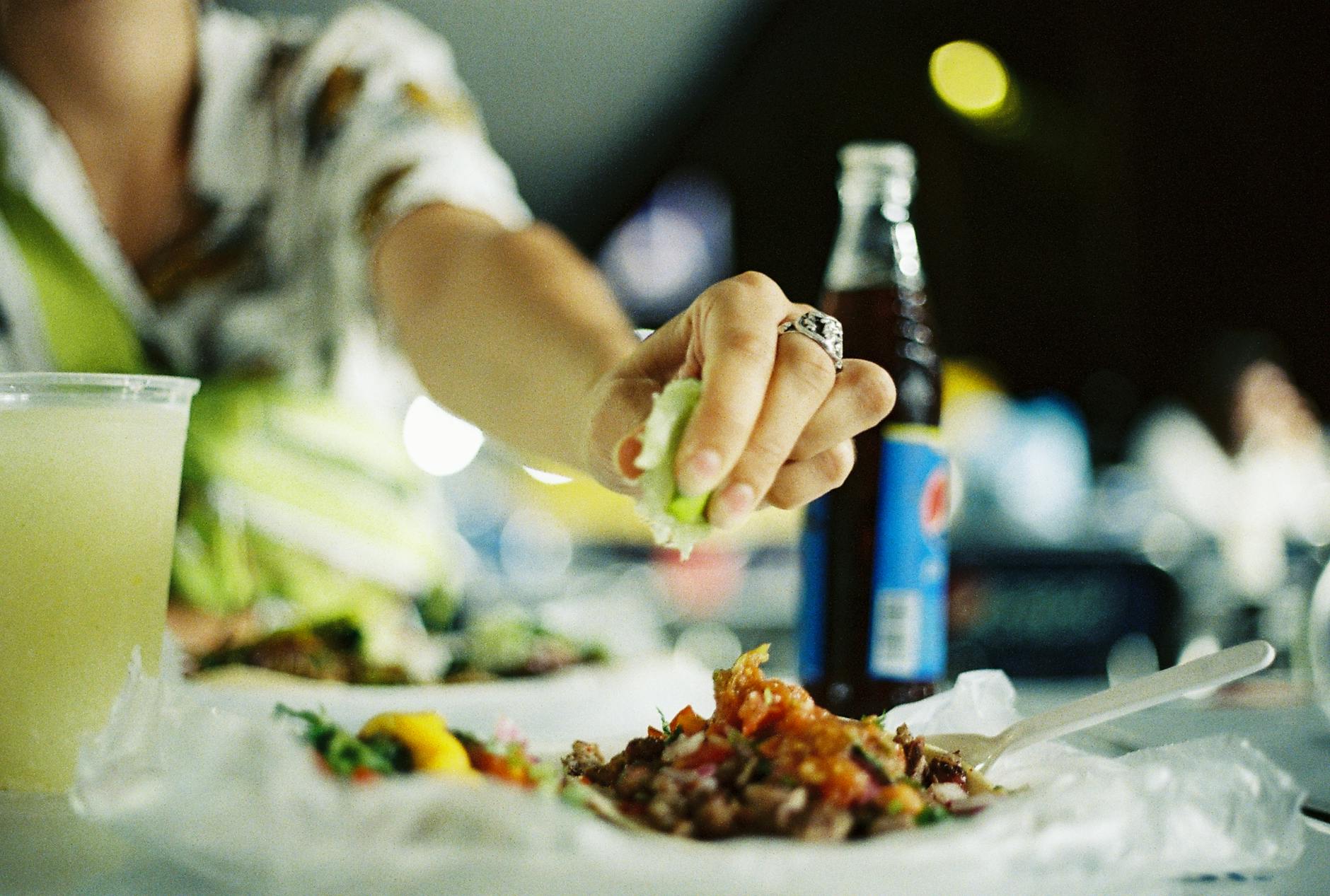
Food is one of Guadalajara’s clearest strengths, but it lands best when it belongs to the district and the hour. The city is too socially alive to be reduced to reservation-hunting. A coffee stop, a long lunch, a smarter dinner, a drink in the right neighborhood, and a hotel return that still feels easy usually make more sense than trying to hopscotch across town in search of prestige. Guadalajara’s appetite is social as much as culinary. The city becomes richer when those two things are allowed to reinforce one another.
- Eat and drink by district and mood, not only by list.
- Guadalajara’s social rhythm is part of the destination, not background noise.
- A coherent food plan usually produces a more memorable city than a more ambitious one.
Nightlife and the city after dark
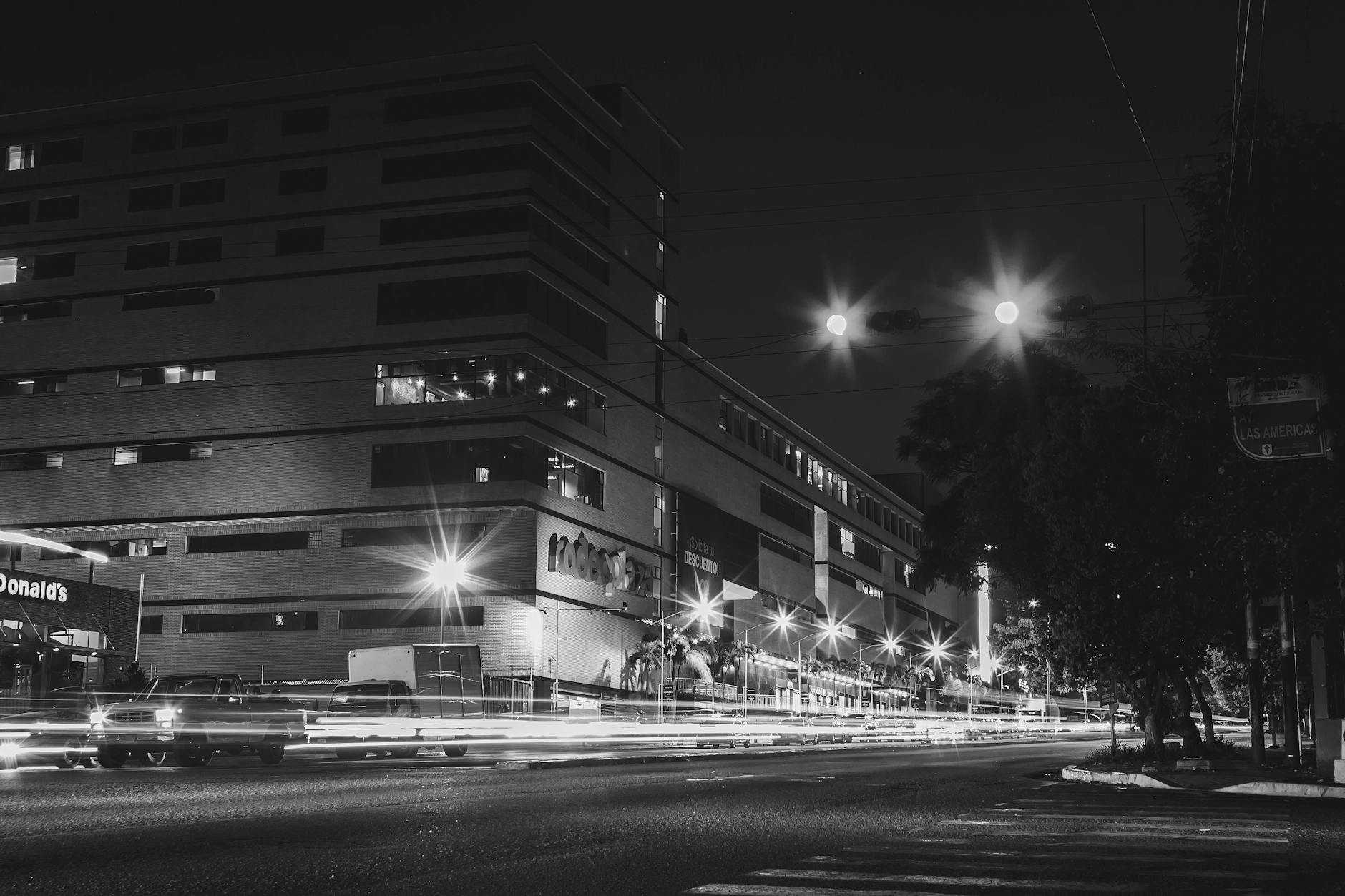
Guadalajara after dark is highly neighborhood-dependent and one of the main reasons to choose the city at all. But that only works when the base supports it. A good hotel in the right district can make the city feel lively, stylish, and easy. The wrong setup turns the evening into one more transport problem. The lesson is simple: this is not one uniform nighttime city. It is a set of different nighttime options, and the traveler has to choose correctly.
- Nightlife is a real strength here, but only in the right geography.
- The base matters enormously once the city turns social.
- A cleaner route home is part of what makes the evening enjoyable.
Etiquette and local norms
Guadalajara rewards travelers who understand that different districts carry different tones and that an urbane city still expects calibration from its guests. Calm awareness, social courtesy, and sensitivity to how the room changes from one neighborhood to another go a long way here. The city tends to return the favor when the traveler uses it with a little elegance instead of swagger.
- Let the district shape your tone rather than forcing one mode onto the whole city.
- Courtesy and calm awareness improve Guadalajara quickly.
- The city generally rewards elegance more than performance.
My blunt advice
The biggest Guadalajara mistake is choosing the wrong hotel district and then quietly blaming the city for feeling diffuse. The second is trying to sample too many versions of Guadalajara in one stay. The city is better when it is allowed to have a center of gravity. Pick the right neighborhood, let food and evening life stay inside that orbit, and resist the urge to prove range. Guadalajara does not need more ambition. It needs a cleaner shape.
- The hotel district is one of the main decisions of the trip.
- Guadalajara gets worse when the traveler tries to prove too much coverage.
- A stronger center of gravity produces the better city.