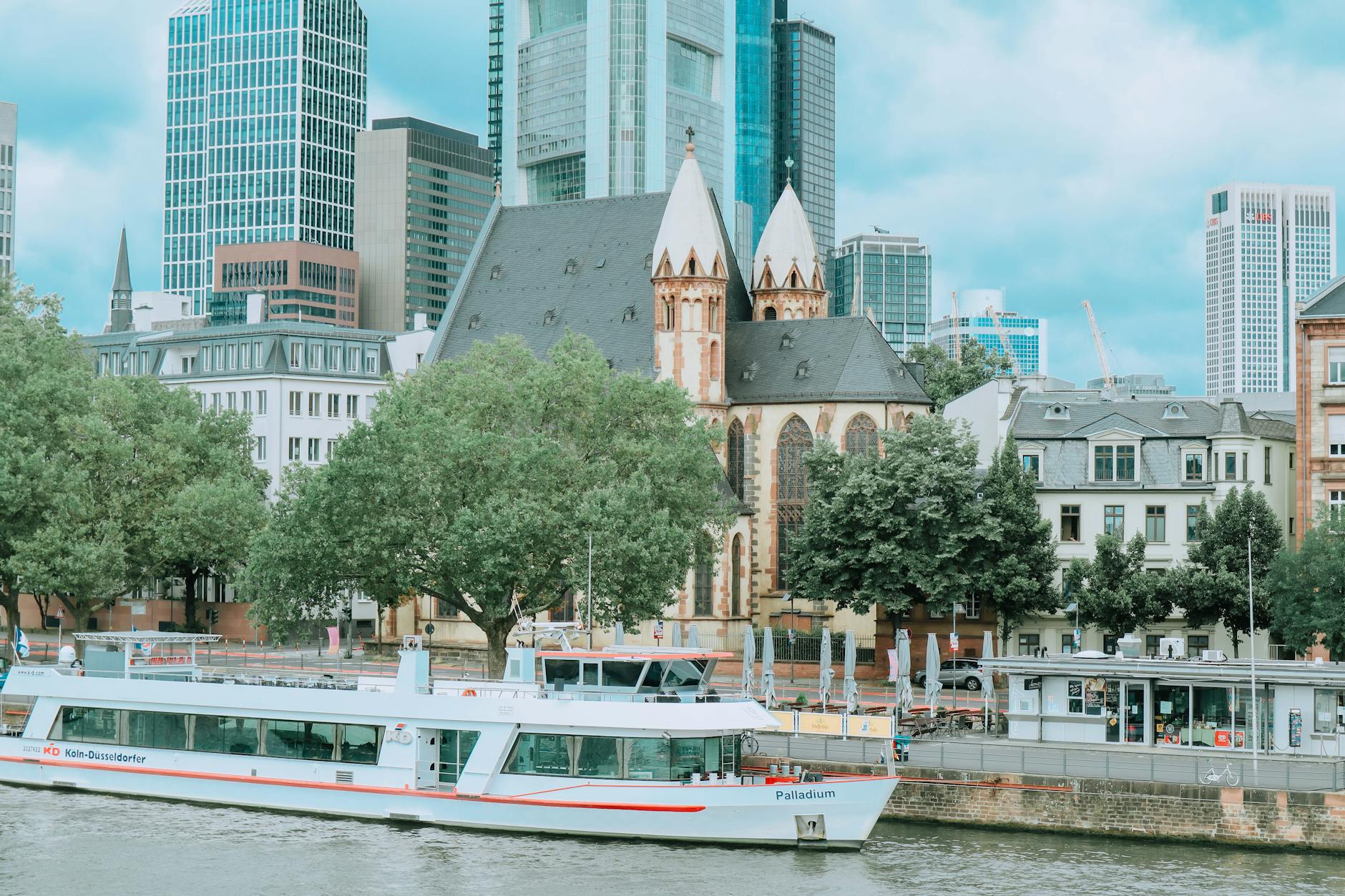
Dusseldorf is one of Germany’s most quietly exacting city stays.
Start Here
It rarely overwhelms anybody at first glance, which is precisely why so many travelers read it badly. They see a polished city, a decent riverfront, some shopping, a famous old town, and a businesslike reputation. Then they assume they have already solved it. In reality, Dusseldorf is a city that works only when the traveler stops treating its calm surface as simplicity.
This is not Cologne’s louder cousin. It is not just a nice place to have a drink by the Rhine. It is not merely somewhere to sleep while doing the rest of the Rhine-Ruhr region. Dusseldorf is a city of composition: fashion and finance, art and beer, Japanese influence and Rhineland ease, old-town energy and very modern polish. What it lacks in monument-heavy drama it makes up for in how cleanly different parts of the city fit together when used correctly.
That “when used correctly” matters. Dusseldorf is unusually sensitive to district choice. A stay too close to the wrong central block can make the city feel flat. A stay with the right relationship to the river, Altstadt, Königsallee, or the Japanese quarter can make the city feel much more sophisticated than its reputation suggests. This is why Dusseldorf rewards edited travel more than vague travel. It is not trying to impress through sheer scale. It is trying to show that urban life can feel finished.
The city in one sentence: Dusseldorf is a polished Rhine city where the best first trip comes from balancing Altstadt, the riverfront, shopping, Japanese food culture, and art with the right hotel base, rather than treating the city as generic convenience.
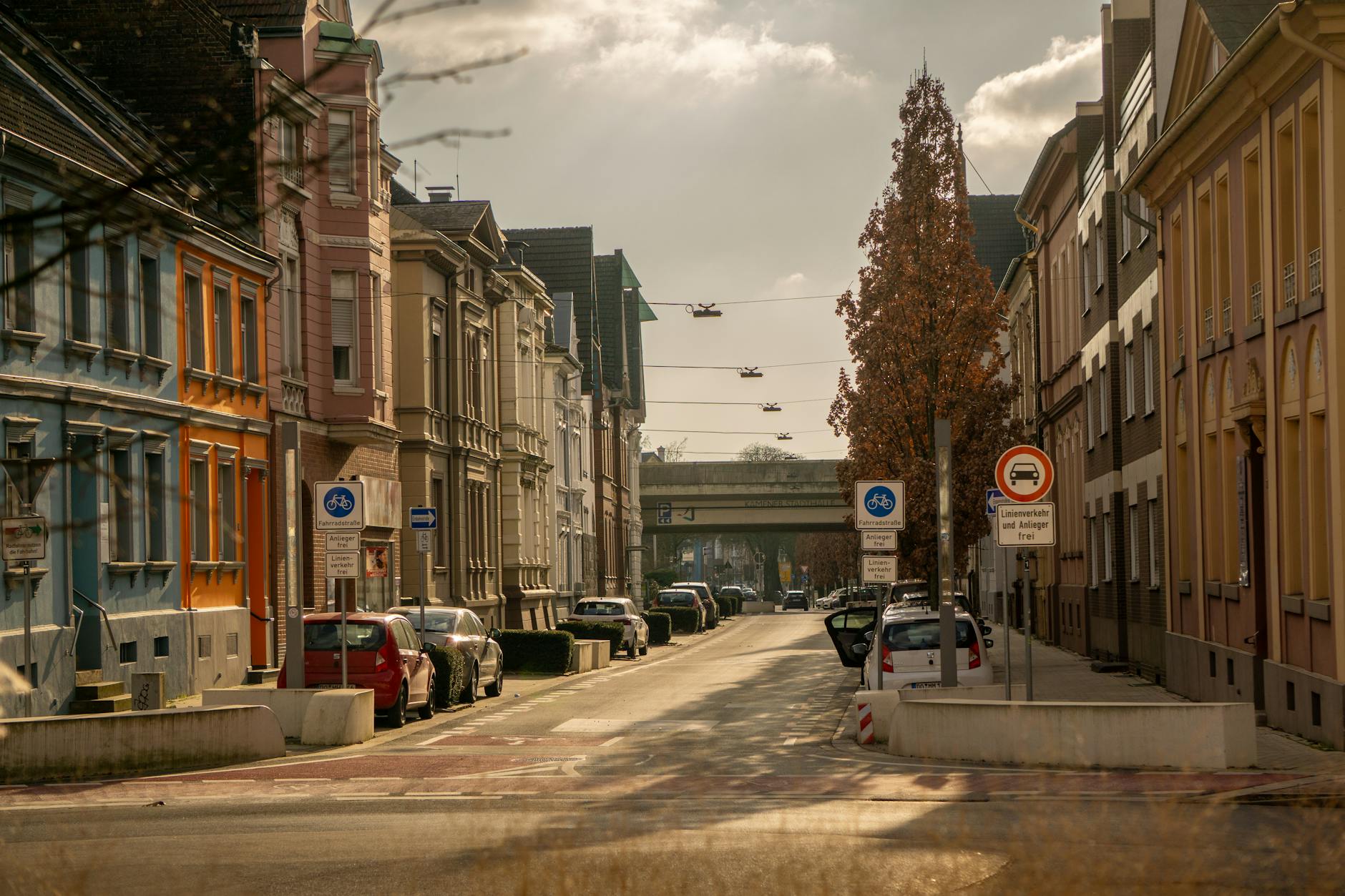
Quick Verdict
Best for: short urban breaks, couples, solo travelers, business travelers extending a stay, food travelers, and anyone who likes a city to feel composed instead of chaotic.
Not ideal for: travelers who want giant sightseeing density, people who expect Dusseldorf to be all nightlife, or anyone who mistakes low drama for low quality.
Ideal first stay: 2 nights.
Better stay: 3 nights if you want art, food, and wider neighborhood texture.
Minimum worthwhile stay: 1 night.
Best overall months: April to June and September to October.
Biggest planning mistake: staying somewhere merely central and assuming all central Dusseldorf feels the same.
One thing to prioritize: the hotel area.
One thing to keep flexible: the evening, because Dusseldorf often lands best at night through Altbier, riverside atmosphere, and very good casual dining.
The blunt version: Dusseldorf is not a city you “do” by accident. It is a city you shape.
Who Will Love Dusseldorf?
Dusseldorf works very well for travelers who like cities that function smoothly but still have personality. It is excellent for people who enjoy strong hotels, easy airport access, good food, art, shopping, and evening life that can be lively without becoming exhausting.
It is also a strong city for repeat Europe travelers who no longer need every stop to prove itself through famous monuments. Dusseldorf’s value is cumulative: the quality of the streets, the shift from the Altstadt to the Rhine, the right dinner in Little Tokyo, the market at Carlsplatz, the surprising amount of art, and the way the city carries its prosperity with restraint.
Fashion-minded travelers and design-minded travelers also tend to do well here. Dusseldorf understands surface, but it is not only surface.
The city is less ideal for travelers who need an overwhelming landmark payoff every few hours. Dusseldorf is better than that, but subtler.
Dusseldorf at a Glance
| Question | Practical Answer |
|---|---|
| Main gateway | Düsseldorf Airport |
| Simplest airport-city rail link | S11 or rail station + SkyTrain |
| Best first-time core | Altstadt / Carlstadt / central river side |
| Main nightlife anchor | Altstadt |
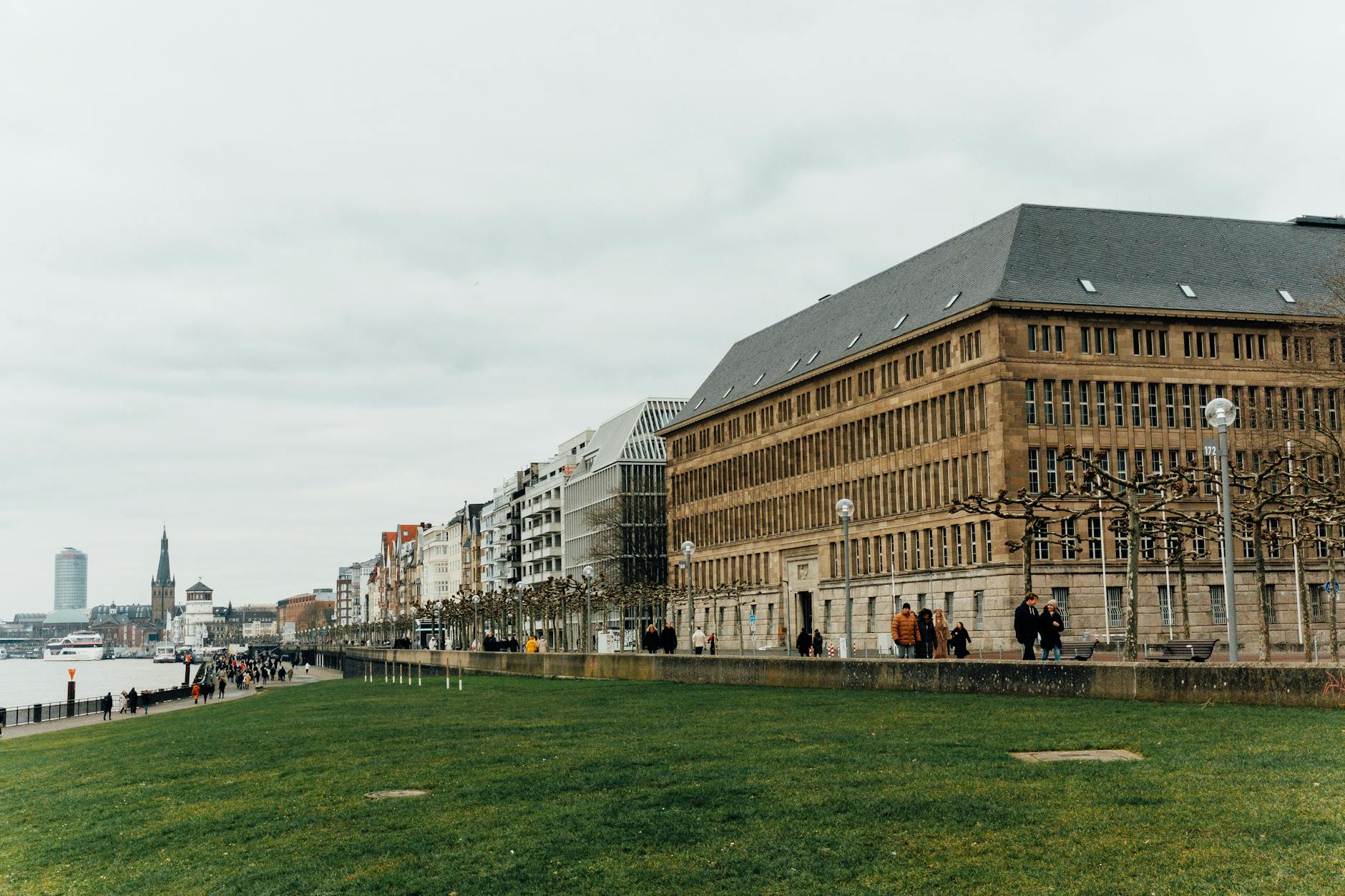
| Main promenade anchor | Rhine embankment promenade |
| Main luxury-shopping anchor | Königsallee |
| Main food-market stop | Carlsplatz |
| Main special district | Little Tokyo around Immermannstraße |
| Main planning danger | reducing the city to beer and shopping |
| Car needed? | No |
2026 Visitor Notes
Airport Access Is Strong and More Layered Than It First Appears
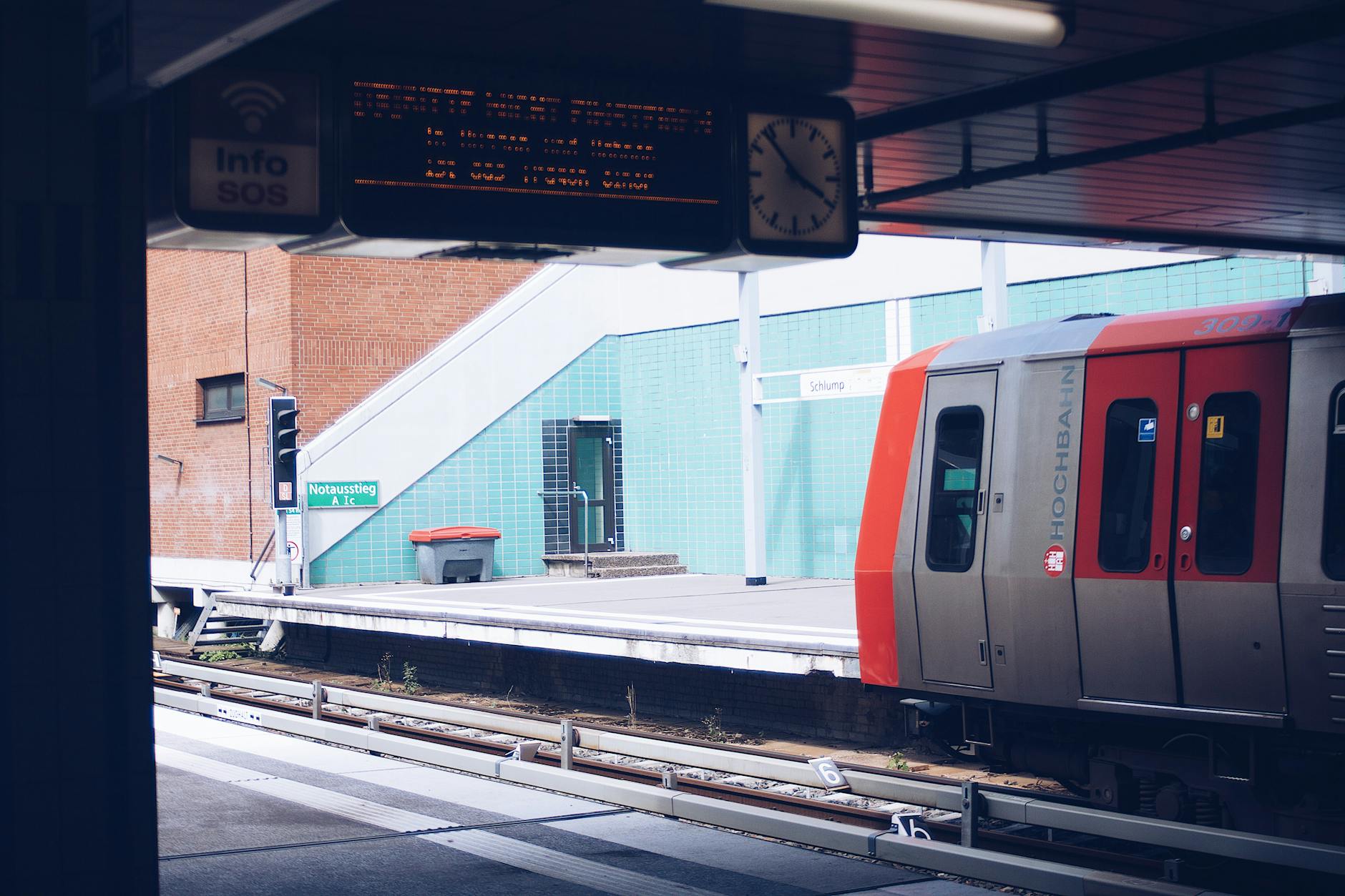
The official Düsseldorf Airport rail page says more than 350 trains stop daily at Düsseldorf Flughafen station on the east side of the airport grounds, with the SkyTrain linking that station to the terminal, while the S-Bahn S11 goes directly to the Düsseldorf Airport Terminal station in the basement of the terminal building.[1] That gives the city one of the cleaner arrival profiles in Germany.
The DüsseldorfCard Can Be Useful If You Actually Move
The official DüsseldorfCard page describes free travel by bus and tram in Düsseldorf and the surrounding area, plus discounts on more than 80 offers, while DüsseldorfCard Plus extends to the wider VRR and VRS rail region.[2] This matters most for active sightseeing days, not for travelers mostly walking a single central corridor.
Altstadt Is Not Just A Nightlife Cliche
Visit Düsseldorf’s official Altstadt page says the quarter contains around 260 pubs, restaurants, and bars within half a square kilometre, but it also points to breweries, churches, culture, and Carlsplatz as part of the area’s identity.[3] That broader context matters.
The Riverfront Is A Real Urban System
The official Rhine embankment promenade page emphasizes that the one-and-a-half-kilometre promenade between Altstadt and the river became possible through the Rhine bank tunnel and is one of the city’s main strolling and social spaces.[4] This is not filler walking. It is central Dusseldorf logic.
Little Tokyo Is One of the City’s Defining Advantages
Visit Düsseldorf’s Little Tokyo page makes clear that the Japanese quarter is not a novelty but a real cultural district with restaurants, groceries, bookshops, and pop-cultural infrastructure.[6] Few German cities have anything comparable.
How to Understand Dusseldorf
Dusseldorf works through five forces.
The first is polish. The city cares about finish.
The second is district contrast. Altstadt, Königsallee, Little Tokyo, and the river are not interchangeable.
The third is commercial confidence. Fashion, business, and shopping are not side notes here.
The fourth is Rhineland ease. The city can be more relaxed than it first looks.
The fifth is night conversion. Dusseldorf often makes more sense after dark than at noon.
The Main Mental Shift
Do not ask, “What are the big sights in Dusseldorf?” Ask, “Which Dusseldorf belongs to this part of the day?” The Altbier one, the shopping one, the Japanese-food one, the river one, or the art-and-architecture one. Once you separate them, the city becomes much stronger.
What Dusseldorf Does Better Than People Think
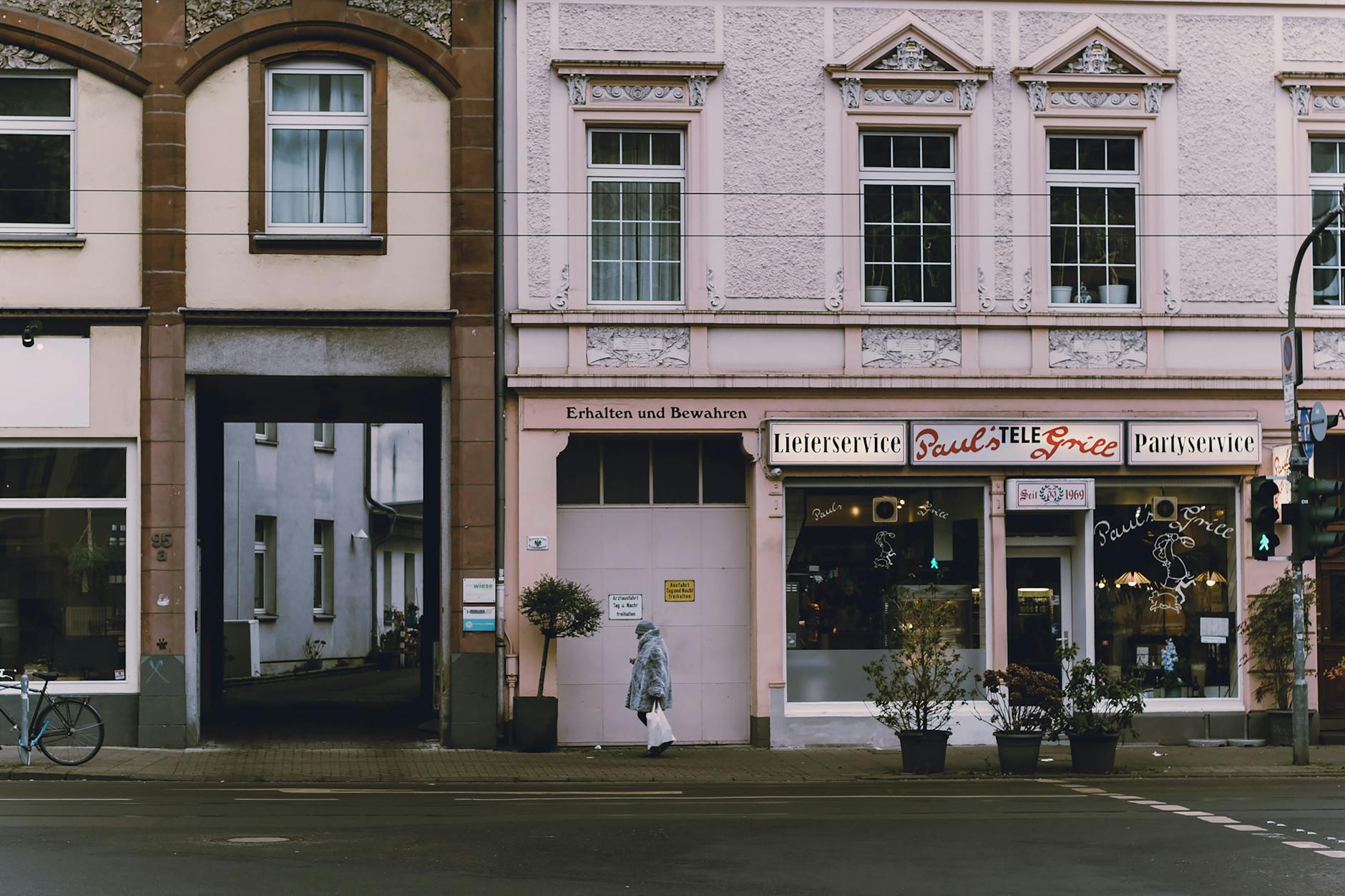
Dusseldorf is better than many visitors expect at being complete in a short stay. You can arrive easily, settle fast, build a day around the old town, Carlsplatz, the river, and dinner, then give another day to art, shopping, or architecture and still feel that the city held together.
It is also better than people think at food diversity. The city’s Japanese district alone raises the floor dramatically, and the market culture around Carlsplatz gives central Dusseldorf more appetite than first-time visitors often anticipate.[6][7]
And Dusseldorf is better than people think at culture. If you use K20, K21, or the broader art landscape well, the city stops looking like a purely commercial center and starts reading as a place of serious taste.[8]
Where Dusseldorf Fits in a Germany Trip
Dusseldorf is one of the best German cities for travelers who no longer need every stop to announce itself loudly.
If your trip is built around Berlin, Munich, and one or two headline historic cities, Dusseldorf can look secondary on paper. That is exactly why it is often mishandled. People place it in the itinerary as if it were merely an efficient base in North Rhine-Westphalia, a tidy rail stop before Cologne, or a commercial city that will fill a spare night. Then they are surprised when the experience feels thin. The problem is not that Dusseldorf lacks content. The problem is that the traveler never granted the city a real shape.
Used properly, Dusseldorf fits best as one of three things.
The first is a polished short city break inside a broader Germany trip. In that role, Dusseldorf works very well because arrival is easy, the center is legible, the food is stronger than expected, and one or two nights can feel highly finished if the hotel area is right.
The second is a Rhineland counterweight to louder German cities. Berlin can feel expansive and argumentative. Munich can feel handsome and self-aware. Hamburg can feel maritime and cool. Dusseldorf offers a different kind of confidence: calmer, more edited, more commercial, and more exacting about finish.
The third is a repeat-traveler city. Once you are no longer trying to collect only the biggest names, Dusseldorf becomes easier to value because its strength lies in proportion, not monument count.
What it is not, at least on a first trip, is a city that should be used without intention. If it gets a real place in the itinerary, it can outperform cities with stronger reputations. If it gets leftover time, it will look like leftover time.
Dusseldorf Versus Cologne
This comparison appears in almost every first-time planning conversation, and it usually weakens both cities.
Travelers compare them because they are close, because both sit on the Rhine, and because many visitors think they must choose one. But the more useful question is not which city is objectively “better.” It is what kind of city experience you actually want.
Cologne tends to make itself clear quickly. The cathedral is dominant. The city can feel larger in symbolic terms than in practical ones. It has a looser, louder, more openly convivial energy. Even people who do not love Cologne usually understand what it is trying to do.
Dusseldorf is more oblique. Its appeal lies in calibration: a polished center, strong retail streets, a riverfront that works as urban infrastructure, a Japanese quarter that materially changes the city’s food life, a more understated but serious art profile, and a more elegant hotel logic for many travelers. It is less instantly iconic and often more satisfying once the trip is underway.
That means the right answer depends on appetite. If you want louder monumentality and a more immediately legible urban identity, Cologne may win. If you want a cleaner, more composed short stay with stronger district contrast and more refined daily use, Dusseldorf may suit you better.
The wrong answer is to keep asking Dusseldorf to justify itself in Cologne’s language. It never intended to.
First-Time Visitors Versus Repeat Visitors
First-time visitors usually need Dusseldorf to prove two things.
They need it to prove that it is more than Altstadt and the Rhine, and they need it to prove that polish is not emptiness. Those are fair demands, because both are common planning traps. A first visit should therefore include some deliberate contrast: old town and promenade, yes, but also Little Tokyo, Carlsplatz, the Königsallee axis, or one strong art or architecture anchor.
Repeat visitors can be looser. Once you already know that the city’s commercial face is part of its identity rather than a sign of superficiality, the trip becomes easier. A repeat stay can lean more heavily into one register: food, art, architecture, river walks, business-hotel comfort, or simply a well-located weekend with good dinners and no pressure to prove coverage.
This is why Dusseldorf often improves after the first stay. On the first visit, people are still testing it. On the second, they begin using it.
Best Time to Visit
Spring, summer, and early autumn are the easiest seasons because the riverfront becomes more socially important and the city’s walking distances feel more generous.
Winter can still be good if the trip leans more into food, shopping, and art. Dusseldorf does not collapse in colder weather, but the route has to be more deliberate.
This is less a city of seasonal spectacle than of seasonal usability. Warmer months simply widen what the city already does well.
How Many Days You Need
One Night
Enough for a promising first stay, especially if you use the evening properly.
Two Nights
The best first answer for many travelers. One day can belong to Altstadt, Carlsplatz, the promenade, and an evening. Another can cover Little Tokyo, Königsallee, and art or architecture.
Three Nights
This allows Dusseldorf to stop feeling like a polished sampler and start feeling like a real base.
Four Nights or More
Four nights is where the city becomes notably easier. You stop arguing internally about what “counts” and begin letting one area hold an entire half-day without apology. That can mean a proper museum day, a longer MedienHafen sequence, a more relaxed shopping-and-food day, or simply more evening space without having to protect the following morning so aggressively.
Longer stays also reveal whether you actually like the city’s texture or only admire its efficiency. That distinction matters. Dusseldorf can impress quickly, but it becomes convincing through repetition.
The Real Question
The real question is not how many nights Dusseldorf “needs” in the abstract. It is whether you are giving the city enough time to express more than one version of itself. If the answer is no, one night may still be worthwhile. If the answer is yes, two or three nights are usually much better.
Where to Stay
The right base matters here more than some visitors expect.
Fast Answer
For most first-time visitors, stay near Altstadt/Carlstadt or the central river-adjacent core, or in a strong Königsallee / central-city hotel if you want a more polished shopping-and-business stay. Avoid choosing a hotel only because it is technically central. In Dusseldorf, centrality without fit often produces a dull version of the city.
Altstadt / Carlstadt Edge
Best for: first-time leisure stays, evening life, Carlsplatz, and easy river access. Tradeoff: can be noisier depending on exact location. Best use: travelers who want the city to feel alive.
Königsallee / Central Business Core
Best for: polished hotels, shopping, business-facing stays, and a more refined version of central Dusseldorf. Why it works: the Kö is not just a shopping strip but part of the city’s formal center and urban identity.[5] Tradeoff: a little less atmospheric at night if you stay too far from the old town or river. Best use: elegant short stays.
Near the Main Station / Immermannstraße Side
Best for: rail convenience and easy access to Little Tokyo. Tradeoff: not every block around the station feels equally pleasant or coherent. Best use: short stays built around transport and food rather than atmosphere alone.
Why the Hotel Area Matters More Than Visitors Expect
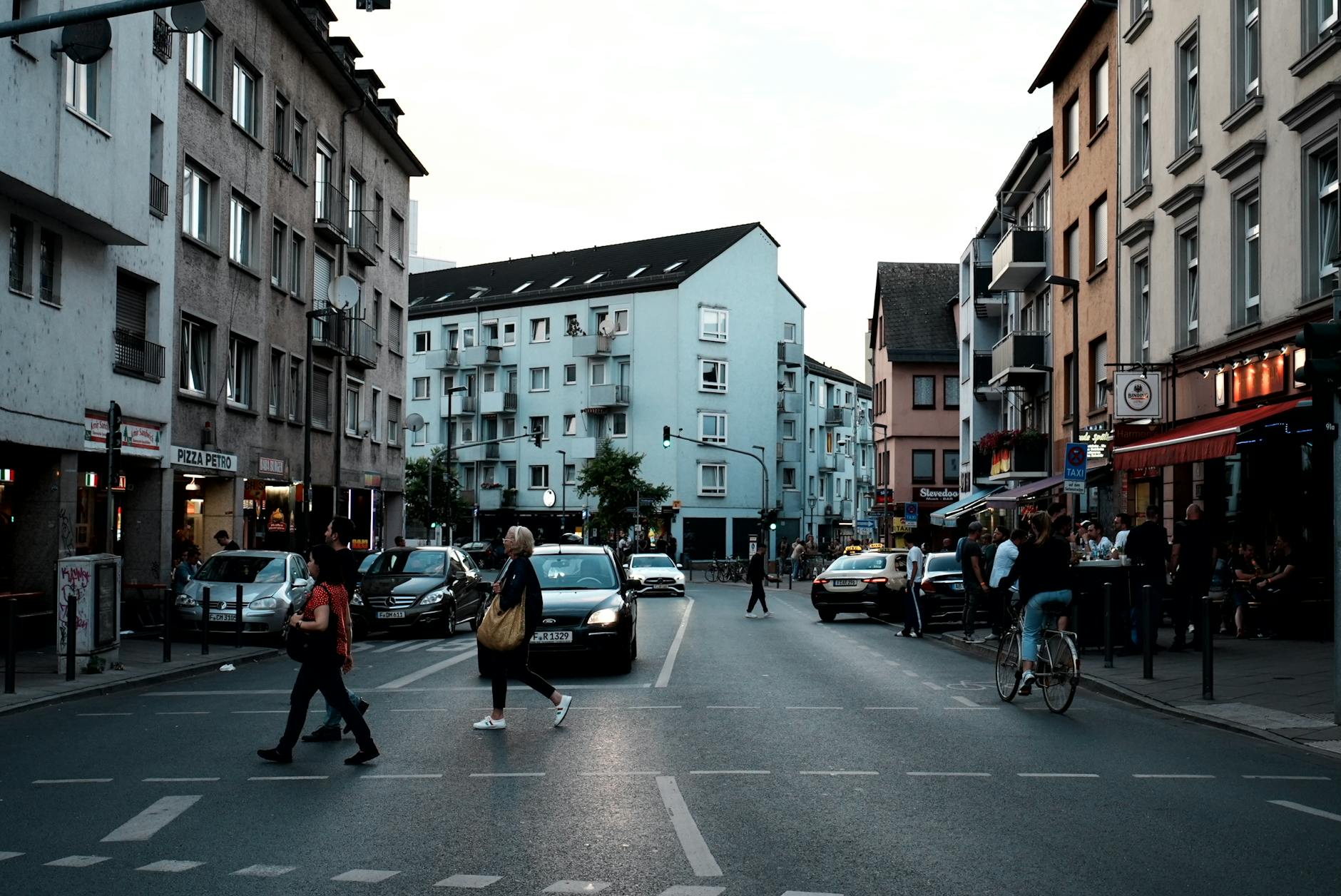
Dusseldorf is one of those cities where a merely competent hotel decision can quietly flatten the entire stay.
This happens because the city is neither so large that the hotel becomes irrelevant nor so tiny that every central block feels interchangeable. It is possible to stay in a location that looks excellent on paper and still end up using the city badly. You may be technically central, but not in a part of the center that encourages walking at the right times of day. You may be close to the station, but not in the best version of the station area. You may be near shopping streets but feel oddly far from the city’s evening life. You may be close to Altstadt but on a block where noise outlasts pleasure.
The best Dusseldorf hotel areas do more than reduce transfers. They reinforce the version of the city you came to use. A Carlstadt or Altstadt-edge stay makes the river and old center feel naturally integrated into the day. A strong Königsallee stay makes elegance and urban polish part of the experience from the moment you leave the lobby. A carefully chosen Immermannstraße-side or station-adjacent stay can make food and rail logic very easy, provided you understand the atmospheric compromise.
Because the city’s strengths are cumulative, the base compounds quickly. A good hotel area makes the city feel smarter every time you go out and come back in. A mediocre one makes Dusseldorf seem like a nice enough place where you somehow never quite landed.
The Dusseldorfs That Matter Most
Altstadt Dusseldorf: breweries, bars, history, and late-night velocity.[3]
River Dusseldorf: the promenade, sunsets, and the city’s open social spine.[4]
Kö Dusseldorf: fashion, surface, architecture, and the city’s polished self-image.[5]
Little Tokyo Dusseldorf: ramen, groceries, bookstores, and a Japanese quarter that is central to the city’s identity.[6]
Art Dusseldorf: K20, K21, and the city’s serious museum culture.[8]
Why One Proper City Day Matters
Some travelers build Dusseldorf around a dinner, an old-town evening, and perhaps a quick walk by the Rhine before moving on. That can be pleasant. It can also leave the city feeling suspiciously slight.
The city usually needs one proper day that belongs to Dusseldorf itself rather than to convenience or transit. This is the day that allows the center, market, promenade, and one additional district to register as a coherent urban system. Without that day, Dusseldorf can look like a polished setting for dinner reservations. With that day, it becomes a place.
This is especially important because so much of Dusseldorf’s value lies in how different parts of the city correct one another. Altstadt can become too beer-forward unless the river opens it out. Shopping can feel sterile unless Carlsplatz or Little Tokyo pulls the day back toward appetite. Businesslike centrality can feel anonymous unless art or architecture sharpens it. One proper city day is what allows these corrections to happen naturally.
Altstadt and the Rhine
This is where many first-time visitors meet Dusseldorf, and it is both more and less than people imagine.
It is more than they imagine because the Altstadt is not just a drinking district. The official tourism pages frame it as a dense microcosm of breweries, churches, markets, clubs, and cultural memory, not merely a long row of bars.[3]
It is less than some imagine because it should not carry the whole trip. If you let the old town define the entire city, you miss the river, the Japanese quarter, the shopping core, and the more measured side of Dusseldorf’s character.
The Rhine promenade is the necessary counterweight. It gives the Altstadt room to breathe. The official promenade page is very clear that this stretch between old town and river is one of the city’s most important public-life spaces.[4] Use it that way.
Day Dusseldorf Versus Evening Dusseldorf
Daytime Dusseldorf is often cleaner and calmer than first-time visitors expect. It can even feel a little restrained if the trip is badly designed. The central streets are orderly. The shopping core is polished. The business-city identity is visible. If this is the only version of the city you experience, you may conclude that Dusseldorf is efficient but emotionally limited.
Evening changes the equation. Altstadt becomes more persuasive. The promenade becomes more social. Dinner districts feel more defined. The city’s prosperity stops reading merely as finish and begins reading as lived urban confidence. This does not mean nightlife is compulsory. It means Dusseldorf often converts best after dark, when the distinctions between districts become easier to feel.
This is why a weak Dusseldorf trip is often all afternoon and no evening, or all evening and no day. The city wants both. It wants to show you its polished systems in daylight and then let them become more relaxed and inhabited later.
Königsallee, Little Tokyo, and Carlsplatz
These three places explain why Dusseldorf is more sophisticated than its low-drama reputation suggests.
Königsallee matters because it shows the city’s finishing standards. The City of Düsseldorf’s official page describes the Kö not only as a shopping mile but as a historically layered boulevard with a moat, bridges, and monument status.[5] Even if you are not buying luxury goods, the street tells you something about the city.
Little Tokyo matters because it gives Dusseldorf a genuine international district, not just imported branding. The official page highlights restaurants, Japanese groceries, bookshops, manga stores, and broader cultural infrastructure.[6]
Carlsplatz matters because it keeps the center edible and human. Visit Düsseldorf describes it as the culinary heart of the city, with more than 60 stands and a market rhythm that turns lunch into a small urban event.[7]
Why Little Tokyo Changes the Whole City
Little Tokyo is not important merely because it gives travelers one very good meal option. It changes the city’s entire balance.
Without it, Dusseldorf could be misread as a polished Rhineland business city with an attractive riverfront and a strong shopping core. With it, the city becomes visibly more layered. Suddenly there is a district where groceries, noodle bars, dessert shops, bookshops, pop-cultural stores, and everyday Japanese urban infrastructure materially affect how central Dusseldorf feels. That is not cosmetic diversity. That is real urban depth.
This matters especially for first-time visitors because many European city breaks can begin to resemble one another after enough churches, river views, and old-town meals. Little Tokyo interrupts that pattern. It gives Dusseldorf a very different appetite and a very different walking register. It also stops the city from becoming too self-satisfied in its own elegance.
If you ignore this district, you remove one of the strongest arguments in Dusseldorf’s favor.
Art and Architecture
Dusseldorf’s cultural seriousness is one of the easiest things for casual visitors to miss.
K20 alone is enough to correct the lazy reading of the city. Visit Düsseldorf’s official museum listing notes more than 200 works spanning 1904 to 2023, with major modern and contemporary positions and new monumental spaces added recently.[8] That is not secondary-city culture.
The MedienHafen gives the city its other obvious cultural strength: architecture as self-statement. Visit Düsseldorf presents it as a former harbour area transformed through major architects, landmark buildings, and some of the city’s best restaurants.[9]
The right Dusseldorf trip uses either art or architecture, and ideally both.
MedienHafen and the City’s More Self-Conscious Side
MedienHafen matters because it shows the city at its most performative, and that is useful.
The old center, promenade, and market areas can make Dusseldorf seem almost effortlessly composed. MedienHafen reminds you that some of this composure is built, curated, and self-aware. This is where the city lets architecture announce ambition more loudly. The harbor redevelopments, designer buildings, and restaurant concentration create a district that is less relaxed and more declarative than the old center.
That does not make it fake. It makes it instructive. Cities need places where they reveal how they want to be seen. MedienHafen is one of Dusseldorf’s clearest examples. It also gives the city an extra spatial register: post-industrial adaptation rather than only old-town heritage or business-core polish.
Not every first-time visitor needs to prioritize it. But anyone who wants the fuller city should understand what it contributes: not warmth, necessarily, but statement.
Food and Drink
Dusseldorf should be eaten in layers.
Altbier matters, and the Altstadt breweries are part of the city’s identity. But the city is not only beer. Little Tokyo gives it one of Europe’s best urban Japanese-food districts. Carlsplatz gives it a market-centered lunch culture. The city also knows how to do polished dinners and very good casual food without trying too hard to impress.
This is one of the reasons Dusseldorf works so well for short trips. It is easy to have one highly local meal, one Japanese meal, and one more polished contemporary dinner without the trip feeling forced.
Why Dusseldorf Often Works Better Than It Sounds
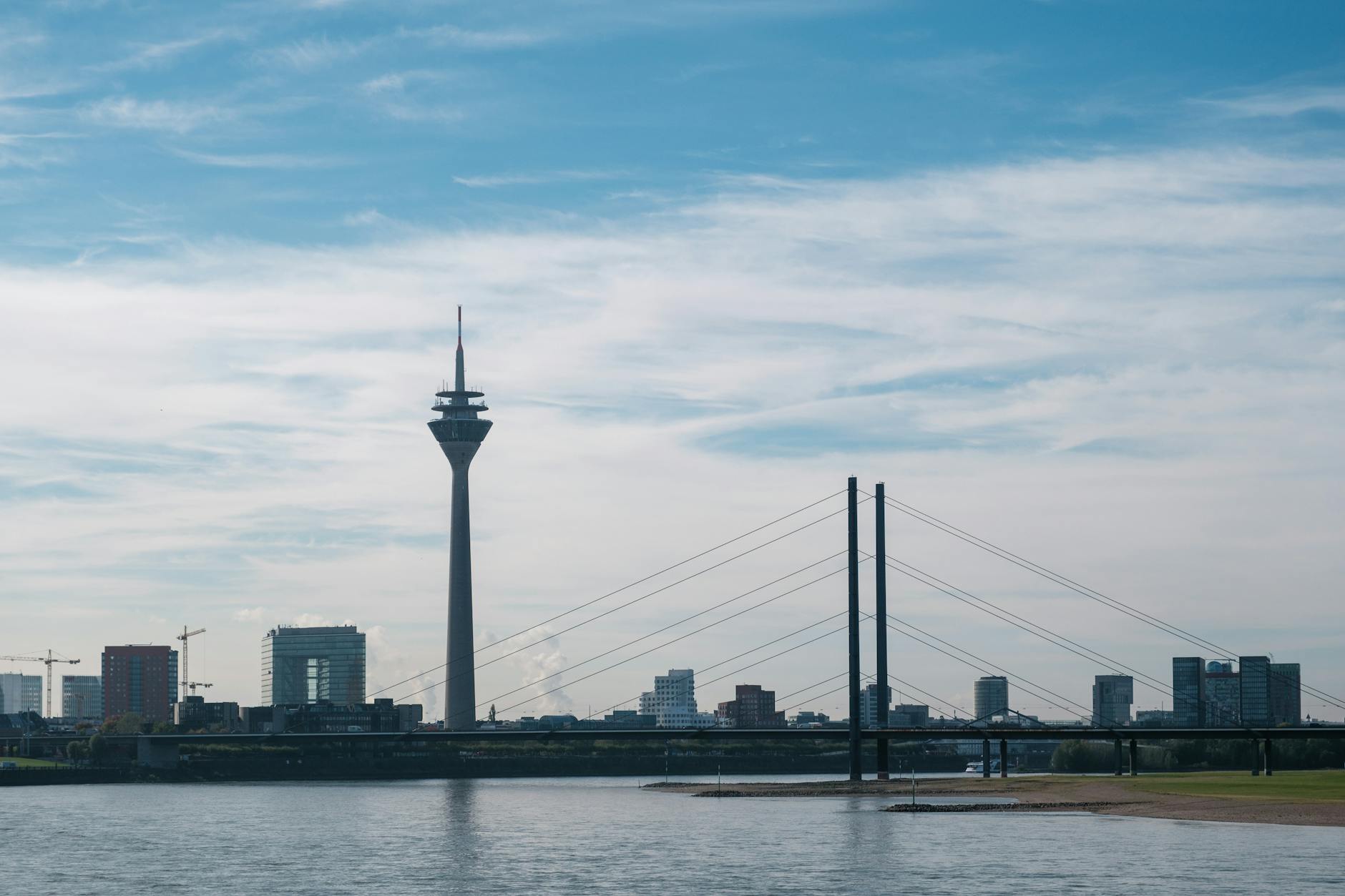
If you describe Dusseldorf badly, it can sound like a city of nice surfaces: a shopping boulevard, a tidy old town, a river walk, some beer, a Japanese quarter, some museums. None of those pieces, stated that way, sounds overwhelmingly persuasive. And that is one reason the city is underrated.
In practice, what Dusseldorf does well is sequencing. A market lunch can lead naturally into shopping or architecture. A polished hotel can be followed by Altstadt without the evening collapsing into parody. A serious museum visit can be corrected by a river walk. A Japanese dinner can make the city feel more surprising just when you thought you had solved it. The pieces strengthen one another.
That is why the city can feel better than its summary. Its value is compositional.
Getting Around
For most visitors, Dusseldorf is rail and tram first, walking second, card-based sightseeing third.
Airport arrival is straightforward enough that it should shape your planning confidence. The airport’s official page makes clear that both the main airport station plus SkyTrain and the direct S11 terminal station are part of the arrival picture.[1]
If you expect to move a lot on public transport and visit paid sights, the DüsseldorfCard can be sensible. The official card page states that it combines free public transport in the city with substantial discounts on sightseeing and museums.[2]
But do not over-abstract the city into transit products. Central Dusseldorf is best when you walk through its contrasts.

Why The Main Station Area Requires More Honesty
The main station area is not unusable. It is simply uneven, and that unevenness matters more in Dusseldorf than in cities where sheer sightseeing density quickly compensates for a weaker base.
If you choose the station side because you value rail convenience or because Little Tokyo is central to your stay, that can make sense. If you choose it because every large European city “has a main station area and it will probably be fine,” that is less convincing. Some blocks are more practical than pleasant. Some stretches feel more like corridors than neighborhoods. Some hotels are strategically useful while contributing very little to the emotional quality of the stay.
This is not a warning against staying there. It is a warning against pretending that all centrality is equal. In Dusseldorf, the differences between merely useful and genuinely enjoyable are unusually important.
Who Dusseldorf Handles Especially Well
Dusseldorf is especially good for travelers who like a city to feel finished.
Solo travelers do well here because the city supports strong routines without awkwardness: a market lunch, a museum, a river walk, a Japanese dinner, a beer, a quiet hotel return. Couples do well because the city naturally alternates between energy and ease. Business travelers do well because the airport and hotel logic are strong, and because extending a work trip here can quickly become worthwhile. Repeat Europe travelers do well because Dusseldorf offers refinement without demanding monument worship.
The city is also strong for travelers who dislike friction. If you want constant improvisational challenge, Dusseldorf may feel too controlled. If you want a city to work cleanly while still rewarding taste and attention, it is very good.
Common Mistakes
Treating Dusseldorf As Generic Convenience
This is the core mistake, and it makes the whole city seem thinner than it is.
Overcommitting to Altstadt
It matters, but it is not the whole city.
Staying Near the Wrong “Central” Block
Some central locations are much more useful or pleasant than others.
Ignoring Little Tokyo
Few German cities have anything remotely comparable.
Underusing the River
The Rhine is not decorative here. It organizes the city.
Why Dusseldorf Often Improves On The Second Visit
On a first visit, many travelers are still deciding whether the city is substantial or simply polished. That uncertainty shapes the trip. They test Altstadt. They inspect the river. They see whether the shopping districts feel empty or elegant. They check whether Little Tokyo is a nice extra or a genuine urban advantage. In other words, the first trip often contains evaluation.
The second trip is freer because the evaluation is mostly over. You already know which part of the city suits you. You are less tempted to compare every moment to Cologne, Berlin, or somewhere louder. You stop asking whether Dusseldorf is “worth it” and begin using it for what it does best: elegant hotel life, strong dinners, easy airport flow, good walks, one museum, one market, one Japanese meal, one old-town evening, repeat.
This is when the city often gets stronger. It becomes less a list and more a pattern.
How Dusseldorf Changes Over The Course Of A Stay
On arrival, Dusseldorf can feel almost too easy. The airport is manageable. The rail links are good. The center appears orderly. The river is obvious. There is a risk in this first impression: you may mistake legibility for shallowness.
By the second day, if the trip is built well, the city starts separating into clearer registers. Altstadt no longer feels like a generic old town. Königsallee stops being just a shopping street and starts reading as a statement about the city’s standards. Little Tokyo stops being a novelty and begins functioning as a real urban counterweight. The promenade becomes less scenic and more structural.
By the third day, Dusseldorf often begins to feel better precisely because it is no longer asking for attention so directly. You know where breakfast belongs. You know which direction to walk. You know how evening should work. The city becomes a place you are using rather than assessing.
My Blunt Advice
Sleep near the part of Dusseldorf you actually want to use, not the one that looked convenient on a rail map.
Walk the promenade.
Eat at Carlsplatz or let it anchor lunch.
Drink Altbier once, but do not let beer become your whole interpretation of the city.
Go to Little Tokyo even if you think you are “not here for Japanese food.”
And stop comparing Dusseldorf to Cologne. The comparison helps neither city, and it makes Dusseldorf seem like a weaker version of something it never intended to be.
Source Notes
- 1. Düsseldorf Airport. "Bus and Train." Official airport access page explaining the main airport rail station, the SkyTrain link to the terminal, and the direct S11 terminal station. https://www.dus.com/en/Anreisen/Bus-und-Bahn
- 2. Visit Düsseldorf. "The DüsseldorfCard." Official page describing free public transport options and discounts on museums, guided tours, and attractions. https://www.visitduesseldorf.de/en/book/duesseldorfcard
- 3. Visit Düsseldorf. "Düsseldorf’s Altstadt (Old Town)." Official tourism page describing the district’s breweries, bars, cultural features, and links to Carlsplatz and other attractions. https://www.visitduesseldorf.de/en/experience/sights/altstadt-old-town
- 4. Visit Düsseldorf. "Rhine embankment promenade." Official page describing the promenade’s design, length, riverfront character, and social role between the old town and the Rhine. https://www.visitduesseldorf.de/en/sights/rhine-embankment-promenade
- 5. City of Düsseldorf. "Königsallee." Official city page describing the boulevard’s monument status, moat, architectural features, and shopping role. https://www.duesseldorf.de/int/tourism/discover/koe
- 6. Visit Düsseldorf. "Little Tokyo in Düsseldorf." Official page describing the Japanese quarter’s restaurants, groceries, bookshops, and cultural scene. https://www.visitduesseldorf.de/en/experience/sights/little-tokyo
- 7. Visit Düsseldorf. "Carlsplatz." Official tourism page describing the market as the culinary heart of the city with more than 60 stands and Monday-to-Saturday opening. https://www.visitduesseldorf.de/attraktionen/carlsplatz-ccab5c84dd
- 8. Visit Düsseldorf. "K20 Kunstsammlung Nordrhein-Westfalen." Official attraction page describing the museum’s modern and contemporary holdings and recent expansion. https://www.visitduesseldorf.de/en/attractions/k20-kunstsammlung-nordrhein-westfalen-d47daf5d55
- 9. Visit Düsseldorf. "MedienHafen." Official tourism page describing the district’s architecture, adaptive re-use, and restaurant concentration. https://www.visitduesseldorf.de/en/attractions/medienhafen-079d420f94