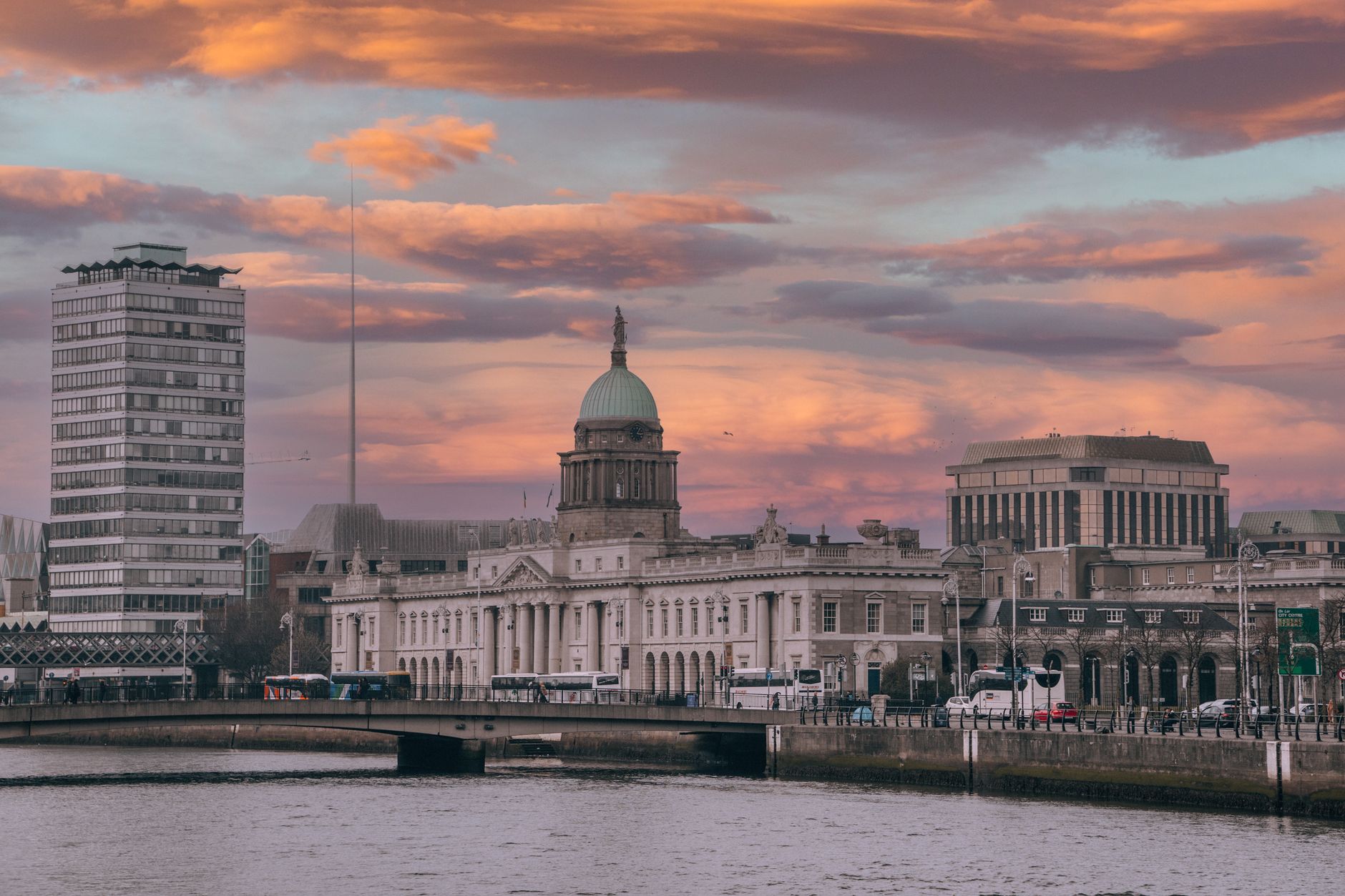
An opinionated, practical, culturally literate guide to the city: where to stay, how to plan your days, what is worth booking, what to eat, what to skip, and how to experience Dublin as more than a pub crawl, a Guinness pint, and a photo on Ha'penny Bridge.
Start Here
Dublin is a compact capital with a much bigger emotional footprint than its size suggests. It is a city of writers, talkers, rebels, musicians, dockers, students, tech workers, Georgian squares, Viking lanes, political ghosts, sea air, rain showers, and pubs where the conversation can be better than the architecture.
It is also a city that visitors often misunderstand. Too many first-timers treat Dublin as a one-night gateway before racing west to cliffs, castles, and green countryside. That is a mistake. Dublin is not Ireland in miniature, and it is not the prettiest part of the country, but it is the country’s urban nerve center: literary, argumentative, funny, wounded, proud, expensive, sociable, and still changing fast.
The wrong way to visit Dublin is to spend all your time in Temple Bar, buy overpriced pints, do Guinness and Trinity back-to-back without context, and leave saying the city was small and touristy. The better way is to build the trip around one strong museum or historic site, one neighborhood walk, one pub or music session chosen with care, and one excursion to the bay. Dublin is not only a city center. It is a city center with a coastline.
The city in one sentence: Dublin is a literary, pub-hearted, sea-edged capital where Georgian elegance, revolutionary memory, everyday wit, and neighborhood life sit within a city small enough to walk but layered enough to reward real attention.
Basic data
| Population | About 600,000 in the city; metro about 1.5 million |
|---|---|
| Area | 117 km2 |
| Major religions | Christian heritage, Islam, Hinduism, and a large secular population |
| Political system | Local authority city government inside a parliamentary republic |
| Economic system | Advanced mixed market economy led by technology, finance, education, tourism, and services |
Quick Verdict
Best for: literature, pubs, live music, Irish history, walkable neighborhoods, museums, Georgian architecture, coastal day trips, friendly conversation, whiskey, independent bookshops, rugby and Gaelic games, and travelers who like cities with personality rather than polish.
Not ideal for: bargain hunters expecting cheap hotels, travelers who want guaranteed sunshine, people looking for grand European scale, late-night metro convenience, slick all-hours dining, or a trip built entirely around blockbuster monuments.
Ideal first visit: 3 full days. Two days is enough for the historic core, Trinity, Guinness or Kilmainham, and one strong pub evening. Four or five days is better if you want Howth or Dún Laoghaire, more museums, food, live music, and a day trip into Wicklow or the Boyne Valley.
Best time to visit: May, June, September, and early October for the best balance of light, atmosphere, and manageable crowds. March is special for St. Patrick’s Festival but expensive and crowded. July and August are lively but pricier. November through February are darker and wetter, but good for pubs, museums, lower hotel prices, and a moodier version of the city.
Best first-time base: Trinity/Grafton Street/Merrion Square for classic convenience; St. Stephen’s Green or the south Georgian core for elegance; Temple Bar’s edges for nightlife without full chaos; Smithfield/Stoneybatter for a more local, food-and-pub-friendly base; Docklands for business hotels and modern rooms.
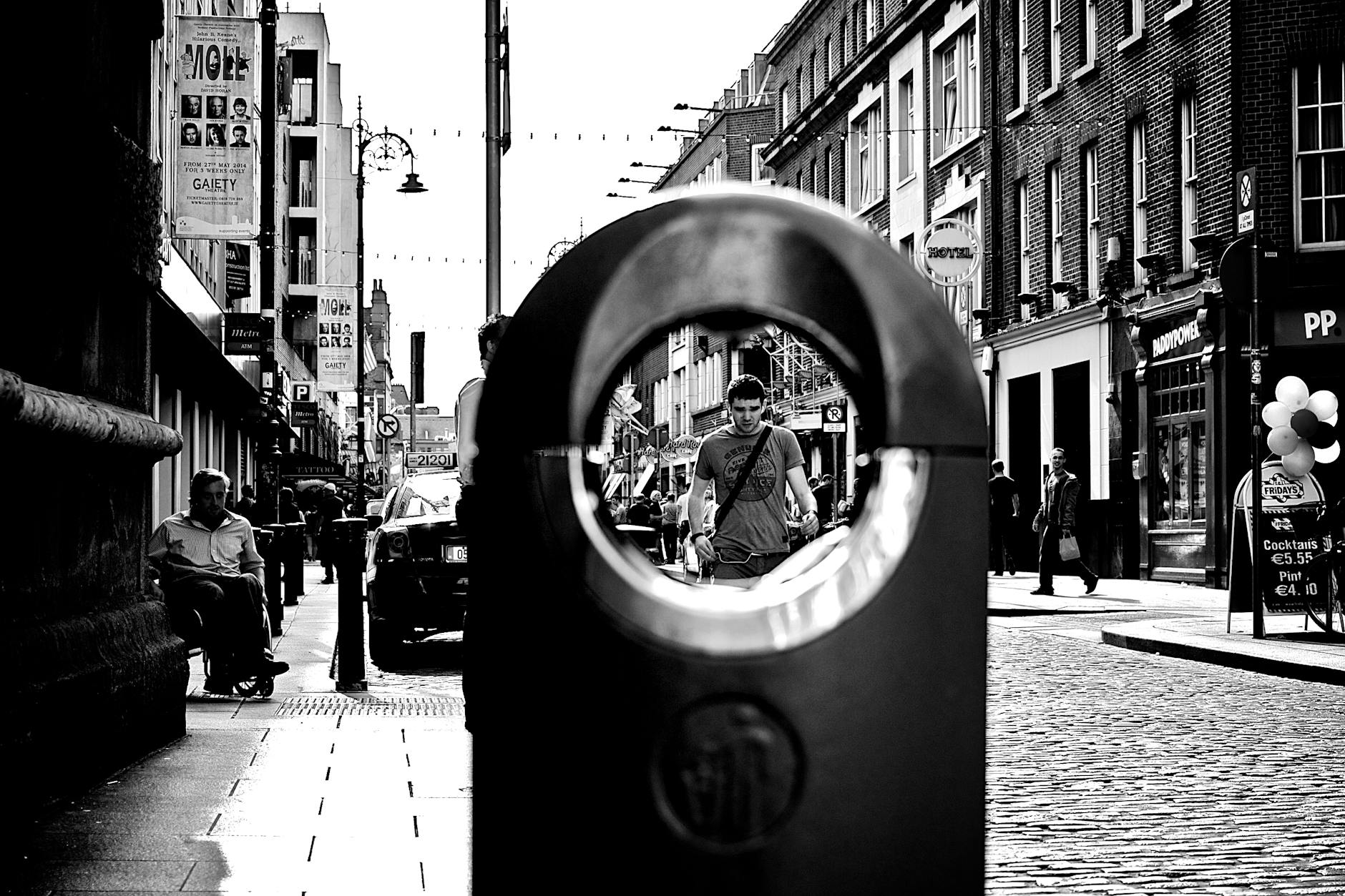
Biggest first-timer mistake: treating Temple Bar as “real Dublin” and the rest of the city as filler. Temple Bar has value in small doses, but Dublin’s better version is in Georgian squares, old pubs, side streets, museums, Stoneybatter, the Liberties, Glasnevin, Portobello, and the bay.
One thing to book early: Kilmainham Gaol. Access is by guided tour only, tickets are released 28 days ahead, and high-demand slots can disappear quickly. The Book of Kells, Guinness Storehouse, Jameson Bow St., popular restaurants, and weekend hotel rooms also deserve advance planning.
One thing to leave unscheduled: a pub evening. Pick the neighborhood, not the exact hour. The best Dublin nights often start with “just one” and become conversation, music, weather, another walk, and one more round.
The move: Do one tourist classic, then walk away from the tourist zone. Trinity plus Merrion Square. Guinness plus the Liberties. Kilmainham plus the Irish Museum of Modern Art or a canal-side drink. Temple Bar for a look, then dinner or music somewhere else.
How to Understand Dublin
Dublin Is Small, But It Is Not Simple
Dublin’s center is easy to grasp on a map. The River Liffey cuts across the city. O’Connell Street, Trinity College, Temple Bar, Dublin Castle, Grafton Street, St. Stephen’s Green, Merrion Square, and many of the main visitor sights sit within a comfortable walking radius. That apparent simplicity is part of Dublin’s charm.
It is also a trap. A visitor can walk through the core in a day and assume they have “done” the city. They have not. Dublin’s depth comes from layers: Viking settlement, medieval church power, Georgian planning, British administration, nationalist rebellion, literary modernism, working-class neighborhoods, suburban coastline, and the newer city of tech money, expensive housing, and fast-changing food culture.
The most useful way to understand Dublin is by zones:
- The historic and visitor core: Trinity, Temple Bar, Dame Street, Dublin Castle, Christ Church, St. Patrick’s Cathedral, Grafton Street, O’Connell Street, and the Liffey bridges.
- The Georgian southside: St. Stephen’s Green, Merrion Square, Fitzwilliam Square, government buildings, museums, galleries, and elegant townhouses.
- The Liberties and old brewing district: Guinness, St. Patrick’s Cathedral, Francis Street, Thomas Street, antique shops, whiskey, working-class history, and rapid change.
- Smithfield and Stoneybatter: Jameson, independent food, pubs, old markets, Phoenix Park access, and one of the best areas for a local-feeling stay.
- The Docklands: the modern, glassier city of offices, hotels, tech, finance, conference travel, and waterfront walks.
- The bay: Howth, Bull Island, Clontarf, Dún Laoghaire, Sandycove, Dalkey, Killiney, and the DART line that turns Dublin from an inland city break into a coastal trip.
Local logic: Dublin is a walking city in the center, a bus city in the neighborhoods, and a DART city when you want the coast. Do not judge the city only by the tourist streets between Trinity and Temple Bar.
Northside and Southside Matter, But Not Like a Tourist Cliché
The Liffey historically divides Dublin into north and south, and locals still use “northside” and “southside” as shorthand. The stereotype is that the southside is posher and the northside rougher. Reality is more interesting. The southside contains polished Georgian streets, expensive residential areas, and many visitor bases. The northside contains O’Connell Street, the GPO, Parnell Square, Croke Park, Glasnevin, Phibsborough, Clontarf, and plenty of cultural life.
Visitors should not reduce Dublin to “south good, north bad.” Some parts of the north city center feel scruffier, and some visitors feel less comfortable around certain streets late at night, but the northside also holds essential Dublin history and some of the city’s most interesting neighborhoods. The better question is: which street, at what time, for what purpose?
Dublin Is More Verbal Than Visual
Rome overwhelms with ruins. Paris overwhelms with beauty. Tokyo overwhelms with scale and precision. Dublin often works differently. Its deepest pleasures are conversational and cultural: a guided tour that reframes Irish history, a pub session where nobody performs at the audience so much as beside them, a bookshop table, a political mural, a Georgian doorway, a cemetery tour, a comic aside from a barman, a storyteller who turns a small fact into a whole room’s attention.
That means a great Dublin trip should include interpretation. Guided tours, museum exhibits, literary walks, historic sites, and pubs with real context matter more here than in some cities. You can wander Dublin happily, but you will understand it better if someone explains the layers.
First-timer mistake: Looking only for postcard beauty. Dublin has handsome streets and dramatic coast nearby, but its core appeal is not prettiness. Its appeal is memory, music, language, sociability, and the collision of past and present.
Dublin Has a Pub Culture, Not Just a Drinking Culture
Pubs are essential to Dublin, but the best ones are not simply places to consume alcohol. They are rooms with rules, rhythms, sound levels, regulars, corners, mirrors, snugs, fireplaces, football on television, trad sessions, quiet afternoons, loud weekends, and sometimes better social choreography than any restaurant.
A bad Dublin pub plan is: Temple Bar, expensive pints, party crowd, repeat.
A good Dublin pub plan is: one historic pub in the afternoon, one food pub or gastropub for a low-pressure meal, one trad session with good manners, one neighborhood pub where nobody is trying to sell you a “Celtic night.”
You do not need to drink heavily to enjoy Dublin. Guinness 0.0, soft drinks, tea, coffee, and nonalcoholic cocktails are increasingly normal. But you should understand pub etiquette: order at the bar unless told otherwise, do not block the counter, give musicians space, keep your group volume proportionate, and avoid treating regulars as part of the décor.
Dublin Is a City With a Bay
This is one of the great planning insights. Dublin is not just Trinity, Guinness, and pubs. It is a capital city framed by sea, mountains, and suburban villages. The DART can take you to Howth for cliff walks and seafood, to Dún Laoghaire for a pier walk, to Sandycove for Joyce and sea swimming, to Dalkey for village charm, and to Killiney for views that feel much grander than the distance from the city suggests.
Give Dublin at least one coastal half-day. It changes the trip.
The move: If the weather gives you a bright morning, seize it. Put the museum on standby and take the DART to the bay. Dublin’s indoor culture is strong enough to rescue a rainy afternoon later.
Dublin at a Glance
| Category | Practical Answer |
|---|---|
| Country | Ireland / Republic of Ireland |
| Province | Leinster |
| Language | English is the everyday language for visitors; Irish appears on signs and in official contexts |
| Currency | Euro |
| Payment | Cards are widely accepted; carry some cash for small purchases, older pubs, markets, tips, and emergencies |
| Emergency numbers | 112 or 999 for police, ambulance, fire, and coast guard |
| Tap water | Safe to drink |
| Main airport | Dublin Airport (DUB), north of the city center |
| Airport rail link | None as of this update; use coach, bus, taxi, or private transfer |
| Main train stations | Heuston for many west/southwest routes; Connolly for Belfast, Sligo, some commuter and DART services; Pearse and Tara Street for DART/city rail |
| Local transit | Dublin Bus, Go-Ahead Ireland buses, Luas tram, DART, commuter rail |
| Best transit tool | TFI Live app / journey planner plus Google Maps or Citymapper as backup |
| Visitor transport card | TFI Leap Visitor Card for unlimited short-term travel in Dublin Zone 1; regular Leap Card for pay-as-you-go and caps |
| Tipping | Modest; 10% in restaurants for good service if service is not included, small change or rounding in taxis, not required for every drink |
| Electrical plugs | Type G, 230V |
| Typical meal times | Breakfast 8-10am, lunch noon-2pm, dinner 6-9pm; pub kitchens often stop earlier than drink service |
| Best first trip length | 3 full days |
| Best planning mindset | Walk the center, book Kilmainham early, use DART for the coast, pick pubs carefully |
Entry and Border Notes
Ireland is in the European Union but is not in the Schengen Area. Entry rules therefore differ from France, Spain, Italy, and other Schengen countries. Many visitors can enter Ireland visa-free for short stays, while others need an Irish visa. Visa-required travelers should check Irish Immigration or the Department of Foreign Affairs before booking nonrefundable travel.
There is one extra wrinkle: Northern Ireland is part of the United Kingdom. Travelers who plan to add Belfast, the Giant’s Causeway, or other Northern Ireland stops may need to consider UK entry rules, including the UK Electronic Travel Authorisation system, depending on nationality and route. Do not assume that “Ireland” and “Northern Ireland” use the same visitor-entry process.
Book-ahead note: Immigration rules are not travel-blog material. A Dublin guide should link readers to official Irish and UK government pages and tell them to check based on their passport, residency, and itinerary.
Best Time to Visit
Dublin’s weather is variable, not extreme. The city rarely gets the brutal heat of southern Europe or the deep cold of northern continental cities, but it gets wind, mist, drizzle, fast-changing skies, and enough rain to make flexible plans essential. The weather can be glorious and irritating in the same afternoon.
The Best Overall Months
May and June are the best overall months for a first visit. Days are long, gardens are green, hotel prices are not yet at their absolute worst, and the city feels awake without being as jammed as peak summer.
September and early October are nearly as good. The light changes, students return, cultural calendars pick up, and the city feels lived-in. Weather is still manageable, though rain becomes more frequent as autumn progresses.
Late April can be excellent if you accept cool weather. Spring flowers, manageable crowds, and lower prices than summer make it a smart shoulder-season choice.
Summer: July and August
Summer brings long days, events, busy attractions, higher hotel prices, and a lively street atmosphere. It is a good time for coastal DART trips and outdoor meals when weather cooperates. The downside is cost. Dublin hotels can be painfully expensive, especially when concerts, sporting events, conferences, or international travel waves coincide.
Summer is not always warm by global standards. Pack layers. A July evening can feel cool, especially near the bay.
March and St. Patrick’s Festival
St. Patrick’s Day in Dublin is iconic, crowded, expensive, and not automatically the best version of the city for every traveler. The festival brings parades, events, music, visitors, road closures, and a charged atmosphere. It is worth doing if you specifically want that energy. It is not worth doing if you dislike crowds, inflated hotel rates, or the messier side of mass celebration.
For 2026, the official St. Patrick’s Festival programme runs March 14-17, with the parade on March 17. Future dates should be checked directly.
Worth it? St. Patrick’s Day is worth it if the festival itself is a reason for the trip. If your real goal is museums, pubs, coast, and history, May or September will give you a better Dublin.
Winter: November to February
Winter Dublin is underrated if you like interiors. Pubs are warmer, museums are easier, hotel rates can soften outside holiday/event periods, and the city’s literary mood suits short days. The tradeoff is darkness, rain, wind, and less appeal for coastal walks unless you get a clear day.
December has lights and pub atmosphere, but also holiday crowds and office parties. January and February are the best months for lower prices and a quieter city, though some tours and attractions may run shorter hours.
Month-by-Month Guide
| Month | What to Expect | Verdict |
|---|---|---|
| January | Dark, damp, cheaper, good for museums and pubs | Best for budget and atmosphere, not sightseeing range |
| February | Still cold and wet, but gradually brighter | Good for low-key cultural trips |
| March | St. Patrick’s Festival, rising demand, unpredictable weather | Great for festival seekers, less ideal for calm travelers |
| April | Spring, showers, improving light | Strong shoulder-season choice |
| May | Long days, green parks, good walking weather | One of the best months |
| June | Longest light, busy but rewarding | Excellent, book hotels early |
| July | Peak visitor season, events, higher prices | Good if you plan ahead |
| August | Busy, expensive, still lively | Good, but not always best value |
| September | Cultural reset, good weather balance | One of the best months |
| October | Autumn atmosphere, more rain | Good for pubs, museums, and lower crowds |
| November | Darker, quieter, more affordable | Good for repeat visitors and indoor culture |
| December | Lights, shopping, pub nights, holiday demand | Atmospheric but not always cheap |
Weather Strategy
The practical Dublin packing rule is simple: layers, waterproof outer layer, comfortable shoes, and a flexible itinerary. A forecast can say rain and produce sun breaks. A morning can begin beautifully and turn horizontal by late afternoon. Put the coast on the day with the best weather, not necessarily the day you planned it.
Rain plan: Save the National Gallery, EPIC, Chester Beatty, the National Museum, Jameson, the Little Museum, and a long pub lunch for wet weather. Do not waste a clear day indoors unless tickets force you.
How Many Days You Need
One Day
One day in Dublin is a taste. You can see Trinity, the Book of Kells or National Gallery, Grafton Street, St. Stephen’s Green, Temple Bar, the Liffey, and one pub. You will not understand the city deeply, but you can enjoy it.
Best one-day plan: Trinity and the Book of Kells in the morning, Merrion Square or the National Gallery, lunch around the south city center, a walk through Temple Bar and the Liffey bridges, then either Guinness or a historic pub evening.
Two Days
Two days is enough for the essential visitor city. One day should cover Trinity, Georgian Dublin, and the historic core. The other should do either Kilmainham and the Liberties, or the bay and a pub/music evening.
Good for: first-timers passing through Ireland, weekend trips from the UK/Europe, conference add-ons.
Risk: You will be tempted to cram in Guinness, Kilmainham, Trinity, Dublin Castle, St. Patrick’s, Temple Bar, the coast, and multiple pub sessions. Do not. Pick a few anchors.
Three Days
Three full days is the best first-visit length. It gives you:
- One classic city-center day
- One history/Liberties/Kilmainham day
- One coast or northside/museum day
- Enough nights for pubs, food, and music without treating every evening like a pub crawl
This is the minimum length where Dublin starts to feel like a real city rather than an airport-adjacent stopover.
Four to Five Days
Four or five days lets you add nuance: Glasnevin and the Botanic Gardens, Croke Park, EPIC, the Docklands, Stoneybatter, Portobello, a DART trip to Howth or Dalkey, and a day trip to Glendalough, Newgrange, or Kilkenny.
This is the best length for travelers who like history, pubs, museums, literature, and coastal walks.
One Week
A full week in Dublin only makes sense if you are using it as a base or you like slow urban travel. You can do Dublin properly and add multiple day trips: Wicklow/Glendalough, Newgrange and the Boyne Valley, Belfast, Kilkenny, Malahide, Howth, and the south bay.
For a first trip to Ireland, however, do not spend the entire week only in Dublin unless you have a specific reason. Pair Dublin with Galway, the west coast, Cork/Kinsale, Kilkenny, Belfast/Northern Ireland, or a car-free rail itinerary.
The move: Three days for Dublin itself. Five days if adding the bay and one major day trip. Seven days only if you are deliberately using the city as a base.
Where to Stay
Dublin hotel strategy matters more than many visitors expect. The city is walkable, but hotel prices can be high, rooms can be small, and the difference between a charming base and a noisy mistake can be one street.
The Short Answer
For a first visit, stay near Trinity/Grafton Street/Merrion Square/St. Stephen’s Green if you want classic convenience and easy walking. Stay around Temple Bar’s edges if nightlife matters and you can tolerate noise. Stay in Smithfield/Stoneybatter if you want a more local, food-and-pub-oriented base with good access to the west side of the city. Stay in the Docklands if you want newer hotels, business infrastructure, and easy airport/taxi logistics more than old-city atmosphere.
Neighborhood Decision Tree
Want the easiest first-timer base? Stay near Trinity, Grafton Street, Merrion Square, or St. Stephen’s Green.
Want nightlife? Stay near Temple Bar or Dame Street, but avoid sleeping directly over the loudest pub streets unless you are committed to late nights.
Want a more local-feeling base? Try Smithfield, Stoneybatter, Portobello, Ranelagh, or Rathmines.
Want newer hotels and business convenience? Stay in the Docklands or around Grand Canal Dock.
Want a polished residential feel? Look at Ballsbridge, Donnybrook, or around the south Georgian core.
Want lower prices? Look north of the Liffey, near Smithfield, Phibsborough, the Docklands, or further out along transit—but price-check transport time carefully.
Have mobility concerns? Stay as central as you can and prioritize elevators, step-free hotel access, and short walking distances. Older Georgian properties can be beautiful but may have stairs, no lift, and awkward room layouts.
Catching an early flight? Consider an airport hotel only for the final night. Do not base a Dublin city break at the airport unless the trip is dominated by flights.
Best Areas for First-Timers
Trinity / Grafton Street / College Green
This is the most convenient classic base. You can walk to Trinity, the Book of Kells, the National Gallery, Temple Bar, the Liffey, St. Stephen’s Green, Dublin Castle, shopping, restaurants, pubs, and multiple transit options.
Best for: first-timers, short stays, walkers, museum trips, travelers who want to avoid transport complexity.
Why stay here: It reduces friction. For a two- or three-day trip, location matters. This area makes it easy to return to the hotel between outings and prevents long cross-town commutes.
Why not: It can be expensive, crowded, and less local-feeling. Hotels may be small or pricey for the room quality.
The move: Stay close to the core, but eat and drink beyond the most obvious streets.
St. Stephen’s Green and the Georgian Southside
Elegant, central, and calmer than Temple Bar, this area gives you parks, Georgian streets, museums, restaurants, shopping, and easy walks to the core. Around Merrion Square and Fitzwilliam Square, Dublin looks more composed and architectural.
Best for: couples, older travelers, culture-focused visitors, business/leisure trips, travelers who like quieter evenings.
Why stay here: Beautiful streets, strong location, good access to the National Gallery, National Museum, government quarter, and Grafton Street.
Why not: It can be expensive, and parts get quiet at night. Some Georgian hotels have historic charm but quirky layouts.
Temple Bar Edges / Dame Street / Christchurch
Temple Bar is not automatically a mistake. Sleeping in the exact party zone can be. The edges—Dame Street, Christchurch, Parliament Street, parts west of the main pub cluster—can be useful if you want historic sights and nightlife close by.
Best for: nightlife seekers, short stays, younger travelers, people who want to be in the thick of it.
Why stay here: You can walk everywhere, and the city is lively at night.
Why not: Noise, crowds, stag/hen energy, expensive pints, tourist restaurants, and occasional late-night mess.
Skip if: You are a light sleeper, traveling with young children, or hoping for peaceful Dublin.
Smithfield and Stoneybatter
This is one of Dublin’s best bases for travelers who want a neighborhood rather than a postcard. Smithfield has the Jameson Distillery, Luas access, hotels/apartments, and quick links to the center. Stoneybatter has pubs, cafés, restaurants, and a strong local identity.
Best for: second-time visitors, food-focused travelers, pub lovers, independent travelers, longer stays.
Why stay here: Better neighborhood feel, good west-city access, easy route to Phoenix Park, Collins Barracks, and Kilmainham.
Why not: It is not as instantly pretty as the Georgian southside, and some routes back late at night are better by taxi.
Docklands / Grand Canal Dock
Modern Dublin: glass buildings, offices, hotels, water, bridges, tech, conference venues, and the Bord Gáis Energy Theatre. This area can be convenient and comfortable, especially if hotel inventory is better than in the historic core.
Best for: business travelers, conference visitors, newer hotel seekers, families who want modern rooms, travelers using taxis.
Why stay here: Newer properties, quieter nights, waterfront walks, good for airport logistics and events.
Why not: It lacks old-city charm, and you may walk or ride more often to classic sights.
Ballsbridge / Donnybrook
Leafier, more residential, and polished, with embassies, rugby energy near Aviva Stadium, and some good hotels. It suits travelers who want quiet and do not mind being slightly outside the core.
Best for: older travelers, rugby weekends, business, quieter stays, people comfortable using bus/taxi.
Why not: Less convenient for first-time sightseeing if you want to walk everywhere.
Portobello, Ranelagh, and Rathmines
These southside neighborhoods are excellent for longer stays and food/drink exploration. They are not classic monument bases, but they feel lived-in and have strong restaurant and bar scenes.
Best for: repeat visitors, longer stays, remote workers, travelers who like neighborhood dining.
Why not: Not ideal for a two-day first visit unless you know exactly why you chose them.
Common Hotel Booking Mistakes
- Booking the cheapest room without checking late-night noise.
- Staying in Temple Bar and then being surprised it sounds like Temple Bar.
- Staying too far out to save money and spending the savings on taxis.
- Assuming all older buildings have elevators or air conditioning.
- Underestimating event-driven hotel spikes.
- Booking an airport hotel for a city trip because it looks cheaper.
- Ignoring which train station or bus route you need for day trips.
- Choosing a “Dublin” hotel that is really suburban and car-oriented.
Book ahead: Dublin’s hotel market can be unforgiving. Concerts, rugby, St. Patrick’s Festival, university events, conferences, and summer tourism can push rates sharply up. If your dates are fixed, book early.
Neighborhood Field Guide
Trinity, Grafton Street, and the Museum Quarter
This is the classic first-day Dublin. Trinity College gives the city its scholarly center; Grafton Street brings shopping and buskers; St. Stephen’s Green gives a pause; Merrion Square and the National Gallery add Georgian beauty and art.
Best for: first-timers, museums, shopping, architecture, easy walking.
What to do: Book of Kells Experience, Trinity campus, National Gallery, National Museum of Archaeology, Merrion Square, St. Stephen’s Green, Grafton Street.
Best time: Morning for Trinity, late afternoon for parks and Georgian squares.
Pair it with: A proper lunch, a bookshop stop, and a quieter pub away from the busiest Grafton/Temple Bar axis.
Skip if: You are looking for nightlife grit or coastal scenery; this area is the polished heart.
Temple Bar and Dame Street
Temple Bar is both overhyped and worth understanding. It has cultural institutions, cobbled lanes, galleries, the Irish Film Institute, restaurants, pubs, and easy access to the Liffey. It also has expensive drinks, tourist crowds, and a party reputation that can flatten the city into cliché.
Best for: a short look, early-evening atmosphere, cultural venues, first-time orientation.
Do: Walk through, take photos, maybe have one drink in a place chosen deliberately.
Do not: Spend every night here. Do not judge Dublin pubs by the loudest bars on the main strip.
Better alternative: Use Temple Bar as a corridor between Trinity, the Liffey, and Dublin Castle, then eat or drink in the Liberties, Stoneybatter, Camden Street, Portobello, or a quieter historic pub.
The Liberties
The Liberties is one of Dublin’s oldest and most interesting districts: brewing, distilling, markets, working-class history, churches, antique shops, and new development all tangled together. Guinness Storehouse dominates many visitor itineraries, but the neighborhood is more than Guinness.
Best for: Guinness, St. Patrick’s Cathedral, distilling history, antique browsing, a grittier old-Dublin feel.
What to do: Guinness Storehouse, St. Patrick’s Cathedral, Teeling Whiskey Distillery, Francis Street, Thomas Street, Dublinia/Christ Church nearby.
Best time: Late morning through early evening. Some streets are better in daylight.
Pair it with: Kilmainham/IMMA if you are willing to ride or walk west; Christ Church and Dublin Castle if staying central.
Smithfield and Stoneybatter
Smithfield has the Jameson Distillery and an open plaza that hints at older market life. Stoneybatter, just beyond, is one of Dublin’s strongest neighborhood bases: pubs, casual restaurants, independent spots, and easy access to Phoenix Park.
Best for: food, pubs, Jameson, neighborhood atmosphere, longer stays.
What to do: Jameson Bow St., Cobblestone-style trad music if available, Collins Barracks, Phoenix Park edge, Stoneybatter restaurants and cafés.
Best time: Afternoon into evening.
Pair it with: Glasnevin, Phoenix Park, Kilmainham, or a west-city day.
O’Connell Street, Parnell Square, and the GPO
The north city center is essential to Dublin’s political story. The GPO on O’Connell Street is central to the memory of the 1916 Rising. Parnell Square has cultural institutions and ongoing redevelopment energy. The area can feel rougher around the edges than the southside core, especially at night, but it should not be ignored.
Best for: Irish political history, the GPO, northside context, theaters, literature.
Best time: Daytime or early evening.
Pair it with: Glasnevin Cemetery, Croke Park, or a literary/history walk.
Georgian Dublin: Merrion Square, Fitzwilliam Square, and Around
This is where Dublin’s 18th-century elegance is clearest: brick townhouses, colored doors, railings, parks, institutions, embassies, and a calmer sense of urban order.
Best for: architecture, galleries, quiet walks, photography, couples, culture.
What to do: National Gallery, National Museum of Archaeology, Merrion Square, Oscar Wilde memorial, government buildings exterior, small cafés and restaurants.
Best time: Late morning or late afternoon light.
Docklands and Grand Canal Dock
The Docklands shows the newer Dublin: corporate, international, waterfront, modern, sometimes sterile, but increasingly useful for hotels, restaurants, theaters, and river walks.
Best for: business stays, modern hotels, theater, waterfront walks, EPIC.
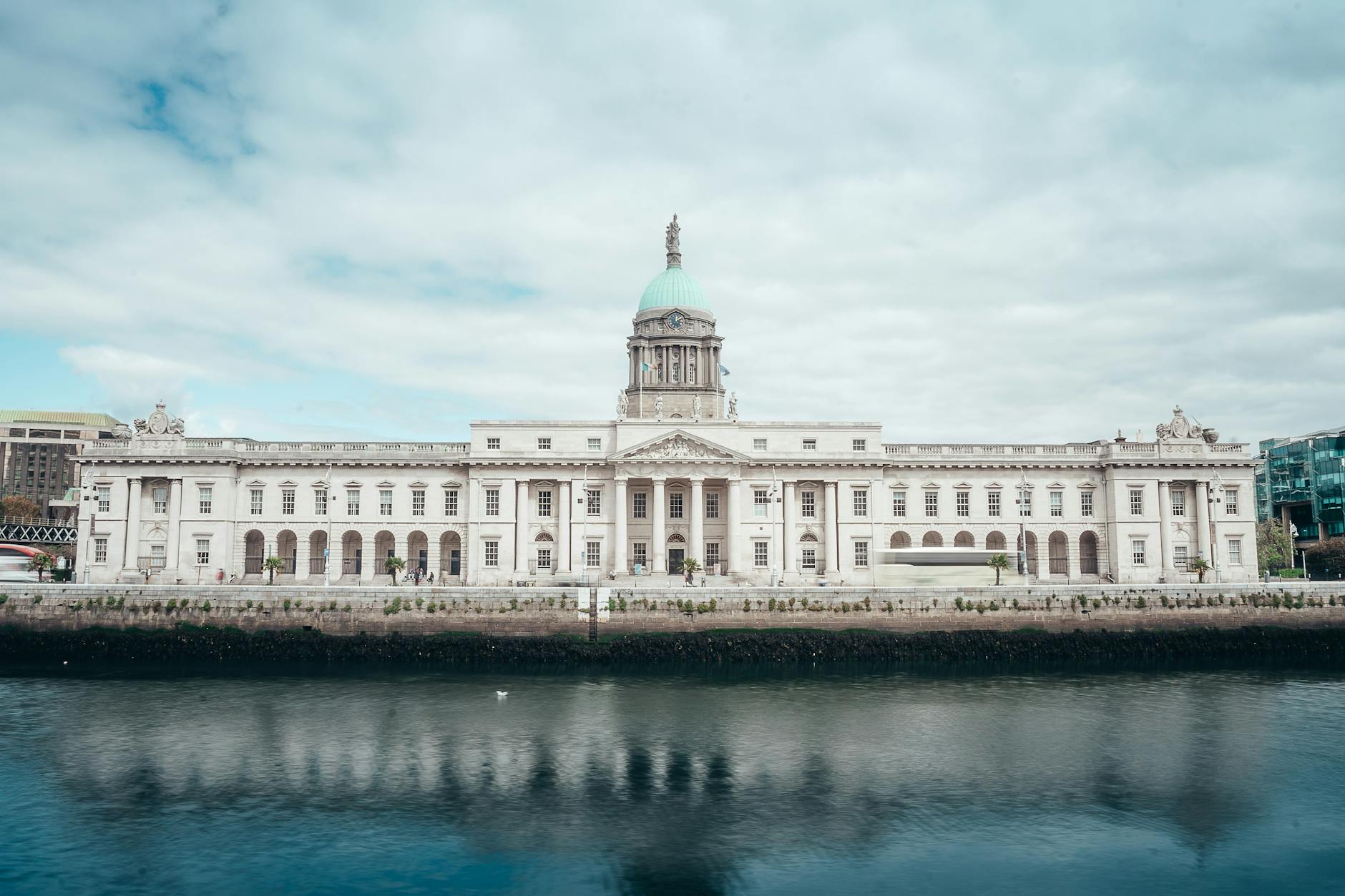
What to do: EPIC The Irish Emigration Museum, Custom House area, Samuel Beckett Bridge, Bord Gáis Energy Theatre, Grand Canal Dock.
Best time: Late afternoon and evening, especially for water views and theater.
Portobello, Camden Street, Rathmines, and Ranelagh
This is a strong food-and-drink belt south of the core. Portobello has canal walks and restaurants. Camden Street has nightlife and casual food. Ranelagh and Rathmines are neighborhood-rich, residential, and good for repeat visitors.
Best for: restaurants, casual nightlife, longer stays, local-feeling evenings.
Why go: To eat and drink outside the obvious tourist core.
Best time: Evening.
Glasnevin and Phibsborough
Glasnevin Cemetery is one of the city’s most rewarding historic sites, and the National Botanic Gardens nearby make the area a strong half-day. Phibsborough has grown into a lively northside neighborhood with cafés, pubs, and student/residential energy.
Best for: history, gardens, cemeteries, northside exploration, repeat visitors.
Pair it with: Croke Park or a northside pub.
Phoenix Park and Kilmainham
Phoenix Park is huge, green, and excellent for a reset. Kilmainham Gaol is one of Dublin’s most important historic visits. The Irish Museum of Modern Art sits nearby in the Royal Hospital Kilmainham.
Best for: Irish history, open space, museums, longer walks.
The move: Book Kilmainham, then build the day around it. Do not treat it as a casual drop-in.
Howth, Clontarf, Dún Laoghaire, Sandycove, Dalkey, and Killiney
The bay is Dublin’s release valve. Howth is best for cliff walks, harbor, seafood, and a clear sense of leaving the city. Dún Laoghaire is best for a pier walk. Sandycove adds Joyce and sea swimming. Dalkey is villagey and charming. Killiney offers expansive views.
Best for: coastal scenery, seafood, walking, families, repeat visitors, weather-dependent half-days.
The move: Use the DART. Choose north bay or south bay; do not try to do both casually in one rushed afternoon.
The Best Things to Do
See the Book of Kells and Trinity College
The Book of Kells is Dublin’s most famous cultural treasure, and Trinity’s campus is one of the city’s essential spaces. The visit now needs a bit of expectation management: the Old Library is undergoing a major redevelopment process, the majority of books have been temporarily removed from the Long Room shelves, and the Book of Kells remains on display as part of the visitor experience.
Why go: The manuscript is extraordinary, Trinity is central to Dublin’s identity, and the visit helps connect Ireland’s early Christian, artistic, and scholarly heritage.
Who will love it: history lovers, book lovers, first-timers, design/art travelers.
Who can skip it: travelers who dislike timed cultural attractions and are only going for the fully book-lined Long Room image they saw years ago.
Time needed: 45-90 minutes, longer with a Trinity tour.
Book ahead? Yes, especially weekends and high season.
Worth it? Yes, but go with current expectations. The Long Room experience has changed during the redevelopment. The Book of Kells itself remains the anchor.
Visit Kilmainham Gaol
Kilmainham Gaol is one of Dublin’s most powerful historic sites. It ties together imprisonment, rebellion, empire, nationalism, and the 1916 Rising in a way that can make Irish history suddenly concrete.
Why go: If you visit only one serious historic site in Dublin, make it this.
Who will love it: history travelers, politically curious visitors, anyone who wants Ireland beyond pub imagery.
Who should skip it: people with no tolerance for guided-tour pacing or somber sites.
Time needed: Allow 90 minutes to 2 hours, plus travel.
Book ahead? Absolutely. Guided tour only; tickets are released in advance and sell quickly.
Pair it with: Irish Museum of Modern Art, Phoenix Park, Guinness/Liberties, or a canal walk.
Do the Guinness Storehouse—But Know What It Is
The Guinness Storehouse is Ireland’s blockbuster visitor attraction: polished, branded, immersive, and built for crowds. It is not a working brewery tour in the old-fashioned sense. It is a large-scale brand and history experience ending with a drink and a city view in the Gravity Bar.
Why go: Guinness matters to Dublin; the building is fun; the view is strong; many visitors genuinely enjoy it.
Who will love it: first-timers, beer/brand/history travelers, groups, rainy-day planners.
Who can skip it: travelers allergic to corporate visitor experiences or those who would rather spend their time in real pubs.
Time needed: 90 minutes to 2.5 hours.
Book ahead? Yes in busy periods.
The move: If you do Guinness, pair it with the Liberties, St. Patrick’s Cathedral, or a proper old pub. Do not make it your only Dublin context.
Explore Georgian Dublin and the National Gallery
The National Gallery of Ireland is one of Dublin’s great values: a serious art collection, free permanent admission, and a perfect rainy-day or culture-day anchor. Around it, Merrion Square and the Georgian core show the city’s 18th-century elegance.
Why go: This is the polished, literary, state-and-culture version of Dublin.
Time needed: 60-120 minutes for the gallery; add a walk through Merrion Square.
Pair it with: Trinity, National Museum of Archaeology, Grafton Street, St. Stephen’s Green.
Walk the Medieval Core: Dublin Castle, Christ Church, Dublinia, St. Patrick’s
Dublin’s medieval core is not as visually intact as some European old towns, but the layers are there. Christ Church, Dublinia, Dublin Castle, and St. Patrick’s Cathedral create a strong walk through Viking, medieval, ecclesiastical, and colonial power.
Important 2026 note: Dublin Castle is closed to the public from May 5 through December 31, 2026 to accommodate Ireland’s EU Presidency. The wider campus and nearby institutions may have different access, so check before building a day around the State Apartments.
Best for: history, architecture, first-time orientation.
The move: In 2026, replace Dublin Castle interior time with Chester Beatty, Christ Church, Dublinia, or a guided walking tour.
Visit Chester Beatty
Chester Beatty is one of Dublin’s most underrated major museums: manuscripts, prints, Islamic art, East Asian collections, rare books, and global material culture in a calm setting near Dublin Castle.
Why go: It is free, beautiful, central, and deeper than many visitors expect.
Who will love it: art lovers, book lovers, religious-history travelers, rainy-day planners.
Time needed: 60-90 minutes.
Pair it with: Christ Church, Dublin Castle exterior/campus, Temple Bar, St. Patrick’s Cathedral.
Visit EPIC The Irish Emigration Museum
EPIC is a modern museum in the Docklands focused on Irish emigration and global Irish identity. It is interactive, accessible, and useful for visitors with Irish ancestry or interest in diaspora history.
Why go: It reframes Ireland as a global story, not only an island story.
Who will love it: families, Irish-American visitors, genealogy-minded travelers, rainy-day museum seekers.
Time needed: 70-120 minutes.
Pair it with: Custom House, Docklands, famine memorial, river walk.
Tour Jameson Bow St. or Another Distillery
Jameson Bow St. is a polished whiskey experience in Smithfield. Like Guinness, it is visitor-focused rather than an industrial deep dive, but the shorter tour format, tasting, and Smithfield location make it easy to fit into a neighborhood day.
Best for: whiskey fans, groups, rainy days, Smithfield/Stoneybatter evenings.
Time needed: 45 minutes for the standard Bow St. Experience; longer for premium experiences.
Pair it with: Smithfield pubs, Stoneybatter dinner, Collins Barracks.
Go to Glasnevin Cemetery and the Botanic Gardens
Glasnevin Cemetery is one of Dublin’s best history experiences and a better choice than many minor city-center attractions. The nearby National Botanic Gardens add beauty, calm, and a different mood.
Why go: Political history, funerary architecture, major Irish figures, and a powerful sense of national memory.
Time needed: Half-day with the gardens.
Pair it with: Phibsborough or Croke Park.
See Croke Park
Croke Park is one of the keys to understanding modern Ireland: Gaelic games, sport, identity, and history. If there is a match, consider going. If not, the stadium tour and GAA Museum are useful.
Best for: sports travelers, cultural context, families, repeat visitors.
Worth it? Very, if you want Ireland beyond monuments and pubs.
Take the DART to the Coast
This is non-negotiable on a good-weather trip. Howth for cliffs and harbor. Dún Laoghaire for a pier. Dalkey for village charm. Sandycove for Joyce and swimming culture. Killiney for views.
Why go: It makes Dublin feel larger, fresher, and more beautiful.
Time needed: Half-day minimum.
Best weather rule: Go when the sky opens. Swap it with a museum day if needed.
Experience a Real Trad Session
Traditional music in Dublin can be extraordinary, but the quality of visitor experiences varies. Look for pubs where the music is part of the room, not a staged show shouted over by tourists. Arrive early, buy drinks respectfully, do not push cameras into musicians’ faces, and understand that sessions are social as well as musical.
Best for: music lovers, pub culture, evening atmosphere.
Who should avoid it: groups who cannot keep quiet during music.
Local logic: A trad session is not a concert where you own the room. It is a living practice happening in a shared space. Behave accordingly.
Walk Phoenix Park
Phoenix Park is one of Europe’s great urban parks: huge, green, and useful for clearing your head after too many interiors. It works well with Dublin Zoo, the visitor center, or simply a long walk.
Best for: families, runners, walkers, repeat visitors, decompression.
Time needed: 90 minutes to half a day.
Museums, Historic Sites, and Booking Strategy
Dublin’s best attractions are not all equal in planning difficulty. Some are free and flexible; others require advance booking.
Book Early
Kilmainham Gaol
Book first. Tickets are released 28 days ahead, and access is by guided tour only. Same-day cancellations may appear, but relying on them is a bad plan in high season.
Book of Kells Experience
Book ahead for weekends, holidays, and peak visitor months. Also manage expectations around the Old Library redevelopment and the changed Long Room shelves.
Guinness Storehouse
Advance tickets help manage timing and price. It is easy to underestimate demand because the attraction is large.
Jameson Bow St.
Book if you want a specific time, especially weekends and evenings.
Popular restaurants
Dublin’s best restaurants are not huge, and weekend dinner can be difficult. Reserve earlier than you think.
Flexible / Good Rainy-Day Options
- National Gallery of Ireland
- National Museum of Archaeology
- National Museum at Collins Barracks
- Chester Beatty
- EPIC
- Little Museum of Dublin
- Irish Whiskey Museum
- Churches and cathedrals
- Jameson/whiskey experiences
- Independent cinemas and theaters
Free or Excellent Value
- National Gallery permanent collection
- National Museum of Ireland sites
- Chester Beatty
- Parks and squares
- Coastal walks
- Some church services, where attending worship rather than touring
- Street-level Georgian architecture
- Many literary and political landmarks from the outside
2026 Closure / Change Notes
- Dublin Castle: Closed to the public from May 5 through December 31, 2026 for EU Presidency needs. Check campus and adjacent institution access separately.
- National Museum of Ireland – Natural History: Closed for a major refurbishment project as of this update. The Archaeology and Collins Barracks branches remain better visitor choices.
- Trinity Old Library: The Book of Kells remains on display, but most Long Room books have been temporarily removed as part of the Old Library redevelopment. The visitor experience remains open until end 2027 before later construction phases, according to Trinity’s project information.
Rule: Every ticket price, closure, and opening time in Dublin should be rechecked close to publication. Dublin’s major attractions are stable, but visitor logistics change often enough to punish lazy guides.
Food and Drink
Dublin’s Food Identity
Dublin is no longer a city where travelers should resign themselves to pub food and hotel breakfasts. The city has strong modern Irish cooking, excellent bakeries, serious coffee, good seafood when you know where to look, a growing wine/cocktail scene, and casual neighborhood restaurants that are much better than the old clichés suggest.
That said, Dublin is expensive. The quality-to-price ratio can be uneven, especially in tourist zones. The best food strategy is to book one or two strong meals, use pubs and cafés intelligently, and leave the most obvious tourist streets for snacks rather than serious dining.
What to Eat
Irish Breakfast
A full Irish breakfast is heavy but useful if you are walking all day: eggs, sausage, bacon/rashers, black and white pudding, beans, tomato, mushrooms, toast or soda bread. Eat it once, not necessarily every morning.
Seafood
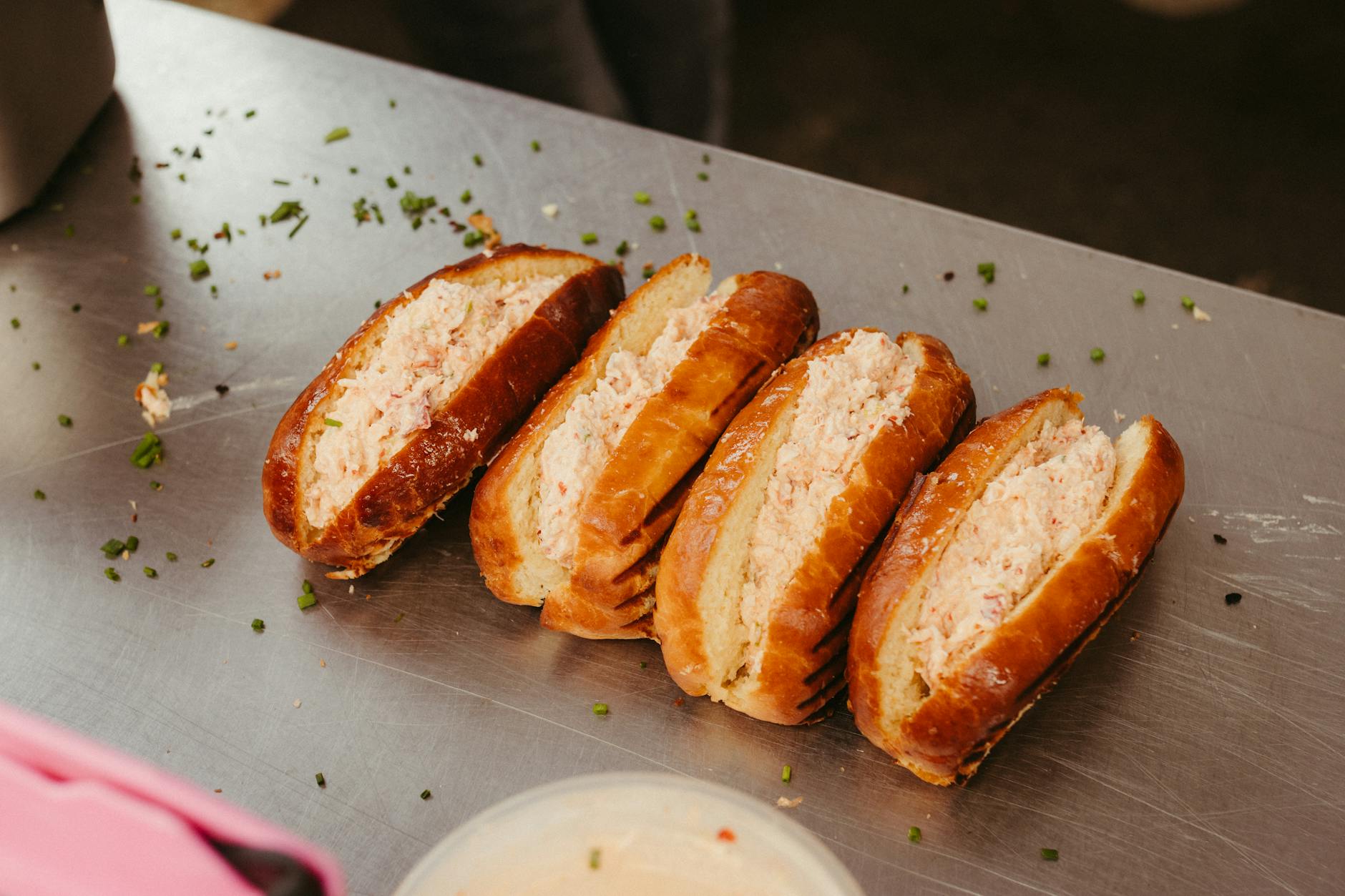
Dublin is a bay city, and seafood is one of the better ways to eat well. Look for oysters, mussels, smoked fish, fish and chips, seafood chowder, crab, and coastal restaurants in Howth, Dún Laoghaire, Dalkey, or city-center places with a serious seafood reputation.
Guinness and Oysters
The pairing is not just tourist theater. It can be excellent when the oysters are good and the setting is right.
Irish Stew and Coddle
Irish stew is more widely visitor-friendly than coddle, Dublin’s sausage/bacon/potato stew with a texture and look that divides people. Try coddle if you are curious and the kitchen is known for it. Do not force it as a mandatory national dish.
Soda Bread, Brown Bread, and Butter
Simple, essential, and often one of the best parts of a meal. Good brown bread with butter and smoked fish can be more memorable than a forced “traditional” plate.
Modern Irish Cooking
Look for menus built around local vegetables, seafood, lamb, beef, farmhouse cheese, Irish butter, seasonal produce, and restrained creativity. The best version of Dublin dining is not gimmicky; it is ingredient-focused and confident.
Bakery and Coffee Culture
Dublin has a strong coffee and bakery scene. Use it. A good pastry and coffee morning is often more enjoyable than a hotel buffet.
Where to Eat by Situation
Best first dinner: Choose a modern Irish restaurant or good neighborhood bistro rather than a Temple Bar pub meal.
Best casual lunch: Soup and brown bread, fish and chips, a market/café meal, or a pub with a reliable kitchen.
Best rainy-day meal: Long lunch in a pub or museum-neighborhood restaurant.
Best coastal meal: Howth seafood or Dún Laoghaire/Dalkey restaurants after a walk.
Best solo meal: Bar seating, pubs with good food, ramen/noodle/casual spots, cafés, and early dinners.
Best family meal: Pubs with daytime food, pizza/pasta places, casual restaurants around Grafton, Docklands, or neighborhoods.
Best splurge: Modern Irish tasting menu, seafood, or a polished restaurant around the south city center/Georgian core.
Food Neighborhoods
South city center / Georgian core: Good for polished restaurants, lunch, and classic first-night meals.
Camden Street / Portobello: Strong for casual dinner, drinks, and younger energy.
Stoneybatter / Smithfield: Excellent for neighborhood food, pubs, and relaxed evenings.
Ranelagh / Rathmines: Good for repeat visitors and longer stays.
Docklands: Useful for modern restaurants, business dinners, and theater nights.
Howth / Dalkey / Dún Laoghaire: Best when you want Dublin to feel coastal.
Food Practicalities
- Book dinner on Fridays and Saturdays.
- Pub kitchens often stop serving earlier than the bar closes.
- Tipping around 10% is appreciated for good table service if a service charge is not already included.
- Card payment is common, but keep some cash.
- Do not assume “traditional Irish pub” means good food.
- Avoid restaurants with laminated tourist menus in the densest Temple Bar lanes unless you have a specific reason.
- Vegetarian and vegan options are much better than they used to be, especially in central and younger neighborhoods.
- Allergies are usually handled professionally in better restaurants, but communicate clearly.
First-timer mistake: Eating every dinner in a pub. Pub meals can be good, but Dublin’s food scene is wider. Do pubs for atmosphere, not because you think restaurants are optional.
Pubs, Whiskey, and Live Music
How to Choose a Pub
The best Dublin pub for you depends on what you want:
- Historic atmosphere: old interiors, snugs, mirrors, wood, literary or political associations.
- Conversation: quieter rooms, afternoon or early evening timing.
- Trad music: session-focused pubs where music is respected.
- Sports: rugby, football, Gaelic games, big screens, crowd energy.
- Food: gastropubs or pubs with serious kitchens.
- Neighborhood feel: outside the busiest tourist strip.
Do not ask only “what is the best pub in Dublin?” Ask “best for what, at what time, in which neighborhood?”
Pub Etiquette
- Order at the bar unless it is clearly table service.
- Do not wave money or snap for attention.
- Stand aside after ordering.
- A round system is common in groups; if someone buys you a drink, you are often expected to return the round.
- Give musicians space.
- Keep your voice down during quiet songs.
- Do not assume a pub that looks old is a museum.
- Children may be allowed in some pubs earlier in the day, but evening drinking spaces are not always family-friendly.
Temple Bar: One Drink, Not Three Nights
Temple Bar is worth seeing. It is lively, photogenic, and central. It is also expensive, crowded, and often less representative of everyday Dublin pub life. Have a look, maybe have one drink if you want the scene, then move on.
Better alternative: Pick one famous city pub, one neighborhood pub, and one music-focused pub. That combination gives you a much better Dublin than three Temple Bar nights.
Whiskey
Dublin’s whiskey scene has grown with visitor experiences, bars, and distillery tours. Jameson Bow St. is the most obvious introduction. Teeling offers another angle in the Liberties. Whiskey bars can be excellent if you ask for guidance and do not treat the menu like a dare.
The move: If you are new to Irish whiskey, do a guided tasting. You will learn more and drink better.
Live Music
Dublin has traditional music, folk, singer-songwriter nights, rock venues, classical music, theater, and buskers. Trad sessions are the classic visitor goal, but do not ignore theater, small gigs, or the National Concert Hall if your interests lean that way.
For trad, arrive early, buy something, sit quietly if music has started, and understand that some sessions are informal. Musicians may not be facing an audience because the session is not always “a show.”
Itineraries
One Perfect First Day in Dublin
Morning: Start at Trinity College. Visit the Book of Kells if you have booked it; otherwise walk the campus and use the time for the National Gallery.
Late morning: Walk to Grafton Street and St. Stephen’s Green. Continue toward Merrion Square for Georgian Dublin.
Lunch: Eat near the south city center or museum quarter, not in the most crowded Temple Bar lane.
Afternoon: Choose the National Gallery or National Museum of Archaeology. If the weather is unusually good, walk through the Georgian streets instead.
Late afternoon: Cross into Temple Bar for a look, then walk the Liffey bridges.
Dinner: Book a modern Irish restaurant or a good neighborhood bistro.
Evening: One historic pub or a trad session. Keep it measured; you have more Dublin tomorrow.
Two-Day Dublin
Day 1: Classic Core and Georgian Dublin
Trinity, Book of Kells, Grafton Street, St. Stephen’s Green, Merrion Square, National Gallery/National Museum, Temple Bar walk, strong dinner, pub.
Day 2: History and the West Side
Book Kilmainham Gaol. Build the day around it. Add IMMA or Phoenix Park depending weather. Later, go to the Liberties for Guinness or St. Patrick’s Cathedral, then finish in Smithfield/Stoneybatter or a music pub.
Rain alternative: Replace Phoenix Park with Collins Barracks, Chester Beatty, or EPIC.
Three-Day Dublin
Day 1: Trinity, Georgian Dublin, and the Historic Core
Do the classic orientation: Trinity, Grafton, National Gallery, Merrion Square, Temple Bar/Liffey, Dublin Castle exterior area if relevant, dinner and pub.
Day 2: Kilmainham, Liberties, and Smithfield
Kilmainham in the morning or early afternoon. Add IMMA, Guinness, St. Patrick’s Cathedral, Teeling, or Jameson depending your interests. Eat/drink in Smithfield or Stoneybatter.
Day 3: The Bay
Choose Howth for cliffs and seafood, or Dún Laoghaire/Sandycove/Dalkey/Killiney for a south-bay day. Return for a final dinner and pub/music evening.
The move: Keep day 3 flexible. If the weather is clear on day 1, swap the coast earlier. Dublin rewards weather opportunism.
Four-Day Dublin
Add a northside/history day:
- Glasnevin Cemetery
- National Botanic Gardens
- Croke Park or Phibsborough
- GPO/O’Connell Street context
- Evening in a northside or Smithfield pub
Five-Day Dublin
Add a proper day trip:
- Glendalough and Wicklow Mountains for landscape
- Brú na Bóinne / Newgrange for ancient history
- Kilkenny for a compact medieval city
- Belfast for politics, Titanic, and a different urban story
- Malahide and Howth for a lighter coastal day
Literary Dublin Itinerary
Morning: Trinity and Book of Kells.
Midday: Walk toward the National Library, Merrion Square, and Oscar Wilde memorial.
Afternoon: Literary walking tour or Museum of Literature Ireland, depending your interests.
Evening: Pub with literary associations, then a theater or reading if available.
Extra: Plan around Bloomsday on June 16 if James Joyce matters to you.
Food and Pub Itinerary
Morning: Good coffee and bakery.
Late morning: Food market or neighborhood food walk.
Lunch: Seafood, modern Irish, or a strong pub lunch.
Afternoon: Whiskey tour or Guinness depending preference.
Evening: Book dinner in Stoneybatter, Portobello, Camden Street, Ranelagh, or the south city center.
Late: One music pub, not a random crawl.
Family-Friendly Dublin Itinerary
Morning: Dublinia, EPIC, or a museum with interactive elements.
Lunch: Casual pub/restaurant with space.
Afternoon: Phoenix Park, Dublin Zoo, or the coast.
Evening: Early dinner, then a short walk. Do not overcommit to late pub culture with young children.
Rainy-Day Dublin
- Book of Kells / Trinity
- National Gallery
- Chester Beatty
- EPIC
- Jameson or Guinness
- Long lunch
- Theater, cinema, or pub with music
Do not: Force a wet, windy cliff walk unless the weather is only light rain and you are dressed for it.
Day Trips and Coastal Escapes
The Short Answer
If you only have one extra half-day, go to Howth or Dún Laoghaire/Dalkey by DART. If you have a full day and want landscape, choose Glendalough/Wicklow. If you want ancient history, choose Brú na Bóinne/Newgrange. If you want another city, choose Belfast or Kilkenny depending your interests.
Best Coastal Half-Days
Howth
Howth is the classic north-bay escape: harbor, seafood, cliff walks, sea air, and a strong sense of leaving the city without much effort.
Best for: cliffs, seafood, walking, first coastal trip.
Time needed: Half-day to full day.
Transport: DART.
Mistake: Arriving in bad weather without a plan. The cliffs need visibility and safe footing.
Dún Laoghaire and Sandycove
Dún Laoghaire is ideal for a pier walk and sea air. Sandycove adds the Forty Foot swimming spot and James Joyce associations.
Best for: easy walks, families, Joyce fans, gentler coastal time.
Transport: DART.
Dalkey and Killiney
Dalkey is a charming village with restaurants, pubs, and literary/celebrity associations. Killiney Hill offers strong views over the bay.
Best for: village atmosphere, views, romantic half-days.
Transport: DART plus walking.
Best Full-Day Trips
Glendalough and Wicklow Mountains
Glendalough gives you monastic ruins, lakes, mountain scenery, and a clear escape from the city. Public transport is possible but not always effortless; many visitors use a guided tour or car.
Best for: landscape, history, hiking-lite, first trip to Ireland beyond Dublin.
Mistake: Underestimating weather and footwear.
Brú na Bóinne / Newgrange
Newgrange and the Boyne Valley connect visitors to prehistoric Ireland, older than many better-known ancient sites elsewhere in Europe. It is one of the strongest history day trips from Dublin.
Best for: archaeology, ancient history, guided interpretation.
Mistake: Treating it as a casual drop-in. Access and timing need planning.
Kilkenny
Kilkenny is a compact medieval city with a castle, lanes, pubs, and an easy day-trip rhythm by train/bus. It is one of the best choices if you want a smaller Irish city without renting a car.
Best for: medieval atmosphere, easy logistics, charming streets.
Belfast
Belfast is doable as a day trip, but it deserves more than a rushed checklist. It offers a different political and urban story, Titanic Belfast, murals, food, pubs, and Northern Ireland context.
Important: Check UK entry rules/ETA requirements if your nationality requires it.
Best as: An overnight if you have time.
Malahide
Malahide is an easy coastal/suburban trip with a castle and village feel. It is lighter than Wicklow and less dramatic than Howth, but pleasant and simple.
Best for: families, castle seekers, low-effort outing.
Day Trip Ranking
| Trip | Best For | Time Needed | Transport Ease | Verdict |
|---|---|---|---|---|
| Howth | Cliffs, seafood, easy coast | Half-day | Easy by DART | Best coastal first pick |
| Dún Laoghaire/Sandycove/Dalkey | Pier walks, Joyce, villages | Half-day | Easy by DART | Best gentle coast |
| Glendalough/Wicklow | Mountains, monastic ruins | Full day | Easier by tour/car | Best landscape day |
| Newgrange/Boyne Valley | Ancient history | Full day | Moderate; often tour | Best archaeology day |
| Kilkenny | Medieval city | Full day | Good train/bus | Best easy city day |
| Belfast | Politics, Titanic, another capital | Long day/overnight | Good train/bus | Better overnight |
| Malahide | Castle, village | Half-day | Easy | Good with families |
The move: Do not over-day-trip Dublin before you have actually seen Dublin. For a three-day trip, choose one bay outing, not three full-day escapes.
Getting Around
Arrival: Dublin Airport to the City
Dublin Airport is north of the city center. There is no rail or metro connection as of this update, so your practical options are express coach, public bus, taxi, private transfer, or rental car if you are leaving the city.
Express Coach
Dublin Express and Aircoach are the easiest options for many visitors, with frequent services to central stops. They cost more than local buses but are designed for luggage and airport travelers.
Best for: solo travelers, couples, central hotels near a stop, visitors who want a simple airport route.
Watch for: Which stop is closest to your hotel. A cheap airport coach is less useful if you still need a long walk with luggage.
Local Bus
TFI/Dublin Bus routes serve the airport and are cheaper than express coaches. Routes such as 16 and 41 are useful depending your destination, with route 41 operating between the city and airport/Swords corridor.
Best for: budget travelers, light luggage, travelers comfortable with city buses.
Watch for: Slower travel, less luggage space, and the need to understand payment.
Taxi
Taxis use meters; there is no simple flat fare to the city center. Dublin Airport’s official guidance estimates city-center taxi trips around €30-45 depending time, traffic, and destination.
Best for: groups, late arrivals, heavy luggage, hotels not close to coach stops.
Watch for: Rush-hour traffic and higher premium rates at certain times.
Public Transport in Dublin
Dublin has buses, Luas trams, DART coastal rail, and commuter rail. The network is useful but less intuitive than London’s Tube or Paris Metro. The city center is often easier on foot, while buses and Luas handle cross-city hops and DART handles the coast.
Leap Card and Leap Visitor Card
A regular TFI Leap Card gives discounted fares and caps. The TFI 90 Minute fare allows multimodal travel in Dublin Zone 1 for a set period using Leap. As of current TFI fare information, the adult TFI 90 Minute fare is €2, with daily and weekly caps for Zone 1.
The Leap Visitor Card gives unlimited travel for selected durations on Dublin city bus services, Luas, DART, and commuter rail in Zone 1. It can be a good choice if you will use transit heavily, especially with DART trips.
Important: Dublin public transport is not as bank-card-tap-and-go simple as London. Do not assume your contactless credit card or phone replaces a Leap Card across buses/trams/trains. Use official TFI/Leap guidance.
Luas
The Luas tram has Red and Green lines. It is easy for routes it serves: Smithfield, Heuston, O’Connell/GPO, St. Stephen’s Green, Ranelagh, Docklands, Tallaght, and more. It does not cover the whole city.
DART
DART is essential for the bay: Howth, Malahide, Clontarf, Dún Laoghaire, Sandycove, Dalkey, Killiney, Bray, and city-center stations like Connolly, Tara Street, Pearse, and Grand Canal Dock.
The move: Use DART as part of the experience, not just transport. Sit where you can see the coast when the line opens up.
Buses
Buses are extensive and useful, but routes can be confusing for visitors. Use TFI Live, Google Maps, or Citymapper, and leave extra time at rush hour.
Walking
Central Dublin is very walkable. Many first-time routes are best on foot: Trinity to Grafton Street, Merrion Square to St. Stephen’s Green, Temple Bar to Christ Church, the Liffey bridges, Smithfield to Stoneybatter, Docklands river walks.
Watch for: rain, uneven pavements, traffic direction if you are not used to left-side driving, cyclists, and narrow old streets.
Taxis and Rideshare
Taxis are useful late at night, for airport trips, bad weather, and cross-town journeys. Apps are helpful, but availability can vary during peak nightlife, events, rain, and holidays.
Cycling
Dublin can be cycled, and Dublin Bikes has a short-term visitor option, but visitors should be realistic. Some routes are pleasant; others are stressful because of traffic, buses, and inconsistent cycling infrastructure. The quays and city center require confidence.
Driving
Do not rent a car for Dublin itself. Parking, traffic, one-way streets, bus lanes, and left-side driving make it unnecessary and annoying. Rent a car only when leaving the city for rural Ireland, and even then consider picking it up after your Dublin stay.
First-timer mistake: Renting a car at the airport, driving into central Dublin, paying for parking, and then not using the car for three days. Start car rental after Dublin.
Budget and Costs
Dublin is not a cheap city break anymore. Hotels are the main pain point, followed by restaurant prices, attraction tickets, and drinks in tourist areas. Transit can be good value if you use Leap, and several strong museums are free.
Daily Budget Ranges
| Traveler Type | Daily Range Excluding Long-Haul Flights | What It Looks Like |
|---|---|---|
| Shoestring | €70-120 | Hostel bed, supermarket/casual food, free museums, walking, limited paid attractions |
| Budget | €120-200 | Budget hotel/guesthouse split by two, casual meals, Leap transit, one paid attraction/day |
| Mid-range | €200-350 | Central hotel, restaurants, pubs, major attractions, airport coach/taxi mix |
| Comfortable | €350-600 | Better hotel, booked restaurants, taxis when useful, tours, coastal/day trips |
| Luxury | €600+ | Top hotels, fine dining, private guides/transfers, premium tickets, suites |
Typical Costs to Plan For
- Airport coach: often around single-digit to low-teens euros depending operator and booking.
- Taxi from airport to central Dublin: commonly around €30-45, traffic/time dependent.
- TFI 90 Minute adult Leap fare: €2 as of current TFI information.
- Coffee: roughly €3.50-5.
- Casual lunch: €12-20.
- Pub pint: varies widely; Temple Bar is much more expensive than neighborhood pubs.
- Museum: many national museums are free; private/major attractions can be €15-30+.
- Dinner: €25-50+ per person for moderate restaurants; more for serious dining.
- Hotel: highly variable, but central rates can spike sharply.
Best Value Moves
- Use free museums: National Gallery, National Museum branches, Chester Beatty.
- Use the Leap Card or Leap Visitor Card instead of single cash fares.
- Walk the center rather than taking short taxis.
- Book hotels early.
- Stay in Smithfield/Stoneybatter or Docklands when central southside prices are unreasonable.
- Eat lunch as your bigger meal when possible.
- Avoid drinking all night in Temple Bar.
- Use DART for coastal beauty instead of expensive tours.
- Choose one premium paid attraction per day rather than stacking three.
Splurge-Worthy
- Kilmainham Gaol if you can get tickets.
- A strong modern Irish dinner.
- A good guided history or literary walk.
- A whiskey tasting if you are genuinely interested.
- A comfortable central hotel for short trips.
- A day tour to Wicklow or Newgrange if public logistics do not fit.
Usually Not Worth It
- Overpaying for mediocre Temple Bar food.
- Renting a car during the Dublin portion of your trip.
- Staying far outside the city to save a small amount.
- Low-quality “Irish night” shows if you would prefer real pub music.
- Paying for every minor attraction when free museums are strong.
- A rushed day trip to somewhere too far when the bay would have been better.
Safety, Scams, and Practical Caution
Dublin is generally safe for visitors using normal urban awareness, but it is not a theme park. Petty theft, pickpocketing, phone snatching, rowdy nightlife, and occasional aggressive behavior can affect tourists, especially in busy central areas. The U.S. State Department currently rates Ireland at Level 1, but its country information notes that theft and petty crime have risen and tourists can be targeted in Dublin city center and popular areas.
Practical Safety Advice
- Keep your phone secure near roads and nightlife areas.
- Use a crossbody bag or keep bags zipped in pubs and crowded streets.
- Be more alert around Temple Bar, O’Connell Street, transport hubs, and late-night taxi/bus areas.
- Avoid wandering down empty side streets late at night when tired or drunk.
- Use taxis after late nights if your route feels uncertain.
- Keep rental cars empty of visible luggage; rental cars can be targets.
- Watch your drink and group in nightlife areas.
- Do not engage with aggressive strangers or groups of teenagers looking for reaction.
Common Scams and Annoyances
Dublin is less scam-heavy than some major tourist cities, but visitors should still watch for:
- Pickpocketing or phone snatching in busy areas.
- Overpriced tourist pubs/restaurants.
- Third-party ticket sellers for attractions where tickets are only valid from official channels.
- Taxi confusion if you do not use licensed taxis or apps.
- ATM distraction or “help” scams.
- Late-night disorder around nightlife zones.
Emergency Numbers
Call 112 or 999 in the Republic of Ireland for emergency police, ambulance, fire, or coast guard services. Both are official emergency numbers.
Health and Practicalities
- Tap water is safe.
- Pharmacies are common in the center, but not all are open late.
- Weather exposure is more likely than heat danger: carry rain gear and layers.
- If hiking coastal paths, wear proper shoes and respect cliff/weather conditions.
- Travel insurance is wise, especially if combining Ireland with hiking, car rental, or multiple countries.
Calm truth: Dublin is not dangerous by global standards, but careless visitors are easy targets. Stay aware, especially after drinking or while distracted by phones/photos.
Accessibility
Dublin can be rewarding but uneven for travelers with mobility needs. The center is compact, but older buildings, narrow footpaths, uneven paving, cobbles, steps, crowded pubs, and historic hotels can create problems. Newer hotels and major museums are usually easier than old Georgian properties and pubs.
What Helps
- Central hotel location.
- Newer hotel buildings with confirmed lifts and step-free rooms.
- Taxis for bad weather or cross-town hops.
- Major museums with accessibility information.
- Docklands and newer districts for smoother surfaces.
- DART/Luas planning where stations are accessible.
What Can Be Difficult
- Temple Bar cobbles and crowds.
- Older pubs with steps, narrow toilets, or no accessible restroom.
- Georgian hotels with stairs or split levels.
- Historic churches/cathedrals with uneven floors.
- Coastal paths such as Howth cliffs, which are not suitable for all mobility levels.
- Bus crowding at peak times.
Best Accessible-leaning Plan
Base near St. Stephen’s Green, Trinity, Merrion Square, or Docklands in a modern hotel. Use taxis strategically. Prioritize National Gallery, EPIC, Chester Beatty, and select attractions with clear access notes. Choose Dún Laoghaire pier over Howth cliffs for a gentler coastal outing.
Book-ahead note: Never trust a generic “accessible room” label. Ask the hotel for door widths, shower type, lift access, entrance steps, bed height, and bathroom configuration.
Families, Solo Travelers, LGBTQ+ Travelers, and Special Interests
Families with Kids
Dublin can work well with kids if you avoid over-museuming them. Use parks, interactive museums, the coast, easy food, and shorter days.
Best family activities: EPIC, Dublinia, Phoenix Park, Dublin Zoo, Natural History Museum when reopened, National Gallery family programming, Viking/medieval walks, DART to Dún Laoghaire or Howth, playgrounds, and casual pub lunches where children are welcome earlier in the day.
Family base: St. Stephen’s Green, Docklands, Ballsbridge, or a central apartment-style property.
Avoid: Late-night Temple Bar, overpacked pub evenings, and too many solemn historic sites in one day.
Solo Travelers
Dublin is good for solo travel because it is compact, conversational, and easy to navigate. Pubs can be solo-friendly, especially at the bar, but choose atmosphere carefully. Daytime walking tours are excellent for context and social contact.
Best solo moves: guided walking tour, National Gallery, coffee/bookshops, pub with music, DART coastal trip, bar-seat dining.
Safety: Use normal nightlife caution and taxis after late nights if uncertain.
LGBTQ+ Travelers
Dublin is generally welcoming, with LGBTQ+ nightlife, cultural history, and a progressive contemporary identity, though experiences vary by setting like anywhere. Pride season is lively, and central neighborhoods have inclusive venues. Use normal urban caution late at night.
Literature Lovers
Dublin is one of the great literary cities: Joyce, Beckett, Wilde, Yeats, Shaw, O’Casey, Flann O’Brien, Maeve Binchy, Roddy Doyle, Anne Enright, Sally Rooney, Colm Tóibín, and many more orbit the city’s identity. A literary trip should include Trinity, bookshops, the National Library or literary museum programming, theater, Merrion Square, Sandycove/Martello Tower for Joyce context, and a pub or walk with literary associations.
Sports Travelers
Check fixtures for rugby at Aviva Stadium, Gaelic games at Croke Park, football, and major events. A GAA match is one of the best cultural experiences in Dublin if timing works.
Remote Workers and Longer Stays
Dublin is expensive for lodging but easy for English-language work trips, cafés, coworking, and regional travel. For a longer base, look beyond the tourist core: Portobello, Ranelagh, Rathmines, Stoneybatter, Phibsborough, Grand Canal Dock, or coastal suburbs if commuting is not daily.
Shopping and Souvenirs
What Dublin Is Good For
- Books and literary gifts.
- Irish woolens and knitwear.
- Linen, scarves, and textiles.
- Design objects and home goods.
- Whiskey.
- Food gifts: chocolate, tea, preserves, sea salt, biscuits, smoked goods where transport/customs allow.
- Art prints and small independent design.
- Music.
Shopping Areas
Grafton Street and side streets: mainstream shopping, department stores, buskers, central convenience.
Dame Street / Temple Bar edges: souvenir shops, galleries, design shops, some tourist clutter.
Francis Street / Liberties: antiques and interiors.
Powerscourt Townhouse area: design, boutiques, food, and indoor charm.
George’s Street Arcade: small stalls and alternative shopping.
Dún Laoghaire/Dalkey: coastal shops and village browsing.
What Not to Buy
- Cheap “Irish” souvenirs made elsewhere if you want something meaningful.
- Overpriced whiskey without comparing prices.
- Heavy fragile items unless you have luggage space.
- Food products that may violate customs rules on your return.
The move: Buy one good book, one useful textile, one food gift, and one local-design item. That beats a bag full of green plastic.
Culture, Etiquette, Books, and Films
Etiquette Basics
- Say hello/thanks; casual politeness matters.
- Do not imitate Irish accents.
- Do not reduce Irish history to jokes about drinking, leprechauns, or stereotypes.
- Be thoughtful discussing Northern Ireland, religion, colonial history, or recent politics.
- In pubs, respect musicians and regulars.
- Do not assume everyone wants to talk, but Dublin is often more conversational than many capitals.
- Queue properly.
- Dress is generally casual-smart; very formal dress is rarely required.
Irish vs. British: Be Precise
Dublin is in Ireland, not the UK. Northern Ireland is in the UK. The island’s political geography matters. Do not refer to Dublin as British. Do not call euros “pounds.” This is basic respect.
Books to Read Before or During a Dublin Trip
- James Joyce, Dubliners — still one of the great literary maps of the city.
- James Joyce, Ulysses — not casual reading, but central to Dublin myth; Bloomsday transforms the city every June 16.
- Roddy Doyle, The Barrytown Trilogy — funny, working-class, northside energy.
- Anne Enright, The Gathering — family, memory, modern Irish literature.
- Sally Rooney, Normal People — not a Dublin-only book, but useful for contemporary Irish social texture.
- Colm Tóibín, Brooklyn — emigration and identity, especially paired with EPIC.
- Sebastian Barry, The Secret Scripture — memory and Irish history.
- Flann O’Brien, At Swim-Two-Birds — comic, strange, Dublin literary playfulness.
Films and TV
- Once — music, Dublin streets, small-scale feeling.
- Sing Street — 1980s Dublin, youth, music, north/south texture.
- The Commitments — essential for comic/music Dublin energy.
- Michael Collins — broad historical entry point, with caveats as cinema.
- Normal People — not primarily a city guide, but part of contemporary Ireland’s cultural export.
Music
Dublin’s music identity spans trad, folk, rock, busking, singer-songwriter culture, theater music, and contemporary scenes. The tourist version is only one slice. Look beyond staged “Irish nights” if music matters.
What to Skip
Spending Every Night in Temple Bar
See it once, maybe have a drink, move on. Your odds of a better pub experience improve sharply outside the loudest tourist zone.
Overloading Paid Attractions
Dublin has enough free museums and walks that you do not need to buy your way through every hour. Paid attractions are best chosen deliberately.
Dublin Castle Interior in Late 2026 Without Checking
Because of the 2026 closure, do not plan around Dublin Castle interiors unless current official access confirms otherwise.
A Car in the City
A rental car is a liability in central Dublin. Pick it up when leaving for rural Ireland.
Rushed Far-Flung Day Trips
Cliffs of Moher as a day trip from Dublin is possible through tours but brutally long. For a short Dublin stay, choose Wicklow, Newgrange, Kilkenny, Belfast, or the bay instead.
Tourist-Menu Pub Food in the Busiest Streets
There is too much good food in Dublin to waste a meal on convenience-trap menus.
The Book of Kells Without Current Expectations
Do not go only for the old viral image of fully book-lined Long Room shelves. The restoration project has changed the look temporarily.
Hop-On Hop-Off as Your Whole Strategy
A bus tour can help with orientation or mobility, but Dublin’s core is best understood on foot, with actual stops and context.
Common Mistakes
- Treating Dublin as only a gateway. The west of Ireland is wonderful, but Dublin deserves real time.
- Sleeping in the loudest part of Temple Bar. Fun at midnight; less fun at 3am.
- Not booking Kilmainham Gaol. This is the planning mistake that hurts most.
- Ignoring the bay. A coastal half-day can transform the trip.
- Renting a car too early. Do Dublin first, then rent.
- Eating only in pubs. Dublin’s restaurant scene is better than that.
- Forgetting rain gear. Umbrellas help, but wind can make a hooded waterproof layer better.
- Assuming public transport accepts bank-card tap everywhere. Check Leap/TFI rules.
- Underestimating hotel costs. Book early and watch event dates.
- Trying to do Belfast, Wicklow, Howth, Guinness, Kilmainham, and Trinity in two days. That is not a trip; it is a scheduling injury.
- Calling Ireland part of the UK. Do not.
- Overdoing St. Patrick’s Day without wanting crowds. March 17 is special but not calm.
- Ignoring northside history. The GPO, Glasnevin, Croke Park, and northside neighborhoods matter.
- Only seeking “authentic” old pubs. Some newer food/drink spots are part of real modern Dublin too.
- Planning the coast on a fixed bad-weather day. Stay flexible.
FAQ
Is Dublin worth visiting?
Yes, if you are interested in literature, history, pubs, music, museums, Irish identity, walkable neighborhoods, and coastal escapes. It is less ideal if you want grand monuments, guaranteed sun, or a cheap city break.
How many days should I spend in Dublin?
Three full days is the best first-visit answer. Two days works for a quick trip. Four or five days is better if you want the bay and one major day trip.
Is Dublin expensive?
Yes, especially for hotels and central restaurants/drinks. You can control costs with free museums, Leap transit, casual food, and smart hotel location, but Dublin is not a bargain capital.
Where should I stay for my first time?
Near Trinity, Grafton Street, Merrion Square, or St. Stephen’s Green for the easiest first visit. Smithfield/Stoneybatter is better for a more local-feeling base. Avoid sleeping in the loudest Temple Bar streets unless nightlife is your top priority.
Is Temple Bar worth visiting?
Yes, briefly. It is central, lively, and photogenic. It is not where you should spend your whole trip or judge Dublin pub culture.
What should I book ahead?
Kilmainham Gaol first. Then Book of Kells, Guinness Storehouse, Jameson Bow St., popular restaurants, and hotels for peak/event dates.
Is Dublin safe?
Generally yes, with normal city caution. Watch for petty theft, phone snatching, nightlife disorder, and tourist-targeted theft in crowded areas. Use taxis late at night when sensible.
Do I need a car in Dublin?
No. A car is a hassle in the city. Rent only after Dublin if you are driving into rural Ireland.
What is the best day trip from Dublin?
For a half-day, Howth or Dún Laoghaire/Dalkey by DART. For a full day, Glendalough/Wicklow for landscape or Newgrange/Boyne Valley for ancient history.
Is the Guinness Storehouse worth it?
Worth it if you like polished visitor experiences, Guinness history, views, and an iconic Dublin brand. Skippable if you prefer small pubs, independent breweries, or less corporate attractions.
Is the Book of Kells worth it during the Old Library redevelopment?
Yes for the manuscript and Trinity context, but go with updated expectations: the Long Room has changed while books are temporarily removed for conservation/redevelopment work.
What is the best thing to do on a sunny day?
Take the DART to the bay. Howth for cliffs and seafood; Dún Laoghaire/Sandycove/Dalkey/Killiney for a gentler south-bay day.
What is the best rainy-day plan?
National Gallery, Chester Beatty, EPIC, National Museum, Guinness or Jameson, long lunch, and a pub/music evening.
Can I visit Belfast from Dublin?
Yes, but it is better as an overnight if you want context. Also check UK entry/ETA requirements for your nationality because Northern Ireland is part of the UK.
What should I not miss?
Kilmainham Gaol, Trinity/Book of Kells or National Gallery, a real pub or music session, Georgian Dublin, and one coastal DART trip.
Current Logistics Source Notes
Date-sensitive details in this guide were checked against official or primary sources where possible. Re-check every price, fare, opening time, visa rule, closure, and ticket-release procedure before publication.