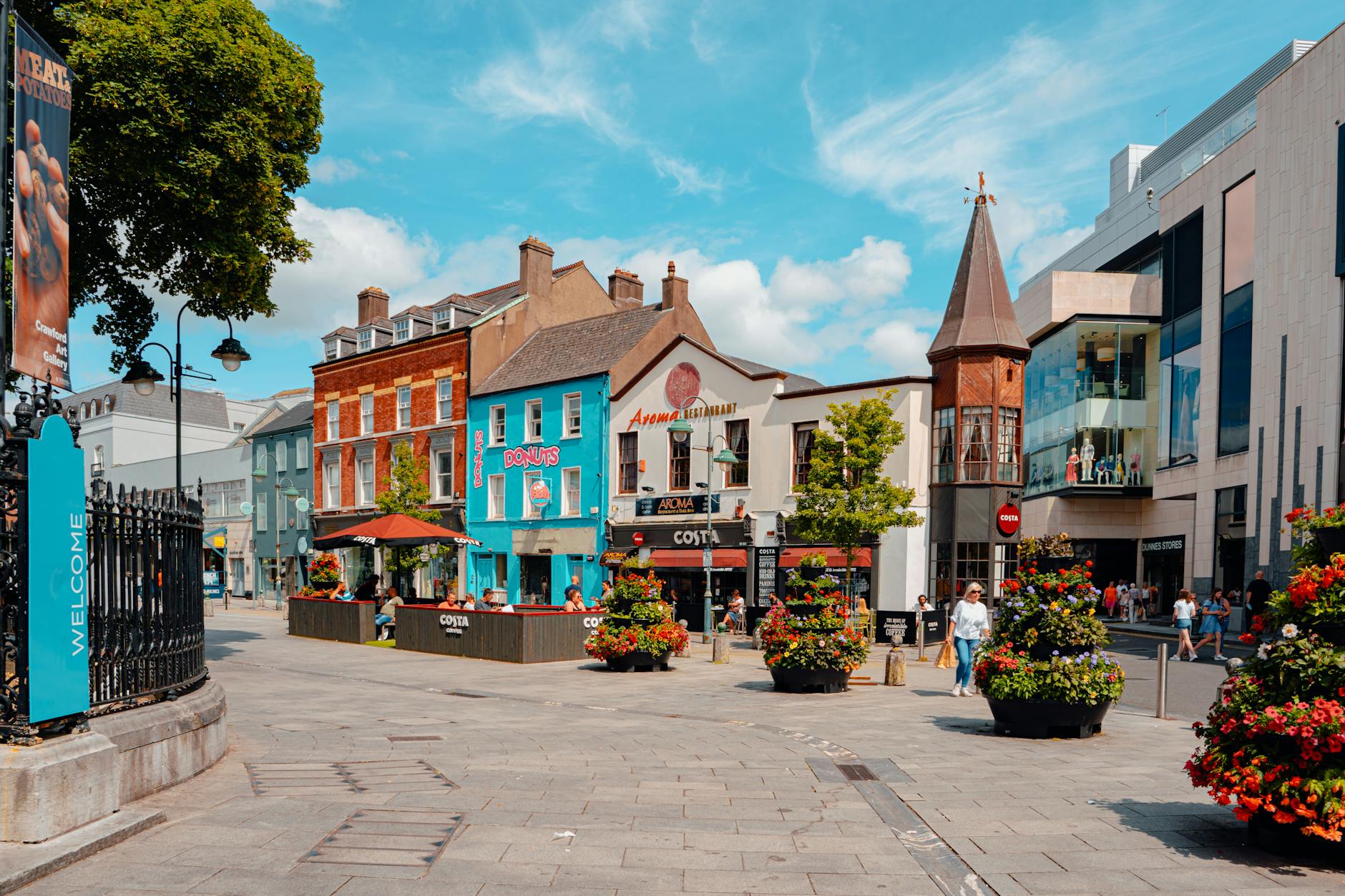
Cork is one of those cities that gets introduced with a strange mixture of affection and apology. People call it Ireland's second city, the Rebel City, the food capital, the county town with the strong accent, the city that gives you access to Cobh, Kinsale, West Cork, and all the other places you might really be going. All of that is true enough to be misleading.
Start Here
The city is better than that language. Cork is not simply the urban waiting room for the county. It is a river city built on islands, bridges, slopes, markets, pubs, and a local confidence that feels markedly different from Dublin's capital-city performance. It is compact enough to be usable quickly, but layered enough that a careless visitor can miss most of what makes it good. The city works through food, conversation, a slightly rougher civic texture, and the feeling that local life has not been completely rearranged around tourism.
The weak Cork trip is easy to spot. Someone lands, checks the English Market, maybe goes up to Shandon, has one pub, then disappears toward Kinsale, Blarney, Cobh, or the coast. They leave thinking Cork was pleasant but minor. The stronger trip gives the city a fair chance to become itself first: one good base, one day used mostly on foot, one market-and-food block, one historical hill or tower move, one strong evening, and enough time to understand how the river and bridges shape the city.
What makes Cork valuable is not only attraction count. It is urban character. The city can give you market energy, a proper local lunch, older mercantile streets, church towers, river bends, a more self-contained pub culture than many visitors expect, and a daily sense that you are in a place whose residents still believe it matters. That is not a small thing. In a short trip, it is often the whole point.
The city in one sentence: Cork is a compact river city where the best trip comes from combining markets, food, local confidence, hills, bridges, and one or two well-chosen historical moves rather than treating the city as a staging point for the county.
Basic data
| Population | About 225,000 in the city and suburbs |
|---|---|
| Area | 187 km2 |
| Major religions | Christian heritage with a strongly secular contemporary public life |
| Political system | Local authority city government inside a parliamentary republic |
| Economic system | Advanced mixed regional economy led by pharmaceuticals, food, services, education, and port activity |
Quick Verdict
Best for: food travelers, couples, solo travelers, short Ireland routes, first-time southern-Ireland visitors, pub-and-market city breakers, and anyone who likes cities that feel regionally rooted rather than nationally branded.
Not ideal for: travelers who need giant capital-city scale, people who want every landmark to feel world-famous in advance, or anyone who only values Cork for what lies outside it.
Ideal first visit: 2 to 3 full days.
Minimum worthwhile stay: 2 full days, if one of them belongs mainly to Cork itself rather than entirely to a county excursion.
Best overall months: May, June, September, and the better shoulder-season parts of early autumn.
Best winter case: December for pubs, market culture, and compact city warmth, or late winter for food-and-history urban travel.
Biggest planning mistake: giving the best hours of the trip away to day trips before the city has had any chance to become real.
One thing to prioritize: a central base within easy walking reach of the river-island core and the market streets.
One thing to leave flexible: your higher-ground time. Shandon, church towers, and the northside read differently depending on light, weather, and energy.
The blunt version: Cork is one of Ireland's highest-return smaller city breaks if you let it stay itself, and one of the easiest places to underrate if you treat it like a useful overnight stop with good bread.
Who Will Love Cork?
Cork suits travelers who want a city with personality rather than pure prestige. It is very good for people who like markets, pubs, local humor, and food that feels tied to a region instead of merely fitted to a trend. The city also works well for people who want their Ireland trip to include an actual city but do not need the symbolic weight and pricing of Dublin.
It is especially strong for couples because it supports a certain kind of excellent short break: one central hotel, one market morning, one walk that turns into another, one climb or tower view, one properly chosen dinner, and one pub that feels local rather than obligatory. Cork can be very romantic in a practical way. Not polished postcard romance, but the kind built out of weather, warmth, rooms, and good decisions.
Solo travelers also tend to do well here. The city is compact, legible, and socially workable. A person can use the market, take a museum or historical walk, move across the city center on foot, climb to a viewpoint, and still end the night somewhere with enough atmosphere that being alone does not feel conspicuous.
The city is also very good for travelers who care about local voice. Cork people have opinions about Cork, and the city benefits from that. It keeps the place from dissolving into generic visitor ease. The accent, the independent businesses, the market culture, and the general refusal to behave like a mini-capital all help.
It is less ideal for travelers who want obvious grandeur. Cork is not built around one overpowering set piece. It persuades through texture, proportion, and urban life. If that sounds too subtle, it may not be your city. If it sounds like exactly the right urban size, it probably is.
Cork at a Glance
| Question | Practical Answer |
|---|---|
| Main airport | Cork Airport (ORK) |
| Best public airport move | Bus connection to the city |
| Current useful airport bus route | 226 via city bus and rail points |
| Best first-time base | Central Cork within walking distance of the island core |
| Best food anchor | The English Market and surrounding central streets |
| Best atmospheric district | Shandon and the older central streets, depending on mood |
| Best way to understand the city | Walking first, then selective bus or rail use |
| Public transport operator | Bus Éireann / TFI network structure for city mapping |
| Signature city landmark zone | Shandon |
| Best all-weather cultural anchor | The English Market, Cork City Gaol, or a museum-and-pub day |
| Car needed? | No for the city |
| Emergency number | 112 or 999 |
| Tap water | Safe to drink |
| Currency | Euro |
| Power plugs | Type G |
2026 Visitor Notes
Cork Airport Is Genuinely Useful For City Travel
Cork Airport is close enough to the city that arrival usually feels clean rather than epic. Official airport guidance points visitors toward regular coach and bus links into Cork city, while wider city transport mapping includes the 226 link between the railway station, bus station, airport, and onward destinations.[1][2] For many first-time visitors, that is all the airport logic they need.
The City Is Walkable, But County Logic Is Different
Pure Cork's own transport guidance makes the distinction clearly enough: Cork city is easy to use on foot and by public transport, but parts of the county are much easier with a car.[3] That matters because many visitors blur city Cork and county Cork into one mental map and then plan both badly.
The English Market Still Deserves Priority
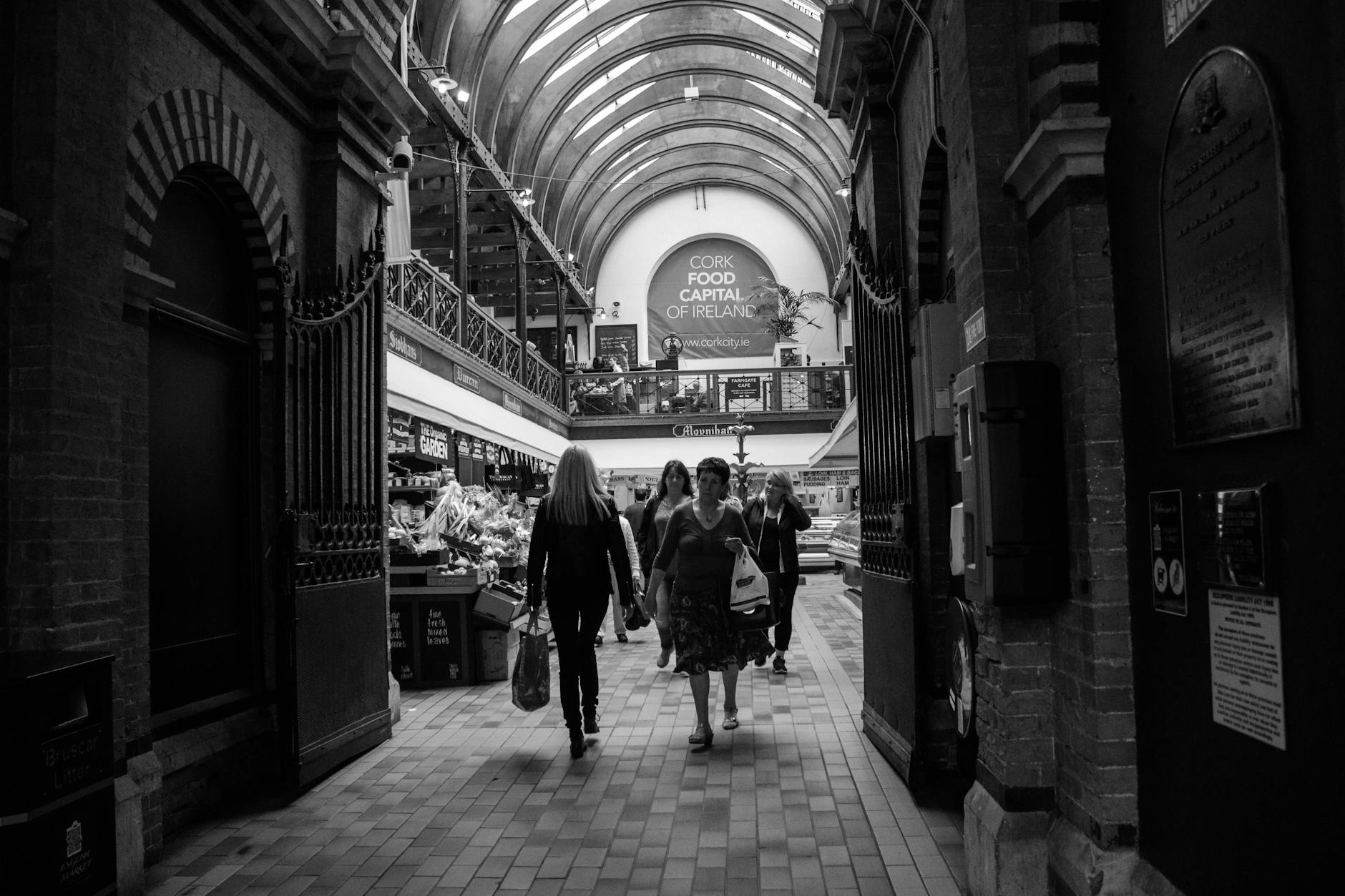
The English Market is not just a tourist obligation or a rainproof errand. Cork City Council's current visitor information keeps its practical details clear, including regular weekday and Saturday opening and a still-central place in the city's food identity.[4] A weak Cork trip often underuses it.
Shandon Is More Than A Quick Viewpoint
Shandon Bells and Tower remain one of the clearest ways to feel the city physically, with current opening guidance and the tower's practical role as Cork's most legible landmark zone.[5] The best use of Shandon is not only the climb. It is understanding the district around it.
Cork City Gaol Is Worth The Hill If History Interests You
Cork City Gaol sits just outside the simplest core and is one of the city's strongest historical environments if you want more than market-and-pub Cork.[6] It should be a deliberate choice, not an afterthought wedged into the edge of a rushed day.
Cork Is Small Enough To Encourage Bad Timing
Because the center is compact, visitors often assume everything important can be fitted in casually. That is how they end up leaving too little time for the market, too little time for food, and too little patience for the city's hill-and-bridge rhythm.
The City Feels Best When Dinner Actually Matters
Cork's reputation as a food city is not marketing fluff, but it does rely on the visitor treating food as one of the main events rather than as the thing that fills the hours between scenic county driving.
How to Understand Cork
Cork works through five forces.
The first is the river. More specifically, the River Lee splitting and shaping the city. Cork is an islanded city in its core, and that physical fact changes how it feels and how it should be walked.
The second is the market city. Food is not just an amenity here. It is one of the organizing principles of the place. The English Market matters because it reflects a wider civic habit, not only one famous building.
The third is the local voice. Cork's sense of itself is unusually strong. That can be comic, proud, competitive, affectionate, or slightly abrasive, often in the same conversation. It gives the city real shape.
The fourth is the northside-southside slope and bridge logic. Cork is not a flat little center that can be consumed without physical feeling. Hills, crossings, and changing elevations matter.
The fifth is county gravity. West Cork, East Cork, Kinsale, Midleton, Cobh, Blarney, and the coast all pull on the city. That creates value and also creates the constant risk that the city itself gets demoted too quickly.
The Five Corks A Visitor Actually Meets
Market Cork: the English Market, central streets, cafés, lunch counters, and the most immediate food-and-city version of Cork.
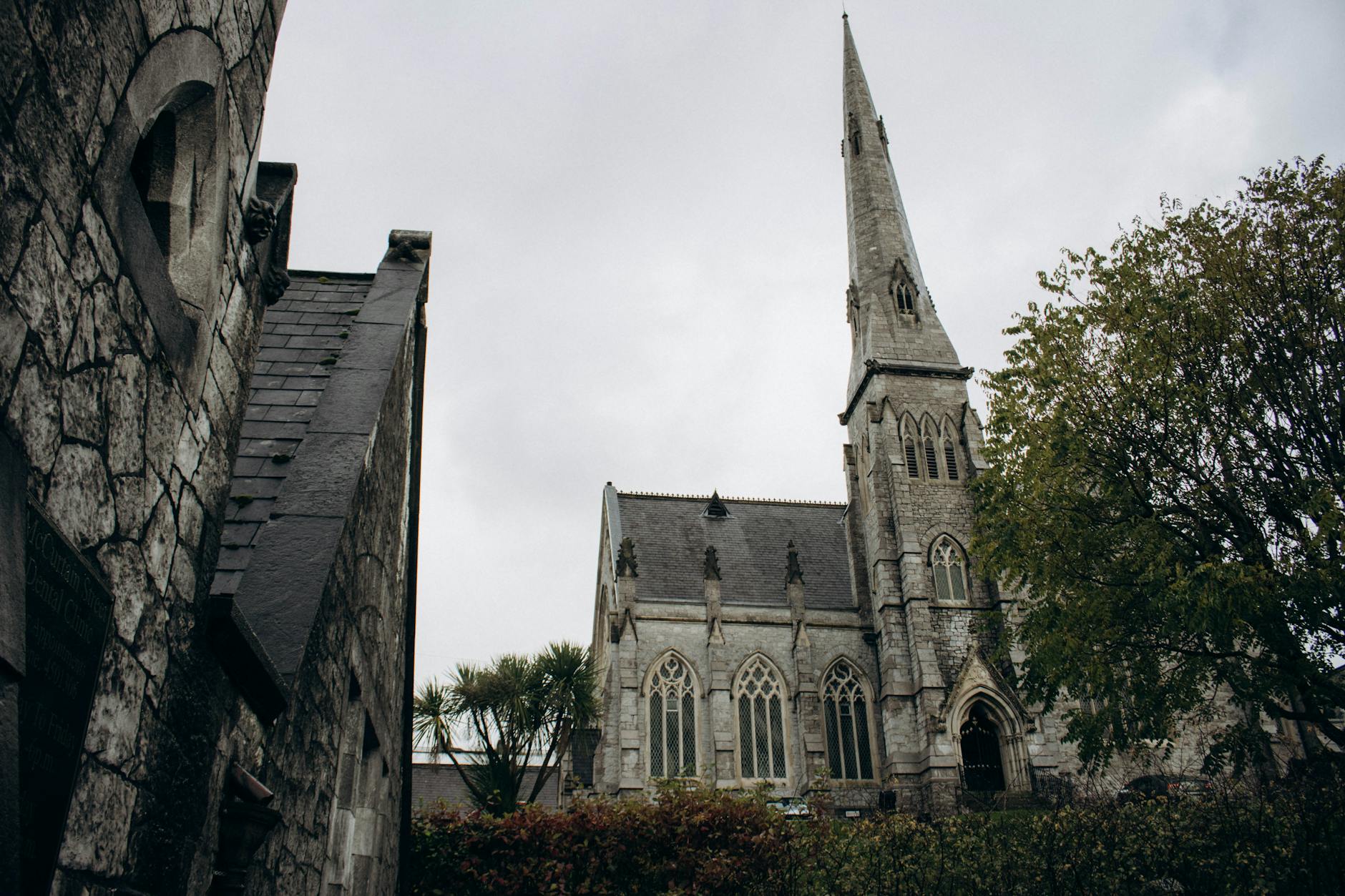
Historic Cork: churches, lanes, mercantile traces, Shandon, and the longer memory of the city.
Social Cork: pubs, restaurants, compact evening life, and the side of the city that proves it is not only functional by day.
River Cork: bridges, quays, island logic, and the physical structure that makes the city different from many others in Ireland.
Gateway Cork: station, airport links, county departures, and the city as launch point for the wider south.
The Main Mental Shift
Do not ask, "What are the top sights in Cork?" Ask, "How should this city be used?" Once you do that, the answer becomes much better: one market block, one hill or tower move, one food-led evening, one river-aware walk, and only then whatever county ambition remains.
What Cork Does Better Than People Think
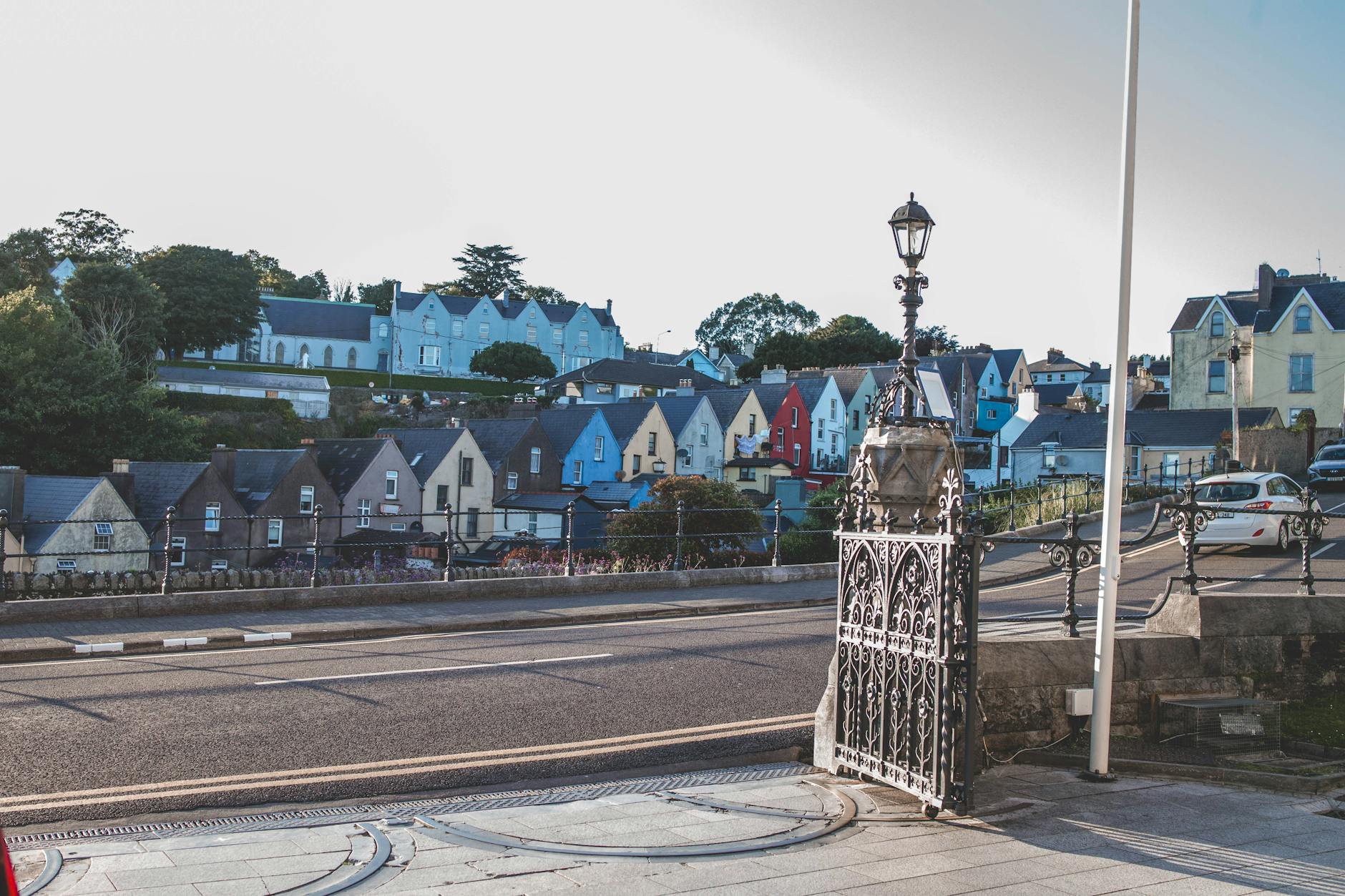
Cork is unusually good at regional-city completeness. Plenty of second cities feel like diminished capitals. Cork usually does not. It feels like its own organism, with its own food culture, its own spatial logic, and its own idea of what matters.
It is also stronger than many first-time visitors expect at food as urban identity. Some places have a famous market but no broader food confidence. Cork's food culture spills outward from the English Market into lunch rooms, bakeries, restaurants, and the general texture of the city.
Another underrated strength is human-scale density without claustrophobia. The center is compact, but because of the river, bridges, hills, and changing district textures, it rarely feels too neat or too obvious.
The city is also very good at acting as a county gateway without losing all of its own authority. This may be its most undervalued skill. If used well, Cork city can set the tone for a whole southern-Ireland route instead of merely servicing it.
Finally, Cork does evening culture without overstatement very well. The city rarely needs a giant nightlife script. It just needs good rooms, good pints, and the right dinner.
Best Time to Visit Cork
Cork is a year-round city, but not a season-proof one. Light, rain, market life, and your appetite for county excursions all shift the trip meaningfully.
Best Overall Months
May, June, and September are especially strong for first-time visitors. The city is active, walking works well, and you can still use both the center and the county intelligently.
Summer
Summer is the easiest season in which to like Cork quickly. Longer days help, terraces and riverside movement feel better, and county extensions become more tempting. The risk is that those same conditions make people underinvest in the city itself.
Autumn
Early autumn often suits Cork beautifully. The city can feel more local, more food-led, and slightly less spread between visitor and resident rhythms.
Winter
Winter narrows Cork into markets, pubs, cafés, churches, museums, and shorter walks. That can be very good if you actively want compact city warmth rather than a grand touring itinerary.
Spring
Spring is attractive because the city starts opening outward again. River walks improve, county links become more tempting, and the center regains some looseness.
Month-by-Month Guidance
January: compact, food-and-pub city travel. February: still wintry, but good for quieter urban breaks. March: transitional and weather-aware. April: improving and increasingly walkable. May: one of the best overall choices. June: excellent for a first visit. July: lively, easiest for mixed city-and-county trips. August: still strong, with full visitor energy. September: one of the smartest months to go. October: attractive for food-led travel and slower city use. November: more subdued, best for urban mood over movement. December: strong for winter city warmth, markets, and pubs.
How Many Days You Need
One Day
Enough to like Cork. Not enough to understand why it matters.
Two Days
The minimum respectable stay. One day should be almost entirely city-led.
Three Days
Ideal for a first visit. This gives room for the market, Shandon, a museum or gaol, one slower food block, and one chosen county extension if you want it.
Four To Five Days
Very good if Cork city is anchoring a wider southern-Ireland route without getting hollowed out by it.
One Week
Excellent for a Cork-plus-county trip, but only if the city itself still gets at least two true urban days.
Where to Stay in Cork
Where you stay matters because Cork is so easy to use either very well or just slightly wrong.
Fast Answer
For most first-time visitors, stay in central Cork within easy walking reach of the island core, the market area, and the main evening streets. Choose the Shandon or northside-adjacent direction if you want more historical texture and are comfortable with a little hill logic. Stay farther out only if you have a specific reason.
Neighborhood Decision Table
| Traveler Type | Best Area |
|---|---|
| First-time visitor | Central Cork near the core and market |
| Couple weekend | Central or slightly west/north of the core with easy atmosphere |
| Food-led trip | Market-side central stay |
| County-and-city split | Central enough to walk, practical enough for departures |
| Rail or bus arrival | Central station/bus-station reach without sacrificing the core |
| Without a car | Central Cork only |
Central Island Core
Best for: first-timers, short stays, food travelers, and easy evenings. Why it works: practical, walkable, and closest to the urban logic most visitors actually want. Tradeoff: some blocks are more functional than atmospheric. Best use: the cleanest first Cork stay.
Shandon Direction
Best for: history-minded travelers and people who want Cork to feel a little more textured and less purely central. Why it works: older streets, elevation, and stronger sense of the city's older structure. Tradeoff: hills and slightly less immediate access depending on the exact property. Best use: travelers who want the city to feel more rooted.
Southside / University Direction
Best for: calmer stays, some greener space, and travelers who do not need the market outside the door. Why it works: still close enough to center, but with a slightly different tone. Tradeoff: easier to drift too far from the core's food-and-evening advantages. Best use: longer stays or travelers who prefer a bit more breathing room.
Area Profiles
The English Market And Surrounding Streets
This is one of the best places to understand what Cork thinks matters: food, quality, local commerce, and urban liveliness without theatricality.
St Patrick's Street And The Island Core
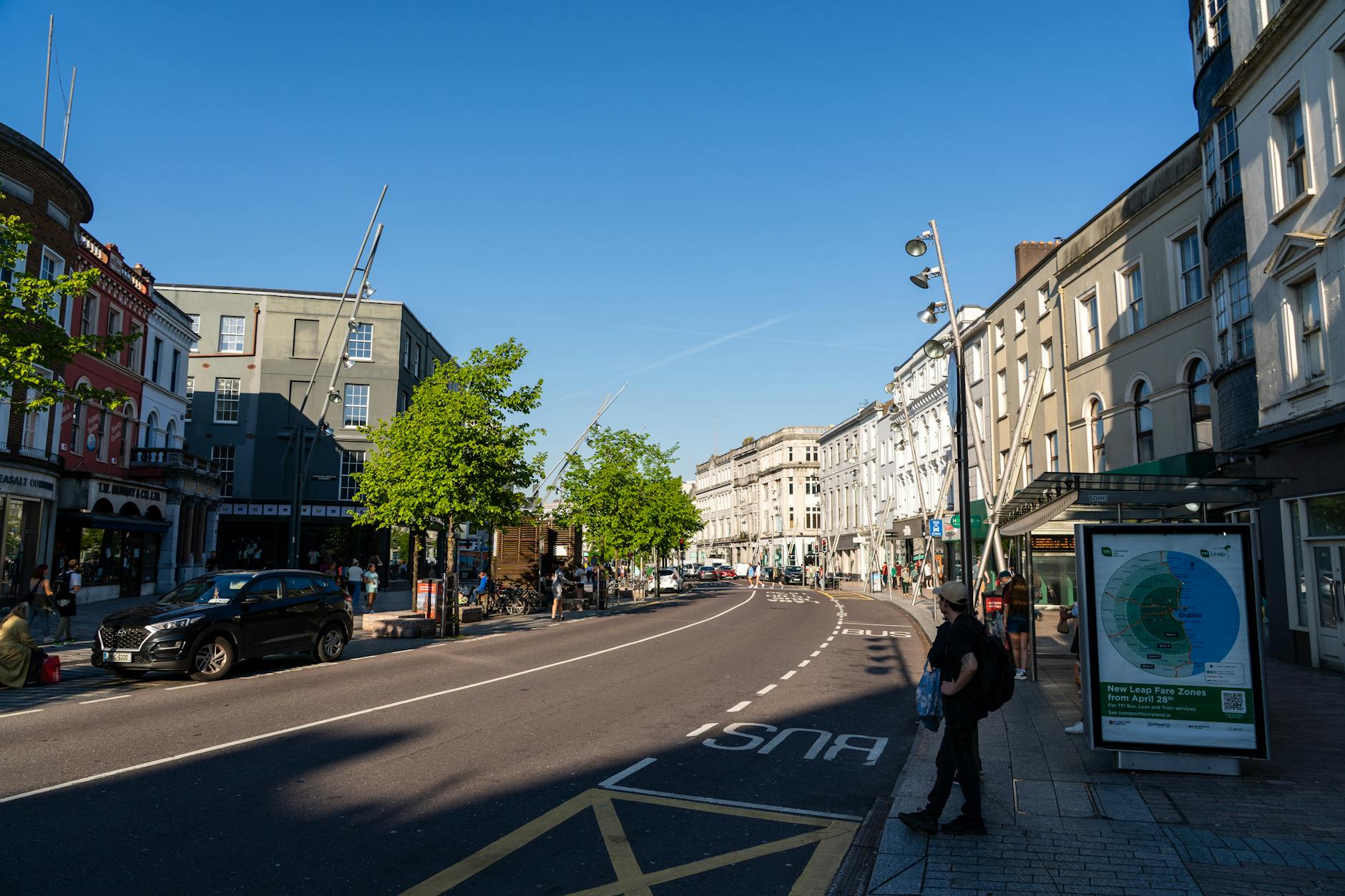
This is not the city's most romantic face, but it is one of its most practical and revealing. It helps you understand the working center instead of only the visitor-facing one.
Shandon
Shandon matters because it gives Cork height, older fabric, and a visual relationship to the city that the flatter center alone cannot provide.
The Quays And Bridges
Use them to remember that Cork is not just a shopping-and-pub center. It is a river city, and that structure matters.
The Southside Drift
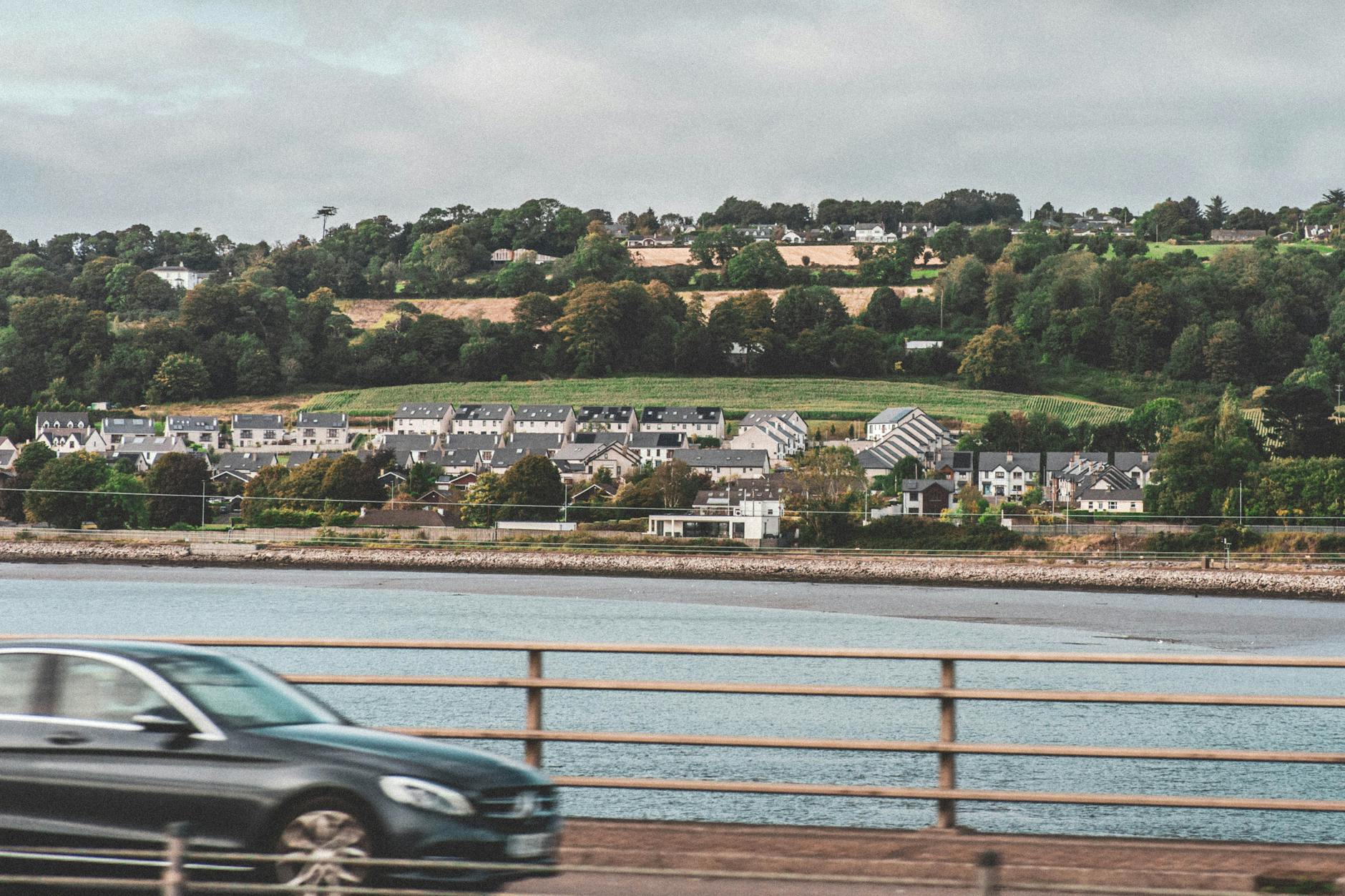
The southside helps the city feel broader and less compressed, especially when the traveler wants a slightly calmer stretch of the day.
Neighborhood Guide: Where to Explore, Not Just Sleep
Market Streets
Walk them with appetite and curiosity. This is one of the clearest ways to understand the city on its own terms.
Shandon Proper
Do not only do the tower. Let the district explain itself as neighborhood, history, and viewpoint.
The Main Retail Spine
Useful not because it is magical, but because it shows ordinary Cork functioning in the middle of the day.
Along The Lee
The river edges help the city feel spatially coherent. Use them to slow down.
Southside Streets And Smaller Detours
This is where Cork stops feeling like a checklist and starts feeling like a city people actually use.
The Best Things to Do in Cork
1. Use The English Market Properly
Do not only photograph it. Eat, browse, and let it tell you what kind of city Cork is.
2. Go Up To Shandon With Intention
The tower matters, but the district around it matters too. Cork gets better once you read both.
3. Build One Day Around Food
Cork rewards one day that is consciously organized around lunch, market culture, and dinner rather than squeezed between county ambitions.
4. Walk The Bridges And Quays
This is one of the simplest ways to understand the city physically instead of only by attraction names.
5. Consider Cork City Gaol If History Interests You
If you want more than market-and-pub Cork, the gaol is one of the clearest ways to add depth.
6. Let One Evening Belong Entirely To Cork
No early start tomorrow, no rushing back from elsewhere, just dinner and pubs used properly.
7. Use The City Before The County
This is the discipline many visitors never impose on themselves, and their trips are weaker because of it.
8. Notice The Local Confidence
The city is funnier and more self-contained than many first-timers expect. That is part of the experience.
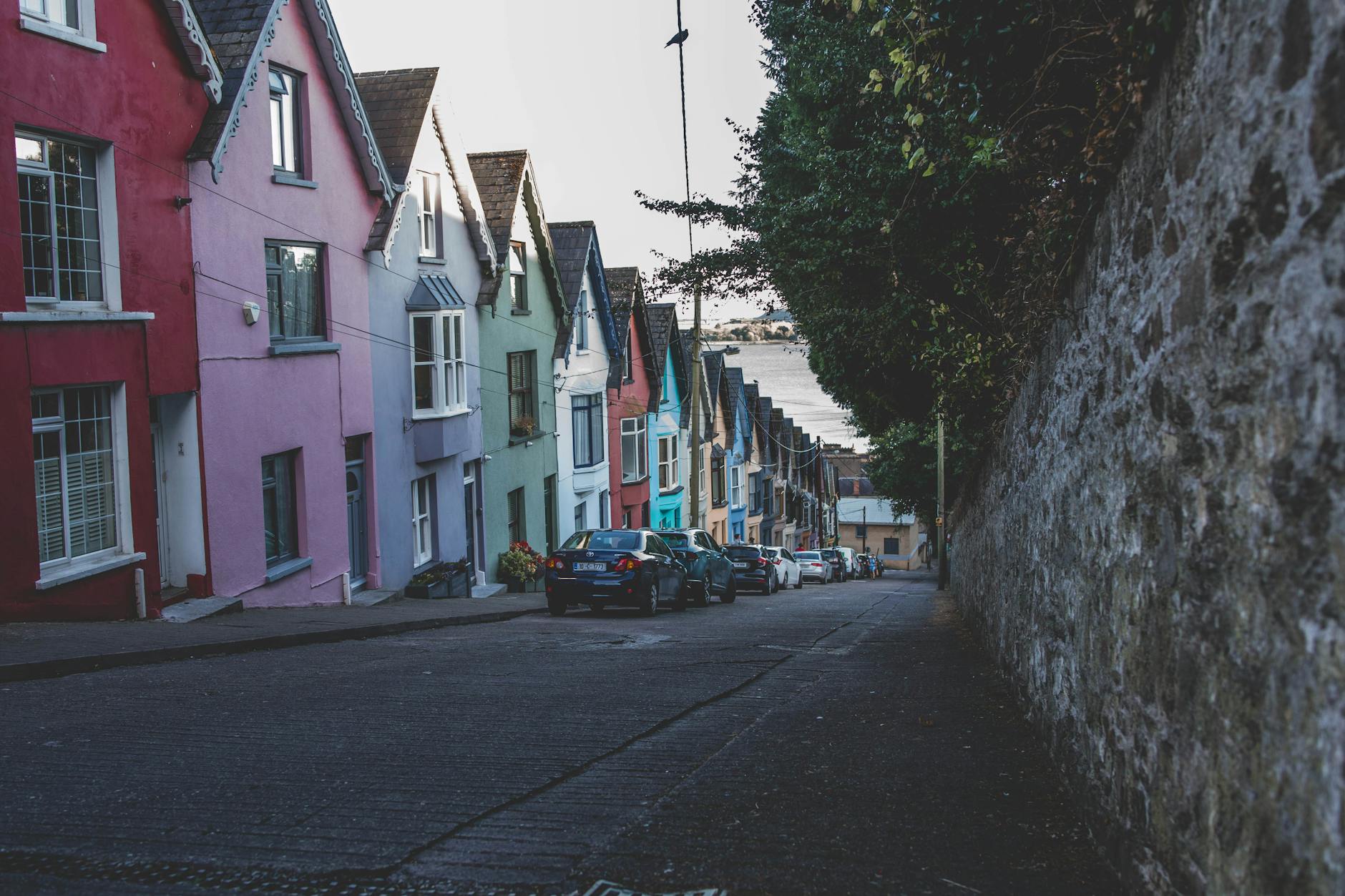
9. Spend Time On Higher Ground
Cork makes more sense once you have seen how the center sits within its slopes and district edges.
10. Stop Comparing It To Dublin
The comparison is rarely useful. Cork improves the moment you let it be Cork.
Itineraries
One Excellent Day In Cork
Start with the market and central streets while the city still feels more local than busy. Build late morning around Shandon and its surrounding district. Have lunch chosen with care. Use the afternoon for bridges, river walks, and either a museum or a slower browse through the city. End with a strong dinner and at least one pub that feels properly Cork.
Two Days
Day 1: market, river core, Shandon, and a food-led evening. Day 2: city-history Cork with the gaol or another cultural stop, plus slower side-street and pub time.
Three Days
Day 1: central market and river Cork. Day 2: historical Cork and a slower evening. Day 3: one county extension or a second city day if weather, appetite, or good judgment says stay put.
Four To Five Days
This is the length at which Cork can support both deep city time and one or two county moves without losing its own authority.
One Week
A week works very well if Cork city anchors a wider southern route, provided the city still keeps at least two genuine urban days.
Itineraries By Traveler Type
First-Timer
Prioritize the market, Shandon, one good evening, and one historical move that makes the city feel deeper than a food stop.
Couple Weekend
Spend more on the room, walk often, let food matter, and keep the county ambitions under control.
Food Traveler
The city is one of the best places in Ireland to let food structure the day rather than merely interrupt it.
Southern-Ireland Starter
Use Cork to set the tone for the region before you scatter into coast, harbor towns, and day trips.
Car-Free Traveler
Cork works unusually well for you if you stay central and choose your outward moves with public-transport sense instead of road-trip envy.
Food and Drink
What To Prioritize
Prioritize the city's everyday food competence, not just its famous names. Cork works best when you understand that quality here often feels normal rather than performative.
The Real Food Logic
The strongest Cork food trip usually includes one market-led lunch or grazing block, one serious dinner, and one pub or café stop that feels chosen because it belongs to the city rather than because it was visible first.
Pubs Without Performance
Pubs matter here because they are part of the city's social fabric, not because every pub has to become an event.
Evening Rhythm
Cork often sharpens after dusk. Let the city do that for you.
Getting Around
County Cork, Gateways, And The Problem Of Over-Extension
The Good Problem
Cork has too many tempting outward moves. That is a privilege and a trap.
The Better Rule
Choose one meaningful county extension in a short stay, not a blur of departures that drains the city of authority.
Why The City Needs First Claim
If Cork never gets a proper evening, a proper market block, and one day when you are not trying to leave it, you usually have not really been to Cork. You have only routed through it.
Common Mistakes
- Treating Cork as county logistics with a market attached.
- Seeing the English Market too quickly.
- Doing Shandon only as a tower and not as a district.
- Giving every good daylight hour to county day trips.
- Staying too far out and killing spontaneity.
- Comparing the city to Dublin instead of reading its own scale.
- Underestimating how much food matters to the trip.
My Blunt Advice
Stay central. Use the market properly. Climb to Shandon. Walk the bridges. Give the city one evening that belongs only to itself. If you go outward, do it once and with discipline. Cork is better when it is allowed to act like a city first and a gateway second.
That local confidence is the prize. Cork is not asking to be the national capital of anything. It is asking to be taken seriously on its own terms. When it is, it usually wins people over very quickly.
Where Cork Fits in an Ireland Trip
Cork works best in Ireland itineraries when you let it represent something different from Dublin rather than forcing it into the same category. It is not the national capital, not the default arrival framework for the country, and not the place that tries to summarize Ireland in one glance. It is the southern regional city that often gives travelers a better feeling for ordinary urban Irish life because it does not have to perform nationhood every hour.
For first-time visitors doing a short Ireland route, Cork is often strongest as the city that balances the trip. If Dublin supplies the political, historical, and capital-city weight, Cork can supply food, local texture, river-city compactness, and access to a wider southern landscape without losing its own identity. That is a valuable combination.
For repeat visitors, Cork can be even more useful. Once the obvious capital-city obligations are out of the way, the city becomes one of the best places in the country to build a trip around mood, food, county access, and a more regionally specific urban experience. It is large enough to feel like a real city and small enough that a two- or three-day stay can still feel complete.
The wrong use of Cork is as a pure logistical hinge. The right use is as a city that can anchor southern Ireland while also justifying at least one self-contained urban day. That distinction changes the whole trip.
Cork Versus Dublin, Galway, And Limerick
Cork versus Dublin is not mainly a contest of "better" or "worse." Dublin has more scale, more monuments of national meaning, more hotel depth, and more obvious first-trip necessity. Cork usually wins when the traveler wants a smaller, more manageable, more food-led city that reveals itself without the capital's constant noise and symbolic pressure. Dublin is the argument. Cork is the conversation after the argument has ended.
Cork versus Galway is a subtler choice because both attract travelers who want city life with local identity. Galway is more performatively charming, more immediately visitor-friendly, and more visibly oriented around music-and-street atmosphere. Cork is stronger when you want a more grounded city with better food seriousness, a less stage-managed center, and a sense that local life has not been curated quite so aggressively for short stays.
Cork versus Limerick comes down to finish and use. Limerick can be more unexpectedly interesting than first-time visitors assume, but Cork usually offers a fuller short-break package: stronger market identity, broader visitor confidence, easier food planning, and better city-county integration. If Limerick can surprise, Cork more often satisfies.
That is the useful frame. Cork is one of Ireland's best choices when you want a regional city with genuine self-belief, strong food logic, good short-break usability, and enough county reach that the trip never feels boxed in.
First-Time Visitors Versus Repeat Visitors
First-time visitors often experience Cork through three or four strong signals: the English Market, Shandon, a central walk, and one pub or dinner. That can already be a worthwhile city break, but first-timers often still treat the city as a prelude to somewhere else. They are learning the accent, testing the food reputation, and trying to understand whether Cork deserves more than the clichés that usually introduce it.
Repeat visitors tend to relax into the city's actual rhythm. They stop asking whether Cork has enough "sights" and start caring more about where to sleep, where to eat, when to walk, how much of the county to fold in, and which part of the center suits their mood. They also tend to realize that Cork's value is cumulative. A second market pass, a better-chosen pub, a slower evening, or a more deliberate northside-southside chapter can improve the whole stay.
This is why Cork ages well as a destination. It does not depend entirely on revelation. Once the main coordinates are known, the city starts rewarding judgment.
Why the Base Matters More Than It First Seems
Cork is compact enough that many travelers assume any central hotel will do. That is only partly true. Because the city works through walking, food, evening ease, and river-crossing rhythm, the exact base shapes how naturally the trip unfolds. A slightly awkward location can make Cork feel more fragmented than it is. A strong central base makes the city feel almost perfectly proportioned.
The best base is not only about distance to landmarks. It is about how easily the trip moves between breakfast, market browsing, a midday rest, a hill or tower climb, dinner, and one more pub without any of it feeling like a chore. Cork improves when spontaneity is protected. That means sleeping close enough to the city core that you can keep adjusting the day.
This matters especially for couples and short-break travelers. Cork is one of those cities where a good room in the right place makes the whole destination seem more persuasive. The city is not overwhelming you with blockbuster monuments. It is winning through texture. The hotel therefore becomes part of the texture, not just a container beside it.
Why One Proper Cork Day Matters
Cork is very easy to sample and very easy to underread. Because the center is so manageable, many travelers think they have "done" the city after a market visit, a tower climb, and two or three central streets. That is enough to notice Cork. It is not enough to let Cork become itself.
A proper Cork day usually needs three chapters. Morning belongs to the market and central movement, when the city feels most rooted in everyday life. Midday and afternoon should include one higher-ground or more historical move that changes your sense of the city's shape. Evening should belong to food, pubs, and the social confidence that helps explain why Cork matters to the people who live there.
Without that full day, Cork can feel merely pleasant. With it, the city often becomes one of the higher-return smaller urban stops in Ireland.
Day Cork Versus Evening Cork
Daytime Cork often feels functional first. Shops are open, buses are doing real work, the market is active, people are crossing bridges with purpose, and the center can seem more practical than theatrical. This is part of the city's strength, but it can cause first-time visitors to misread it as lacking romance or depth.
Evening Cork usually resolves that problem. Restaurants pull more weight, pubs become truer social rooms, streets that seemed purely utilitarian gain warmth, and the whole place feels less like a set of errands and more like a lived city. Cork is rarely best when you rush out of it before dinner.
That is why at least one full evening should belong entirely to the city. No early county departure the next morning, no sense that dinner is only a prelude to sleep. Let Cork have the night once. It usually pays you back.
Why the County Should Not Own the Whole Trip
County Cork is full of strong temptations: Kinsale, Cobh, Midleton, Blarney, West Cork, and the coast beyond. Those places are not the problem. The problem is timing. If you give them every good daylight hour before Cork city has had any real claim on the itinerary, the city turns into an administrative shell rather than a destination.
The better rule is simple. Let Cork city establish authority first. Use the market, the bridges, the hill logic, the food culture, and one proper evening. Then decide how much county gravity the trip can absorb without hollowing out the urban core. This often means one meaningful outward move rather than two or three rushed ones.
What makes Cork particularly vulnerable here is that its outward links are genuinely good. The stronger those temptations are, the more discipline the visitor needs. A trip that never gives the city first claim often leaves with nice county memories and only a weak sense of Cork itself.
Why Cork Often Improves on the Second Visit
Cork improves on repeat because it is not a one-image city. The first visit usually proves that the market, the food, the local voice, and the compact center are real. The second visit is where travelers often discover preference: a better base, a better pub rhythm, more confidence about ignoring weak county detours, and a stronger sense of how long the city should actually breathe.
This is also when Cork stops having to defend its scale. Once you have accepted that it is not trying to be Dublin, the city becomes easier to value properly. You notice the river structure more, the bridge logic more, the neighborhood shifts more, and the fact that it is one of the easiest Irish cities in which to have a day that feels full without becoming exhausting.
That is the real second-visit reward. Cork moves from "pleasant surprise" to "city I would gladly use again."
How Cork Changes Over the Course of a Stay
On arrival, Cork often feels smaller and more straightforward than it really is. The airport move is manageable, the center is compact, and the main streets can initially read as practical rather than dramatic. If the first walk includes the market and a few bridges, the city begins to gather shape quickly. If it also includes a climb or a slope, the physical logic becomes clearer.
By the first evening, the city usually gains warmth. Dinner and pubs often do as much explanatory work in Cork as churches or civic buildings. The social texture becomes more legible, and the city that seemed merely usable starts to feel distinct.
By the second day, the different Corks begin to align: market Cork, river Cork, hill Cork, pub Cork, and gateway Cork. This is when the city becomes persuasive rather than simply agreeable.
By the third day, if you stay that long, Cork often feels surprisingly inhabitable. You know where to walk, what sort of meal you want, which side of the city suits you, and how much county ambition is enough. That is usually the point at which visitors stop ranking Cork as a secondary stop and start remembering it as one of the most human-scale cities in the country.
Source Notes
- 1. Cork Airport, "Bus to Cork Airport." https://www.corkairport.com/to-from-the-airport/book-a-coach-ticket
- 2. Transport for Ireland, "Cork City Bus Services." https://www.transportforireland.ie/getting-around/network-maps/cork-city-bus-services/
- 3. Pure Cork, "Getting Around Cork." https://www.purecork.ie/plan-your-trip/travel/getting-around-cork
- 4. Cork City Council, "Opening Hours." https://www.corkcity.ie/en/english-market/opening-hours/
- 5. Pure Cork, "Shandon Bells & Tower." https://www.purecork.ie/things-to-do/shandon-bells-tower
- 6. Cork City Gaol. https://corkcitygaol.com/