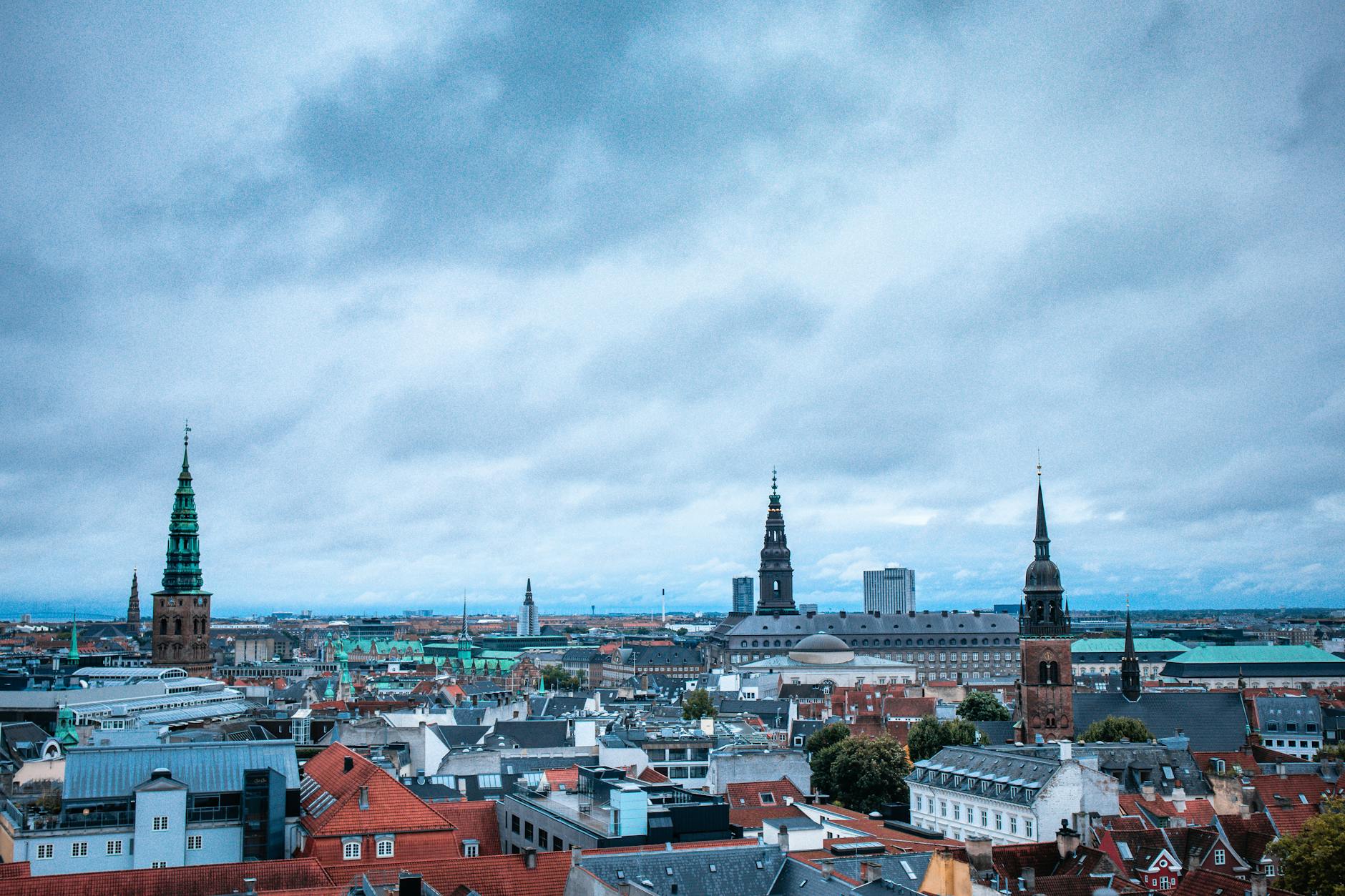
Copenhagen is one of those cities that gets flattened by praise. It is clean, stylish, safe, bikeable, happy, expensive, design-conscious, progressive, hygge-scented, pastry-rich, and easy to like. All true enough. Also not nearly enough.
Start Here
The better Copenhagen is more interesting than the postcard version. It is a harbor city that turned industrial water into public life. It is a royal capital with a surprisingly casual social mood. It is a design city where usefulness matters as much as beauty. It is a food city that helped change the way ambitious restaurants think about local ingredients, but still knows that lunch can be a piece of rye bread, butter, pickled herring, and a beer. It is a bicycle city, but not a slow-motion lifestyle ad; local bike lanes are functioning commuter arteries, and visitors who drift through them like they are in a park quickly learn otherwise.
Copenhagen’s gift is that it makes a sophisticated urban life look simple. You can land at the airport, ride the Metro into the center in minutes, cross a harbor by public ferry, swim in clean city water, eat one of the world’s most elegant pastries, see crown jewels before lunch, walk through a former military zone turned alternative community, have dinner in a candlelit neighborhood restaurant, and end the day in Tivoli Gardens under lights. None of that feels heroic. That is the city’s trick.
The mistake is treating Copenhagen as a quick Nyhavn-and-Little-Mermaid stop. Nyhavn is pretty. The Little Mermaid exists. But Copenhagen’s real pleasures are spread across a set of small, legible worlds: the medieval core around Strøget and the Round Tower; royal Frederiksstaden and the harborfront; Christianshavn’s canals and Christiania; Vesterbro’s restaurants and old red-light edges; Nørrebro’s multicultural food, design shops, and cemetery walks; Frederiksberg’s green, residential elegance; Nordhavn’s new waterfront urbanism; Refshaleøen’s industrial afterlife; and the beaches, castles, forests, and museums reachable by train.
A great Copenhagen trip needs good pacing. The city is compact enough to tempt overplanning, but expensive enough that bad decisions sting. The best first visit usually combines one historic center day, one harbor-and-design day, one neighborhood-and-food day, and one optional day trip. Add time for bikes, ferries, bakeries, saunas, swimming, and the sort of ordinary city moments that make Copenhagen feel richer than its list of monuments.
Copenhagen in one sentence: Copenhagen is a humane, water-facing capital where royal history, design discipline, bicycle culture, public bathing, ambitious food, neighborhood life, and Scandinavian restraint combine into one of Europe’s most effortlessly livable city breaks.
Basic data
| Population | About 660,000 in the municipality; metro about 1.4 million in Denmark, with larger cross-border region links |
|---|---|
| Area | 180 km2 |
| Major religions | Christian heritage, Islam, Buddhism, Hinduism, Judaism, and a large secular population |
| Political system | Capital city government inside a parliamentary constitutional monarchy |
| Economic system | High-income mixed economy led by services, life sciences, shipping, technology, government, and design |
Quick Verdict
| Question | Answer |
|---|---|
| Best for | Design travelers, food lovers, couples, families, solo travelers, architecture fans, museum people, bike-curious visitors, first-time Scandinavia trips, clean-city lovers, summer swimmers, Christmas-market travelers, and anyone who likes cities that feel calm without being dull. |
| Not ideal for | Bargain hunters, nightlife maximalists, people who want hot weather, travelers who dislike advance restaurant planning, visitors who expect a giant old town, and anyone who thinks cycling in Copenhagen is automatically easy because the city is bike-friendly. |
| Ideal first visit | 3 full days. Two days gives you the historic center, Nyhavn, Christianshavn, one royal site, Tivoli, and a good meal or two. Four or five days lets you add Nørrebro, Vesterbro, museums, harbor swimming, Louisiana, Kronborg, Roskilde, or a slower food-and-design rhythm. |
| Best months | May, June, August, and September for long days, outdoor eating, cycling, harbor baths, and pleasant temperatures. July is lively but busier and more expensive. December is atmospheric for lights, markets, and Tivoli Christmas. January–March is best for quiet museums, lower crowds, and winter hygge if you accept cold, wind, and short days. |
| Best first-timer base | Indre By for convenience; Vesterbro for restaurants, nightlife, and Central Station access; Christianshavn for canals and atmosphere; Nørrebro for food, bars, and local energy; Frederiksberg for green, polished calm; Nordhavn for modern waterfront hotels if you are comfortable using transit. |
| Biggest planning mistake | Building the whole trip around Nyhavn, Strøget, and the Little Mermaid. The better trip uses the harbor, neighborhoods, bakeries, bikes, museums, and day trips, not just the obvious icons. |
| One thing to book ahead | High-demand restaurants, Tivoli on peak event nights, popular canal tours in summer, Rosenborg if you have a tight schedule, and day trips or museum visits if your itinerary depends on specific opening days. |
| One thing to leave unscheduled | A harbor bus ride, a bakery morning, a long walk through Nørrebro or Christianshavn, sunset by the water, a swim or sauna in season, or an hour to sit in a courtyard café without trying to optimize it. |
| Best free pleasures | Nyhavn early, Kastellet, the Little Mermaid if you are already nearby, Superkilen, Assistens Cemetery, the lakes, Christianshavn canals, harbor walks, Islands Brygge, Amager Beach, Royal Library exterior, Queen Louise’s Bridge, and people-watching in Nørrebro or Vesterbro. |
| Most important warning | Copenhagen is easy but not cheap. Budget problems usually come from hotels, taxis, impulse restaurant meals, and attraction stacking without checking whether a Copenhagen Card or City Pass actually fits your plan. |
The Move
For a first trip, build Copenhagen around water, neighborhoods, and one or two anchors per day. Do the royal and medieval core early, use the harbor bus or canal boat to understand the waterfront, give Nørrebro or Vesterbro a real evening, and save Tivoli for late afternoon or night when the lights make it feel less like a theme park and more like Copenhagen’s glowing civic living room.
Who Will Love Copenhagen?
You will probably love Copenhagen if you want:
- A city that feels beautiful because it is well-used, not just well-preserved.
- Excellent public transport and an airport that makes arrival unusually painless.
- A strong food scene across every level: bakeries, smørrebrød, coffee, wine bars, food halls, neighborhood restaurants, and world-famous fine dining.
- Design, architecture, furniture, lighting, ceramics, fashion, and shops that reward looking closely.
- A city where water is part of daily life: ferries, canals, harbor baths, beaches, bridges, and saunas.
- A family-friendly capital with clean transit, manageable distances, and parks everywhere.
- A romantic city that does not need grand drama; candlelight, canals, bicycles, old streets, gardens, and long summer evenings do the work.
You may be underwhelmed if you want:
- A cheap European weekend.
- Monumental scale like Paris, Rome, London, or Istanbul.
- Warm outdoor dining most of the year.
- Spontaneous tables at famous restaurants.
- Chaotic street life, late-night Mediterranean energy, or an old town that can fill several days by itself.
- A city where famous icons are the main event.
Copenhagen is not a city of one overwhelming sight. It is a city of systems: bikes, bridges, parks, ferries, bakeries, design shops, neighborhood restaurants, waterfront redevelopment, and institutions that make urban life feel unusually civilized. The emotional payoff comes from how those systems fit together.
Local Logic
Copenhagen is not just a pretty old capital. It is a city that has turned livability into an aesthetic. The clean harbor, bike lanes, public spaces, design shops, food culture, Metro, saunas, playgrounds, and waterfront housing are not separate attractions. They are the city’s real argument.
Copenhagen at a Glance
| Practical | Detail |
|---|---|
| Country | Denmark. Copenhagen is the Danish capital and the largest city in Denmark. |
| Region | Eastern Denmark, on the island of Zealand and the northern part of Amager, facing the Øresund strait toward Sweden. |
| Language | Danish. English is widely spoken in visitor-facing contexts and often extremely good. Learn tak, hej, and undskyld anyway. |
| Currency | Danish krone, abbreviated DKK or kr. Denmark does not use the euro, though some tourist businesses may display euro equivalents. |
| Cards vs cash | Cards and contactless payments are dominant. Carry a backup card. Cash is rarely necessary but can be useful in edge cases. |
| Time zone | Central European Time, UTC+1; Central European Summer Time, UTC+2 during daylight saving. |
| Main airport | Copenhagen Airport, CPH, also called Kastrup, about 8 km from the city center. |
| Main rail station | Copenhagen Central Station, København H, next to Tivoli and within walking distance of City Hall Square and Vesterbro. |
| Entry rules | Denmark is in the Schengen Area. Many visitors can enter visa-free for short stays; others need a Schengen visa. The standard short-stay framework is up to 90 days in any 180-day period across Schengen, depending on nationality and status. |
| Border systems | The Schengen Entry/Exit System, EES, is now part of external border processing for many non-EU short-stay travelers. ETIAS is expected to start in the last quarter of 2026 for many visa-exempt travelers. |
| Electricity | 230V, 50Hz. Type C, E, F, and K plugs may be encountered; a universal adapter is wise. |
| Tap water | Safe, clean, and good. Bring a reusable bottle. |
| Emergency number | 112 for police, ambulance, or fire emergencies. 114 for non-emergency police. In the Copenhagen region, 1813 is used for urgent medical advice and non-life-threatening sudden illness or injury. |
| Best transport apps | Rejsebillet or DOT/public transport tools for tickets, Rejseplanen for journey planning, the Metro website/app for service details, DSB for trains beyond Copenhagen, and Google Maps/Apple Maps for walking. |
| Best orientation point | Copenhagen Central Station, Nørreport, and Kongens Nytorv form the visitor’s practical triangle. |
| Visitor logic | Think in layers: old center, royal harborfront, Christianshavn, Vesterbro, Nørrebro, Frederiksberg, Nordhavn, Refshaleøen, and the wider Zealand day-trip network. |
The City in Five Anchors
- Indre By — the old center: Strøget, the Round Tower, City Hall, old university streets, royal-adjacent squares, shopping, cafés, and the highest concentration of first-time sights.
- Nyhavn and the harbor — the colorful canal, boat tours, the Royal Danish Playhouse, Amalienborg, the Opera House views, harbor buses, and the city’s most famous postcard.
- Christianshavn and Christiania — canals, Church of Our Saviour, alternative community history, waterfront walks, and a different mood from the center.
- Vesterbro and Nørrebro — restaurant energy, bars, bakeries, multicultural food, local shopping, nightlife, and the city’s best antidote to the polished tourist core.
- The wider capital region — Louisiana, Kronborg, Frederiksborg, Roskilde, Dragør, Dyrehaven, Malmö, and beaches that turn Copenhagen from a weekend city into a richer regional base.
2026 Visitor Notes
Entry and Border Systems
Denmark is part of the Schengen Area. For many visa-exempt travelers, the usual short-stay limit is up to 90 days in any 180-day period across the Schengen Area as a whole, not 90 days in Denmark alone. Travelers who need visas should use official Danish and Schengen resources rather than third-party visa sellers.
The Entry/Exit System is now used at Schengen external borders for many non-EU short-stay travelers. It digitally records entries, exits, refusals of entry, passport details, facial images, and fingerprints. ETIAS, the separate pre-travel authorization for many visa-exempt visitors, is expected to begin in the last quarter of 2026. Until it is active for your nationality and travel date, avoid unofficial sites claiming to sell authorization early.
Airport Arrival Strategy
Copenhagen has one of Europe’s easiest airport-to-city transfers. The airport is close, rail and Metro are integrated into Terminal 3, and the city center is reachable in roughly 13–20 minutes depending on where you are going.
- Train to Copenhagen Central Station: best if you are staying near Vesterbro, Tivoli, City Hall Square, the Central Station area, or connecting onward by rail.
- Metro to Kongens Nytorv, Nørreport, Frederiksberg, or Vanløse: best for the old center, Nyhavn, Christianshavn transfers, Nørreport, and many central hotels.
- Taxi: practical for luggage-heavy arrivals, families, late nights, or awkward hotel locations, but it is much more expensive than rail. Expect roughly 20–30 minutes to the center in normal conditions and higher prices in traffic.
- Bus 5C: slower but useful for some routes; most visitors will prefer train or Metro.
The first-timer mistake is assuming a taxi is the normal airport move. In Copenhagen, public transport is usually faster, cheaper, and less stressful unless your luggage or mobility situation says otherwise.
Public Transport Fares and Passes
Copenhagen’s public transport network includes Metro, S-trains, regional trains, buses, and harbor buses. The system uses zones. The airport-center trip normally requires a 3-zone ticket. For visitors, the main decisions are:
- Single tickets: good if you will mostly walk and only use transit occasionally.
- City Pass Small: often the easiest short-stay transit pass for zones 1–4, covering the central city and airport.
- City Pass Large or wider-zone products: useful if you are making regional trips without a Copenhagen Card.
- Copenhagen Card Discover: combines 80+ attractions with public transport across the Capital Region, including the airport and many day trips.
- Copenhagen Card Hop: focuses on central attractions and Stromma hop-on hop-off buses; it is not the same product as Discover and is not the default choice for independent transit users.
The Copenhagen Card Discover is especially strong for first-timers who will visit multiple paid attractions and take at least one day trip such as Louisiana, Kronborg, Frederiksborg, or Roskilde. It is weaker if your trip is mostly bakeries, walking, free waterfronts, and one or two museums.
Copenhagen Card 2026 Reality Check
As of this update, the Copenhagen Card Discover adult prices are listed as DKK 589 for 24 hours, DKK 859 for 48 hours, DKK 1,039 for 72 hours, DKK 1,219 for 96 hours, and DKK 1,419 for 120 hours. The Discover card includes free entrance to 80+ attractions and unlimited public transport in the Capital Region zones 1–99, including travel to and from Copenhagen Airport.
Use the card if you are going to act like a card-holder: start early, group paid attractions, use transit confidently, and include high-value regional sites. Do not buy it just because it sounds official. Copenhagen is expensive, but the card only saves money if your actual itinerary uses it.
2026 Attraction Notes
- Tivoli Gardens operates seasonally, with major 2026 seasons including spring/summer, Halloween, and Christmas. Hours and prices vary by date. Entry and rides are separate unless you buy a package; Copenhagen Card typically covers garden entrance, not unlimited rides.
- The Round Tower is a low-effort, high-reward central viewpoint. In 2026, restoration affects the observatory/top on some dates, so check before building a day around it.
- National Museum of Denmark is one of the best broad introductions to Danish history. It is strong for Vikings, children, and rainy days.
- SMK, the National Gallery of Denmark is the right art anchor if you want Danish and European painting in a serious museum setting.
- Designmuseum Danmark and Danish Architecture Center are better than “extra museums” in Copenhagen. They explain how the city thinks.
- Christiania has changed since the formal dismantling of Pusher Street’s open cannabis trade in 2024. It is still a living community, not a theme park. Visit respectfully, follow posted rules, do not buy drugs, and do not photograph residents closely without permission.
The 2026 Planning Mindset
Copenhagen does not require tactical precision like Rome or Tokyo, but a smart visitor still checks four things before each day: museum closing days, restaurant reservations, Tivoli season/hours, and weather. Rain and wind can change the feel of a day faster than distance can.
How to Understand Copenhagen
Copenhagen Is a Harbor City First
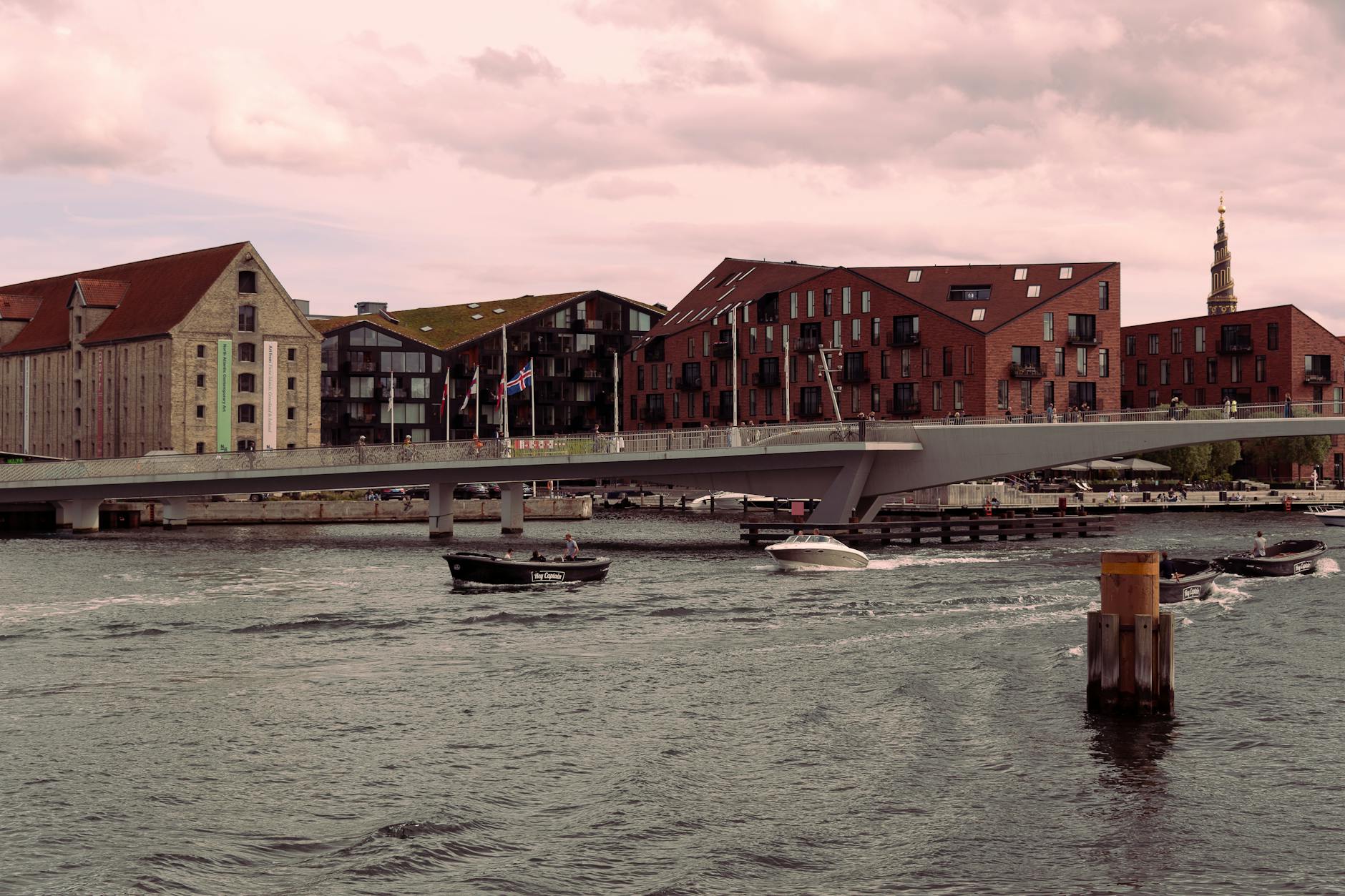
The city makes more sense once you see it from the water. Copenhagen grew as a trading and naval city, and its modern visitor appeal is deeply tied to how the harbor has been reclaimed for public use. The water is not just scenery. It is transport, leisure, urban planning, swimming pool, restaurant backdrop, and psychological center.
The harbor bus is one of the best inexpensive orientation tools in the city. It is public transport, not a tourist boat, but it gives you views of the Royal Library, Christianshavn, the Opera House, Islands Brygge, modern harbor housing, and Refshaleøen. A canal tour is more narrated and scenic; the harbor bus is more local and practical. Do both if you have time.
The City Is Compact, But Not Tiny
Central Copenhagen is walkable, but the good stuff is not all in one old-town cluster. Vesterbro, Nørrebro, Frederiksberg, Nordhavn, Christianshavn, Refshaleøen, Amager Beach, and day-trip stations each pull you in different directions. The best days group areas sensibly.
Good combinations:
- Indre By + Rosenborg + Round Tower + Torvehallerne.
- Nyhavn + Amalienborg + Designmuseum + Kastellet + Little Mermaid.
- Christianshavn + Church of Our Saviour + Christiania + harbor bus to Refshaleøen.
- Vesterbro + Meatpacking District + Tivoli evening.
- Nørrebro + Assistens Cemetery + Jægersborggade + Superkilen.
- Louisiana + Helsingør/Kronborg if you want a full North Zealand day.
- Roskilde Cathedral + Viking Ship Museum for a history-heavy day.
Bad combinations are the ones that cross the city repeatedly for no reason, especially in rain.
Copenhagen Is a Design City, Not Just a Museum City
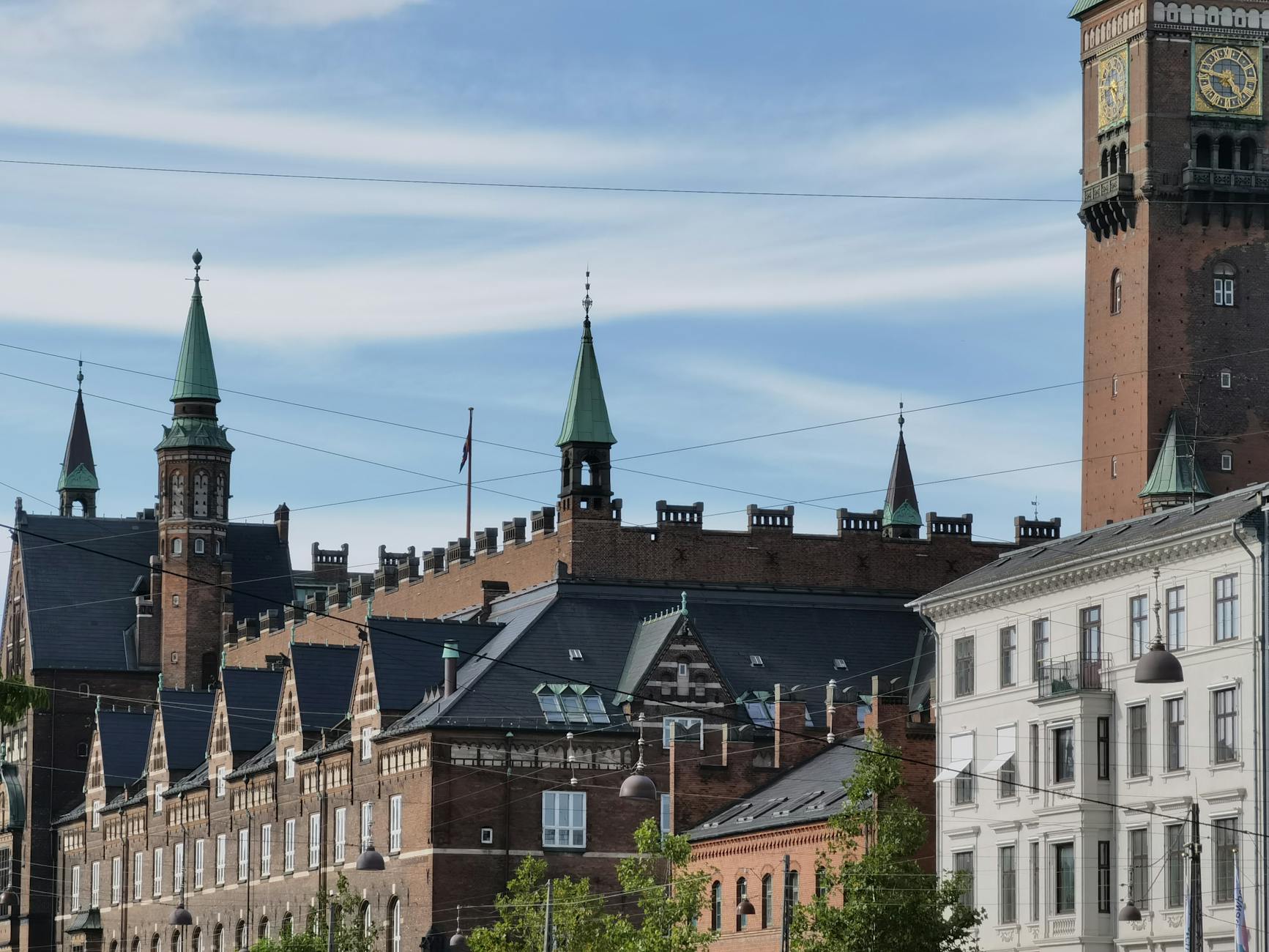
Design in Copenhagen is not confined to shops or chairs. It is visible in cycling infrastructure, harbor baths, public libraries, lighting, restaurants, tableware, street furniture, apartment blocks, and the balance between old brick and new waterfront architecture. You do not need to love Danish modern furniture to appreciate this, but you do need to slow down and look.
The city’s design culture rewards attention to small things: the shape of a lamp, the feel of a chair, the layout of a bakery, the way a public square handles bikes and pedestrians, the proportion of a bridge, the texture of brick, the quiet confidence of a hotel lobby. Copenhagen is at its best when you stop asking “what is the famous thing?” and start asking “why does this work so well?”
Copenhagen Is Casual, But Not Careless
The city is socially informal. You do not need to dress up for most activities. English is easy. People usually mind their own business. But beneath the casualness is a strong culture of rules, expectations, and shared systems: cycling behavior, queueing, reservations, quiet in residential areas, punctuality, recycling, swimming zones, and respect for private space.
Visitors often misread “relaxed” as “anything goes.” That is wrong. Copenhagen is relaxed because many people follow the rules that keep it relaxed.
Copenhagen’s Central Contrasts
Copenhagen is full of productive tensions:
- Royal tradition vs democratic everydayness.
- Polished design vs rough industrial spaces.
- expensive fine dining vs humble rye-bread lunches.
- Calm streets vs intense bike lanes.
- Historic brick vs glassy waterfront modernism.
- Social trust vs strong regulation.
- Hygge coziness vs avant-garde food and architecture.
- Local sustainability pride vs the pressures of tourism, cruise traffic, and expensive housing.
Those contrasts are the article. The city is not just pretty canals and pastries. It is a case study in how a capital can remake itself around public space, food, mobility, and quality of life while still being a real, expensive, sometimes self-satisfied, weather-battered northern city.
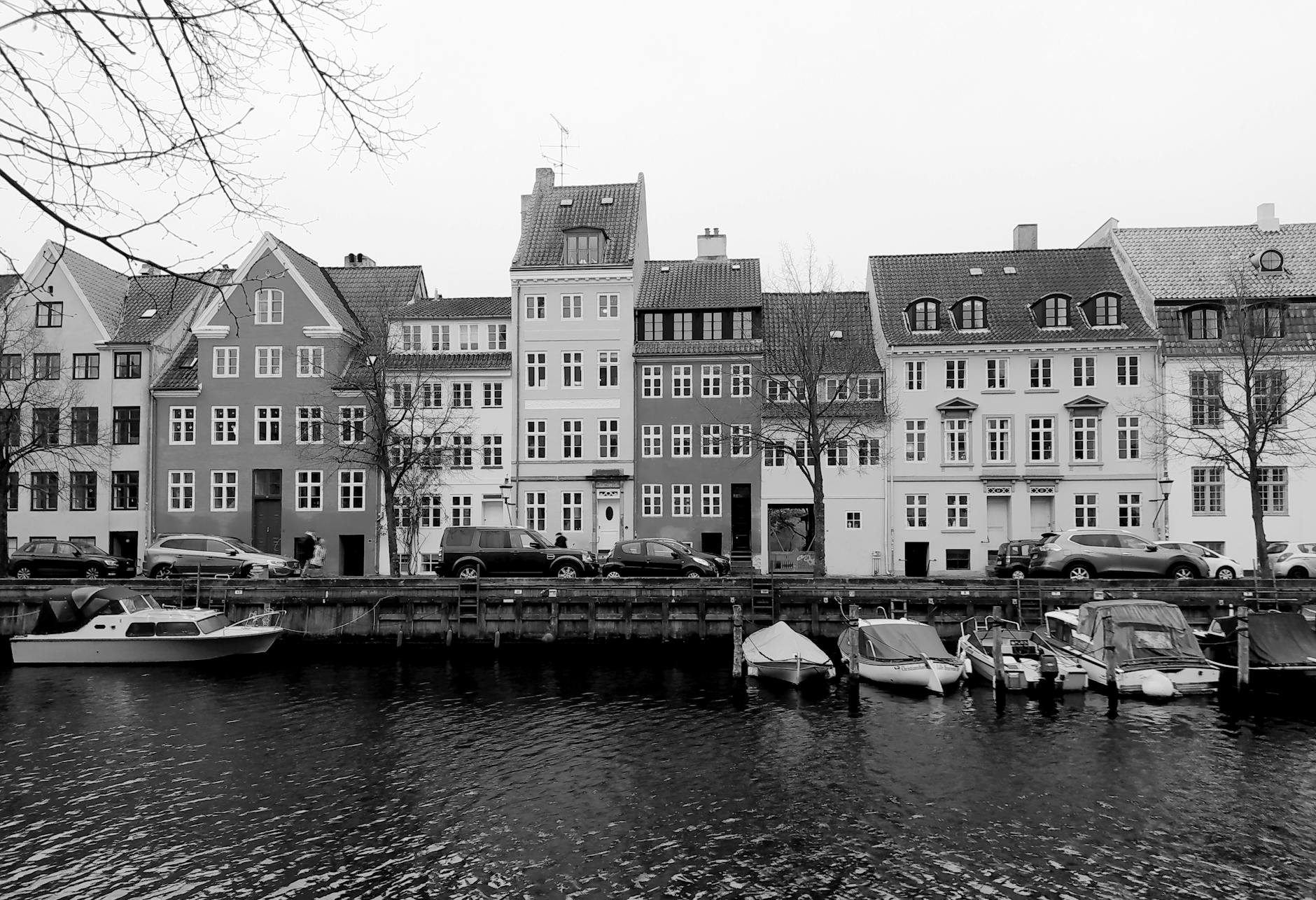
Best Time to Visit Copenhagen
The Short Answer
The best overall months are May, June, August, and September. These months usually offer the best mix of daylight, outdoor life, cycling, harbor walks, day trips, and manageable crowds.
The most atmospheric non-summer period is December, when Tivoli, Christmas lights, markets, candles, hot drinks, and winter dining make the cold feel purposeful.
The hardest months for most visitors are January and February, when daylight is limited, wind can be sharp, and some seasonal pleasures are missing. They can still be excellent for museums, restaurants, saunas, and lower crowds.
Spring: March to May
Spring is a slow awakening. March can still feel wintery. April improves but can be unpredictable. May is one of the city’s best months: bright, increasingly green, not yet peak summer, and excellent for walking, cycling, parks, and day trips.
Best for: first-timers, museum-plus-walking trips, lower shoulder-season prices, gardens, and bakery/café travel.
Watch for: cool wind, rain, and seasonal openings that may not be fully underway before late spring.
Summer: June to August
Summer is Copenhagen’s glory period. Days are long, the harbor becomes a public living room, bikes dominate, cafés spill outward, food markets feel alive, and the city’s relationship with water makes emotional sense. July can be busier and more expensive, but Copenhagen rarely feels as crushed as Europe’s southern tourist capitals.
Best for: harbor swimming, outdoor dining, parks, beaches, cycling, families, festivals, and day trips.
Watch for: high hotel prices, busy Tivoli and Nyhavn, restaurant reservations, and the possibility of rain even in summer.
Autumn: September to November
September is often excellent: still lively, cooler, less crowded than high summer, and strong for restaurants and museums. October can be beautiful but moodier. November is darker and quieter, best for design, food, museums, and early Christmas buildup.
Best for: adults, food trips, design trips, photography, lower crowds, and travelers who like atmosphere more than heat.
Watch for: shorter days, wind, rain, and fewer outdoor/harbor pleasures.
Winter: December to February
December is festive. Tivoli’s Christmas season, candles, markets, gløgg, æbleskiver, and lit streets give the city a story. January and February are harder sells but can be rewarding if you want low crowds, museums, saunas, restaurants, and the honest northern-city experience.
Best for: Christmas trips, cozy hotels, museums, restaurants, saunas, and travelers who do not need long daylight.
Watch for: short days, cold wind, damp weather, some closures, and the need for better footwear than you think.
Month-by-Month Snapshot
| Month | Verdict |
|---|---|
| January | Quiet, cold, dark, and best for museums, saunas, restaurants, and hotel deals. Not ideal for first-timers who want the full outdoor city. |
| February | Similar to January but with slightly more light. Good for low crowds; still winter. |
| March | Transitional. Can be gray, but prices and crowds are reasonable. Good for culture-heavy trips. |
| April | Improving weather and spring energy. Check Tivoli and attraction seasonal calendars. |
| May | One of the best months: fresh, bright, active, and not yet peak summer. |
| June | Excellent. Long days, outdoor life, and strong city rhythm. Book hotels and restaurants ahead. |
| July | Beautiful and lively but more expensive and tourist-heavy. Good for families and swimming. |
| August | Excellent, often slightly less frantic than July, with strong outdoor and food energy. |
| September | One of the best months: cooler, stylish, good for restaurants, walking, and day trips. |
| October | Atmospheric, autumnal, and good for Tivoli Halloween, museums, and food. Weather is less reliable. |
| November | Dark and quieter. Better for repeat visitors, design, dining, and winter mood. |
| December | Festive, cold, and charming. Strong for lights, Tivoli Christmas, markets, and hygge. |
The Move
For a first visit, choose May, June, August, or September unless you specifically want Christmas. Copenhagen’s best version is not just indoors. It is the way indoor design, outdoor water, bicycle movement, and café life connect.
How Many Days You Need
One Day
One day is enough for a taste, especially if you are arriving by cruise or on a longer Scandinavia itinerary. Do not try to “do Copenhagen.” Choose a tight route: Central Station/Tivoli exterior, City Hall Square, Strøget detours, Round Tower, Nyhavn, Amalienborg, and a canal or harbor-bus ride. Finish with either Tivoli evening or dinner in Vesterbro/Nørrebro.
Cut: the Little Mermaid unless you are already walking through Kastellet.
Two Days
Two days is the minimum satisfying first visit. Do one historic/royal/water day and one neighborhood/food/design day. Add Tivoli in the evening and choose either a canal tour, one major museum, or Christianshavn.
Best for: weekend visitors, city-break couples, cruise add-ons, and first-timers with limited time.
Three Days
Three full days is the ideal first visit. You can cover the center, Nyhavn, Amalienborg, Christianshavn, Christiania, Tivoli, one or two museums, Nørrebro or Vesterbro, and a proper food rhythm without feeling frantic.
Best for: most first-time visitors.
Four to Five Days
This is where Copenhagen opens up. Add Louisiana, Kronborg, Frederiksborg, Roskilde, Dragør, Dyrehaven, Amager Beach, more restaurants, more design, harbor swimming, or a sauna. The city becomes less like a weekend break and more like a lifestyle study.
Best for: food/design travelers, families, second-time visitors, and travelers using Copenhagen as a regional base.
One Week
A week is not too long if you enjoy slow cities. You can mix Copenhagen with North Zealand, Roskilde, Malmö, beaches, museums, bike rides, saunas, and neighborhood eating. It is too long only if you want a new blockbuster attraction every day.
Best for: slow travel, remote-work add-ons, deep food/design trips, and families.
Where to Stay in Copenhagen
The Short Answer
For a first visit, stay in Indre By if you want convenience, Vesterbro if you want restaurants and nightlife near Central Station, Christianshavn if you want canals and atmosphere, Nørrebro if you want food and local energy, Frederiksberg if you want quiet polish, and Nordhavn if you want modern waterfront hotels and do not mind relying on Metro or bikes.
Neighborhood Decision Tree
| Traveler Type | Best Area |
|---|---|
| First-timer who wants convenience | Indre By or around Copenhagen Central Station |
| Food lover | Vesterbro, Nørrebro, or Christianshavn/Refshaleøen access |
| Design and shopping traveler | Indre By, Frederiksstaden, Frederiksberg, or Nørrebro |
| Couple | Christianshavn, Indre By side streets, Frederiksberg, or Vesterbro boutique hotels |
| Family | Frederiksberg, Indre By near transit, Østerbro, or quieter Vesterbro streets |
| Nightlife traveler | Vesterbro, Meatpacking District, or Nørrebro |
| Budget traveler | Vesterbro hostels/hotels, Nørrebro, Amager, or well-connected outer areas |
| Luxury traveler | Indre By, Nyhavn/Kongens Nytorv, waterfront hotels, or Frederiksstaden |
| Airport convenience | Near a Metro line, especially Kongens Nytorv, Nørreport, Christianshavn, or Amager |
| Day-trip focused | Near Copenhagen Central Station or Nørreport |
| Mobility-conscious traveler | Central areas near Metro/elevators; avoid old walk-up hotels and cobbled backstreets if that is an issue |
Indre By: Best for First-Time Convenience
Vibe: historic, central, busy, walkable, touristy in parts, practical.
Indre By is the easiest base for a first trip. You can walk to Strøget, the Round Tower, Rosenborg, Torvehallerne, Nyhavn, Tivoli, City Hall, and multiple transit hubs. The area includes both crowded shopping streets and quiet old lanes, so the exact hotel location matters.
Why stay here: maximum convenience, minimal friction, great for short stays.
Why not: prices can be high, some streets feel tourist-heavy, and budget hotels can be cramped.
Perfect day nearby: coffee and pastry, Rosenborg or Round Tower, lunch at Torvehallerne, Nyhavn walk, harbor bus, dinner in a side-street restaurant.
Vesterbro: Best for Restaurants, Nightlife, and Central Station
Vibe: former red-light district turned restaurant/bar/hotel zone; lively, adult, practical, increasingly polished.
Vesterbro is one of the best bases if you want food and nightlife without giving up logistics. You are near Copenhagen Central Station, Tivoli, Meatpacking District restaurants, bars, and plenty of hotels. Some streets are slick; others still show the area’s rougher past.
Why stay here: great restaurants, nightlife, train access, and strong city-break energy.
Why not: not as postcard-pretty as Christianshavn or the old center; some late-night areas are noisy.
Perfect day nearby: bakery breakfast, train or walk to museums, afternoon rest, dinner in Kødbyen, drinks in Vesterbro, Tivoli lights on the way back.
Christianshavn: Best for Canals and Atmosphere
Vibe: maritime, canal-laced, historic, residential, atmospheric, close to Christiania and the harbor.
Christianshavn feels like Copenhagen’s gentler, canal-side alter ego. It is close to the old center but moodier and more residential. It works especially well for couples, walkers, and visitors who want mornings by the water.
Why stay here: beautiful canals, easy Metro, good walking, strong atmosphere.
Why not: fewer hotel options, some places are expensive, and it is quieter at night than Vesterbro/Nørrebro.
Perfect day nearby: coffee by the canal, Church of Our Saviour, Christiania walk, harbor bus to Refshaleøen, dinner back in Christianshavn.
Nørrebro: Best for Food, Bars, and Local Energy
Vibe: multicultural, creative, young, food-forward, less polished, more local.
Nørrebro is where many visitors find the version of Copenhagen they were hoping for but did not know how to name: bakeries, wine bars, small shops, parks, Middle Eastern food, natural wine, vintage, ceramics, Assistens Cemetery, Superkilen, and an everyday urban rhythm outside the royal core.
Why stay here: great food, local nightlife, shops, and personality.
Why not: less convenient for classic sights; choose your exact location carefully for transit.
Perfect day nearby: coffee on Jægersborggade, Assistens Cemetery, lunch or shopping, Superkilen, dinner and drinks around Nørrebrogade or side streets.
Frederiksberg: Best for Quiet Comfort
Vibe: green, affluent, residential, polished, family-friendly.
Frederiksberg is technically its own municipality inside Copenhagen, and it feels calmer and more spacious. It is excellent for families, travelers who want a refined residential base, and anyone who prefers parks and quiet streets to nightlife.
Why stay here: calm, pretty, green, good Metro, strong restaurants and cafés.
Why not: less immediate sightseeing energy; not ideal for first-timers who want to walk out into the old center.
Perfect day nearby: bakery breakfast, Frederiksberg Gardens, shopping/cafés, Metro into the center, return for a quieter dinner.
Østerbro: Best for Families and Calm
Vibe: residential, green, orderly, family-friendly, close to parks and the northern harbor.
Østerbro is ideal if you want sleep, space, and a local-feeling base. It is less exciting than Nørrebro and Vesterbro, but very easy to live in for a few days.
Why stay here: calm, parks, families, good transit, less touristy.
Why not: fewer headline attractions and less night energy.
Nordhavn: Best for Modern Waterfront Copenhagen
Vibe: new, architectural, waterfront, planned, clean, modern.
Nordhavn shows Copenhagen’s future-facing side: harbor baths, new housing, design hotels, cafés, and Metro connections. It is not the best first base for everyone, but it works for travelers who like architecture, water, and newer neighborhoods.
Why stay here: modern hotels, waterfront walks, Metro, swimming in season.
Why not: less historic atmosphere; dining and nightlife are still more limited than central districts.
Common Hotel Mistakes
- Booking a cheap hotel far from Metro or S-train access.
- Assuming “near the Little Mermaid” is a useful base. It usually is not.
- Staying near the airport to save money unless you have a very early flight.
- Choosing Nyhavn for the view without accepting crowds, noise, and high prices.
- Ignoring whether an older hotel has air conditioning in summer.
- Forgetting that Copenhagen hotel rooms can be small by North American standards.
- Booking an apartment without understanding short-term rental rules, check-in logistics, stairs, or neighborhood context.
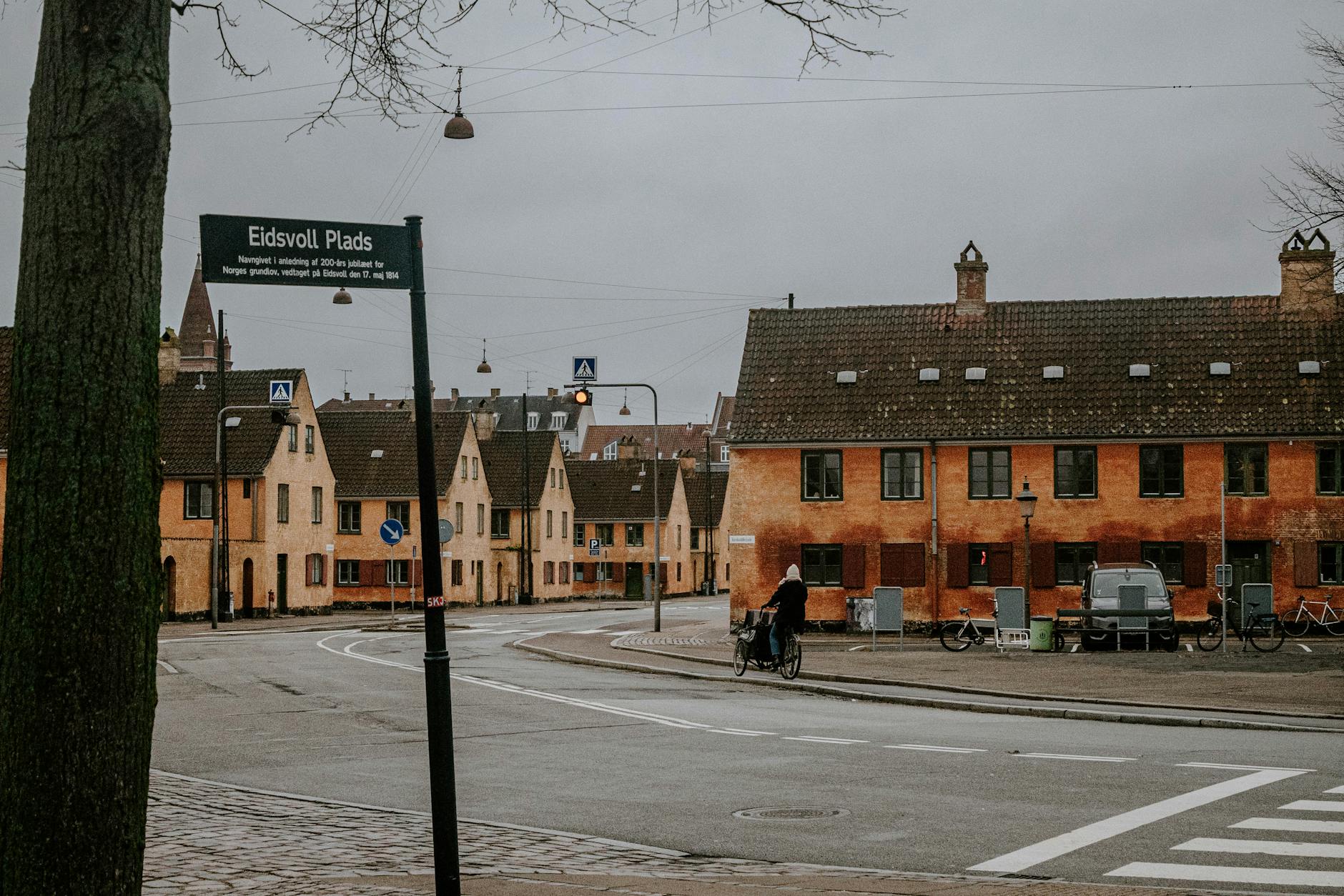
Neighborhood Guide
Indre By and the Old Center
This is the tourist core, but it is not only for tourists. The old city contains the Round Tower, Strøget, old university lanes, churches, squares, Rosenborg nearby, Torvehallerne, and enough cafés, shops, and side streets to reward wandering.
Best time: morning before shopping crowds, or late afternoon after museum hours.
Do: Round Tower, Rosenborg, King’s Garden, Torvehallerne, old lanes around Gråbrødretorv, Højbro Plads, and quiet detours off Strøget.
Skip: walking the full length of Strøget as if it is the main attraction. The side streets are often better.
One perfect walk: Start at Nørreport, get coffee and pastry, visit Rosenborg or the Botanical Garden, climb the Round Tower, detour through the old university quarter, pass Højbro Plads, end at Nyhavn or Kongens Nytorv.
Nyhavn, Frederiksstaden, and the Royal Harborfront
Nyhavn is famous because it looks like a child was asked to color a canal. It is also crowded and restaurant-trappy. Treat it as a scene, not a meal plan.
Beyond Nyhavn, the area opens into royal Copenhagen: Amalienborg, the Marble Church, Designmuseum Danmark, Kastellet, the waterfront, the Opera House views, and eventually the Little Mermaid.
Best time: early morning for photos, evening for atmosphere, midday only if you accept crowds.
Do: Nyhavn stroll, Amalienborg square, Marble Church, Designmuseum, Kastellet, harborfront walk, Royal Danish Playhouse area.
Skip: a full expensive tourist meal on Nyhavn unless the setting matters more than value.
One perfect walk: Start at Kongens Nytorv, walk Nyhavn, cross to Amalienborg, look into the Marble Church, continue to Designmuseum or Kastellet, then decide whether the Little Mermaid is worth the extra walk.
Christianshavn and Christiania
Christianshavn is one of Copenhagen’s most atmospheric neighborhoods: canals, bridges, houseboats, old merchant architecture, and the Church of Our Saviour’s twisting spire. Christiania adds another layer: counterculture, community, music, workshops, cafés, green spaces, and a complex relationship with city authorities and tourism.
Best time: late morning to afternoon; early evening for canals and food.
Do: Church of Our Saviour, Christianshavn canals, Christiania respectfully, ramparts, harbor bus, Refshaleøen if weather is good.
Skip: treating Christiania as a drug-tourism spectacle. That era has changed, and that attitude was never good travel.
One perfect walk: Start at Christianshavn Metro, climb Church of Our Saviour if weather is clear, walk canals, enter Christiania respectfully, continue to the ramparts, then take the harbor bus or walk toward Refshaleøen.
Vesterbro and Kødbyen
Vesterbro is Copenhagen’s best base for people who want dinner and drinks to be part of the trip. Kødbyen, the Meatpacking District, mixes industrial buildings with restaurants, bars, galleries, and nightlife. Istedgade still carries traces of older Copenhagen, while other streets have become stylish and expensive.
Best time: evening; late morning for brunch and cafés.
Do: Meatpacking District dinner, Sønder Boulevard, Enghave Plads, cafés, bars, design shops, Tivoli nearby.
Skip: assuming every Vesterbro street is picturesque. Come for the energy, food, and city texture.
One perfect walk: Start at Central Station, walk through the hotel/old red-light edges into Vesterbro, pause on Sønder Boulevard, eat in Kødbyen, then end at Tivoli or a bar.
Nørrebro
Nørrebro is one of Copenhagen’s most rewarding neighborhoods for repeat visitors and one of the best places to add texture to a first trip. It is multicultural, youthful, politically expressive, food-rich, and less polished than the center. It has some of the city’s best bakeries, wine bars, vintage shops, falafel, shawarma, ramen, natural wine, coffee, and small design retailers.
Best time: afternoon into evening.
Do: Assistens Cemetery, Jægersborggade, Superkilen, Queen Louise’s Bridge, bakeries, bars, local shops.
Skip: rushing through only for Superkilen. The neighborhood is better as a wander-and-eat area.
One perfect walk: Start at Nørreport or the lakes, cross Queen Louise’s Bridge, walk Assistens Cemetery, explore Jægersborggade, continue toward Superkilen, finish with dinner or drinks.
Frederiksberg
Frederiksberg is calmer, greener, and more residential. It is good for parks, families, smart restaurants, cafés, and a break from the dense center. Frederiksberg Gardens and the surrounding streets offer one of the city’s most pleasant slower afternoons.
Best time: morning or afternoon in good weather.
Do: Frederiksberg Gardens, cafés, shopping, Copenhagen Zoo if with children, Metro back to the center.
Skip: making it a priority if you only have one day and want classic Copenhagen.
Nordhavn and Østerbro
Østerbro is family-friendly and residential; Nordhavn is Copenhagen’s new waterfront face. Together they show a quieter, more local, more contemporary side of the city. Nordhavn is especially interesting for architecture and harbor swimming.
Best time: summer afternoon or clear-weather morning.
Do: waterfront walks, harbor baths, cafés, architecture, Fælledparken, Østerbro streets, Svanemølle or Nordhavn areas.
Skip: expecting old-town charm. This is livability and urban planning, not medieval atmosphere.
Refshaleøen
Refshaleøen is a former industrial area turned food, culture, event, and waterfront zone. It is home to Reffen street food market, creative spaces, restaurants, bars, and views back toward the city. It is best in good weather and weaker in cold rain.
Best time: late afternoon into evening in spring/summer.
Do: Reffen, harbor bus, waterfront sunset, food stalls, events, nearby restaurants if booked.
Skip: going in bad weather just because someone told you it is cool.
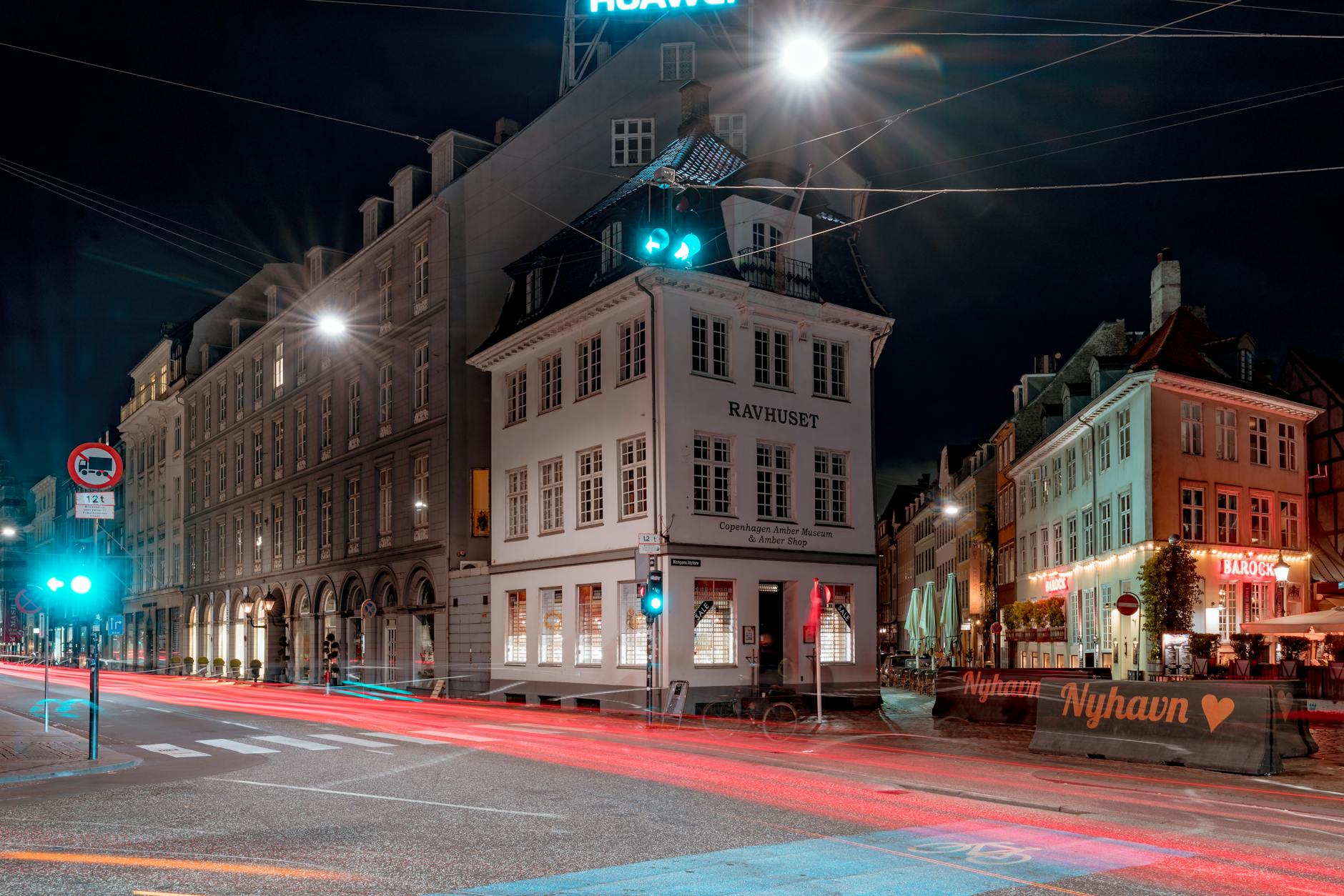
Best Things to Do
1. See Nyhavn, But Do Not Stop There
Nyhavn is worth seeing. The colorful houses, boats, and canal make a perfect first impression. But it is a short scene, not a full plan.
Time needed: 20–45 minutes unless you add a canal tour.
Best time: early morning for photos, evening for glow.
Worth it? Yes, but not as a restaurant destination.
Pair it with: Kongens Nytorv, Amalienborg, a canal tour, or the harborfront.
2. Take a Canal Tour or Harbor Bus
Copenhagen reads beautifully from the water. A classic canal tour gives commentary and easy views of the harbor, Christianshavn, the Opera House, and modern waterfronts. The harbor bus gives a cheaper, more local version using public transport.
Time needed: 1 hour for a canal tour; variable for harbor bus.
Best time: early in the trip for orientation.
Worth it? Very. This is one of the best first-day moves.
3. Visit Tivoli Gardens at Night
Tivoli is not just an amusement park. It is a historic garden, performance venue, restaurant cluster, family playground, nostalgia machine, and light installation in the middle of the city. It is best when the lights are on.
Time needed: 2–4 hours.
Best time: late afternoon into evening.
Book ahead? Check dates, hours, event nights, and ticket types. Entrance and rides are separate unless you buy a package.
Worth it? Yes for most first-timers, especially at night or during Christmas/Halloween. Less essential if you dislike amusement parks and crowds.
4. Climb the Round Tower
The Round Tower is central, charming, and not too demanding. The spiral ramp and city view make it one of the best low-effort attractions in the old center.
Time needed: 45–75 minutes.
Best time: morning or clear late afternoon.
Worth it? Yes. It is not the city’s biggest view, but it is one of the easiest.
Check: restoration or top-deck closures before going.
5. Visit Rosenborg Castle and the Crown Jewels
Rosenborg is the best royal interior for many first-time visitors because it is compact, central, and includes the crown jewels. The surrounding King’s Garden adds breathing room.
Time needed: 1.5–2 hours.
Best time: morning, especially in busy periods.
Worth it? Yes if you want royal history. Skippable if you dislike palace interiors.
Common mistake: assuming entry with a card means no timing friction. Arrive early and check the ticket process.
6. Walk Amalienborg, the Marble Church, and Frederiksstaden
Amalienborg is more about urban composition than interior spectacle: four palace façades around an octagonal square, the Marble Church axis, guards, and the harbor nearby. It is one of Copenhagen’s clearest royal-planning moments.
Time needed: 45 minutes outside; longer with museum/church visits.
Worth it? Yes as part of a walk.
7. Climb Church of Our Saviour
The corkscrew spire in Christianshavn is one of Copenhagen’s most memorable viewpoints. It is not ideal for people with severe fear of heights or mobility issues.
Time needed: 45–75 minutes.
Best time: clear weather.
Worth it? Very, if you like views and can handle stairs/heights.
8. Visit Christiania Respectfully
Christiania is often described too simply: hippie commune, alternative enclave, tourist curiosity. It is a living community with a complicated history, real residents, cultural spaces, cafés, workshops, and changing rules. Since the dismantling of Pusher Street’s open cannabis market, the area’s visitor experience has shifted. That is a good reason to be current and respectful.
Time needed: 1–2 hours.
Best time: daytime.
Worth it? Yes if you are interested in urban counterculture and community history. Skip if you only want spectacle.
Rule: follow posted signs, do not buy drugs, do not photograph residents closely without permission, and do not treat private homes as scenery.
9. Eat Your Way Through Nørrebro
Nørrebro is where Copenhagen feels most alive to many food-curious visitors. You can build an entire afternoon around bakeries, coffee, falafel, shawarma, wine bars, ramen, natural wine, small shops, and Assistens Cemetery.
Time needed: 3–5 hours.
Best time: afternoon into evening.
Worth it? Essential if you want local texture.
10. Visit the National Museum of Denmark
This is the broadest history museum in the city and a strong rainy-day anchor. It is especially useful for understanding Vikings, Danish identity, global collections, and family-friendly history.
Time needed: 2–3 hours.
Best for: first-timers, families, history lovers.
Worth it? Yes, especially in poor weather.
11. Choose a Design or Architecture Museum
Copenhagen deserves at least one design/architecture stop. Designmuseum Danmark explains Danish design heritage. Danish Architecture Center, in BLOX, focuses more on architecture, cities, and urban futures. Both are very Copenhagen in spirit.
Time needed: 1.5–2 hours each.
Best for: design travelers, architecture fans, thoughtful city lovers.
Worth it? Yes. One of these often says more about Copenhagen than another palace does.
12. Swim, Sauna, or Walk the Harbor
In warm months, harbor baths are one of Copenhagen’s signature pleasures. Even if you do not swim, walking Islands Brygge, Kalvebod Brygge, Nordhavn, or Amager Beach helps you understand how much the city has invested in public water.
Time needed: 1–3 hours.
Best time: summer afternoon or sunset.
Worth it? Essential in summer. In winter, consider a sauna or cold-plunge experience if that appeals.
13. Go to Louisiana Museum of Modern Art
Louisiana is one of the great museum day trips in Europe: modern art, sculpture gardens, seaside views, and a manageable train journey from Copenhagen. It is not just “a museum near the city.” It is a whole atmosphere.
Time needed: half day.
Best time: weekday, especially when open late.
Worth it? Absolutely for art, architecture, and landscape lovers.
14. See Kronborg, Frederiksborg, or Roskilde
Copenhagen is an excellent base for castles and Viking/royal history. Kronborg gives you Hamlet and the Øresund. Frederiksborg gives you Renaissance drama and gardens. Roskilde gives you cathedral monarchy and Viking ships.
Time needed: half to full day.
Worth it? Yes, but choose based on interest. Do not do all three unless you have time or a guided grand tour.
15. Use Bakeries as Attractions
Copenhagen bakeries are not filler. They are a core part of the trip. Cardamom buns, tebirkes, kanelsnegle, rye bread, sourdough, butter, cheese, and strong coffee can shape the day.
Time needed: every morning.
Worth it? Non-negotiable.
Copenhagen Itineraries
One Perfect Day in Copenhagen
Morning: Start near Nørreport with coffee and pastry. Visit Rosenborg Castle or King’s Garden, then climb the Round Tower.
Lunch: Eat at Torvehallerne or a smørrebrød restaurant.
Afternoon: Walk through the old center to Kongens Nytorv and Nyhavn. Take a canal tour or harbor bus. Continue to Amalienborg and the Marble Church.
Evening: Choose Tivoli for lights and atmosphere, or dinner in Vesterbro/Nørrebro if food matters more than amusement-park nostalgia.
Cut if tired: the Little Mermaid.
Rain plan: National Museum, Designmuseum Danmark, DAC, or Glyptotek.
Two Days in Copenhagen
Day 1: Old Center, Royal Harbor, and Tivoli
Morning at Rosenborg and Round Tower. Lunch at Torvehallerne. Afternoon at Nyhavn, Amalienborg, Designmuseum or Kastellet. Evening at Tivoli.
Day 2: Christianshavn, Christiania, and Neighborhood Copenhagen
Morning in Christianshavn with Church of Our Saviour. Walk Christiania respectfully. Take the harbor bus to Refshaleøen or back toward the center. Afternoon in Nørrebro: Assistens Cemetery, Jægersborggade, Superkilen. Dinner in Nørrebro or Vesterbro.
Three Days in Copenhagen
Day 1: Classic Copenhagen
Old center, Rosenborg, Round Tower, Torvehallerne, Nyhavn, Amalienborg, Tivoli evening.
Day 2: Water, Design, and Christianshavn
Canal tour or harbor bus, Christianshavn, Church of Our Saviour, Christiania, Danish Architecture Center or Designmuseum, dinner near the harbor or in Vesterbro.
Day 3: Nørrebro, Frederiksberg, and Food
Bakery morning, Assistens Cemetery, Nørrebro shops/food, Frederiksberg Gardens or SMK/Glyptotek depending on weather, then a proper dinner reservation.
Four or Five Days in Copenhagen
Add one or two of the following:
- Louisiana Museum of Modern Art for art, architecture, and sea views.
- Kronborg and Helsingør for Hamlet, maritime history, and a coastal town.
- Frederiksborg Castle for the most dramatic castle day.
- Roskilde for cathedral and Viking ships.
- Dragør and Amager Beach for a gentler coastal day.
- Malmö for a quick Sweden add-on, though it is not essential if Copenhagen is your focus.
Food Lover’s Copenhagen
Day 1: bakery breakfast, Torvehallerne lunch, smørrebrød, wine bar, Vesterbro dinner.
Day 2: Nørrebro bakeries and multicultural food, natural wine, coffee, casual dinner.
Day 3: Reffen or Broens Gadekøkken in good weather, one serious New Nordic or modern Danish meal, late-night bar.
Book ahead: high-demand restaurants, weekend dinner, and any fine-dining meal.
Family Copenhagen
Day 1: Tivoli, canal tour, playground or King’s Garden.
Day 2: National Museum, Experimentarium or Zoo depending on age, harbor bus.
Day 3: Louisiana if children like art/outdoor space, or Roskilde Viking Ship Museum in sailing season.
Family tip: Copenhagen is stroller-friendly by European standards, but cobbles, old buildings, and crowded bike lanes still require attention.
Rainy-Day Copenhagen
Do not waste a rainy day trying to force every outdoor view. Choose two strong indoor anchors and one cozy meal.
Good rainy-day combinations:
- National Museum + Glyptotek + Tivoli if the rain clears.
- Designmuseum + Amalienborg Museum + café.
- SMK + Rosenborg + Torvehallerne.
- DAC + Royal Library + Christianshavn dinner.
- Louisiana on a moody day if you do not mind wet garden walks.
The Move
Do one anchor per half-day. Copenhagen punishes less with distance than with friction: weather, bike confusion, restaurant timing, museum closures, and the temptation to stack too many “nearby” things until the day loses its softness.
Food and Drink
Copenhagen’s Food Identity
Copenhagen is one of Europe’s most important food cities, but not because every meal must be avant-garde. Its food identity is built on layers:
- Traditional Danish food: rye bread, smørrebrød, herring, pork, potatoes, fish, pickles, beer, snaps, open-faced sandwiches, pastries, and hearty seasonal cooking.
- New Nordic ambition: local ingredients, foraging, fermentation, preservation, seasonality, minimalist presentation, and high-concept restaurants.
- Bakery culture: sourdough, rye, cardamom buns, cinnamon swirls, tebirkes, morning rolls, butter, cheese, and serious coffee.
- Multicultural Copenhagen: Nørrebro in particular brings Middle Eastern, Turkish, Pakistani, Thai, Japanese, Korean, and modern global food into the city’s daily eating life.
- Natural wine and casual dining: candlelit rooms, seasonal menus, shared plates, and restaurants that feel both precise and relaxed.
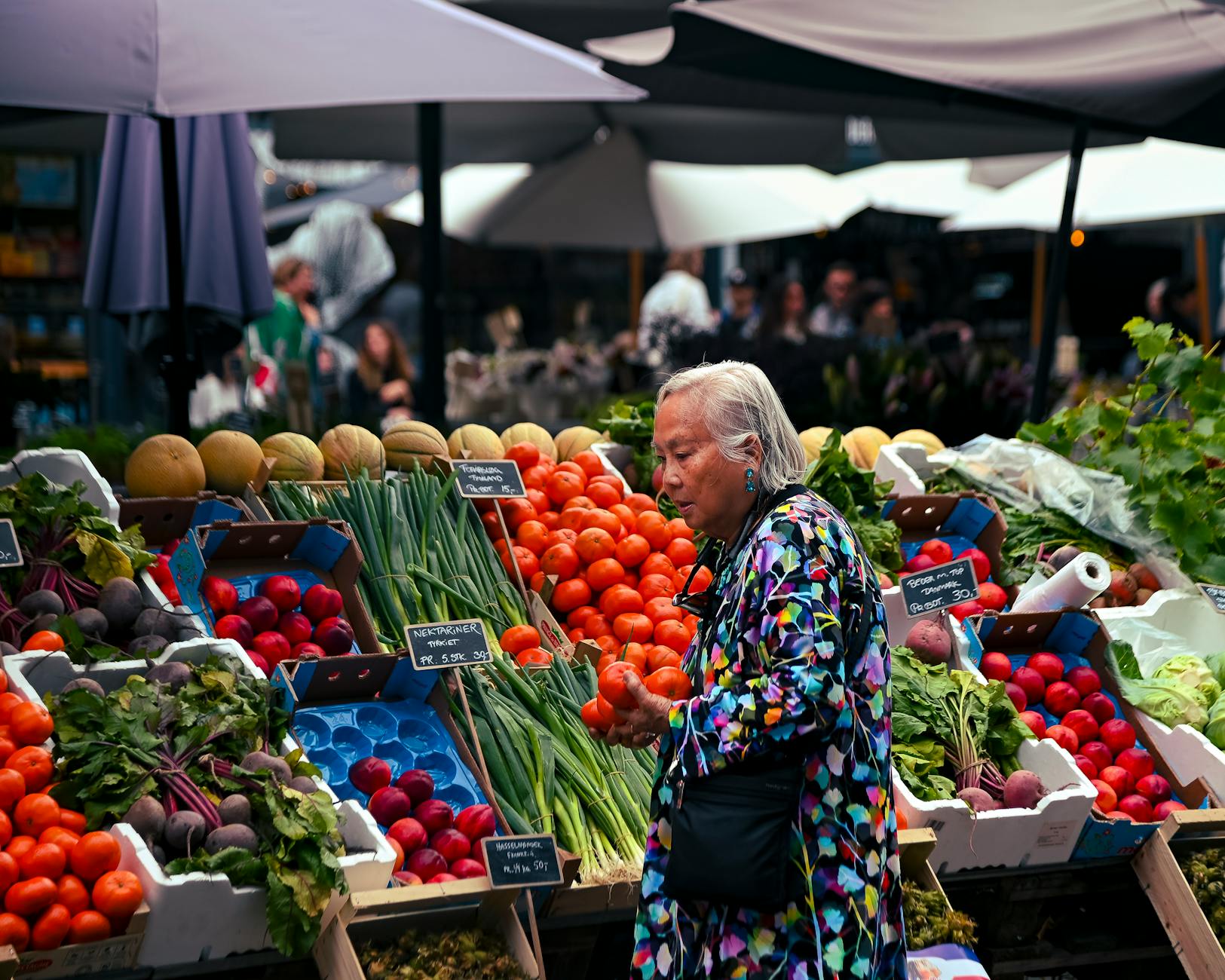
- Food halls and outdoor markets: Torvehallerne year-round; Reffen and other street-food spaces in good weather and season.
What to Eat
| Dish or Drink | What It Is | Where It Fits |
|---|---|---|
| Smørrebrød | Open-faced rye-bread sandwiches with toppings such as herring, roast beef, egg, shrimp, liver pâté, or potato. | Best as a proper lunch, ideally with beer or snaps if you drink. |
| Rugbrød | Dense Danish rye bread. | The foundation of many traditional meals. |
| Wienerbrød | Danish pastry, originally influenced by Viennese baking traditions. | Morning bakery stop. |
| Kanelsnegl | Cinnamon snail/swirl. | Bakery classic. |
| Tebirkes | Flaky pastry with poppy seeds and sweet filling. | Very Danish breakfast move. |
| BMO | Bun with cheese, usually bolle med ost. | Simple Copenhagen breakfast café staple. |
| Herring | Pickled, curried, fried, or otherwise prepared. | Traditional lunch, especially at smørrebrød places. |
| Frikadeller | Danish meatballs. | Traditional casual meal. |
| Hot dog | Danish pølser with toppings. | Street snack, late lunch, or low-cost bite. |
| New Nordic tasting menu | Seasonal, local, often inventive multi-course dining. | Splurge meal; book far ahead. |
| Natural wine | Very common in modern Copenhagen dining. | Bars and restaurants in Vesterbro, Nørrebro, Christianshavn, and the center. |
| Coffee | Serious, often light-roast, café-driven. | Morning and afternoon breaks. |
Where to Eat by Situation
Best first lunch: Torvehallerne, a classic smørrebrød restaurant, or a bakery/café if arrival timing is awkward.
Best casual food neighborhood: Nørrebro.
Best restaurant neighborhood for a first visit: Vesterbro, because it combines logistics, energy, and range.
Best atmospheric dinner area: Christianshavn or Vesterbro.
Best good-weather food scene: Reffen, Broens Gadekøkken, or harbor-adjacent places.
Best high-end planning: Geranium, Alchemist, Kadeau, Kong Hans Kælder, Jordnær, and other Michelin-listed restaurants; verify current status and book well ahead. Noma’s public restaurant model has been changing, so do not assume it functions like a normal reservation target.
Best traditional lunch move: smørrebrød with beer or snaps, eaten at lunch rather than dinner.
Best budget move: bakeries, hot dogs, falafel/shawarma in Nørrebro, grocery picnics, and lunch specials.
Restaurant Practicalities
- Book dinner ahead for popular restaurants, especially Thursday through Saturday.
- Many kitchens close earlier than visitors from Spain, Italy, Greece, or Latin America may expect.
- Tipping is not required in the same way as in the United States. Service is generally included, though rounding up or adding a small amount for excellent service is appreciated.
- Tap water may not always be automatically free in the way some travelers expect; ask politely.
- Vegetarian and vegan options are generally good, especially in modern restaurants.
- Allergy awareness is often strong, but always communicate clearly.
- Lunch can be a smarter value than dinner.
- Copenhagen is expensive enough that one excellent meal beats three careless expensive ones.
Coffee, Bakeries, and Hygge Without Cliché
“Hygge” has been marketed to death, but the underlying idea still matters: warmth, comfort, informal togetherness, candles, good light, and attention to ordinary pleasures. In Copenhagen, the practical version is a bakery morning, a café pause, a candlelit dinner, a winter sauna, a hotel lounge, or a quiet apartment meal after a day in the wind.
Do not chase hygge as a product. Let it happen when the weather is bad, the lighting is good, the coffee is hot, and no one is rushing you.
Drinks and Nightlife
Copenhagen nightlife is not Berlin, Madrid, or Bangkok. It is more controlled, more expensive, and often more design-conscious. The strongest scenes are cocktail bars, natural wine bars, beer bars, music venues, and neighborhood hangouts.
Good nightlife areas:
- Vesterbro/Kødbyen for restaurants, bars, and nightlife.
- Nørrebro for casual bars, natural wine, music, and late energy.
- Indre By for cocktail bars and central convenience.
- Christianshavn/Refshaleøen for special-destination dining and summer evenings.
Night transport is good, but budget for taxis if you stay out late and your hotel is not convenient.
Getting Around
Copenhagen Airport to the City
Copenhagen Airport is unusually close to the center. Train and Metro run from Terminal 3. Choose based on your final destination:
- Central Station/Vesterbro/Tivoli: take the train.
- Kongens Nytorv/Nyhavn/Indre By/Christianshavn/Frederiksberg: take the Metro.
- Nordhavn or cruise terminals: Metro with a transfer, usually via Kongens Nytorv.
- Families or heavy luggage: train/Metro still usually works; taxi if door-to-door matters.
A taxi to the center is usually convenient but rarely necessary. The public transport setup is good enough that most first-time visitors can handle it after a long flight.
Metro
Copenhagen’s Metro is clean, driverless, frequent, and extremely useful. It connects the airport, the center, Christianshavn, Frederiksberg, Nørrebro, Østerbro, Nordhavn, and other important districts.
Best uses: airport, cross-city movement, rainy days, late nights, and quick neighborhood transfers.
Watch for: zone rules, ticket validity, and rush-hour crowding.
S-Trains and Regional Trains
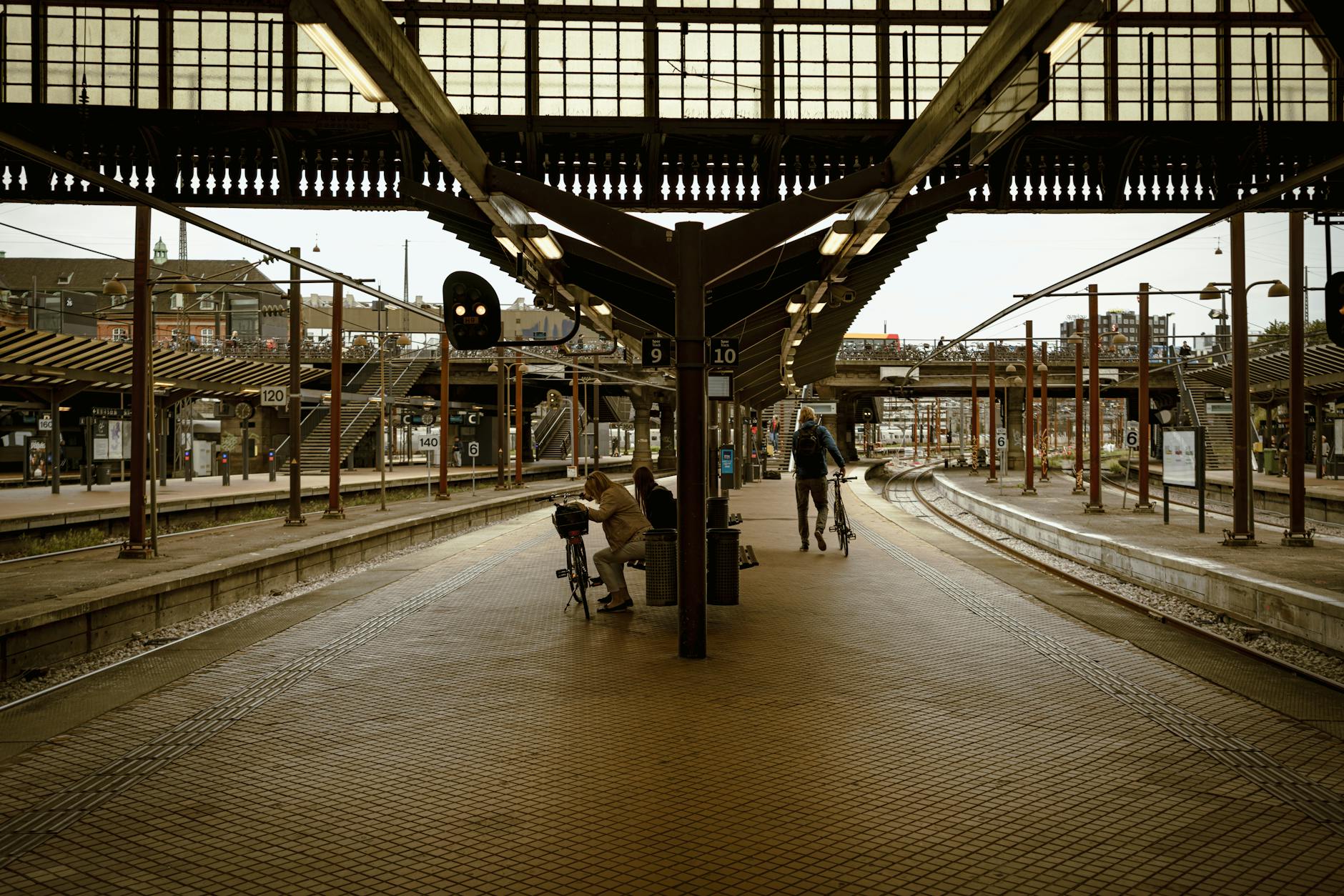
S-trains connect Copenhagen with suburbs and some day-trip approaches. Regional trains handle airport-Central, Malmö, Helsingør, Roskilde, Humlebæk/Louisiana, and wider Zealand routes.
Best uses: day trips, airport to Central, regional travel.
Watch for: platform directions and ticket zones.
Buses
Buses are useful but usually less intuitive for visitors than Metro and trains. They fill gaps, especially in neighborhoods.
Best uses: short connections not covered by Metro, local routes, and some outer neighborhoods.
Harbor Bus
The harbor bus is one of Copenhagen’s best public-transport pleasures. It uses regular public transport tickets and moves along the harbor, connecting places such as Teglholm, Islands Brygge, the Royal Library, Nyhavn-adjacent areas, Nordre Toldbod, and Refshaleøen depending on route and season/service.
Best uses: scenic public transport, Refshaleøen, harbor orientation, low-cost water views.
Worth it? Yes, especially if you already have a transit pass.
Walking
Copenhagen is excellent on foot, especially in Indre By, Christianshavn, Vesterbro, Nørrebro, and along the harbor. It is mostly flat, which helps, but weather and cobbles matter.
Wear: comfortable shoes that can handle rain.
Watch for: bike lanes. Do not stand in them while checking your phone.
Cycling
Copenhagen is one of the world’s great cycling cities, but tourists need humility. The infrastructure is excellent because locals use it seriously. Bike lanes are commuter roads, not leisure promenades.
Basic rules:
- Use bike lanes when available.
- Keep right.
- Look over your shoulder before overtaking.
- Signal clearly.
- Raise your hand before stopping.
- Dismount on sidewalks and pedestrian crossings.
- Use lights after dark.
- Avoid major rush hours if you are inexperienced.
Cycling is wonderful on calmer routes and in good weather. It is stressful if you are jet-lagged, nervous, distracted, or trying to navigate while riding. Start outside peak commute times.
Taxis and Rideshare
Taxis are reliable but expensive. Use them for late nights, luggage, mobility needs, or when splitting costs. Do not make taxis your default in central Copenhagen unless your budget is loose.
Cars
Do not rent a car for Copenhagen itself. Parking, bike traffic, one-way streets, and public transport make it unnecessary. Rent a car only for rural Denmark or a specific regional itinerary not easily served by rail.
Budget and Costs
Copenhagen is expensive, but it is not impossible. The key is to understand where money disappears.
Daily Budget Estimates
| Style | Daily Cost, Excluding Long-Haul Transport |
|---|---|
| Shoestring | DKK 600–900 if using hostels, bakeries, supermarkets, walking, and limited paid attractions. |
| Budget | DKK 900–1,400 with budget hotel/hostel private room, casual meals, transit pass, and one paid attraction per day. |
| Mid-range | DKK 1,500–2,700 with a decent hotel, bakeries/casual lunch, good dinners, transit, and several attractions. |
| Comfortable | DKK 2,700–4,500 with a strong hotel, restaurants, taxis when useful, Copenhagen Card or multiple attractions, and drinks. |
| Luxury | DKK 5,000+ with high-end hotels, fine dining, taxis, private guides, and premium experiences. |
What Is Surprisingly Expensive
- Hotels.
- Casual restaurant dinners.
- Alcohol.
- Taxis.
- Coffee and pastries if repeated several times daily.
- Attraction stacking without a pass.
- Last-minute summer rooms.
- Airport taxis when transit would have worked.
What Is Good Value
- Public transport compared with taxis.
- City Passes if you use transit often.
- Copenhagen Card Discover if you visit many included attractions and regional sites.
- Bakeries for breakfast.
- Food halls for variety and flexibility.
- Free walks, parks, harbor spaces, beaches, and viewpoints.
- The harbor bus as a scenic ride.
- Day trips by train, especially if covered by a pass/card.
Splurge-Worthy
- One excellent dinner.
- A well-located hotel.
- A canal tour early in the trip.
- Tivoli at night or during a seasonal event.
- Louisiana day trip if you love art.
- A sauna/swim experience in winter or shoulder season.
- Good rain gear and shoes if you did not bring them.
Usually Not Worth It
- A taxi from the airport for travelers staying near train/Metro stops.
- A full meal on Nyhavn unless you knowingly choose scenery over value.
- The Little Mermaid as a standalone expedition.
- A Copenhagen Card if you plan mostly free walks and restaurants.
- Renting a car for the city.
- Hop-on hop-off buses if you are comfortable with normal public transport.
Safety, Health, and Scams
General Safety
Copenhagen is one of Europe’s easier capitals for visitors. Violent crime is low, streets feel orderly, and public transport is generally safe. That does not mean nothing happens. Petty theft exists, especially in crowded areas, hotel lobbies, public transport, tourist zones, and around major stations.
Pay extra attention around:
- Copenhagen Central Station.
- Nørreport.
- City Hall Square.
- Strøget.
- Nyhavn.
- Crowded buses/trains/Metro platforms.
- Tourist restaurants and hotel lobbies.
- Airport luggage areas.
Christiania Safety
Christiania has changed, and the old Pusher Street drug-market framing is outdated. Still, it is a living community with rules and sensitivities. Visit during the day, follow signs, avoid drug activity, respect privacy, and do not treat the area like a spectacle. If a place feels tense, leave calmly.
Bike Safety
The most likely “Copenhagen accident” for many visitors is not crime. It is a bike-lane mistake. Look both ways before crossing bike lanes, do not step into them while photographing, and do not cycle unless you understand the rhythm.
Health Practicalities
- Tap water is safe.
- Pharmacies are reliable but may have shorter hours than expected outside central areas.
- Travel insurance is wise, especially for non-EU visitors.
- Weather can be windy and damp; hypothermia is not a normal city concern, but being underdressed can ruin a day.
- Harbor swimming should be done only in designated areas and under posted conditions.
Emergency Numbers
- 112: life-threatening emergencies, police, ambulance, fire.
- 114: non-emergency police.
- 1813: urgent medical advice and non-life-threatening sudden illness or injury in the Copenhagen region.
Accessibility and Mobility
Copenhagen is comparatively accessible for a historic European capital, but it is not friction-free.
Strengths
- Modern Metro stations generally have elevators and step-free design.
- Many newer museums, hotels, restaurants, waterfront areas, and public spaces are accessible.
- The city is mostly flat.
- Public transport is integrated and relatively clear.
- Major cultural institutions often provide accessibility information.
Challenges
- Old buildings may have stairs, small elevators, heavy doors, or uneven floors.
- Historic streets can have cobbles.
- Some canal boats and harbor experiences may have limited accessibility.
- Bike lanes add a crossing hazard for travelers with visual, mobility, or cognitive considerations.
- Older boutique hotels are not automatically accessible.
- Church towers, spires, and historic viewpoints may be impossible for mobility-limited visitors.
Best Areas for Mobility-Conscious Travelers
Indre By near major transit, Kongens Nytorv, Nørreport, Central Station, and newer waterfront/Metro-connected zones are usually easier than staying deep in old residential streets. Always confirm hotel elevator dimensions, step-free entrance, bathroom layout, and distance from transit.
Accessible Itinerary Idea
Use Metro and short walks around Kongens Nytorv, Nyhavn, Amalienborg exterior, Designmuseum, National Museum, DAC, Royal Library area, and selected waterfront routes. Skip tower climbs and treat cobbled streets as optional detours rather than required routes.
Families, Solo Travelers, LGBTQ+ Travelers, and Special Considerations
Families with Kids
Copenhagen is excellent with children: clean transport, parks, playgrounds, Tivoli, harbor spaces, museums, Zoo, Experimentarium, canal tours, and manageable distances.
Good family picks:
- Tivoli Gardens.
- National Museum.
- Copenhagen Zoo.
- Experimentarium.
- Canal tour.
- King’s Garden.
- Frederiksberg Gardens.
- Roskilde Viking Ship Museum.
- Louisiana if your children handle art museums with outdoor space.
- Harbor baths and beaches in season.
Family cautions:
- Restaurants can be expensive.
- Dinner times may need booking.
- Bike lanes require constant attention with small children.
- Tivoli rides require separate ticket planning.
- Winter days are short; schedule rest breaks.
Solo Travelers
Copenhagen is easy for solo travelers. It is safe, walkable, and full of cafés, bakeries, museums, and bars where being alone does not feel awkward. The cost of lodging is the main challenge.
Best solo moves:
- Stay centrally or in Vesterbro/Nørrebro.
- Use bakeries and food halls.
- Join a food, bike, architecture, or canal tour.
- Eat at counters or casual restaurants.
- Prioritize daylight walking in winter.
LGBTQ+ Travelers
Copenhagen is generally welcoming and has a visible LGBTQ+ history and scene. As always, individual experiences vary, but Denmark is socially liberal by global standards. LGBTQ+ visitors will usually find the city comfortable, especially in central neighborhoods.
Older Travelers
Copenhagen is manageable because it is flat and transit is good. The main issues are weather, cobbles, cycling crossings, restaurant noise, and tower/stair attractions. Stay near Metro and plan fewer, better activities.
Remote Workers
Copenhagen is excellent for remote work if your budget allows it. Wi-Fi is good, cafés are plentiful, and the city is calm. The challenge is cost and the fact that many small cafés do not want laptops occupying tables all day. Use coworking spaces for serious work.
Shopping and Souvenirs
Copenhagen shopping is excellent if you like design, home goods, ceramics, fashion, lighting, paper goods, food, and understated quality.
What to Buy
- Danish design objects.
- Ceramics.
- Lighting or small lamp-related pieces, if portable.
- Textiles.
- Posters and prints.
- Children’s design and toys.
- Food gifts: chocolate, licorice, coffee, preserves, rye crackers, specialty sea salt, and packaged sweets.
- Vintage design, if you know what you are doing.
- Danish fashion basics.
Best Shopping Areas
- Strøget and side streets: big brands, design shops, department stores, tourist shopping.
- Nørrebro: independent shops, vintage, ceramics, food, small brands.
- Vesterbro: design, clothing, wine, specialty shops.
- Frederiksberg: polished local shopping.
- Torvehallerne: edible gifts and gourmet goods.
- Designmuseum shop and museum shops: curated design souvenirs.
What Not to Buy
- Generic Viking helmets. Historically silly and tourist-shop tired.
- Cheap Little Mermaid trinkets unless you truly want them.
- Fragile ceramics without considering luggage.
- Food products that may not clear your home customs rules.
- Anything marketed as “hygge” but made nowhere near Denmark.
Arts, Culture, History, and Context
A Very Short History for Travelers
Copenhagen began as a fishing village and trading settlement, grew into a fortified royal and commercial city, became Denmark’s political and naval center, endured fires and bombardments, expanded beyond its old ramparts, industrialized, modernized, and then spent recent decades remaking itself around design, sustainability, harbor redevelopment, and quality of urban life.
You can see that history in layers:
- Medieval and early modern Copenhagen: old streets, churches, the Round Tower, Rosenborg.
- Royal Copenhagen: Amalienborg, Christiansborg, Frederiksstaden, gardens, guards, castles.
- Naval and trading Copenhagen: Christianshavn, the harbor, Holmen, old warehouses, maritime institutions.
- Industrial Copenhagen: Vesterbro, Kødbyen, Refshaleøen, rail connections, working harbor areas.
- Modern Copenhagen: Metro, bridges, harbor baths, BLOX, Nordhavn, bike infrastructure, design culture, and public-space planning.
Museums to Choose By Interest
| Interest | Best Choices |
|---|---|
| Danish history | National Museum, Rosenborg, Christiansborg, Amalienborg Museum |
| Art | SMK, Glyptotek, Louisiana, ARKEN |
| Design | Designmuseum Danmark, Danish Architecture Center, museum shops, design stores |
| Architecture and urbanism | DAC, harbor walks, Nordhavn, bridges, Ørestad, Royal Library/BLOX area |
| Royal history | Rosenborg, Amalienborg, Christiansborg, Frederiksborg day trip |
| Maritime/Viking history | Viking Ship Museum in Roskilde, Kronborg, harbor context |
| Families | Tivoli, National Museum, Zoo, Experimentarium, Viking Ship Museum |
| Rainy day | National Museum, Glyptotek, SMK, Designmuseum, DAC |
Books, Films, and Cultural Preparation
Before visiting, consider reading or watching around these themes rather than trying to memorize a formal history:
- Danish design and architecture.
- Søren Kierkegaard and Copenhagen’s intellectual history.
- Hans Christian Andersen’s Denmark, with the caveat that the fairy-tale image is only one layer.
- New Nordic cuisine and the rise of Copenhagen restaurants.
- Nordic noir, if you want the darker media image of Denmark and Sweden.
- Urban planning and cycling culture.
- Danish monarchy and constitutional history.
Etiquette and Cultural Norms
- Be punctual for reservations and tours.
- Do not stand in bike lanes.
- Keep noise down in residential courtyards and apartment areas.
- Queue calmly.
- Do not assume small talk is required.
- Ask before photographing people closely.
- Respect sauna and swimming rules.
- Do not pressure restaurant staff for American-style customization if the menu is fixed.
- Be direct but polite.
- Learn a few Danish words, even though English works.
Seasonal and Month-by-Month Guide
Spring Planning
Spring is excellent for first-timers who want lower crowds than summer. Pack layers, waterproof shoes, and a light rain jacket. Tivoli’s exact spring/summer opening calendar matters. May is the strongest month.
Best spring activities: Rosenborg, King’s Garden, canals, Nørrebro, food halls, design museums, day trips, Tivoli if open.
Summer Planning
Summer is the full Copenhagen experience: harbor baths, bikes, outdoor cafés, festivals, Reffen, beaches, long evenings, and easy day trips. Book hotels and high-demand restaurants early.
Best summer activities: harbor swimming, Amager Beach, Refshaleøen, Tivoli evenings, Louisiana, Kronborg, bikes, parks, canal tours.
Autumn Planning
Autumn suits food, design, and culture. September is prime; October brings Halloween Tivoli and darker atmosphere; November is quieter and more indoor-focused.
Best autumn activities: museums, restaurants, Tivoli Halloween, Nørrebro, Vesterbro, design shopping, cozy bars.
Winter Planning
Winter asks for intention. Use the cold as part of the trip: candles, saunas, museums, restaurants, Christmas lights, hot drinks, bakeries, and better hotels. December is festive; January and February are for travelers comfortable with short days.
Best winter activities: Tivoli Christmas, National Museum, SMK, Glyptotek, Designmuseum, saunas, bakeries, wine bars, Christmas markets.
Events and Timing Notes
Copenhagen’s event calendar changes annually, but watch for:
- Tivoli seasonal openings.
- Copenhagen Jazz Festival.
- Distortion street festival/nightlife events.
- Copenhagen Pride.
- Midsummer/Sankt Hans traditions.
- Christmas markets.
- Major design, architecture, fashion, food, and music events.
- Cruise-ship days, which can crowd Nyhavn and the Little Mermaid.
Day Trips and Side Trips from Copenhagen
Louisiana Museum of Modern Art
Best for: art, architecture, design, sea views, couples, thoughtful travelers.
Louisiana is one of the strongest day trips from Copenhagen and one of the best museum experiences in Scandinavia. The train to Humlebæk and walk to the museum are straightforward. The museum’s late weekday hours make it flexible.
Time needed: half day; more if you linger.
Common mistake: treating it as just another museum. It is a landscape, architecture, and art experience together.
Kronborg Castle and Helsingør
Best for: Shakespeare/Hamlet interest, castle lovers, maritime history, coastal town atmosphere.
Kronborg sits by the Øresund at Helsingør, with Sweden visible across the water. It is the classic Hamlet castle, but also a serious military and royal site.
Time needed: half to full day.
Pair with: Helsingør town, Maritime Museum, or Louisiana if you are ambitious and start early.
Frederiksborg Castle in Hillerød
Best for: dramatic castle architecture, royal history, gardens, photography.
Frederiksborg is the most visually impressive castle day trip for many visitors. It sits on a lake and houses the Museum of National History.
Time needed: half day.
Pair with: Hillerød town or a slower garden walk.
Roskilde
Best for: Vikings, monarchy, UNESCO cathedral, families, history lovers.
Roskilde offers two strong anchors: Roskilde Cathedral, burial place of Danish monarchs, and the Viking Ship Museum, built around original Viking ships and reconstructions. In season, boat trips on Roskilde Fjord add a memorable layer.
Time needed: half to full day.
Best season: May through September if sailing matters; year-round for the museum and cathedral.
Dragør
Best for: coastal charm, old houses, easy half-day, lower-intensity wandering.
Dragør, on Amager, offers a small-town coastal feel close to Copenhagen. It is a good softer day if you do not want a museum-heavy excursion.
Time needed: half day.
Dyrehaven and Bakken
Best for: forest, deer park, families, old amusement-park curiosity.
Dyrehaven is a royal deer park north of the city. Bakken, often described as the world’s oldest amusement park, sits nearby. This is a different Copenhagen escape: green, local, and family-friendly.
Time needed: half day or more.
Malmö, Sweden
Best for: travelers who enjoy border-hopping, modern architecture, Swedish contrast, and the Øresund Bridge.
Malmö is easy from Copenhagen by train, but it is not mandatory. Choose it if you specifically want a Sweden add-on, not because you feel you have exhausted Copenhagen after two days.
Time needed: half to full day.
Day Trip Ranking
| Goal | Best Choice |
|---|---|
| Best overall museum day | Louisiana |
| Best castle | Frederiksborg for drama; Kronborg for setting and Hamlet |
| Best Viking/monarchy day | Roskilde |
| Best family day | Roskilde, Tivoli, Experimentarium, Zoo, or Dyrehaven/Bakken |
| Best art/design day | Louisiana |
| Best easy coastal charm | Dragør |
| Best quick international add-on | Malmö |
| Best Copenhagen Card value | Louisiana, Kronborg, Frederiksborg, Roskilde, depending on current inclusions |
What to Skip
The Little Mermaid as a Standalone Pilgrimage
The Little Mermaid is small, often crowded, and not emotionally proportional to the fame. It is fine if you combine it with Kastellet, the harborfront, Amalienborg, or Østerbro. It is disappointing if you cross the city just for the statue.
Better alternative: treat it as an optional endpoint, not a central attraction.
A Meal on Nyhavn Without Research
Nyhavn is beautiful. Many restaurants there are priced for scenery. If you knowingly want a drink or simple meal for the view, fine. But Copenhagen has too many good restaurants to waste a major meal by accident.
Better alternative: see Nyhavn, then eat in Indre By side streets, Christianshavn, Vesterbro, or Nørrebro.
Overusing Strøget
Strøget is famous, central, and useful, but a lot of it is chain shopping and crowds. The lanes and squares around it are often more rewarding.
Better alternative: use Strøget as a spine, not a destination.
Buying a Copenhagen Card Without a Plan
The card can be excellent. It can also be wasted. Do the math around attractions, transport, and day trips.
Better alternative: compare a City Pass plus individual tickets against Copenhagen Card Discover.
Cycling Before You Understand the Rules
Copenhagen is bike-friendly; that does not mean every visitor is ready to bike safely in central rush hour.
Better alternative: ride outside peak hours, choose calmer routes, or take a guided bike tour.
Trying to See Every Palace
Rosenborg, Amalienborg, Christiansborg, Frederiksborg, and Kronborg all have different strengths. You do not need all of them on a first trip.
Better alternative: choose one central royal interior and one day-trip castle if you love castles.
Forcing Refshaleøen in Bad Weather
Refshaleøen is great in good weather, with food, events, and waterfront energy. It can feel bleak in cold rain.
Better alternative: save it for a clear afternoon or evening.
Common Mistakes
- Thinking Nyhavn is the city. It is a gorgeous doorway, not the house.
- Underestimating prices. Copenhagen is expensive even when you are being sensible.
- Not booking restaurants. Spontaneity works for casual food, not for in-demand dinners.
- Standing in bike lanes. Locals will not find this charming.
- Renting a bike too confidently. Infrastructure helps; knowledge still matters.
- Staying too far out to save money. Transit is good, but a bad location can flatten a short trip.
- Skipping the harbor. The water is central to the city’s identity.
- Missing Nørrebro or Vesterbro. The old center alone is not enough.
- Misusing the Copenhagen Card. It is not magic; it is a math problem plus convenience.
- Eating every meal in tourist zones. Copenhagen’s better food often hides in neighborhoods.
- Not checking museum closing days. Mondays matter for many museums.
- Ignoring weather. Wind and rain can make a beautiful plan miserable.
- Treating Christiania as a spectacle. It is a community.
- Making the Little Mermaid a priority. It is a side note unless you pair it well.
- Forgetting that summer hotels book early. Copenhagen’s best season is not secret.
Responsible Travel
Copenhagen’s visitor appeal is tied to public goods: clean harbor water, cycling infrastructure, transit, parks, design, and trust. Good visitors protect those systems rather than just consuming them.
Travel well by:
- Using public transport, walking, and cycling responsibly.
- Respecting bike lanes and pedestrian rules.
- Supporting local bakeries, shops, restaurants, and markets outside the most obvious tourist streets.
- Avoiding illegal drug tourism in Christiania.
- Swimming only in designated harbor areas.
- Keeping noise down in residential streets and courtyards.
- Avoiding short-term rentals that worsen housing pressure, where relevant.
- Bringing a reusable bottle.
- Not treating ordinary residents as props for “Nordic lifestyle” photography.
- Learning a little Danish courtesy even when English works.
Copenhagen is not an urban theme park. Its beauty comes from ordinary life functioning well. The best way to visit is to enjoy that ordinary life without getting in its way.
Packing List
Year-Round Essentials
- Comfortable walking shoes.
- Waterproof or water-resistant jacket.
- Layers.
- Compact umbrella if you tolerate umbrellas in wind; otherwise prioritize a good hood.
- Universal adapter.
- Backup payment card.
- Day bag that is secure but not bulky.
- Reusable water bottle.
- Portable charger.
- Swimwear if you may use harbor baths, hotel sauna, or spa facilities.
Spring
- Light jacket.
- Sweater or fleece.
- Waterproof shoes.
- Sunglasses for bright days.
Summer
- Light layers.
- Swimwear.
- Sunscreen.
- Light rain jacket.
- Comfortable sandals or sneakers.
- Something slightly smart for restaurants.
Autumn
- Warmer jacket.
- Rain gear.
- Scarf.
- Shoes that handle wet leaves and cobbles.
Winter
- Warm coat.
- Hat, scarf, gloves.
- Waterproof footwear.
- Warm socks.
- Layers for indoor/outdoor transitions.
- Reflective detail if walking or cycling in dark conditions.
What Not to Overpack
- Formalwear unless you have specific fine-dining or event plans.
- Lots of cash.
- Heavy summer clothing; Copenhagen evenings can still be cool.
- A car mindset. You need transit competence more than driving gear.
FAQ
Is Copenhagen worth visiting?
Yes, especially if you like design, food, public space, water, cycling culture, museums, clean cities, and thoughtful urban life. It is less ideal if you want low prices or blockbuster monuments.
How many days do you need in Copenhagen?
Three full days is the best first visit. Two days works for highlights. Four or five days lets you add day trips and a slower neighborhood rhythm.
What is the best area to stay in Copenhagen?
Indre By is best for first-time convenience, Vesterbro for food and nightlife, Christianshavn for canals, Nørrebro for local energy, Frederiksberg for calm, and Nordhavn for modern waterfront hotels.
Is Copenhagen expensive?
Yes. Hotels, restaurants, alcohol, taxis, and attractions add up quickly. You can control costs with bakeries, supermarkets, transit passes, free walks, food halls, and careful Copenhagen Card math.
Do I need a car in Copenhagen?
No. A car is unnecessary and inconvenient for the city. Use Metro, trains, buses, harbor buses, walking, and bikes.
Is Copenhagen safe?
Generally yes, but petty theft happens in tourist areas, stations, public transport, and hotel lobbies. The bigger everyday visitor hazard is often bike-lane awareness.
Should I buy the Copenhagen Card?
Buy Copenhagen Card Discover if you plan to visit multiple paid attractions and use regional public transport or day trips. Skip it if your trip is mostly free walks, bakeries, restaurants, and one or two museums.
Is the Little Mermaid worth seeing?
Only if you are already nearby or combining it with Kastellet and the harborfront. Do not make it a standalone priority.
Is Tivoli worth it?
Usually yes, especially at night or during Christmas/Halloween. It is less compelling if you dislike amusement parks, crowds, or paying separately for rides.
Can tourists bike in Copenhagen?
Yes, but only if they respect local cycling rules. Start outside rush hour, keep right, signal, use lights after dark, and do not drift across lanes while navigating.
What should I eat first?
Start with a good bakery breakfast, then plan a proper smørrebrød lunch. Add a neighborhood dinner in Vesterbro, Nørrebro, or Christianshavn.
What is the best day trip?
Louisiana Museum of Modern Art is the best all-around day trip for art/design travelers. Roskilde is best for Vikings and monarchy. Frederiksborg is best for castle drama. Kronborg is best for Hamlet and coastal setting.
Source Notes
This guide was drafted with current checks against official and primary sources where practical. Before publication, verify all prices, hours, closures, and booking rules directly.
Key sources checked include:
- Official Copenhagen tourism guide: https://www.visitcopenhagen.com/
- Copenhagen Airport transport: https://www.visitcopenhagen.com/copenhagen/planning/transportation/travel-to-and-from-copenhagen-airport and https://www.cph.dk/en/parking-transport/bus-train-metro-taxi
- Official public transport / DOT visitor information: https://www.publictransport.dk/ and https://www.publictransport.dk/tickets
- Copenhagen Card prices and inclusions: https://copenhagencard.com/view/prices and https://copenhagencard.com/view/Transport
- City of Copenhagen public transport/ticket information: https://international.kk.dk/live/transport-and-parking/public-transport/ticket-and-prices-of-public-transportation
- Copenhagen cycling rules and guidelines: https://international.kk.dk/live/transport-and-parking/cycling-in-copenhagen and https://www.visitcopenhagen.com/copenhagen/things-to-do/biking/bike-rules-in-copenhagen
- Tivoli Gardens official site and opening seasons: https://www.tivoli.dk/en and https://www.tivoli.dk/en/opening-hours-and-seasons
- National Museum of Denmark visitor information: https://nationalmuseet.dk/en/information
- SMK, National Gallery of Denmark: https://www.smk.dk/en/
- Round Tower visitor information: https://www.rundetaarn.dk/en/visit-us/
- Designmuseum Danmark: https://designmuseum.dk/en/
- Danish Architecture Center: https://dac.dk/en/plan-your-visit
- The Royal Danish Collection / Rosenborg, Amalienborg, Christiansborg: https://denkongeligesamling.dk/en/
- Louisiana Museum of Modern Art: https://louisiana.dk/en/plan-your-visit/opening-hours/
- Kronborg Castle: https://kronborg.dk/en/plan-your-visit
- Frederiksborg Castle: https://frederiksborg.dk/en/
- Viking Ship Museum, Roskilde: https://www.vikingeskibsmuseet.dk/en/practical-information
- Roskilde Cathedral: https://roskildedomkirke.dk/english/opening-hours
- Christiania / VisitCopenhagen area guide: https://www.visitcopenhagen.com/copenhagen/areas/neighborhoods/area-guide-christiania
- Denmark entry and visa information: https://um.dk/en/travel-and-residence/how-to-apply-for-a-visa/ and https://www.nyidanmark.dk/en-GB/You-want-to-apply/Short-stay-visa
- EU Entry/Exit System and ETIAS: https://travel-europe.europa.eu/ees and https://travel-europe.europa.eu/etias
- Emergency numbers and safety: https://www.visitdenmark.com/faq/emergency-numbers, https://www.visitcopenhagen.com/node/1312, https://www.gov.uk/foreign-travel-advice/denmark/safety-and-security, and https://travel.gc.ca/destinations/denmark