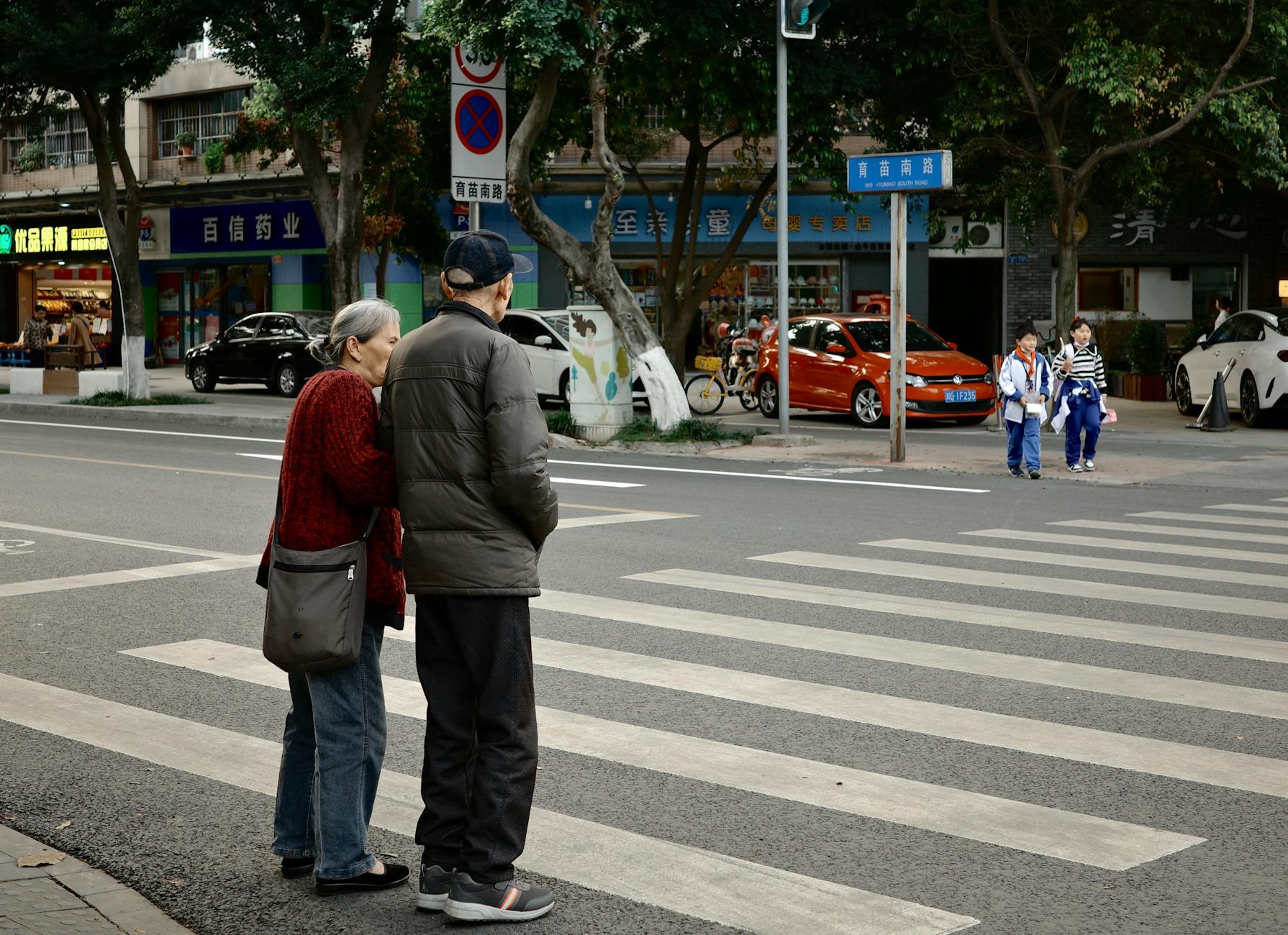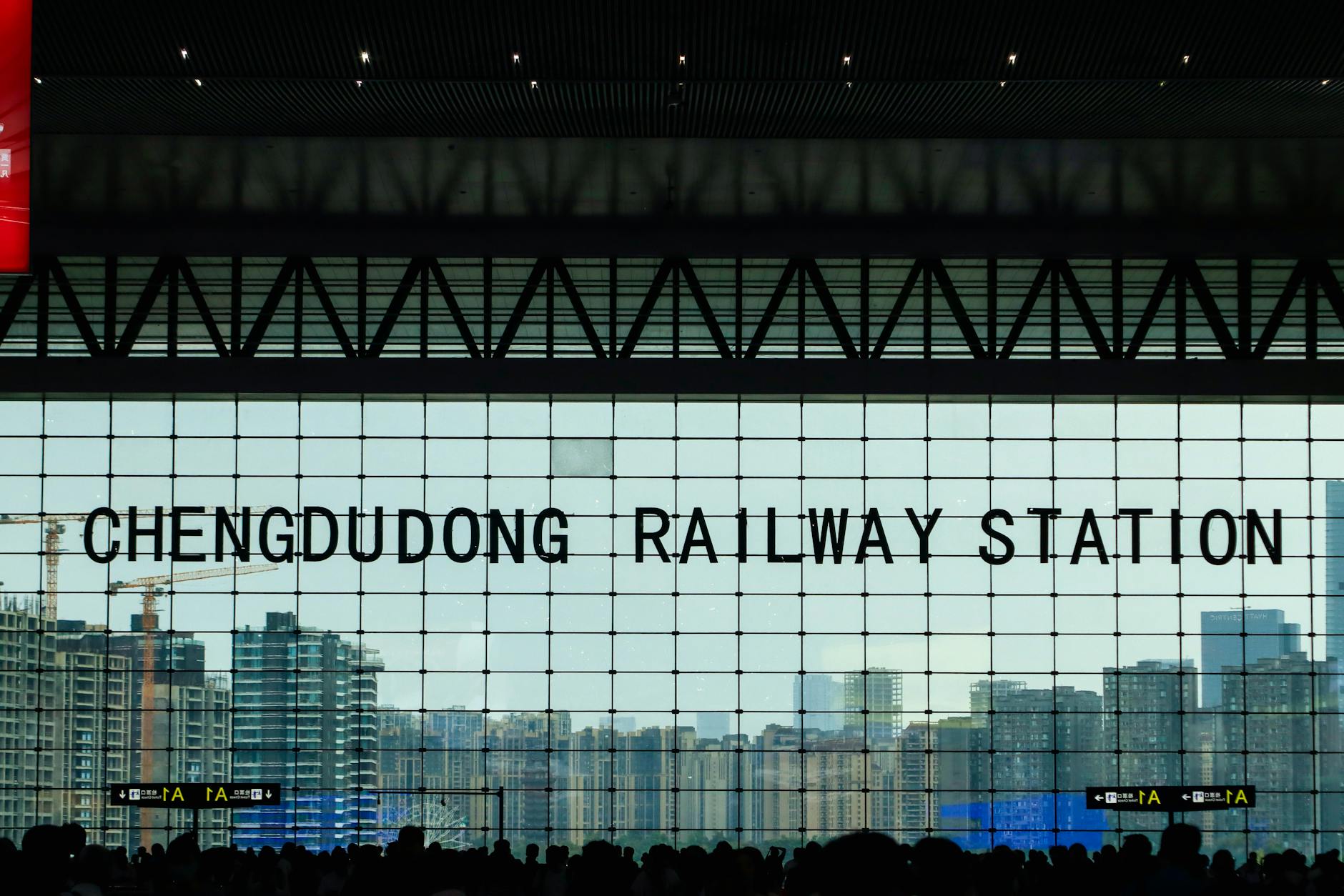
Chengdu is sometimes described too lazily as a relaxed city with pandas and spicy food. Those things matter, but they do not explain the city's real appeal. Chengdu is one of China's most successful urban moods. It can feel lush, slow, sociable, and highly competent without becoming sleepy. Tea houses, parks, hotpot, lane life, modern shopping, and a certain southwestern softness of rhythm give the city an identity that lands especially well after harder-edged capitals and finance centers. The mistake is assuming that because Chengdu feels easy, it does not require design. It does. The best Chengdu trip is not the busiest one. It is the one where pace, food, and neighborhoods all support each other.
How Chengdu works
Chengdu works through mood and district texture more than through raw monument pressure. The city is large, but much of its appeal comes from how certain neighborhoods, park edges, tea-house culture, and dining districts make it feel slower than many Chinese megacities. That softness should not be confused with passivity. Chengdu still rewards a good base, a clean route, and a clear sense of which parts of the city you want easiest. It just punishes overbuilding in a gentler but still real way.
- Chengdu's strength is tempo, not only attraction count.
- A good district match matters more than trying to see the whole city.
- The city is easiest when the day has enough room for lingering.
Basic data
| Population | About 21 million |
|---|---|
| Area | 14,335 km2 |
| Major religions | Largely secular public life with Buddhist, Daoist, Muslim, and Christian communities |
| Political system | Sub-provincial city inside a socialist one-party state |
| Economic system | Upper-middle-income mixed economy led by technology, manufacturing, logistics, services, and tourism |
Best time to visit
Spring and autumn are often the sweetest Chengdu seasons because the city becomes easier to walk, parks become more generous, and the tea-house and food layers sit comfortably alongside ordinary city movement. Summer can still work, but humidity and heat can make the city more hotel- and restaurant-led than some travelers expect. Winter can be rewarding for food-heavy travelers and repeat visitors, but it changes the tone and the appetite for long urban drift.
- Autumn is often Chengdu at its easiest and most complete.
- Summer works best when the trip leans into indoor comfort and stronger evening energy.
- Seasonality matters mainly through how it changes the city's pace.
Arriving and getting around
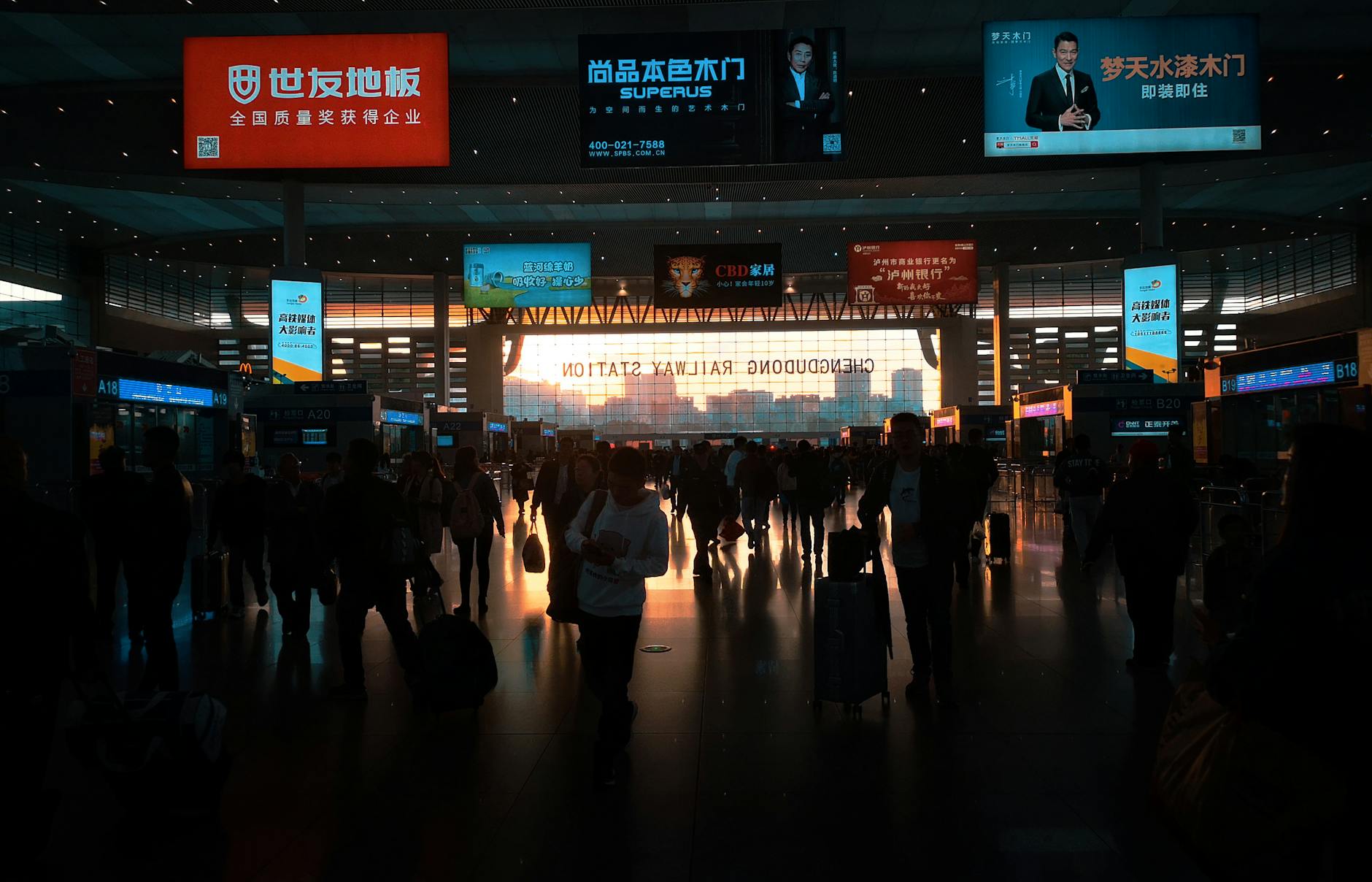
Chengdu is easier to enter emotionally than Beijing or Shanghai, but hotel district and day shape still matter. The city is broad enough that inefficient crosstown movement can quietly drain the pleasure from it. Local transit is useful, cars and taxis can smooth certain days, and the stronger move is usually to plan neighborhood-heavy days rather than to pin together everything interesting in one sweep. Chengdu rewards a little restraint.
- Chengdu is easy, but not infinitely frictionless.
- A cleaner route helps the city feel calmer and more generous.
- Neighborhood concentration is usually the right answer.
Where to stay
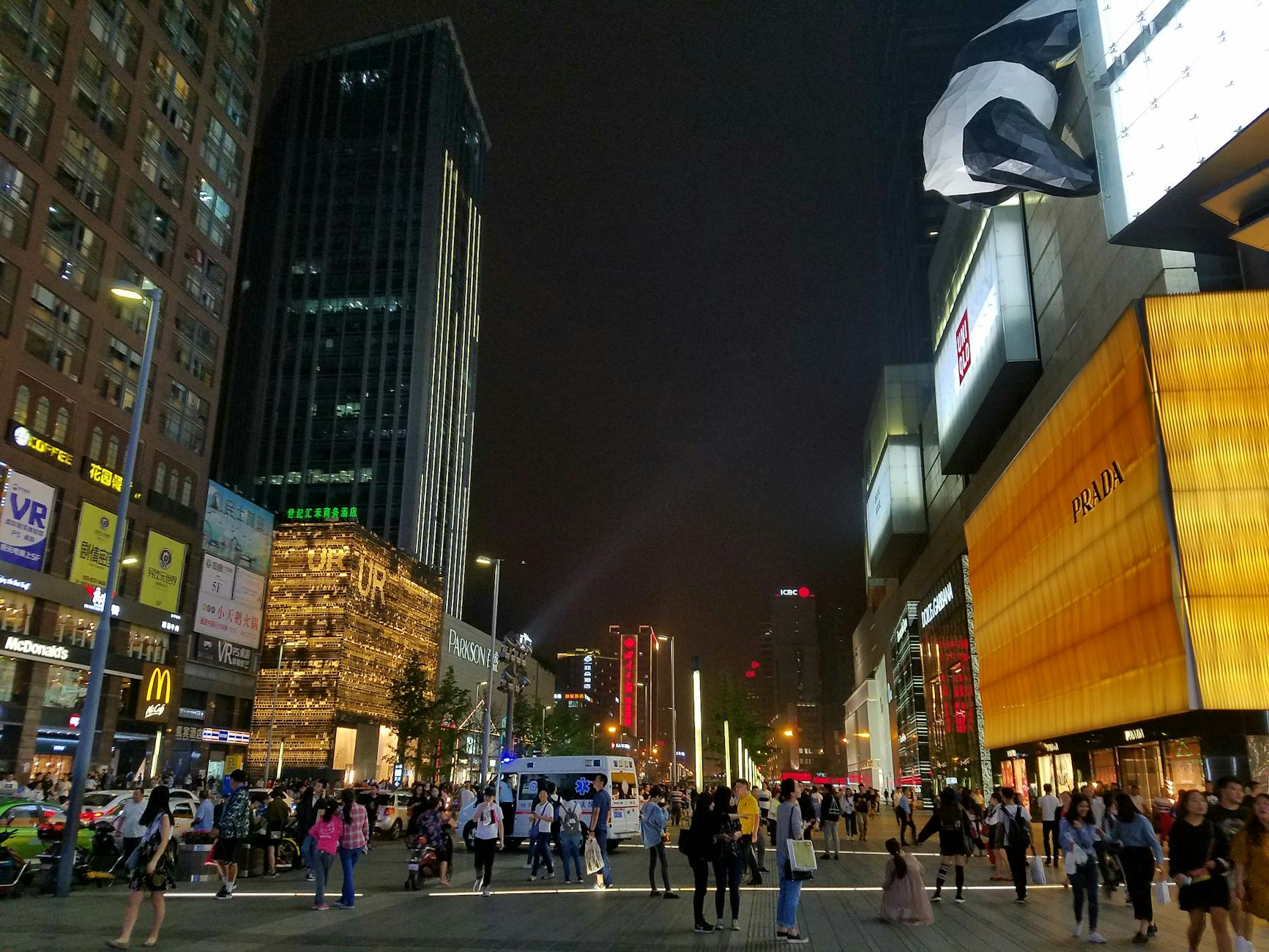
Hotel choice in Chengdu should follow the version of the city you want easiest access to. Some travelers want polished urban comfort and stronger luxury infrastructure. Others want a more intimate neighborhood-forward stay with easier access to food and walkable texture. The right answer is less about fame and more about whether the hotel supports the city's social, culinary, and park-oriented rhythm. In Chengdu, the base should make the city feel easier to inhabit, not more abstract.
- Choose the hotel by lifestyle fit more than by generic prestige.
- A good base helps Chengdu feel livable from the start.
- Do not choose a sterile district if the whole point is atmosphere.
Tea-house Chengdu versus panda-stop Chengdu
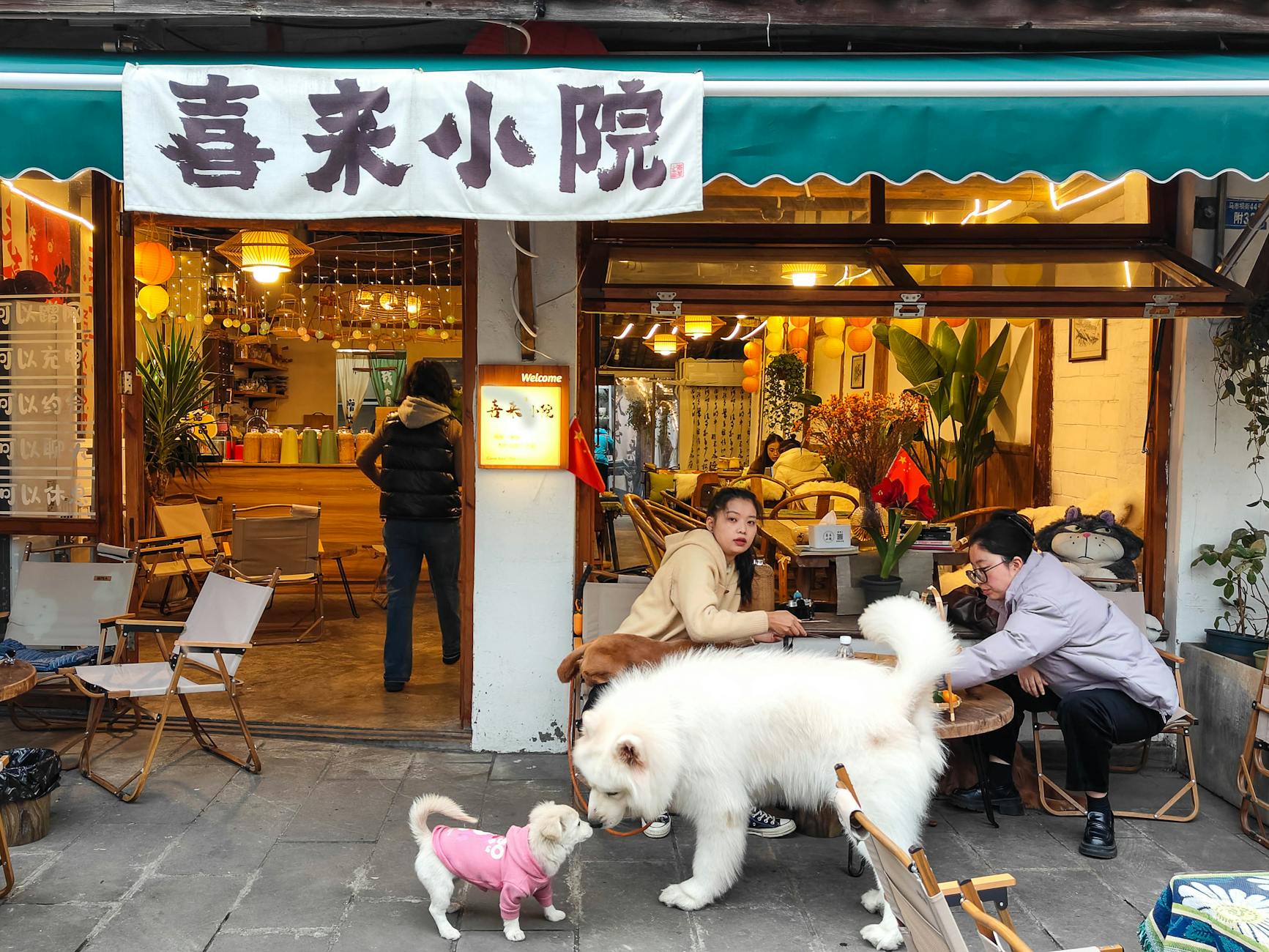
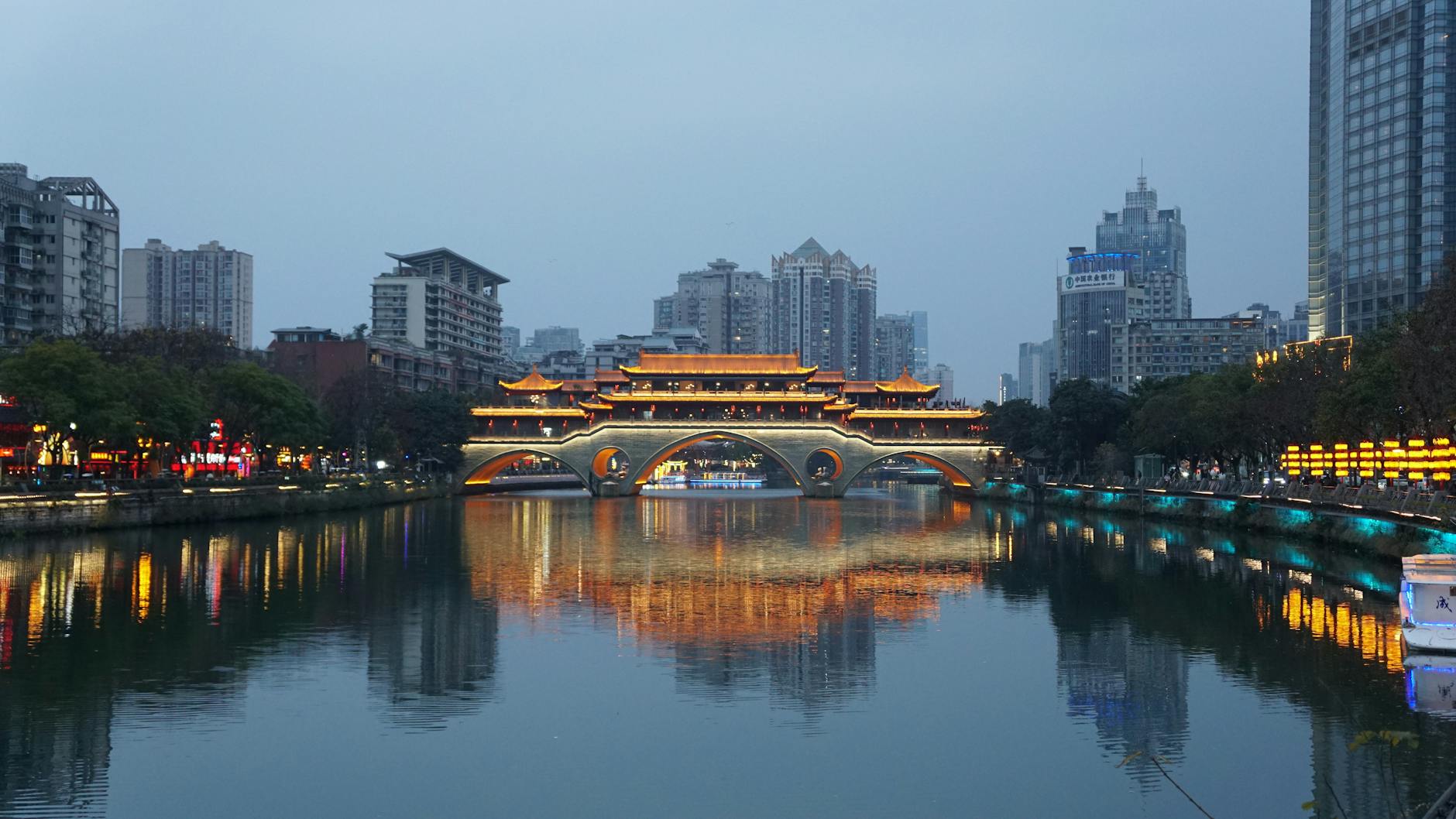
One of the easiest ways to weaken Chengdu is to let the city become only pandas plus hotpot. The panda layer matters, especially for first-time visitors and families, but the city becomes much more convincing when it is also used as tea-house Chengdu, park Chengdu, lane-life Chengdu, and late-evening Chengdu. A place that is this good at sitting, snacking, and social urban life should not be reduced to one mascot and one meal.
- Pandas can be part of the trip without becoming the whole trip.
- The city earns its reputation through daily rhythm as much as through famous sights.
- A better Chengdu uses tea houses and parks as seriously as attractions.
What Chengdu does better than many Chinese cities
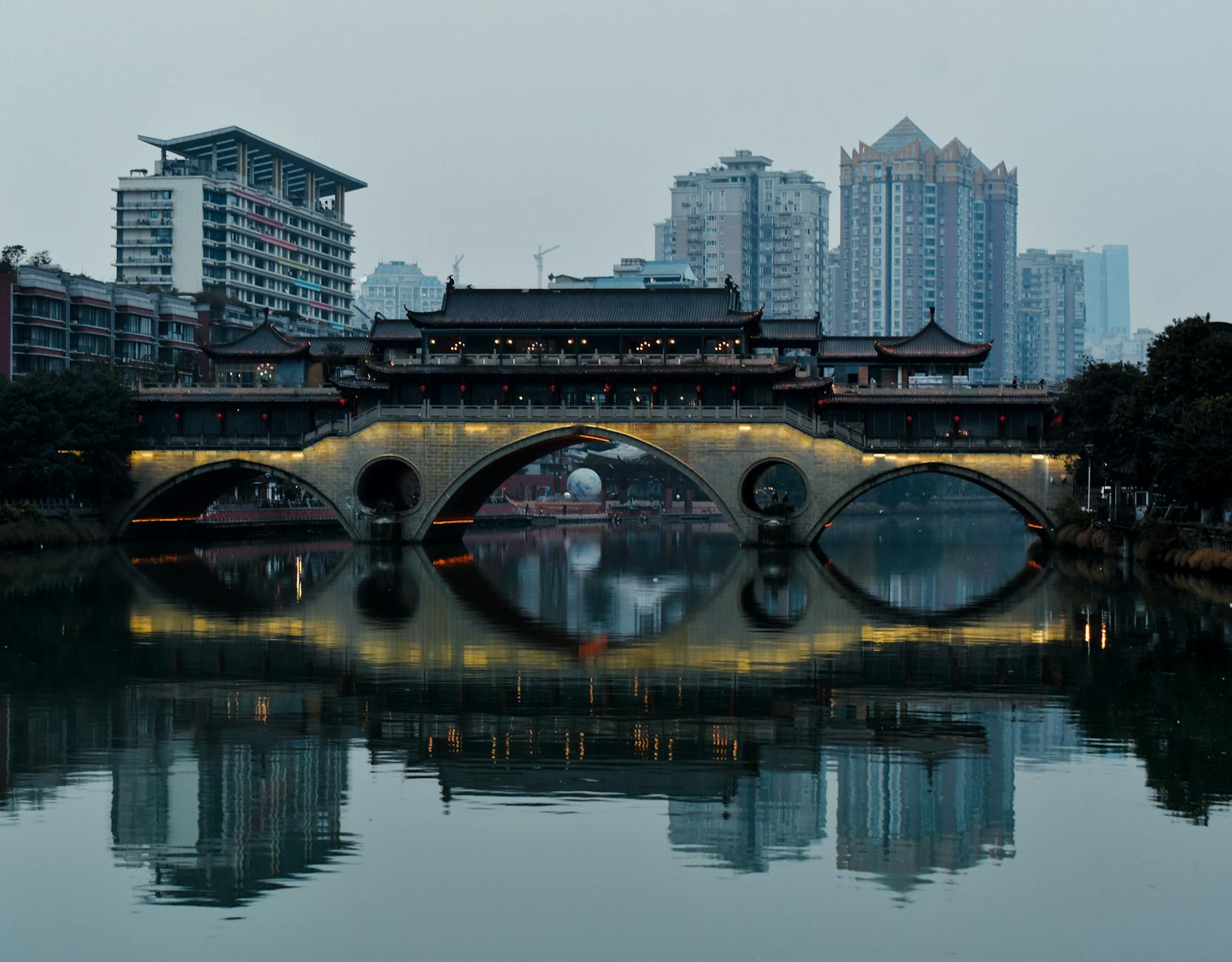
Chengdu is particularly good at making urban life feel pleasurable without needing to become glamorous. It excels at tea-house time, leisurely meals, park culture, hotpot, mild luxury, and a version of daily movement that feels less severe than in many bigger-name cities. It is also one of the strongest bases for travelers who want food and culture to outweigh monument chasing. The city knows how to receive people without shouting about it.
- Chengdu is one of China's best cities for pleasurable ordinary life.
- Its strength is hospitality of rhythm as much as hospitality of service.
- It works especially well for food-led and mood-led travelers.
Food, tea, and the city's social life
Chengdu is one of the most persuasive food cities in the country, and the trip should be built with that in mind from the start. Hotpot, small dishes, noodles, snacks, tea houses, night eating, and the city's wider social appetite all shape how the place feels. This is not a destination where meals should be treated as filler between attractions. Food is one of the attractions, and tea culture is one of the ways the city explains itself. A good Chengdu often means fewer hard sightseeing demands and more excellent eating.
- Food is central to Chengdu's identity, not an optional add-on.
- Tea houses matter because they reveal the city's tempo.
- A trip that does not leave room for eating and sitting is underusing Chengdu.
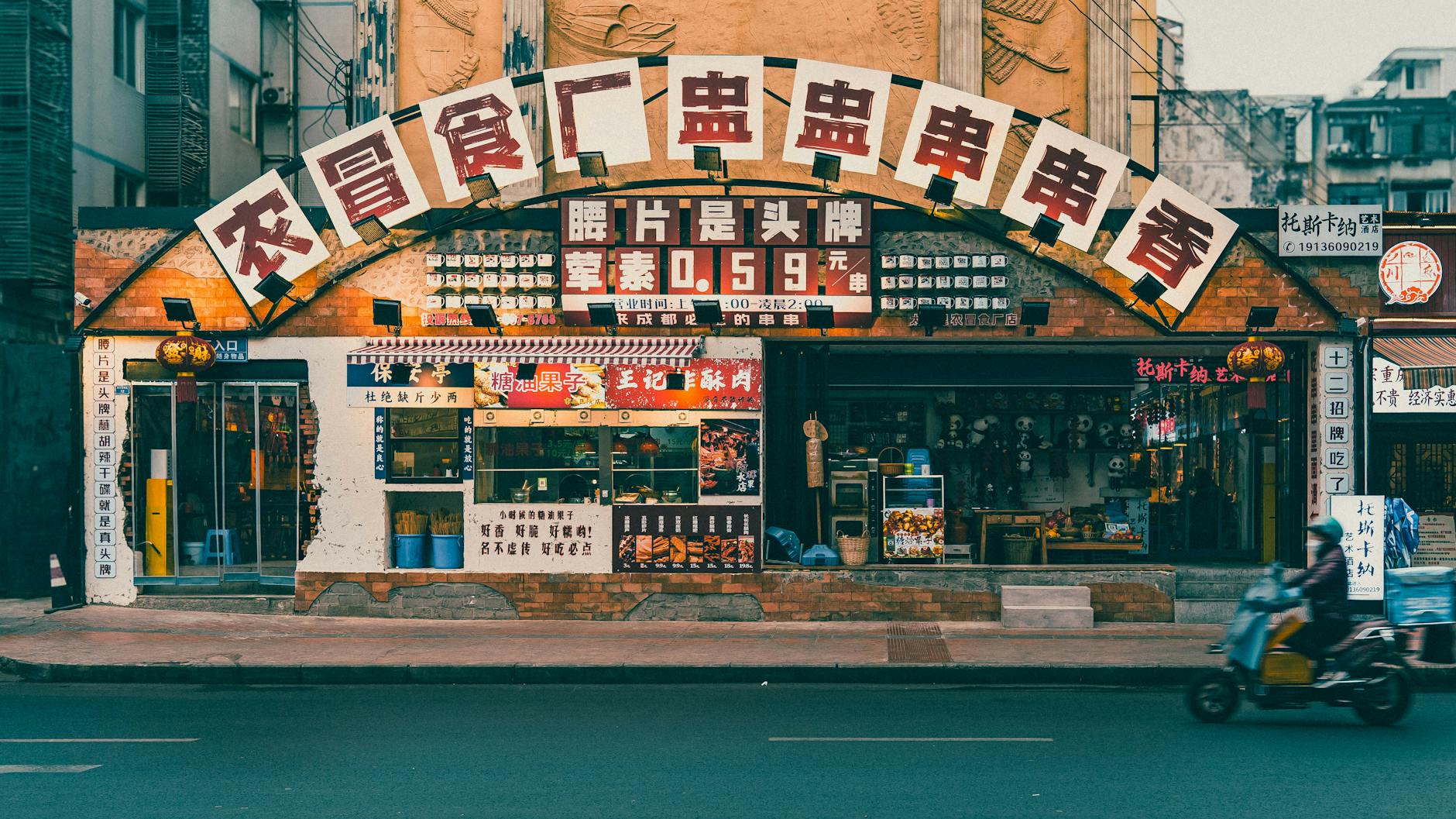
Neighborhoods, parks, and why the city feels softer than it should
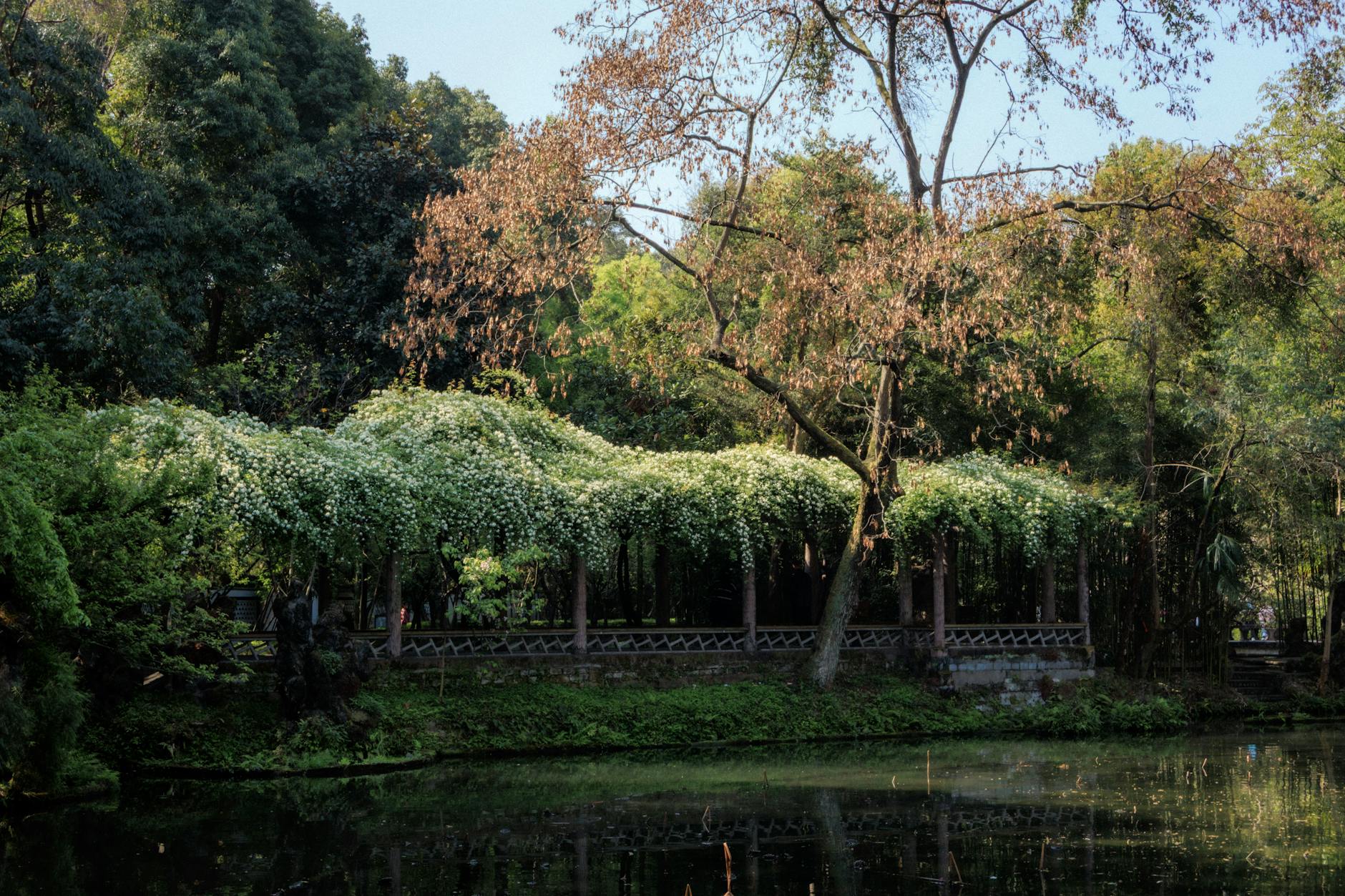
Part of Chengdu's trick is that it feels less severe than its size. Park culture, tree shade, broader social rhythms, and the way the city organizes pleasure around sitting rather than rushing all help. Different districts still matter, and some are better for walking, eating, and loitering than others, but Chengdu's main gift is that the city often lowers the traveler's shoulders. That should be used, not ignored.
- Park life and public leisure are part of the city's real appeal.
- The softer feeling of Chengdu is one of its luxury products.
- A city that calms you should not be traveled as if it were still trying to impress you through speed.
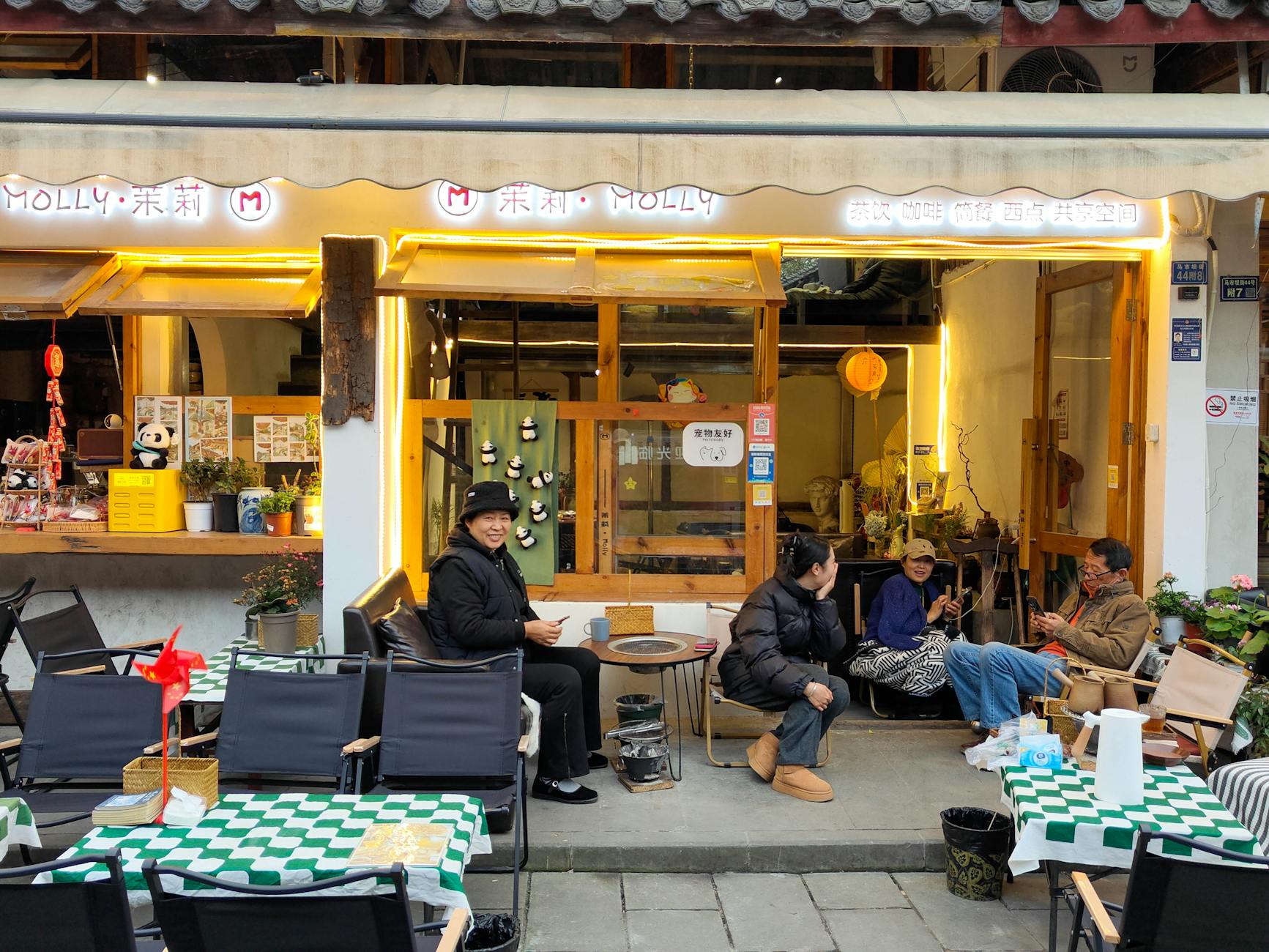
Etiquette and local norms
Chengdu is relaxed in tone, but that should not be mistaken for a lack of social cues. Courtesy in tea houses, parks, restaurants, and shared spaces still matters. The city is generally generous to visitors, but it rewards travelers who can slow down without becoming oblivious. In other words, it likes calm more than clumsiness.
- Relaxed does not mean careless.
- Tea-house and neighborhood settings reward a quieter kind of awareness.
- The city works best when visitors match its softer social rhythm.
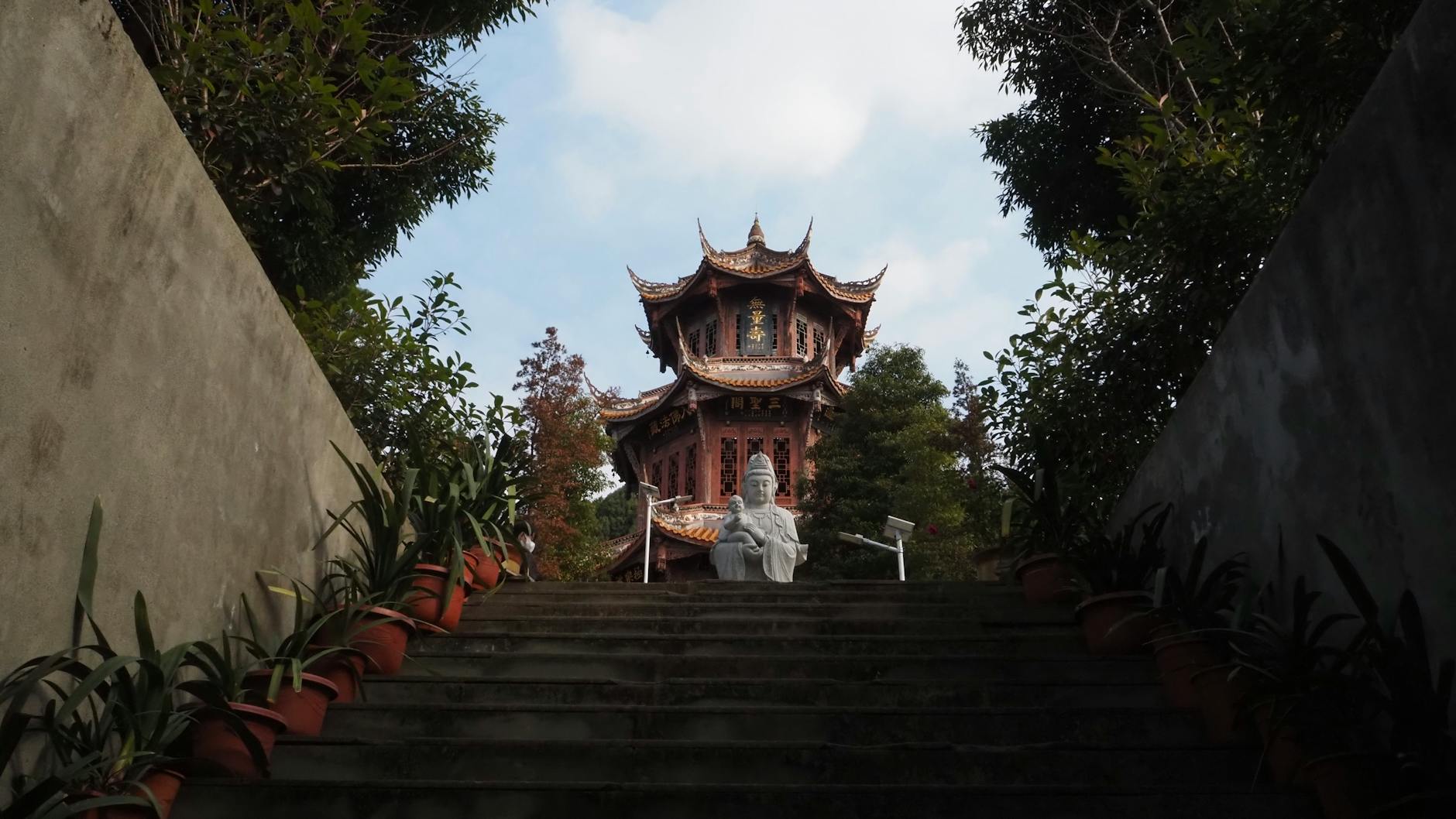
My blunt advice
The biggest Chengdu mistake is overprogramming it as if it were a city whose main value lies in conquering a list. The second is failing to eat seriously enough. Chengdu is one of the destinations where leaving blank space is often a sophisticated move rather than a lazy one. Book a strong hotel, build around neighborhoods and meals, and let the city do what it does best: make urban life feel deeply enjoyable.
- Do not schedule Chengdu into submission.
- Eat more deliberately than you first planned to.
- The city is strongest when it is allowed to breathe.