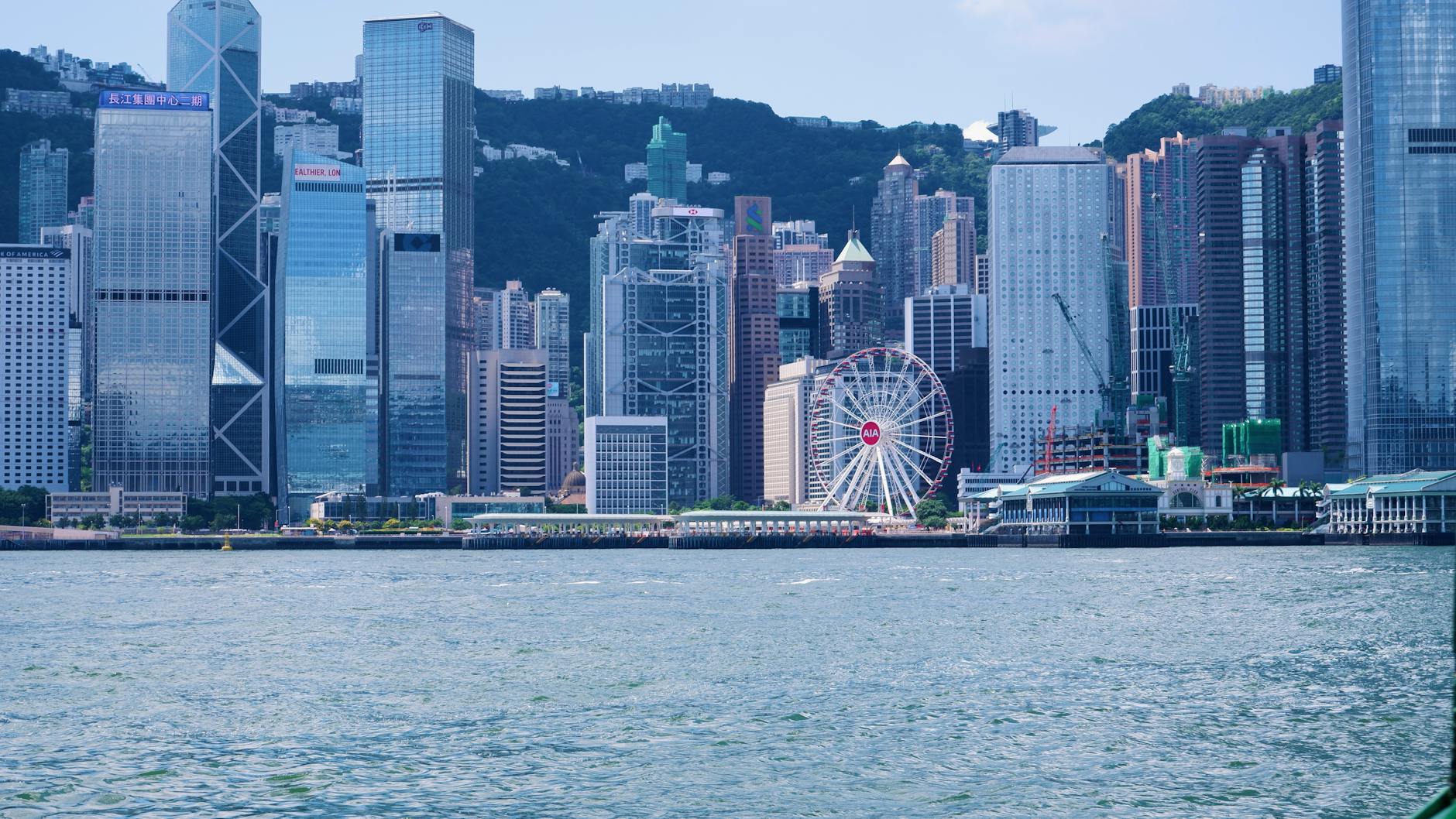
Central is one of the easiest places in Hong Kong to misunderstand.
Start Here
People arrive expecting a famous skyline district and they do, in fact, get one. But many first visits treat Central as a rapid sequence of exits and landmarks: IFC, ferry, Peak Tram, Mid-Levels escalator, maybe Central Market, maybe Lan Kwai Fong, maybe the observation wheel if the day is loose, then onward to somewhere else. The district gets used intensely but not always read clearly.
That is a mistake, because Central is not just “downtown Hong Kong.” It is the place where Hong Kong’s civic, financial, vertical, colonial, and transit identities all collide at walkable but physically demanding scale. Hong Kong Tourism Board still frames the wider Central & Western District as the place where historical allure meets modern life, which is accurate so far as it goes.[1] But Central itself is more specific than that. It is grade, density, money, heat, tunnels, stairs, ferries, polished towers, leftover stone, overhead walkways, and constant directional decision-making.
This means Central rewards visitors who stop trying to “cover” it and start using it structurally. Know how to enter it. Know how to leave it. Understand when to go uphill, when to stay low, and when the ferry or Peak Tram matters more as an urban device than as a tourist activity. Realize that Central is not one level of city. It is several stacked together, and the experience depends on whether you move between them with discipline or just react to whatever famous thing is next.
Central in one sentence: it is Hong Kong’s most concentrated district of movement and power, and it only becomes enjoyable once you use it with intention.
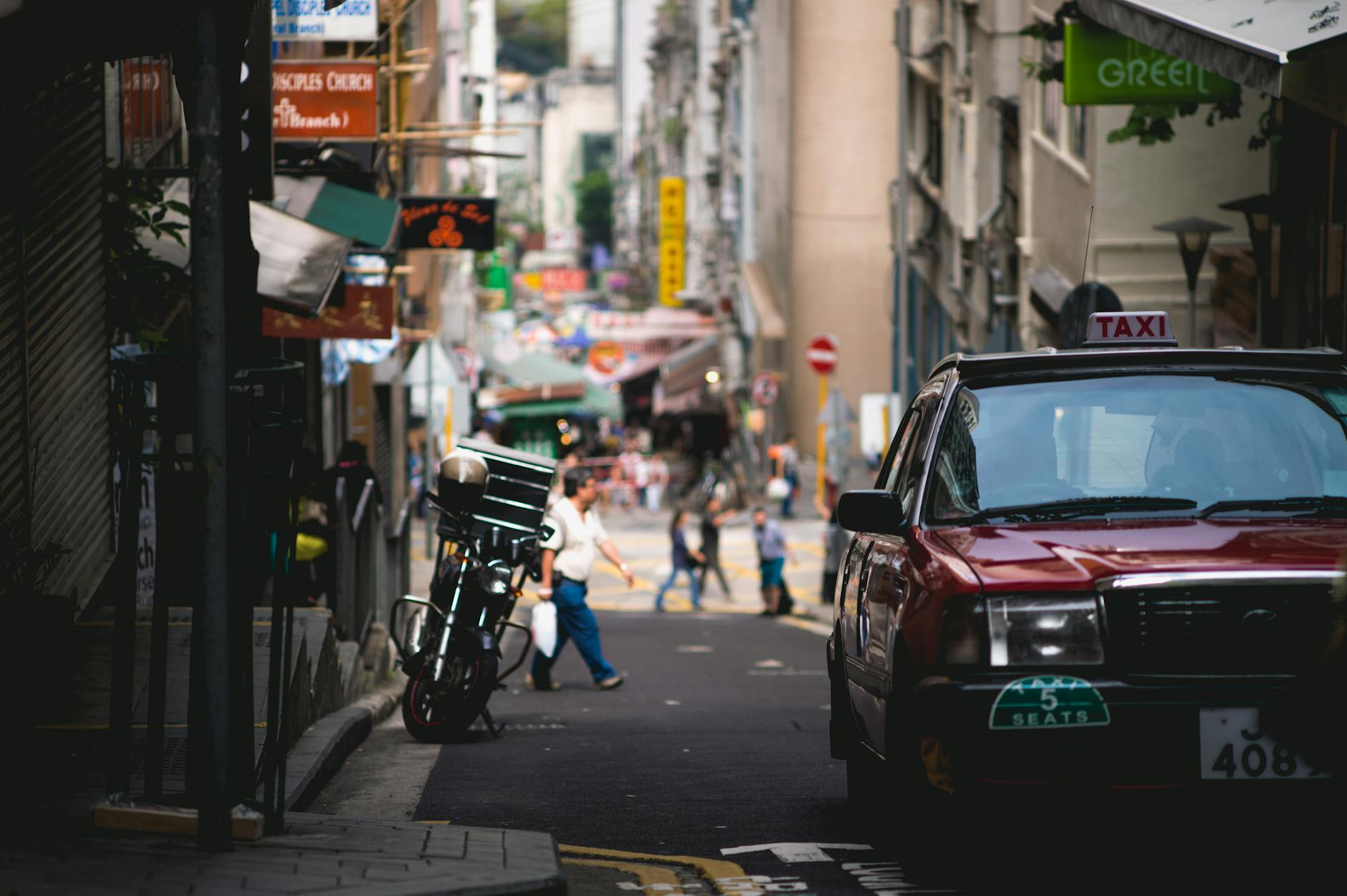
Basic data
| Population | Central is part of Hong Kong Island's dense urban core; the wider Hong Kong population is about 7.5 million |
|---|---|
| Area | Compact business district inside Central and Western District |
| Major religions | Buddhism, Taoism, Christianity, Islam, folk religion, and a large secular population |
| Political system | District inside a special administrative region |
| Economic system | High-income services economy led by finance, law, trade, hospitality, and business services |
Quick Verdict
Best for: first-time Hong Kong visitors, urban walkers, architecture-and-transit travelers, and anyone who likes intense central districts with real vertical drama.
Less ideal for: travelers who dislike hills, dense pedestrian circulation, or districts where navigation is part of the experience.
Ideal first use: one strong half-day or one full day inside a larger Hong Kong trip.
Still worthwhile: even in shorter doses, if you stay disciplined and stop trying to absorb every famous name in one pass.
Can justify more time: yes, especially if you enjoy walking cities and want to connect Central with Sheung Wan, Admiralty, or the Peak.
Biggest planning mistake: trying to do the Peak Tram, Mid-Levels, shopping, ferries, nightlife, and heritage stops in one undifferentiated sweep.
One thing to prioritize: movement logic.
One thing to keep simple: the attraction list.
The blunt version: Central is much more pleasant once you stop improvising against the terrain.
Who Will Love Central?
Central works for travelers who enjoy districts more than isolated sights. If you like using trains, ferries, escalators, stair streets, and skyline views to understand a city, Central is excellent.
It is especially good for visitors who want Hong Kong to feel like a real urban system instead of a sequence of postcard views. Central reveals that better than almost anywhere else because it is where so many of the system’s layers are exposed at once: heavy transit, global finance, colonial residue, extreme pedestrian engineering, government presence, and the everyday fact that the island is not flat and never agreed to behave as if it were.
It is less ideal for travelers who want a district that entertains them passively. Central gives a lot back, but it expects you to participate.
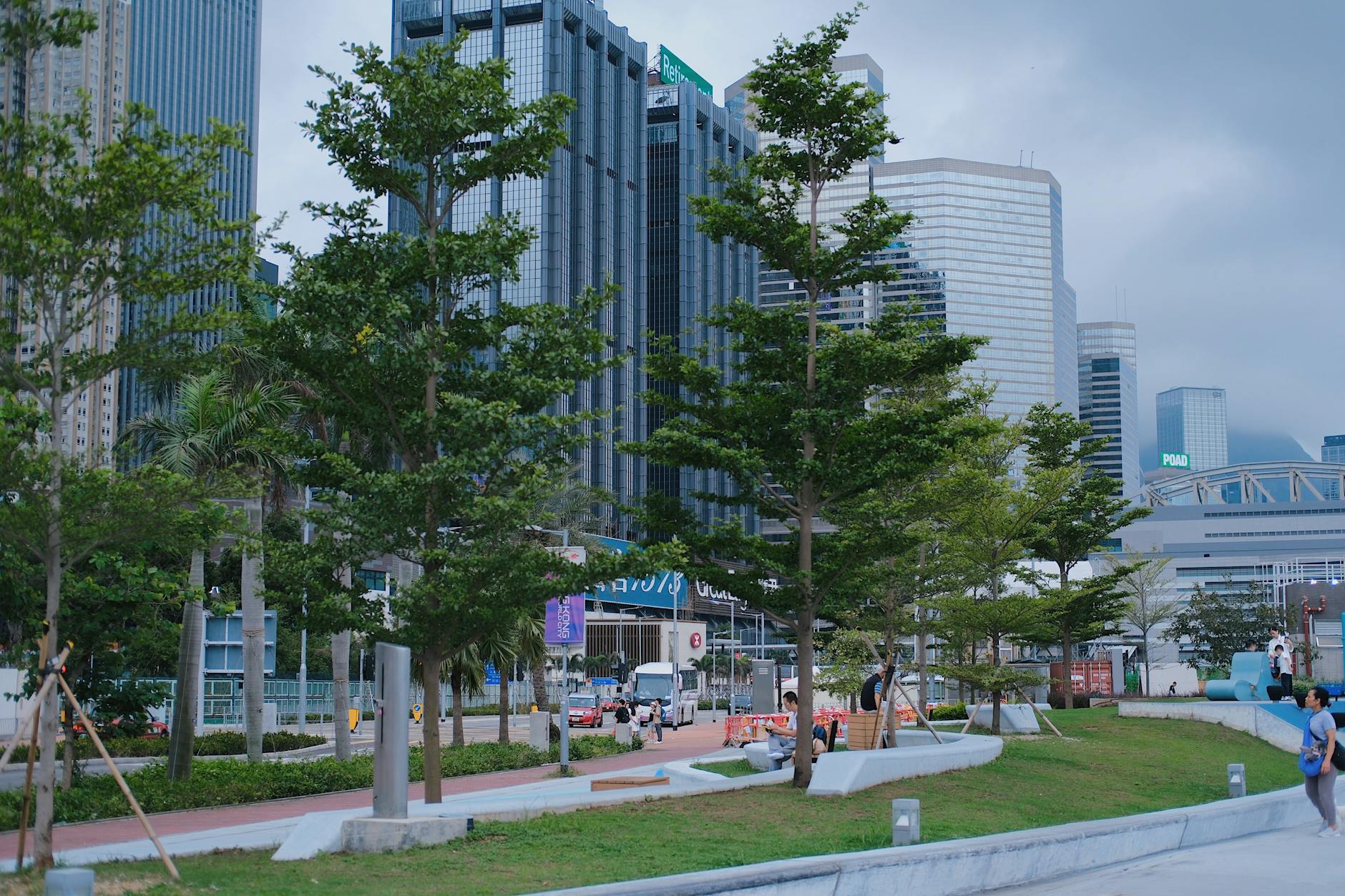
Central at a Glance
| Question | Practical Answer |
|---|---|
| Best visit style | half-day to full-day district use |
| Main access anchor | Central MTR and nearby Hong Kong Station connections |
| Main physical challenge | vertical movement and heat |
| Most famous district add-on | Peak Tram |
| Most useful harbor move | Star Ferry |
| Best mental model | lower city, mid-slope, and outward links |
| Main risk | doing too much uphill in one block of time |
| Biggest reward | understanding Hong Kong as a working whole |
2026 Visitor Notes
Central Still Sits at the Core of the District Hong Kong Sells First
Hong Kong Tourism Board continues to present Central & Western District as a place where historical character and modern urban life meet.[1] That remains correct, but visitors should read this as a district of layered functions, not as a single sightseeing zone. Central is the most compressed and formalized part of that larger story.
Central Station Remains the Main Structural Entry Point
MTR continues to present Central as a major station complex with published station maps and tunnel layouts.[4] That matters because Central is easiest when approached through known exits and planned movement rather than optimistic wandering.
The Peak Tram Is Still a Major Central-Side Anchor
Hong Kong Tourism Board continues to frame the Peak Tram as one of the city’s iconic experiences, with the Central terminus at 33 Garden Road and a modernized visitor flow after major upgrades.[2] This makes it a valid Central itinerary component, but one that needs timing and sequencing.
The Star Ferry Still Helps Central Make Sense
Star Ferry continues to describe its Victoria Harbour crossings as both core commuter infrastructure and essential visitor journeys, with the Central pier at Pier No. 7 remaining an important waterfront landmark.[3] That is important because the ferry is not just a scenic extra. It is one of the best ways to understand where Central sits in the city.
How to Understand Central
Central works through five forces.
The first is transit concentration. MTR, ferries, airport-linked movement, and pedestrian systems all compress here.
The second is vertical layering. Lower Central, mid-slope Central, and Peak-bound Central behave differently.
The third is symbolic weight. Finance, government, old institutions, and Hong Kong’s international self-image all show up here.
The fourth is friction. Central is exciting partly because it is never fully effortless.
The fifth is adjacency. Central touches other meaningful districts closely enough that boundaries matter but can be missed if you walk carelessly.
The Main Mental Shift
Do not ask, “What are the things to do in Central?” Ask, “How is this district supposed to be used?” That question makes the whole area less chaotic and more rewarding.
Central is not a scenic neighborhood that accidentally became useful. It is a useful district that happens to contain some of the city’s most famous scenery. That is the order that makes it click.
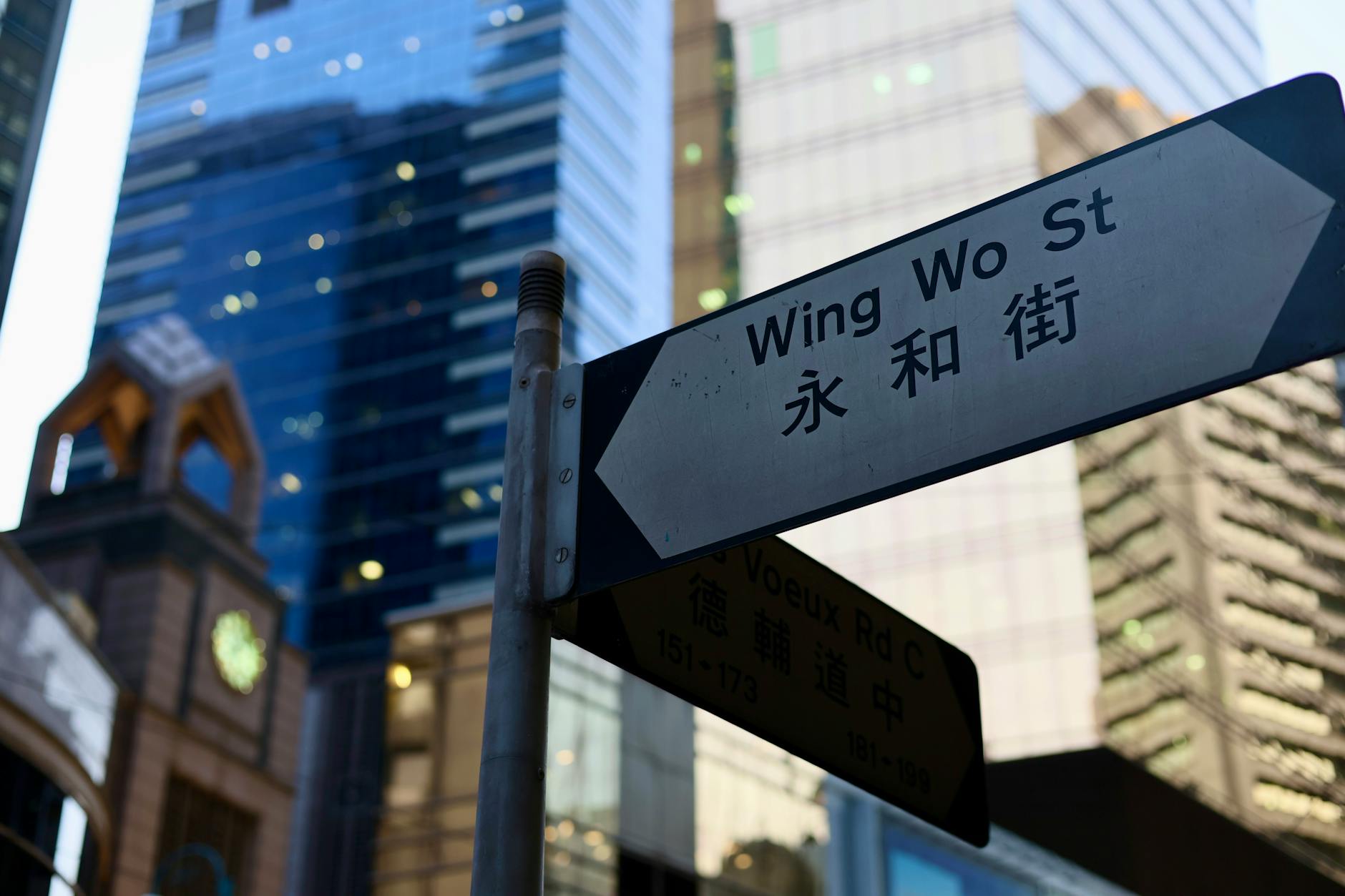
What Makes Central Distinct
Central is not simply Hong Kong’s “downtown.” It is a district where extreme usefulness and symbolic density coexist.
This is where visitors most clearly feel Hong Kong’s combination of polished surfaces and physical constraint. The district has money, infrastructure, and spectacular access, but it never quite stops being steep, crowded, and logistically alive. That tension is the point.
It is also one of the few districts where the city’s global image and its actual daily machinery are almost impossible to separate. Banking towers, legal institutions, ferry piers, hotel lobbies, MTR tunnels, upper-level walkways, government edges, and fast-changing restaurant zones are all pressed against one another. Central is not distilled into one function. It is compressed into many.
Why Central Tires People Out
Visitors often blame Central itself when what they really mean is that they used it badly.
Central becomes exhausting when you:
- enter from the wrong side for your intended route
- climb too early in the day
- stack too many “must-see” points into one uphill-downhill loop
- try to improvise between street level and walkway level without deciding which you want
- use the Peak Tram as an add-on instead of a real anchor
- forget that ferries and MTR can save you from pointless repetition
The district is not difficult because it is hostile. It is difficult because every decision seems small until three or four of them combine into unnecessary effort.
Best Time to Visit
Central is at its best when you match the slope to your energy.
Cooler mornings are good for uphill movement and structured walking. Midday is better for indoor sequences, short hops, or a ferry crossing. Evenings can work well for the lower district, harbor edge, or a deliberate nightlife move, but not if you have already exhausted yourself climbing through the district without a plan.
In practical terms:
- morning is best for Peak-side ambitions, mid-slope routes, and deliberate walking
- midday is best for shorter structural moves, air-conditioned pauses, and contained sequences
- late afternoon is often ideal for a balanced district pass because the light improves and the heat usually softens
- evening is best for lower Central, harbor connections, drinks, or the social parts of the district
The district is rarely “closed off” by time of day. It is simply more or less punishing depending on how your route interacts with temperature and vertical change.
How Much Time You Need
Short Visit
Enough for one clean district line: station, low Central, one upward move, one harbor move, done.
Half Day
The best first answer if Central is one district among several in Hong Kong.
Full Day
Reasonable if the day is broken into distinct parts rather than one continuous march.
More Than One Visit
Often ideal. Central actually improves when split into separate uses: one visit for the harbor and low district, another for mid-slope or Peak-bound Central, another for nightlife or dining.
Arrival Strategy
Central should begin with a transport decision, not a landmark decision.
MTR’s official station information is sparse but sufficient to remind you that Central is a station-and-tunnels complex, not a simple street arrival.[4] This means you should know what part of the district you are entering first: waterfront, mid-slope, Garden Road side, or ferry edge.
Central punishes vague arrival more than many districts do. The district is simply too layered for “let’s see what happens” to work consistently.
Useful first arrival choices:
- harbor-first if the ferry or waterfront is part of the day
- Garden Road / Peak-first if that move is the day’s main fixed anchor
- slope-first if you want the escalator-and-stair logic while you still have energy
- MTR-first with tight lower loop if you only have limited time
The important thing is not the specific choice. It is that the choice exists before you come out of the station.
The Central That Matters Most
Lower Central: ferries, towers, civic buildings, and the harbor edge.
Slope Central: escalators, stair streets, grade, and the district’s real physical character.
Peak-bound Central: Garden Road, queue logic, and one of the city’s most famous outward moves.[2]
Harbor Central: Star Ferry and the reminder that Central is as much about departure and connection as destination.[3]
Institutional Central: the part where power, legality, finance, and public image all become visible at once.
The mistake is treating these as one continuous blob. They are not. They overlap, but they do different work.
Lower Central: The Useful Face of Prestige
Lower Central is where the district appears easiest. Roads are wider, movement is less vertical, and the harbor edge provides a visual reset. It is also where many visitors get trapped into thinking Central is simpler than it is.
This lower band is excellent for:
- ferry transitions
- first orientation
- watching how tower, road, and harbor interact
- ending a harder uphill day
- entering or leaving the district cleanly
It is less ideal as the only version of Central you see. If you remain entirely below the grade shift, you will understand the district’s facade without understanding its structure.
Mid-Slope Central: The Real Difficulty
This is where Central turns from prestigious to demanding.
Once you start moving up from the lower corridor, the district becomes more revealing. Roads tilt. Short distances lengthen. Overpasses and stair options multiply. The city begins to look less like a clean skyline zone and more like a deeply improvised machine built on difficult topography.
This is the Central many itineraries underprepare people for. It is also the Central that often stays with you in memory, because it feels like the district telling the truth about itself.
The Walkway System and the Danger of Floating Too Much
One of the oddities of Central is that it can be experienced both at street level and above it. Walkways and connected circulation systems can make the district feel efficient, but they can also flatten your reading of it.
If you spend too much of Central suspended above the street:
- you lose some of the district’s friction
- you forget how much grade matters
- you can miss the smaller urban details that explain the place
- Central starts to feel like infrastructure only
That does not mean you should avoid the walkway system. It means you should use it knowingly. It is a tool, not a complete way of experiencing the district.
Street Level Versus Elevated Central
This is one of the best mental distinctions to make.
Elevated Central is efficient, connected, climate-protected in parts, and often helpful.
Street-level Central is noisy, more revealing, sometimes slower, and often more rewarding.
A strong first visit usually needs both. Too much street level without relief can become fatiguing. Too much elevated movement can turn the district into abstraction.
The Peak Tram, Properly Used
The Peak Tram matters, but only if you use it intelligently.
HKTB continues to present it as a classic Hong Kong experience, with the Central terminus on Garden Road, a 10-minute ride, and major recent upgrades that improved capacity and flow.[2] That makes it a legitimate priority, especially for first-timers. But it should be treated as one defined move, not as a casual add-on after you have already spent hours climbing the district on foot.
If the Peak belongs in the day, build around it early. Treat it as a structural event, not as an afterthought. The most common bad version is to wander Central until exhausted, then decide to “also do the Peak.” That is usually how queues, frustration, and badly used evening light combine.
A better pattern:
- decide in advance that Peak Tram is either a first anchor or not in the plan
- arrive with enough energy and enough time
- let the rest of Central build around it rather than compete with it
Ferries and the Harbor Edge
Star Ferry remains one of the clearest ways to understand Central’s position in the city.
The company still describes its Victoria Harbour crossings as both a commuter system and an essential visitor journey, and explicitly notes the Central Star Ferry Pier at Pier No. 7 as part of that continuing identity.[3] The key is to use the ferry not merely for photo value, but as a way to recalibrate the district physically and mentally.
Central often makes more sense after you leave it briefly and return. That is because the ferry turns the district from a wall of buildings into one piece of a harbor system. It restores proportion.
Why the Ferry Is Better Than “Harbor Viewing”
Many first-time travelers spend too long trying to look at the harbor from fixed points and too little time actually using it.
The ferry is better because:
- it changes your perspective actively
- it connects Central to another district instead of isolating it
- it clarifies the district’s edge
- it adds movement rather than just spectacle
This matters in Central more than in some other districts because Central is so tied to exchange. Watching the harbor is fine. Crossing it is better.
Central as a First-Time Base
Central can be an excellent base, but it is not automatically the best one for every traveler.
It works well if you want:
- strong transport
- immediate access to ferries and MTR
- a district that still feels central after dark
- prestige hotels or business-trip efficiency
- fast access to multiple parts of the island and harbor system
It is less ideal if you want:
- lower-cost ease
- a gentler walking environment
- a district that feels intimate rather than infrastructural
Central as a base is about strategic usefulness. It is not the most emotionally cozy part of Hong Kong, and it does not need to be.
Central and Food: Usefulness Before Fantasy
Central absolutely contains serious dining power, but the district is often best used for meals that fit structure rather than fantasy.
In practice, that means:
- eat where it helps the route
- do not add long detours just to chase one “best of” claim
- save formal dining ambition for a time when the district is not also demanding navigation
Central is very good at punctuating a day. It is not always best when turned into a food-pilgrimage obstacle course.
Central by Daylight
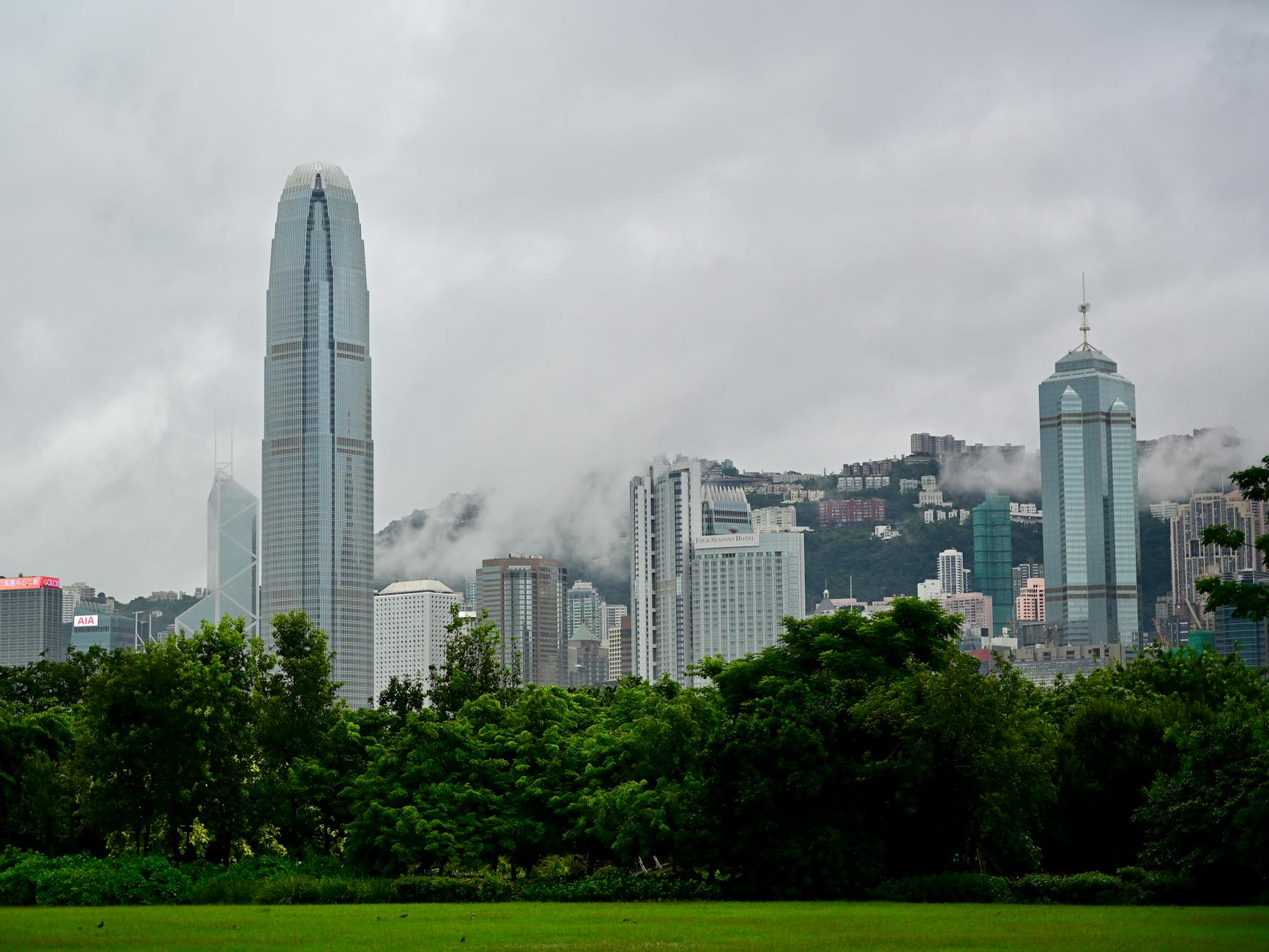
Daylight Central is the best version if your goal is comprehension.
You can:
- read the slope
- understand the buildings as mass rather than light display
- navigate transitions more clearly
- see how the district joins the harbor rather than merely reflecting it
If you want to understand how Central works, do not let your only exposure be an evening sweep.
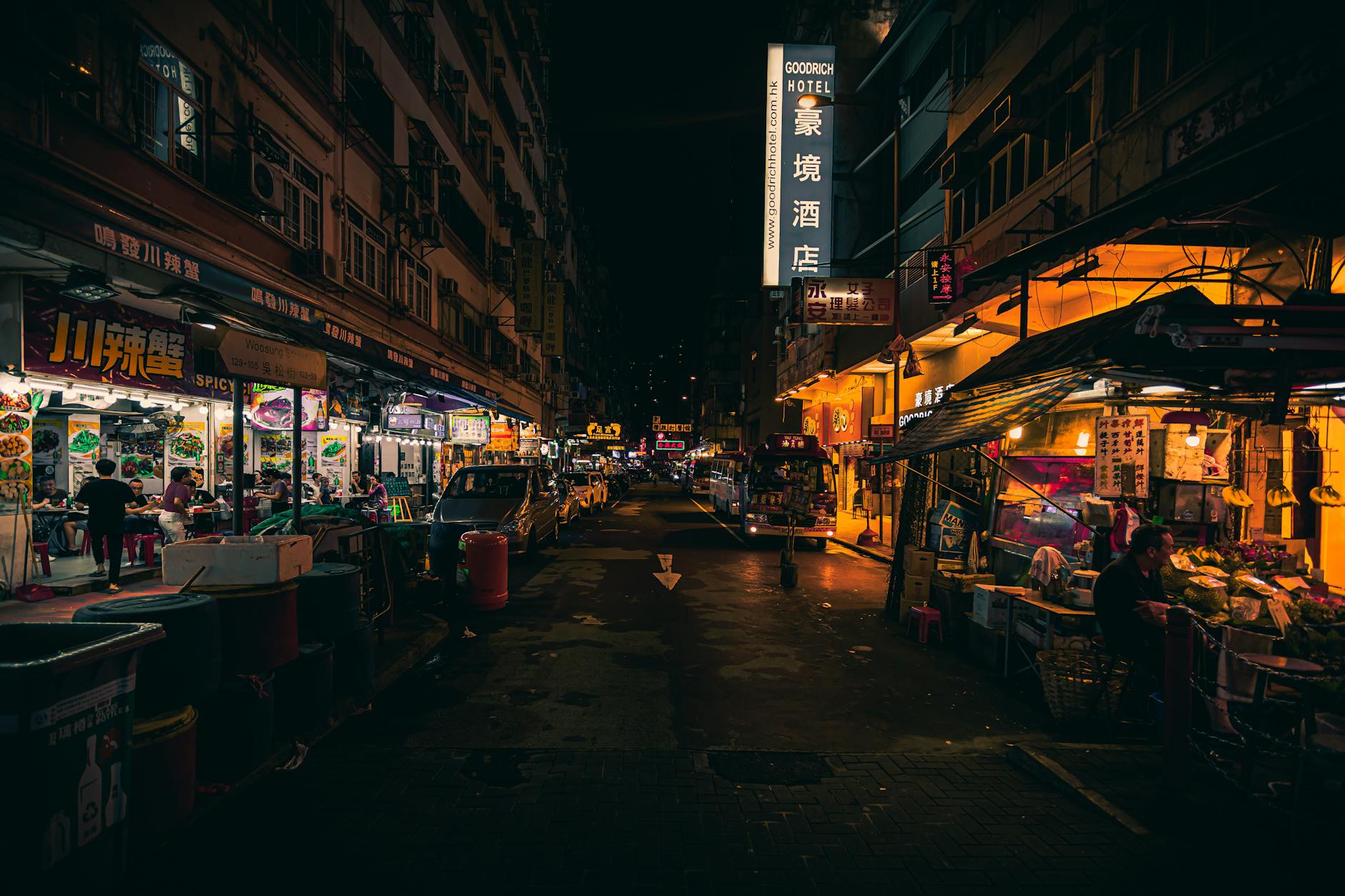
Central After Dark
Central after dark can be excellent, but it becomes a different district.
The lower city is easier visually. Social life becomes more legible. Certain routes feel less punishing because the heat drops. At the same time, the district can become more selective in what it shows. After dark, you see Central’s energy and confidence. You do not always see its full structure.
This is why the best first-timer pattern is often some daylight plus some evening. One without the other gives a partial truth.
One Good Half-Day in Central
If you only have half a day, make it clean.
A strong half-day version:
- enter through Central MTR with a known exit plan
- use lower Central first to orient yourself
- choose either one major upward move or one harbor move
- if the Peak Tram is in the plan, let it dominate the route rather than compete with it
- end via ferry, MTR, or a clean transition into a neighboring district
The whole point is to avoid Central’s tendency to turn ambition into friction.
One Stronger Full-Day Version
A better full-day version divides the district into acts.
Morning: slope or Peak-bound movement while energy is high Midday: contained lower-district route or indoor pause Afternoon: harbor linkage, ferry, or institutional walking Evening: lower Central social or dining finish
This sequencing respects the district’s actual demands. It is not glamorous advice. It is simply how Central becomes more enjoyable.
Central as a Place to Observe Hong Kong, Not Just Use It
Because Central is so functional, visitors sometimes forget that it is also one of the best observation districts in the city.
By “observation,” I do not mean scenic viewing only. I mean that Central lets you watch Hong Kong performing itself in real time. Suited workers move through tunnels and bridges with astonishing efficiency. Ferry passengers spill toward the harbor edge. Tourists queue for the Peak Tram. Hotel entrances absorb luggage and business traffic. Public movement and private wealth operate side by side without being fully separated.
This is one of Central’s great strengths. It is a district where you can learn a lot simply by pausing at the right point for ten minutes. The city’s hierarchy, tempo, and confidence all become visible here. If you rush too much, you miss that.
Where to Pause in Central
Central is not a district where the best strategy is nonstop motion. It needs pauses, but the pauses should support the route rather than derail it.
Good pauses in Central tend to do one of three things:
They Restore Physical Energy
This is the simplest function. If you have done an uphill move or a long street-level route, stopping before the next decision often saves the day from becoming sloppy.
They Reorient the District
Certain pauses let you understand where you are in relation to the harbor, Garden Road, the slope, or the station complex. Those are usually more valuable than random breaks.
They Let the City Explain Itself
Some of the most useful moments in Central are not “attractions” at all. They are pauses where you watch circulation, grade, or crowd behavior long enough to realize how the district actually works.
This is one reason Central improves with maturity. The district starts to reward not just movement, but edited stillness.
Central and the Psychology of First-Time Hong Kong
For many travelers, Central is where Hong Kong either clicks or becomes intimidating.
If it clicks, it usually happens because the visitor realizes the density is organized. The ferries, tunnels, stairs, and slopes stop feeling random and start feeling purposeful.
If it intimidates, it is usually because too many layers arrive at once:
- tower district scale
- heavy foot traffic
- unclear vertical choices
- too many famous names competing for attention
- the suspicion that everyone else understands the district better than you do
This matters because Central is often one of the first districts people touch. A bad first route can make Hong Kong feel more hostile than it is. A good first route can make the whole city feel far more navigable.
That is why a serious guide to Central is worth the extra depth. It is not only about Central itself. It is also about how visitors learn to trust Hong Kong.
Central for Different Types of Travelers
Central changes depending on why you are there.
The First-Time Visitor
For the first-timer, Central is best as a structural education: harbor, slope, ferry, station, maybe the Peak Tram if chosen intelligently.
The Business Traveler
For the business traveler, Central often becomes pure logistics. That is understandable, but it is still worth stepping outside the efficiency trap long enough to let the district become more than hotel-lobby repetition.
The Urbanist or Architecture Traveler
For this traveler, Central is one of the richest districts in Hong Kong because the city’s transportation, topography, and built ambition all sit in compressed relation.
The Return Visitor
For the return visitor, Central often gets better because the pressure to “see everything” has disappeared. The district can finally be used for what it is.
These versions do not cancel one another. They simply prove that Central remains productive under multiple readings.
The Error of Treating Central Like a Checklist
Checklist thinking is especially destructive here.
Why? Because Central contains enough named things to tempt visitors into a false idea of efficiency. The logic goes like this: the Peak Tram is here, the ferry is here, the escalators are here, nightlife is here, and therefore all of it should happen in one flawless chain.
But Central is not a museum floor. The cost of stitching together too many “shoulds” is hidden in terrain, timing, and crowd behavior. A checklist approach often produces:
- too much backtracking
- badly timed uphill movement
- less attention to the district itself
- reduced enjoyment of the things you thought were priorities
Central is much better once you accept that a clean partial experience beats a messy “complete” one.
If You Only Have Energy for One Strong Central Memory
This is a useful question, because Central can overwhelm choice.
If you only want one strong Central memory, it should usually be one of these:
- the relationship between the ferry and the lower district
- the experience of moving from lower Central into slope Central
- the Peak Tram as a deliberately framed outward move
All three are better than generic landmark accumulation because they teach you how the district behaves.
That is the pattern worth preserving. A good Central memory is usually structural, not merely iconic.
Central in Relation to Hong Kong’s Image
Hong Kong has many faces, but Central is still the one most closely associated with the city’s international self-presentation. This is where scale, money, logistics, and confidence are staged most obviously.
That can make the district feel overdetermined, as though everything is too symbolic to be lived in properly. But one of the things Central does surprisingly well is undermine that fear. Once you spend real time there, the district becomes less abstract and more operational. You notice not just symbols of power, but patterns of use.
That shift matters. It moves Central from postcard to explanation.
It also helps explain why the district is worth a second pass in a guide corpus. If the first pass was too compressed, it risked flattening the very district that most needs structural interpretation.
Why Central Improves After the First Visit
Central is rarely a district that people love best on first contact. They often respect it, use it, photograph it, and move on. The affection comes later.
It improves because the second or third walk removes pressure. Once you no longer need the district to prove Hong Kong’s fame, you start noticing what actually makes it rich:
- how the harbor edge solves movement rather than just looking dramatic
- how the slope organizes social and commercial difference
- how the MTR and ferry systems prevent the district from becoming isolated privilege
- how even the polished surfaces still sit on top of awkward ground and hard logistical choices
That delayed appreciation is not a weakness. It is often the sign of a serious urban district. Central gets better when it no longer has to introduce itself.
Central and Nearby Districts
Part of using Central properly is knowing what it should and should not absorb.
Central and Admiralty
These can feel contiguous in infrastructure terms but are not identical in mood. Central is the more layered and performative core. Admiralty is more governmental and connector-heavy.
Central and Sheung Wan
Sheung Wan is where the polished face loosens and older commercial grain takes over. Pairing them is often very rewarding, but only if you let the difference register.
Central and the Peak
The Peak is not “in” Central in the neighborhood sense, but Central is the most important urban threshold for it.[2]
Understanding these distinctions prevents you from turning Central into a shapeless launchpad.
What Central Does Better Than Other Famous Districts
It is useful to say this outright.
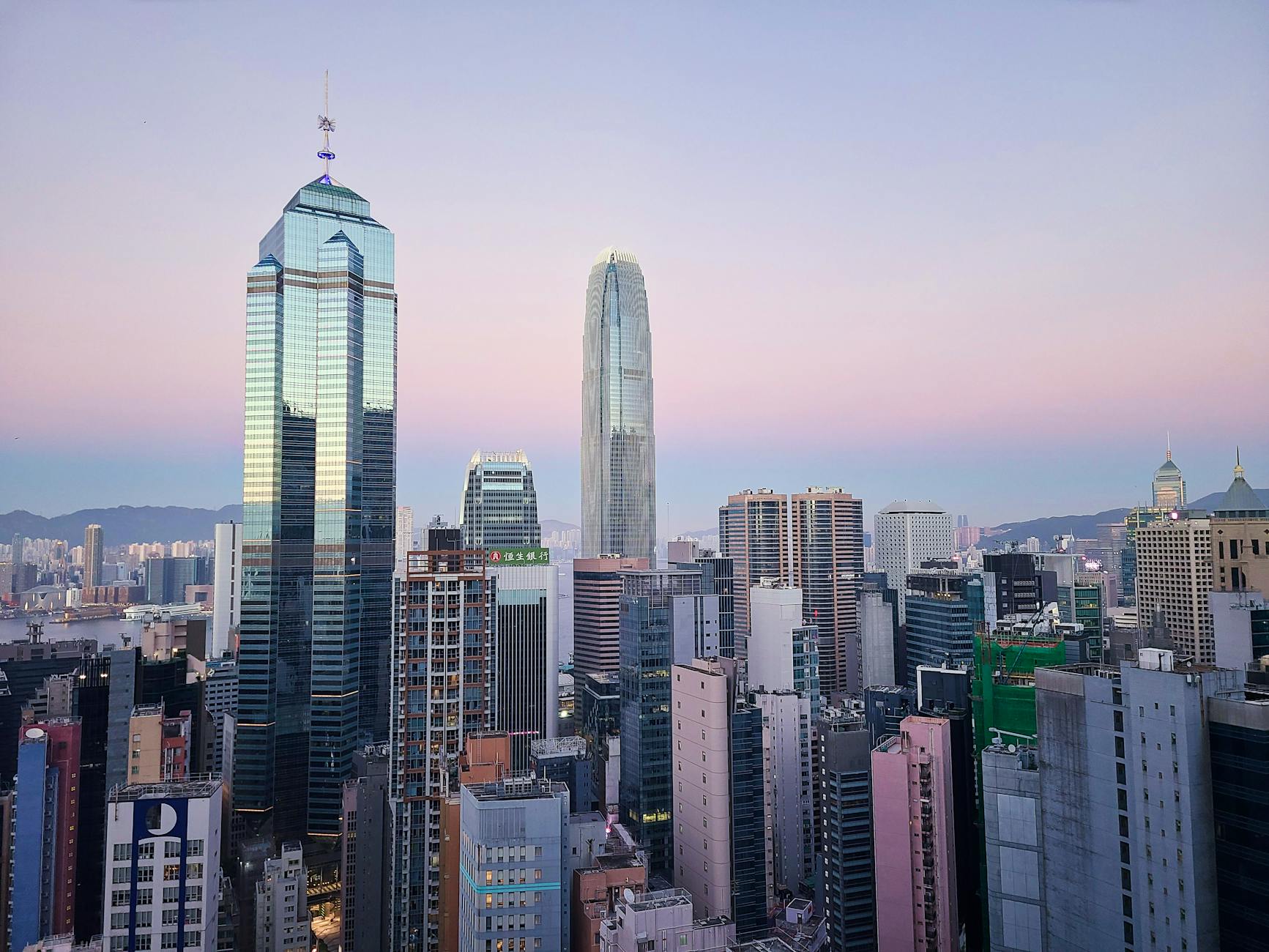
Central does several things better than the other districts that compete for first-timer attention:
- it reveals Hong Kong’s vertical logic better than Tsim Sha Tsui
- it shows the fusion of transit and prestige more clearly than Causeway Bay
- it links civic symbolism and practical movement more convincingly than many parts of the island
- it makes the harbor feel functional, not only scenic
This is why the district deserves a long guide. It is not only famous. It is explanatory.
What Central Does Worse Than Other Districts
Just as importantly, Central has limits.
It does not always provide:
- easy relaxation
- low-effort charm
- the best value for unplanned wandering
- cheap stamina for visitors already exhausted by Hong Kong
If you expect Central to soothe you, you may come away slightly annoyed. If you expect it to reveal the city’s operating logic, it usually delivers.
Walking, Grade, and Restraint
This is the part many itineraries get wrong.
Central is not hard because it is large. It is hard because it is layered. A few blocks can mean a serious shift in altitude, crowd density, and route clarity. The district gets better when you commit to one altitude band at a time instead of bouncing constantly between low and high Central.
This sounds small, but it changes everything. Every unnecessary up-down cycle costs more in Central than it looks like it should.
In Bad Weather
Central actually holds up fairly well in imperfect conditions because it has so much infrastructure. If it is rainy, gray, or unstable:
- shorten the route
- lean more on MTR and ferries
- use the covered or semi-covered movement systems intelligently
- avoid making a hard uphill sequence your core move
The district does not become ideal in bad weather, but it remains far more usable than many visitors assume.
Common Mistakes
Doing the Peak Tram at the Wrong Time
It is stronger as a planned anchor than as an exhausted afterthought.
Underestimating the Terrain
Central is not flat enough for careless walking plans.
Treating the Ferry as Optional Scenery
It is also one of the district’s clearest structural tools.
Overpacking the District
Central does not need every nearby “must-see” jammed into one sweep.
Arriving Without Exit Strategy
The district is much easier when you know the next move before you need it.
Staying on One Level of the City
Too much lower Central or too much elevated Central both produce partial understanding.
Mistaking Intensity for Failure
Central is not supposed to feel easy all the time. Its density is part of the lesson.
My Blunt Advice
Enter Central with a route, not a wish. Decide whether the day is harbor-first, Peak-first, or slope-first. Use the ferry deliberately. Let MTR do some of the work. Save your legs where the terrain does not reward heroics. And remember that Central is not supposed to feel relaxed. It is supposed to feel like the core of Hong Kong.
That is exactly why it is worth doing well.
Central rarely becomes memorable because of one single landmark. It becomes memorable because of how the district fits together: towers above piers, tunnels below hotels, grade behind facades, ferries beside finance, and the constant sense that Hong Kong solved impossible spatial problems by refusing to give up intensity.
Once you understand that, Central stops being merely famous. It becomes legible.
Source Notes
- 1. Hong Kong Tourism Board page for Central & Western District. Used for current official framing of the district as a place where historical character and modern urban life meet. https://www.discoverhongkong.com/eng/neighbourhoods/central-and-western-district.html
- 2. Hong Kong Tourism Board page for The Peak Tram. Used for current official terminus location, route character, ride duration, historic importance, and recent upgrade framing. https://www.discoverhongkong.com/eng/place-to-go/travel.guide-peak-tram.html
- 3. Star Ferry “The Company” page. Used for current official framing of the ferry as both commuter infrastructure and an essential visitor journey, including the Central pier reference. https://www.starferry.com.hk/en/theCompany
- 4. MTR page for Central station. Used for current official station-map and tunnel-layout reference. https://www.mtr.com.hk/en/corporate/operations/station_url_central.html