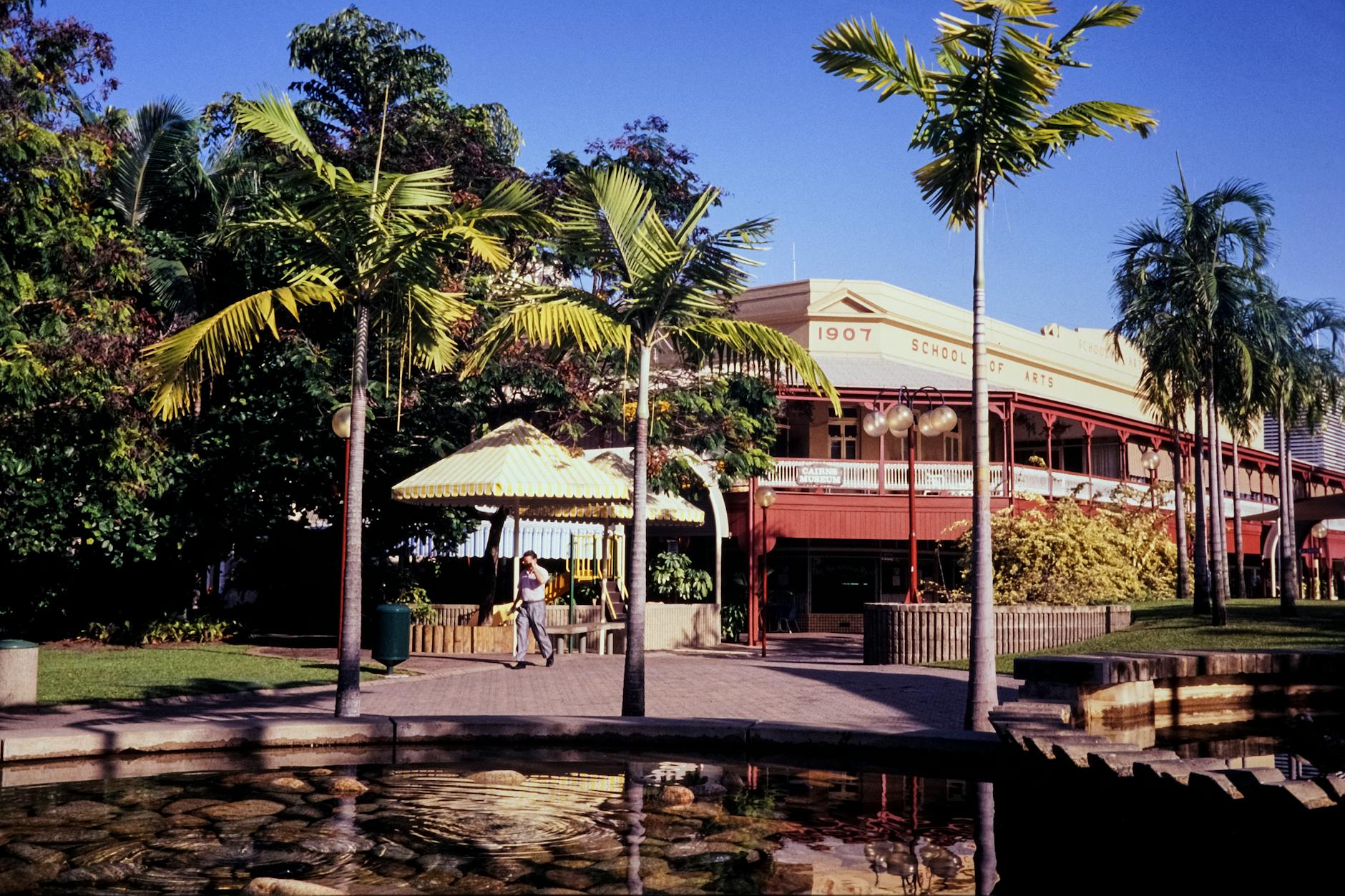
Cairns is one of the clearest examples of a city that gets judged by the wrong standard.
Start Here
People arrive expecting one of two things. The first is a proper city with major urban depth, culture, and multiple days of internally generated momentum. Cairns is not that. The second is a generic tropical resort town where everything important happens on a beach and the rest is decorative. Cairns is not that either. It is better understood as a gateway city with a surprisingly specific physical and practical personality: humid, flat, tropical, highly serviceable, shaped by the Esplanade, and built to launch people toward reef and rainforest experiences that define the broader destination.
That does not make Cairns a lesser place. It makes structure more important. The weak trip treats the city as a passive container. The traveler books any decent-looking hotel, assumes every reef day is interchangeable, underestimates the heat, confuses "tropical" with "carefree," and overbooks excursions until the place stops feeling pleasurable. The result is often exhaustion disguised as activity.
The stronger Cairns trip does the opposite. It accepts that Cairns is an operations base, but a very good one. The airport is close. The Esplanade gives the city a public spine. The lagoon solves the obvious no-beach question in the center. The botanic gardens and art precinct give the city more civic life than some gateway towns manage. And the nearby nature product is strong enough that one thoughtful excursion day can carry more value than three rushed ones. Cairns improves the moment you stop asking it to be a giant city or a pure resort and start using it as a tropical launch point with its own real rhythm.
That rhythm matters. Early mornings are valuable. Midday heat is real. Late afternoons can rescue a whole day. Reef trips need recovery space. Rainforest days need the right weather expectations. The city itself is best when you use the Esplanade, a central hotel, one or two urban cultural stops, and enough slack to let the climate dictate the pace instead of fighting it. This is not laziness. It is competence.
What makes Cairns distinct within Australia is that it sits at the junction of two globally recognizable natural systems: the Great Barrier Reef and the Wet Tropics rainforest. But the city also has a particular civic tone. It is less polished than some upscale tropical destinations, less scenic in the obvious beach-town sense, and more practical than romantic. That practicality is part of its appeal. Cairns exists because people need a place to arrive, orient, eat, sleep, organize, recover, and head back out again. Once you understand that, the city starts feeling honest rather than thin.
The city in one sentence: Cairns is a tropical gateway city where the best first trip comes from combining smart hotel choice, heat-aware pacing, one strong reef day, one strong rainforest day, and enough city time on the Esplanade to make the whole stay feel grounded rather than frantic.
Basic data
| Population | About 170,000 in the regional urban area |
|---|---|
| Area | 1,687 km2 in the local government area |
| Major religions | Christianity, Buddhism, Hinduism, and a large secular population |
| Political system | Regional city government inside a federal parliamentary constitutional monarchy |
| Economic system | Tourism-led mixed economy supported by hospitality, transport, agriculture, health services, and education |
Quick Verdict
Best for: first-time tropical Australia trips, reef access, rainforest day trips, winter-sun escapes, families, couples, soft-adventure travelers, and people who like nature-driven itineraries with a simple urban base.
Not ideal for: travelers seeking a major city break, people who need a swimmable surf beach directly in town, or anyone who dislikes humidity and excursion planning.
Ideal first visit: 3 to 4 full days.
Minimum worthwhile stay: 2 full days.
Best overall months: June to October for easier weather and cleaner all-day usability.
Best shoulder-season logic: May and November if you want some flexibility without the fullest wet-season pressure.
Biggest planning mistake: stacking too many major tours back-to-back and forgetting that the climate itself consumes energy.
One thing to prioritize: a central hotel on or near the Esplanade or CBD edge.
One thing to leave flexible: your non-tour day. Cairns needs at least one lower-pressure stretch.
The blunt version: Cairns can be excellent when you treat it as a tropical operations base with strong nearby nature and moderate urban value, and disappointing when you expect it to behave like either a full-scale city or a classic beach resort.
Who Will Love Cairns?
Cairns works best for travelers who care more about what a destination enables than about how grand the city looks on its own. If your ideal trip includes one spectacular marine day, one rainforest or mountain day, tropical air, casual dining, and a hotel you can return to without drama, Cairns is very good at its job.
It is especially strong for first-time visitors to northern Australia because it lowers complexity. You do not need to improvise much here. Excursions are a core language of the place. The city is compact enough to understand quickly. The weather teaches you how to use it. Once you have accepted that the best Cairns stay is partly logistical by design, the destination becomes much more satisfying.
Families often do well because the Esplanade, lagoon, aquarium, and relatively manageable central area create enough fallback options when a full reef or rainforest day feels too ambitious. Couples also do well, though the city offers a more pragmatic kind of romance than, say, a beachfront island resort. Cairns is about tropical light, warm evenings, and shared expedition logic more than about pure elegance.
Solo travelers tend to do well here too, especially if they like organized adventure without social awkwardness. Reef boats, rainforest attractions, and city walks are all naturally solo-compatible, and the town is easy enough to move through without constant planning friction.
The city is less ideal for travelers who dislike being dependent on tours or weather-sensitive plans. Cairns can give a lot back, but it expects the visitor to understand that marine conditions, rain, heat, and transit to outlying attractions are not background noise. They are the product.
Cairns at a Glance
| Question | Practical Answer |
|---|---|
| Main airport | Cairns Airport (CNS) |
| Distance from city | Very close; usually a short road transfer |
| Best first-time base | Esplanade or central CBD edge |
| Best way to understand the city | Esplanade first, then choose excursions carefully |
| Signature city asset | The Esplanade and lagoon |
| Signature nature draw | Great Barrier Reef access |
| Best urban fallback on a weather-uncertain day | Aquarium, Esplanade, gardens, or slower dining day |
| Public-transport dependence | Low inside the center, higher for outer areas |
| Car needed? | No for a standard city-and-tours stay |
| Emergency number | 000 |
| Tap water | Safe to drink |
| Currency | Australian dollar |
| Power plugs | Type I |
2026 Visitor Notes
Cairns Airport Is Close Enough That Arrival Should Feel Simple
Cairns Airport's official transport page emphasizes the range of ground options available and confirms that the airport is set up around practical road-based transfers rather than complex onward transit.[1] In other words, do not overcomplicate your arrival. The airport-to-hotel move should be one of the easiest parts of the trip.
The Esplanade Is The City's Real Public Spine
Cairns Regional Council's official Esplanade page makes clear how much of the city's civic leisure life is concentrated here: lagoon, playgrounds, fitness zones, BBQs, showers, lockers, and foreshore walking all sit along the same waterfront strip.[2] For first-time visitors, this is not optional background. It is the place that makes Cairns function.
Cairns Has No Classic Central Swimming Beach, Which Is Why The Lagoon Matters
The Esplanade page's emphasis on the lagoon and waterfront facilities is the practical reminder many first-time visitors need.[2] Cairns is not a direct beach resort in the central-city sense. If you arrive expecting to walk from hotel to surf sand, you have picked the wrong mental picture.
The Botanic Gardens Are Stronger Than Many Gateway Cities Deserve
Council's official botanic-gardens page describes the Cairns Botanic Gardens as one of Australia's best exhibitions of tropical plants, with free admission and substantial collections across the precinct.[3][4] This gives Cairns a real urban-cultural fallback when weather, energy, or timing makes a full-day excursion unwise.
Reef Visits Should Be Treated As A Core Environmental Experience, Not Just A Boat Ticket
The Great Barrier Reef Marine Park Authority's official visitor guidance frames the Reef as a World Heritage area with multiple ways to visit and explicitly stresses responsible and reef-friendly use.[5][6] That is the right framing for Cairns too: reef days are the reason many people come, so they deserve more seriousness than a generic "day cruise" label implies.
Kuranda And The Rainforest Product Need Time, Not Just Proximity
Skyrail's official information and the combined Skyrail/Kuranda Scenic Railway pages make clear that the rainforest outing is a real experience with transport components, time windows, and multiple stops rather than a quick side errand.[9][10] Cairns is best when one such day gets real space.
The Aquarium Is A Legitimate Urban Layer, Not A Desperation Option
Cairns Aquarium's own visitor information shows a full indoor attraction in the city center with structured opening hours and a specific educational focus on Tropical North Queensland ecosystems.[7][8] That makes it useful not only for families or poor-weather days, but also for first-timers who want a better conceptual grasp of the region before or after the reef.
How to Understand Cairns
Cairns works through four forces.
The first is gateway logic. The city exists to move people toward bigger natural experiences. That does not diminish it. It explains it.
The second is climate. Heat, humidity, rain patterns, and sun exposure shape both energy and judgment. Tropical competence is part of trip quality here.
The third is the Esplanade spine. More than many similar towns, Cairns uses one public waterfront corridor to hold together fitness, relaxation, orientation, and everyday civic life.
The fourth is nature-product contrast. Reef and rainforest are different days, different moods, and different kinds of physical and mental expenditure. Good Cairns planning respects that difference.
The Five Cairnses A Visitor Actually Meets
Esplanade Cairns: lagoon, promenade, joggers, public lawns, humidity, evening walking, and the city's most reliable shared space.
Excursion Cairns: reef boats, pickup times, waterproof bags, motion awareness, and practical outfit planning.
Rainforest Cairns: Kuranda, Skyrail, scenic railway, mountain air, and the Wet Tropics as a completely different texture from the marine day.
Recovery Cairns: café breakfasts, hotel pool time, aquarium, slower lunches, and the day after too much sun or wind.
Local-tropical Cairns: central shopping streets, modest city blocks, casual bars, and the lived version of a tourism-dependent town.
The Main Mental Shift
Do not ask, "What are all the top Cairns attractions?" Ask, "Which Cairns am I using today?" Reef day, rainforest day, Esplanade day, recovery day. The trip improves as soon as those categories are separated.
What Cairns Does Better Than People Think
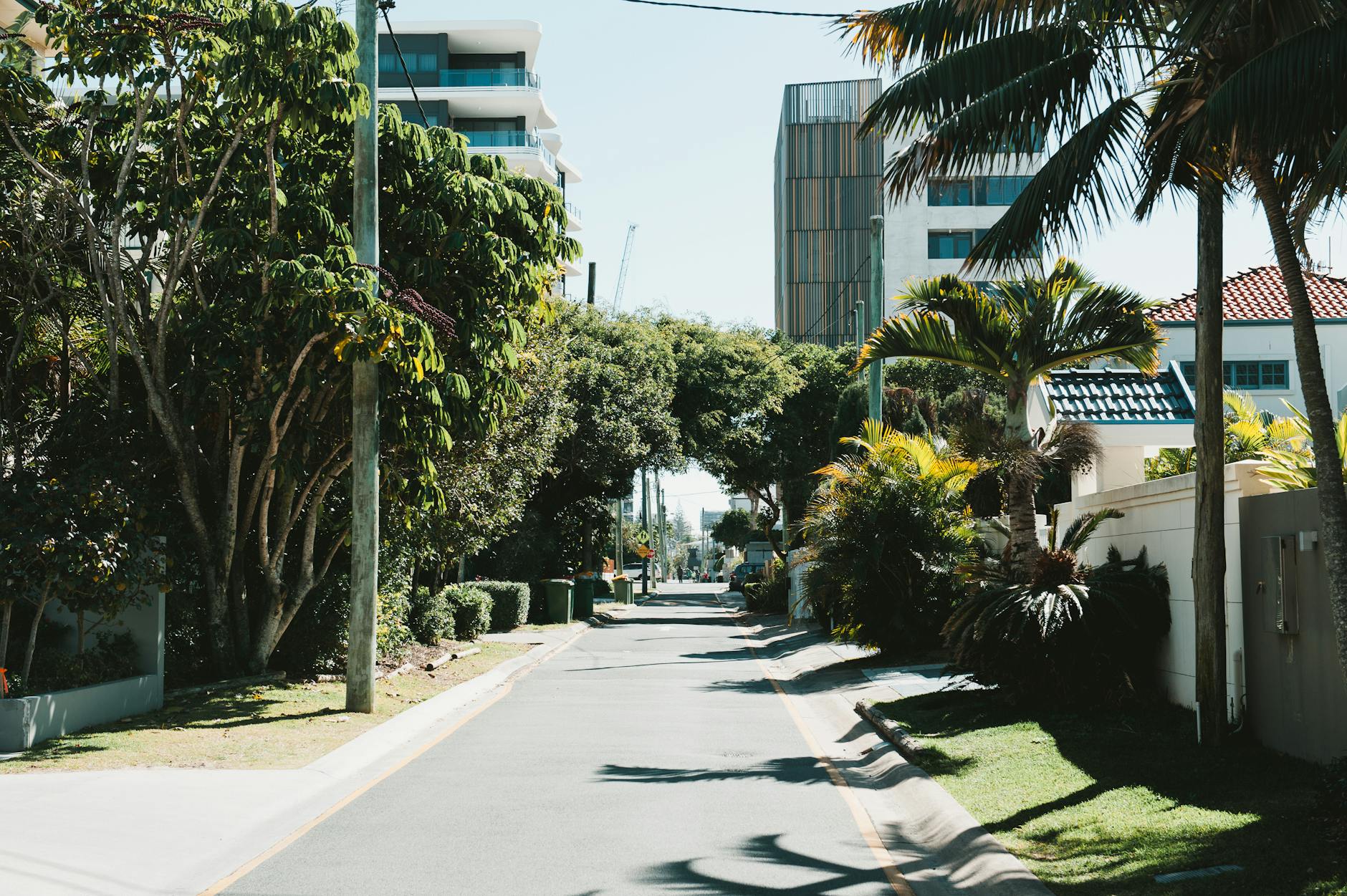
Cairns is better than people think at making nature logistics manageable. A lot of adventure gateways feel improvised. Cairns generally does not. You can organize real experiences here without making the whole trip feel unstable.
It is also better than people think at late-day atmosphere. The Esplanade comes alive in the evening in a way that is more local and more civic than many travelers expect from a town so dominated by excursions. That matters because the city needs to feel like more than a wake-up point for tomorrow's boat.
Another underrated strength is fallback quality. Some gateway destinations become dead weight on non-excursion days. Cairns has enough Esplanade life, botanic-gardens quality, aquarium content, and central dining to support a worthwhile quieter day.
The city is also strong at mixed-ability travel. Not every traveler wants to dive, hike hard, or spend all day offshore. Cairns lets people shape a gentler version of the region without entirely missing the point.
Finally, Cairns is very good at winter-sun practicality. It is one of those places where the season itself can feel like a service.
Best Time to Visit Cairns
Cairns is one of the most season-sensitive destinations in Australia because weather changes not just comfort, but the overall product.
Best Overall Months
June through October are the safest first recommendation. The weather is usually drier, the city is easier to use all day, and excursions tend to feel cleaner and less draining.
Dry Season
The dry season is the obvious first-timer answer because it makes everything simpler. Walking is easier, humidity is less punishing, and the city supports more pleasant urban downtime between outings.
Wet Season
The wet season is not automatically bad, but it is structurally different. Heat, humidity, and rain can change how enjoyable the city feels, and some travelers discover too late that tropical intensity was not what they actually wanted.
Shoulder Periods
May and November can work well for travelers who understand the tradeoff: some weather uncertainty in exchange for fewer assumptions and, sometimes, less pressure.
Month-by-Month Guidance
January: wet, humid, lush, and not for the climate-shy. February: similar to January, with real tropical intensity. March: still wet-season logic; workable only if you accept volatility. April: transitional, improving, still watch the weather. May: a smart shoulder month. June: one of the best times to go. July: excellent for first-timers. August: another top choice. September: very strong all-round month. October: still excellent, often slightly warmer. November: workable but more weather-aware. December: increasingly humid and storm-prone.
How Many Days You Need
Two Days
Enough for one reef day and one city/recovery or rainforest-leaning day, but tight.
Three Days
The best short first visit. One reef day, one rainforest or Kuranda day, and one lower-pressure Cairns day.
Four Days
Ideal for many travelers. You can add genuine rest, a second natural experience, or a more thoughtful city day without pushing too hard.
Five Days Or More
Useful if you want to widen into Palm Cove, Port Douglas, or other Tropical North Queensland layers without making Cairns itself disappear.
Where to Stay in Cairns
Hotel choice matters more than some travelers expect because Cairns is a place where base efficiency compounds quickly.
Fast Answer
For a first trip, stay on or very near the Esplanade or in the central CBD edge within easy walking distance of it.
Neighborhood Decision Table
| Traveler Type | Best Area |
|---|---|
| First-time visitor | Esplanade / central Cairns |
| Family | Esplanade with pool and larger-room flexibility |
| Reef-first trip | Central Cairns near marina pickup logic |
| Lower-friction short stay | Esplanade or city-center edge |
| Urban fallback priority | Central Cairns near aquarium, Esplanade, and dining |
Esplanade
Best for: first-timers, families, recovery days, and anyone who wants the city's public life right outside. Why it works: this is where Cairns feels most coherent, especially in the late afternoon and evening. Tradeoff: not every block is equally lively or equally polished. Best use: the smartest default base.
CBD Edge
Best for: practical access, a little more room value, and easy movement between hotel, Esplanade, and tour logistics. Why it works: you stay functional without losing the waterfront spine. Tradeoff: some properties feel more operational than atmospheric. Best use: short stays and excursion-heavy trips.
Outer Resort-Style Stays
Best for: travelers who intentionally want more seclusion or a broader tropical-resort setup. Why it works: these can provide more visual escape. Tradeoff: they often make simple excursion mornings and city evenings harder than necessary. Best use: not the default first-time choice.
Area Profiles
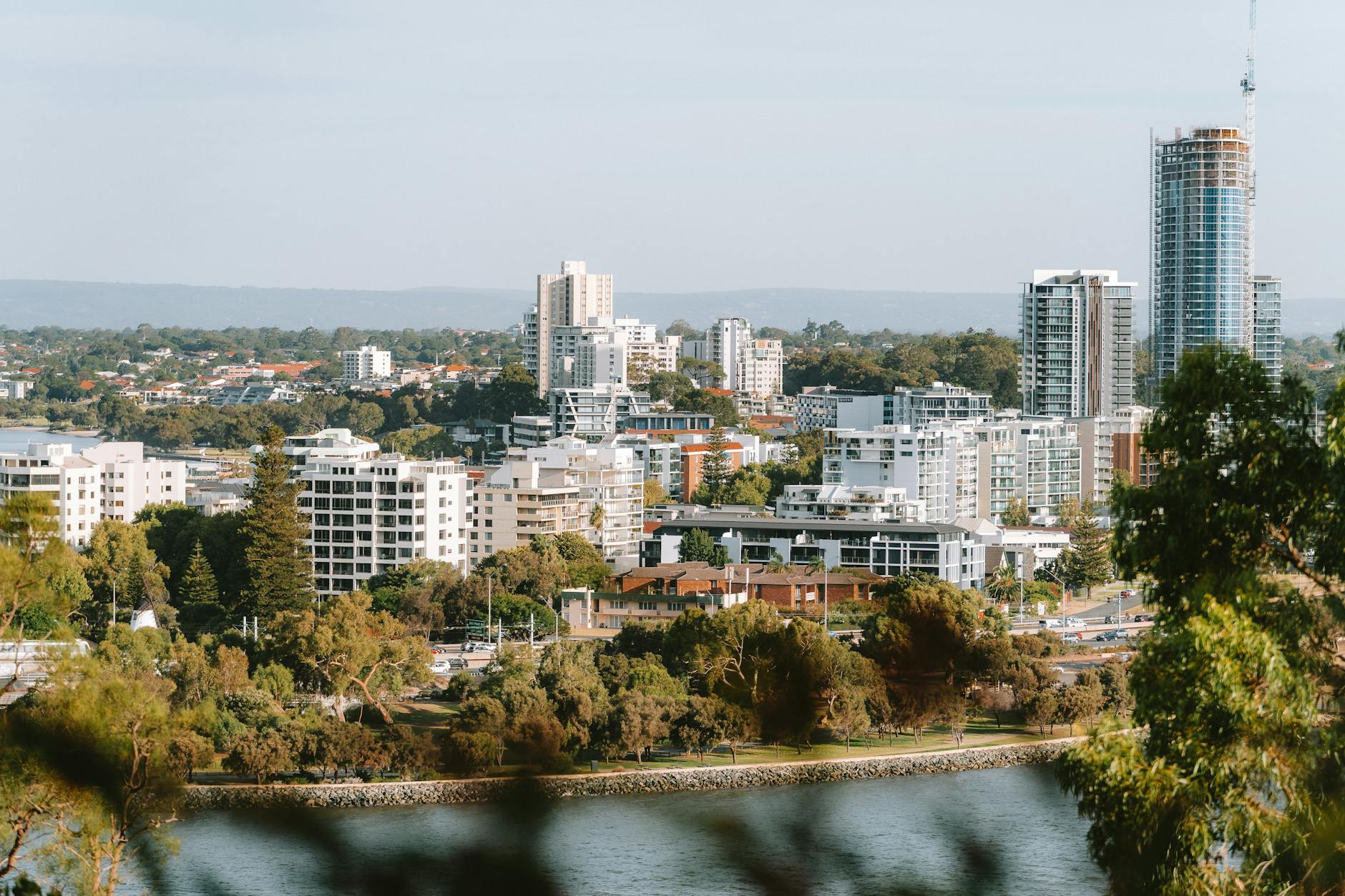
Esplanade: best for orientation, atmosphere, and low-friction public life. CBD: best for practical errands, casual dining, and transport logic. Aquarium/civic side: best for a weather-proof urban layer. Botanic-gardens/Edge Hill side: best for a slower half-day outside the pure excursion pattern.
Neighborhood Guide: Where to Explore, Not Just Sleep
The Esplanade is where Cairns becomes a place rather than just a departure point. Council's official guidance shows how much civic infrastructure has been concentrated here, from lagoon to fitness zones to showers and picnic facilities.[2] This is where you understand why the city works despite not being a beach town in the classic sense.
The CBD itself is modest but useful. It gives you ordinary shopping, dining, and hotel-to-tour practicality. Cairns is not a city to romanticize block by block. It is a city to use intelligently.
The aquarium precinct matters because it gives the town a genuine indoor natural-history layer close to the center.[7][8] That helps Cairns feel more complete on days when you are not offshore or in the hills.
The botanic-gardens side and Edge Hill matter because they reveal a greener, more local tropical Cairns and provide one of the best off-boat, off-bus ways to spend a morning or late afternoon.[3][4]
The Best Things to Do in Cairns
- Use the Esplanade properly, especially in the evening.[2]
- Take one serious Great Barrier Reef day rather than several interchangeable boat days.[5][6]
- Do one rainforest or Kuranda day with enough time to feel the landscape shift.[9][10]
- Visit the botanic gardens if you want the city to show more than its gateway function.[3]
- Use the aquarium as a real interpretive layer, not just as a fallback.[8]
- Leave at least one stretch of the trip underprogrammed.
Itineraries
If You Have Two Days
Use one day for the reef and one day for Cairns itself plus either the gardens or aquarium. Do not try to force both reef and rainforest into a two-day stay unless you actively enjoy sprinting through destinations.
If You Have Three Days
This is the best short first-timer structure: one reef day, one rainforest/Kuranda day, and one Esplanade-and-city day that includes proper recovery and slower dining.
If You Have Four Days
Ideal for many travelers. Add a second lower-pressure nature layer or simply use the extra day to stop the trip from feeling overengineered.
Itineraries By Traveler Type
For Couples
Stay on the Esplanade, do one reef day, one slower city day, and one scenic day into the rainforest. Let the evenings do more work than the middays.
For Families
Use the lagoon, aquarium, and one carefully chosen excursion. The city is more forgiving than people think if you do not overbook.
For Soft-Adventure Travelers
Choose the reef, choose Kuranda or another rainforest experience, and avoid thinking that intensity equals quality.
For Winter-Sun Escapers
This is the classic Cairns use case. Build the trip around warmth, water views, and a tropical pace rather than around proving how much you can fit in.
Food and Drink
Cairns is not one of Australia's great pure food cities, but that is not the right standard. The better question is whether it feeds the trip well. Usually, yes. The strongest pattern is tropical breakfast, light midday strategy on excursion days, and a relaxed evening meal once the heat has softened and the waterfront comes back to life.
Seafood makes sense here. So do casual outdoor dinners, drinks with air movement, and places that understand visitors returning sun-tired from the reef. What matters most is not chasing prestige. It is eating in a way that fits the climate and the day you actually had.
Getting Around
Inside central Cairns, you can do a great deal on foot if you stay near the Esplanade or CBD edge. The airport transfer is short and straightforward, and many major visitor functions sit close together once you are in town.[1]
Beyond that, Cairns is a city where transfer logic matters more than public-transport mastery. Reef days usually solve themselves through operators. Kuranda or rainforest experiences often come bundled with rail, cableway, or coach structure.[9][10] Your job is mostly to choose the right product and leave enough margin around it.
What To Skip
Skip the idea that Cairns is a beach city in the classic sense. Skip overloading consecutive full-day excursions. Skip any hotel choice that makes the Esplanade and tour logistics irritating. Skip the assumption that a tropical destination will automatically feel restful without deliberate pacing.
Common Mistakes
- Booking three major nature days in a row.
- Expecting the city itself to perform like a major urban destination.
- Underestimating humidity and sun load.
- Treating all reef trips as identical.
- Never giving the Esplanade time to do its job.
My Blunt Advice
Cairns is a place to use well, not to mythologize. Stay central. Respect the climate. Take one strong reef day and one strong rainforest day. Give the city one easier day to breathe. Let the Esplanade hold the trip together.
Do that, and Cairns becomes what it is supposed to be: a clean, warm, tropical base for some of Australia's most distinctive natural experiences, with just enough civic and urban life to stop the whole trip from feeling like a transfer lounge.
Where Cairns Fits in an Australia Trip
Cairns matters in an Australia itinerary because it gives you access to experiences that are globally singular while keeping the logistics relatively manageable. The Great Barrier Reef and the Wet Tropics are not minor side products. They are two of the country’s most recognizable environmental worlds, and Cairns is one of the most straightforward ways to structure them into a trip.
That means the city is especially useful when your Australia route needs a nature chapter that is organized rather than improvised. Sydney and Melbourne can carry urban gravity. Tropical North Queensland needs a base that can translate climate, boats, transfers, and tours into something workable. Cairns does that very well.
It also helps counter a common route distortion: travelers spending most of their Australian trip in large southern cities, then trying to bolt on the tropics without adjusting their pace. Cairns forces a different rhythm. Heat, early departures, moisture, and marine conditions change how the day behaves. That difference is valuable. It stops the country from flattening into one style of travel.
The key is to recognize that Cairns is not trying to win on metropolitan depth or beach perfection. It wins by being an efficient tropical operating base with just enough public life to keep the stay from feeling purely transactional.
Cairns Versus Port Douglas
This comparison shapes a lot of decision-making, even when travelers pretend it does not. Cairns and Port Douglas are often framed as alternatives because both can serve reef-and-rainforest itineraries. But they offer very different travel moods.
Cairns is more practical, more urban, and more service-oriented. It is easier on airport timing, easier on tour logistics, and better at handling mixed-purpose days. The Esplanade, lagoon, aquarium, and broader central infrastructure make it more resilient if plans change or energy drops.
Port Douglas is more resort-like, more leisure-facing, and more immediately styled around vacation atmosphere. Travelers who want a smaller, more polished, more holiday-coded environment may prefer it. Travelers who want a stronger city base with more excursion choice and less transfer drag often do better in Cairns.
That is why the question should not be “which one is nicer?” The real question is whether you want a tropical operations city or a more contained leisure town. For many first-timers trying to balance reef, rainforest, and simplicity, Cairns is the more rational choice.
First-Time Visitors Versus Repeat Visitors
Cairns is easy for first-time visitors to underestimate because the place looks so straightforward. Airport close, Esplanade obvious, tours bookable, weather warm, done. That apparent simplicity makes people careless.
On a first trip, travelers often overbook the nature product because they feel the city itself is thin. They use Cairns as a hotel and pier rather than as a destination rhythm. That can produce an active holiday, but not necessarily a good one.
Repeat visitors usually understand Cairns more intelligently. They know that one excellent reef day can be enough. They protect a lower-pressure city day. They use the Esplanade more intentionally. They understand which excursion type suits their energy rather than just choosing the most famous name. They also know that climate fatigue is real.
That is the mindset first-time visitors should borrow. You do not need to prove that you “maximized” Tropical North Queensland. You need to build a trip that leaves enough energy to enjoy where you are.
Dry-Season Cairns Versus Wet-Season Cairns
This is one of the most important planning distinctions in the whole guide because weather in Cairns is not cosmetic. It shapes comfort, visibility, humidity, walking range, and sometimes the emotional success of the trip itself.
Dry-season Cairns is easier to use. The city feels more open, the Esplanade is more comfortable for longer stretches, and excursions often fit more naturally into the day. This is why the June-to-October range is such an easy recommendation for first-timers.
Wet-season Cairns is not automatically a mistake, but it is a materially different product. The city can feel heavier, stickier, and more indoor-dependent. Nature remains lush and compelling, but you have to actually want tropical intensity rather than merely tolerate it. Travelers who imagined a breezy winter-sun version of the tropics can be disappointed if they arrive in the wrong months with the wrong expectations.
Shoulder months can be smart exactly because they force more awareness. But whichever season you choose, the mistake is pretending Cairns works the same way year-round. It does not.
Why One Proper Cairns Day Matters
Because Cairns is so excursion-oriented, travelers often assume the city itself does not deserve a whole day. They try to fit reef, rainforest, and constant movement into every available slot, then leave saying the city had nothing to offer.
That conclusion is usually self-created. One proper Cairns day matters because the city needs time to reset the body and explain the region. The Esplanade, the lagoon, a better breakfast, a little shade, the gardens or aquarium, and a slower dinner can turn Cairns from mere logistics into a place.
This is especially important after a reef day. Offshore trips are often wonderful but physically consuming. If the next morning is immediately handed to another major excursion, the whole trip can start feeling like a blur of transfers and tiredness. One proper Cairns day breaks that pattern.
The point is not that the city rivals the reef. The point is that the city supports the reef best when it is allowed to act as a real base instead of only a nightly reset button.
Why the Base Matters More Than Visitors Expect
In Cairns, the base is less about romance than about friction. A hotel that looks fine in abstract terms can still create weak mornings, irritating evening returns, or too much distance from the Esplanade’s public spine. Because excursions often start early and recovery matters, those small frictions compound quickly.
The right base keeps the Esplanade easy, breakfast easy, departures easy, and evening wandering easy. It also gives you enough reason to use the city when you are not on a boat or in the hills. That is why the Esplanade and CBD edge remain the strongest defaults for first-time visitors.
Poor base logic in Cairns usually comes from one of three mistakes: assuming any tropical-looking property is equally useful, choosing remoteness for mood when the trip is really excursion-led, or undervaluing how much the Esplanade helps the city feel coherent. A good base fixes all of that before the trip begins.
Day Cairns Versus Evening Cairns
By day, Cairns often feels practical before it feels magical. Tour check-ins, humidity, errands, and tropical brightness can make the city seem more functional than charming. That is normal.
By evening, Cairns usually improves. The heat drops. The Esplanade becomes more socially persuasive. The lagoon area, waterfront, bars, and casual dining all begin to do the work that the midday city often cannot. This is when Cairns starts feeling like more than a departure terminal for tomorrow’s boat.
That is one reason short stays improve a lot when they include at least two evenings. Cairns is not primarily a nightlife destination, but it is a city whose evening public life helps justify the base. If you only encounter it in the morning and under midday sun, you are seeing a thinner version.
Why the Region Should Not Own the Whole Trip
The surrounding natural product is the reason most people come. That is obvious and correct. But it can still be overused. If every day is assigned to a maximal excursion, the trip starts to become a chain of obligations rather than a tropical stay.
This is where weaker Cairns itineraries go wrong. They confuse the quantity of excursions with the quality of the trip. One reef day, one rainforest day, and one proper city/recovery day often outperform a more aggressive schedule because the whole stay remains absorbable.
Cairns itself does not need to dominate the trip, but it does need enough time to hold the structure together. Otherwise the region consumes the base and leaves the traveler with memories of logistics rather than place.
Why Food Is Structural, Not Decorative
Cairns is not a city where food should become a prestige quest. That is not how the place is strongest. But meals still matter because they stabilize the day.
A good breakfast before a reef pickup, a smarter lunch choice on a hot city day, a cool drink in the late afternoon, and one proper seafood-forward or waterfront dinner can all materially improve the trip. In a climate this physical, badly timed food decisions are not neutral.
This is why the best Cairns food logic is situational rather than list-driven. The city feeds the trip well when you let climate and energy determine the pattern.
Why Cairns Often Works Better Than It Sounds
Cairns can sound unimpressive in summary. Gateway city, no beach in town, organized tours, practical airport, Esplanade, lagoon. Nothing in that description sounds like a travel romance.
And yet the place often works better than it sounds because the structure is so honest. The city is close to the airport. The Esplanade does its job. The reef product is genuinely major. The rainforest product gives real contrast. The botanic gardens and aquarium provide fallback depth. Cairns does not fake its identity. It delivers it cleanly.
Travelers who accept that often end up liking Cairns more than they expected because the city stops trying to be the wrong thing and starts performing its real function well.
Why Cairns Often Improves on the Second Visit
The first visit to Cairns is often dominated by the obvious big draws: one reef day, one rainforest day, maybe a glance at the city. That is enough to make the trip worthwhile, but it can still leave Cairns itself feeling secondary.
On a second visit, travelers usually pace the destination better. They know what kind of reef day they actually want. They know they do not need three versions of the same marine outing. They use the Esplanade and slower city time more intelligently. They may even begin to appreciate Cairns as a tropical city base in its own right rather than merely as a logistics node.
This does not mean Cairns is secretly deep in the metropolitan sense. It means familiarity improves the quality of use, and quality of use is exactly what the city is built around.
How Cairns Changes Over the Course of a Stay
On arrival, Cairns often feels plain, humid, and obviously functional. Some travelers worry immediately that they have booked logistics rather than destination.
Then the trip settles. The airport convenience proves itself. The Esplanade begins to work as public living room. One strong reef day gives the whole city purpose. A lower-pressure day restores energy. The evening air improves the waterfront. The place starts to feel less like a holding pattern and more like a well-designed tropical base.
By the end of a good stay, Cairns usually reads more clearly rather than more romantically. That is exactly right. The city’s victory is not illusion. It is fit. Once you feel that, the destination makes sense.
Source Notes
- 1. Cairns Airport, official transport options page: [https://www.cairnsairport.com.au/travelling/parking-and-transport/transport-options/](https://www.cairnsairport.com.au/travelling/parking-and-transport/transport-options/)
- 2. Cairns Regional Council, official Cairns Esplanade page: [https://www.cairns.qld.gov.au/experience-cairns/Cairns-Esplanade](https://www.cairns.qld.gov.au/experience-cairns/Cairns-Esplanade)
- 3. Cairns Regional Council, official botanic gardens page: [https://www.cairns.qld.gov.au/experience-cairns/botanic-gardens](https://www.cairns.qld.gov.au/experience-cairns/botanic-gardens)
- 4. Cairns Regional Council, official garden areas and collections page: [https://www.cairns.qld.gov.au/experience-cairns/botanic-gardens/garden-areas](https://www.cairns.qld.gov.au/experience-cairns/botanic-gardens/garden-areas)
- 5. Great Barrier Reef Marine Park Authority, official visitor page: [https://www2.gbrmpa.gov.au/visit](https://www2.gbrmpa.gov.au/visit)
- 6. Great Barrier Reef Marine Park Authority, official responsible reef practices page: [https://www2.gbrmpa.gov.au/access/responsible-reef-practices](https://www2.gbrmpa.gov.au/access/responsible-reef-practices)
- 7. Cairns Aquarium, official general-info page: [https://www.cairnsaquarium.com.au/general-info/](https://www.cairnsaquarium.com.au/general-info/)
- 8. Cairns Aquarium, official general admission page: [https://www.cairnsaquarium.com.au/general-admission/](https://www.cairnsaquarium.com.au/general-admission/)
- 9. Skyrail, official experience page: [https://skyrail.com.au/experience/](https://skyrail.com.au/experience/)
- 10. Skyrail, official Skyrail and Kuranda Scenic Railway planning page: [https://skyrail.com.au/plan/skyrail-kuranda-train](https://skyrail.com.au/plan/skyrail-kuranda-train)