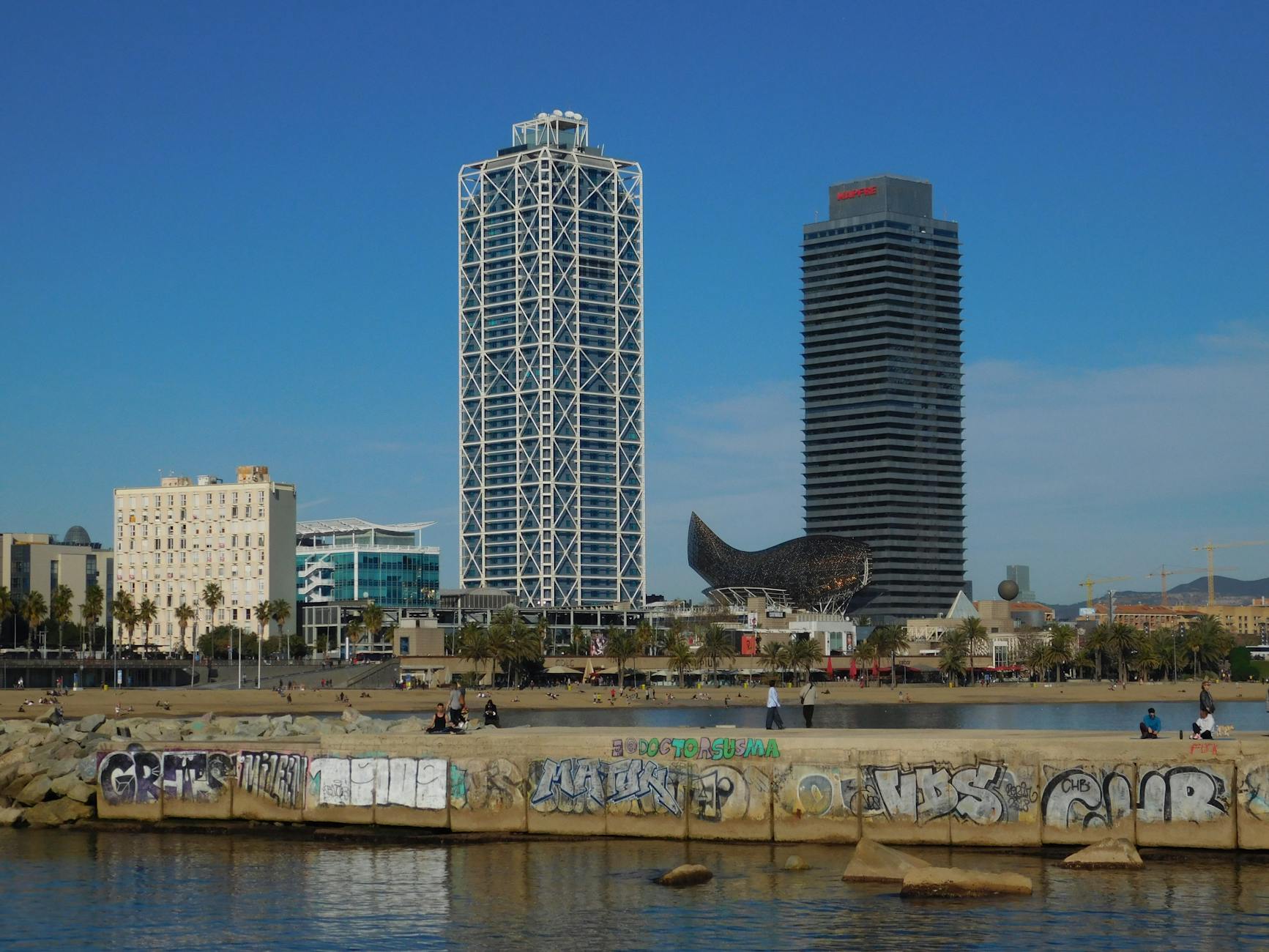
Barcelona is one of Europe's easiest cities to misunderstand because it is so immediately likable. The sea is there, the food is easy to want, the architecture announces itself without much effort, and the neighborhoods are distinct enough that visitors feel clever just for moving between them. That first burst of confidence is where many Barcelona trips quietly go wrong.
Start Here
This is not because Barcelona is difficult in any heroic sense. It is not Porto with its slopes, nor Florence with its cultural overconcentration, nor Edinburgh with its punishing gradients. The problem here is sprawl disguised as ease. The city looks compact enough that people start stitching together incompatible zones into one day: breakfast in Eixample, Gothic Quarter wandering at peak crowd time, beach in the afternoon, one rushed Gaudí slot, cocktails in El Born, and a late return to a hotel that turns out to be stylish but strategically wrong. Everything seems individually reasonable. The day as a whole often feels scattered.
Barcelona is much better when it is used as a neighborhood city. Eixample is not just where nice hotels happen to be. It is a particular version of Barcelona: ordered, modernist, broad, design-conscious, and much more operationally graceful than first-timers often realize. The Gothic Quarter and El Born are not simply "the old city." They are a denser, narrower, more atmospheric, more visitor-pressured Barcelona. The waterfront is not a decorative fringe. It is a different emotional register entirely, one that can either refresh the trip or flatten it into generic leisure depending on how much of the itinerary you surrender to it.
That is why the strong Barcelona trip depends less on seeing everything than on aligning the mood of the day with the part of the city you are in. One day that belongs to Gaudí, Eixample, and broad boulevards. One day for old-city density and the right amount of historical atmosphere before crowd fatigue sets in. One day that uses the sea, Montjuïc, or a quieter neighborhood shift to stop Barcelona becoming one long tourist current. One evening where the city moves through vermouth, dinner, and street life rather than just one more attraction.
Barcelona rewards elegance in planning. The place wants to be used well. It wants you to respect the scale of the blocks, the value of the metro, the fact that some famous places are better with timed discipline, and the idea that a city can be both generous and overexposed at once. When you accept those terms, Barcelona becomes much more than a good-time city. It becomes one of Europe's most complete urban pleasures.
The city in one sentence: Barcelona is a broad but highly usable neighborhood city where the best first trip comes from balancing Eixample order, old-city atmosphere, Gaudí planning, beach and nightlife energy, and clean routing instead of treating everything as one continuous stroll.
Quick Verdict
Best for: couples, solo travelers, first-time Spain trips, architecture travelers, food-and-nightlife travelers, design travelers, and anyone who likes cities that combine urban sophistication with real outdoor life.
Not ideal for: travelers who want a tiny, tightly bounded old city, people who dislike crowds but insist on La Rambla and Gothic Quarter at peak hours, or anyone who thinks a Barcelona trip can be improvised around vibes alone.
Ideal first visit: 3 to 4 full days.
Minimum worthwhile stay: 2 full days, if they are geographically disciplined.
Best overall months: April, May, June, September, and October.
Best winter case: late autumn through winter for architecture, food, museums, and calmer city use rather than full beach logic.
Biggest planning mistake: assuming Barcelona is one smooth central zone instead of a set of strong neighborhoods with different energies and transit relationships.
One thing to prioritize: the base. In Barcelona, district choice determines whether the trip feels stylish or just busy.
One thing to leave flexible: the exact relationship between city time and waterfront time. Some travelers need only one seaside chapter; others want it daily.
The blunt version: Barcelona is one of Europe's strongest all-round city breaks if you route it intelligently, and one of the easiest places to make blandly overstuffed if you keep trying to do every version of the city in one go.
Who Will Love Barcelona?
Barcelona suits travelers who want variety without surrendering coherence. Some cities make you choose between culture and pleasure, between architecture and nightlife, between serious sightseeing and easy sociability. Barcelona can hold all of those things at once, but only if the traveler respects that each belongs to a slightly different map.
It works especially well for couples because the city gives them several distinct but compatible pleasures: strong hotels, major architecture, food that supports a long day rather than interrupting it, good drinking culture, late urban life, and enough sea-adjacent movement to keep the trip open-air and generous. A good Barcelona day can include one timed attraction, one neighborhood walk, one long lunch, one slower afternoon, and one evening where dinner and street life matter as much as the sightseeing did.
Solo travelers also do very well here. Barcelona is legible once its neighborhoods are understood, the metro is useful without being overcomplicated, and there is enough public-life density that walking alone never feels thin. The city is also large enough to give solo travelers options: they can lean into design and architecture, nightlife, beach time, museums, or simple wandering and still feel they used the city properly.
The city is particularly strong for travelers interested in how a modern city can be both visually expressive and livable. Eixample's grid, Gaudí's interventions, the Gothic remnants, Montjuïc, and the waterfront all reveal different answers to that question.
Barcelona is less ideal for visitors who want quiet, delicate, low-impact urban beauty. This is a city with volume, traffic, tourism pressure, and a very public social life. If that sounds energizing, you are in good shape here. If it sounds exhausting, choose a smaller Spanish city.
Barcelona at a Glance
| Question | Practical Answer |
|---|---|
| Main airport | Barcelona-El Prat Airport |
| Best public airport move | Metro or rail depending your base, with Hola Barcelona often useful |
| Airport metro product worth knowing | Airport Metro Ticket or Hola Barcelona[1][3] |
| Best first-time base | Eixample or the Eixample/old-city seam |
| Most atmospheric district | Gothic Quarter / El Born, but not always the best place to sleep |
| Best evening district | Eixample dining corridors, Born, or a well-chosen Gràcia plan |
| Public transport backbone | Metro plus walking |
| Signature architectural anchor | Sagrada Família |
| Signature timed-visit trap | Park Güell and Sagrada Família if left too late |
| Best all-weather cultural anchor | Picasso Museum, MNAC, or a Gaudí interior depending taste |
| Biggest practical variable | neighborhood sprawl disguised as compactness |
| Car needed? | No |
| Currency | Euro |
| Emergency number | 112 |
| Tap water | Safe to drink |
| Power plugs | Type C and F |
2026 Visitor Notes
The Airport Metro Is Straightforward, But Not Free By Default
TMB's official airport-ticket page makes a point worth understanding early: the Airport Ticket is a dedicated metro ticket for the Barcelona airport stations.[1] TMB's 2026 fares page lists that Airport Ticket at €5.90.[2] This matters because visitors often assume the airport ride behaves like any other urban metro segment.
Hola Barcelona Includes Airport Metro Trips
TMB's official Hola Barcelona page states that your return metro trips to and from the airport are included with the Hola Barcelona Travel Card.[3] That can make the card useful on shorter first-time stays where you want low-friction movement rather than constant ticket calculation.
Barcelona Card Is Not The Same Product
Turisme de Barcelona's official Barcelona Card material distinguishes the broader city card from pure transport products. The Barcelona Card combines transport, free museums, and discounts, while other visitor cards focus mainly on movement.[4] That means you should buy a card because your trip fits it, not because the existence of several similar-sounding products confused you into optimism.
Sagrada Família Is An Actual Timed Attraction, Not A Symbolic Walk-By
The official Sagrada Família ticket pages separate standard admission, guided options, and tower access.[5][6] That is a simple but important signal: this is a managed, reserved attraction, not something to leave to loose same-day instinct on a high-pressure trip.
Park Güell Is Capacity-Controlled And Time-Slotted
Park Güell's official visit pages make clear that entry is regulated, tourist access is restricted to ticketed hours, and visitors have a short grace period after the time on the ticket to enter.[7][8] Park Güell is much better when handled with precision instead of wishful spontaneity.
The City Is More Walkable Than It Is Small
Barcelona rewards walking, but not naive walking. It is a city where one elegant metro hop often improves the day more than one self-congratulatory forty-minute trek between mismatched districts.
How to Understand Barcelona
Barcelona works through five forces.
The first is the grid. Eixample is one of the great practical gifts a city can offer a traveler. It structures movement, hotels, shopping, dining, and a calmer version of urban life than the old center can provide.
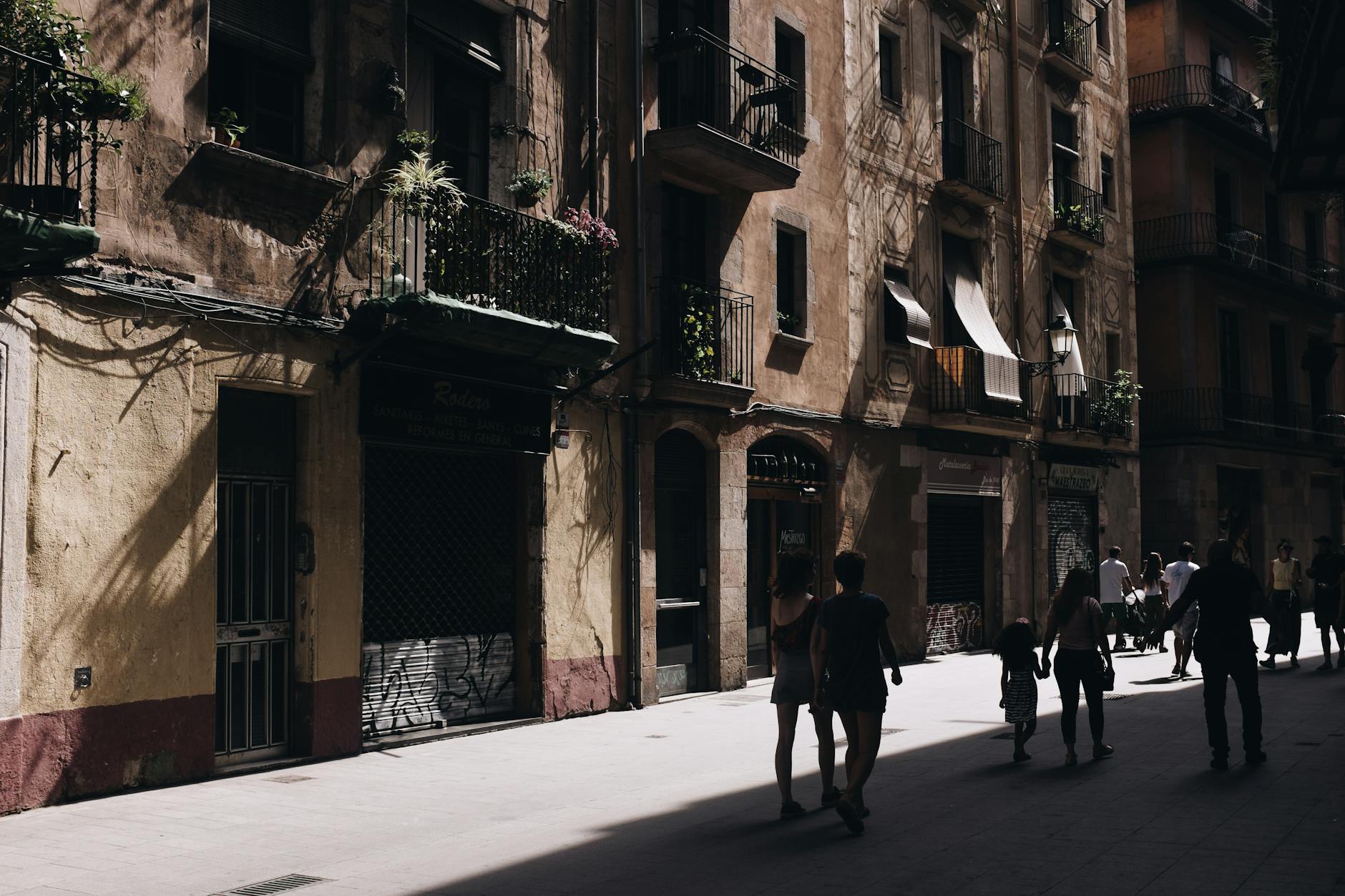
The second is the old-city density. Gothic Quarter and Born still matter, but they operate through narrower streets, higher visitor pressure, and a much stronger atmosphere-to-friction ratio.
The third is Gaudí and visual identity. Barcelona's global brand is partly built on singular architecture. That is real, but it can distort first-time itineraries if every major decision becomes Gaudí-first instead of city-first.
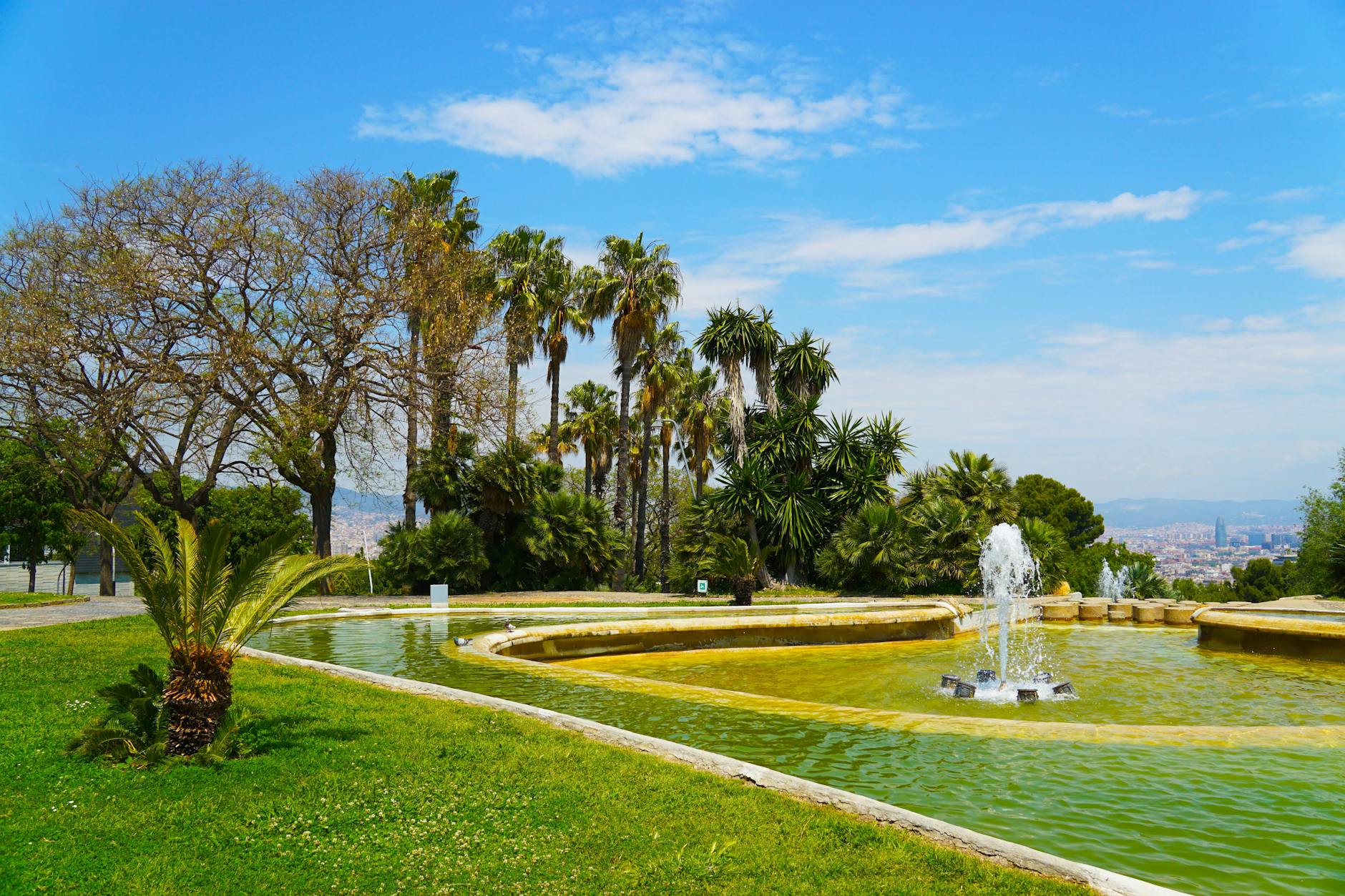
The fourth is the waterfront. The sea gives Barcelona an openness and leisure dimension many big European cities cannot match. It is an asset, but also a distraction if used lazily.
The fifth is public social life. Terraces, vermouth, late dinners, street movement, and the city's willingness to stay active after dark all help explain why Barcelona feels so complete.
The Five Barcelonas A Visitor Actually Meets
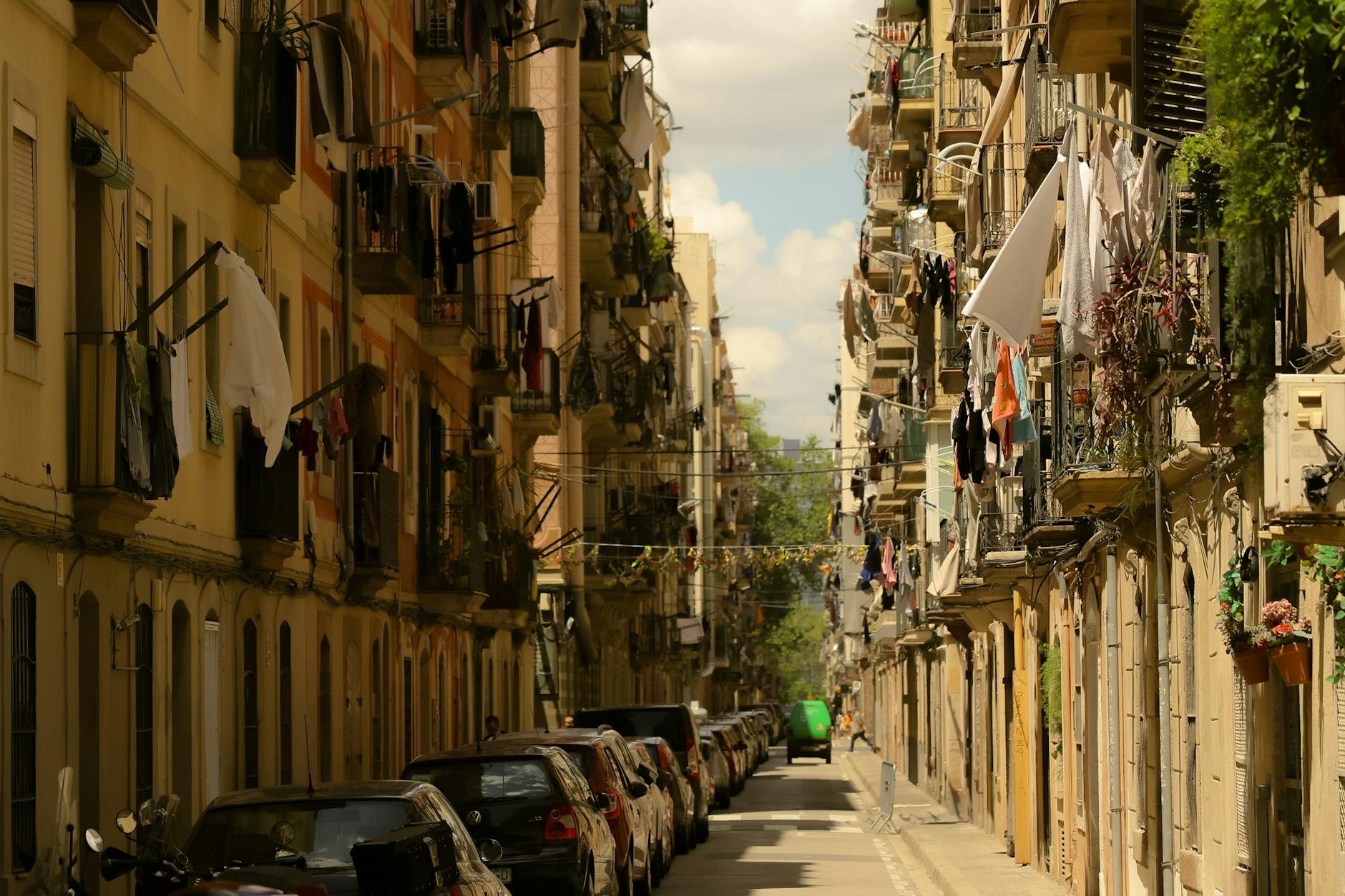
Eixample Barcelona: broad, planned, architectural, polished, and often the best practical answer for sleeping and moving.
Old Barcelona: Gothic Quarter, Born, cathedral layers, narrow streets, and the city of intensified atmosphere.
Gaudí Barcelona: Sagrada Família, Park Güell, and the part of the city most vulnerable to bad ticket planning.
Waterfront Barcelona: Barceloneta, port, beach, and the more overtly leisure-led version of the trip.
Local-evening Barcelona: vermouth, dinner, bars, neighborhood streets, and the part of the city that often ends up being the actual favorite.
The Main Mental Shift
Do not ask, "What are the top sights in Barcelona?" Ask, "Which Barcelona am I using today?" Eixample, old-city, beach, Gaudí, night-out. That one question improves routing, hotel choice, and energy management almost immediately.
What Barcelona Does Better Than People Think
Barcelona is unusually good at balancing urban sophistication with actual pleasure. Plenty of cities do architecture well. Plenty do nightlife well. Plenty do beach leisure well. Barcelona can do all three in one trip without feeling incoherent if the traveler builds the days cleanly.
It is also better than many first-time visitors expect at district variation without losing usability. The grid, the metro, and the overall city structure allow meaningful neighborhood shifts without the whole trip dissolving into logistics.
Another underrated strength is day-to-night continuity. Barcelona rarely dies after the museums close. If anything, the city often becomes more itself once food, bars, and public life take over from attraction logic.
The city is also very strong at giving the traveler choices of tone. You can have polished Barcelona, old Barcelona, sea Barcelona, or design Barcelona, often within the same stay.
Finally, Barcelona does stylish pragmatism well. It is a city where being smart usually looks good too.
Best Time to Visit Barcelona
Barcelona is a year-round city, but not a season-neutral one. Heat, crowd volume, and the relative importance of the sea change the trip a lot.
Best Overall Months
April, May, June, September, and October are the strongest first-visit windows for most travelers. The city is energetic, the outdoor life works, and the walking remains more graceful than in peak summer.
Summer
Summer is the season when Barcelona can feel most seductive and most generic at once. The beach is active, the city stays open late, and outdoor life is obvious. But weak routing becomes more tiring, and the most tourist-heavy parts of the city become less forgiving. A smart summer Barcelona trip protects midday and overexposure.
Autumn
Early autumn is one of the city's best seasons. The sea still matters, evenings stay strong, and the urban side of the trip often regains some composure.
Winter
Winter Barcelona can be excellent for architecture, food, museums, and a calmer, more adult version of the city. If beach time is incidental rather than central, winter can be a very good answer.
Spring
Spring is often ideal. The city feels open, terraces work, and the full range of Barcelona pleasures becomes available without the full summer penalty.
Month-by-Month Guidance
January: calm, urban, and good for architecture travelers. February: still relatively quiet, often a strong value month. March: transitional and increasingly attractive. April: one of the best overall choices. May: excellent for a first visit. June: strong, lively, and often ideal. July: high-energy but more demanding. August: usable, but routing and base matter a lot. September: one of the smartest times to go. October: often excellent. November: calmer and more city-first. December: festive and still very workable for a short break.
How Many Days You Need
One Day
Enough for a sketch, not enough to understand why the city works.
Two Days
The minimum respectable stay. One day should be Eixample and Gaudí-led. The other should choose between old-city density and waterfront release instead of trying to force both too hard.
Three Days
Ideal for many first-time visitors. This gives room for one major timed attraction day, one neighborhood day, and one looser day that lets the city feel like a place rather than a sequence of bookings.
Four To Five Days
Very good if you want beach time, deeper dining, more architecture, or a day trip without hollowing out the city.
One Week
Excellent if Barcelona anchors a wider Catalonia route, provided the city itself still gets several direct days.
Where to Stay in Barcelona
Where you stay matters because Barcelona has several excellent districts that support completely different kinds of trips.
Fast Answer
For most first-time visitors, stay in Eixample, near the Eixample/old-city seam, or in a carefully chosen Born property if atmosphere matters more than smooth logistics. Stay directly on the beach only if the trip is consciously leisure-weighted.
Neighborhood Decision Table
| Traveler Type | Best Area |
|---|---|
| First-time couple | Eixample or Eixample/Born seam |
| Architecture-first traveler | Eixample |
| Maximum atmosphere traveler | Born or Gothic edge |
| Better sleep and cleaner logistics | Eixample |
| Beach-and-city traveler | near Barceloneta or Port Olímpic side, with care |
| Repeat visitor | Gràcia, Poblenou, or calmer Eixample pockets |
Eixample
For many first-time visitors, this is simply the right answer. You get better rooms, broader streets, more elegant movement, and easier access to the rest of the city. It is not less Barcelona. It is often better Barcelona.
Born and Gothic Edge
This is a stronger answer for travelers who want atmosphere first and accept some tradeoffs in noise, crowd flow, and operational ease. It works best when chosen knowingly, not romantically by default.
Gràcia and Beyond
A very good repeat-visitor move or a strong choice for travelers who want more neighborhood life and less central performance. I would not make it the automatic first answer for a short first trip, but it can be excellent.
Beach Side
Useful if the waterfront is one of the actual reasons for the trip. Less useful if you are really here for architecture, food, and city movement.
Area Profiles
Eixample
Planned, confident, broad, and usually the smartest operational base.
Gothic Quarter and Born
Atmospheric, dense, historically charged, and vulnerable to overuse.
Waterfront
Open, leisure-led, and helpful in doses.
Gràcia
More local-feeling, less obvious, and often deeply likable.
Neighborhood Guide: Where to Explore, Not Just Sleep
Passeig de Gràcia and surrounding Eixample blocks: the city of broad boulevards, modernism, and clean walking.
Born and Gothic streets: powerful in short concentrated doses, not necessarily all day.
Sagrada Família zone: important architecturally, but not where the whole day should get stuck.
Park Güell and Gràcia side: useful for a different altitude and mood, but plan the access well.
Waterfront and beach corridor: best when used deliberately rather than as the inevitable ending of every day.
The Best Things to Do in Barcelona
Do Sagrada Família Properly
This is the city's most important single attraction, and the official ticket structure reflects that.[5][6] Give it a real slot and do not leave it to wishful timing.
Use Eixample As More Than Transit Space
Many first-time visitors move through Eixample without truly using it. That is a mistake. It is one of the reasons Barcelona feels civilized instead of chaotic.
Handle Park Güell With Discipline
The official Park Güell rules and ticketing structure are there for a reason.[7][8] Go because you want it, not because every Barcelona list repeats it.
Give The Old City A Time Limit
Barcelona's older core is worth seeing, but not all day every day. The city improves once you stop forcing atmosphere beyond its useful dosage.
Let One Part Of The Trip Belong To The Sea
Barcelona's coastal openness is part of its identity. Just do not let it erase the rest of the city.
Itineraries
The Best First 48 Hours
Day 1: Eixample, Sagrada Família, broad boulevard walking, and a dinner-led evening.
Day 2: old-city Barcelona in a contained block, then either Born/Gràcia continuation or a waterfront finish, depending energy.
The Best First 72 Hours
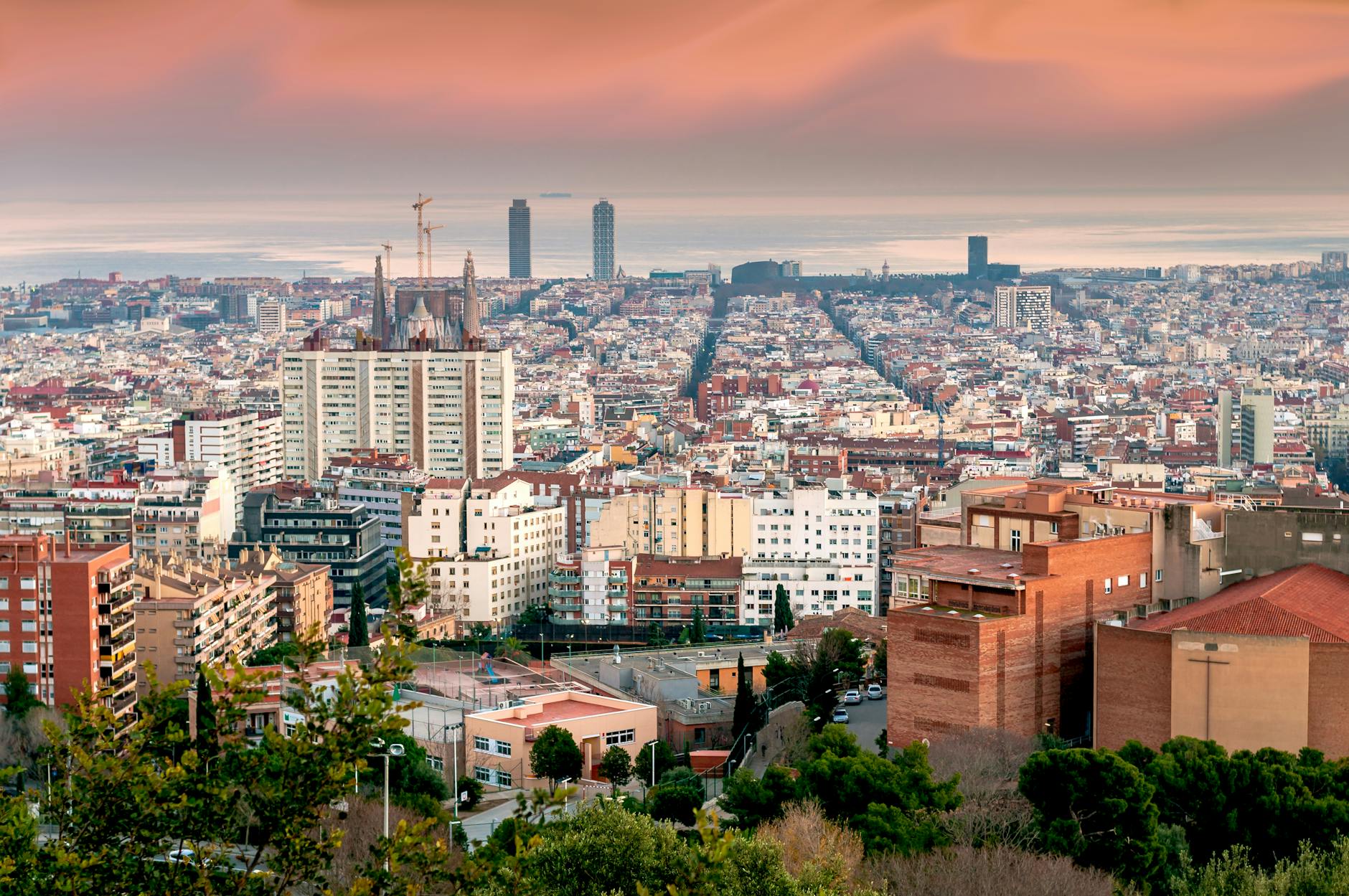
Day 1: Eixample and Gaudí Barcelona. Day 2: old Barcelona. Day 3: waterfront or a neighborhood-correction day with Gràcia, Montjuïc, or a deeper dining and shopping rhythm.
If You Only Have One Full Day
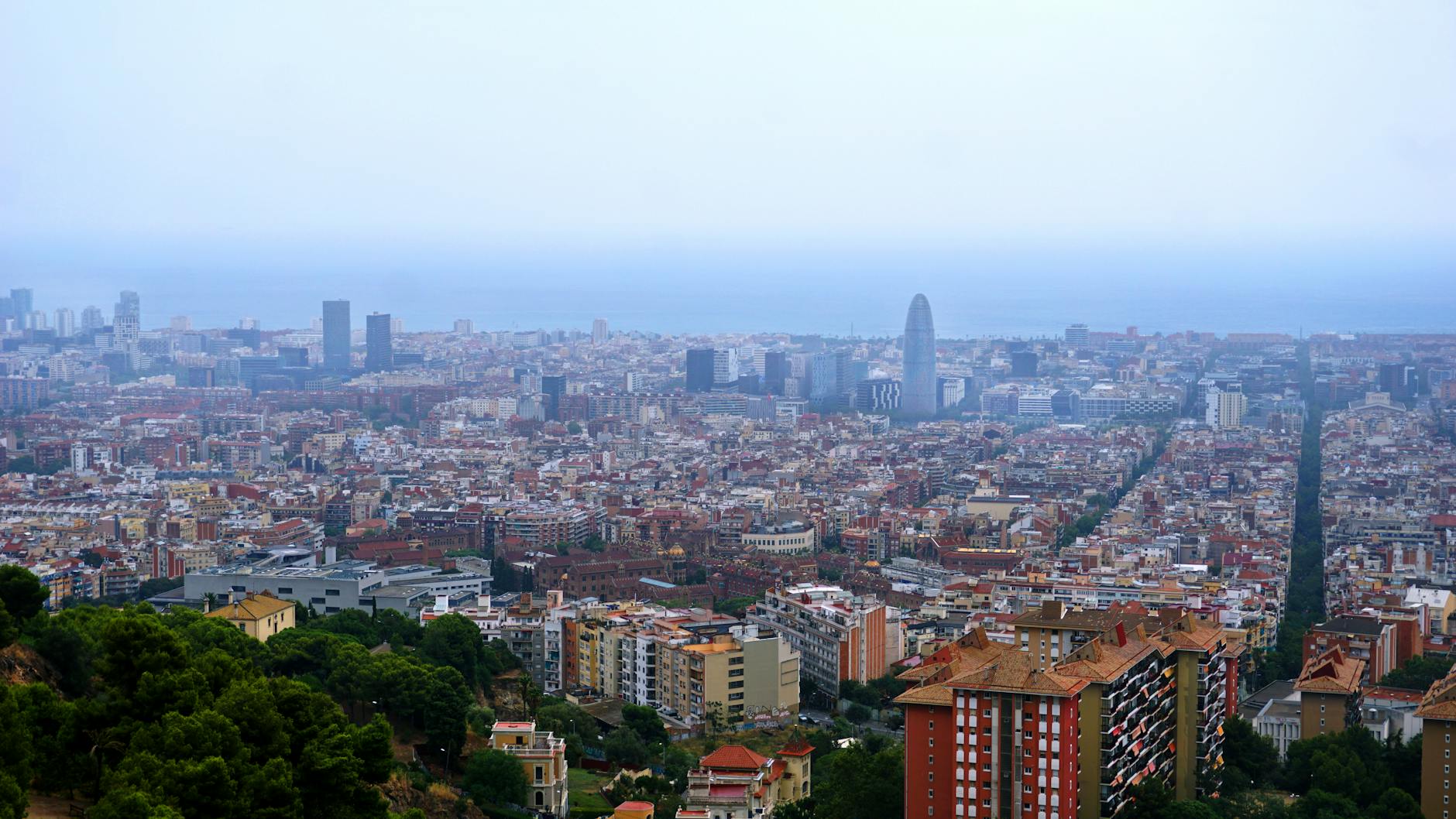
Choose between an architecture-forward city day and an atmosphere-forward city day. Do not try to jam Sagrada Família, Park Güell, Gothic Quarter, beach, and late nightlife into one performative marathon.
Itineraries By Traveler Type
For Architecture Travelers
Anchor around one Gaudí major, one Eixample walk, and one less pressured architectural district move rather than stacking iconic sites back to back.
For Couples
Choose a district that supports good mornings and good returns, protect one long lunch and one strong dinner, and let the city become social after dark rather than relentlessly touristic.
For First-Time Spain Travelers
Use Barcelona as a city first and a seaside break second. Its urban identity is the real prize.
For Repeat Visitors
Move beyond the obvious old-city loop and let neighborhoods, food, design, and city rhythm do more work.
Food and Drink
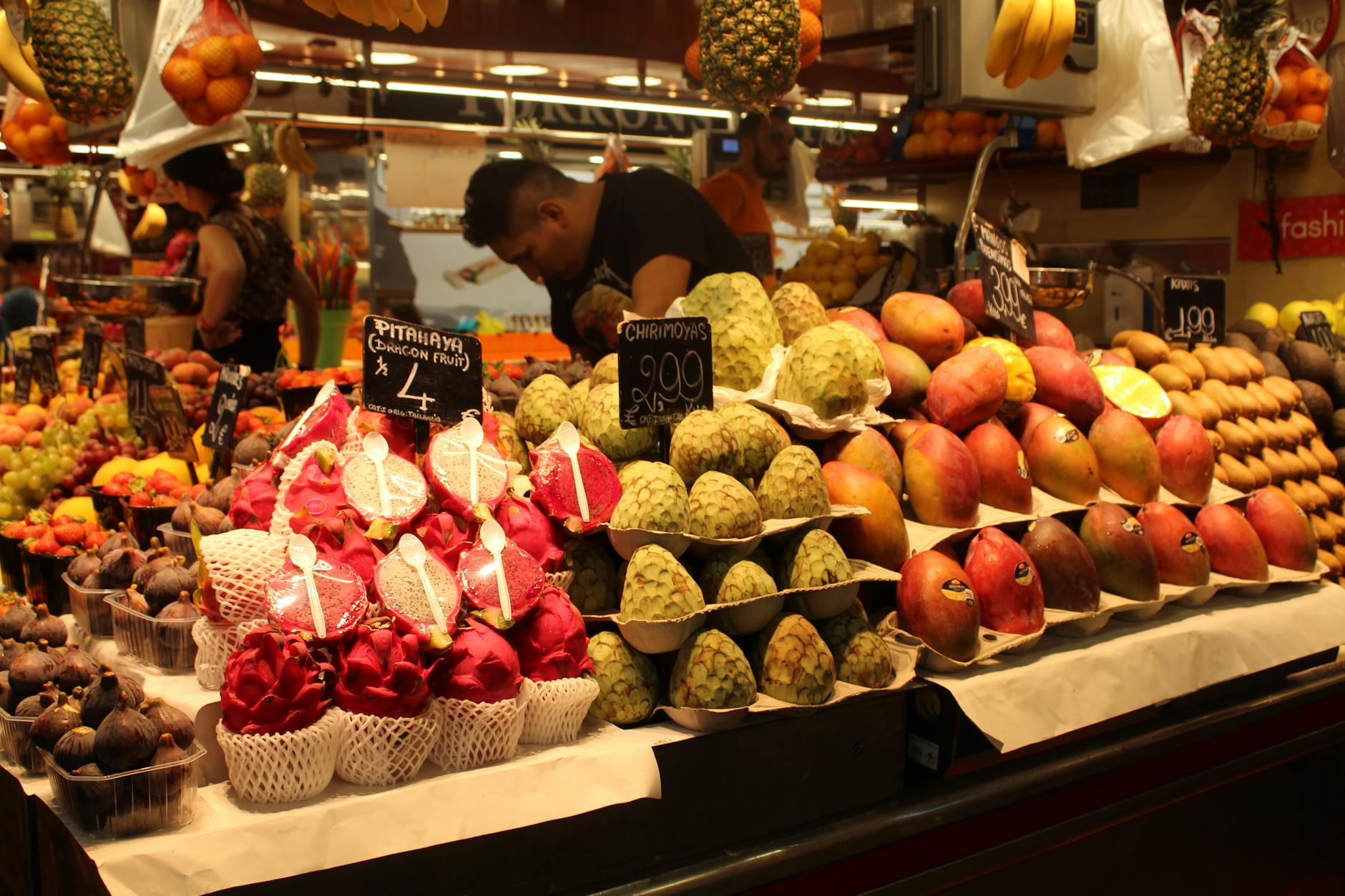
Barcelona is better at food than rushed first-time itineraries often allow. The city invites lingering: vermouth, late lunches, long dinners, bars that belong to neighborhoods rather than to spectacle, and the kind of outdoor social life that turns a meal into part of the urban fabric.
This is also a city where district matters at the table. Eixample dining, Born dining, beachside dining, and Gràcia dining do not feel interchangeable. Choosing where to eat is part of choosing which Barcelona you want that day.
The mistake is treating food as one more attraction to check off between Gaudí slots. Barcelona's social intelligence lives in the hours around eating and drinking as much as in any monument.
Getting Around
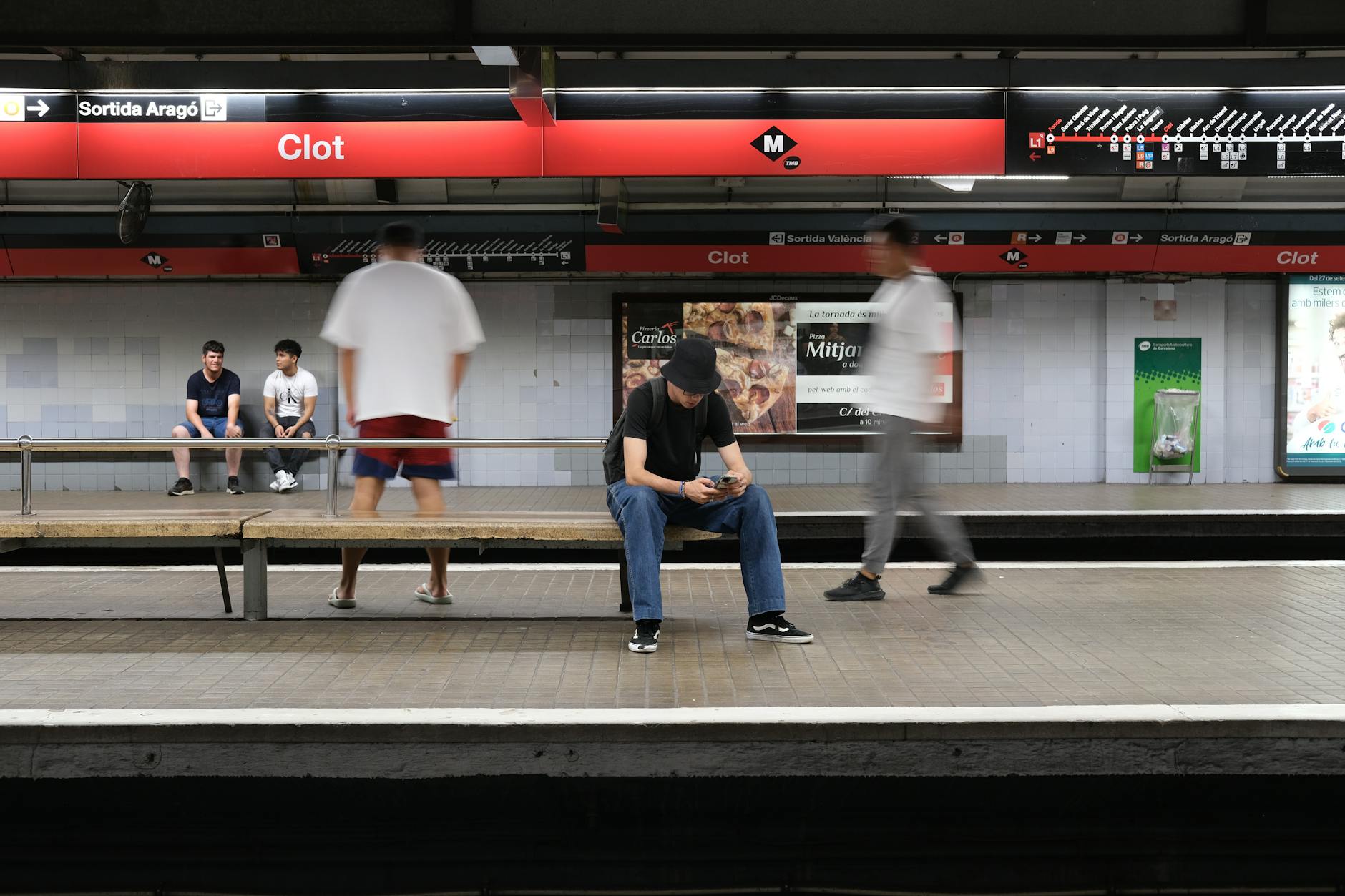
Barcelona is at its best when walking and transit cooperate. The metro is not an admission of failure. It is one of the things that lets the city stay elegant.
TMB's official products make this especially clear for visitors. The airport metro has its own ticket logic unless you are using a product like Hola Barcelona that includes those airport journeys.[1][3][2] Once inside the city, clean transit choices often preserve the best part of the day for the neighborhoods that actually deserve your feet.
Gaudí, Beach Time, And The Problem Of Flattening The City
Barcelona's most common first-time error is flattening. One traveler flattens it into Gaudí and never really uses the neighborhoods. Another flattens it into the beach and misses the city's urban intelligence. Another flattens it into the Gothic Quarter and wonders why the city felt crowded and obvious.
The city is stronger than any one of those versions. Sagrada Família matters. Park Güell can matter. The sea matters. But Barcelona becomes memorable when these are handled as parts of a wider urban system rather than as independent trophies.
This is why the hotel district and the day's emotional tone matter so much. Barcelona does not reward random abundance. It rewards edited range.
Common Mistakes
- Staying in a fashionable district that does not support the actual trip.
- Treating Eixample as dead space between sights.
- Leaving Sagrada Família or Park Güell planning too late.
- Spending too much prime time in the Gothic Quarter and La Rambla corridors.
- Forcing beach time onto a trip that is really city-first.
- Walking long distances just because the map seems friendly.
- Confusing variety with coherence.
My Blunt Advice
Stay in Eixample unless you have a real reason not to. Book Sagrada Família ahead. Treat Park Güell as optional unless you genuinely want it. Use the metro. Let one day belong to the old city and no more than that. Let another belong to the sea or a calmer neighborhood. Eat late enough to feel the city turn on.
That is when Barcelona gets good. Not as a list of neighborhoods, not as a Gaudí scavenger hunt, not as a beach city with monuments attached, but as a full urban organism with style, appetite, and rhythm. Used properly, it is one of the easiest cities in Europe to love for the right reasons.
Where Barcelona Fits in a Spain Trip
Barcelona holds an unusual place in Spain because it can function both as one of the country's most obvious first destinations and as one of the easiest to misread on that first encounter. It is famous enough that many travelers arrive with a ready-made idea of what it should be: Gaudí, Gothic lanes, beach, tapas, nightlife, done. That outline is not false. It is simply incomplete.
For a first Spain trip, Barcelona is strongest in one of three roles.
The first is as a full urban anchor. This is one of Spain's most complete major cities: architecture, museums, neighborhoods, beaches, food, nightlife, and strong transit all living inside one coherent metropolitan identity. If you want one city that can show you Spain in a broad modern sense rather than only in a capital or heritage register, Barcelona works very well.
The second is as a counterweight to Madrid. The two cities are not interchangeable, and that is their value. Madrid often delivers scale, museums, and capital seriousness. Barcelona delivers sea, design, district contrast, and a looser but still highly organized public life. Seen together, they sharpen each other.
The third is as a stand-alone short break. Barcelona may not feel "small," but it is remarkably good at two-to-four-day stays because the city can change tone without requiring major logistical effort. The right hotel plus the right metro use can make a short trip feel much larger than it is.
Barcelona is slightly weaker only if you want quiet or singularity. It is not a small jewel-box city, and it is not a destination that asks to be read in just one mood. It is broad, busy, layered, and a little too generous in how much it offers. That is part of the appeal, provided you edit it.
Barcelona Versus Madrid, Valencia, and Lisbon
Barcelona becomes easier to plan once you stop comparing it lazily.
Against Madrid, Barcelona is less capital-like and more spatially plural. Madrid often feels more centered around major institutions, broad central axes, and the authority of being the national capital. Barcelona is more distributed: Eixample, Gothic/Born, Gràcia, the waterfront, Montjuïc, and the Gaudí layer all ask for different kinds of use. If Madrid is one city's will concentrated in the center, Barcelona is several city-moods sharing one map.
Against Valencia, Barcelona is louder, denser, more globally exposed, and more architecturally theatrical. Valencia often wins on balance and ease. Barcelona wins on intensity, design identity, and the quality of having multiple strong versions of the city available at once. That also means Barcelona is less forgiving of weak route logic.
Against Lisbon, Barcelona is flatter, cleaner in transport use, and more obviously structured. Lisbon seduces through hills, melancholy, light, and irregular beauty. Barcelona persuades through usable modernity, planned order, and the way high culture and casual urban pleasure can coexist in one day. Lisbon often feels more atmospheric moment to moment. Barcelona often feels more complete over the whole stay.
The right question is not which city is "better." The right question is what kind of Iberian trip you want. If you want sea, modernism, nightlife, broad boulevards, and a city that can be both elegant and extroverted, Barcelona is often the answer.
First-Time Visitors Versus Repeat Visitors
Barcelona is very good on a first trip and often better on the second, because the first trip usually burns too much energy proving the obvious.
First-timers naturally want the main set: Sagrada Família, the Gothic Quarter, perhaps Park Güell, perhaps the beach, perhaps Montjuïc, plus the meals and nightlife they have heard about. That is understandable. The city deserves a direct first reading.
But Barcelona often becomes much more persuasive when the traveler stops mistaking variety for obligation. On a second trip, people usually reduce the symbolic pressure. The hotel is chosen more strategically. Eixample gets more real time. Gràcia or another neighborhood carries more of the day. The Gothic Quarter stops being something to conquer and becomes one chapter among several. Beach time is either deliberately central or honestly secondary.
For first-timers, the key question is: what is the cleanest way to meet Barcelona's main urban arguments without flattening them together? For repeat visitors, the better question becomes: which Barcelona have I not really inhabited yet?
That might be design-and-Eixample Barcelona. It might be beach-and-Poblenou Barcelona. It might be winter Barcelona, when the sea remains but the city becomes more grown-up and less leisure-led. The second visit usually works better because you stop trying to win the city and start trying to use it well.
Summer Barcelona Versus Shoulder-Season Barcelona
Barcelona is highly seasonal in feel even if it remains attractive year-round.
Shoulder-season Barcelona is the version many first-time visitors should want. In April, May, June, September, and October, the city keeps its outdoor generosity without demanding as much climate management. Walking stays pleasurable longer, the beach can still matter, and the old-city pressure is less likely to dominate the whole emotional frame.
Summer Barcelona is energetic and often very enjoyable, but it is more edited than many people admit. Heat, beach temptation, crowd volume, and nightlife sprawl all pull the trip toward a looser form. That is not necessarily bad, but it does mean the traveler needs to decide whether the city or the coast is really leading the stay on that day.
The main summer mistake is to act as though Barcelona can absorb infinite appetite. It cannot. The city is broad enough that over-walking becomes real, and the most famous corridors become less forgiving at exactly the hours when first-timers often choose to use them. Summer therefore rewards earlier starts, better midday protection, and less symbolic pressure.
Shoulder season makes the city easier to read whole. That is why it is usually the smarter first answer.
Why the Base Matters More Than Visitors Expect
In Barcelona, the base is not just about convenience. It determines the whole emotional tone of the trip.
Choose the wrong hotel and the city can become either too noisy, too scenic in the wrong way, or too fragmented. A fashionable property in the Gothic core may give atmosphere and then quietly tax sleep, baggage movement, and repeated returns. A beach-side hotel may sound glamorous and then weaken a trip that was actually architecture- and city-led. A poorly chosen outer district may be cheaper and cost you the very ease that makes Barcelona rewarding.
That is why Eixample is so often the best first answer. It is not merely practical. It also gives the city a cleaner shape. The blocks are broad, the walking is more elegant, the return route is calmer, and the metro logic is strong. Born or Gothic-edge stays work when atmosphere genuinely matters more than operational grace. Beach-side stays only work cleanly when the coast is one of the trip's central goals.
The right test is simple: when you leave the hotel, are you beginning in a version of Barcelona that helps the day stay coherent? If yes, the base is probably right. If the answer is "it is exciting, but already a bit too much," the base may be wrong no matter how good the photos looked.
Why One Proper Barcelona Day Matters
Barcelona is often weakened by being broken into symbolic fragments. A rushed morning in the Gothic Quarter, a midday run to Sagrada Família, an afternoon at the beach, and a late night in another district can look like abundance. What it often feels like is disconnection.
One proper Barcelona day fixes that. By "proper," I mean a day where one version of the city leads and another supports it. A Gaudí-and-Eixample day. An old-city-and-Born day. A waterfront-and-Montjuïc day. A Gràcia-and-dining day. These combinations give the city room to feel authored rather than merely sampled.
That coherence matters because Barcelona is not strongest as a set of unrelated highlights. It is strongest when architecture, district, appetite, and evening rhythm align. A proper day lets you feel how Eixample's order changes the way Gaudí is read, or how beach time shifts the emotional register of the evening.
If you only have one full day, you still need to choose. If you have two or three, make sure at least one day belongs more to Barcelona as a city than to Barcelona as a list.
Day Barcelona Versus Evening Barcelona
Barcelona changes register very clearly between day and evening, which is one of the reasons it remains so satisfying over multiple days.
Day Barcelona is explanatory. This is when architecture, district form, museums, and the city's planned-versus-medieval contrast are easiest to understand. You see how Eixample works, why the Gothic Quarter can charm and clog at once, and how the sea alters the whole city's light and mood.
Evening Barcelona is persuasive. That is when terraces, vermouth, dinner, bars, and neighborhood street life start doing more of the work. The city becomes less like an assignment and more like an atmosphere. This is not merely nightlife in the narrow sense. It is the period when Barcelona's social intelligence becomes most visible.
This matters because poorly planned trips spend all their best energy on daytime symbolic use and arrive at evening too tired or too scattered to enjoy what the city does best. But evening is often when Barcelona turns from "impressive" into "easy to love."
Why Sagrada Família Should Not Own the Whole Trip
Sagrada Família is one of Europe's indispensable first-time attractions. It deserves real time and real planning. It should not dominate your understanding of Barcelona.
Because the building is so singular and so famous, travelers often organize everything around it. Then Gaudí starts swallowing the rest of the city. Barcelona becomes a scavenger hunt for visual distinctiveness instead of a living neighborhood capital with its own social and urban logic.
The problem is not that Sagrada Família is overvalued. It is appropriately valued. The problem is that Barcelona also needs Eixample as city, not just Eixample as route to Gaudí. It needs the old city in dosage. It needs the sea as correction, not as total distraction. It needs one evening where architecture stops being the whole point.
The best use of Sagrada Família is as one brilliant chapter in a larger urban book.
Why Barcelona Often Improves on the Second Visit
Barcelona often becomes more persuasive on the second trip because the first trip is burdened by its own abundance. Travelers arrive wanting to do architecture, beach, food, nightlife, history, and neighborhood life all at once. The city can hold all of that, but not all in the same posture.
On a second visit, the pressure softens. You already know Sagrada Família is worth it. You know where the old city clogs. You have a clearer sense of whether you actually like beach time in Barcelona or merely feel you ought to. That clarity usually leads to better district choice, better meal rhythm, and a far stronger sense of what kind of Barcelona trip you actually want.
That is when the city often becomes more coherent and, paradoxically, more enjoyable. Less proving. More inhabiting.
How Barcelona Changes Over the Course of a Stay
On arrival, Barcelona often feels instantly generous. The blocks are broad, the weather may be kind, the city looks stylish, and the main names are familiar enough that the trip seems self-authoring. This first impression is pleasant but also slightly deceptive.
By the second day, if the stay is going well, the city begins separating into useful versions: Eixample versus old city, city versus coast, architecture versus social life, transit hop versus long walk. Barcelona starts making more sense as a set of neighborhood systems rather than one big pleasant field.
By the third day, the city often relaxes into its best form. You know which districts you actually want to repeat. You know whether the beach is a tonic or a distraction. You know how much old-city density is enough. Barcelona stops being a generous sprawl and becomes a usable city.
That is why three full days are so strong here. One day gives the image. The second gives the structure. The third, if you have it, gives the city.
Source Notes
- 1. TMB, "Airport ticket." https://www.tmb.cat/en/barcelona-fares-metro-bus/single-and-integrated/aeroport-ticket
- 2. TMB, "2026 Barcelona metro & bus fares: tickets & prices." https://www.tmb.cat/en/barcelona-fares-metro-bus/transport-ticket-fares
- 3. TMB, "Tickets to visit Barcelona | Barcelona Travel Card Hola BCN." https://www.tmb.cat/en/barcelona-fares-metro-bus/tickets-visit-barcelona/barcelona-travel-card-hola-bcn
- 4. Turisme de Barcelona, "Barcelona Card." https://www.barcelonaturisme.com/wv3/en/prods/38/barcelona-card.html
- 5. Sagrada Família, "Sagrada Família ticket." https://sagradafamilia.org/en/web/guest/sagrada-familia-ticket
- 6. Sagrada Família, "Tickets." https://sagradafamilia.org/tickets?lang=en
- 7. Park Güell, "Opening times." https://parkguell.barcelona/en/planning-your-visit/prices-and-times
- 8. Park Güell, "Access regulations." https://parkguell.barcelona/en/planning-your-visit/access-regulations