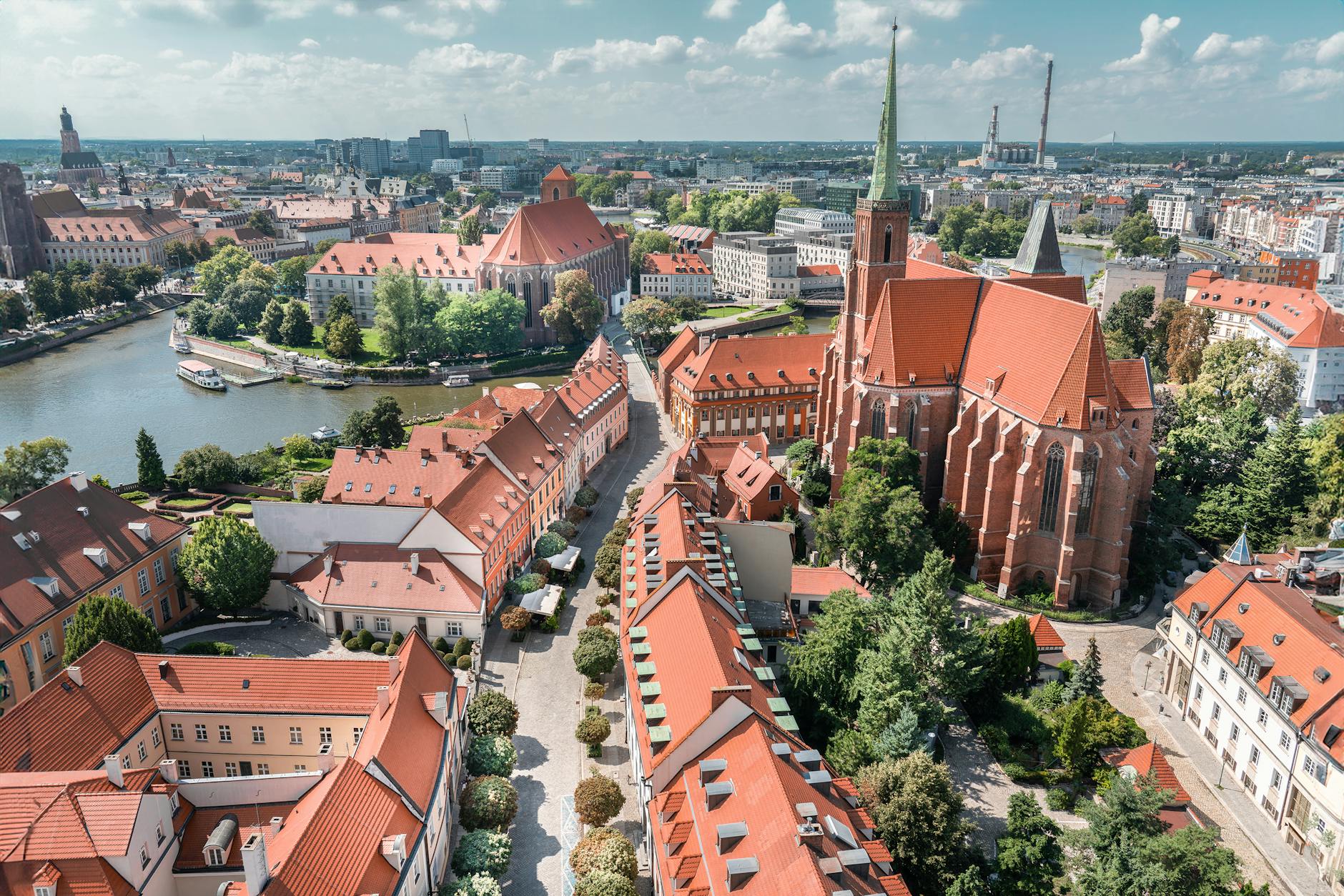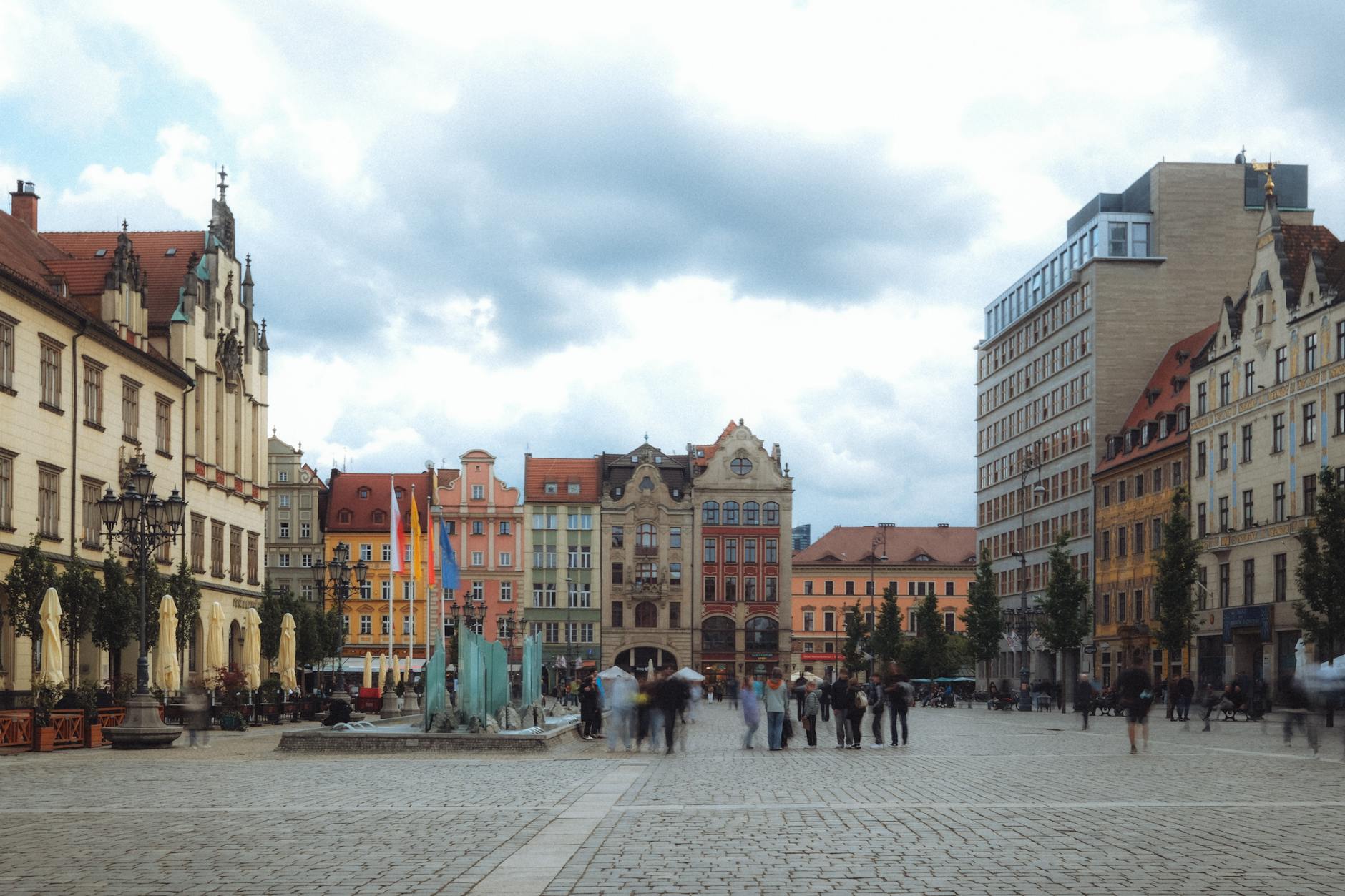
Wroclaw can work for a traveler with medical constraints when the itinerary is built around continuity and exits. The hotel, medication plan, pharmacy access, walking surfaces, tram and taxi choices, meal timing, weather, and rest periods should be settled before the traveler starts adding old-town routes, river walks, or conference plans.
Choose a hotel around access and recovery
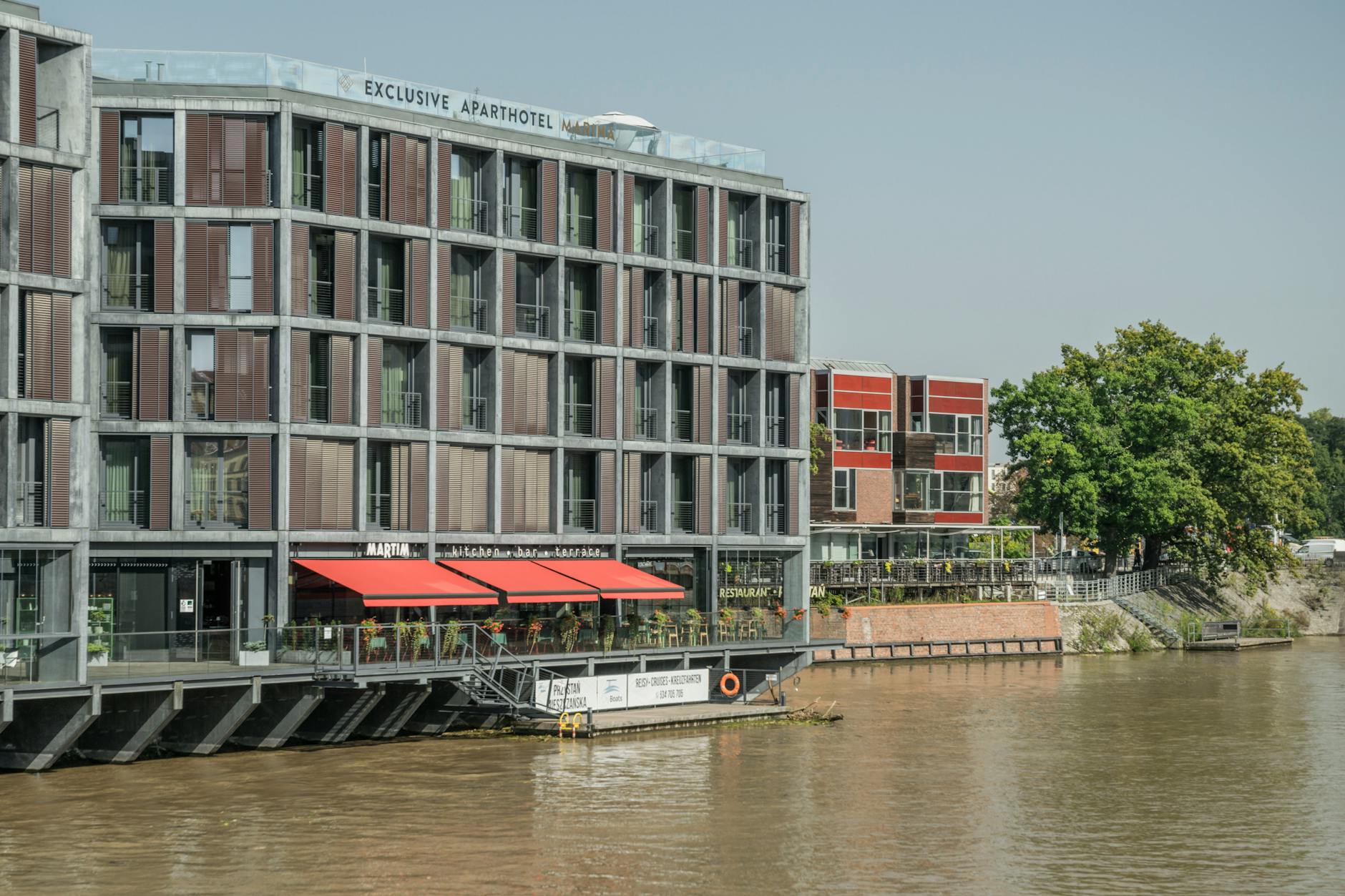
For a traveler with medical constraints, hotel choice can decide whether the trip works. Elevator access, step-free entry, room quiet, bathroom setup, refrigeration, breakfast timing, taxi pickup, and proximity to pharmacies or clinics can matter more than visual charm.
The base should support health first.
- Confirm elevator access, step-free routes, bathroom setup, refrigeration needs, and room quiet.
- Ask about taxi pickup, luggage help, early check-in, late checkout, and nearby pharmacies.
- Choose a base that allows rest without crossing the city repeatedly.
Map medical continuity before arrival
Medication, prescriptions, travel insurance, device charging, emergency contacts, and pharmacy access should be organized before the trip begins. The traveler should not wait until symptoms, fatigue, or language stress appear to work out care options.
Continuity should be boring and clear.
- Carry medication in original packaging with prescriptions, dosage notes, and clinician contact details.
- Identify nearby pharmacies, urgent-care options, and insurance assistance contacts before arrival.
- Keep critical medication, documents, and devices in carry-on luggage.

Use transport to reduce strain
Wroclaw trams can be useful, but a traveler with medical constraints should not force public transport when taxis, direct rides, or shorter walking loops would protect energy. The plan should account for luggage, stairs, weather, pain, fatigue, and appointment timing.
Movement should conserve capacity.
- Save tram, taxi, station, airport, hospital, pharmacy, and hotel routes offline.
- Use direct transport for arrival, departure, bad weather, heavy bags, or low-energy periods.
- Avoid routes with repeated transfers, uncertain stairs, or long exposed walks.

Plan walking around surfaces and symptoms
The market square, old-town streets, bridges, and river routes can include cobbles, stairs, curbs, crowds, and weather exposure. The traveler should design routes that can be shortened immediately if symptoms, heat, cold, pain, or fatigue change the day.
The route should have a safe exit.
- Build routes around benches, cafes, restrooms, taxis, tram stops, and the hotel return.
- Use shorter loops rather than one long continuous route.
- Carry water, layers, snacks, medication, and any needed supports in an easy-access bag.
Make meals and timing part of care
Food timing can matter for medication, blood sugar, nausea, hydration, fatigue, and sleep. Wroclaw restaurants and cafes can work well, but the traveler should choose reliable options close to the route instead of searching when already depleted.
Meals are part of the health plan.
- Save breakfast, lunch, dinner, grocery, and cafe options near the hotel and main routes.
- Check dietary fit, stairs, seating comfort, restroom access, and reservation needs.
- Plan medication timing, hydration, and rest around meals rather than after problems appear.

Keep evenings close and flexible
Evening plans should be easier than daytime plans, not harder. A traveler with medical constraints should avoid late meals, long bridge routes, cold exposure, or complicated returns when symptoms or fatigue are more likely.
The evening should protect the next day.
- Choose dinner close to the hotel or a direct transport route.
- Keep medication, warm layers, hotel address, phone battery, and payment backup ready.
- Cancel or shorten evening plans quickly if symptoms, weather, or fatigue change.
When to order a short-term travel report
A traveler whose medical needs are simple and well-controlled may not need a custom report. A report becomes useful when the trip includes complex medication timing, mobility limits, dietary needs, uncertain hotel access, clinic awareness, weather sensitivity, or a tight departure.
The report should test hotel access, arrival, pharmacies, clinic options, transport, walking routes, meals, rest blocks, weather backups, evening plans, and departure buffers. The value is a Wroclaw trip that supports the traveler instead of asking them to improvise around medical needs.
- Order when hotel access, medication, pharmacies, clinics, transport, meals, rest, weather, or departure timing need exact planning.
- Provide dates, hotel candidates, medical constraints, mobility needs, dietary needs, medication timing, insurance details, budget, and arrival information.
- Use the report to keep the trip realistic, comfortable, and resilient.