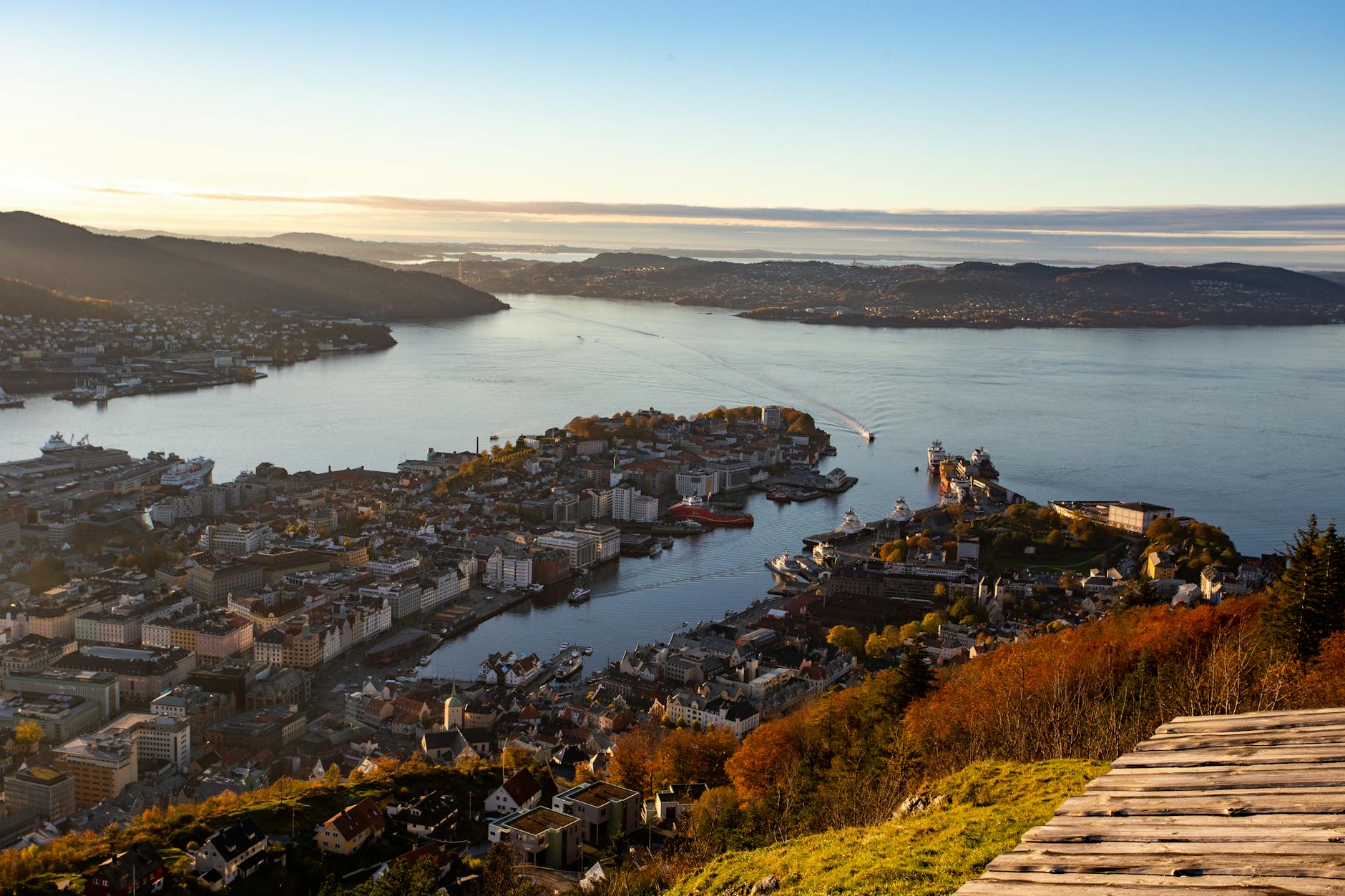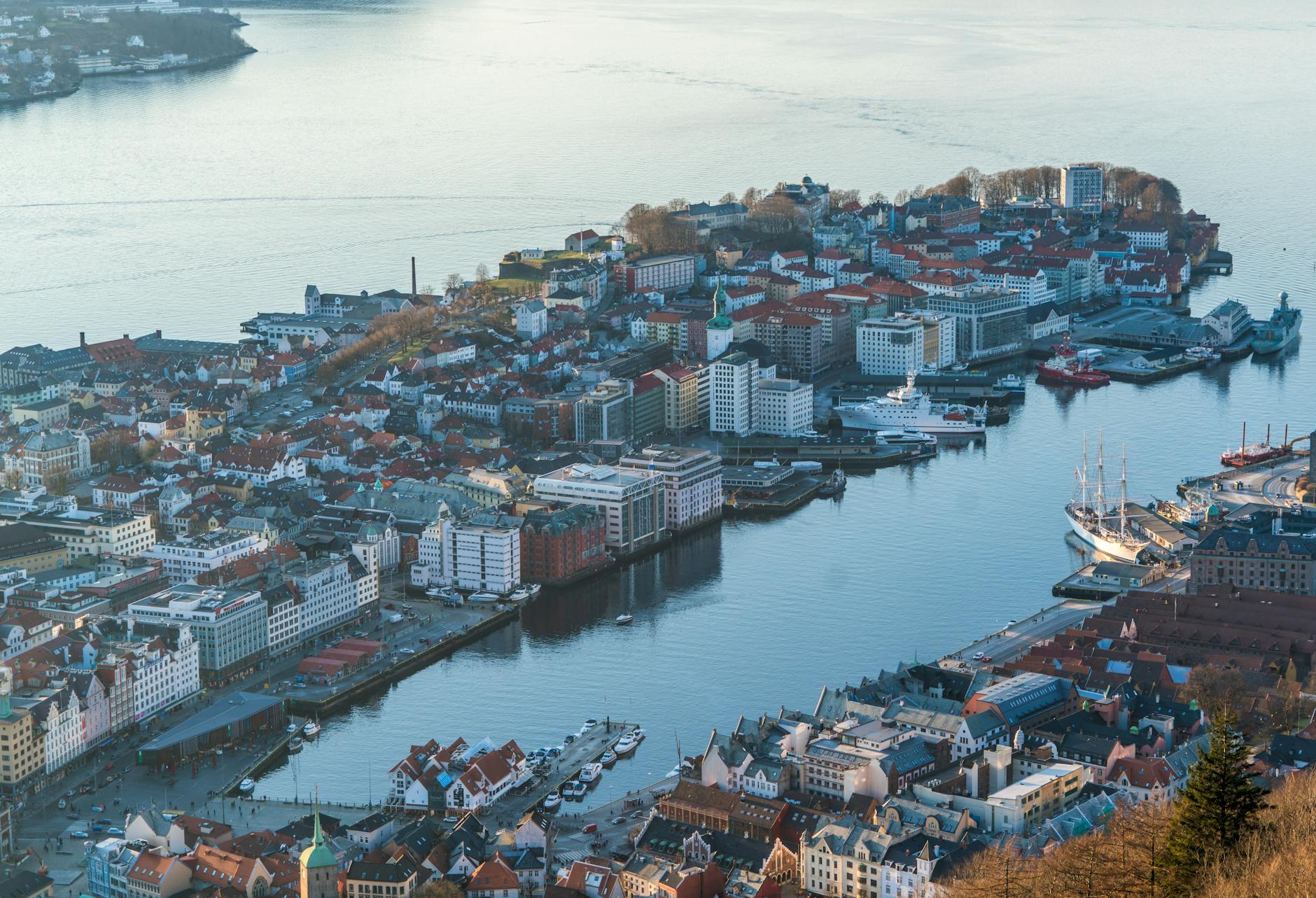
Bergen can be a strong conference city when the attendee treats weather and venue geography as central facts. The city is compact, atmospheric, and academic enough to reward a short stay, but rain, slopes, airport timing, poster logistics, networking costs, and venue placement all need more planning than a generic conference trip.
Start with the exact venue
The conference address should decide the trip shape. Bergen venues may sit near a university building, hotel, harbor area, cultural site, or a district that feels close on a map but works differently in rain or on slopes.
The venue should define the base.
- Confirm venue address, room locations, badge pickup, poster area, and evening-event sites.
- Compare hotels by actual door-to-door timing to the venue, not only by central location.
- Check whether sessions, receptions, and side meetings happen in one building or several.
Protect arrival and registration timing
A conference attendee should not arrive with no margin before registration, a panel, or a presentation. Airport transfer, luggage, wet weather, hotel access, badge pickup, and unfamiliar rooms can all compress the first day.
The opening session needs buffer.
- Check airport, light rail, taxi, hotel, and venue timing before choosing flights.
- Carry essential presentation files, adapters, poster materials, medication, and formal clothing in reliable luggage.
- Leave time for registration, room finding, and a weather-related clothing reset.
Plan equipment before travel day
Academic trips can fail through small technical details: missing adapters, poster tubes, file formats, backup slides, Wi-Fi, charging, printing, or badge requirements. Bergen's infrastructure may be strong, but that does not solve a missing cable during a short visit.
Equipment should be boringly ready.
- Confirm slide format, room computer rules, adapter needs, poster size, printing options, and upload deadlines.
- Carry offline files, cloud backups, chargers, power bank, and copies of registration documents.
- Know where to print, buy supplies, or work quietly if something changes.
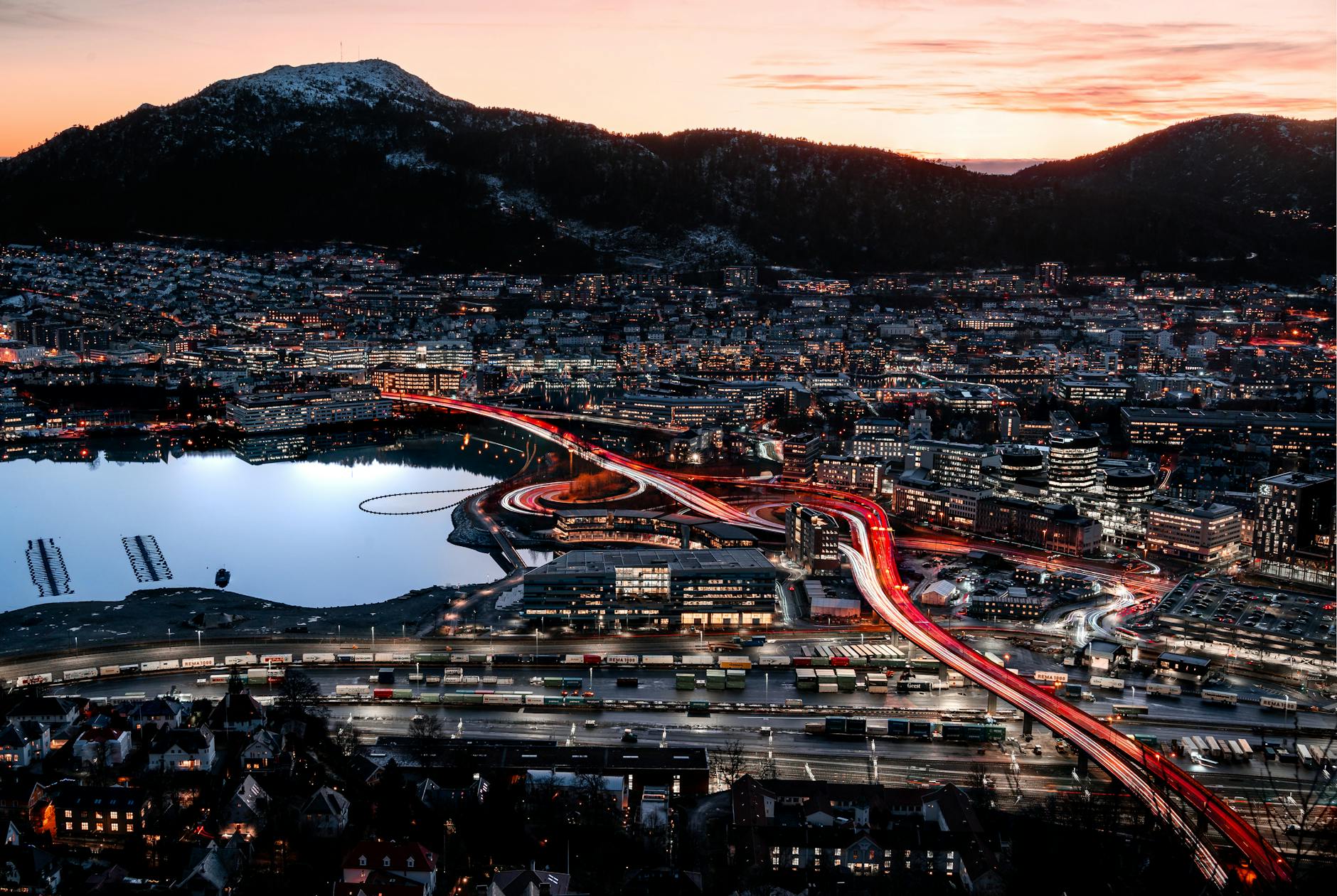
Choose a hotel that handles rain and work
A good conference hotel should support sleep, breakfast timing, desk work, quiet calls, poster storage, wet clothing, receipts, and a practical route to the venue. A pretty harbor view is valuable only if the daily route still works in rain.
The hotel should protect academic focus.
- Check desk space, Wi-Fi, quiet rooms, luggage storage, laundry, ironing, breakfast hours, and receipt handling.
- Favor routes that remain manageable in rain, wind, and low light.
- Keep a quiet backup space for calls, slide edits, or conference follow-up.
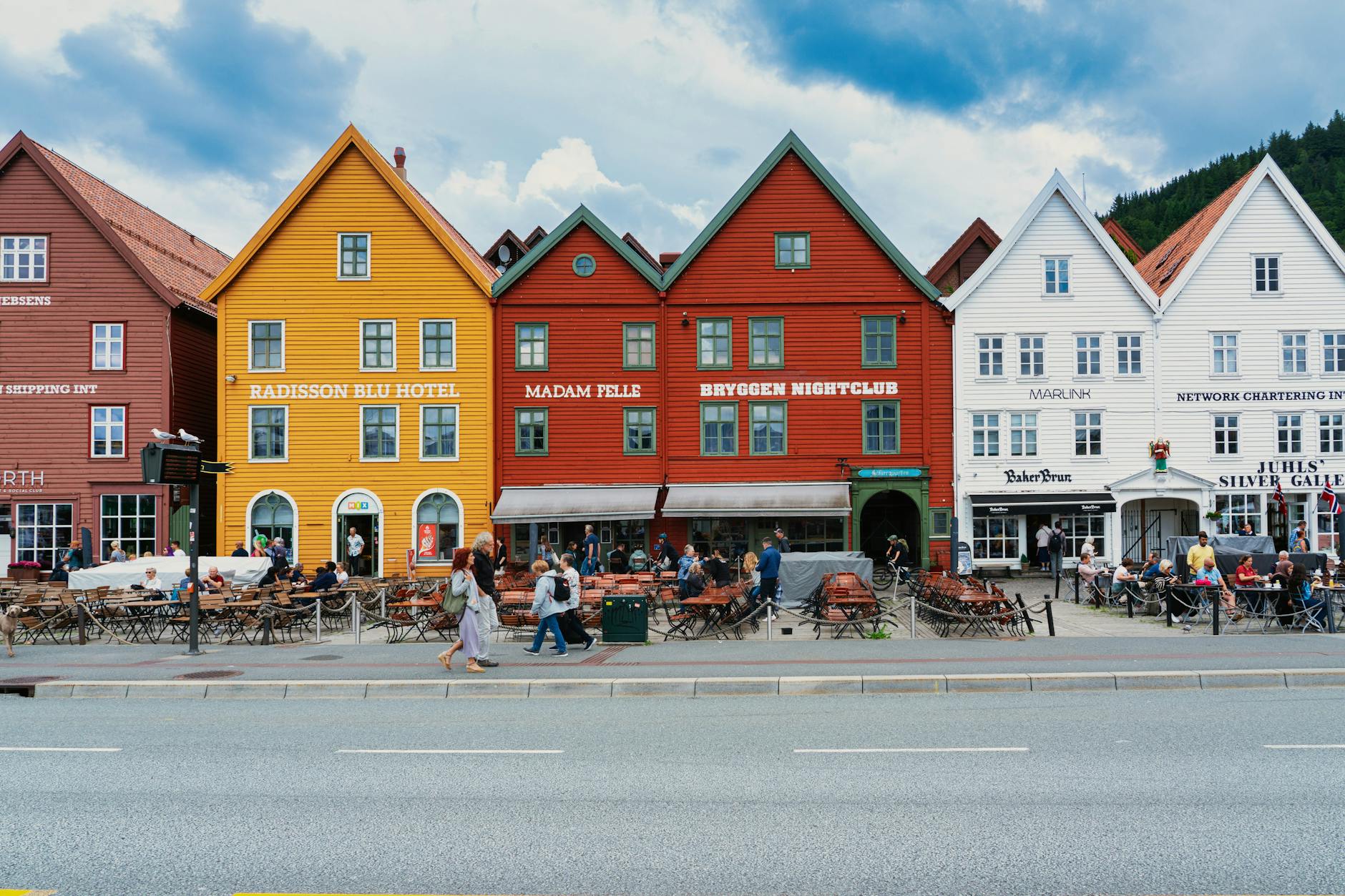
Budget for networking in Bergen
Conference costs can rise quickly through hotels, coffee, restaurants, taxis, poster printing, and informal networking. Students, postdocs, and grant-funded attendees should understand reimbursement rules before the trip starts.
Networking should not quietly break the budget.
- Set daily limits for meals, coffee, transport, printing, and informal networking.
- Check reimbursement rules for alcohol, taxis, tips, receipts, and group meals.
- Choose some networking meals deliberately instead of following every expensive invitation.
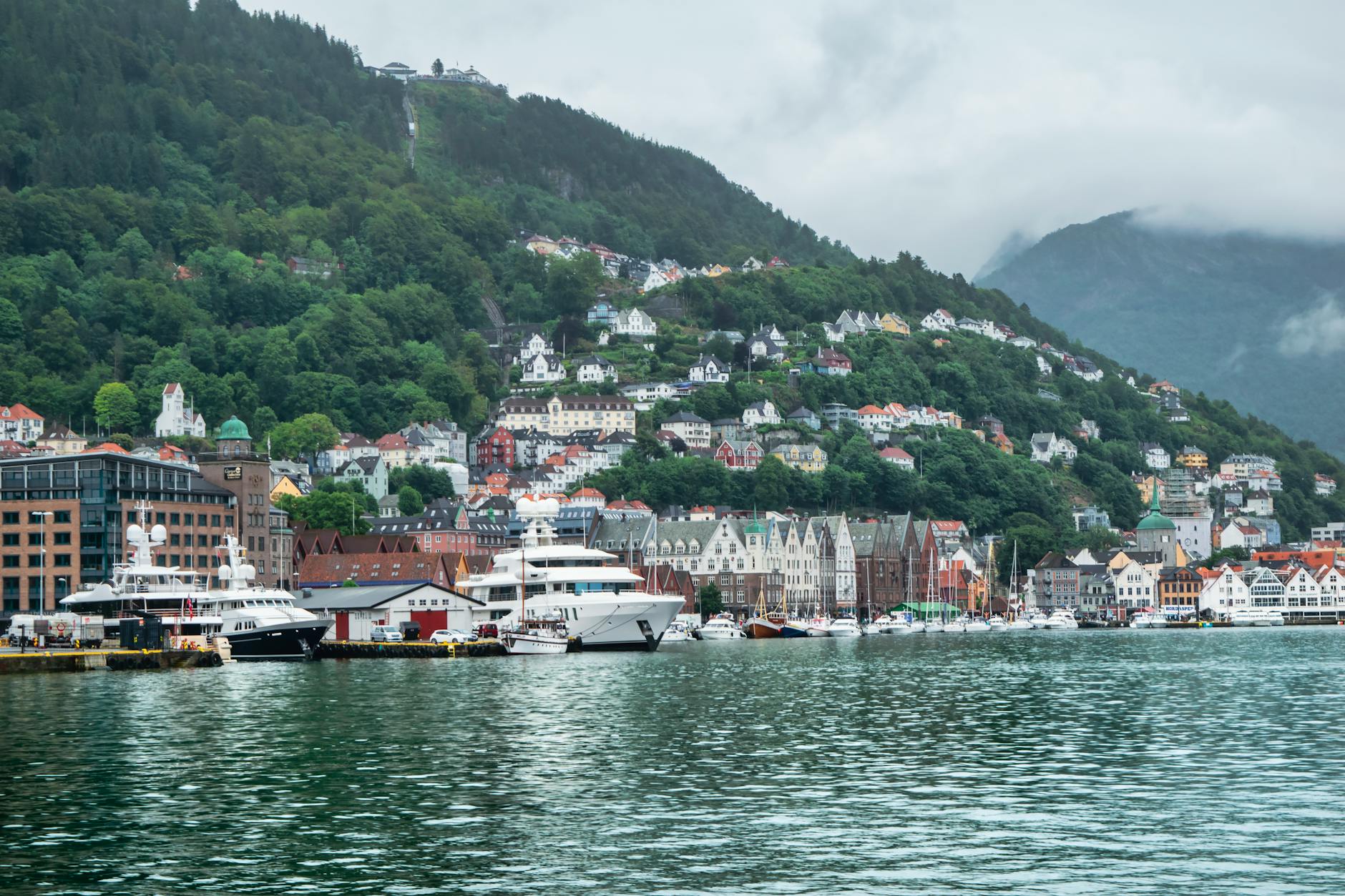
Use city time without weakening attendance
Bergen's harbor, Bryggen, fish market, mountain views, and rainy atmosphere can improve a conference trip, but city time should fit around sessions and recovery. A short walk may be better than forcing a full sightseeing block between presentations.
The conference remains the anchor.
- Choose one compact city route near the hotel, venue, or conference dinner.
- Use weather windows for harbor or viewpoint time rather than fixed overambitious plans.
- Avoid late outings before an early presentation, poster session, or departure.
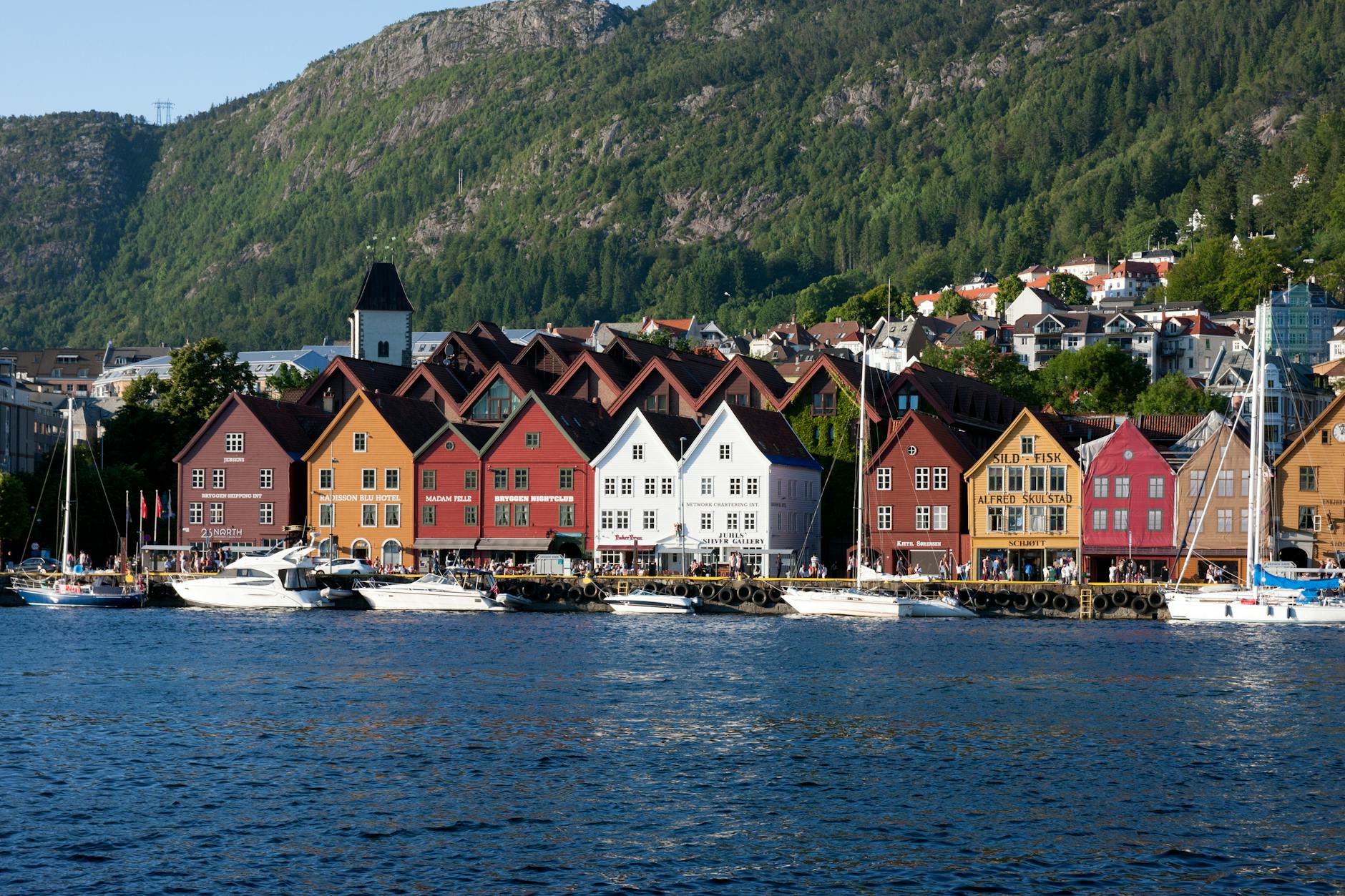
When to order a short-term travel report
An attendee with a venue hotel and no presentation may not need a custom report. A report becomes useful when the trip includes a paper, poster, tight arrival, rain-sensitive movement, limited funding, side meetings, accessibility needs, or departure soon after the final session.
The report should test venue geography, airport transfer, hotel access, equipment, rain movement, networking costs, city add-ons, recovery time, and departure buffers. The value is a Bergen conference trip that protects the academic purpose instead of letting weather and logistics eat the schedule.
- Order when venue geography, presentation logistics, hotels, rain, costs, networking, or departure timing need exact planning.
- Provide dates, venue address, session schedule, hotel candidates, presentation needs, budget, accessibility needs, and arrival details.
- Use the report to keep the Bergen conference trip punctual, prepared, and realistic.