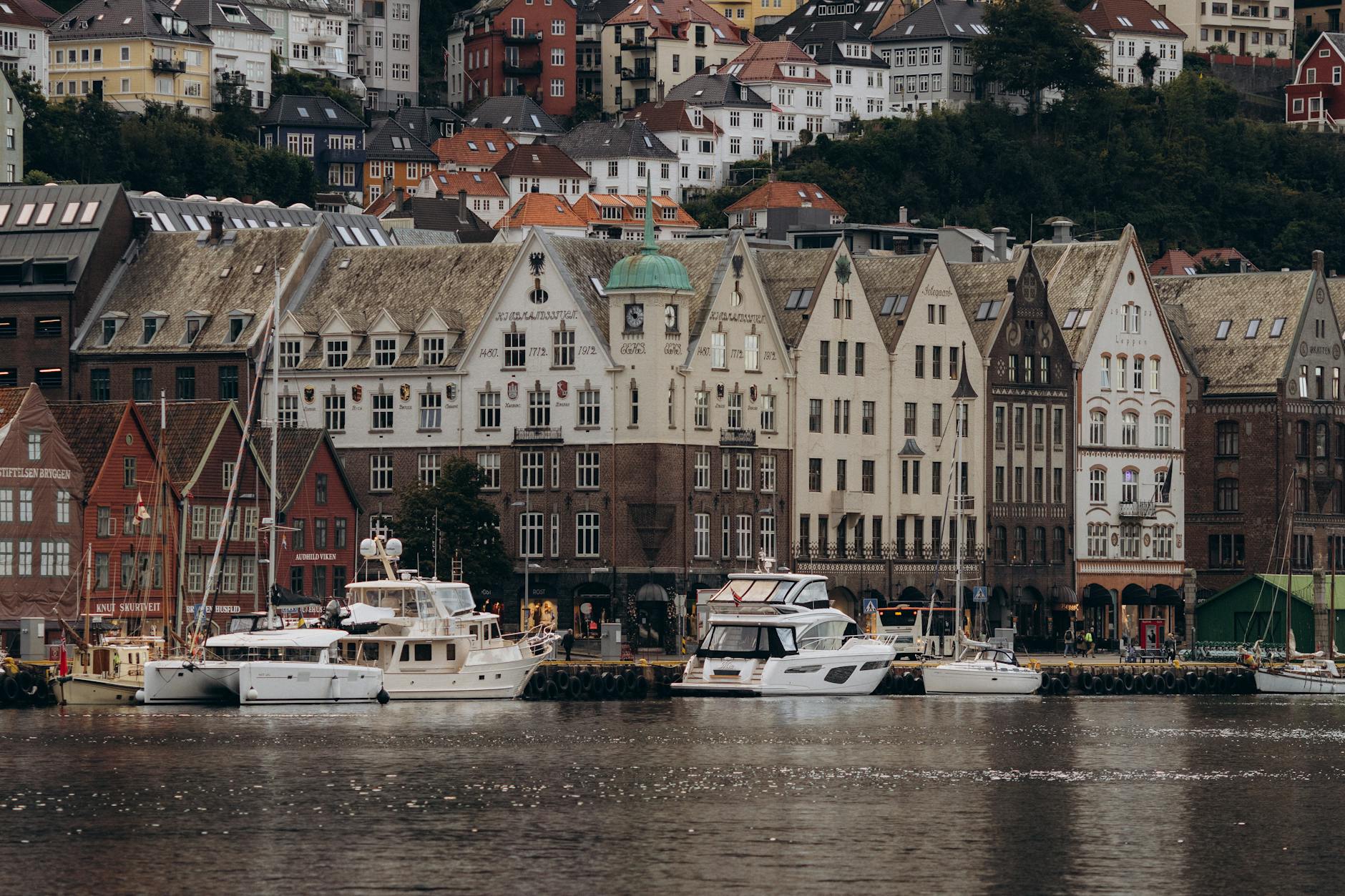
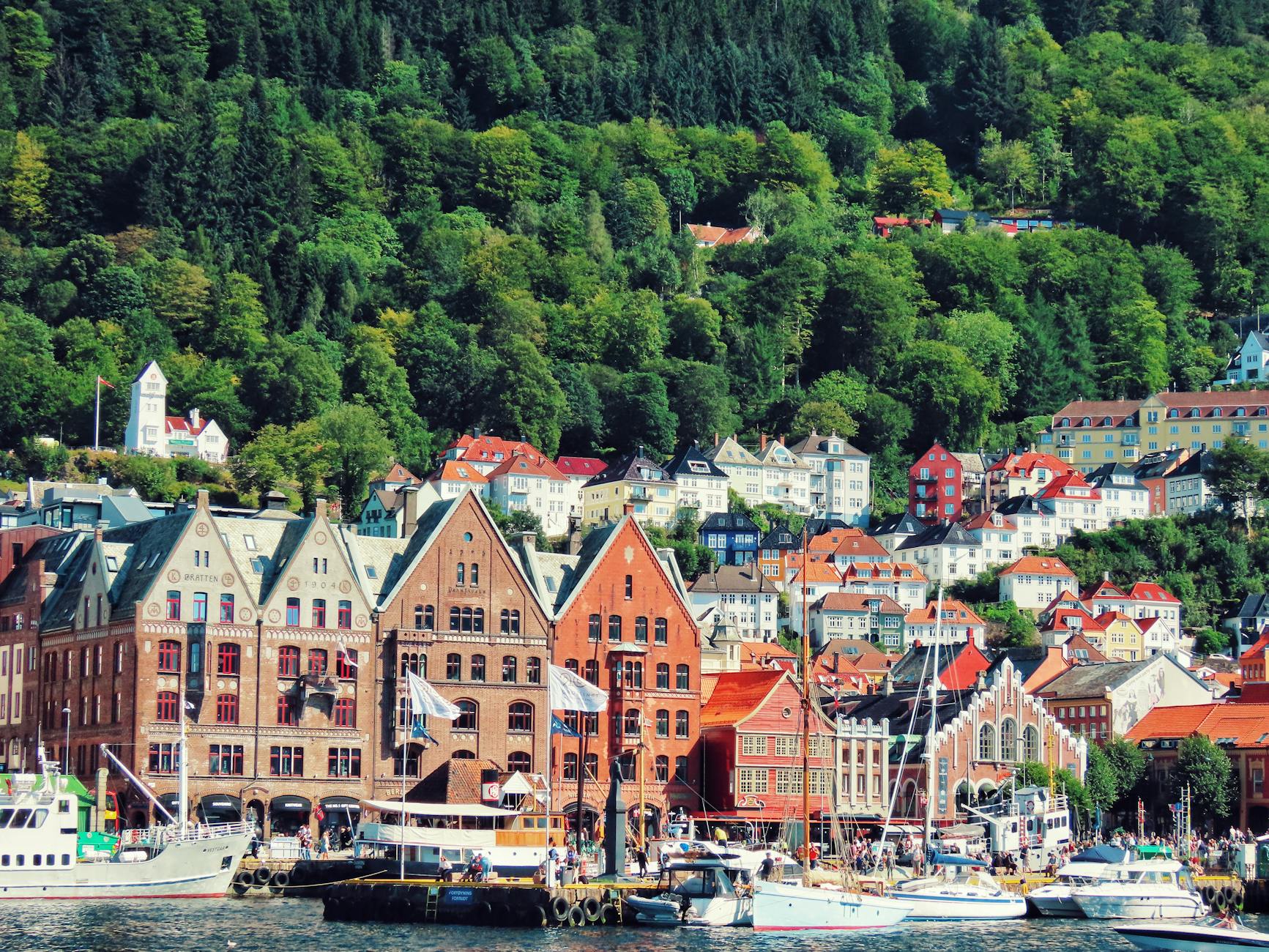
Bergen can be a rewarding city for older travelers when the trip is paced around comfort rather than postcard pressure. The harbor, Bryggen, mountain views, seafood, and compact center are appealing, but rain, slopes, wet surfaces, hotel access, and transfer choices need honest planning.
Choose the hotel by access and recovery
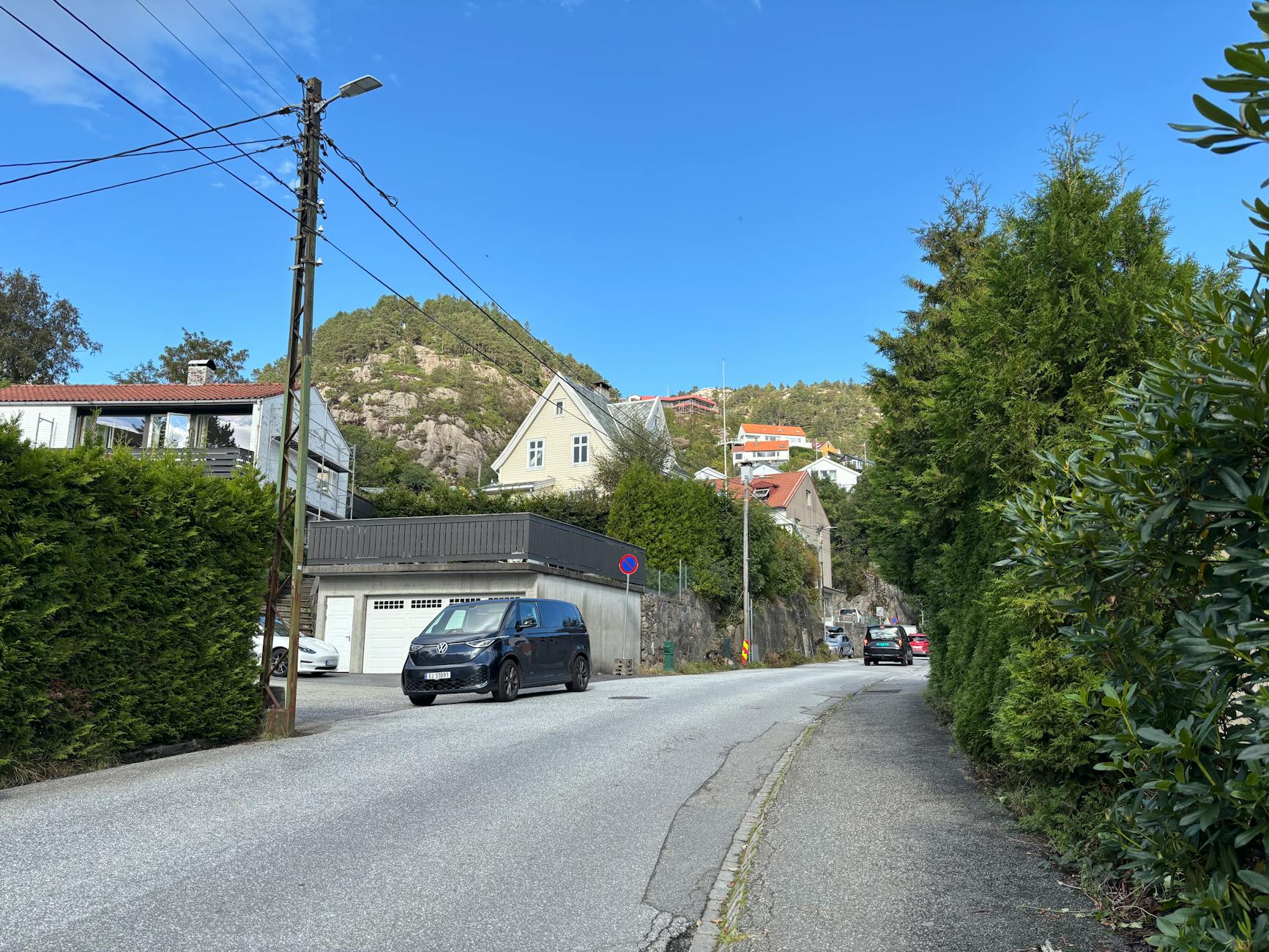
An older traveler should choose a Bergen hotel by the full route from arrival point to room, then from room to the harbor, restaurants, transport, and rest. Elevator access, quiet sleep, breakfast, nearby taxis, and wet-weather practicality can matter more than a postcard address.
The base should reduce strain.
- Confirm elevator access, entrance steps, bathroom setup, room quiet, breakfast, and taxi pickup.
- Compare hotels by slopes, walking surfaces, harbor access, and transport links.
- Avoid bases that turn every outing into a wet or uphill challenge.

Plan around rain and footing
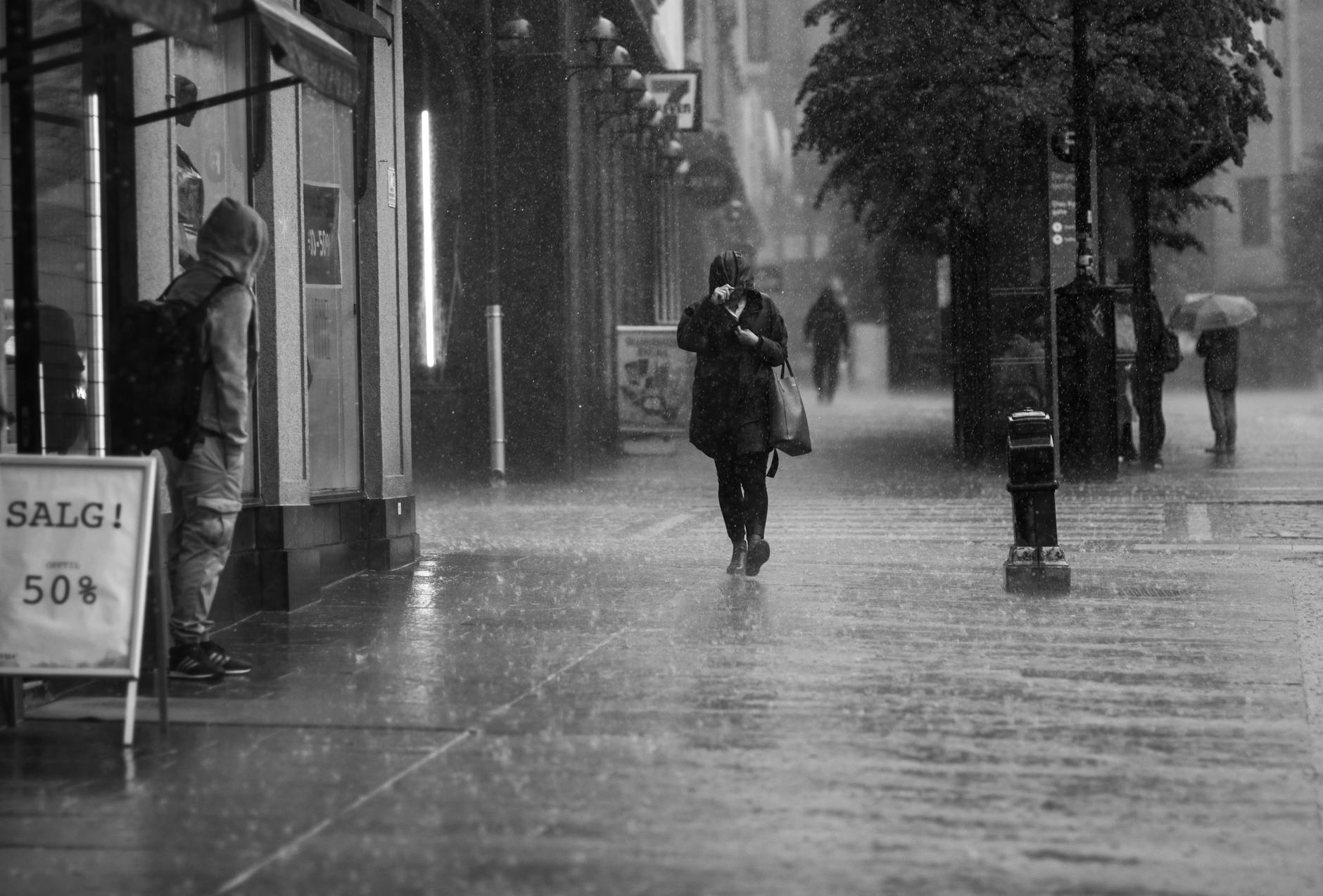
Bergen's rain can be beautiful, but wet surfaces, wind, umbrellas, stairs, and slippery approaches can change comfort quickly. Older travelers should plan routes as they will feel in real weather, not as they look on a sunny map.
Footing is part of the itinerary.
- Pack supportive shoes, rain shell, layers, medication protection, and a phone battery backup.
- Use shorter loops, cafes, museums, or hotel breaks when rain is heavy.
- Allow extra time for wet pavement, crowds, crossings, and wardrobe adjustments.
Treat viewpoints as optional, not mandatory
Bergen's mountain views can be excellent, but they should depend on visibility, energy, weather, queues, and transport comfort. A viewpoint is not worth forcing if it turns the rest of the day into recovery.
The best view is the one that fits the traveler.
- Check weather, visibility, crowding, seating, toilets, and return timing before going up.
- Use the viewpoint as one major outing rather than one stop in a crowded day.
- Skip or postpone it if rain, wind, fatigue, or mobility concerns make it a poor fit.
Choose transfers by comfort, not pride
Airport light rail, taxis, trains, and walking can all work in Bergen, but the right choice changes with luggage, weather, arrival time, fatigue, and walking tolerance. The most independent option is not always the best one.
A comfortable transfer protects the first day.
- Compare airport light rail, taxi, and arranged transfer by luggage, weather, hotel access, and arrival time.
- Save station, airport, hotel, taxi, and walking routes offline.
- Use direct transport when rain, slopes, or fatigue make public transport harder than expected.
Use meals and breaks as route anchors
Older travelers often do better when meals, cafes, toilets, and seated breaks are built into the route rather than discovered after fatigue appears. Bergen's food and harbor setting can support a slower rhythm if planned carefully.
Rest should be visible before the day starts.
- Place lunch, coffee, toilets, and seated pauses along the harbor or old-town route.
- Choose dinner near the hotel or a direct taxi route in wet weather.
- Keep dietary needs, medication timing, and hydration in the daily plan.
Keep evenings gentle
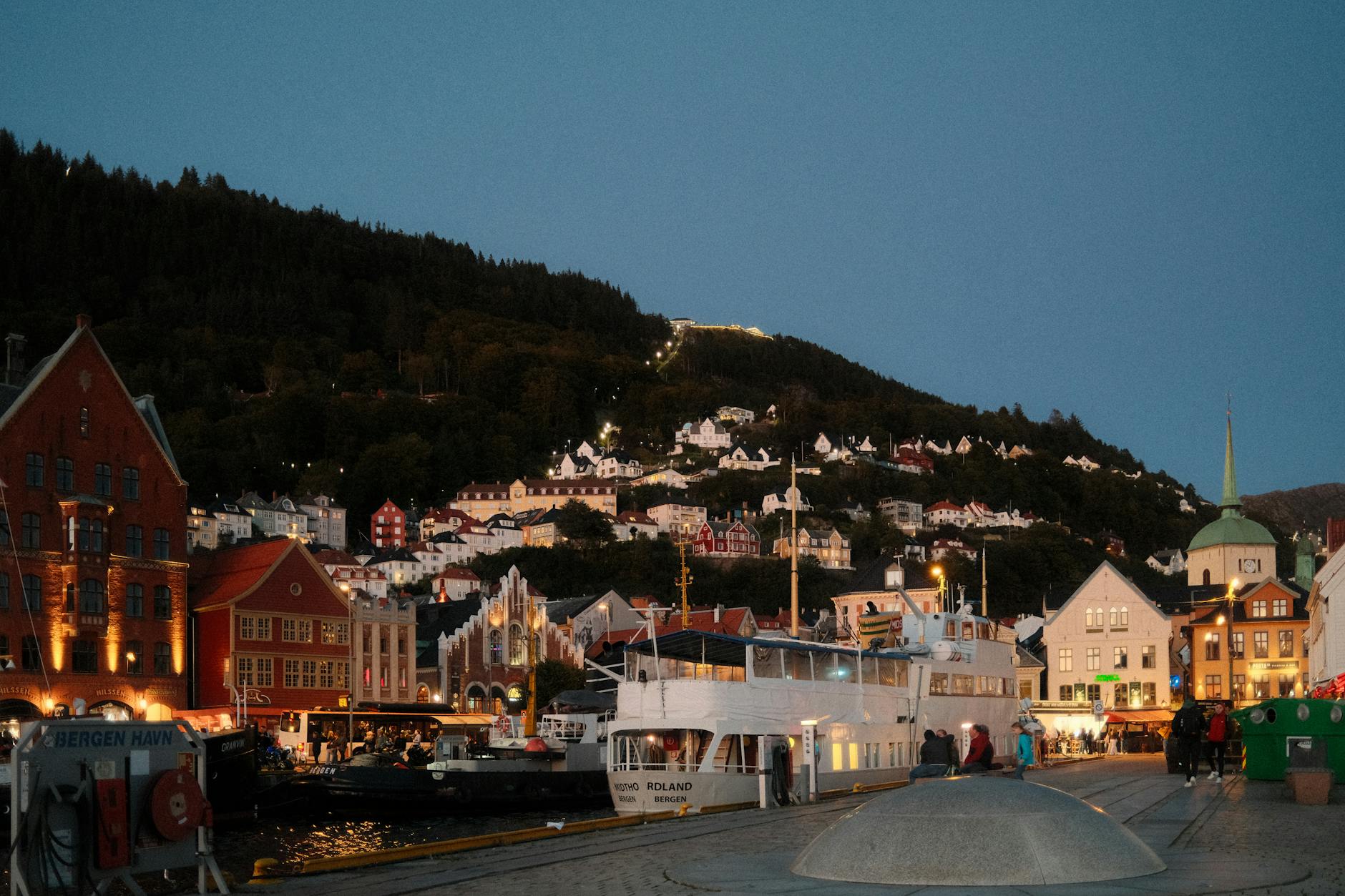
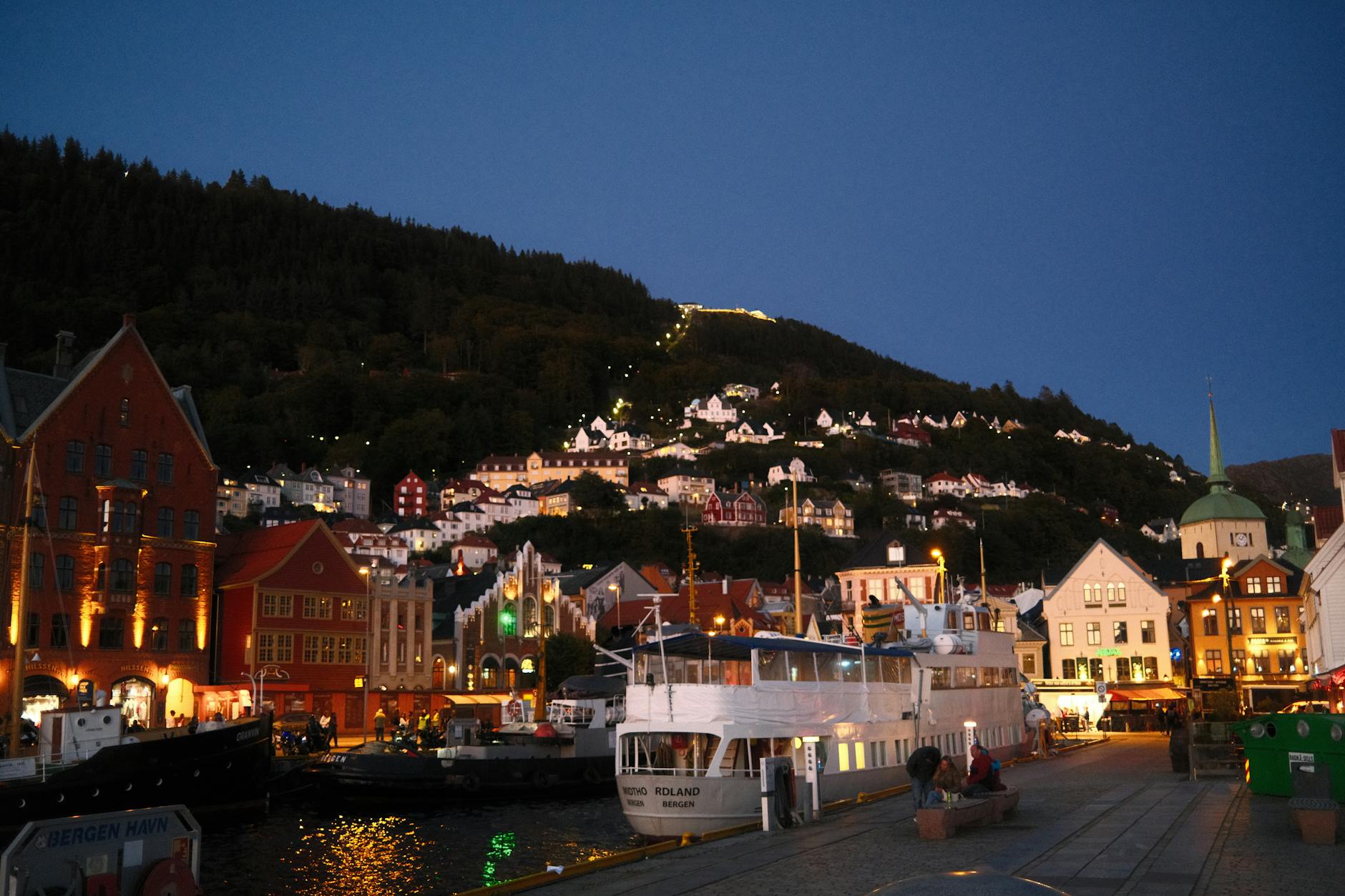
Evening Bergen can be atmospheric around the harbor, but wet streets, low light, and fatigue can make returns harder. The best evening plan is close, well lit, and easy to shorten.
The evening should not borrow from tomorrow.
- Choose one evening area near the hotel, harbor, or taxi pickup.
- Carry medication, warm layer, hotel address, phone battery, and payment backup.
- Avoid late plans before early flights, rail travel, tours, or a viewpoint day.
When to order a short-term travel report
An older traveler with a central hotel, mild weather, and flexible timing may not need a custom report. A report becomes useful when hotel access is uncertain, rain or slopes affect comfort, medical continuity matters, the traveler wants a viewpoint or fjord add-on, or departure timing is tight.
The report should test arrival transfer, hotel access, harbor routes, rain plans, walking surfaces, rest stops, meals, medical needs, evening returns, and departure buffers. The value is a Bergen trip that keeps atmosphere without making the traveler pay for it in fatigue.
- Order when hotel access, rain, slopes, transfers, viewpoints, meals, medical needs, or departure timing need exact planning.
- Provide dates, hotel candidates, walking tolerance, medical constraints, meal preferences, budget, and arrival details.
- Use the report to make Bergen comfortable, atmospheric, and realistically paced.