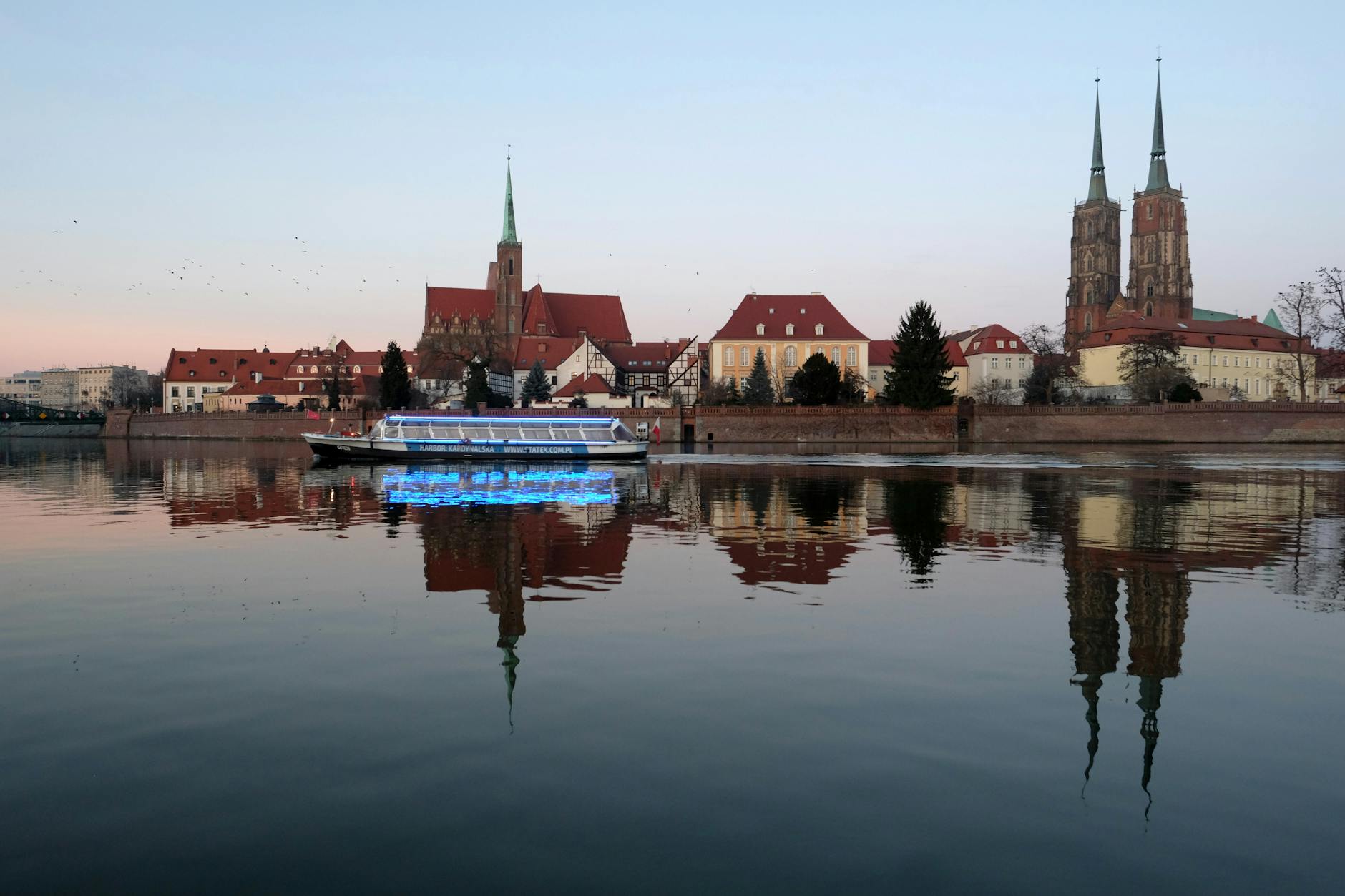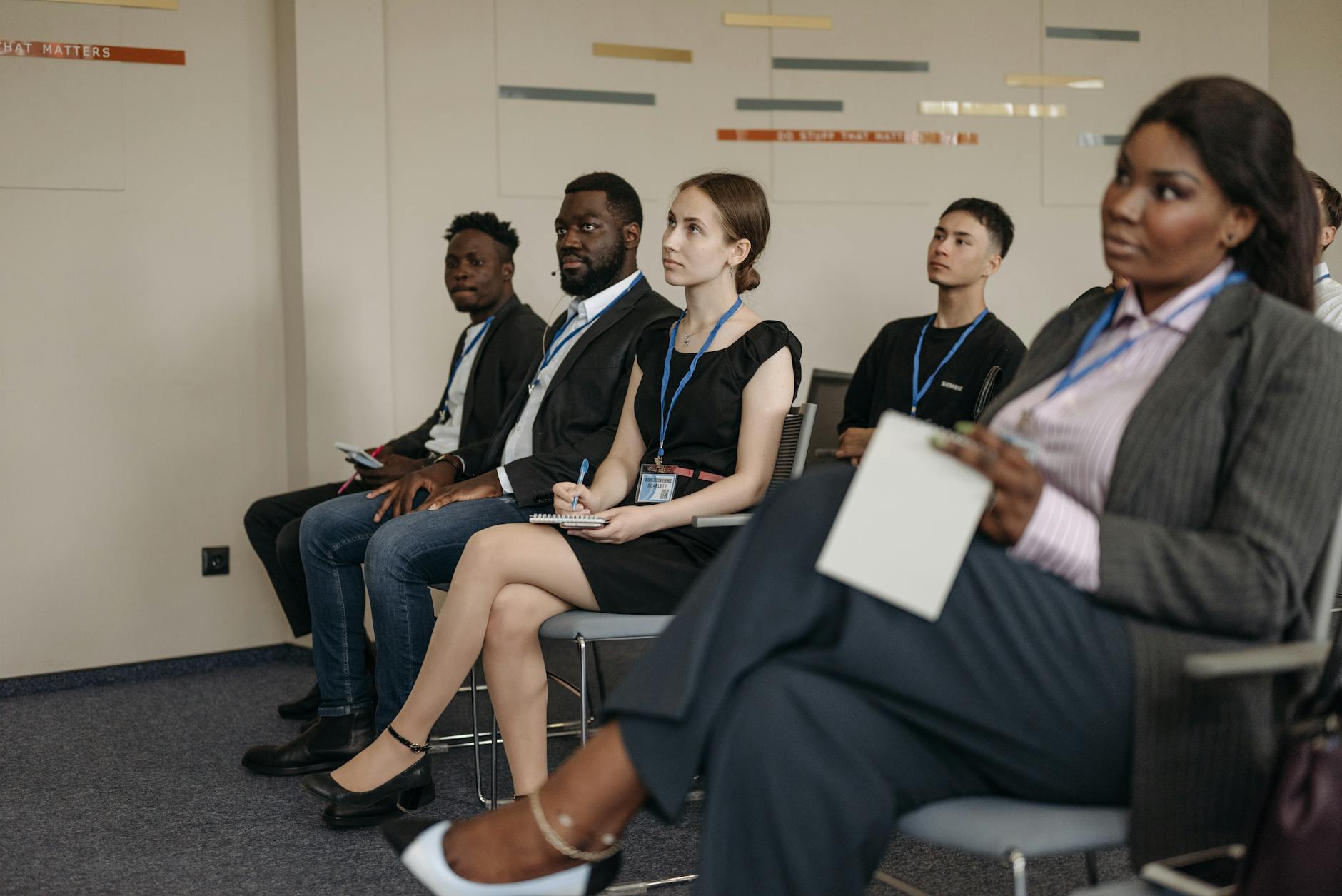
Wroclaw can support a productive short conference trip when the attendee plans around the venue first. The city is compact and enjoyable, but bridge routes, hotel access, trams, arrival timing, badges, equipment, networking meals, and evening returns still need practical coordination so the event remains the center of the visit.
Start with the venue map
A conference attendee should know the exact venue entrance, registration area, session rooms, sponsor spaces, and evening-event addresses before choosing flights or lodging. Wroclaw's center can feel compact, but a poorly placed hotel can still add repeated friction.
The venue should define the trip.
- Confirm venue address, entrance, badge pickup, room locations, and event schedule.
- Compare hotels by door-to-door timing to the venue, not only by distance on a map.
- Check whether evening events sit near the venue, old town, or another district.
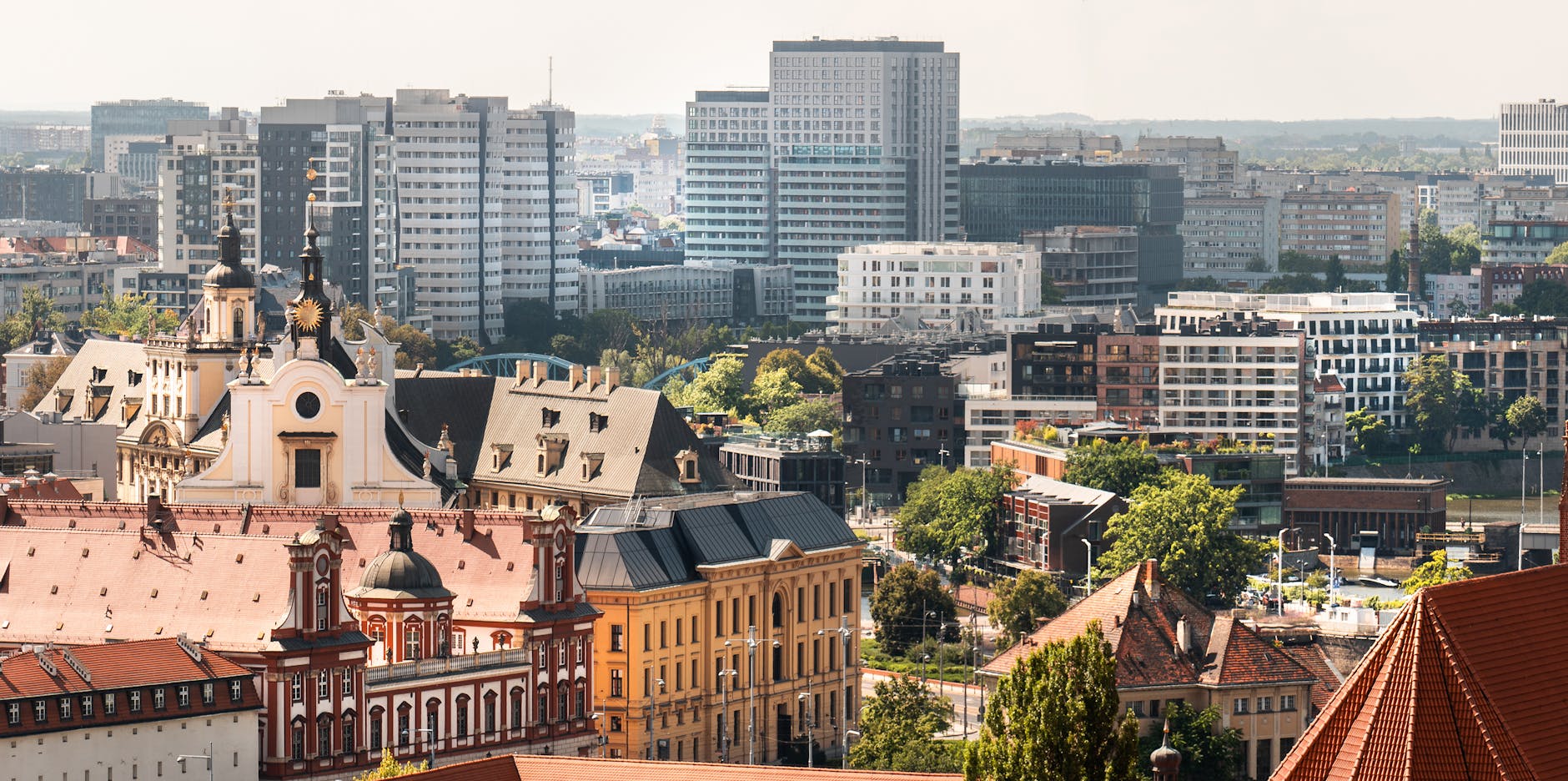
Protect registration and arrival timing
Arrival timing should account for airport or rail transfer, baggage, hotel storage, badge pickup, opening sessions, and fatigue. A cheap or late arrival can be expensive if it leaves the attendee rushing into the first event.
The opening day needs margin.
- Check airport or rail arrival against registration, hotel access, and the first required session.
- Use direct transport when carrying equipment, formal clothing, booth materials, or luggage.
- Avoid arrival plans that leave no room for delays or route confusion.
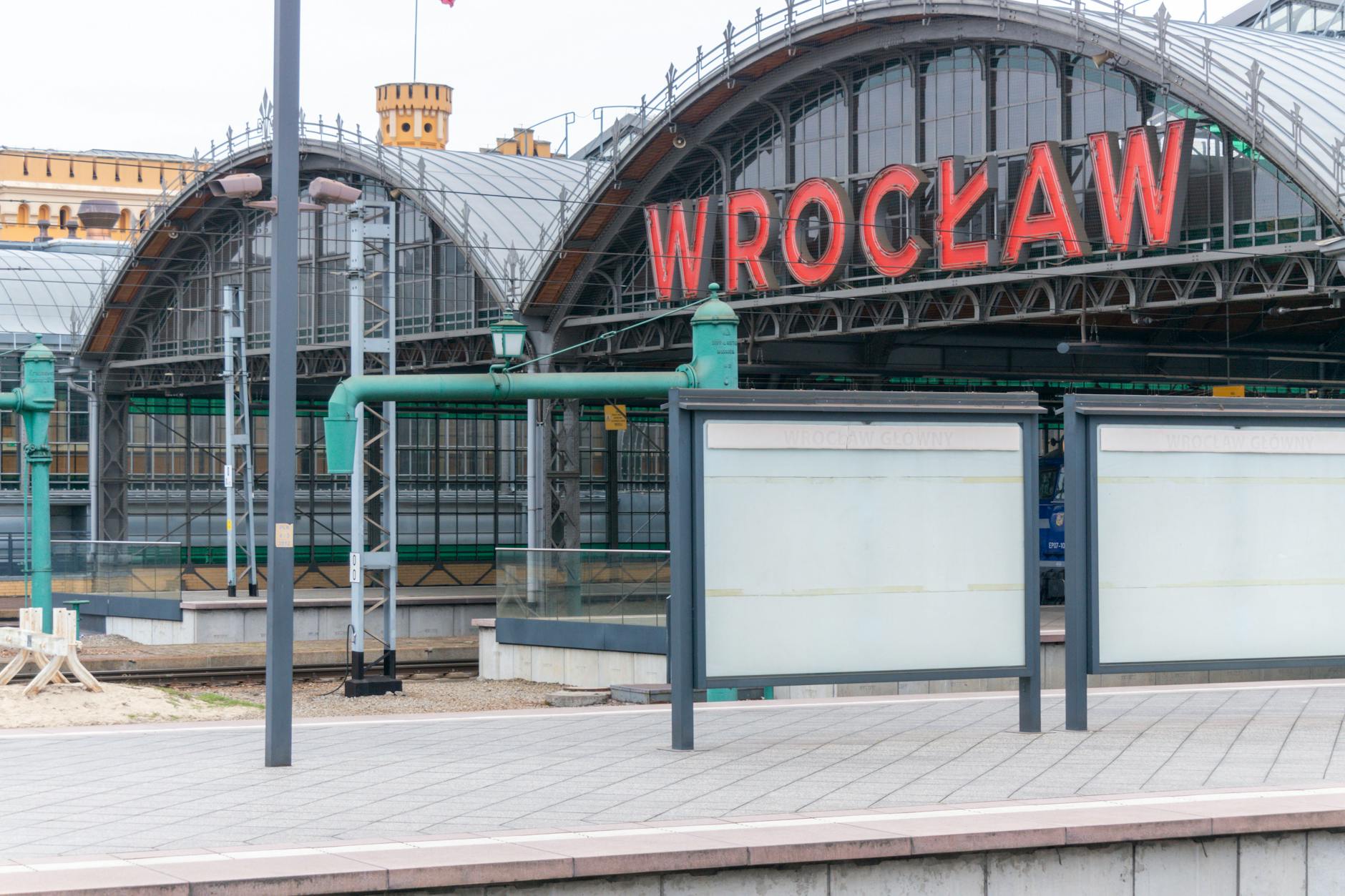
Choose transport by schedule pressure
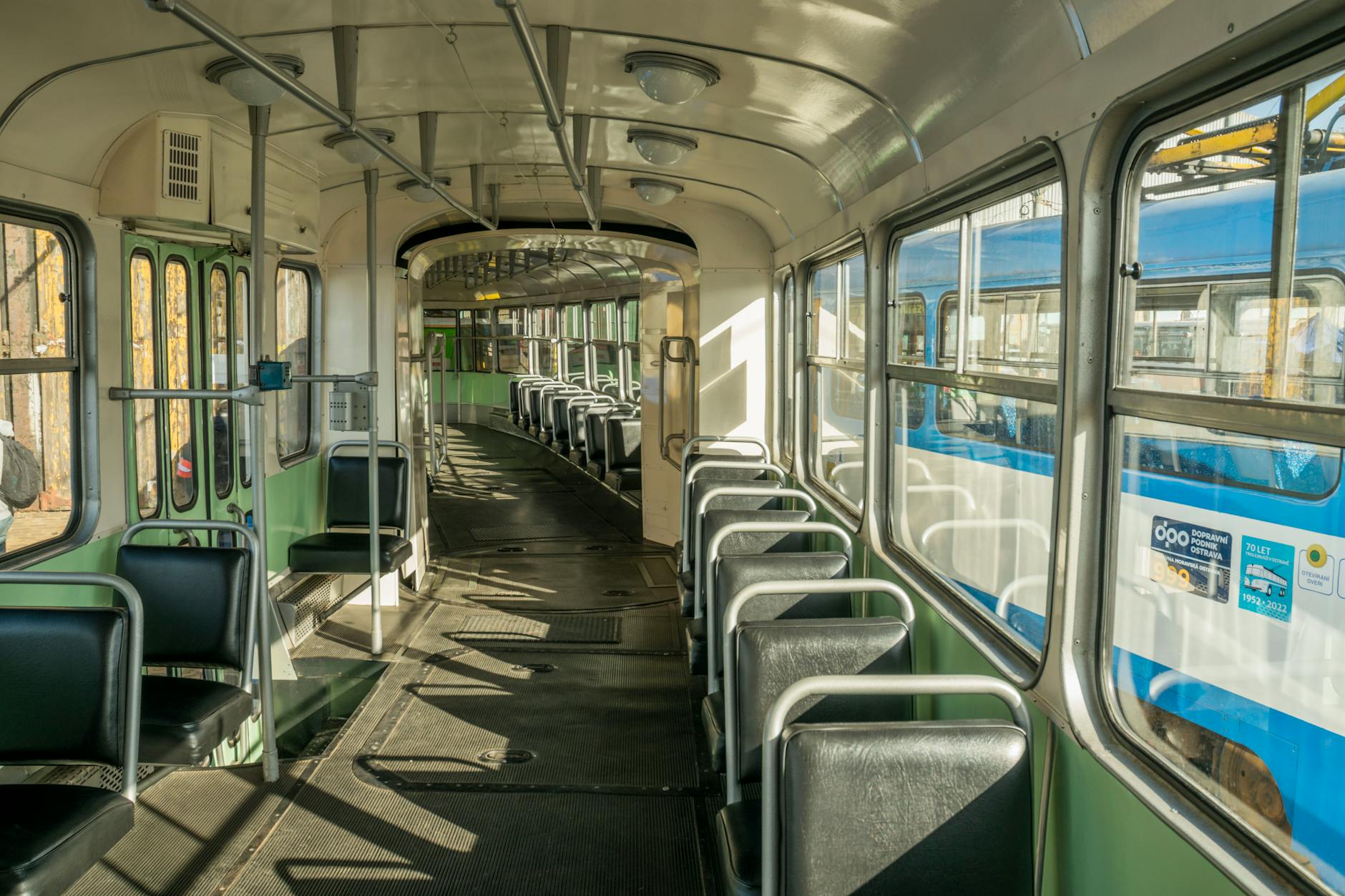
Wroclaw trams, walking, and taxis can all work for conference attendees, but the right choice changes by weather, meeting timing, attire, luggage, and whether the attendee needs to arrive fresh. The plan should include a backup before the day starts.
Reliable arrival protects the event.
- Save tram, taxi, walking, venue, hotel, station, and airport routes offline.
- Use direct transport for tight sessions, client meetings, bad weather, or heavy materials.
- Allow extra time for bridge crossings, event crowds, road work, and evening returns.
Plan equipment and work gaps
Conference travel often includes laptops, chargers, presentation files, booth materials, badges, business cards, meeting notes, and follow-up tasks. The attendee should know where charging, quiet calls, storage, and quick edits can happen.
The work around the event needs space.
- Carry adapters, power bank, offline files, badge documents, chargers, and backup materials.
- Identify quiet hotel, cafe, or venue spaces for calls and follow-up.
- Leave time between sessions for notes, messages, and sponsor or client meetings.
Use city time without weakening attendance
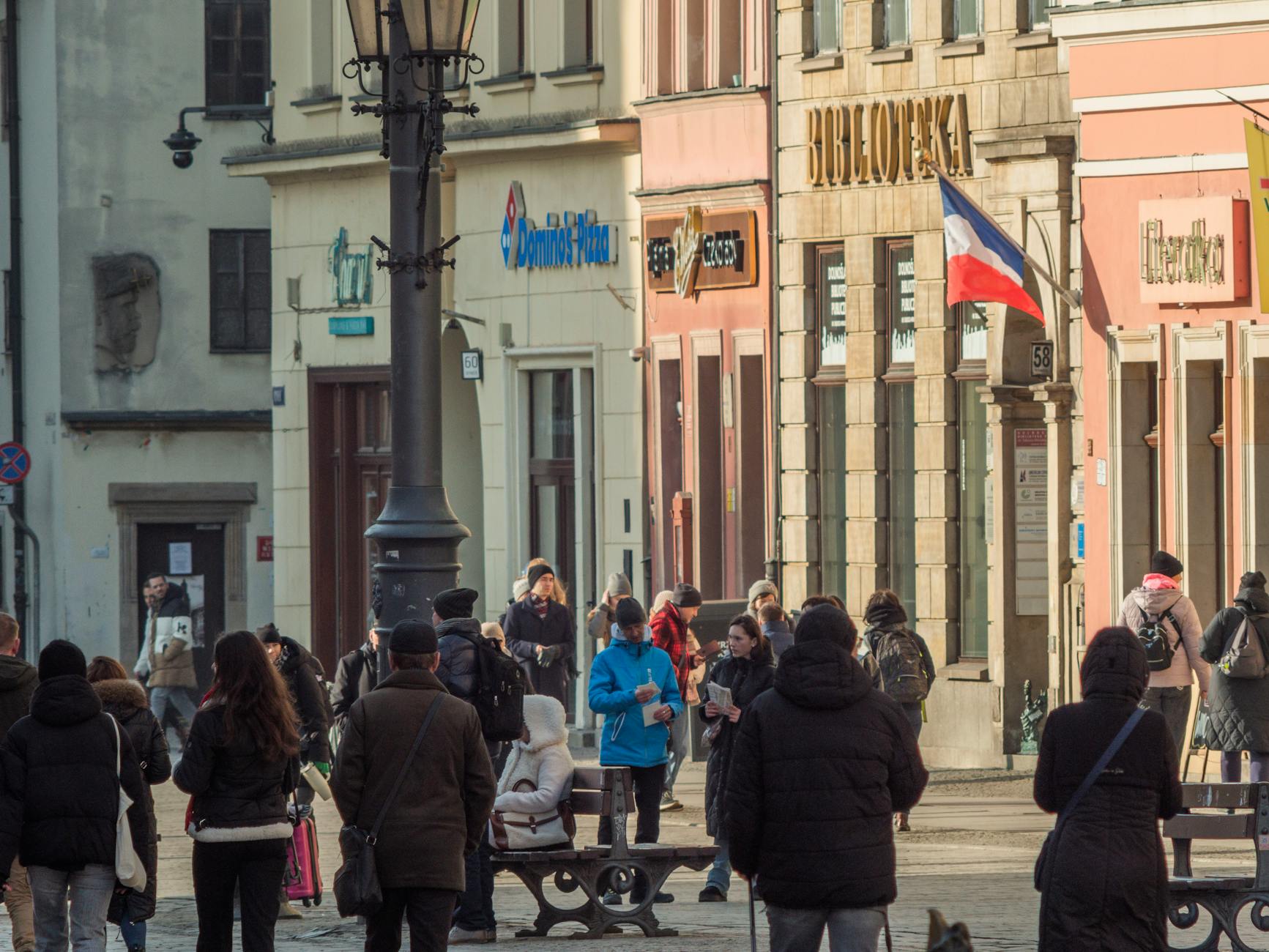
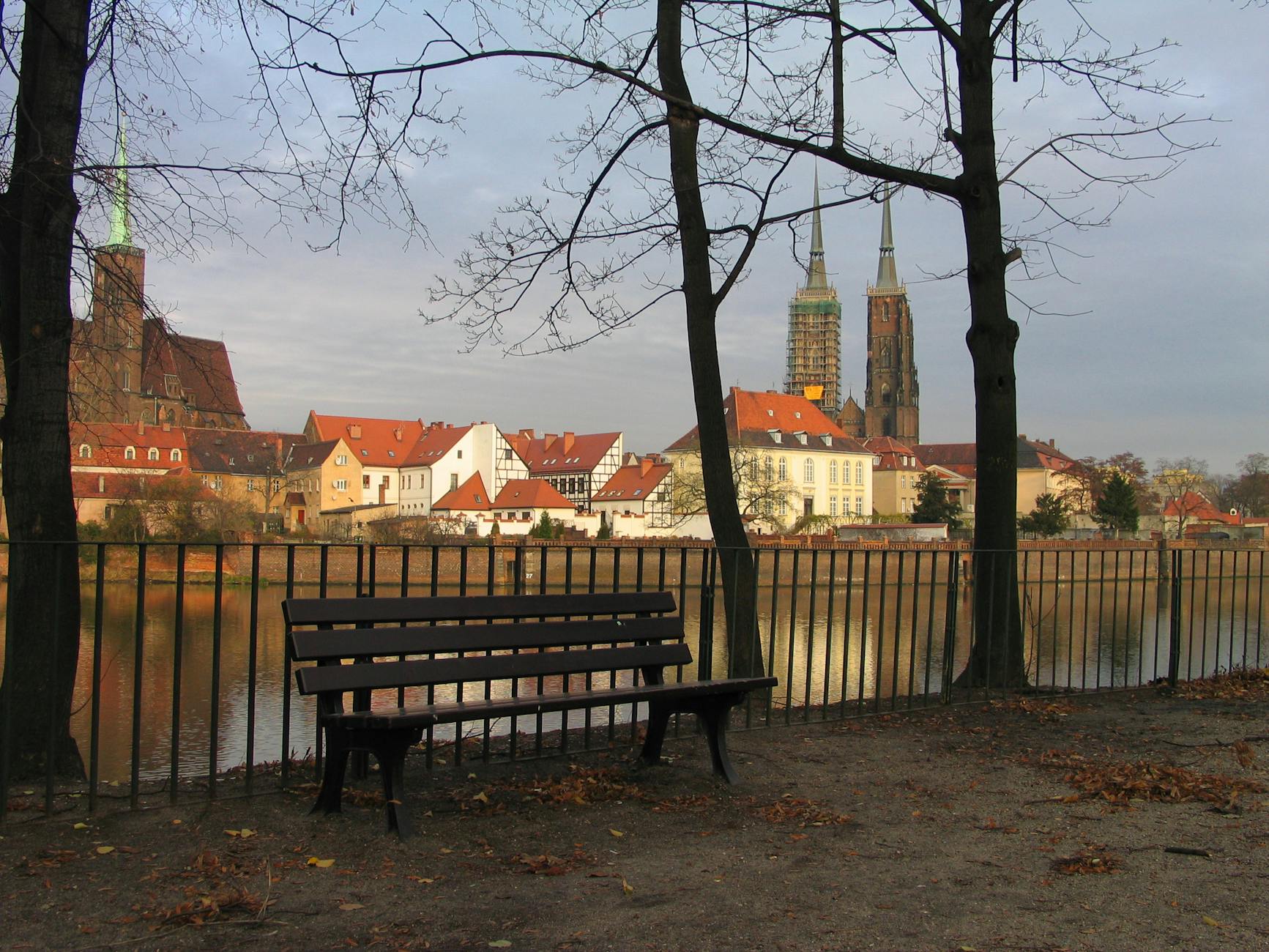
Wroclaw's market square, river walks, bridges, and restaurants can improve a conference trip, but city time should fit around the event rather than compete with it. A short, well-placed walk or dinner usually beats a scattered attempt to see everything.
The conference remains the anchor.
- Choose one city route near the venue or hotel instead of crossing town between sessions.
- Keep meals and sightseeing close to networking plans or the return route.
- Avoid late outings before early sessions, booth duty, or departure day.
Make networking meals practical
Networking meals can matter as much as sessions, but they should be planned around noise, location, dietary needs, timing, and the next morning. Wroclaw restaurants can be atmospheric, yet a poorly placed dinner can make the event schedule harder.
Meals should support the professional goal.
- Choose restaurants by distance, noise level, reservation reliability, and group fit.
- Keep dietary needs, expense rules, alcohol pacing, and return transport visible.
- Save a quieter backup if the first choice is full or too loud for conversation.

When to order a short-term travel report
A conference attendee with a venue hotel and simple schedule may not need a custom report. A report becomes useful when the trip includes multiple venues, tight arrival timing, client meetings, equipment, booth duty, accessibility needs, networking dinners, or departure soon after the final session.
The report should test venue geography, hotel placement, arrival buffers, transport, registration, equipment, meals, city time, weather, and departure timing. The value is a Wroclaw conference trip where the event stays productive and the city remains manageable.
- Order when venues, hotels, transfers, registration, equipment, networking, meals, city time, or departure timing need exact planning.
- Provide dates, venue addresses, event schedule, hotel candidates, equipment needs, meeting obligations, budget, and arrival details.
- Use the report to keep the conference trip punctual, productive, and realistic.