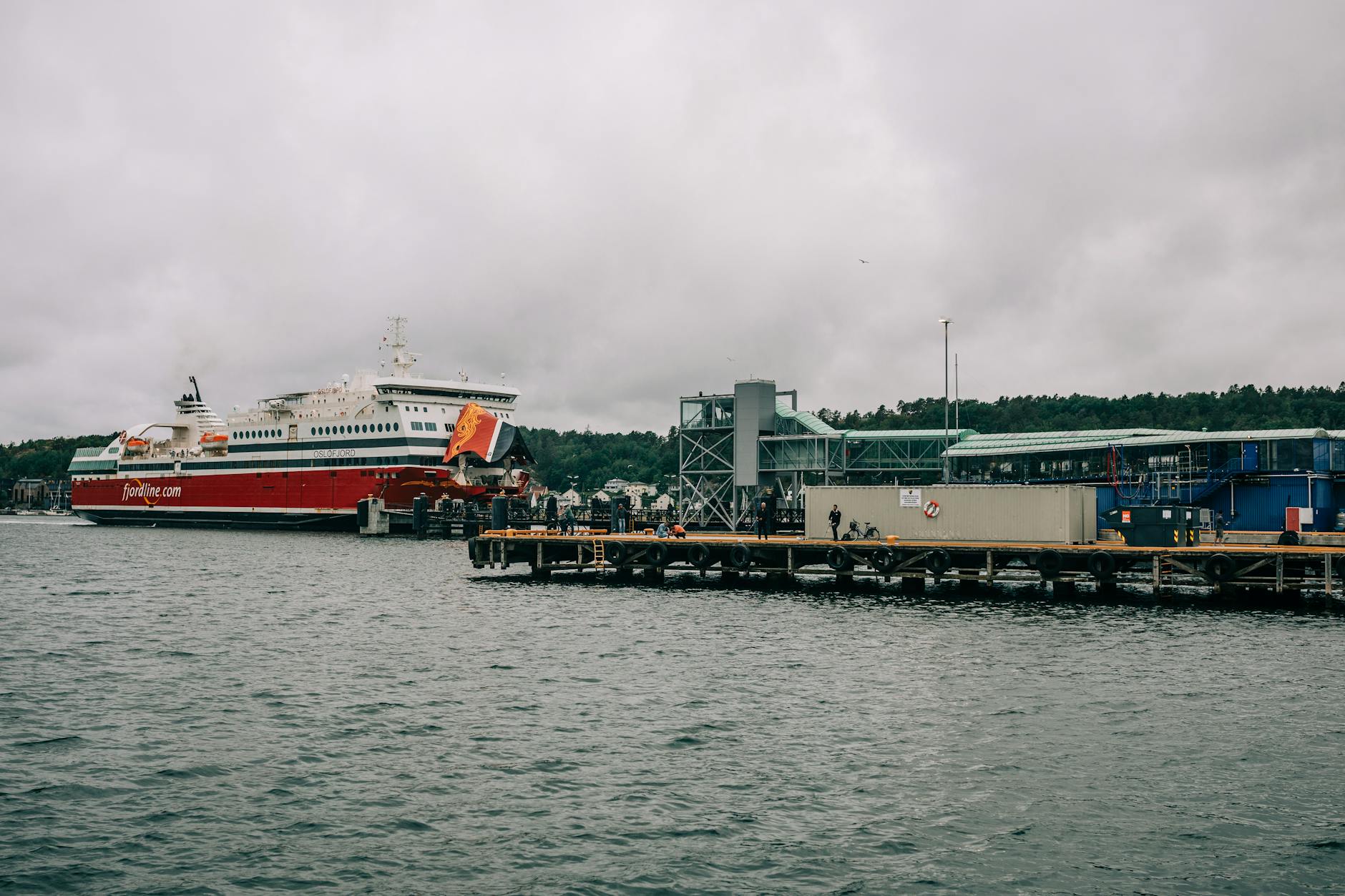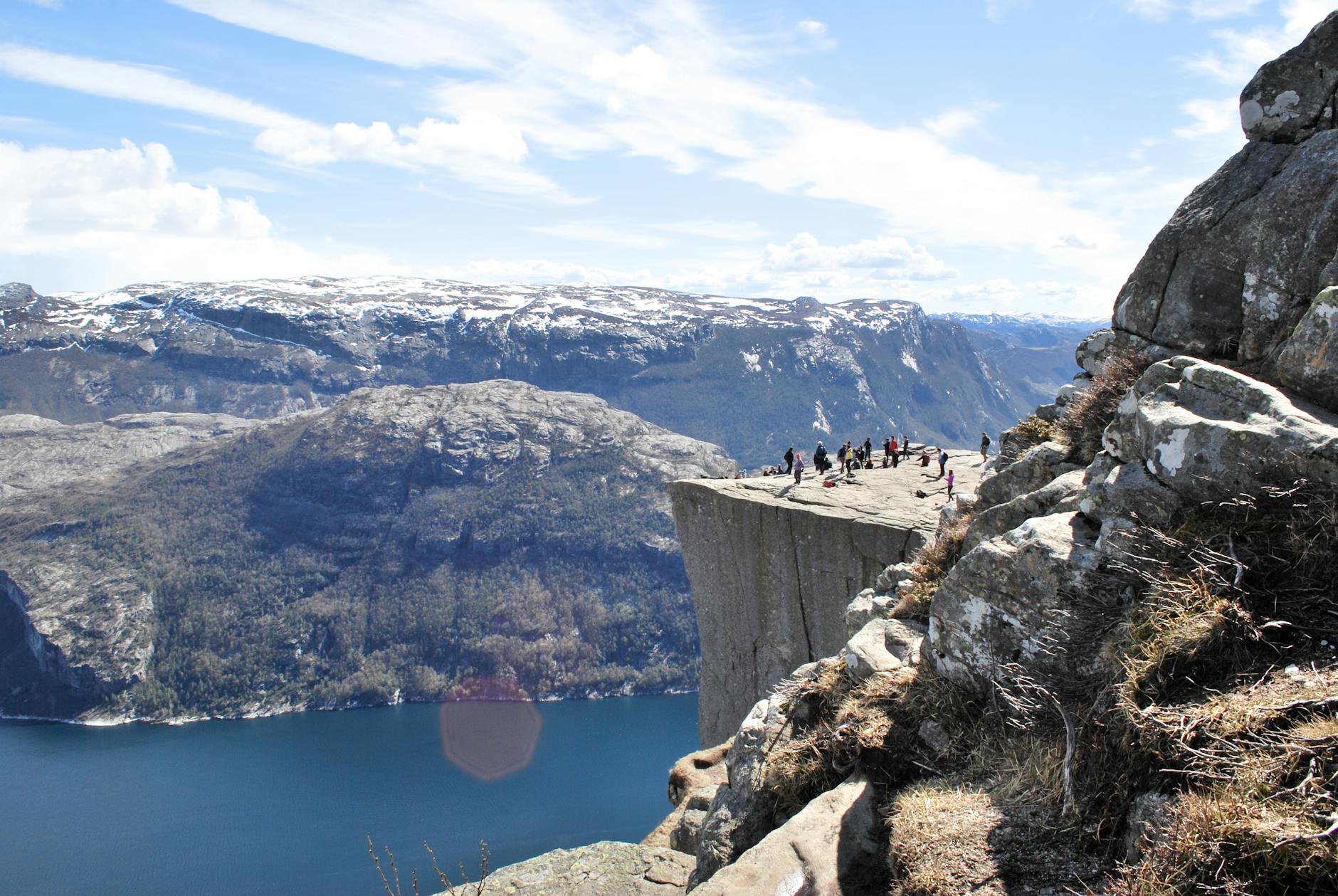
Stavanger rewards a tourist who keeps the short stay focused. The city has a compact harbor, atmospheric streets, maritime and petroleum history, good food, and access to dramatic Rogaland scenery. The risk is trying to make a short trip do too much. Weather, footwear, daylight, and transfer timing should shape the plan as much as the list of sights.
Choose the tourist version of Stavanger
A short tourist trip should start with a clear choice: city streets, harbor atmosphere, museums, food, coastal views, or a major regional outing. Stavanger can support all of those, but not all with equal quality in one compressed stay.
The tourist plan needs a center.
- Choose one primary reason for the visit and one backup reason for bad weather.
- Keep the first day close to the harbor and old-town streets if arrival timing is uncertain.
- Avoid booking a demanding day trip before the city basics are settled.
Build a compact harbor route
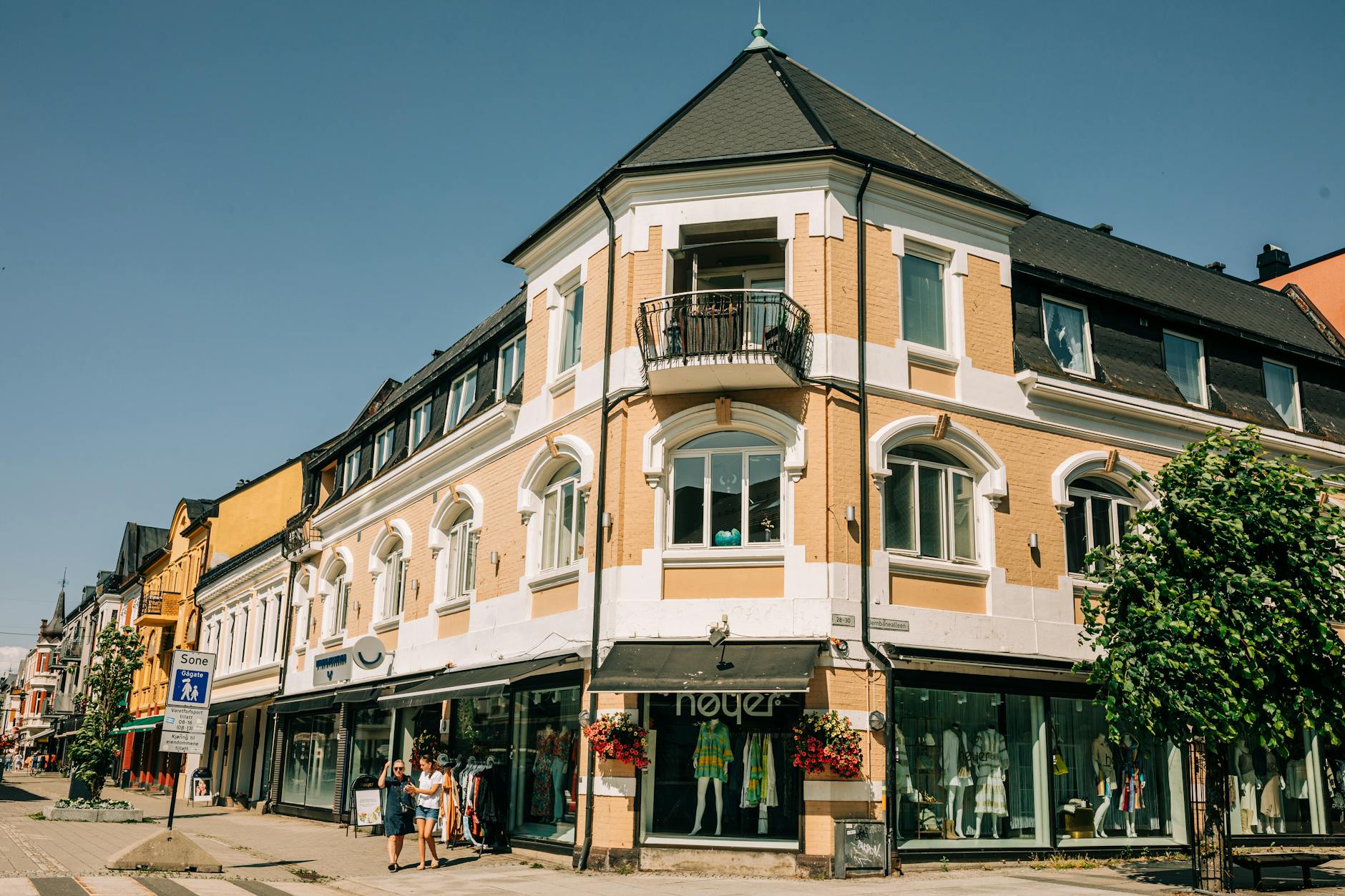
The harbor area can anchor a tourist day because it keeps scenery, restaurants, museums, and short walks close together. The traveler should know where the route starts, where it pauses, and how it returns to the hotel before fatigue or rain sets in.
A short loop is usually stronger than a scattered list.
- Link the harbor, old-town streets, a museum or viewpoint, a meal stop, and a simple return route.
- Check pavement, steps, wind exposure, and restroom options along the route.
- Leave time to linger instead of turning every waterfront corner into a scheduled stop.
Use museums for context, not filler
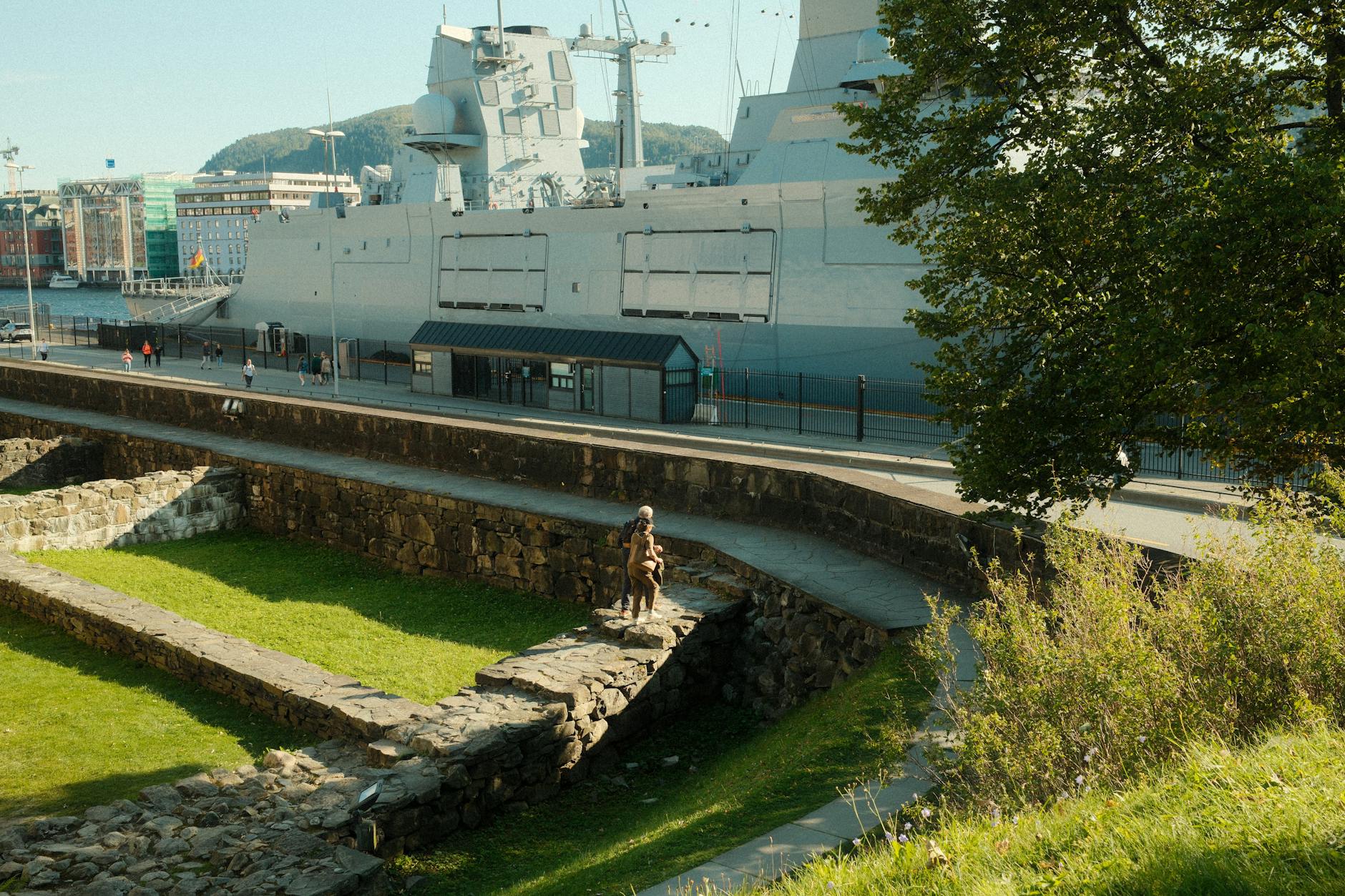
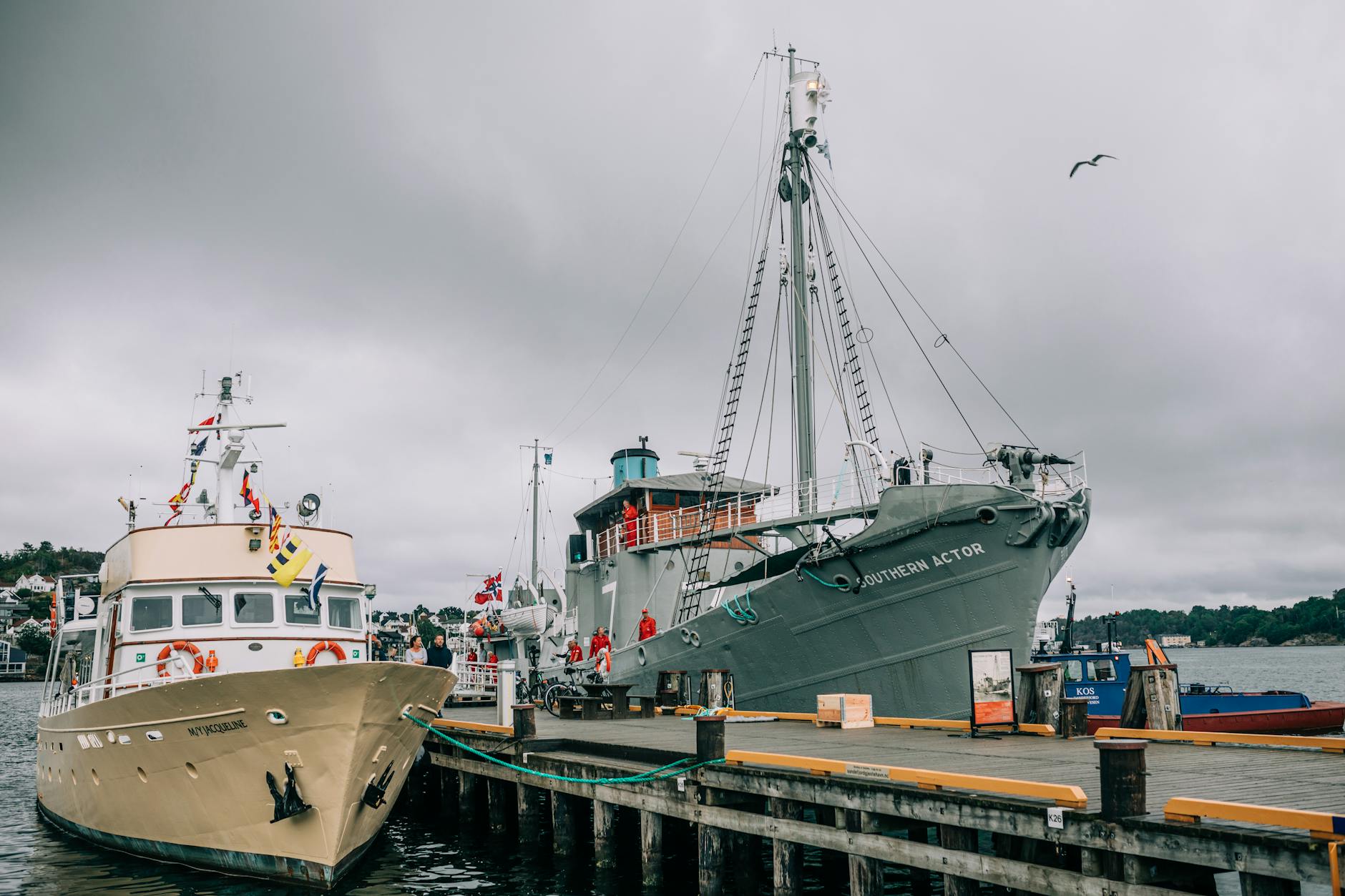
Stavanger's museums and maritime context can make the city more legible. A tourist should choose the museum stop that matches the trip rather than using museums only as a rainy-day holding pattern.
Context makes the short stay feel less generic.
- Check museum hours, last entry, ticket needs, and distance from meals or the hotel.
- Choose maritime, industry, local-history, or art stops based on actual interest.
- Keep museum time bounded if daylight or coastal plans matter.
Plan meals as part of sightseeing
A tourist can lose too much time to uncertain meals, especially when rain or short opening hours change the day. Meal planning should be light but specific enough to prevent tired wandering.
Food is a useful reset point.
- Identify cafes, casual meals, and one better dinner near the planned route.
- Check hours, reservation needs, price, seating, and how far the restaurant is from the hotel.
- Use snacks and coffee breaks to keep the day flexible without skipping real meals.
Treat rain and footwear seriously
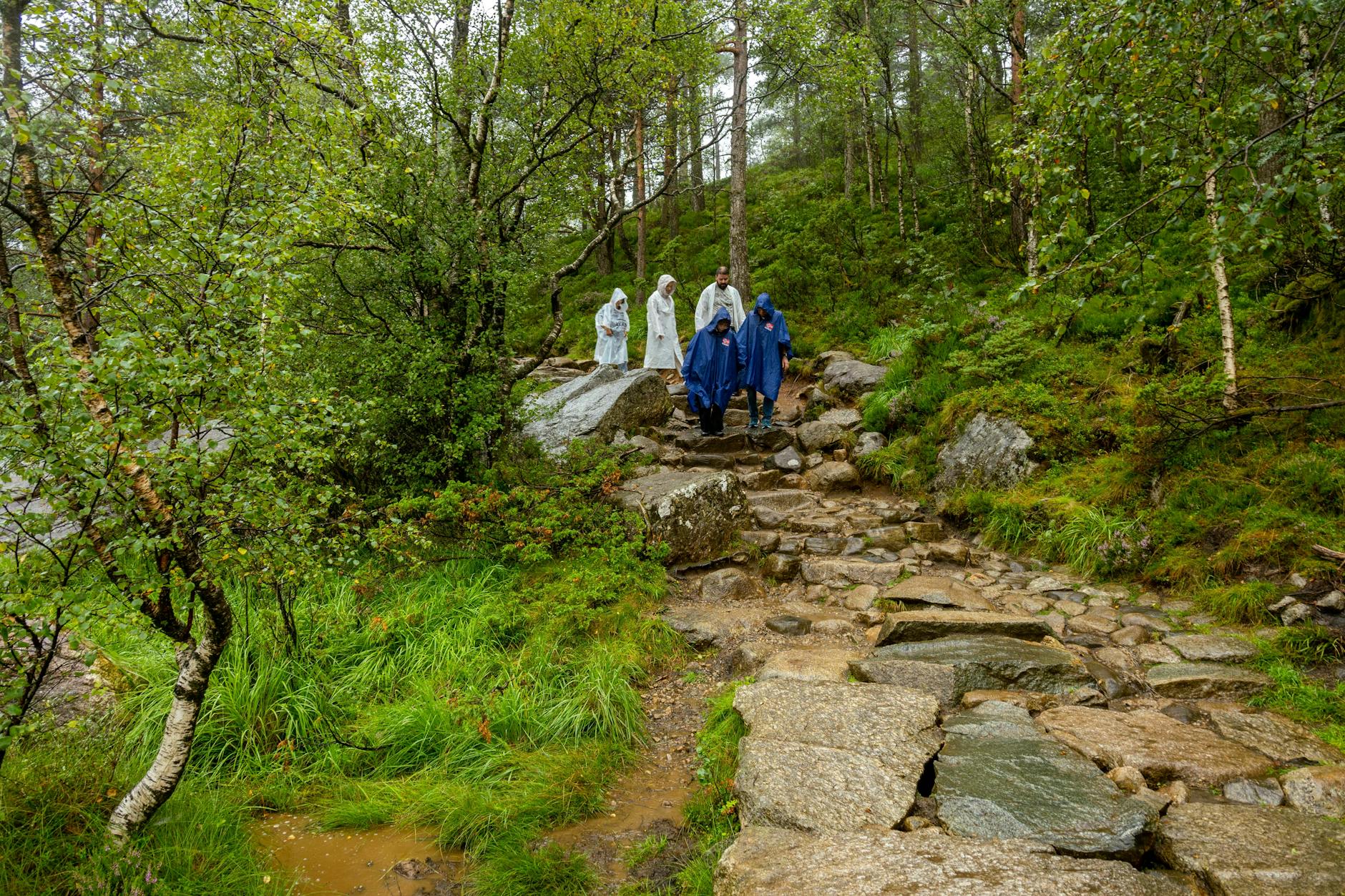
Rain, slick stones, coastal wind, and uneven streets can change how enjoyable Stavanger feels. Tourists should plan clothing and route length for the weather they are likely to meet, not the weather they hope to meet.
Comfort preserves attention.
- Pack shoes with grip, a rain layer, a warm layer, and a dry place for phone and documents.
- Keep indoor alternatives near the harbor route rather than across town.
- Shorten the day before weather turns sightseeing into endurance.
Be honest about coastal ambition
Preikestolen, beaches, fjord scenery, and coastal drives can be the highlight of a Stavanger stay, but they also consume time and depend on weather, transport, daylight, and fitness. A tourist should decide whether the outing is essential or merely tempting.
A good coastal plan needs room around it.
- Check transport, trail conditions, daylight, weather exposure, meal access, and return timing.
- Avoid major outings on the same day as a late arrival or early departure.
- Choose a shorter coastal route if the city stay would otherwise disappear.

When to order a short-term travel report
A tourist with a central hotel and simple sightseeing goals may not need a custom report. A report becomes useful when arrival timing is tight, weather may reshape the route, museum and meal hours need coordination, coastal scenery is important, or the traveler wants a realistic plan instead of a long wish list.
The report should test hotel location, arrival transfer, harbor route, old-town stops, museums, meals, rain alternatives, coastal outings, budget, and departure buffers. The value is a Stavanger tourist stay that feels complete without becoming overfull.
- Order when arrival, hotel location, weather, museums, meals, coastal outings, budget, or departure timing need exact planning.
- Provide dates, arrival details, hotel candidates, sightseeing priorities, mobility limits, meal preferences, and budget.
- Use the report to keep the Stavanger tourist stay focused, scenic, and realistic.