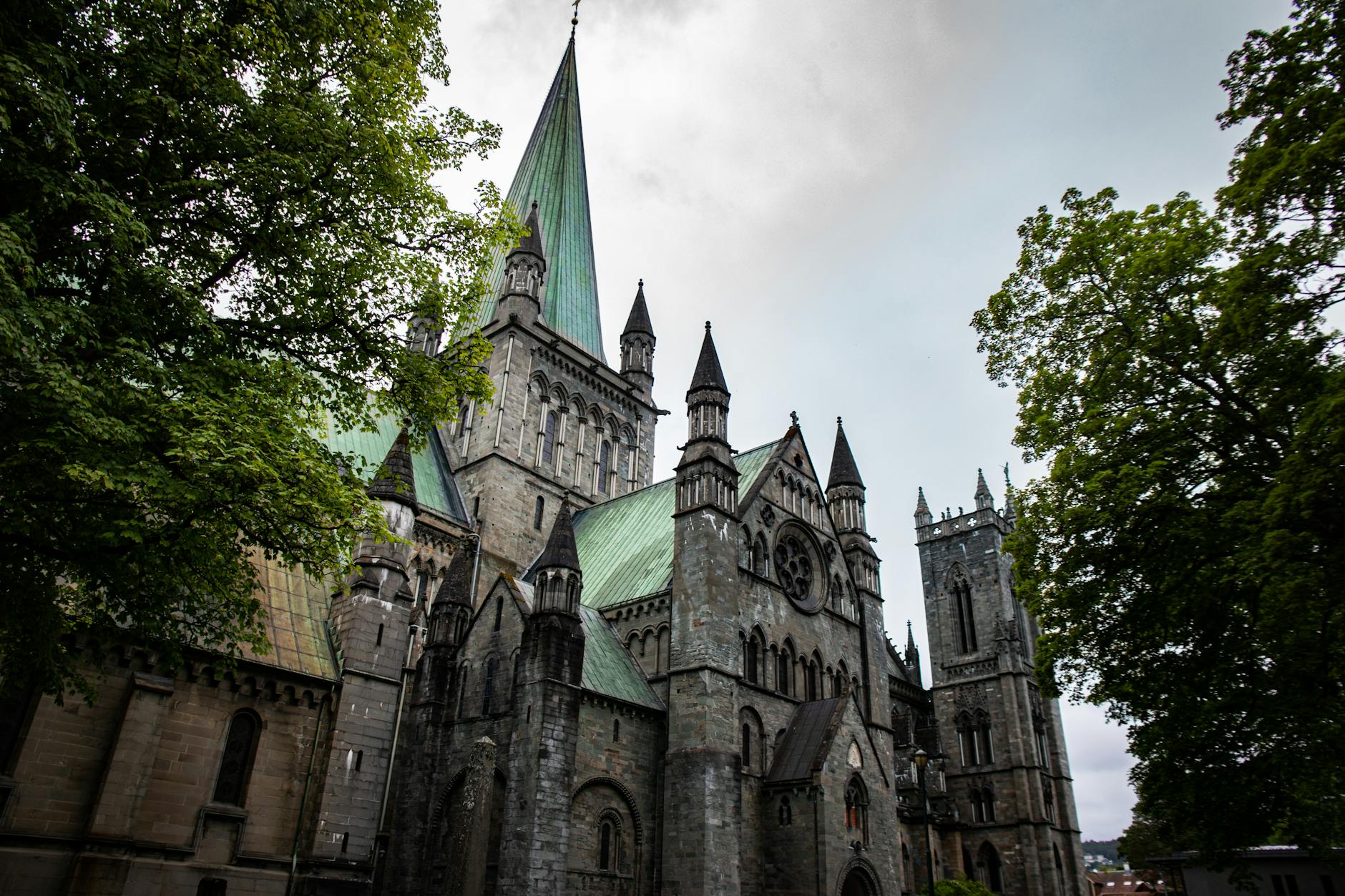
A religious or pilgrimage stay in Stavanger should be shaped by the purpose of the visit, not by a general sightseeing list. Service times, church access, quiet time, meals, weather, local transport, and respectful behavior can all affect whether a short stay feels meaningful rather than rushed. The best plan protects both devotion and practical comfort.
Start with the worship purpose
A religious or pilgrimage traveler should begin by naming the primary purpose of the trip. That may be attending a service, visiting a specific church, traveling quietly after a life event, joining a faith group, or adding reflection time to a broader Norway stay.
The purpose should guide the itinerary.
- Confirm the specific church, service, site, community, or observance that matters most.
- Check opening hours, service language, access rules, visitor expectations, and seasonal closures.
- Avoid crowding the day with sightseeing that weakens the reason for the visit.
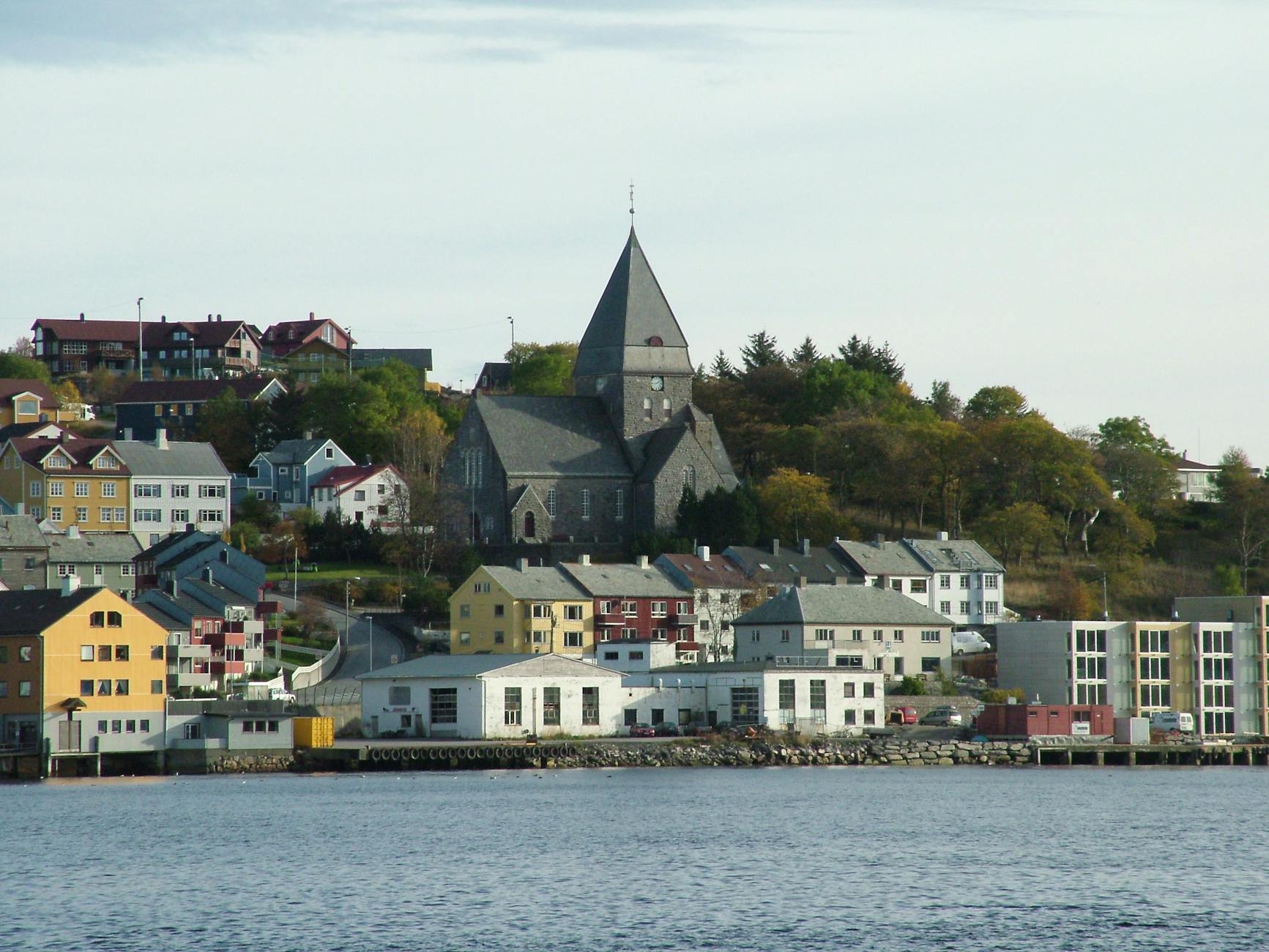
Choose lodging that supports quiet
A pilgrimage or worship-centered stay can be affected by sleep, noise, breakfast timing, room comfort, and the ability to sit quietly before or after services. The hotel should make reflection and punctuality easier, not just place the traveler near attractions.
Quiet can be a practical requirement.
- Check room quiet, breakfast hours, desk or sitting space, nearby meals, and the route to worship sites.
- Ask for luggage storage or late checkout if service times do not align with travel schedules.
- Avoid lodging that makes early services or late evening reflection difficult.

Plan transport around services
Service times, site visits, meals, and weather can make transport more important than it first appears. The traveler should know how to reach each worship location without rushing and how to return if the day ends after dark or in rain.
The route should be calm enough for the purpose of the visit.
- Confirm walking time, public transport, taxi options, step-free access, and Sunday or holiday schedules.
- Leave extra time before services, appointments, or group gatherings.
- Save offline maps and addresses in case mobile data or weather complicates movement.

Respect service rhythms and conduct
A church or sacred site is not just a landmark. The traveler should understand how photography, dress, silence, seating, donations, communion, group movement, and conversation are handled before entering a service or quiet space.
Respect is part of the logistics.
- Check whether photos, phones, recording, food, hats, or movement are restricted.
- Arrive early enough to settle without disrupting worship or private prayer.
- Ask before joining rituals that may be reserved for members of a particular faith community.
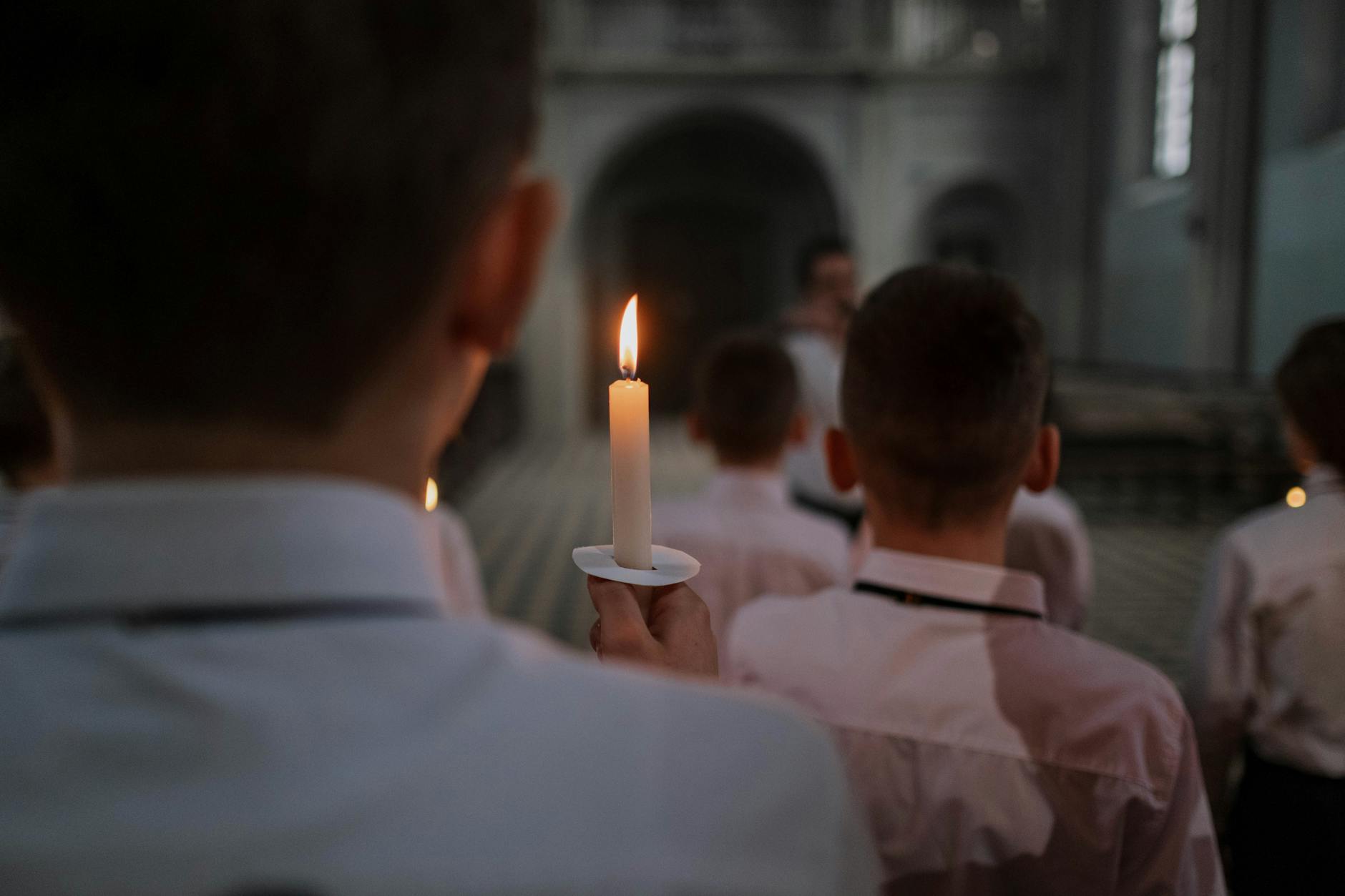
Protect reflection time
A short stay can feel thin if every open hour is assigned to logistics or sightseeing. Religious travelers should protect time for prayer, journaling, walking, reading, or quiet recovery, especially if the trip has personal or memorial meaning.
The empty space may be the point.
- Leave quiet blocks before or after the primary service or site visit.
- Choose simple meals and nearby routes when the day is emotionally full.
- Avoid scheduling regional outings immediately after a deeply meaningful observance.
Build weather and meal buffers
Stavanger weather can slow walking routes and make outdoor reflection less comfortable. Meals can also require planning around service times, dietary needs, closures, and the desire for a quiet place rather than a busy restaurant.
Practical comfort helps preserve the tone of the trip.
- Carry waterproof layers, warm clothing, comfortable shoes, and a protected bag for books or documents.
- Identify simple meal options near lodging and worship locations before arrival.
- Use short waterfront or old-town walks when larger excursions would crowd the day.
When to order a short-term travel report
A religious or pilgrimage traveler with a single known service and central hotel may not need a custom report. A report becomes useful when service schedules, site access, quiet lodging, mobility needs, dietary requirements, weather, or regional religious context need careful coordination.
The report should test worship geography, lodging fit, service times, transport, access, respectful conduct, meal options, quiet blocks, weather contingencies, and departure buffers. The value is a Stavanger stay that supports the spiritual purpose without unnecessary friction.
- Order when worship locations, service timing, lodging, transport, access, meals, weather, reflection time, or departure timing need exact planning.
- Provide dates, faith context, priority sites, service needs, lodging candidates, mobility needs, dietary needs, and budget.
- Use the report to keep the Stavanger religious or pilgrimage stay calm, respectful, and purpose-centered.