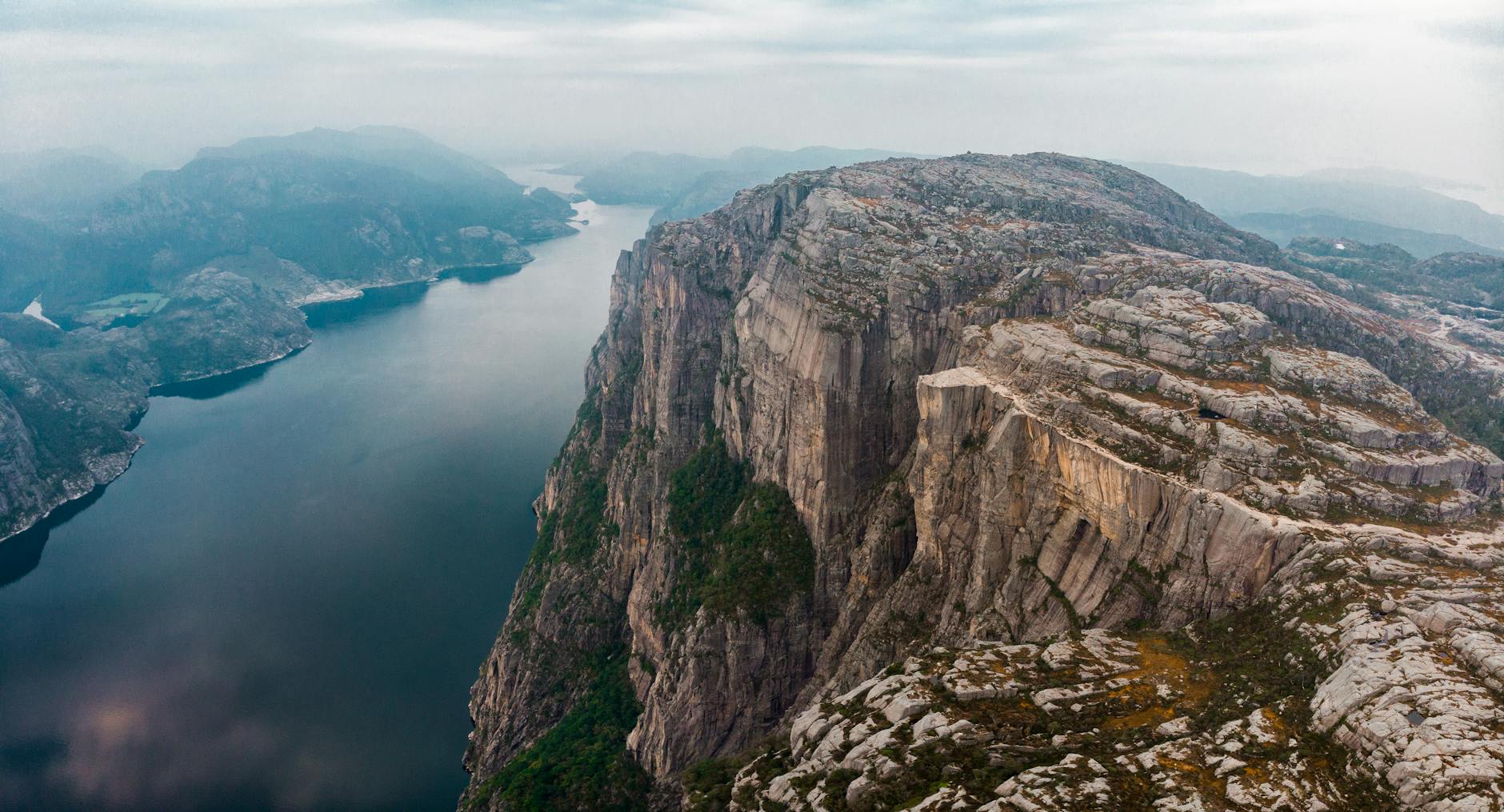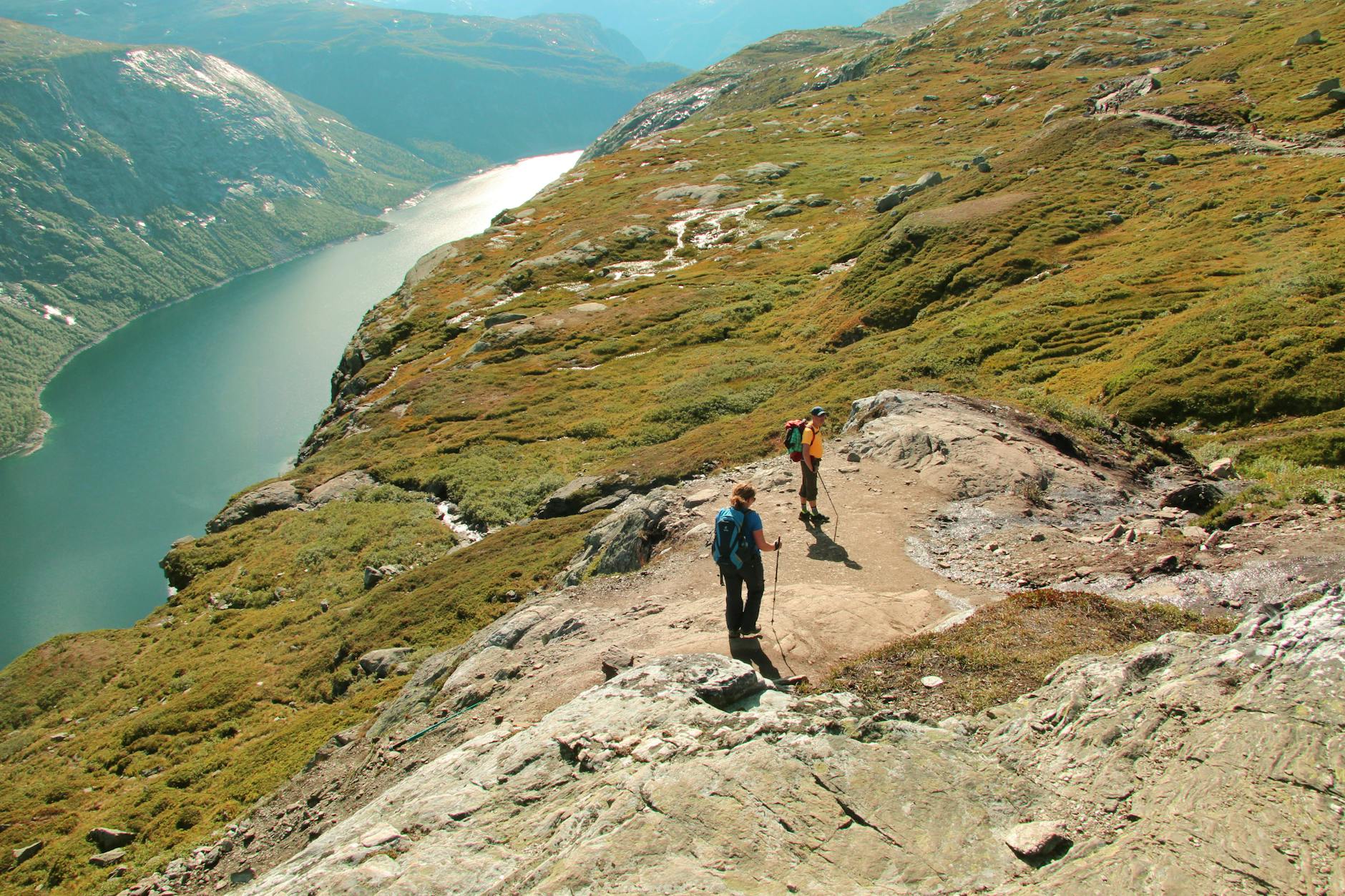
A Stavanger outdoor trip can be rewarding, but it needs more discipline than a simple city break. Fjord routes, hiking goals, weather, daylight, ferry timing, footwear, meal planning, and recovery all shape whether a short stay feels exciting or strained. The right plan keeps the adventure realistic.
Choose the outdoor objective first
An adventure traveler should decide whether the trip is about a major hike, a fjord outing, coastal walking, photography, kayaking, or simply being outside between city stops. Stavanger can support several outdoor styles, but a short stay rarely supports all of them well.
The objective should decide the schedule.
- Rank the main outdoor goal before adding secondary activities.
- Check season, daylight, weather history, trail condition, and transport before booking.
- Keep a bad-weather alternative that still feels worthwhile.
Use Stavanger as the working base
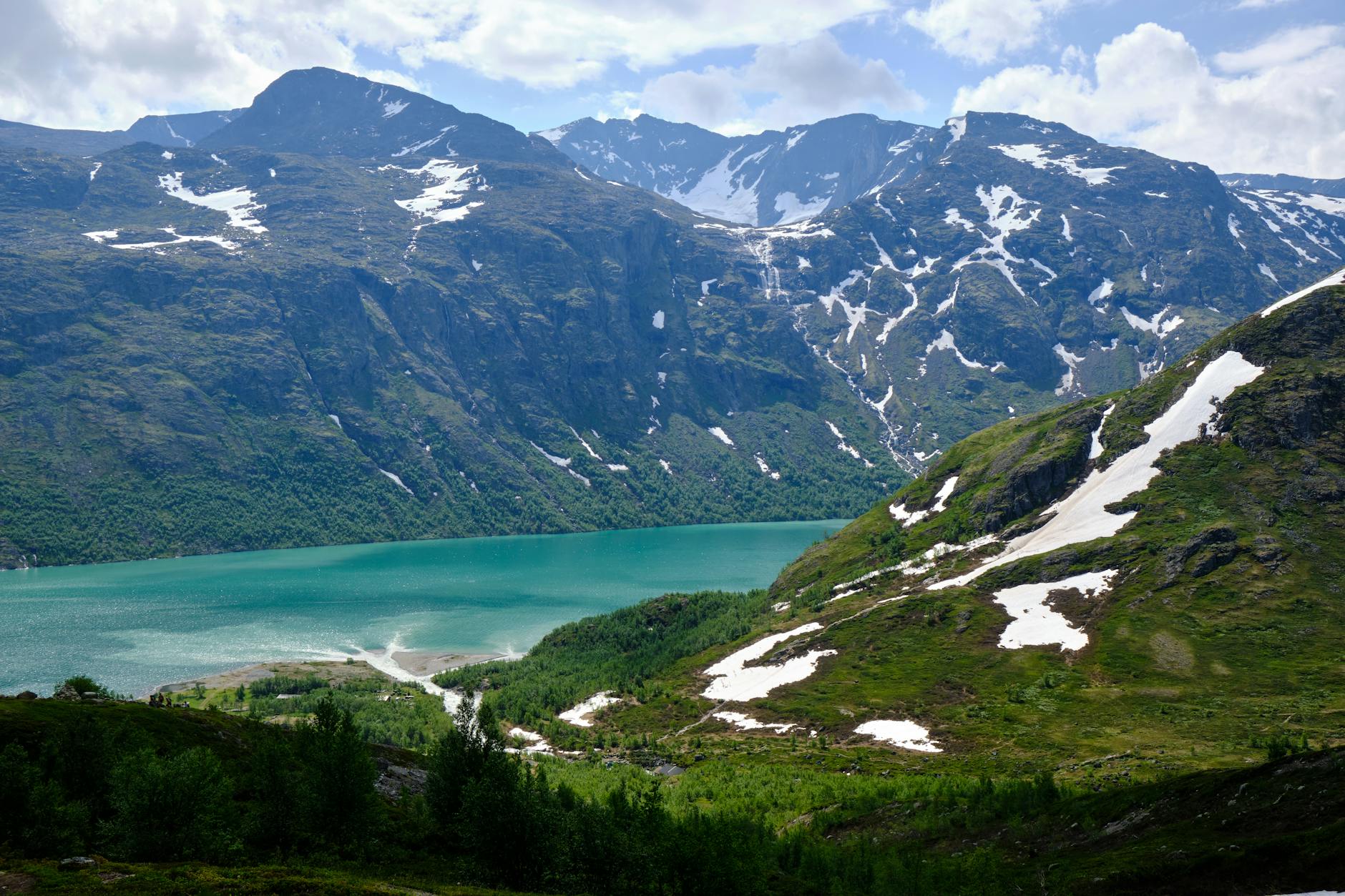
The city can be a practical base for outdoor travel if the hotel supports early starts, gear storage, breakfast, laundry, drying space, and easy transfer points. A scenic address matters less than a base that makes the outdoor day run smoothly.
The lodging should support the route.
- Check early breakfast, packed meal options, luggage storage, laundry, drying space, and taxi access.
- Choose a base that works for both the outdoor transfer and the evening recovery plan.
- Avoid lodging that adds uncertainty before a weather-sensitive departure.
Treat gear as safety equipment
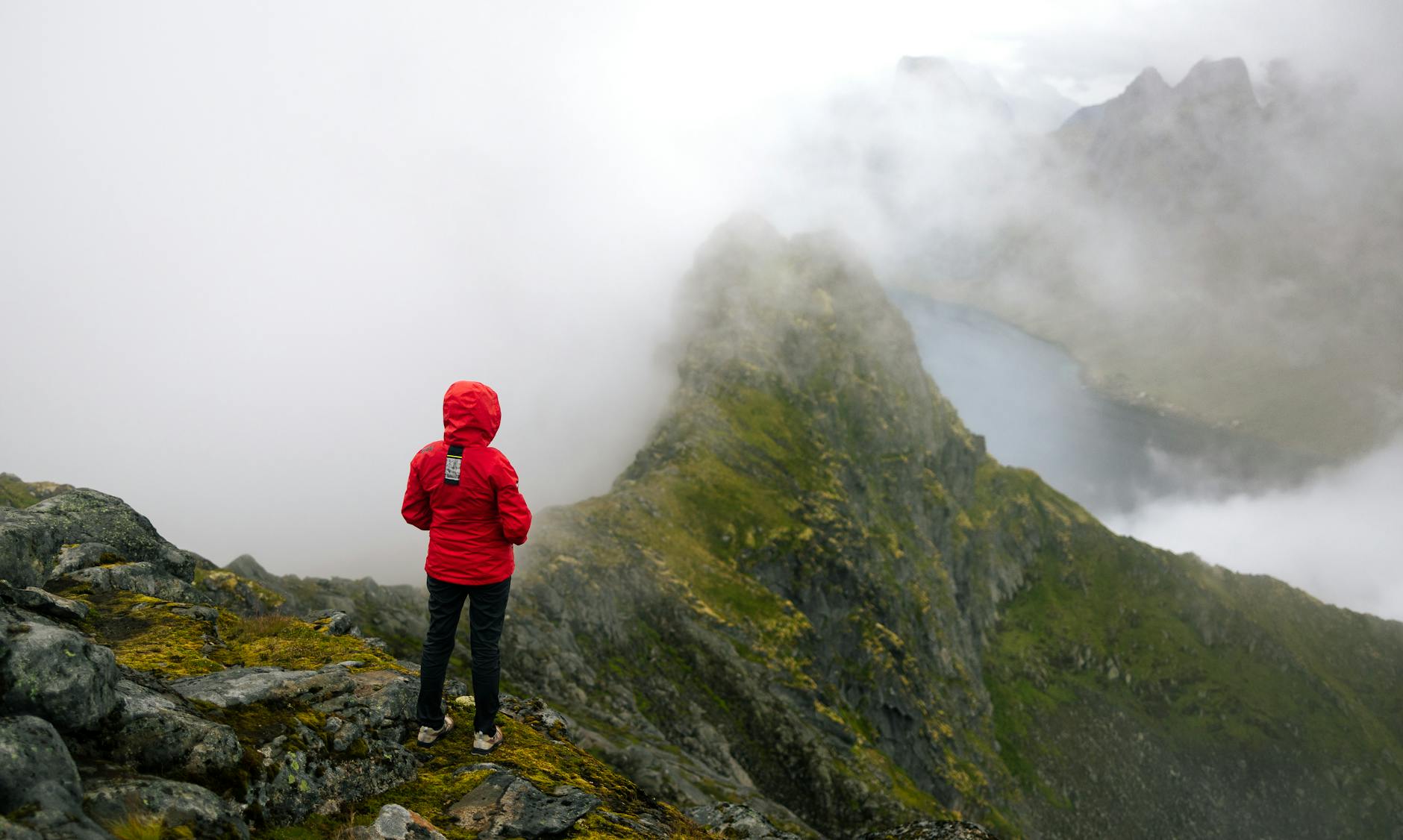
Outdoor plans around Stavanger can shift quickly with rain, wind, mud, cold, and visibility. Footwear, layers, waterproofing, food, water, navigation, and phone power are not optional details when the route leaves the city.
Gear choices should match the worst reasonable conditions.
- Pack waterproof layers, traction-appropriate shoes, spare socks, food, water, and a power bank.
- Protect phone, documents, camera, and warm layers from rain and spray.
- Avoid challenging routes if gear, fitness, or weather does not support them.
Plan transport windows carefully
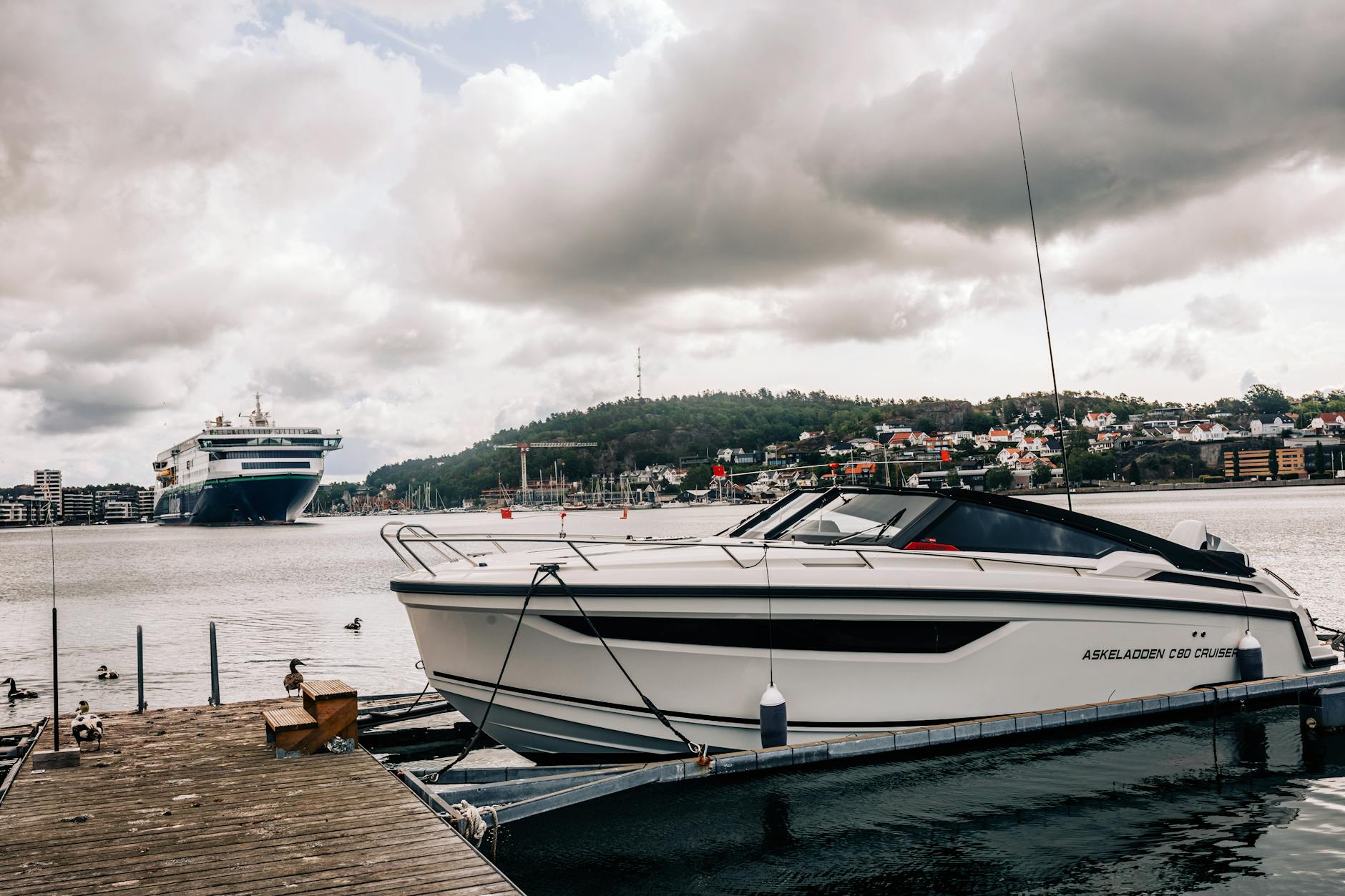
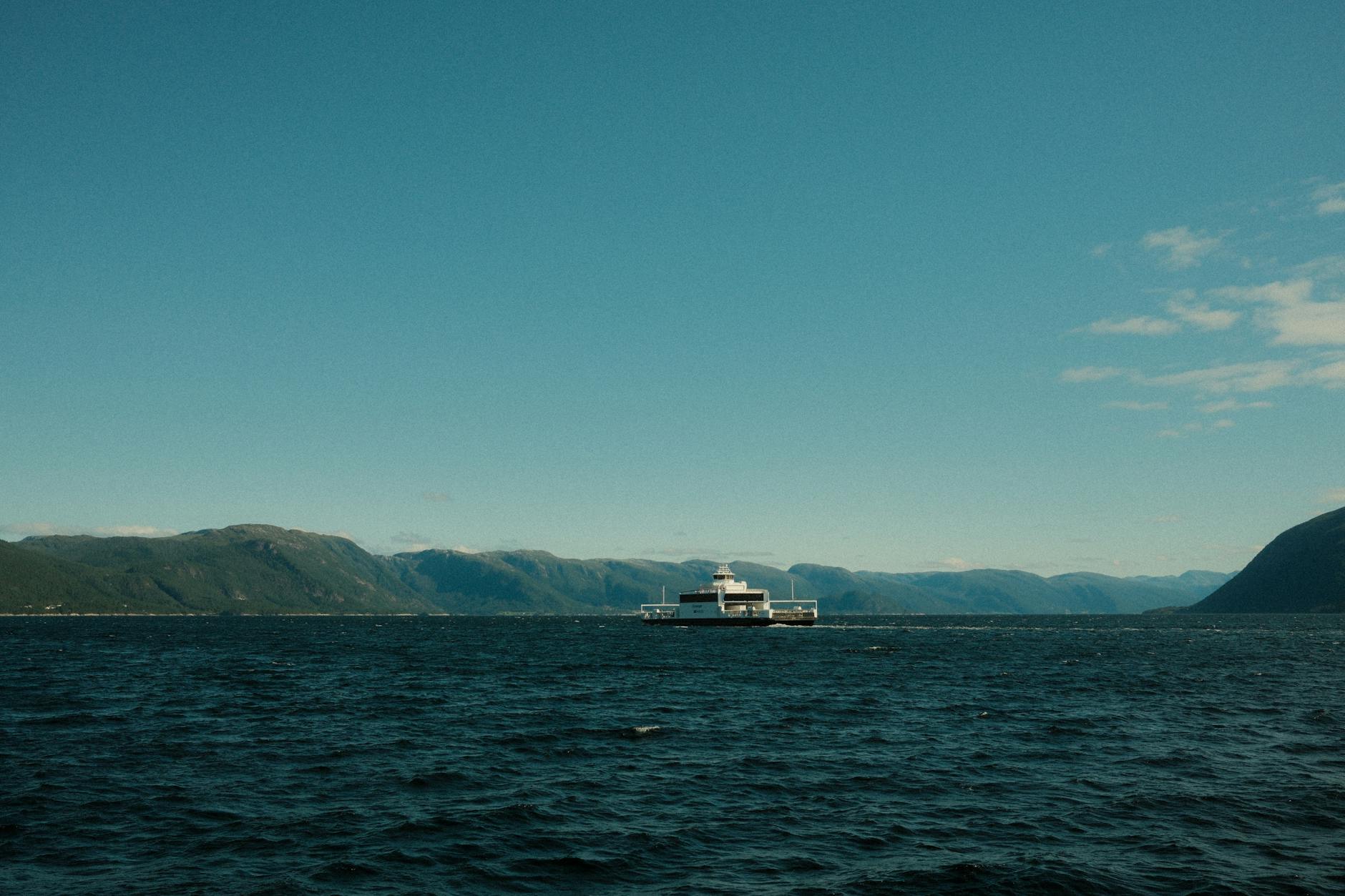
Fjord outings, hikes, ferries, guided tours, and regional buses can make the day more dependent on timing than a city itinerary. Missing one connection can turn an ambitious plan into a stressful return.
Transport is part of the adventure.
- Confirm ferry, bus, tour, pickup, trailhead, and return schedules before committing.
- Build a clear latest-safe-return time for every outdoor day.
- Keep contact numbers and backup taxi or cancellation plans available.
Match routes to fitness and conditions
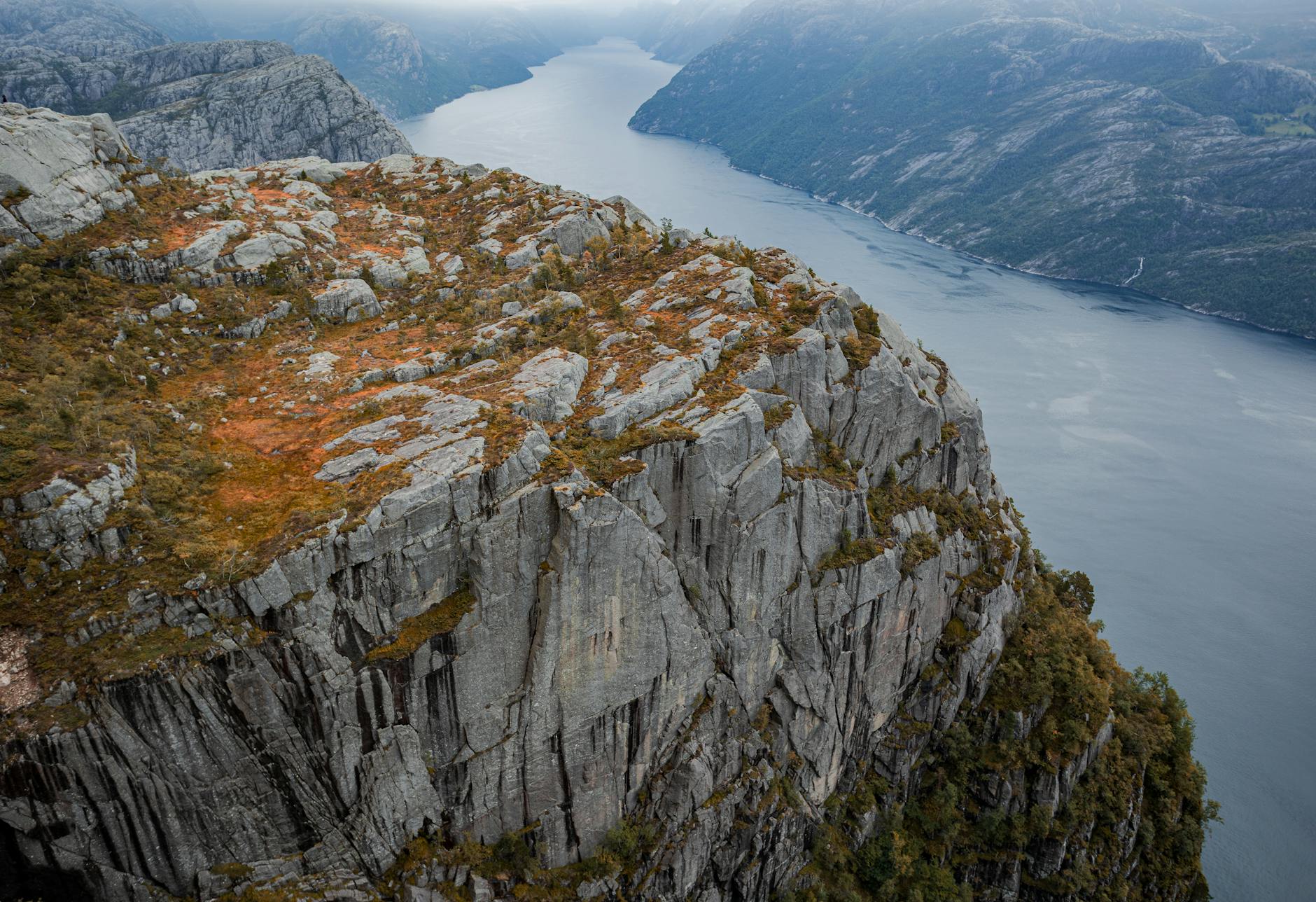
A famous view is not a good plan if the traveler's fitness, footwear, weather tolerance, or time window does not fit the route. The traveler should treat elevation, exposure, surface, crowding, and fatigue as real constraints.
Ambition should be tested before the trail.
- Check distance, elevation, surface, exposure, restroom access, water, and bailout options.
- Avoid cliff, ridge, or exposed routes in poor visibility or high wind.
- Choose a guided or shorter option when traveling alone or with uncertain conditions.
Protect recovery, meals, and departure
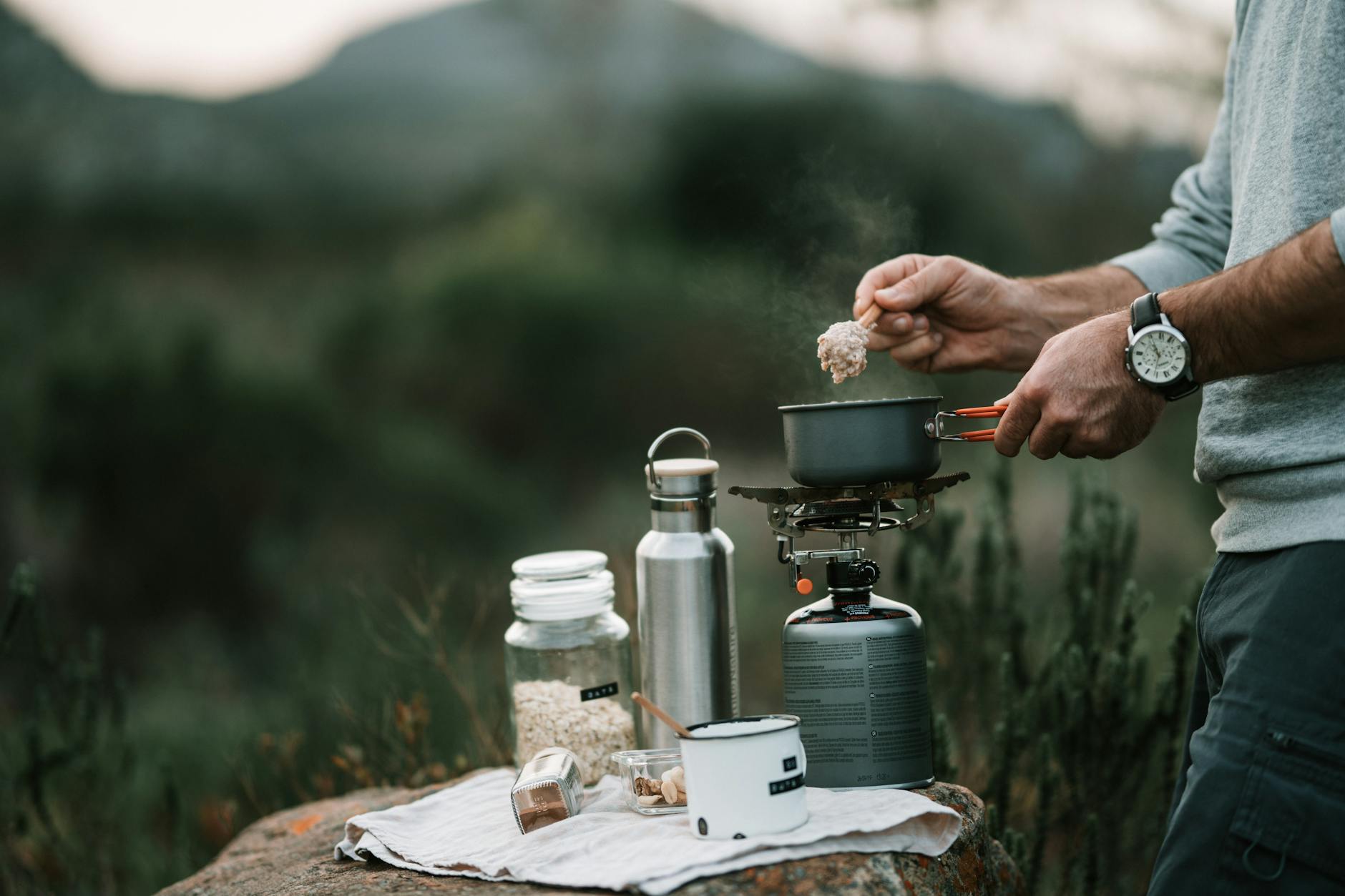
Outdoor travelers often underplan the end of the day. Food, showers, dry clothes, muscle recovery, sleep, and the next morning's flight or train can matter as much as the trail itself.
Recovery is part of the itinerary.
- Plan post-route food, dry clothing, shower access, and a simple evening return.
- Avoid scheduling a difficult outing immediately before an early departure.
- Leave one flexible block for weather delays, soreness, or gear drying.
When to order a short-term travel report
An outdoor traveler with a guided tour and flexible schedule may not need a custom report. A report becomes useful when the trip depends on specific hikes, ferry timing, weather windows, solo safety, gear limitations, mobility concerns, or a tight departure.
The report should test route difficulty, transfer timing, lodging base, weather contingencies, gear needs, meal options, safety limits, guided alternatives, recovery windows, and departure buffers. The value is a Stavanger outdoor stay that keeps the adventure achievable.
- Order when routes, fitness, weather, gear, ferry timing, safety, meals, lodging, or departure timing need exact planning.
- Provide dates, target activities, fitness level, gear, hotel candidates, risk tolerance, budget, and departure details.
- Use the report to keep the Stavanger adventure stay realistic, flexible, and rewarding.