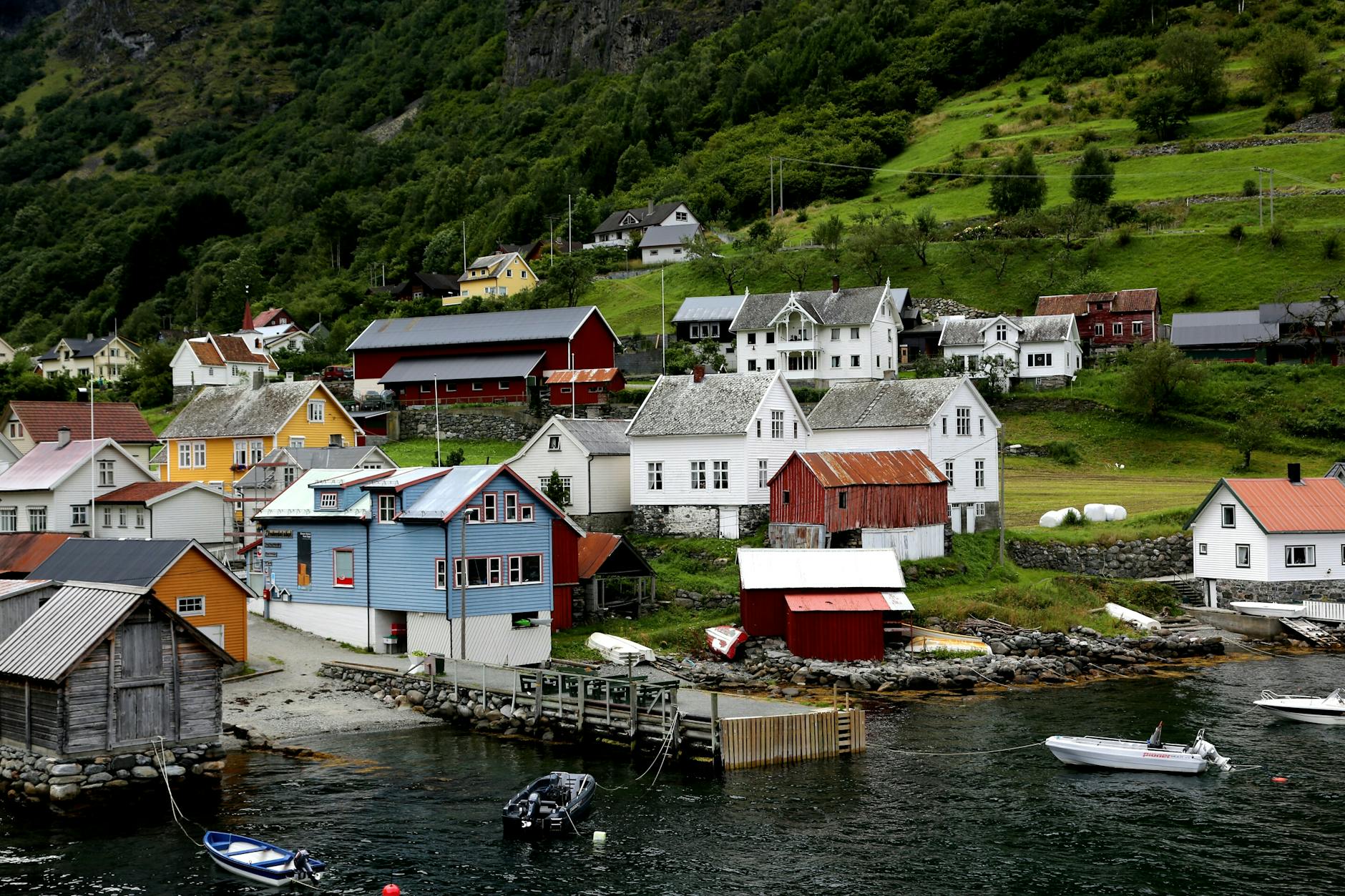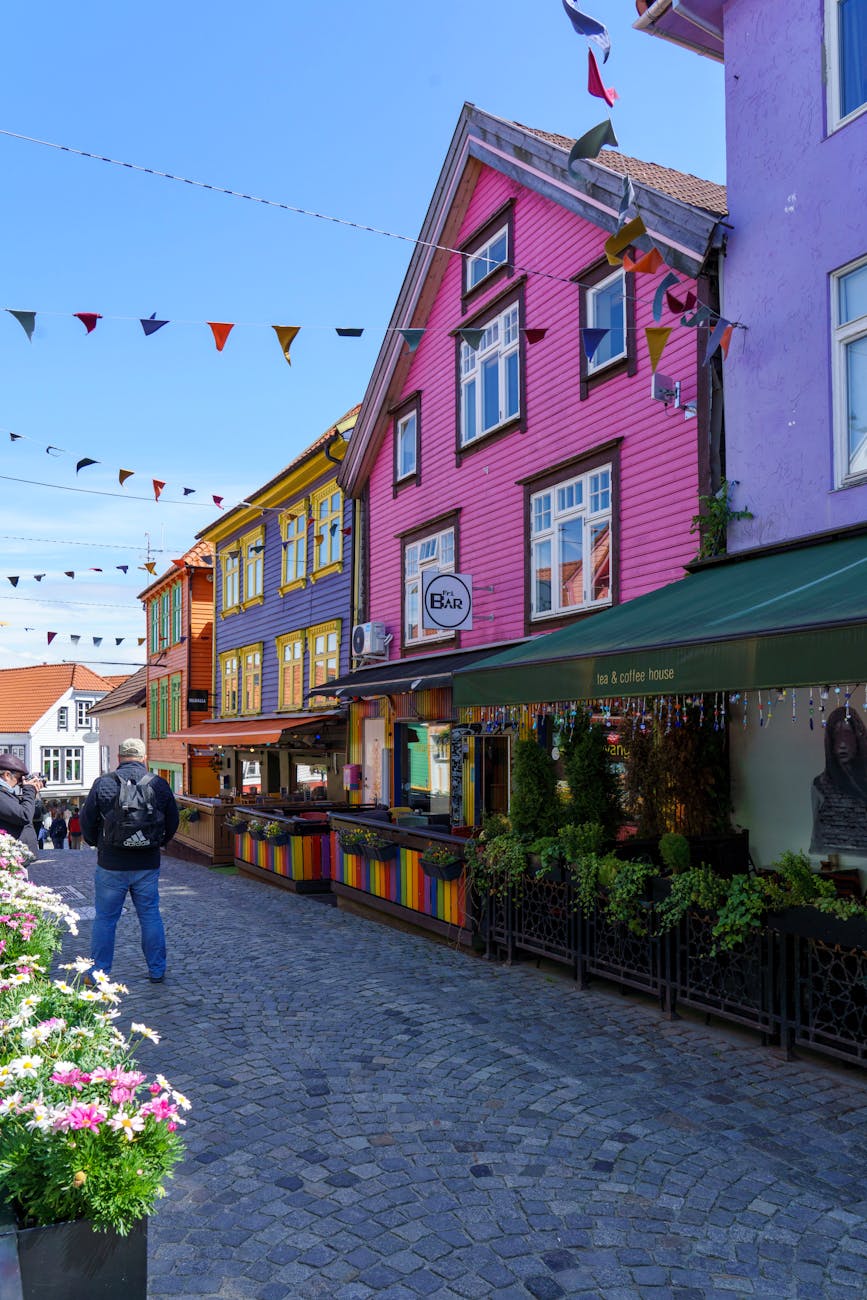
Stavanger is approachable for a first-time visitor, but it is easy to misread as either a quick harbor stop or a pure gateway to surrounding scenery. A stronger first trip uses the city itself: old wooden streets, harbor movement, food, hotels, museums, and a manageable scale, while still respecting rain, costs, and regional travel decisions.
Decide what the first Stavanger trip is for
A first-time visitor should decide whether Stavanger is a city break, a soft landing before fjord scenery, a harbor-and-food stay, a family stop, or a compact Norway introduction. Those versions overlap, but they should not all compete for the same short window.
The first trip needs a clear shape.
- Choose whether the priority is old town, harbor, food, museums, coastal atmosphere, or a regional outing.
- Build the route around one main Stavanger idea rather than a vague Norway sampler.
- Save weather-sensitive or distant ideas until the core city plan is stable.
Choose a base that makes the city easy
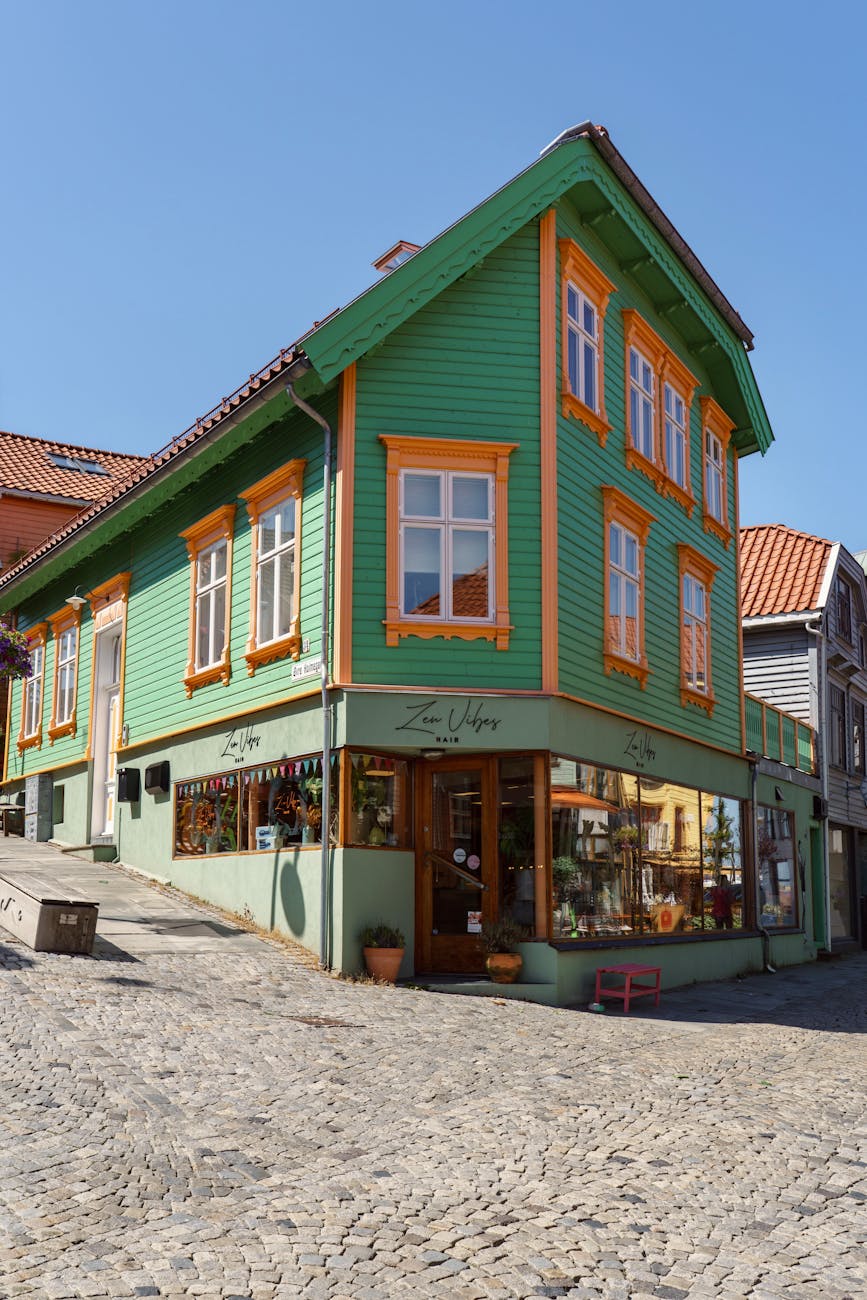
Stavanger's scale can make visitors casual about hotel choice, but the base still matters. A better hotel can make harbor walks, old-town routes, meals, taxi pickups, airport transfer, and rainy returns feel much cleaner.
The base decides how graceful the city feels.
- Choose lodging by arrival time, first walk, evening return, breakfast, luggage storage, and rain exposure.
- Do not assume the cheapest central room will support the best short stay.
- Check whether the hotel fits any early airport, ferry, tour, or rail departure.

Use harbor and old town together
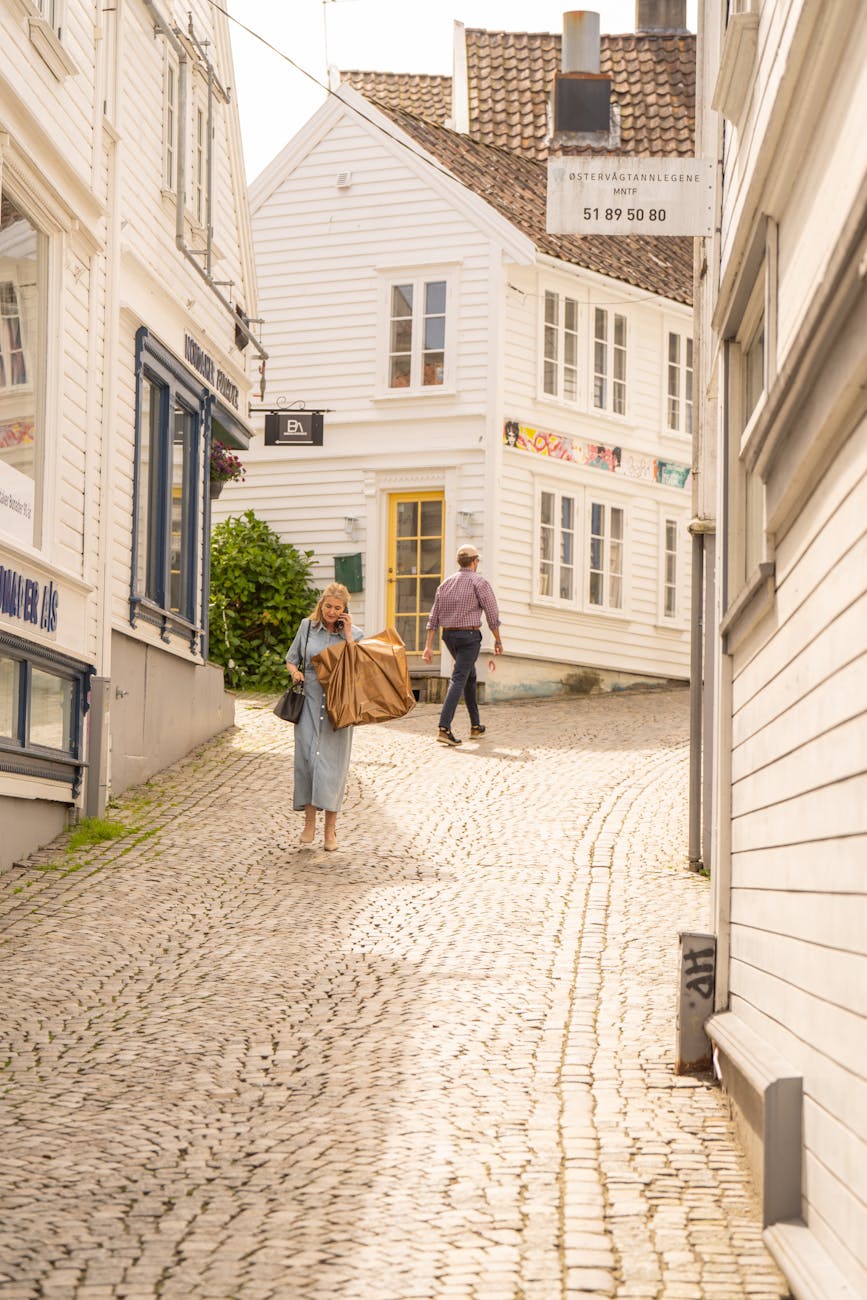
The first Stavanger route usually works best when it connects the harbor, old wooden streets, a meal or coffee stop, and one cultural or scenic anchor. The city rewards a compact loop more than a restless search for every possible sight.
Sequence matters more than volume.
- Link the harbor, old town, meal stops, and one selected museum or viewpoint into one route.
- Leave pauses for weather, photos, restrooms, and simply absorbing the scale.
- Avoid making the first day a transfer-heavy regional itinerary before the city has registered.
Respect weather and modest scale
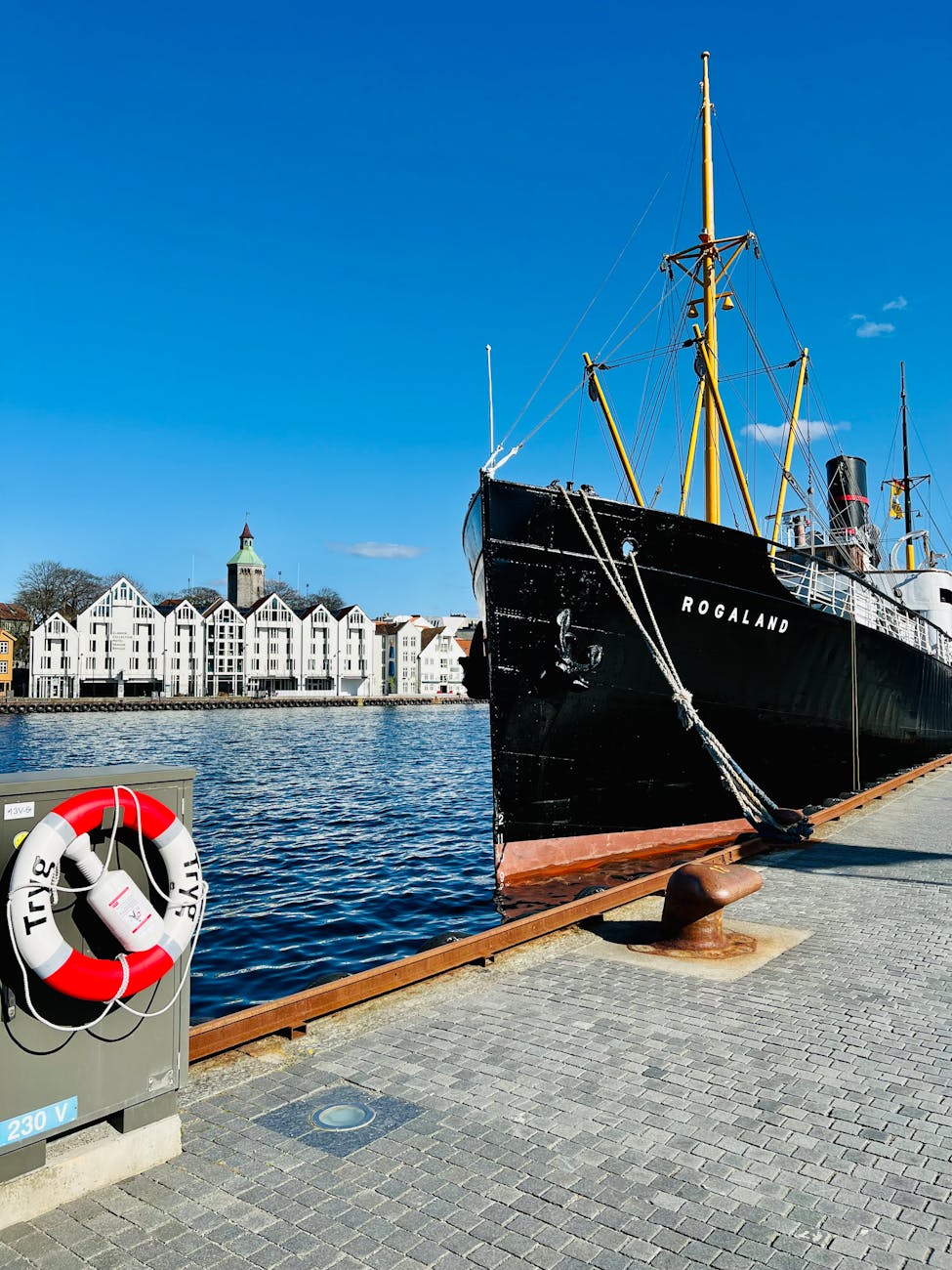
Stavanger is not difficult, but rain, wind, wet cobblestones, and short daylight can change the feel of a first visit. The city is better when the plan leaves room to slow down instead of treating compact scale as permission to overfill the day.
Ease should not become overconfidence.
- Pack shoes and layers that work for wet streets, harbor wind, and changing light.
- Keep indoor, sheltered, or shorter alternatives ready if weather weakens the outdoor route.
- Use the city's manageable size to improve pacing, not to add unnecessary stops.
Plan food and evening rhythm
A first-time Stavanger visit should not leave meals to chance. Food, coffee, and a modest evening route can make the city feel more complete, especially if the traveler has arrived tired or has an early onward move.
Meals should anchor the stay.
- Check restaurant hours, reservation needs, dietary requirements, price level, and distance from the hotel.
- Use dinner to support the evening area rather than forcing a long wet return.
- Keep the night simple if the next day involves a tour, ferry, flight, or longer drive.
Be selective with regional scenery
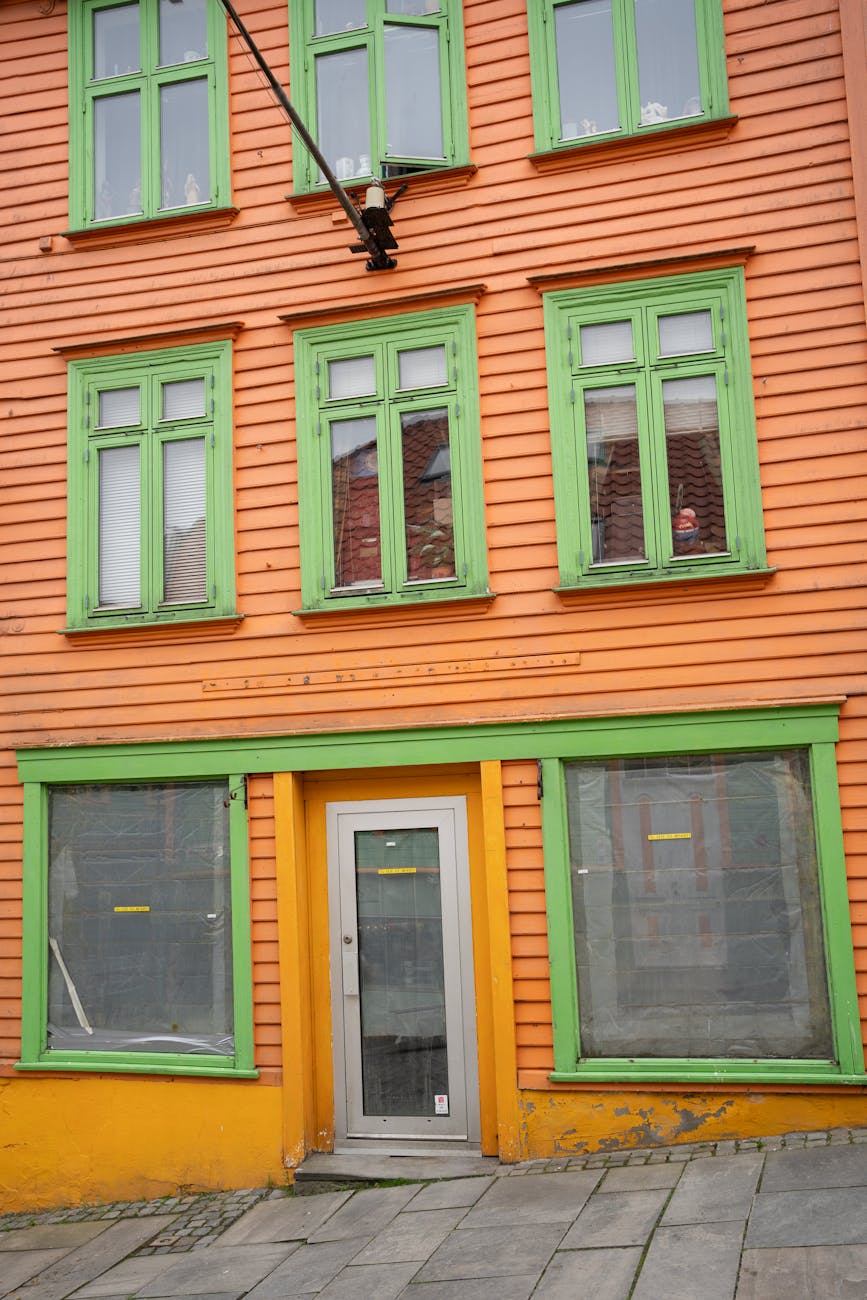
Stavanger often tempts first-time visitors toward bigger landscape ambitions. Those can be worthwhile, but a short stay should compare regional scenery against weather, transport, fatigue, and the cost of losing city time.
The region should deepen the trip, not erase the city.
- Check tour length, start point, cancellation rules, food, clothing needs, and return time.
- Avoid adding a major outing when arrival, weather, or onward travel already makes the schedule fragile.
- Let Stavanger itself carry the trip if the wider scenery cannot be done well.
When to order a short-term travel report
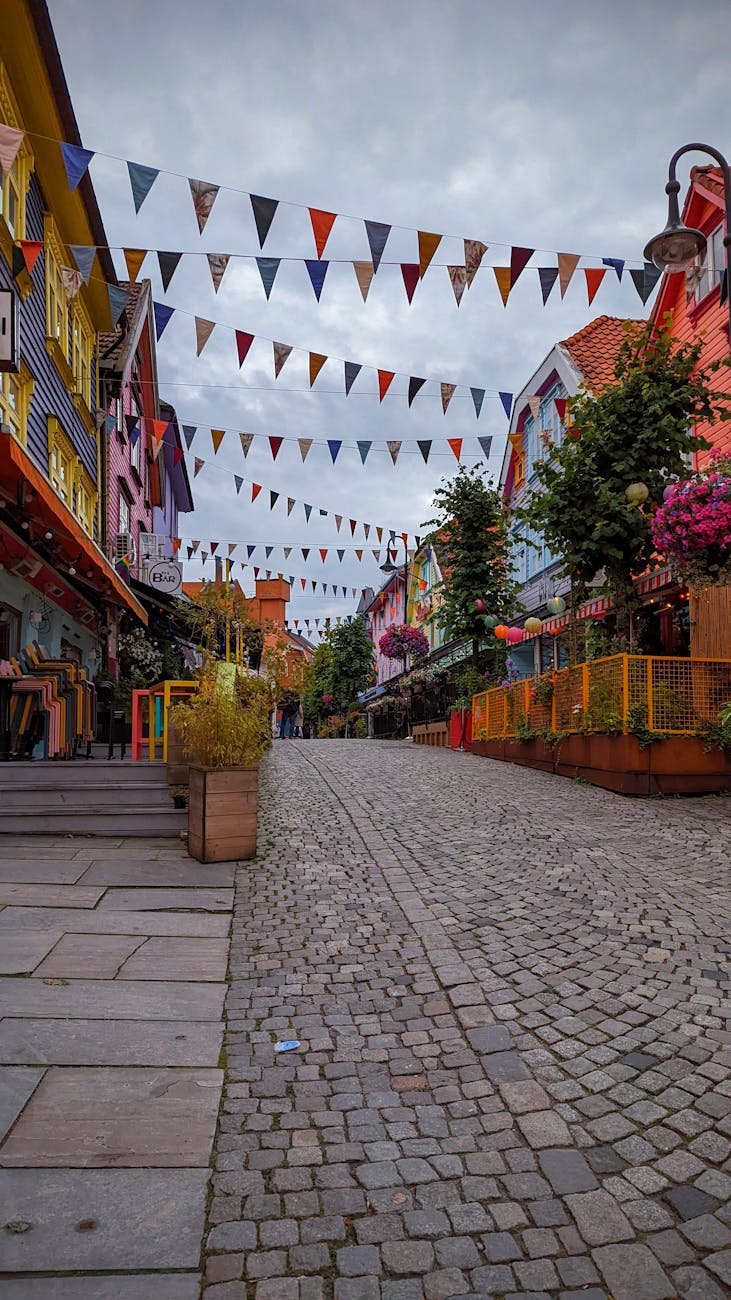
A first-time visitor with a flexible city day and central hotel may not need a custom report. A report becomes useful when the stay is short, weather could change the route, hotel choice is uncertain, regional scenery is tempting, arrival is late, costs matter, or the traveler wants Stavanger to feel like a real stay instead of a gateway pause.
The report should test arrival transfer, hotel base, harbor and old-town routes, weather fallbacks, food timing, regional add-ons, costs, daylight, mobility, and departure buffers. The value is a first Stavanger trip that is compact, specific, and properly paced.
- Order when hotel choice, arrival timing, weather, regional scenery, meals, costs, or departure buffers need exact planning.
- Provide dates, arrival details, hotel candidates, mobility needs, budget, dining needs, and regional interests.
- Use the report to keep the first Stavanger visit coherent, weather-aware, and worth remembering.