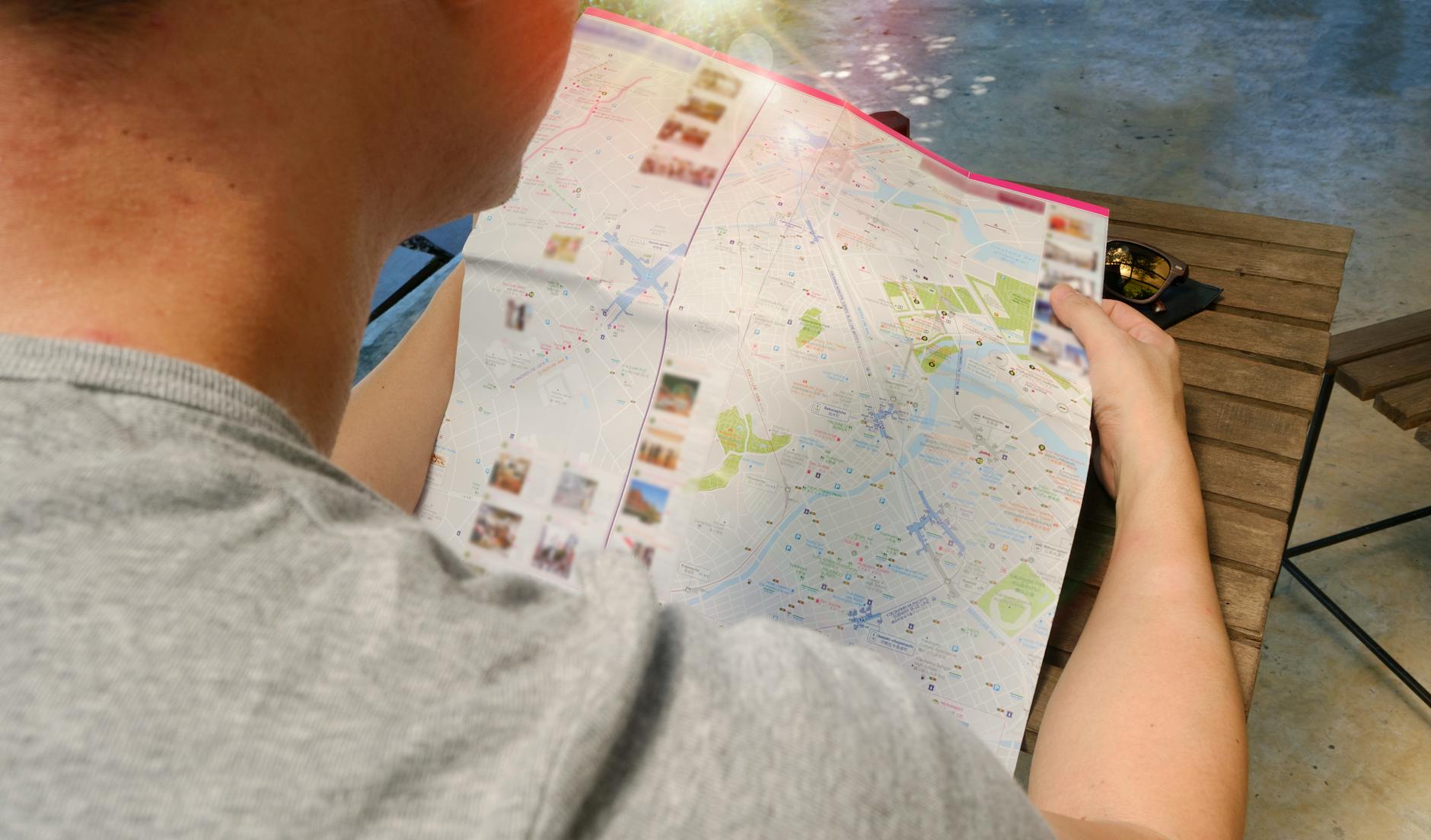
Stavanger is not a naturally cheap destination, so a budget traveler needs a realistic plan before arrival. The aim is not to remove every cost. It is to spend on the pieces that protect the trip, use public transport and grocery meals well, keep walks compact in bad weather, and choose free or low-cost scenery that still makes the short stay worthwhile.
Set the budget before choosing the base
A budget Stavanger trip should begin with the daily ceiling for lodging, transport, food, paid sights, and one optional splurge. Without that ceiling, the traveler may save on the wrong item and lose money through bad location or poor timing.
The budget needs priorities.
- Separate fixed costs from flexible food, museum, transport, and outing costs.
- Decide which one item is worth paying for if the rest of the trip stays lean.
- Avoid lodging that looks cheap but creates extra taxis or wasted time.
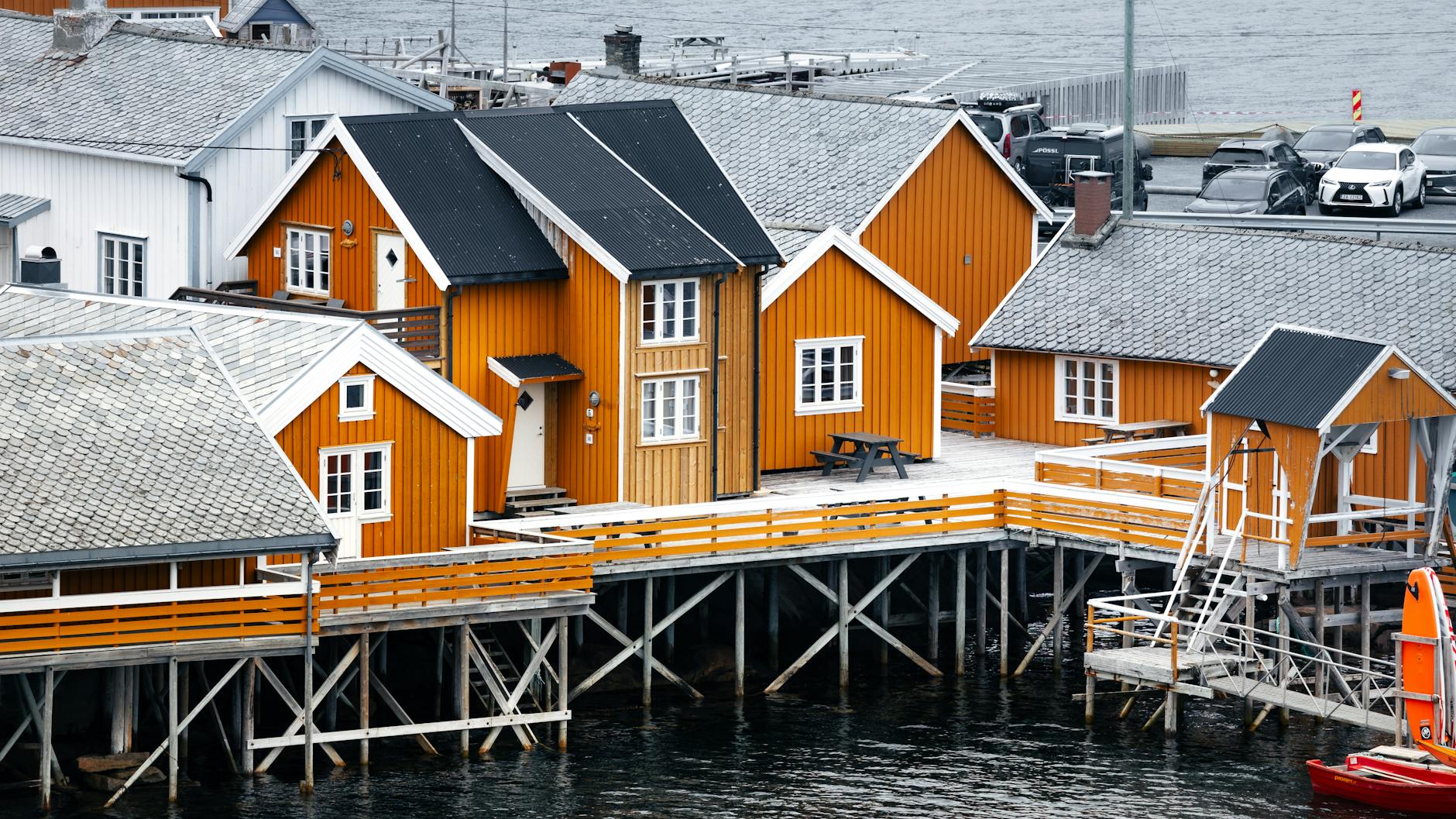
Use public transport deliberately
Public transport can protect the budget, but it should be planned around luggage, weather, arrival time, and where the hotel actually is. A cheap transfer is not useful if it leaves the traveler tired, wet, or stranded late.
Transport savings should be practical.
- Check airport and city transport routes, fares, payment method, frequency, and last service.
- Use taxis only where they prevent bigger costs, such as missed check-in or unsafe late movement.
- Keep walking routes short when carrying luggage or arriving in rain.
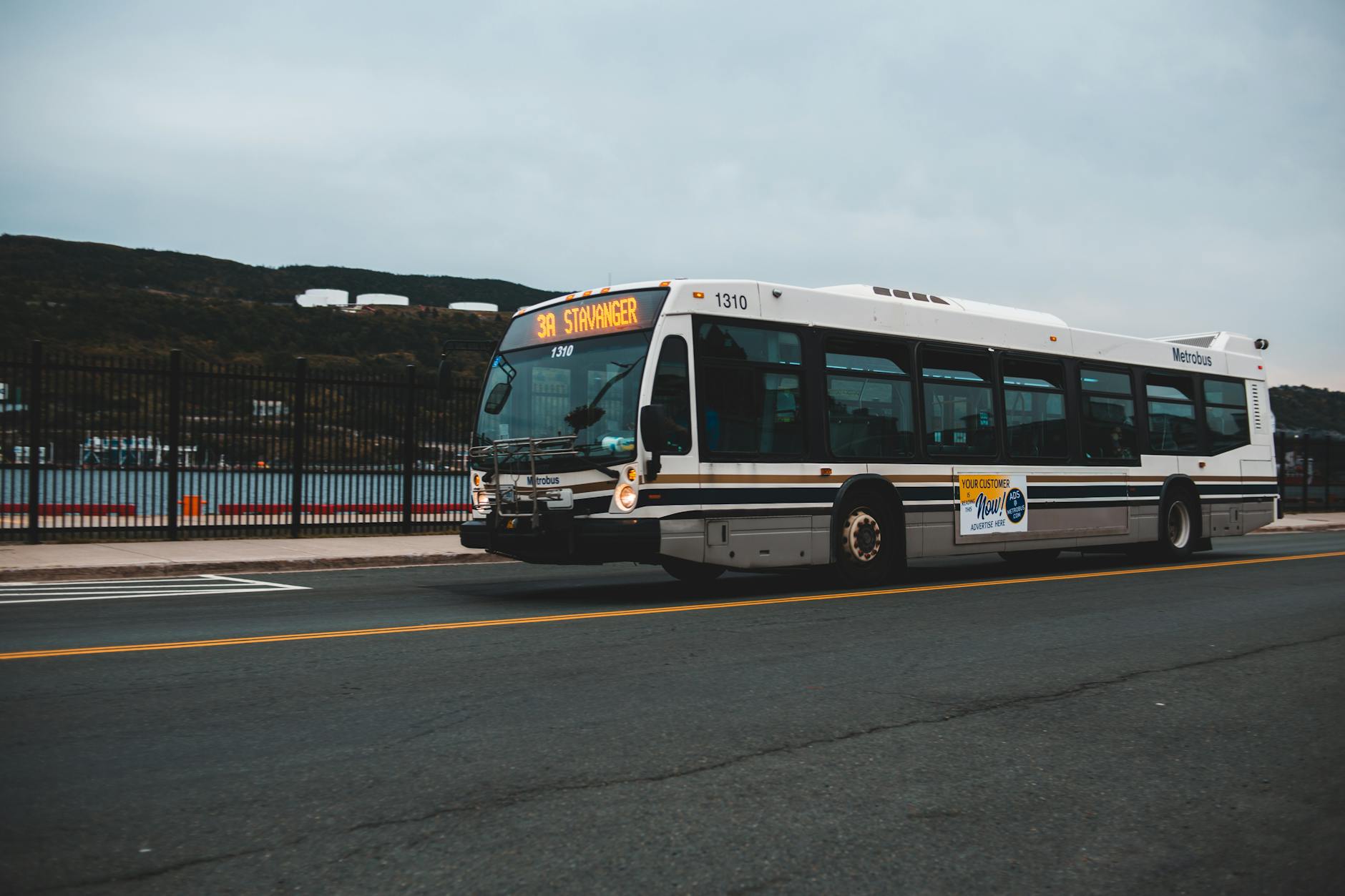
Check regional movement before committing
A budget traveler may want trains, buses, ferries, or regional day trips from Stavanger. Those choices can be good value, but only if schedules, weather, and return times line up cleanly with the short stay.
Cheap movement still has a time cost.
- Compare transport fare, journey time, connection risk, and how much daylight remains on arrival.
- Avoid distant trips that require expensive backup transport if plans slip.
- Keep one low-cost city day in reserve if regional weather is poor.

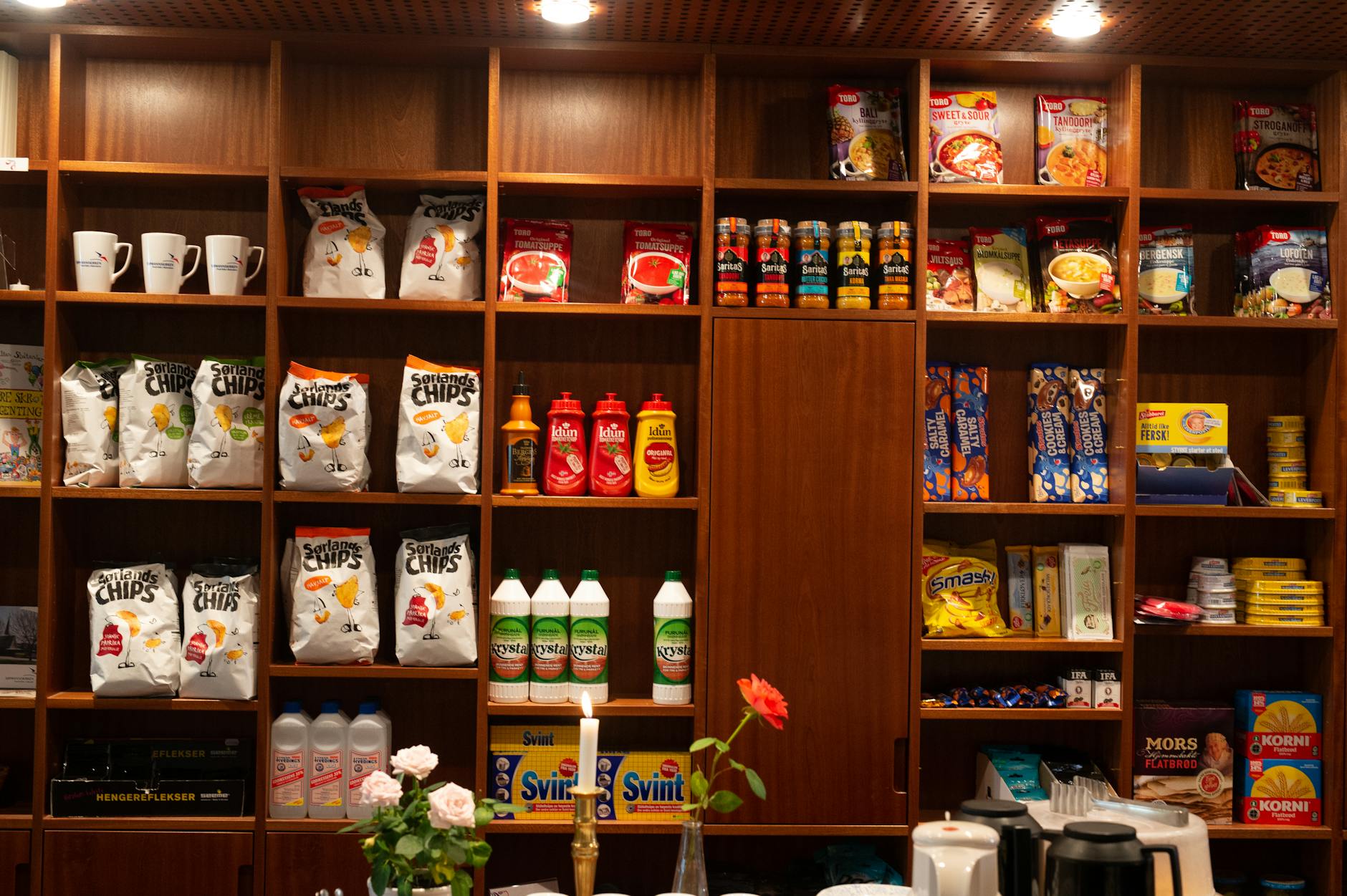
Use grocery meals without weakening the trip
Norway food costs can surprise budget travelers. Grocery breakfasts, snacks, and simple lunches can keep the budget stable, while one planned cafe or dinner can still give the trip a local rhythm.
Food savings should support energy.
- Identify grocery stores, bakery options, picnic spots, and affordable cafes near the hotel route.
- Plan snacks and water before long walks or coastal outings.
- Keep one meal flexible for weather, fatigue, or a worthwhile local stop.
Choose paid sights sparingly
A budget traveler does not need to avoid every paid sight, but each ticket should earn its place. Museums, boat trips, and tours are strongest when they match the traveler's actual interests and do not crowd free harbor or coastal time.
A few paid choices are enough.
- Compare ticket cost, time required, weather protection, and personal interest.
- Use free walks, harbor views, old-town streets, and parks between paid stops.
- Avoid buying tours mainly because the schedule feels empty.

Budget for weather, not just prices
Rain can make a cheap plan more expensive if the traveler suddenly needs taxis, replacement gear, or indoor paid stops. Budget travelers should pack well and build short routes that can survive wet weather.
A dry traveler spends more wisely.
- Bring shoes with grip, a rain layer, warm layers, and a small dry bag.
- Keep backup indoor stops close to the main route.
- Reserve a small weather fund for a taxi, hot meal, locker, or paid indoor reset.

When to order a short-term travel report
A budget traveler with a central hostel or hotel and simple city plans may not need a custom report. A report becomes useful when lodging tradeoffs are unclear, transport costs could erase savings, food costs need control, weather may force backup plans, or the traveler wants one worthwhile outing without overspending.
The report should test lodging location, public transport, walkability, grocery options, low-cost meals, free routes, paid-sight value, weather backups, outing costs, and departure buffers. The value is a Stavanger budget stay that stays lean without feeling thin.
- Order when lodging, transport, food, weather, free sights, paid sights, outings, or departure timing need exact planning.
- Provide dates, arrival details, budget ceiling, hotel or hostel candidates, food needs, walking limits, and sightseeing priorities.
- Use the report to keep the Stavanger budget trip affordable, practical, and still rewarding.