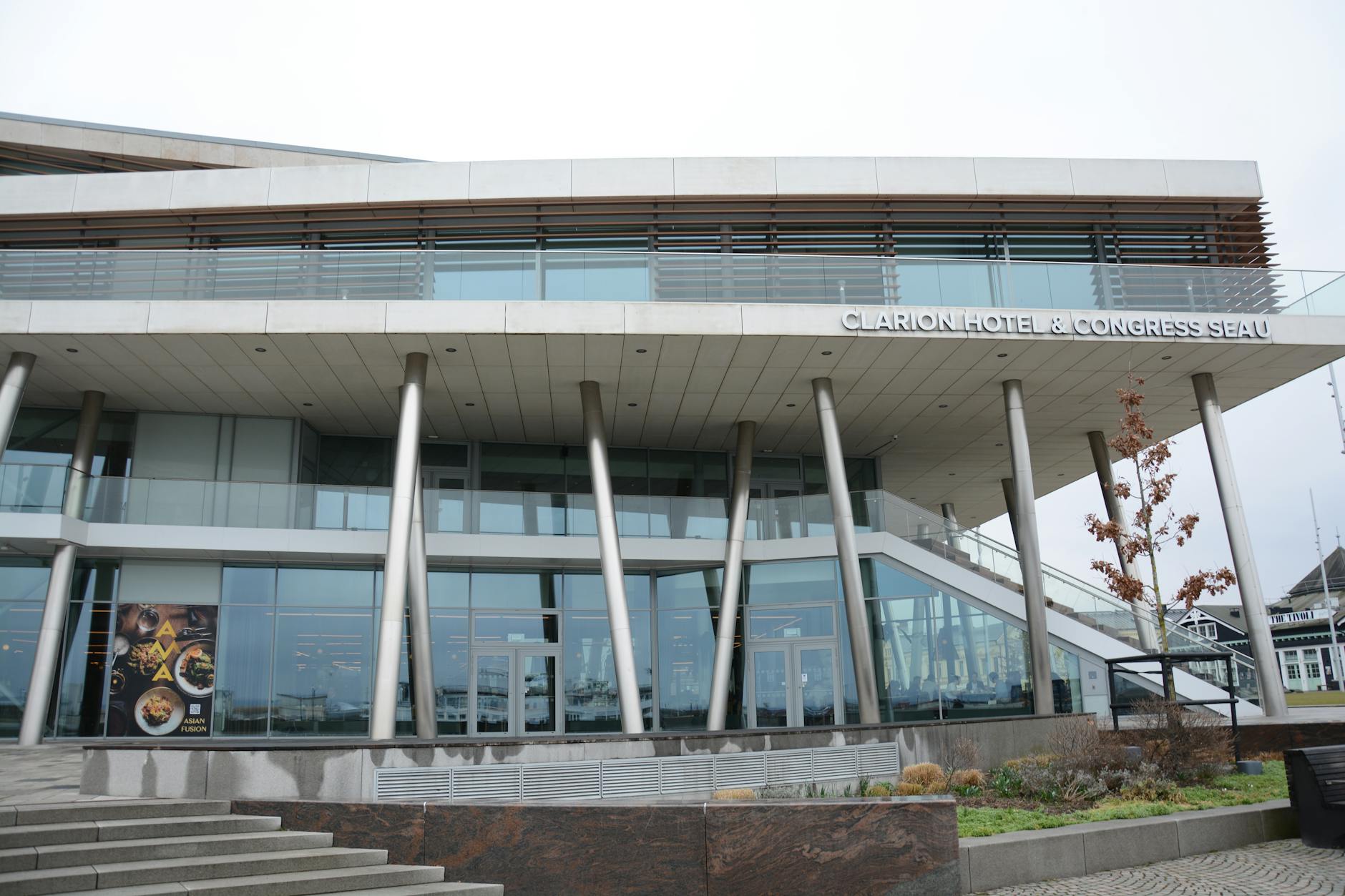
Stavanger can work well for an academic conference when the attendee treats the trip as more than a venue address. Conference hotels, harbor areas, university or research meetings, airport transfers, rain, presentation materials, and networking dinners all need to fit into a short stay that may have little room for recovery.
Confirm the venue geography
An academic conference attendee should not assume every Stavanger address behaves like a city-center venue. A conference hotel, university meeting, research institute, harbor venue, or off-site reception can create different hotel and transfer decisions.
The venue map should be settled before the itinerary.
- Plot the main venue, badge pickup, poster area, reception sites, side meetings, hotel, and airport route.
- Check whether sessions are in one building or split across several nearby spaces.
- Leave room for rain, unfamiliar entrances, registration queues, and elevator or cloakroom delays.

Choose lodging around the conference rhythm
The best Stavanger lodging depends on the attendee's conference pattern: early sessions, late networking, poster storage, quiet writing, breakfast timing, and recovery after travel. A scenic base can still be wrong if it complicates the first session.
The room should support the academic purpose.
- Check walking distance, taxi access, breakfast hours, desk quality, Wi-Fi, quiet calls, and luggage storage.
- Choose a base that supports the first morning and the latest expected evening.
- Avoid lodging that requires wet or uphill transfers with poster tubes, samples, or presentation gear.

Protect presentation and poster logistics
Academic trips often fail through small equipment problems. The attendee should confirm slide formats, adapters, poster dimensions, printing options, Wi-Fi, charging, room computer rules, backup files, and where materials can be stored during meals or receptions.
The scholarly work needs its own logistics.
- Carry presentation files in multiple formats and keep a cloud and offline copy.
- Confirm poster size, setup time, storage options, printing backup, and whether tubes can stay at the venue.
- Pack adapters, chargers, pointer, business cards, medication, and anything needed for a calm presentation.
Plan arrival before the first session
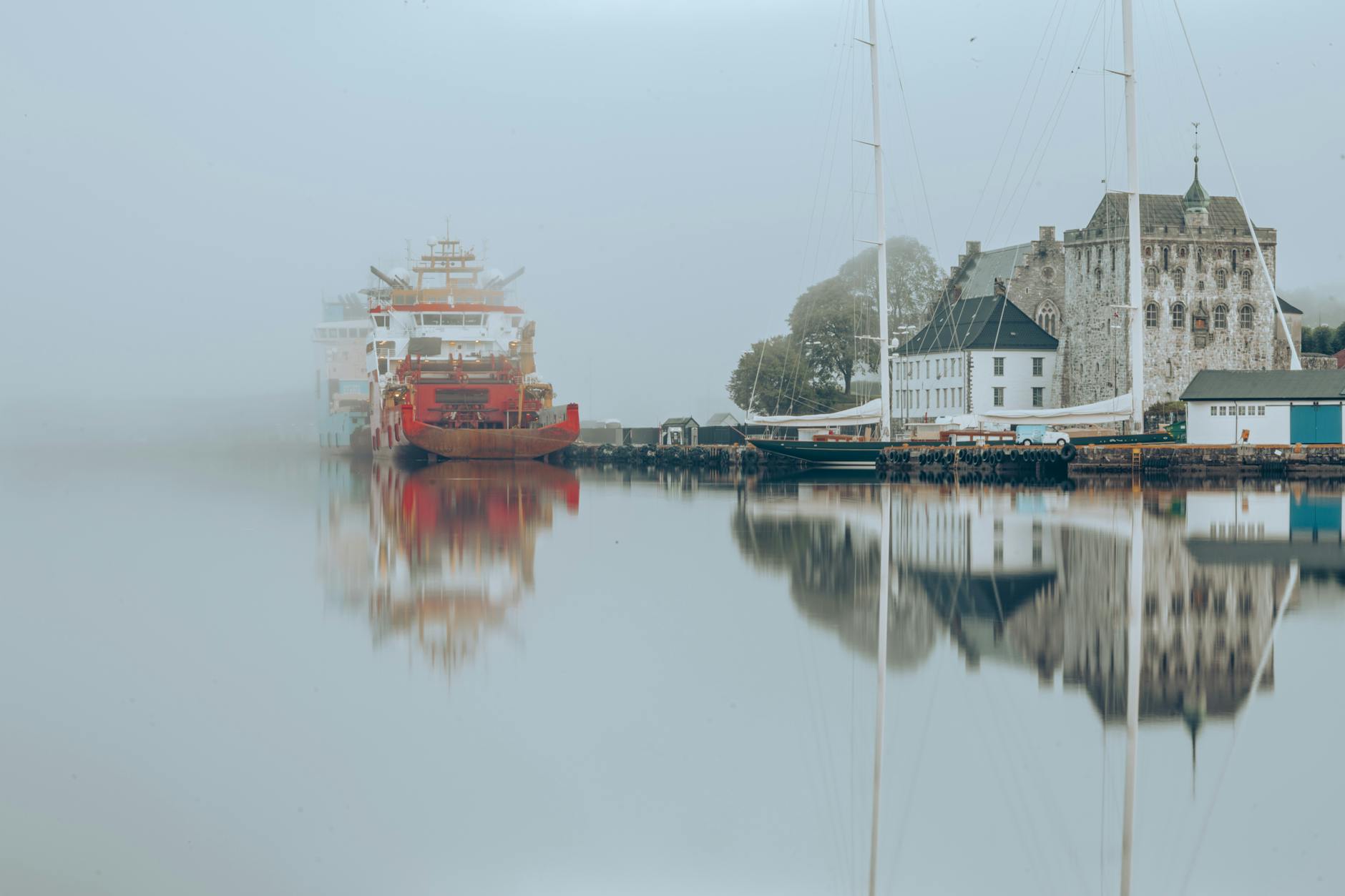
A tight arrival can weaken the whole conference. Stavanger attendees should account for airport transfer, late check-in, food, sleep, clothing, badge pickup, and the possibility that the first useful meeting starts before the official opening.
The first session begins before the room fills.
- Confirm flight timing, airport transfer, hotel check-in, dinner options, and the route to registration.
- Avoid relying on same-morning arrival for a talk, panel, poster defense, or important meeting.
- Keep one conference-ready outfit and essential materials in hand luggage.
Budget for networking without drift
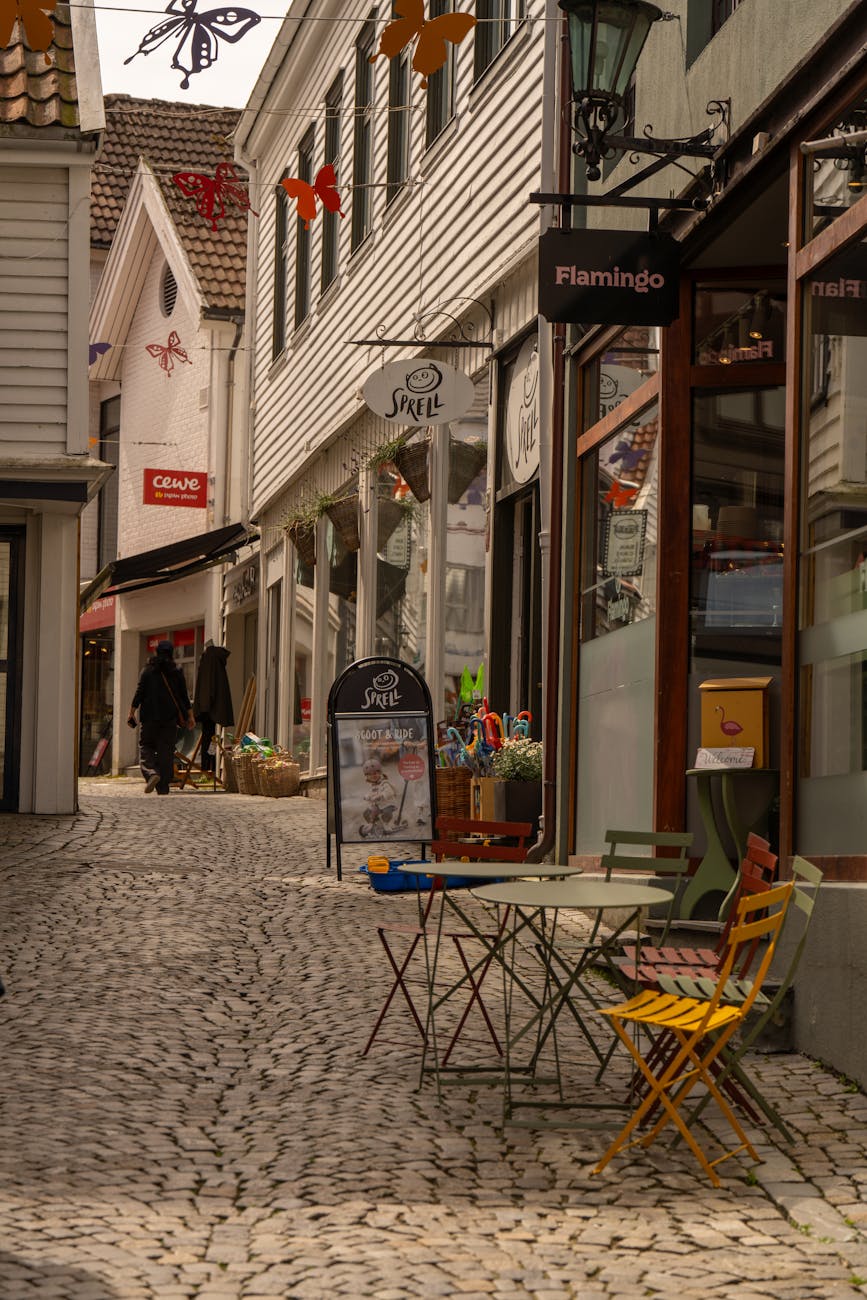
Stavanger conference spending can rise through hotels, meals, taxis, coffee, drinks, and informal networking. A student, postdoc, grant-funded scholar, or reimbursed attendee should know the rules before accepting every invitation.
Networking should be intentional, not financially vague.
- Check reimbursement rules for meals, taxis, alcohol, guest charges, and receipts before the trip.
- Choose the receptions, coffees, and dinners that matter most for the academic purpose.
- Keep a budget reserve for weather-driven taxis, printing, luggage storage, or a necessary quiet meal.
Use city time around conference energy
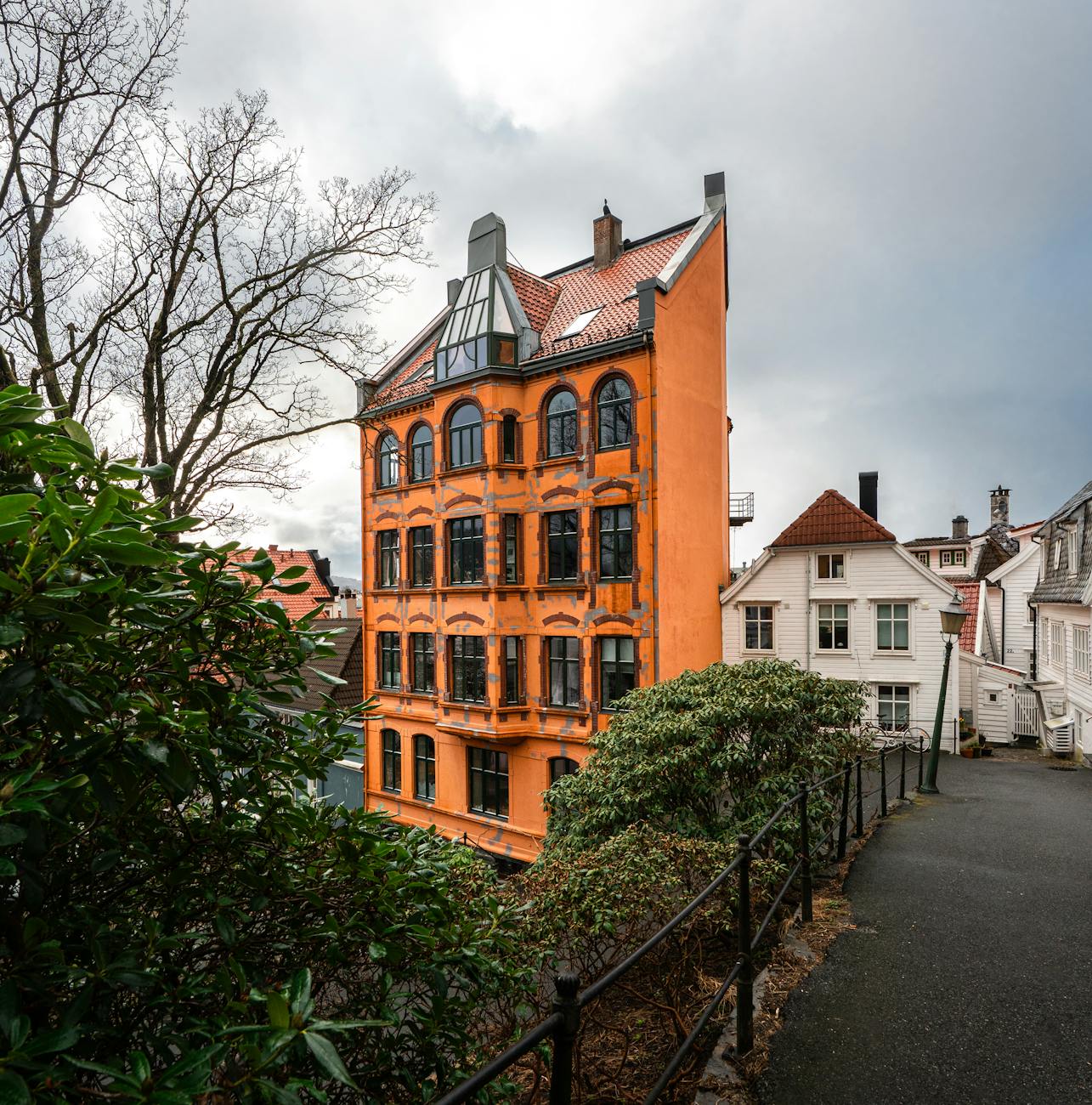
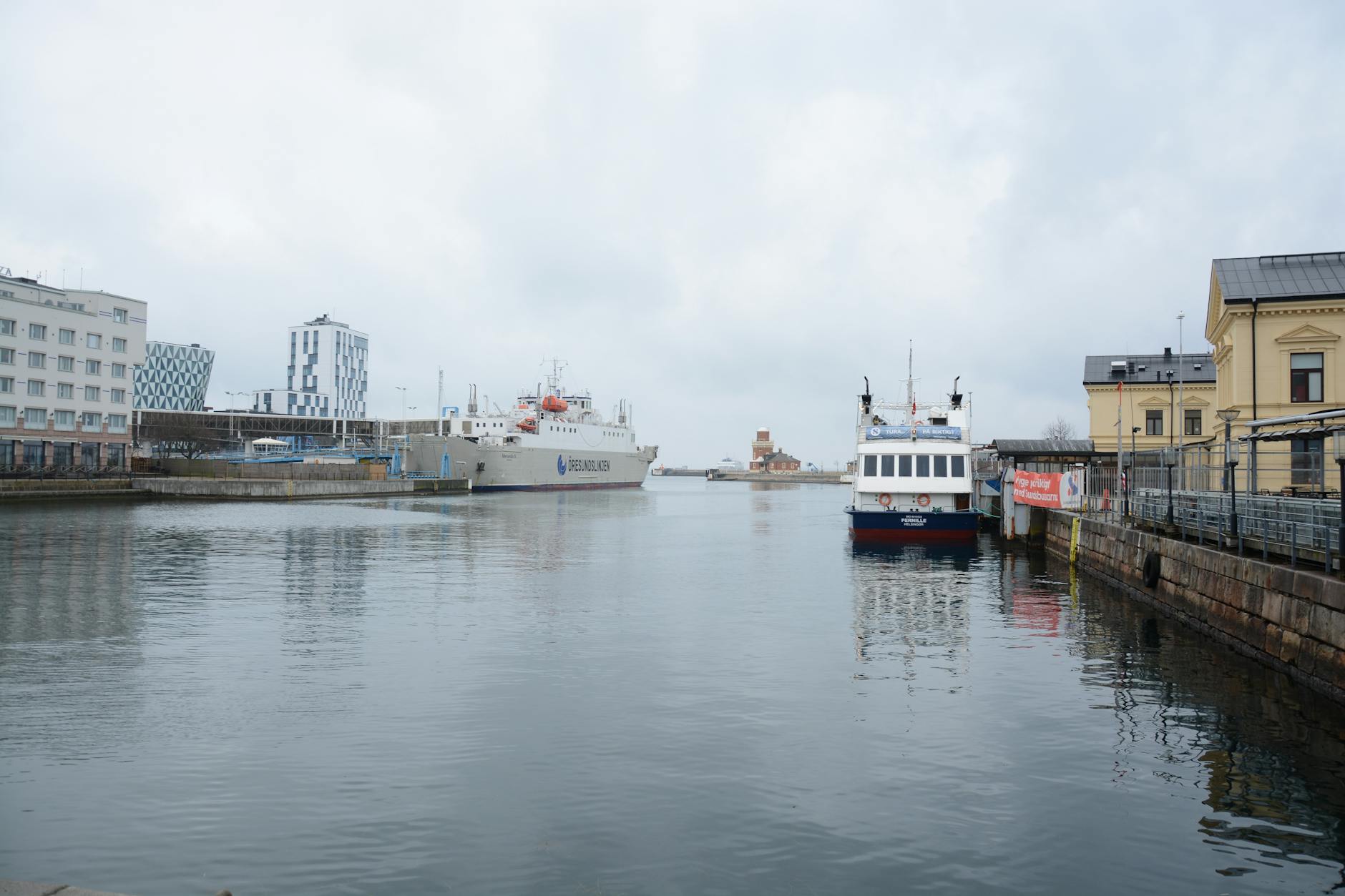
Stavanger's harbor, old town, museums, and coastal mood can add value to a conference trip, but only if the attendee has energy left. A short walk or meal may be more useful than an ambitious side outing between sessions.
City time should support, not dilute, the conference.
- Pick one short city route that fits between sessions, meals, and recovery needs.
- Avoid long regional add-ons if they threaten a presentation, networking dinner, or early departure.
- Keep a rain-safe harbor or old-town walk ready for a lighter break.
When to order a short-term travel report
An academic attendee with a venue hotel and no presentation may not need a custom report. A report becomes useful when the trip includes a talk or poster, several side meetings, uncertain venue geography, tight arrival, rain-sensitive movement, limited reimbursement, accessibility needs, or an onward leg soon after the conference.
The report should test venue geography, hotel fit, airport transfer, presentation logistics, poster handling, networking meals, weather, costs, city add-ons, quiet work time, and departure buffers. The value is a Stavanger conference trip that protects the academic work instead of merely reaching the venue.
- Order when venue geography, presentation materials, poster logistics, arrival timing, weather, costs, or departure buffers need exact planning.
- Provide dates, venue address, session schedule, presentation needs, hotel candidates, budget rules, and onward travel.
- Use the report to keep the Stavanger conference trip prepared, punctual, and academically useful.