Put medical needs before the itinerary
Delhi planning should start with the traveler's condition, treatment schedule, mobility limits, medication timing, symptoms to monitor, and clinician advice. A short trip leaves little room for a health problem caused by avoidable overplanning.
The itinerary should serve the medical plan.
- Discuss the trip with the relevant clinician before relying on travel logistics alone.
- Identify what would require rest, a route change, medical help, or cancellation.
- Keep the first and last days lighter to protect arrival and departure energy.
Choose lodging for recovery and access
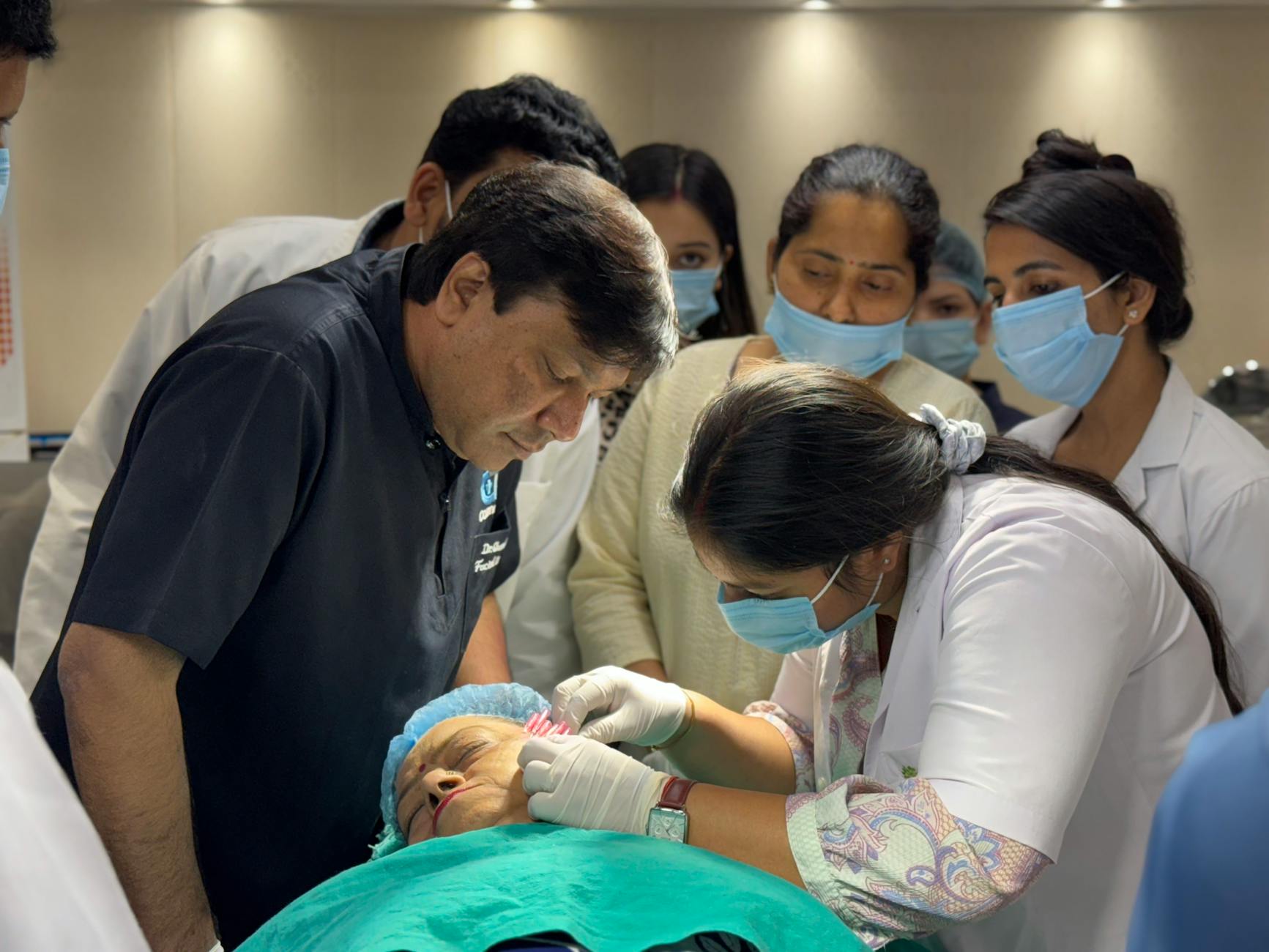
Hotel choice should account for elevator access, room layout, bathroom setup, air filtration, quiet, food reliability, staff responsiveness, nearby medical support, and the ability to arrange transport quickly. A better room can reduce risk across the whole stay.
Recovery needs a practical base.
- Confirm elevator reliability, bathroom details, bed setup, room service, and air conditioning or heating.
- Choose a hotel area that reduces repeated transfers and keeps medical support reasonably reachable.
- Ask about early check-in, late checkout, wheelchair support, and hotel car arrangements if relevant.
Protect medications, documents, and supplies
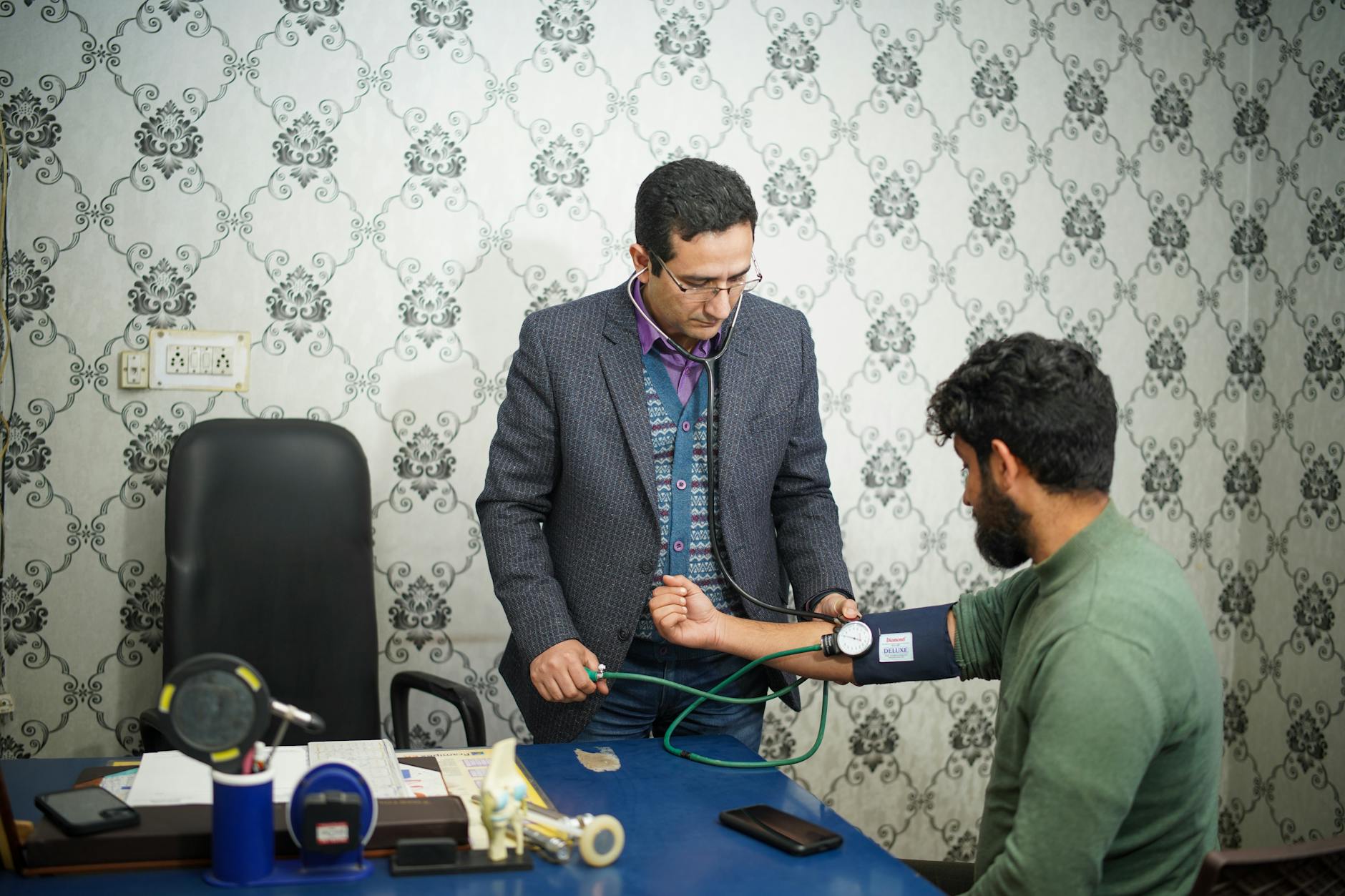
Medication and documentation should not depend on checked luggage or a single phone. Delhi travel can involve long transfers, heat, security checks, and schedule changes, so the essentials need redundancy.
The medical carry setup should be boring and reliable.
- Carry medications, prescriptions, device supplies, insurance details, and clinician contacts in hand luggage.
- Keep copies of key documents offline and with a trusted travel companion when applicable.
- Plan storage needs for temperature-sensitive items before arrival.

Identify clinic and pharmacy support early
A traveler with medical constraints should know where support is available before something goes wrong. This does not mean planning to use care, but it does mean avoiding a frantic search from the wrong part of the city.
Support options should be visible.
- List nearby hospitals, clinics, pharmacies, and hotel contacts before arrival.
- Confirm insurance procedures, payment expectations, and any language or documentation needs.
- Do not rely on marketplace searches at the moment medical support is needed.

Use transport to reduce medical strain
Delhi movement should be chosen for the traveler, not the map. Heat, air quality, walking distance, station stairs, traffic, nausea, pain, fatigue, and bathroom access can make the fastest route the wrong route.
Transport should preserve function.
- Use hotel cars or vetted drivers when door-to-door timing, seating, or route control matters.
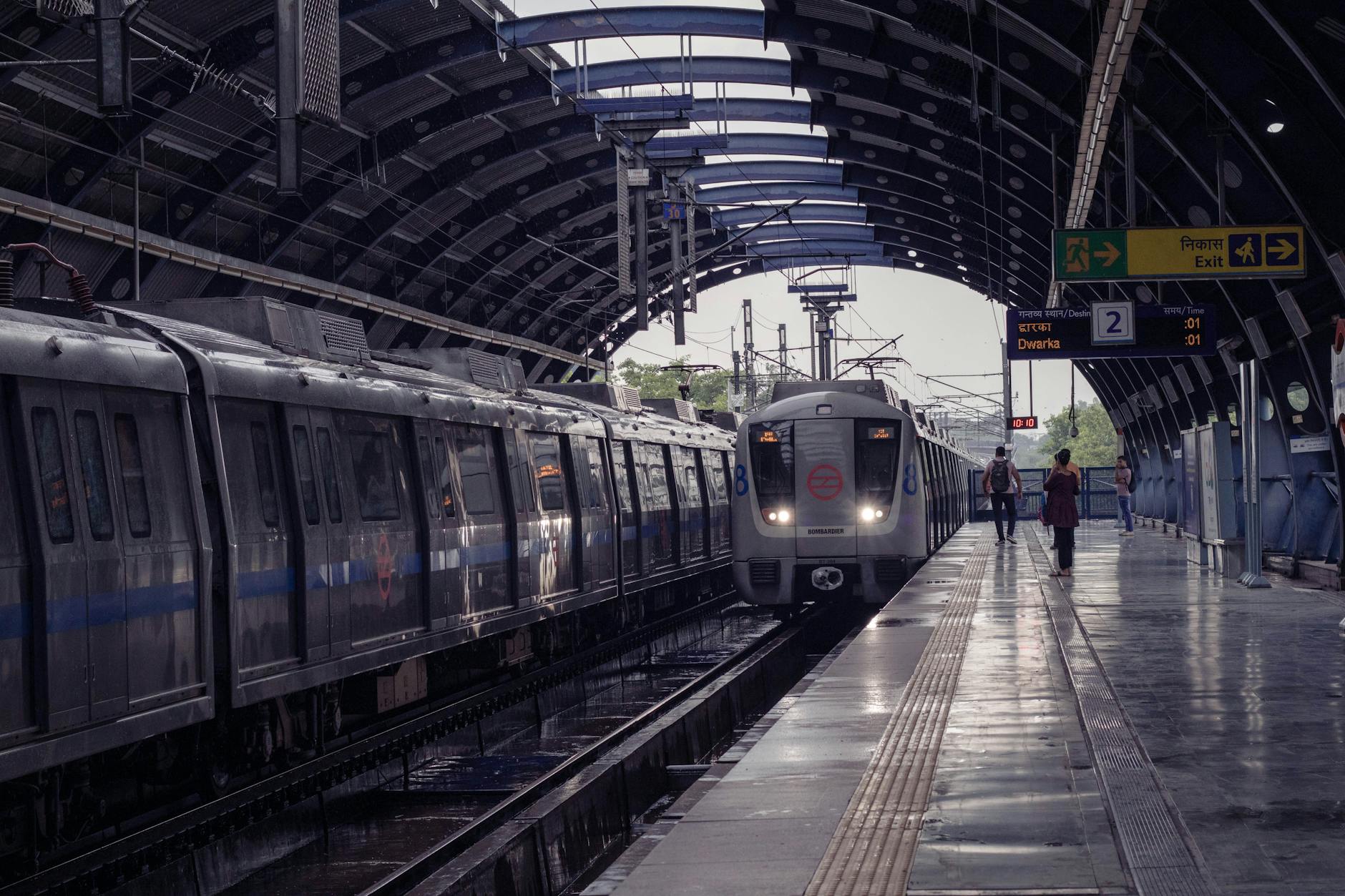
- Use metro only when station access, crowding, walking distance, and transfers are medically workable.
- Keep a return-to-hotel plan available for every outing.
Keep sightseeing low-impact and reversible
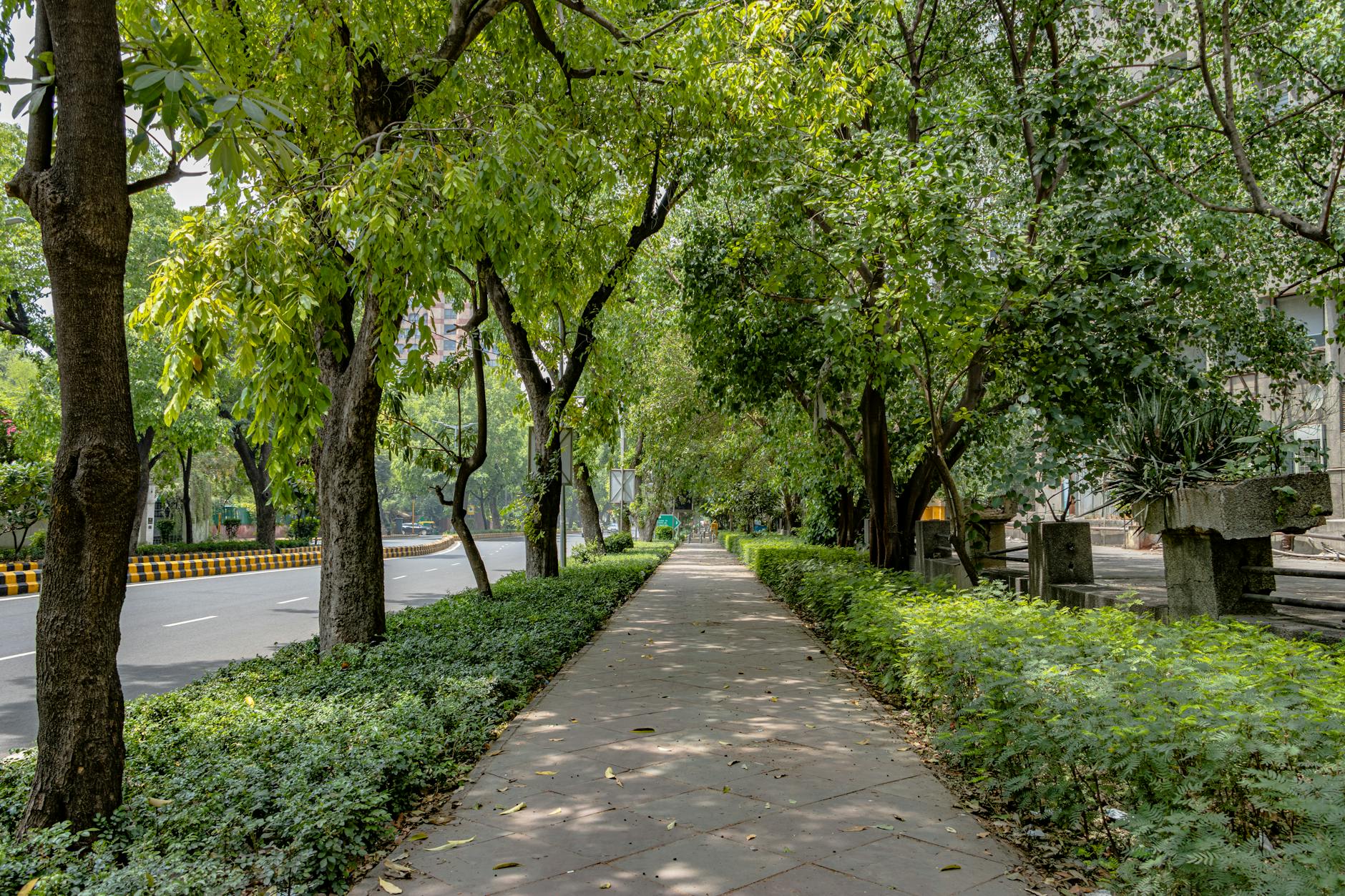
A medically constrained Delhi trip can still include meaningful sights, but the route should prioritize shade, seating, toilets, short walks, indoor backups, and reliable pickups. A small number of well-chosen stops is better than a long day that cannot be finished safely.
The best outing is easy to shorten.
- Choose sights with manageable walking, clear pickup points, and places to sit.
- Check air quality, heat, fog, stairs, surfaces, and bathroom access before committing.
- Use quieter gardens, museums, hotel rest, or guided routes when the body needs a lower-demand day.
When to order a short-term travel report
A medically constrained traveler with a specialist-arranged trip may not need a custom report. A report becomes useful when Delhi lodging, clinic access, medication logistics, transport, air quality, heat, low-impact sightseeing, meals, airport assistance, and departure timing need to work together for a short stay.
The report should test hotel areas, room requirements, nearby support, airport assistance, driver logic, pharmacy access, sight pacing, meal reliability, heat and air-quality backups, and rest blocks. The value is a Delhi plan that reduces avoidable strain without erasing the trip.
- Order when health constraints, lodging, clinic access, medication, transport, meals, or airport timing needs coordination.
- Provide dates, flights, hotel candidates, mobility details, medication needs, dietary limits, support contacts, and pace limits.
- Use the report to make the Delhi stay medically realistic and easier to adjust.