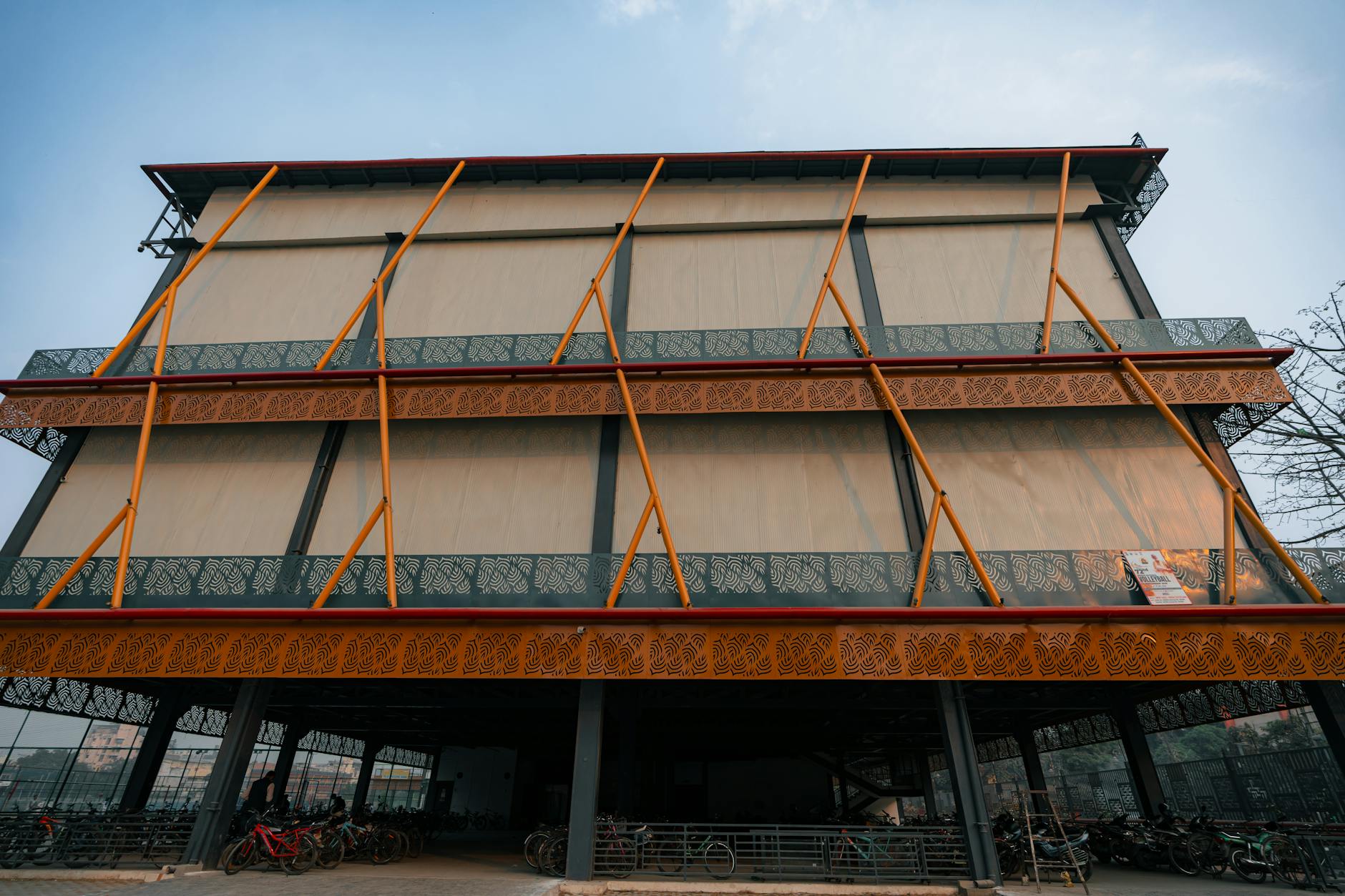
Start with venue geography and obligations
Delhi conferences can take place in hotels, convention spaces, business centers, universities, cultural venues, and exhibition districts. The event schedule should be mapped against arrival time, badge pickup, session priorities, receptions, client meetings, and airport departure.
The conference should control the travel plan.
- List required sessions, registration windows, meetings, receptions, and exhibitor or sponsor obligations.
- Confirm whether the event uses one building or several venues.
- Keep the day before a high-value session or presentation lighter than a normal sightseeing day.

Choose the hotel by repeated movement
The best hotel may be near the venue, near the airport, near evening obligations, or near a business district that matters after the conference. Delhi traffic can make the wrong base expensive in lost time and energy.
The hotel should reduce daily transfers.
- Compare conference hotel, nearby alternatives, Aerocity, central districts, and client-area lodging against the actual route.
- Check breakfast timing, desk quality, Wi-Fi, room quiet, laundry, and late arrival support.
- Avoid distant lodging unless cost savings clearly outweigh transfer risk.
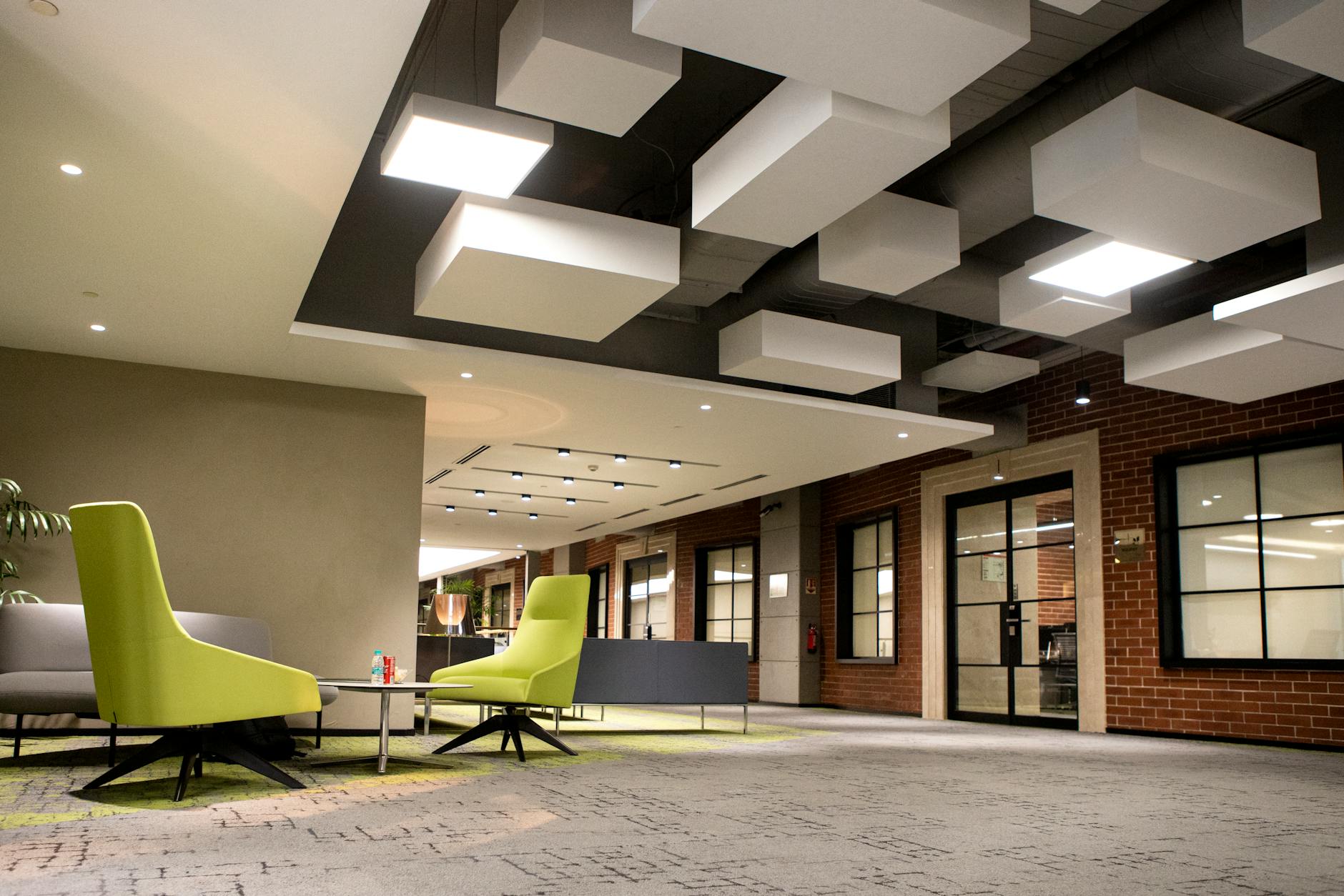
Handle registration, materials, and session timing
Conference friction often comes from small logistics: badge pickup, QR codes, laptop chargers, business cards, samples, presentation adapters, printed materials, and meeting-room changes. These should be ready before the first morning.
Preparation protects the event day.
- Save agenda, venue map, registration codes, host contacts, and meeting details offline.
- Carry chargers, adapters, presentation files, essential documents, and event clothing in hand luggage.
- Build time for security checks, elevators, coat or bag storage, and room changes.

Treat transport as part of the agenda
Delhi traffic, security checks, hotel pickups, parking, and cross-city meetings can reshape a conference day. A visitor should treat movement as scheduled work, not blank space between sessions.
Reliable arrival preserves the value of the trip.
- Add larger buffers for morning sessions, evening receptions, and airport-side transfers.
- Use a vetted driver or hotel car when privacy, equipment, or exact timing matters.
- Keep a remote-call fallback for meetings that could be disrupted by traffic or weather.
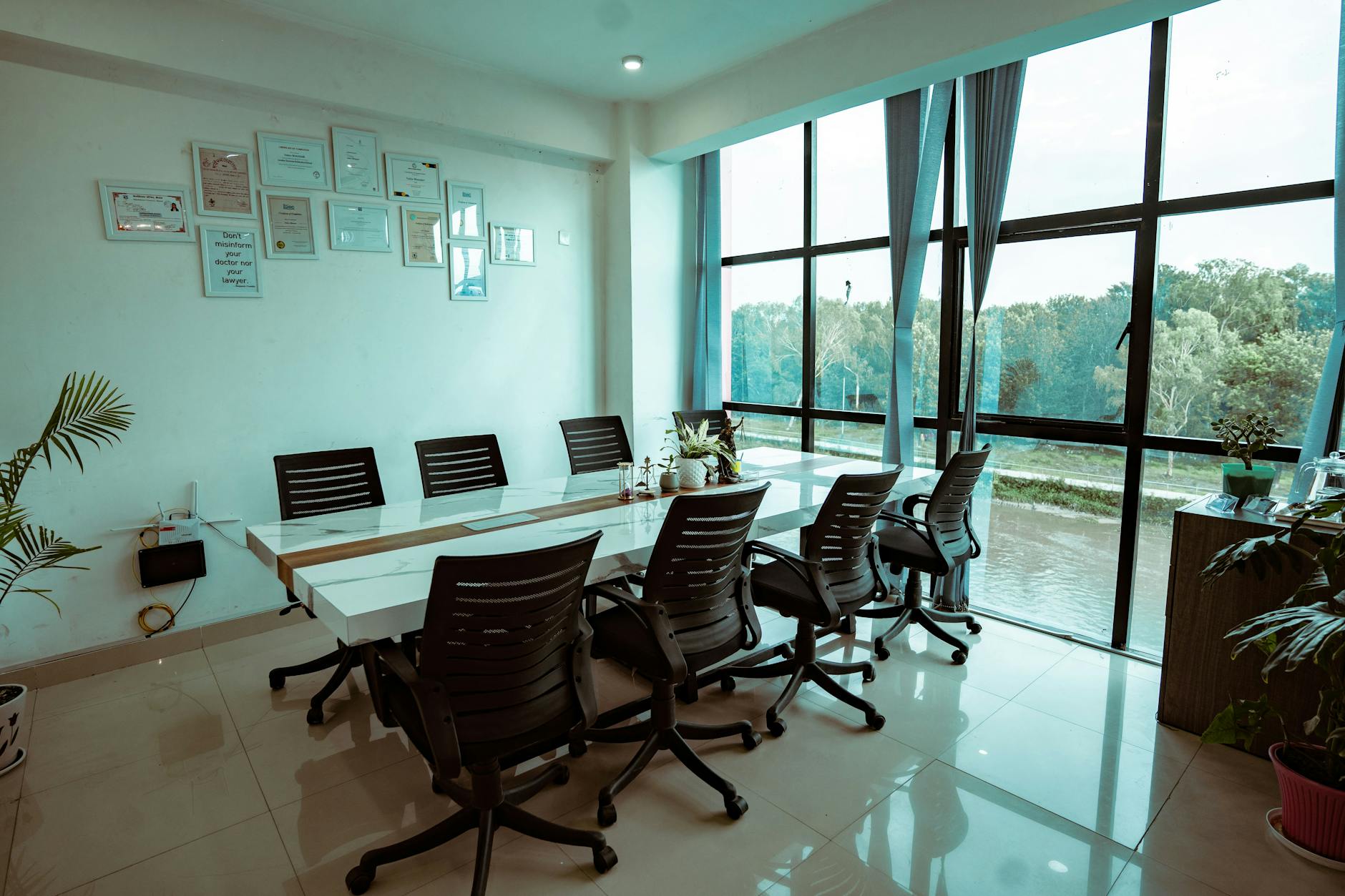
Plan networking without draining the trip
Networking may be the main reason for attending, but receptions, coffees, hallway conversations, private dinners, and sponsor meetings can turn into an exhausting schedule. Delhi adds transfer time and recovery needs to that calendar.
The strongest conversations need space around them.
- Prioritize the few people, sessions, or receptions that matter most before arrival.
- Choose quieter places for sensitive or high-value conversations.
- Leave time after evening events for notes, follow-up, and next-day preparation.

Protect health, meals, air quality, and work blocks
Conference days can hide basic needs until performance drops. Delhi heat, winter fog, air quality, unfamiliar food, dehydration, jet lag, and packed sessions should all be considered before the schedule is full.
A conference plan needs recovery windows.
- Check air quality, heat, and forecast before committing to outdoor add-ons.
- Choose reliable meals around sessions rather than waiting until breaks are crowded.
- Block quiet work time for calls, notes, follow-up, and private document review.
When to order a short-term travel report
A conference attendee staying at the event hotel may not need a custom report. A report becomes useful when Delhi venue geography, lodging, traffic, registration, networking, meals, work calls, health factors, and airport timing need to fit into a short event trip.
The report should test venue location, hotel options, airport transfer, daily movement, session priorities, meeting windows, meal choices, air-quality concerns, work setup, and departure buffers. The value is a Delhi conference trip that keeps the event purpose clear.
- Order when venue location, lodging, transport, session timing, networking, meals, work blocks, or departure timing needs coordination.
- Provide dates, flights, venue, conference schedule, meetings, hotel candidates, dietary concerns, work needs, and budget.
- Use the report to make the Delhi conference trip operational before the first badge scan.