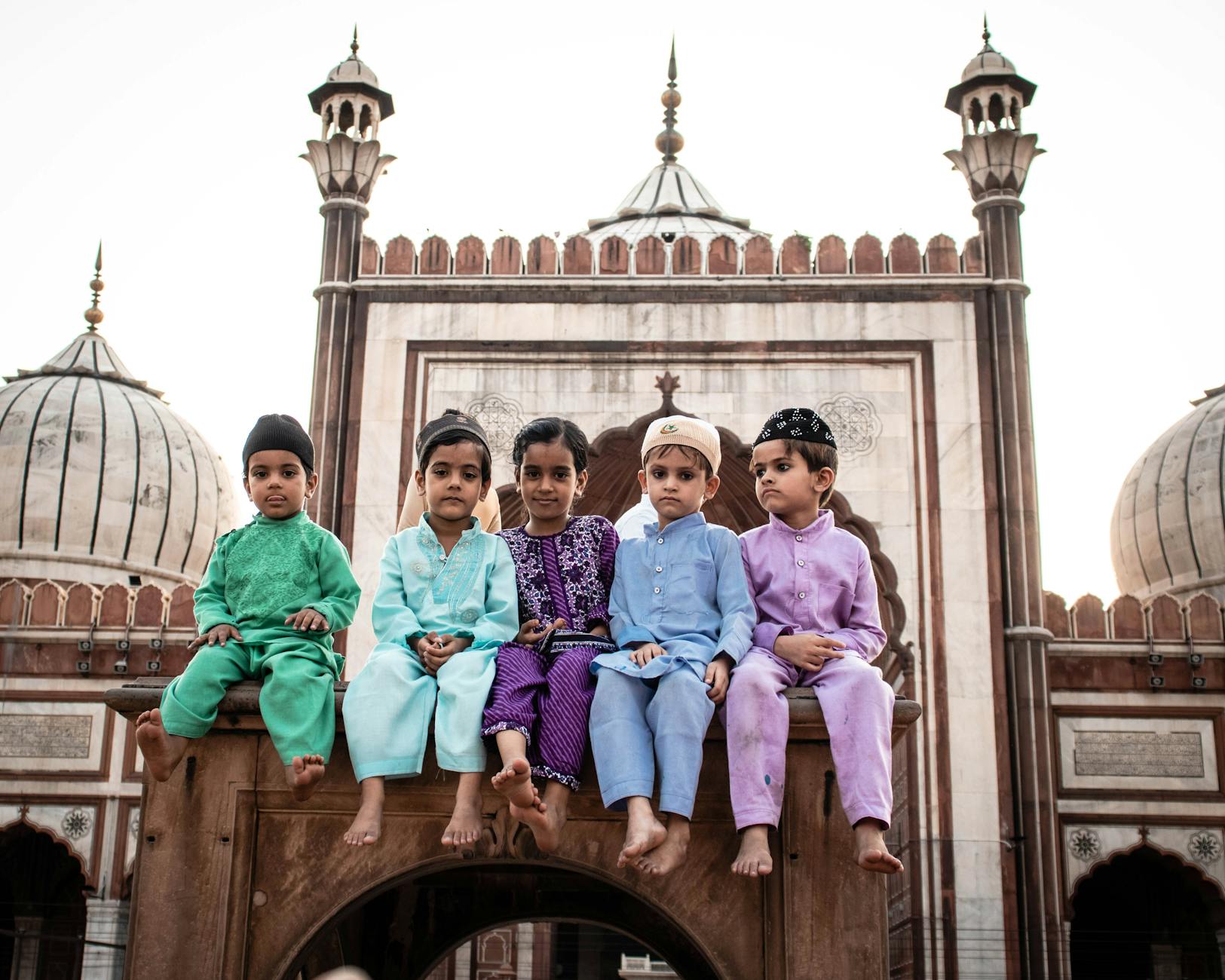
Build days around children's stamina and heat
Delhi family days should be designed around attention spans, naps, heat, winter fog, air quality, meals, bathroom access, and the point when everyone needs to stop. A family can see less and still have a better trip.
Pacing is the main family tool.
- Plan one main outing per day plus one optional easy stop.
- Place outdoor sightseeing earlier or later when heat and crowds are easier to manage.
- Keep snacks, water, sun protection, medication, wipes, and a phone battery ready before leaving the hotel.
Choose hotel area and room setup for family logistics
The family hotel should reduce repeated movement and support routine. Room layout, connecting rooms, breakfast, laundry, quiet, elevators, pool or green space, medical support, and reliable food nearby can matter more than being closest to every sight.
The hotel should help the family reset.
- Confirm room configuration, crib or extra bed, bathroom setup, elevator access, and breakfast hours.
- Choose a base that keeps the hardest repeated transfers short.
- Check whether the hotel can arrange drivers, packed snacks, laundry, and early or late airport timing.
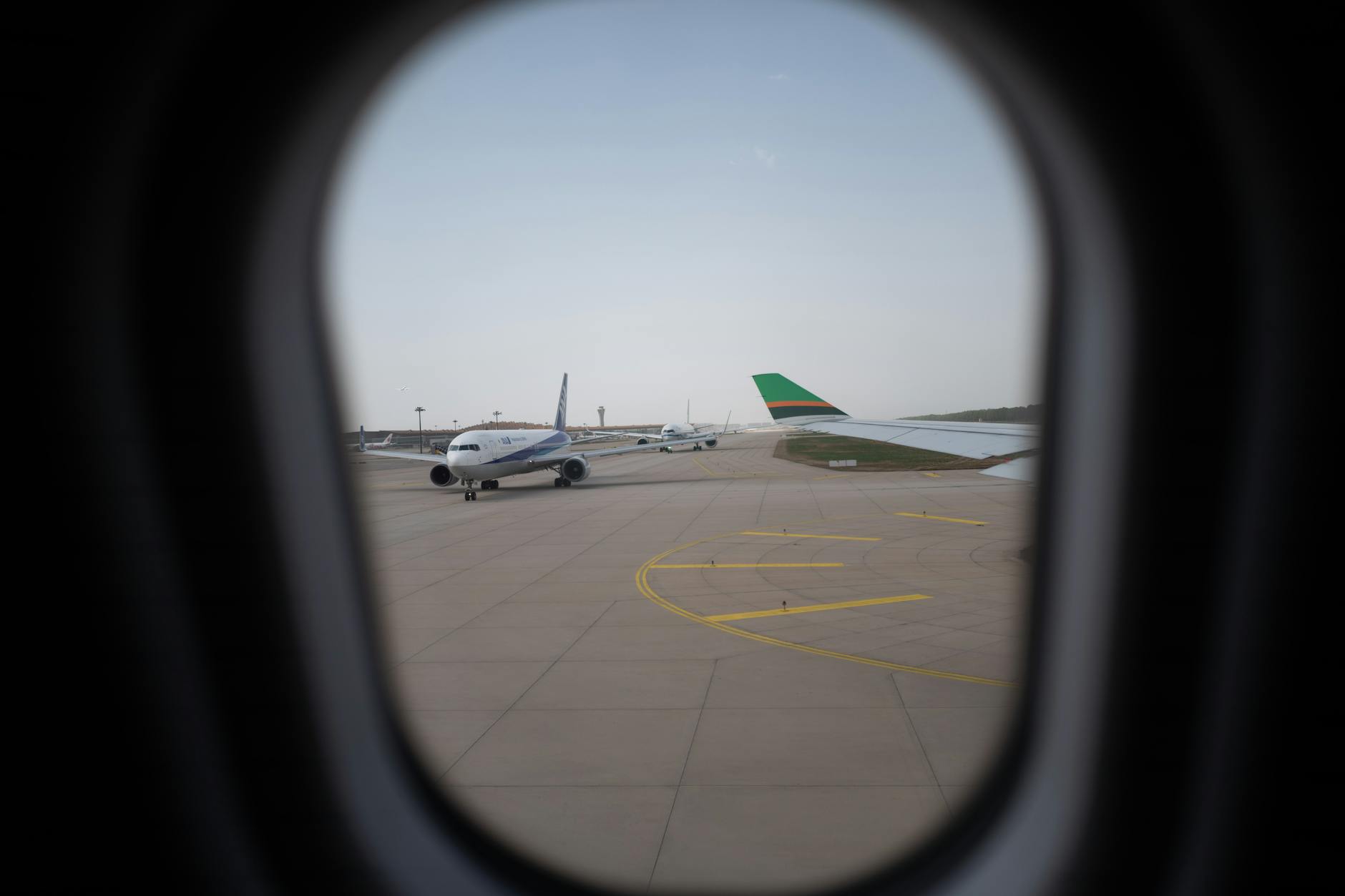
Make arrival and airport days easy
Families need a tighter airport plan because luggage, car seats, tired children, immigration, snacks, bathrooms, and hotel check-in all add friction. Delhi airport days should leave more time than adult-only trips require.
The first and last days should be simple.
- Confirm terminal, pickup point, vehicle size, luggage capacity, and child-seat needs before landing.
- Keep passports, medication, snacks, spare clothes, chargers, and comfort items in carry-on bags.
- Avoid major sightseeing immediately after a long-haul arrival unless the family is already rested.
Pick sights with shade, toilets, and exits
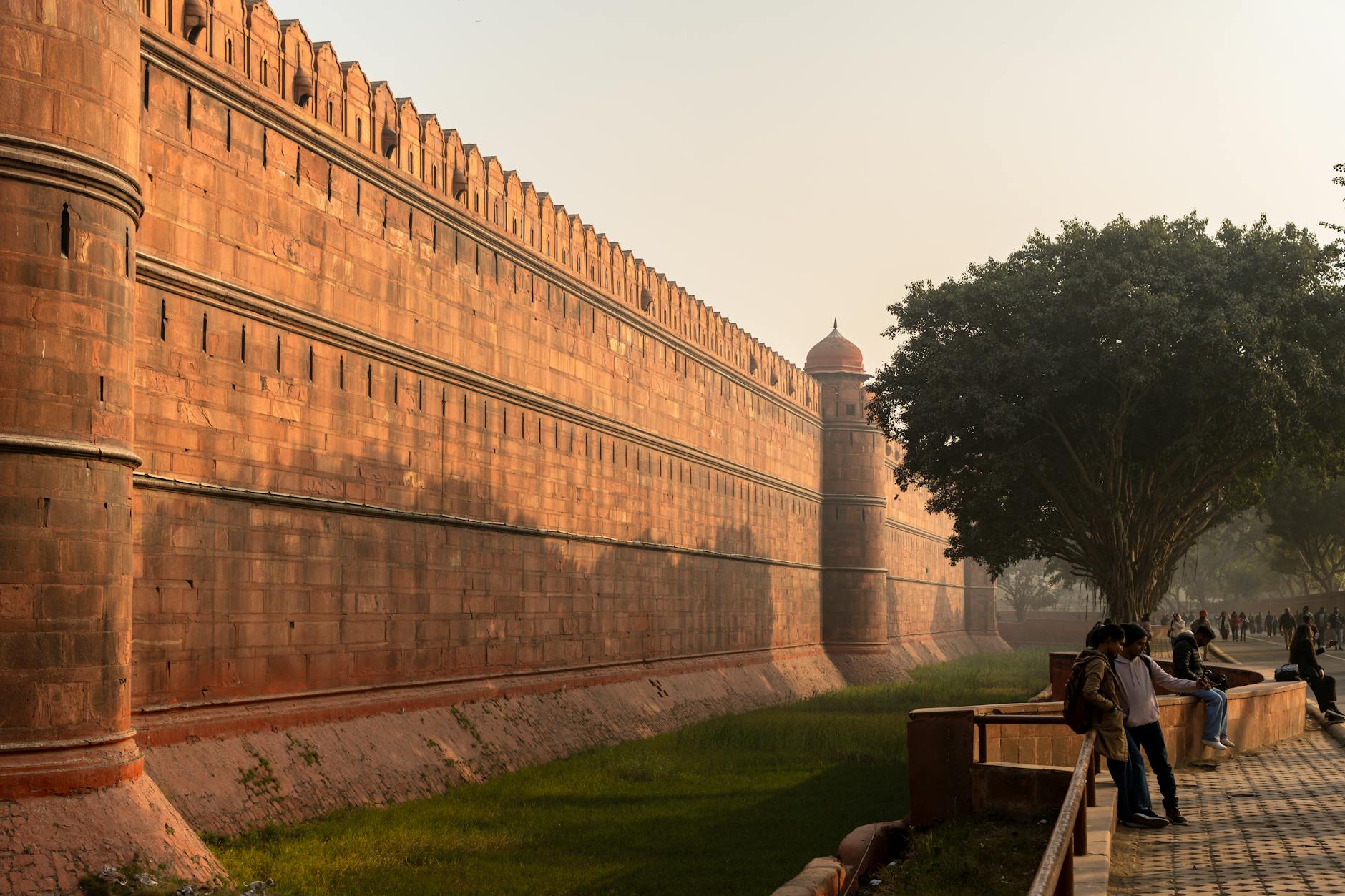
Delhi's monuments and historic areas can work well for families when the visit has a clear route, shade, bathrooms, seating, and a way to leave before fatigue becomes a problem. The best family sightseeing is not necessarily the longest day.
Practical details shape the memory.
- Check site rules, stairs, stroller limits, security checks, bag restrictions, and bathroom availability.
- Use guides when they can keep children engaged and adults oriented.
- Pair a major sight with a simple meal or rest stop rather than another distant monument.
Use child-friendly anchors without overfilling the day
A family trip can include gardens, animal-focused stops, museums, markets, short heritage walks, or hotel pool time, but each anchor should have enough space around it. Children often remember the relaxed parts as much as the famous sights.
One strong anchor can be enough.
- Choose parks, zoo visits, gardens, or interactive stops when they fit the season and transfer time.
- Keep a low-effort hotel or indoor backup for poor air quality, rain, heat, or tired children.
- Avoid turning every child-friendly idea into a required stop.

Eat and shop with clear limits
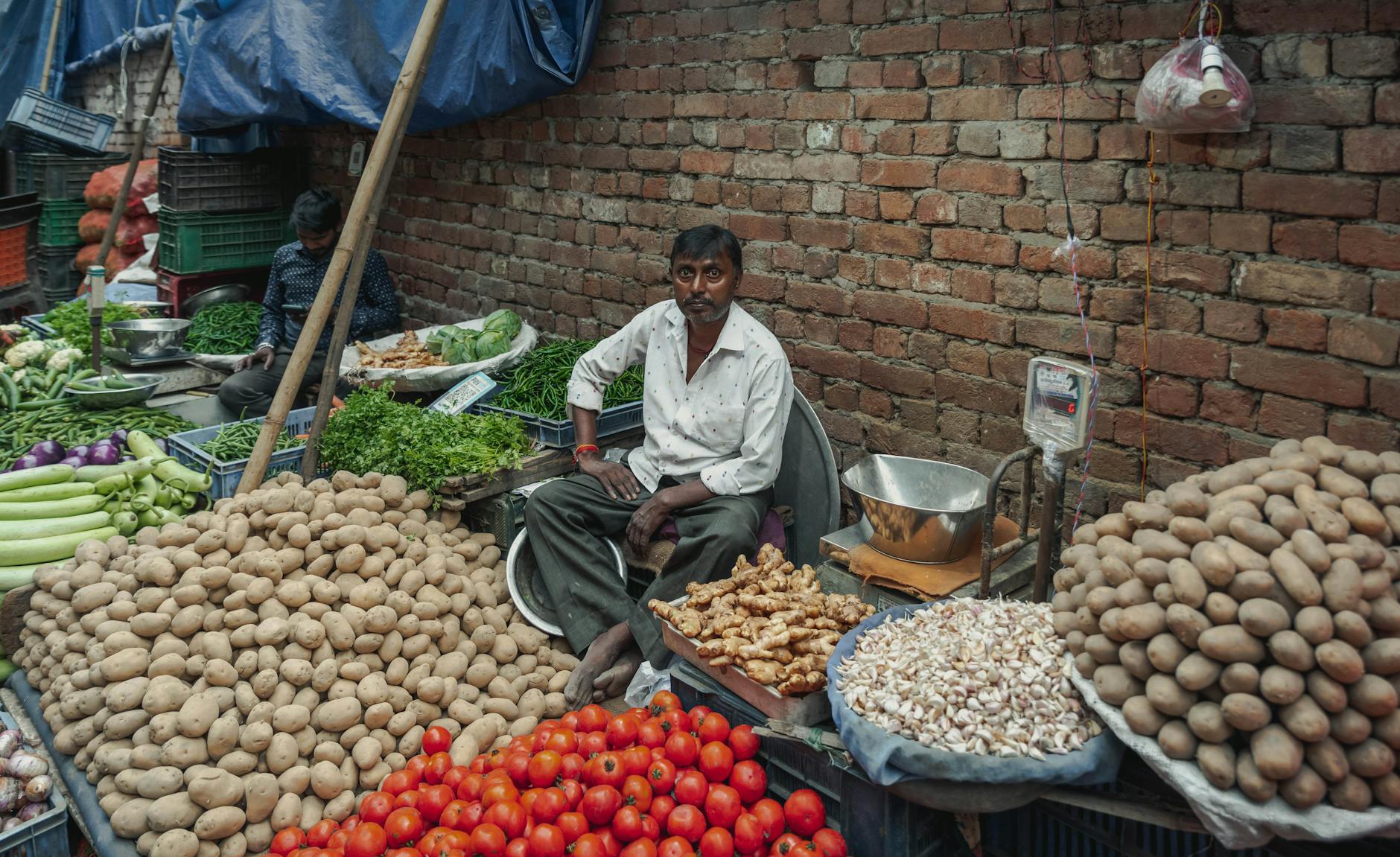
Delhi food and markets can be fun for families, but they need boundaries. Allergies, spice tolerance, hygiene comfort, bathroom access, crowds, bargaining, and transport should be planned before everyone is hungry or overstimulated.
Food should support the day, not destabilize it.
- Choose reliable restaurants and simple snacks before market visits.
- Set a shopping budget, route, and exit time before entering crowded areas.
- Carry water, wipes, hand sanitizer, small cash, and a backup meal plan for children.
When to order a short-term travel report
A family with a fully escorted itinerary may not need a custom report. A report becomes useful when Delhi hotel setup, airport handling, transport, children's stamina, food, sights, parks, heat, air quality, and departure timing need to work together for a short family stay.
The report should test hotel areas, room configuration, airport transfers, vehicle needs, sight pacing, bathroom and shade access, child-friendly anchors, meal options, market limits, weather and air-quality backups, and departure buffers. The value is a Delhi family trip with fewer preventable hard moments.
- Order when hotel setup, airport timing, transport, child stamina, food, sightseeing, or health factors need coordination.
- Provide dates, flights, ages, hotel candidates, nap or routine needs, dietary concerns, stroller needs, budget, and interests.
- Use the report to make Delhi family travel selective, comfortable, and easier to adjust.