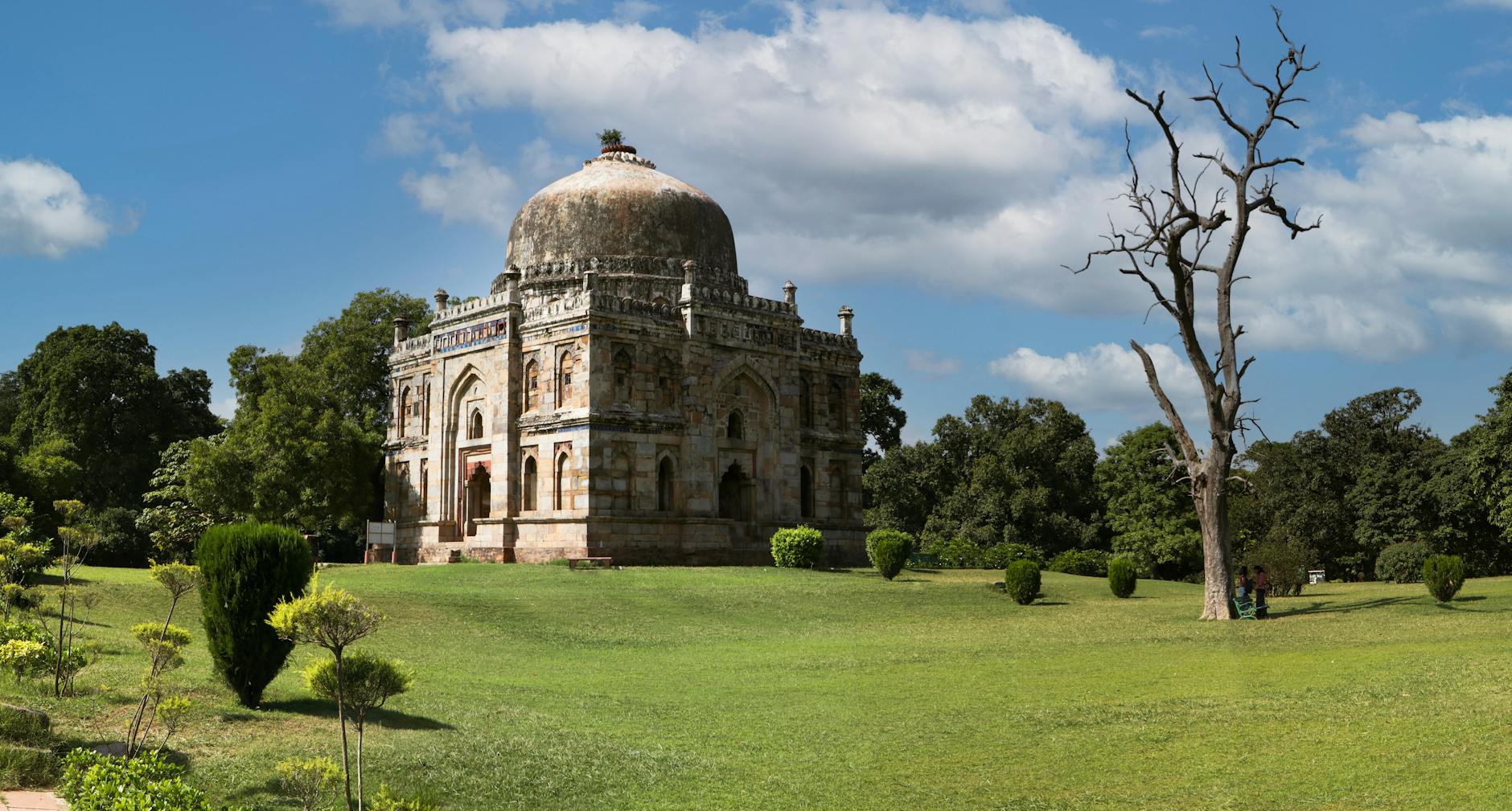
Make independence practical from arrival
A solo Delhi trip should start with a clear arrival plan. Visa documents, terminal exit, pickup point, hotel address, mobile data, payment, and a late-arrival food option should be settled before landing.
The first hours should be predictable.
- Confirm terminal, transfer method, driver or rideshare pickup details, and hotel contact before departure.
- Keep offline copies of hotel address, ID, insurance, emergency contacts, and the first-day plan.
- Avoid a demanding first evening if arrival is late, jet lag is high, or phone setup is uncertain.
Choose lodging by comfort and exit routes
Solo travelers should choose lodging that makes daily movement and evening return easy. A cheap room can become expensive in stress if it adds long transfers, poor sleep, weak reception support, or limited reliable food nearby.
The base should support confidence.
- Look for strong reviews on location, staff responsiveness, room quiet, security, and late check-in.
- Check nearby metro, taxi access, restaurant options, and whether the neighborhood feels manageable after dark.
- Favor a slightly easier base over a theoretically central one if it reduces uncertainty.

Use transport without overcomplicating the day
Delhi transport can be effective when each route is chosen deliberately. Metro, rideshare, taxis, hotel cars, walking, and guided transfers all have places, but a solo traveler should avoid building a day that depends on too many unfamiliar handoffs.
Simple routes are safer and calmer.
- Use the metro for clear station-to-station routes and cars or rideshare for complex or late routes.
- Keep pickup points, hotel addresses, and destination names saved in maps and screenshots.
- Build traffic buffers and avoid ending a long sightseeing day far from the hotel without a return plan.
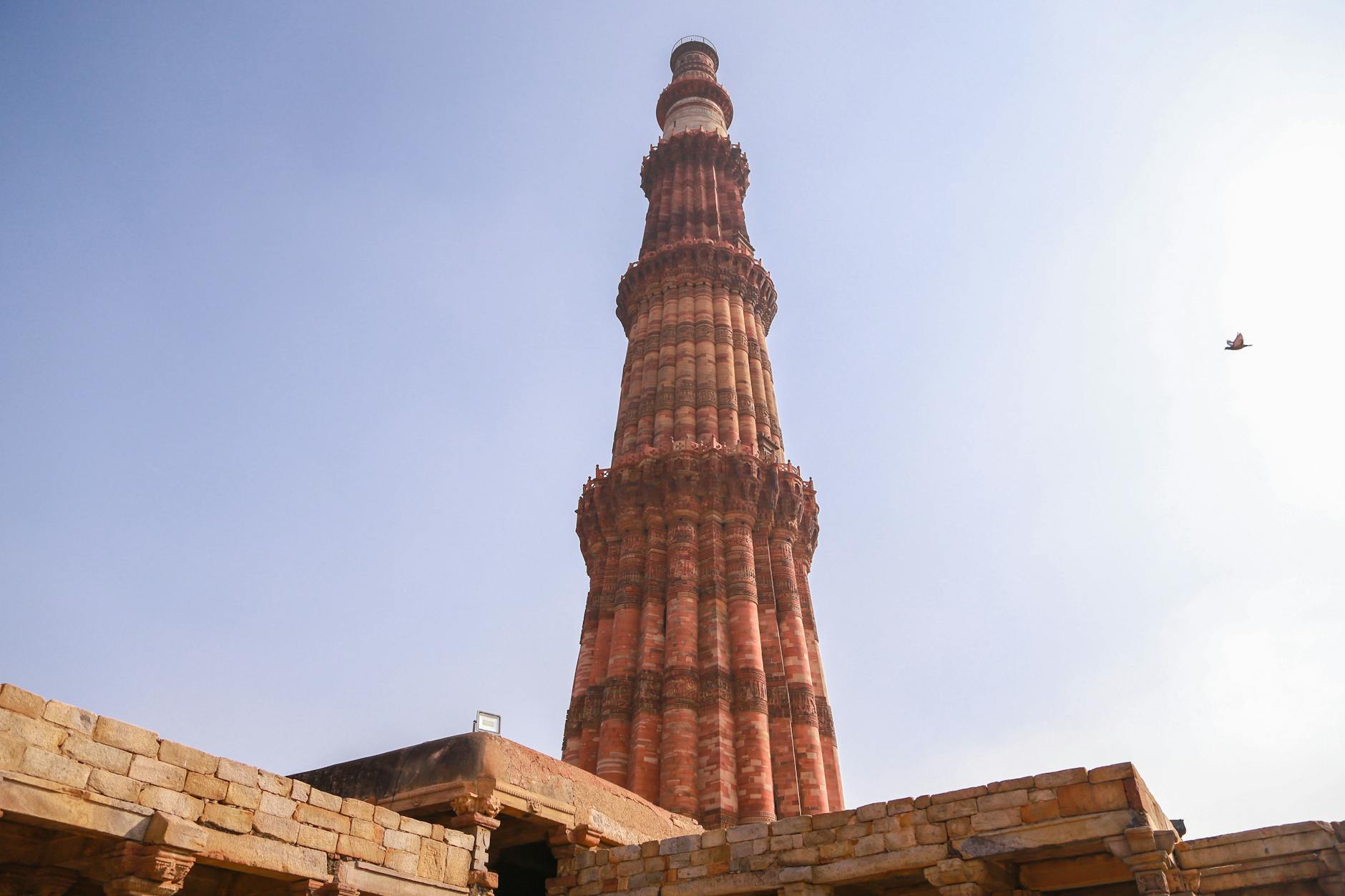
Sightsee with clear solo pacing
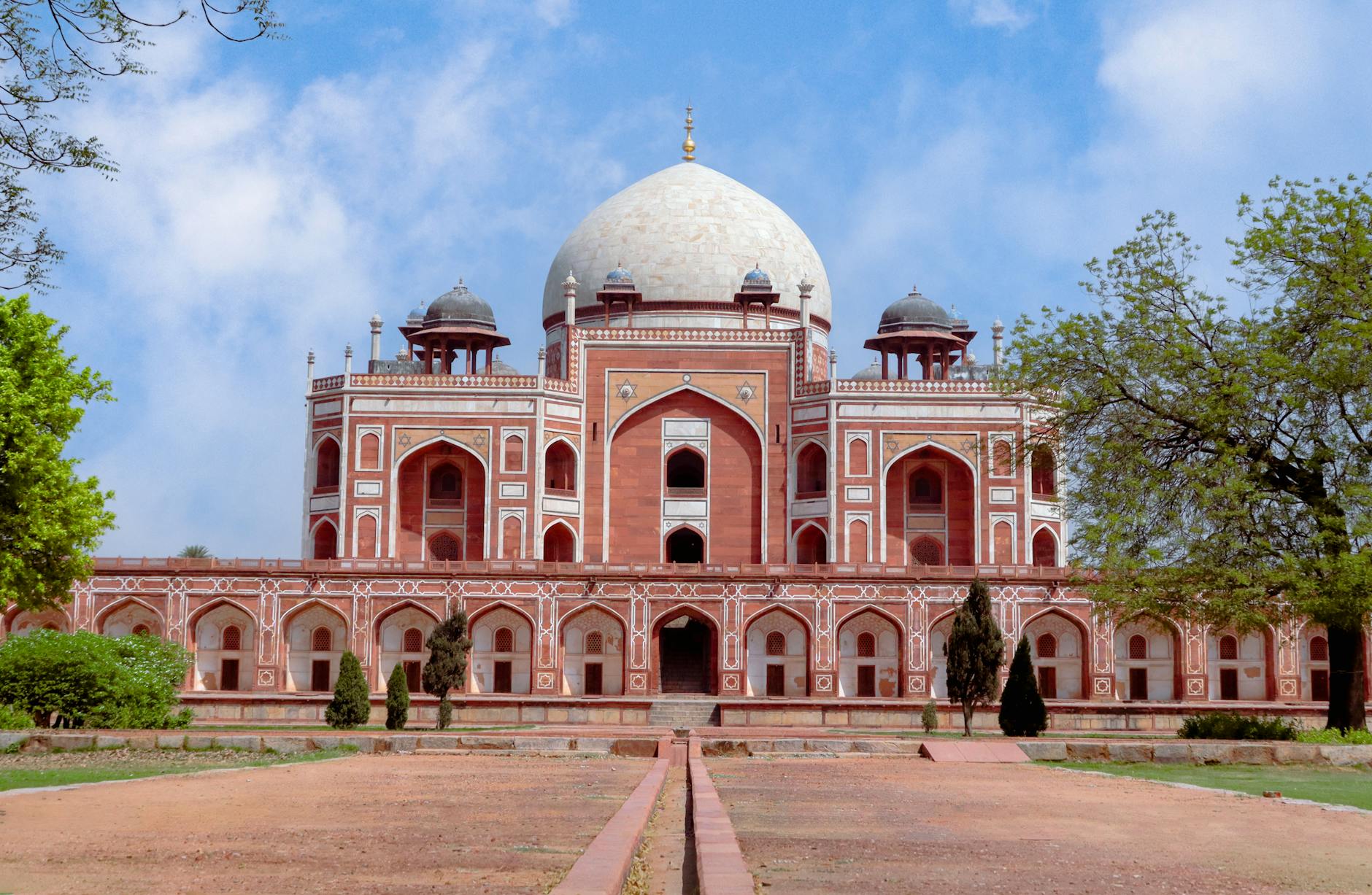
Solo travel makes it easier to change plans, but Delhi still rewards structure. Monuments, religious sites, gardens, museums, and markets should be grouped by geography, energy, and the ability to pause when needed.
A solo day should have an exit ramp.
- Pick one main sight cluster per day rather than crossing the city repeatedly.
- Check opening hours, closures, security rules, bag restrictions, and expected walking distance.
- Use a guide for context or crowd navigation when it improves the experience.
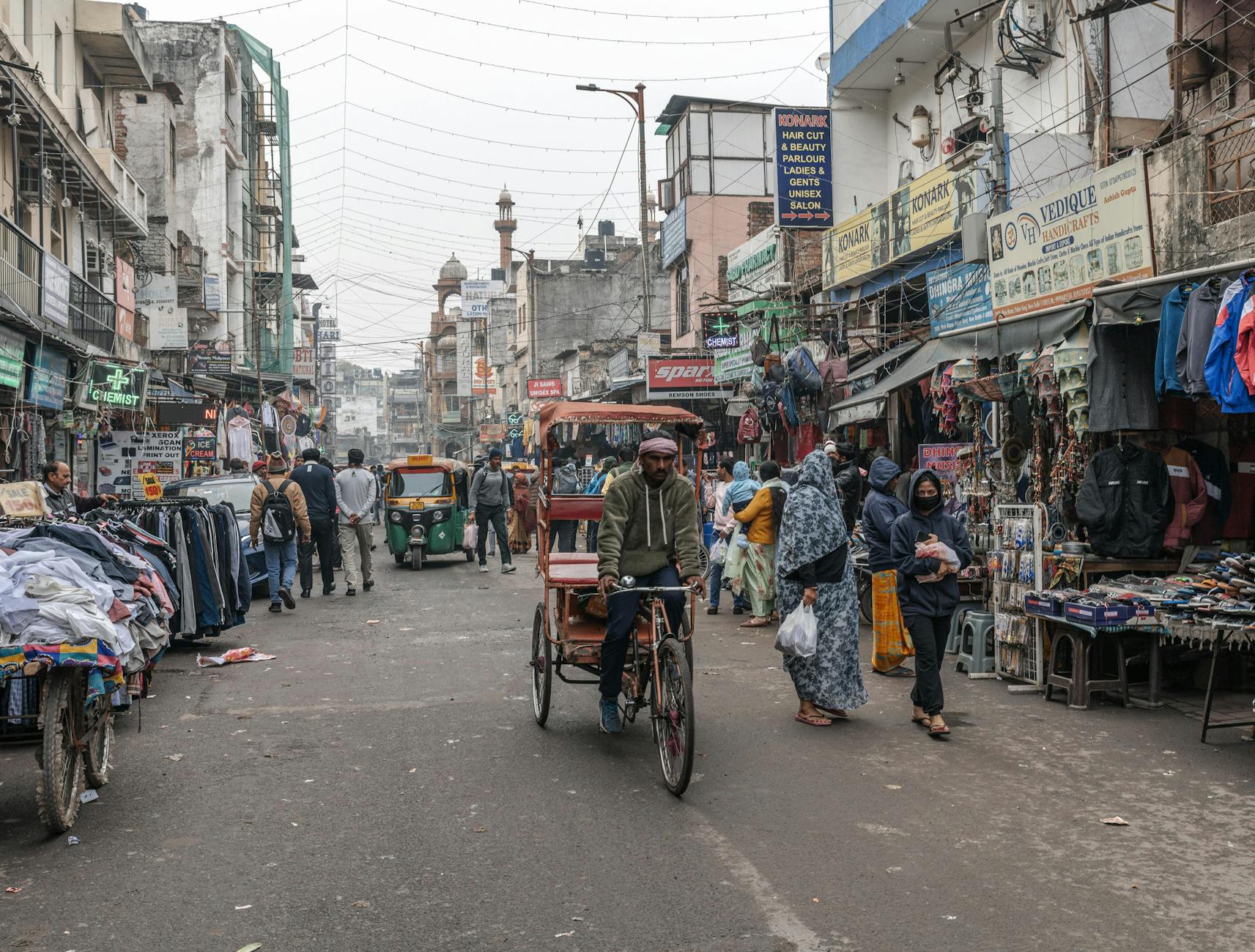
Handle markets, meals, and social moments with boundaries
Solo travelers can enjoy Delhi's markets and food more when they know what they want, where they are going, and when they are done. Bargaining, invitations, street food, photography, and conversations can be positive, but boundaries should stay clear.
Curiosity works best with a plan.
- Choose market areas, food stops, and cafes before entering crowded streets.
- Carry small payment options, water, phone battery, and a firm exit plan.
- Trust discomfort early and leave before a situation becomes hard to reverse.
Keep evenings, safety, and communication deliberate
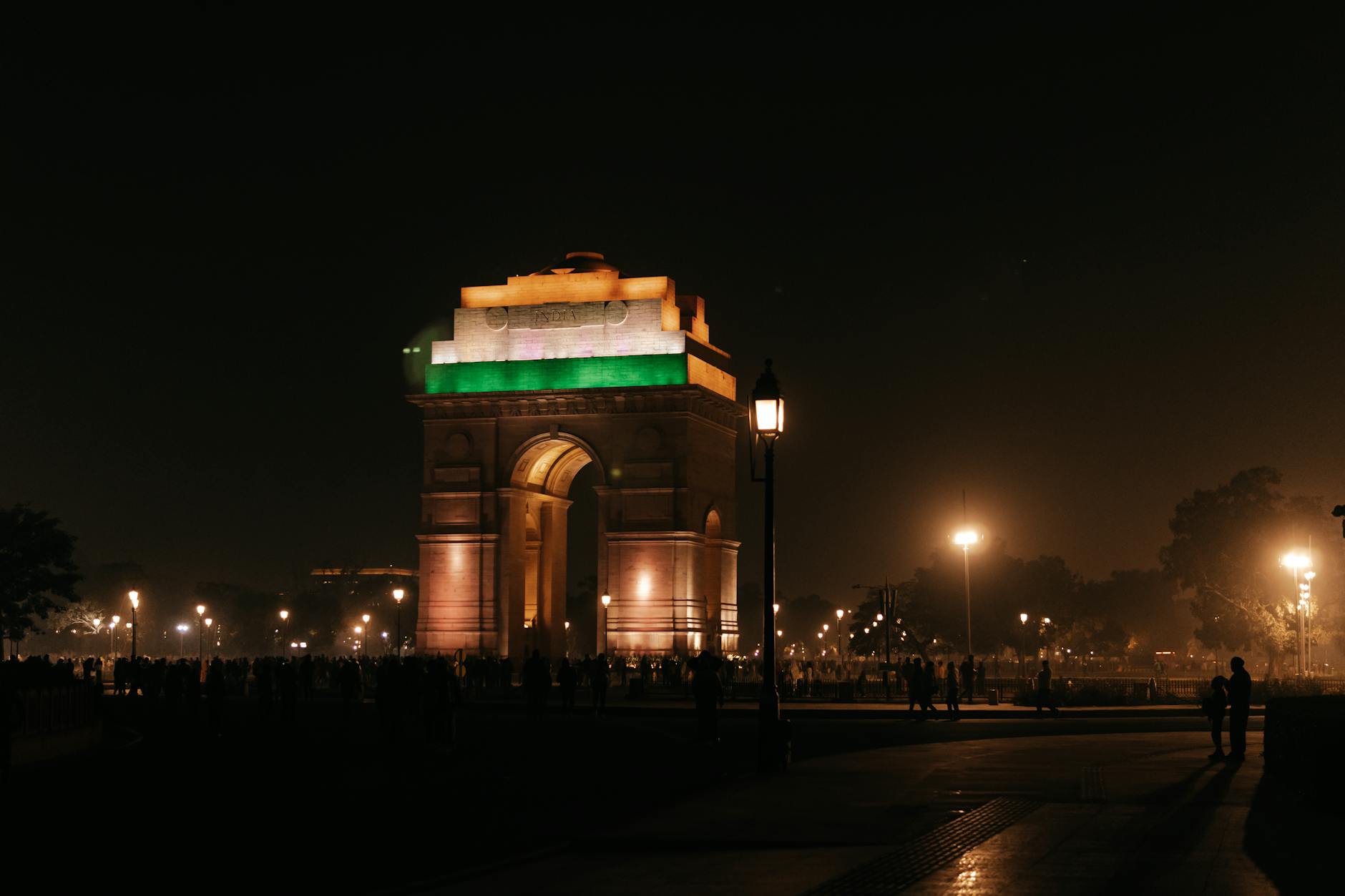
Delhi evenings can include dinners, illuminated landmarks, performances, hotel lounges, and late transfers. A solo traveler should decide what the evening is for and keep communication, transport, and return timing visible.
Night plans need fewer moving parts.
- Share the plan with someone, keep mobile data working, and preserve phone battery for the return.
- Choose dinner and evening stops with reliable pickup points and clear closing times.
- Avoid stacking a late night before an early airport transfer or full sightseeing day.
When to order a short-term travel report
A solo traveler with an escorted plan may not need a custom report. A report becomes useful when Delhi lodging, arrival transfer, solo-safe routes, sightseeing clusters, markets, meals, evening plans, health needs, and departure timing need to work together for a short independent trip.
The report should test hotel areas, airport logistics, route sequence, transport modes, market choices, meal options, safety comfort, air-quality and weather backups, and check-in timing. The value is a Delhi solo trip that remains independent but less exposed.
- Order when lodging, arrival, transport, sightseeing, meals, markets, evenings, or safety comfort needs coordination.
- Provide dates, flights, hotel candidates, interests, budget, walking tolerance, phone setup, and preferred independence level.
- Use the report to make solo Delhi travel flexible without making every decision in the moment.