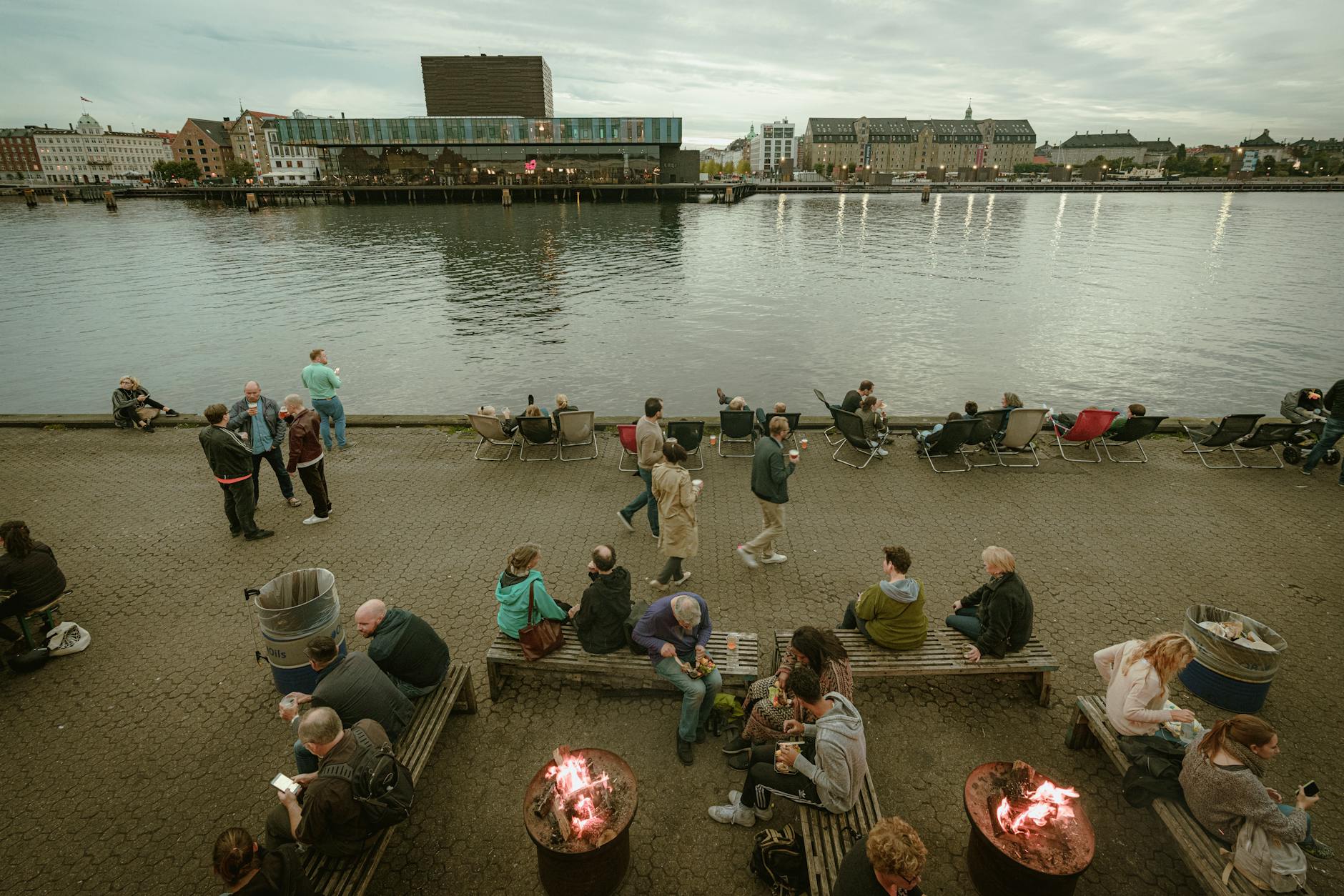
Choose a gentle arrival plan
Arrival day should be simple. An older traveler may do best with a direct route to the hotel, a light meal, and a short neighborhood walk before trying canals, museums, or evening plans. Copenhagen rewards ease when the first day is not overloaded.
The first transfer should reduce stress.
- Compare airport metro, rail, taxi, and hotel transfer options by luggage, walking distance, stairs, and weather.
- Confirm hotel check-in, elevator access, room location, and luggage storage before arrival.
- Keep the first outing close to the hotel unless arrival is early and the traveler feels rested.
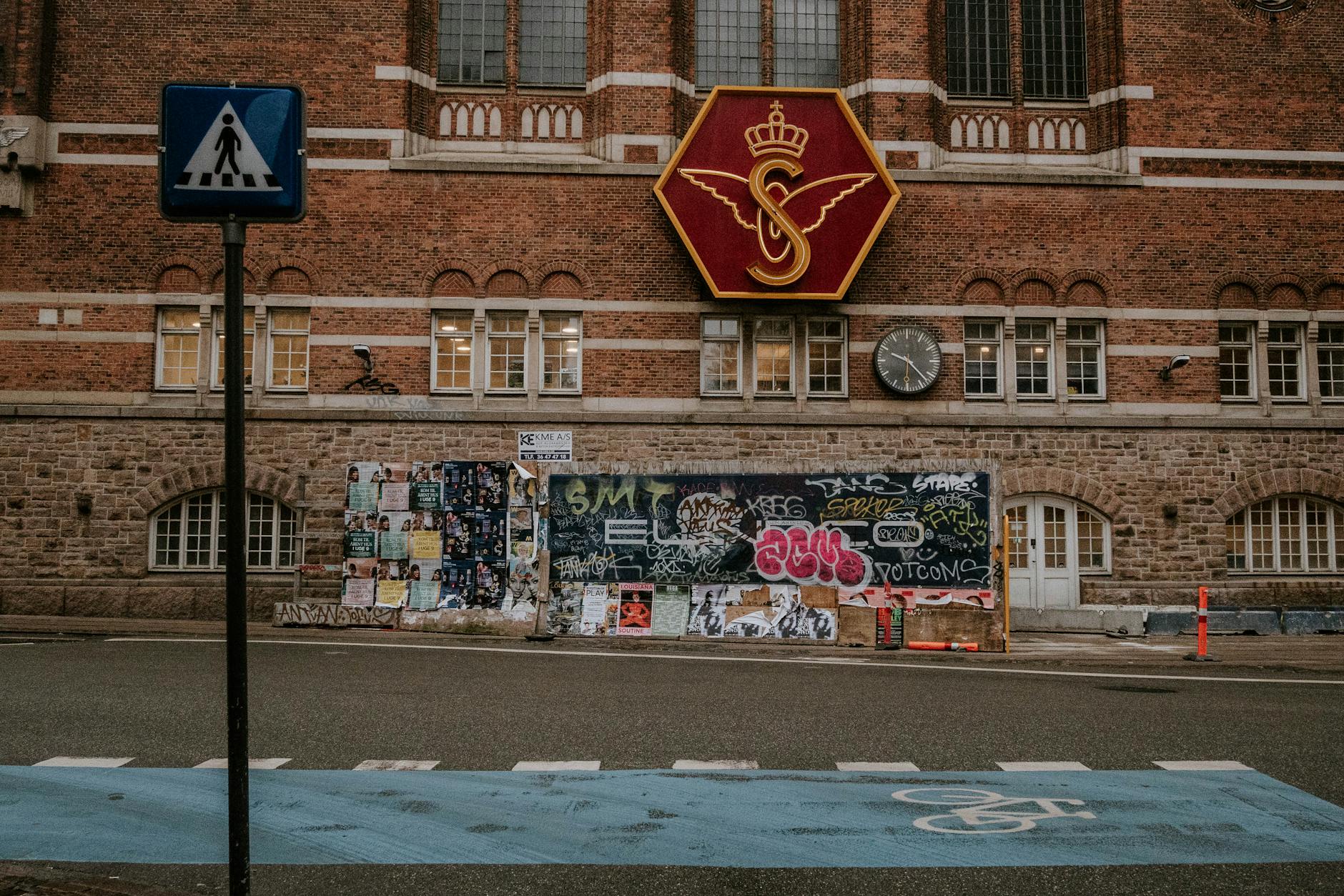
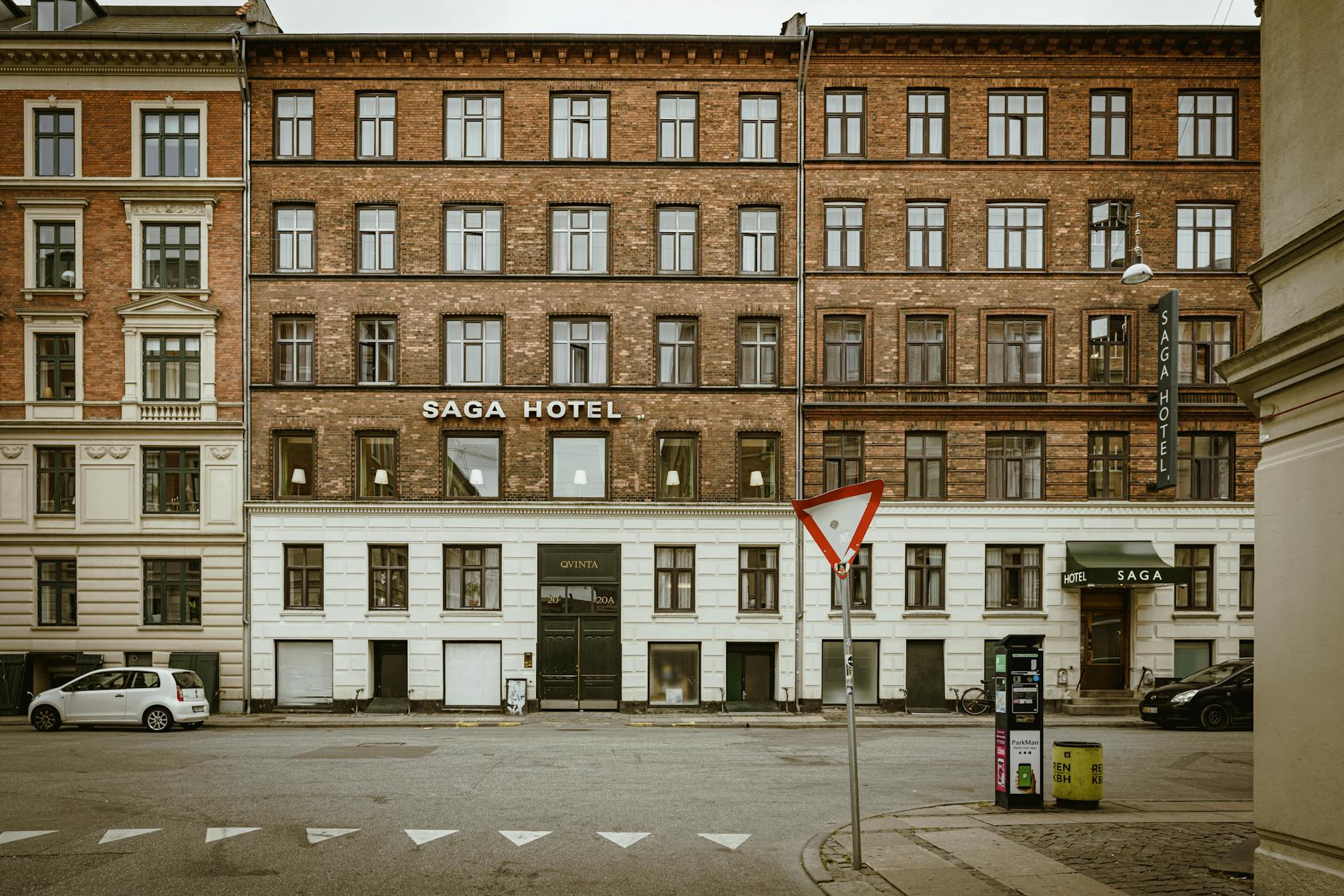
Choose lodging for comfort and return routes
Hotel choice matters because an older traveler may return for rests, medication, clothing changes, or a quieter evening. A slightly better base near transit, restaurants, and gentle walking routes can improve the whole stay.
The room should be useful throughout the day.
- Check elevators, step-free entry, bathroom layout, bed height, quiet, climate control, and breakfast timing.
- Choose a hotel near easy meals, transit, taxis, and the day's most likely return route.
- Avoid lodging that depends on long cobblestone walks with bags or frequent transfers.
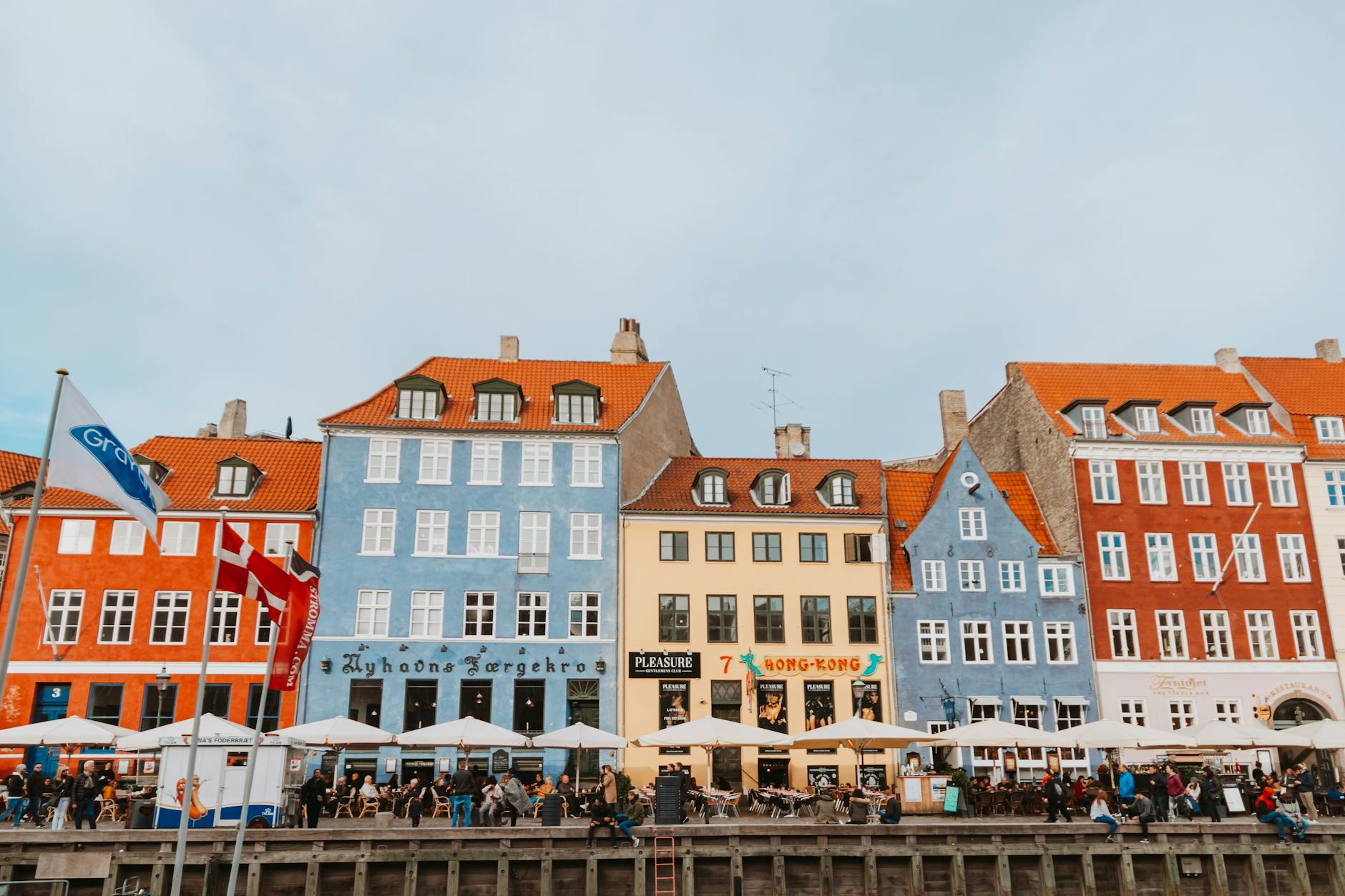
Keep the day walkable and seated
Copenhagen is pleasant to walk, but short trips can quietly accumulate distance. The route should include benches, cafes, museums, boat options, taxis, and tram or metro returns before fatigue appears.
Comfort should be designed into the day.
- Limit the main walking loop and add seated stops before the traveler needs them.
- Use canal boats, taxis, metro, or short rail rides when they preserve energy.
- Avoid pairing multiple exposed waterfront walks with a long museum or late dinner.
Treat museums and churches as pacing anchors
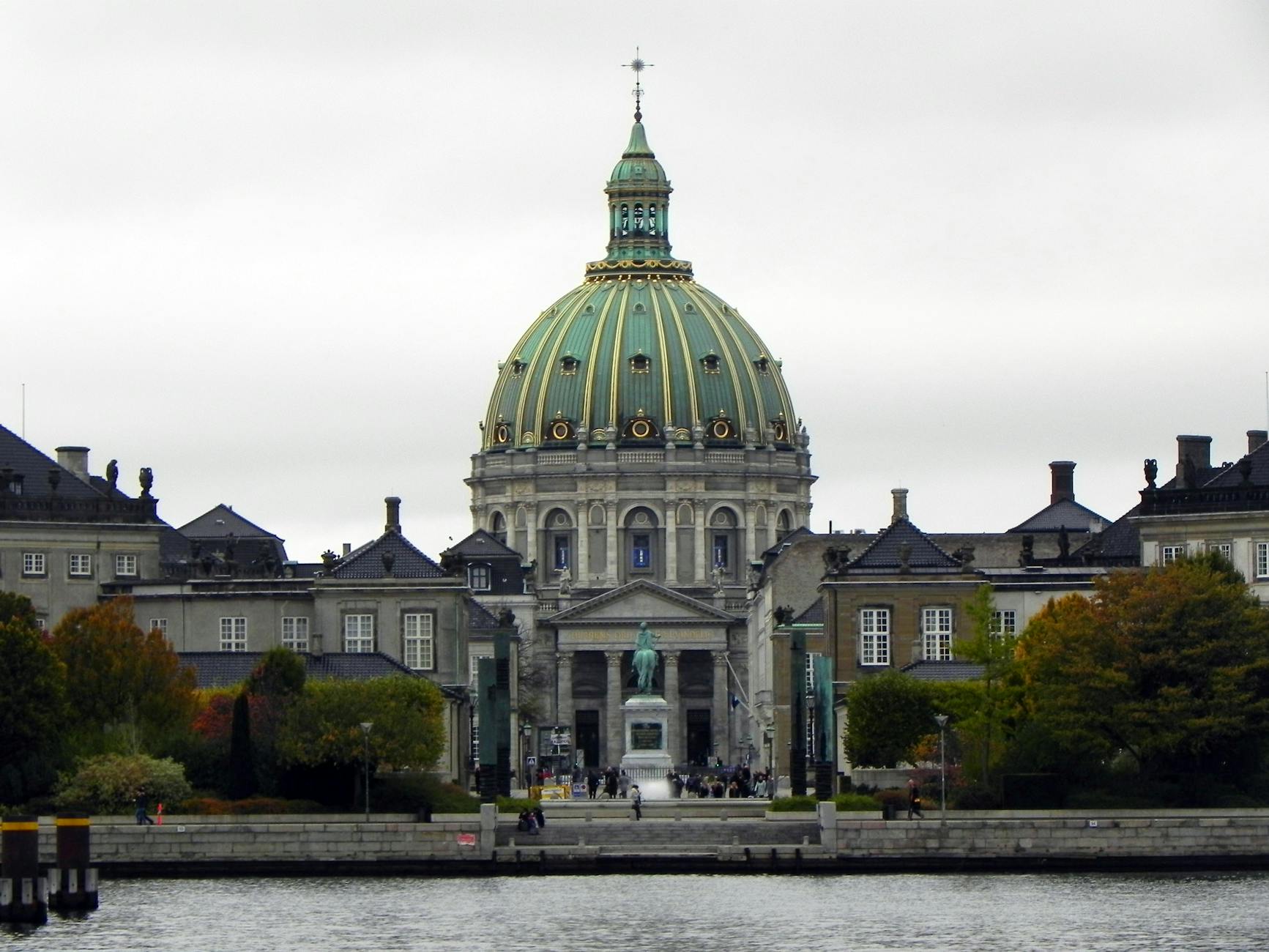
Museums, churches, palaces, gardens, and historic interiors can make excellent Copenhagen anchors for older travelers because they offer structure, seating, shelter, and context. The key is to choose fewer stops and let them breathe.
A slower visit can be richer.
- Check opening hours, elevators, seating, restrooms, cloakrooms, and cafe access before arrival.
- Choose one major cultural anchor per half day rather than stacking several demanding interiors.
- Use indoor stops as weather protection when wind, rain, or cold would make outdoor routes harder.
Plan meals, medication, and rest together
Meals should fit energy and health needs, not just restaurant reputation. Medication timing, hydration, dietary limits, restroom access, and the gap between lunch and dinner all matter on a short Copenhagen stay.
Food planning is comfort planning.
- Reserve meals when timing, seating, dietary needs, or a popular restaurant matters.
- Keep simple cafes or hotel-adjacent restaurants ready for lower-energy moments.
- Carry medication, water, snacks, and written health notes in a day bag.
Respect weather, stairs, and cycling traffic
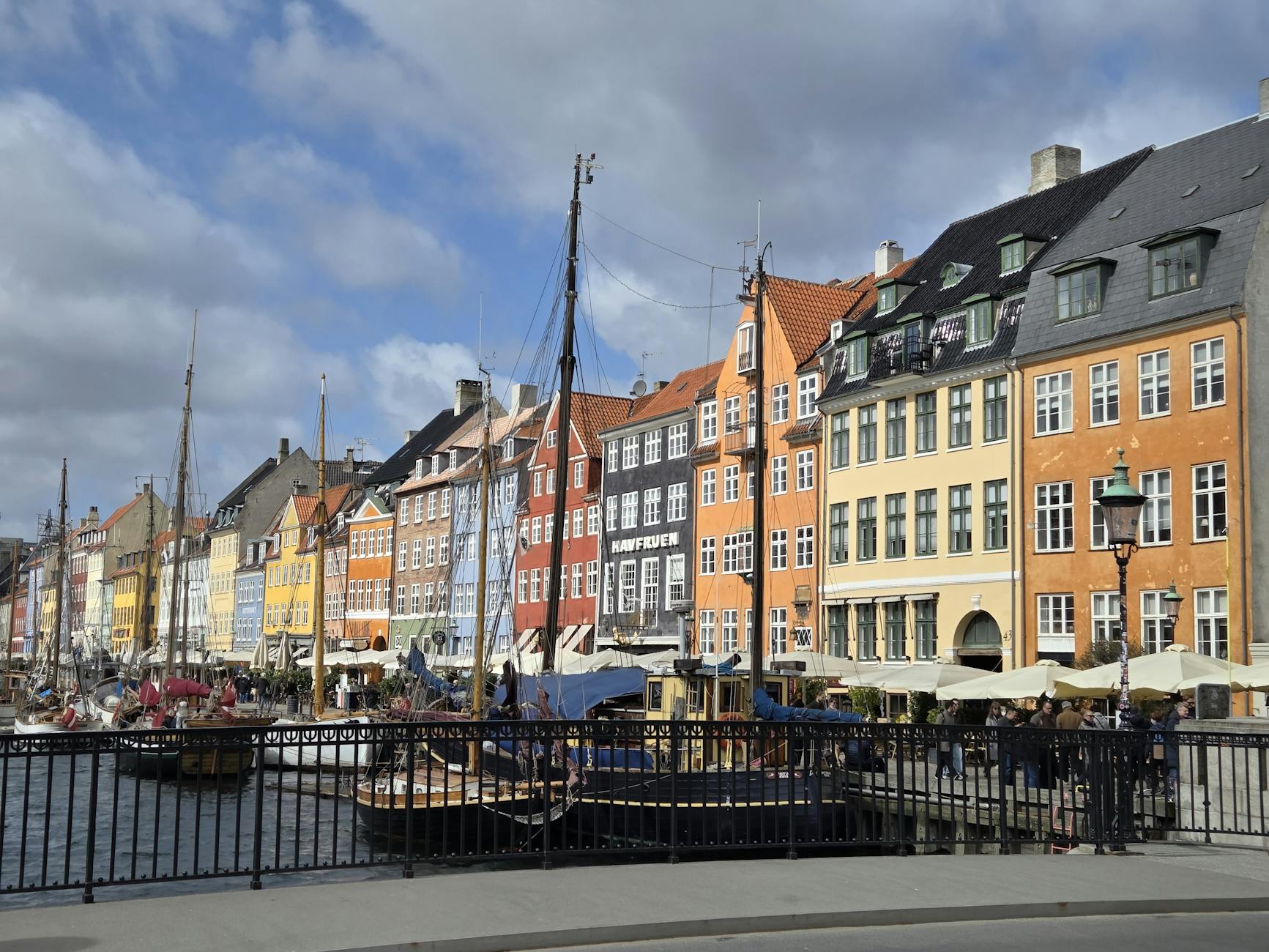
Copenhagen's cycling culture, cobblestones, harbor wind, rain, and winter darkness can affect older travelers more than a simple map suggests. The route should make crossings, surfaces, clothing, and transport choices explicit.
Small urban details shape confidence.
- Choose footwear and outerwear for cobblestones, wind, rain, and changing indoor temperatures.
- Use marked crossings and stay alert around bike lanes, especially near stations and major streets.
- Shorten outdoor routes when surfaces, darkness, or weather would make the day less comfortable.
When to order a short-term travel report
An older traveler with familiar Copenhagen plans may not need a custom report. A report becomes useful when hotel comfort, transfer ease, walking distance, meals, medication timing, accessibility, or weather need to be coordinated before arrival.
The report should test hotel fit, airport transfers, step-free routes, walking distances, seating, museums, meals, medication timing, weather, taxi options, and departure buffers. The value is a Copenhagen trip that preserves independence while lowering friction.
- Order when lodging, transfers, walkability, seating, meals, medication, accessibility, weather, or departure timing need coordination.
- Provide dates, arrival details, hotel options, mobility notes, health constraints, food needs, interests, and budget.
- Use the report to keep the Copenhagen stay comfortable, flexible, and realistic.