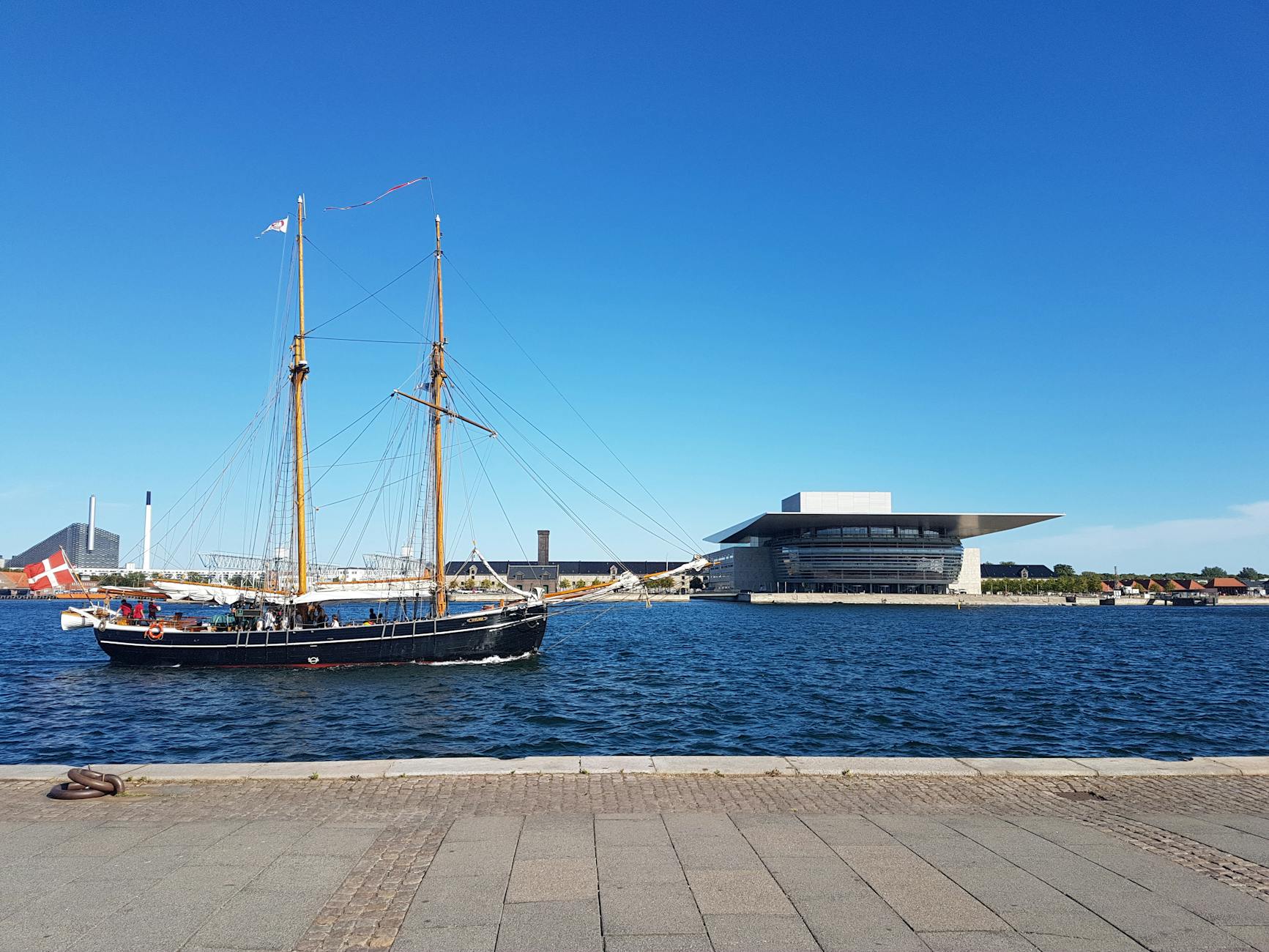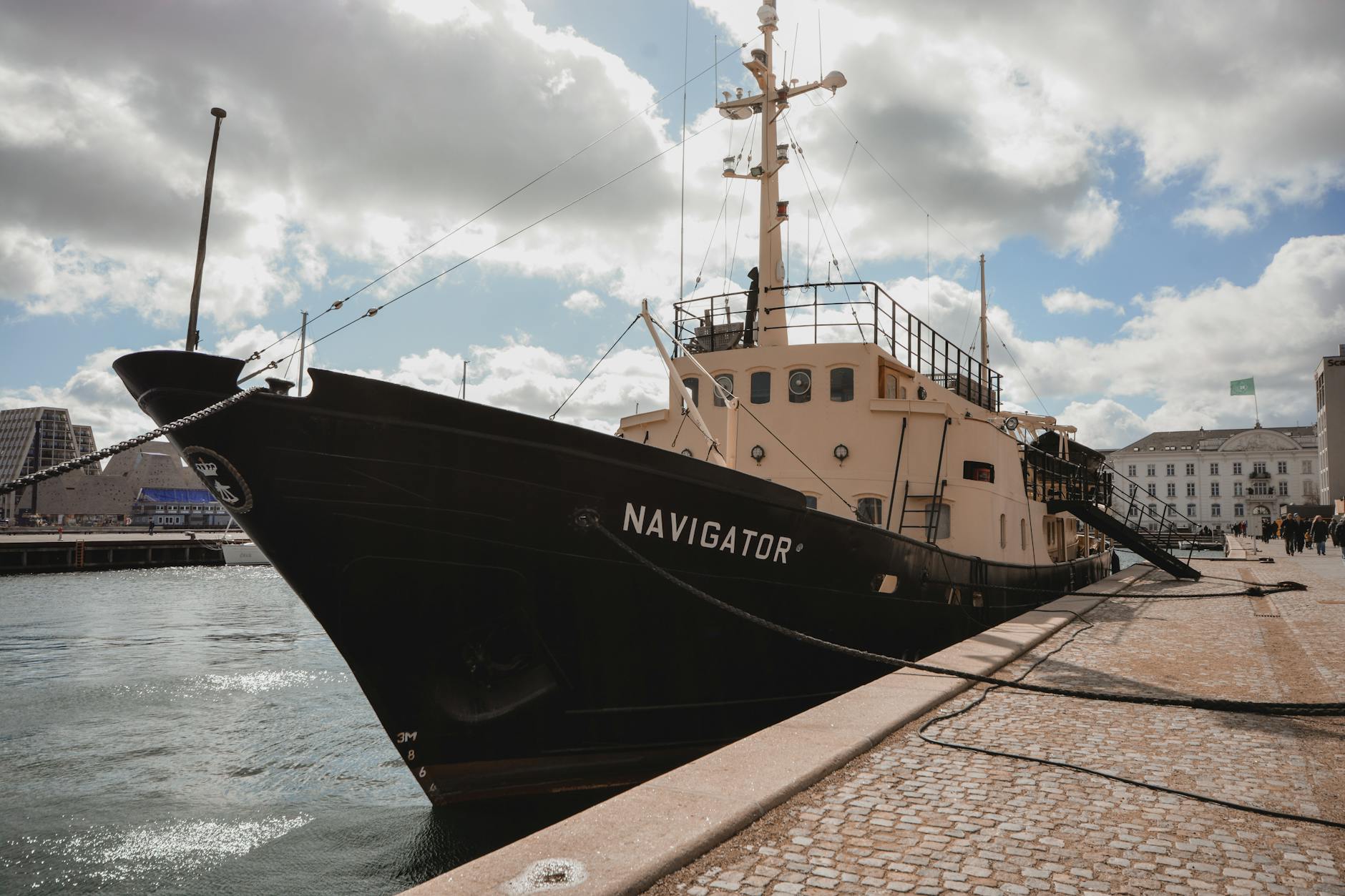
Start with the berth and ship clock
Copenhagen port calls can feel simple until the traveler realizes that the berth, shuttle rules, taxi queues, gangway timing, and all-aboard time control the whole day. The first plan should be built from the pier outward, not from a list of attractions inward.
The ship clock is the real itinerary anchor.
- Confirm the berth, shuttle availability, taxi pickup rules, walking distance, and all-aboard time before choosing activities.
- Use the ship time, not only local ambition, to decide how far from the harbor the day should reach.
- Keep the final route back to the pier simple enough to work in rain, wind, or traffic.
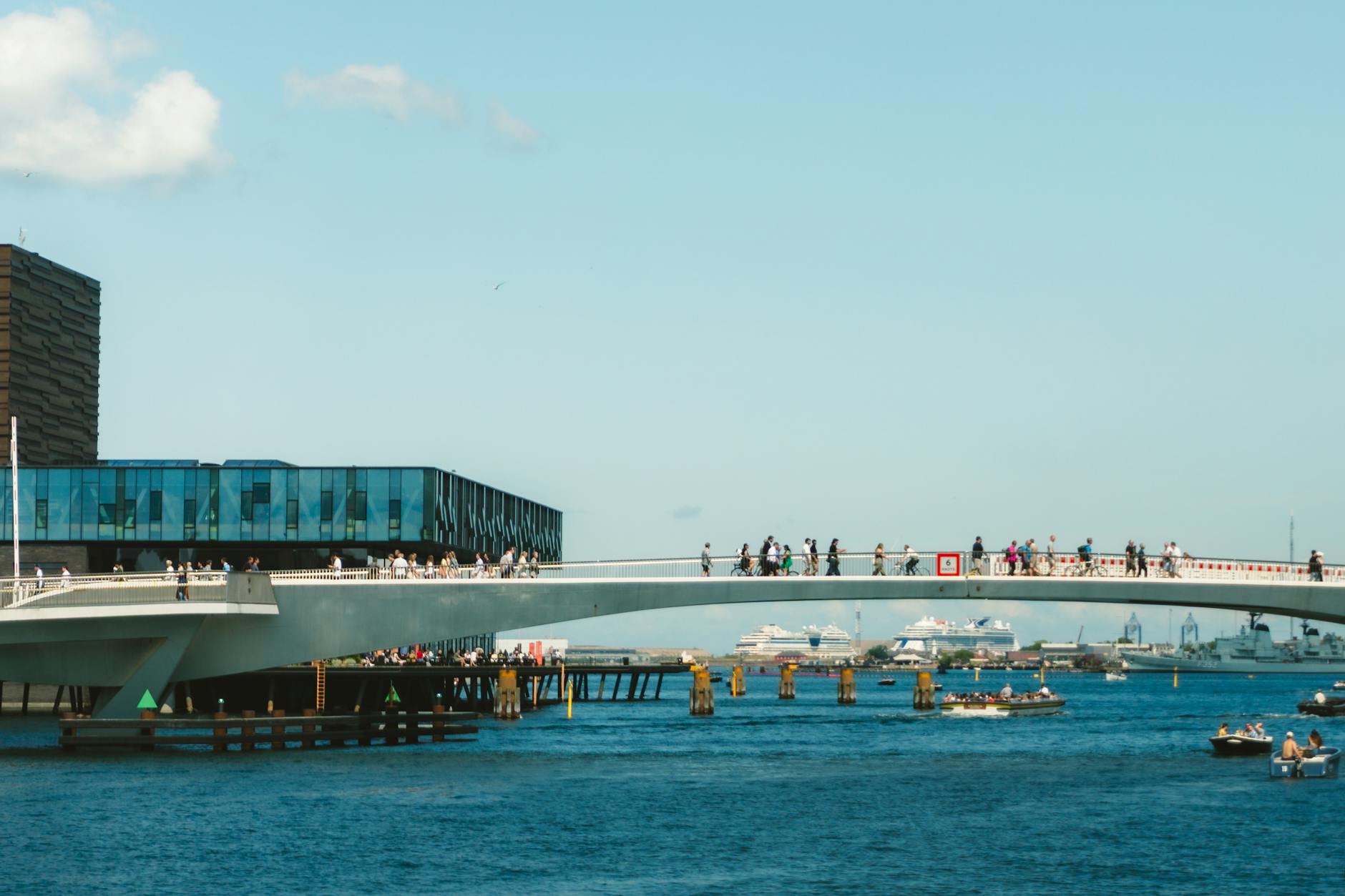
Choose a compact city route
A port day should not try to prove the whole city. Nyhavn, the harbor, palaces, churches, museums, shopping streets, or Tivoli can work, but only when they are grouped tightly enough that the traveler is not crossing Copenhagen all day.
Compact beats comprehensive on a cruise schedule.
- Group sights by harbor, old center, or Tivoli area instead of building a scattered checklist.
- Limit the day to one or two primary anchors with nearby meals and weather backups.
- Avoid plans that depend on several transfers before the traveler understands the city.
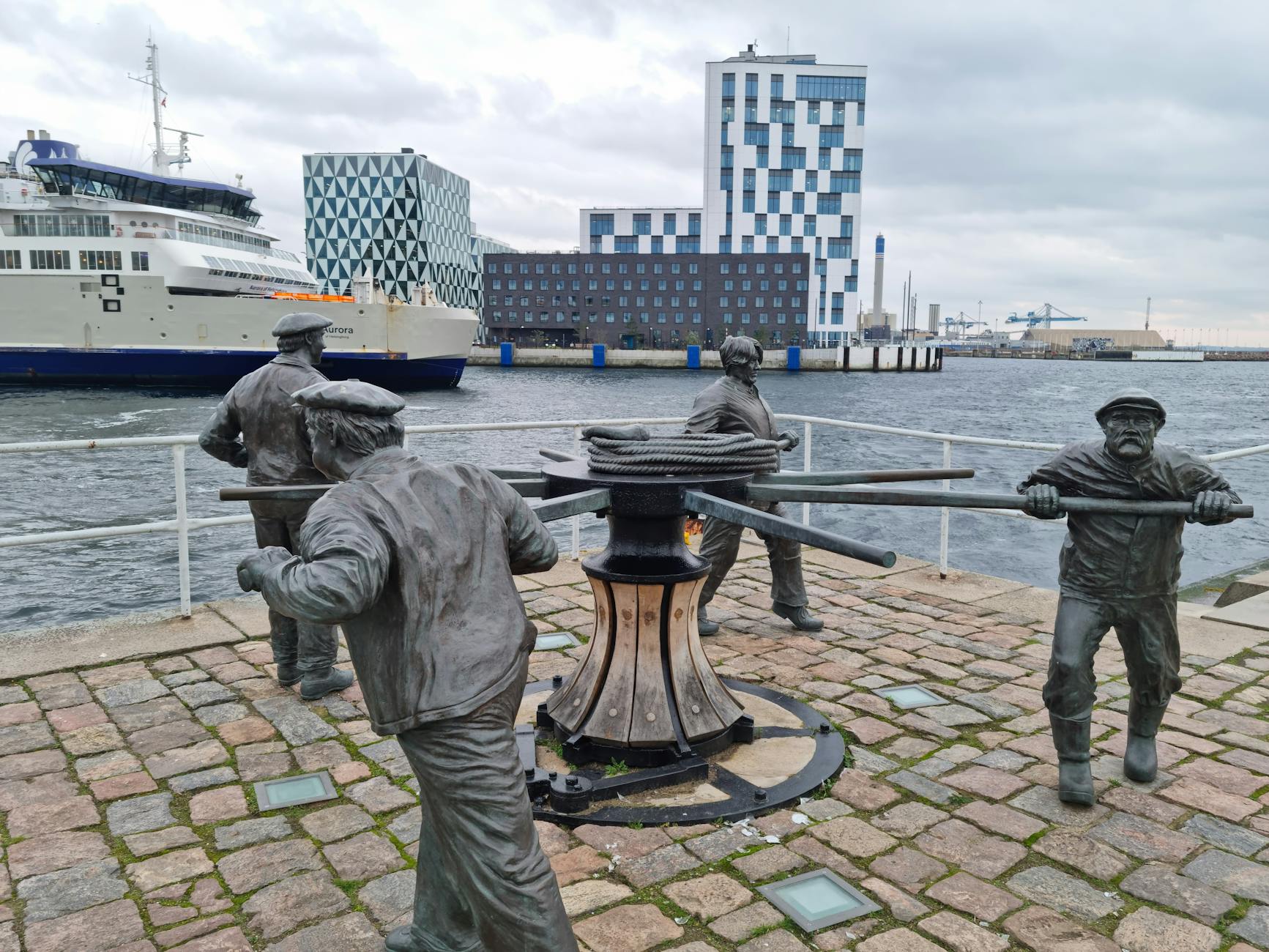
Know when to use a tour and when to go independent
Ship excursions, private guides, taxis, public transit, and self-guided walks each solve different problems. A traveler who wants unusual neighborhoods, mobility support, or precise timing may need a different setup from someone who only wants a classic Copenhagen overview.
The format should match the risk.
- Use organized transport when timing, mobility, language, or distance makes independence fragile.
- Go independent only when the route, payment, transit, and return buffer are already clear.
- Check cancellation, meeting-point, and late-return rules before booking any tour.
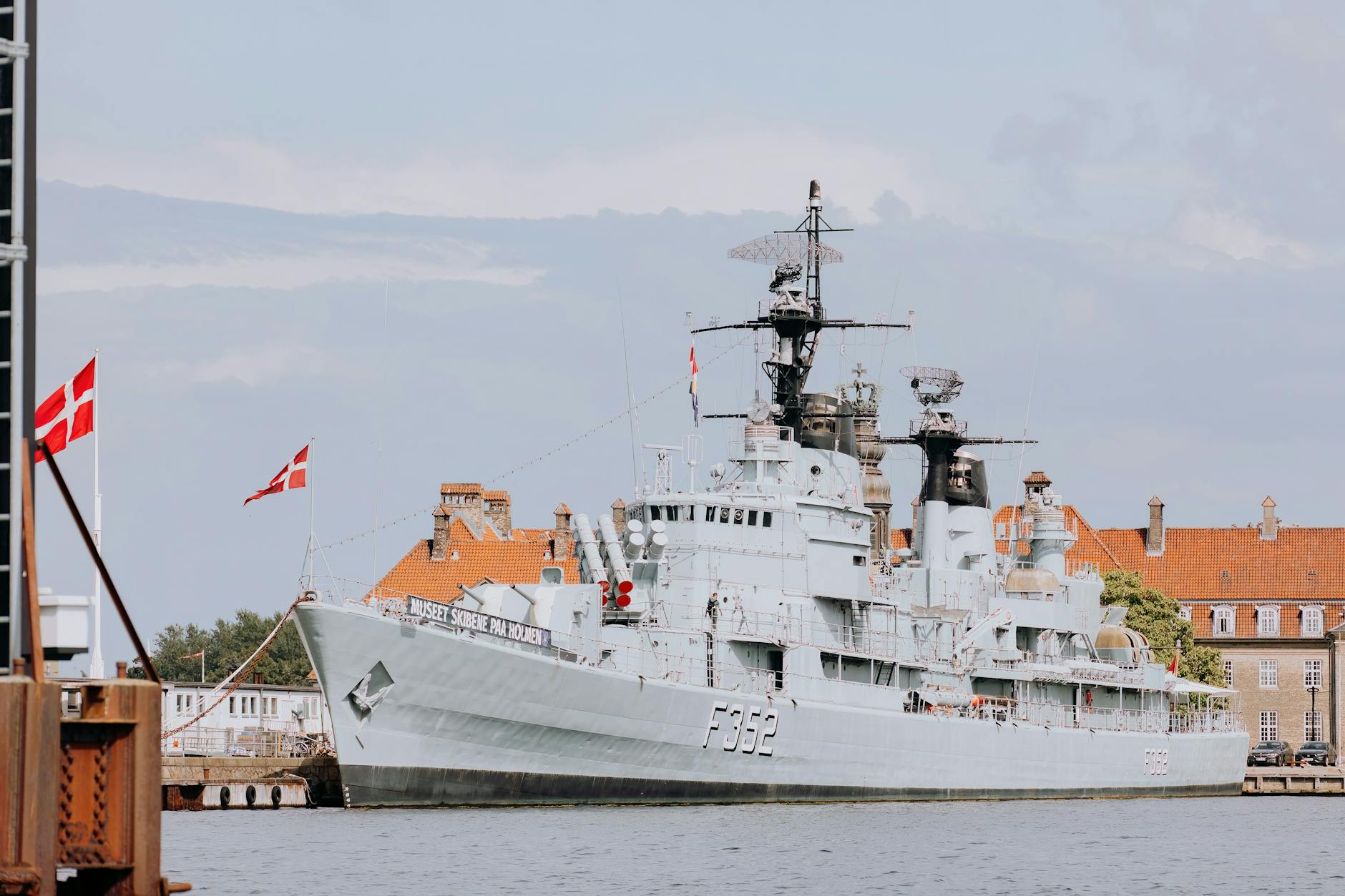
Treat canals and harbor views as weather-sensitive
Copenhagen water views are often the reason a port call feels memorable, but wind, rain, cold, boarding lines, and visibility can change the value of a canal boat or long harbor walk. The traveler should keep water time flexible rather than forcing it into every forecast.
Harbor atmosphere needs a practical backup.
- Check boat schedules, boarding points, weather exposure, and return timing before committing.
- Pair harbor time with a nearby cafe, museum, shop, or taxi point in case conditions change.
- Do not let a scenic water plan consume the return buffer.
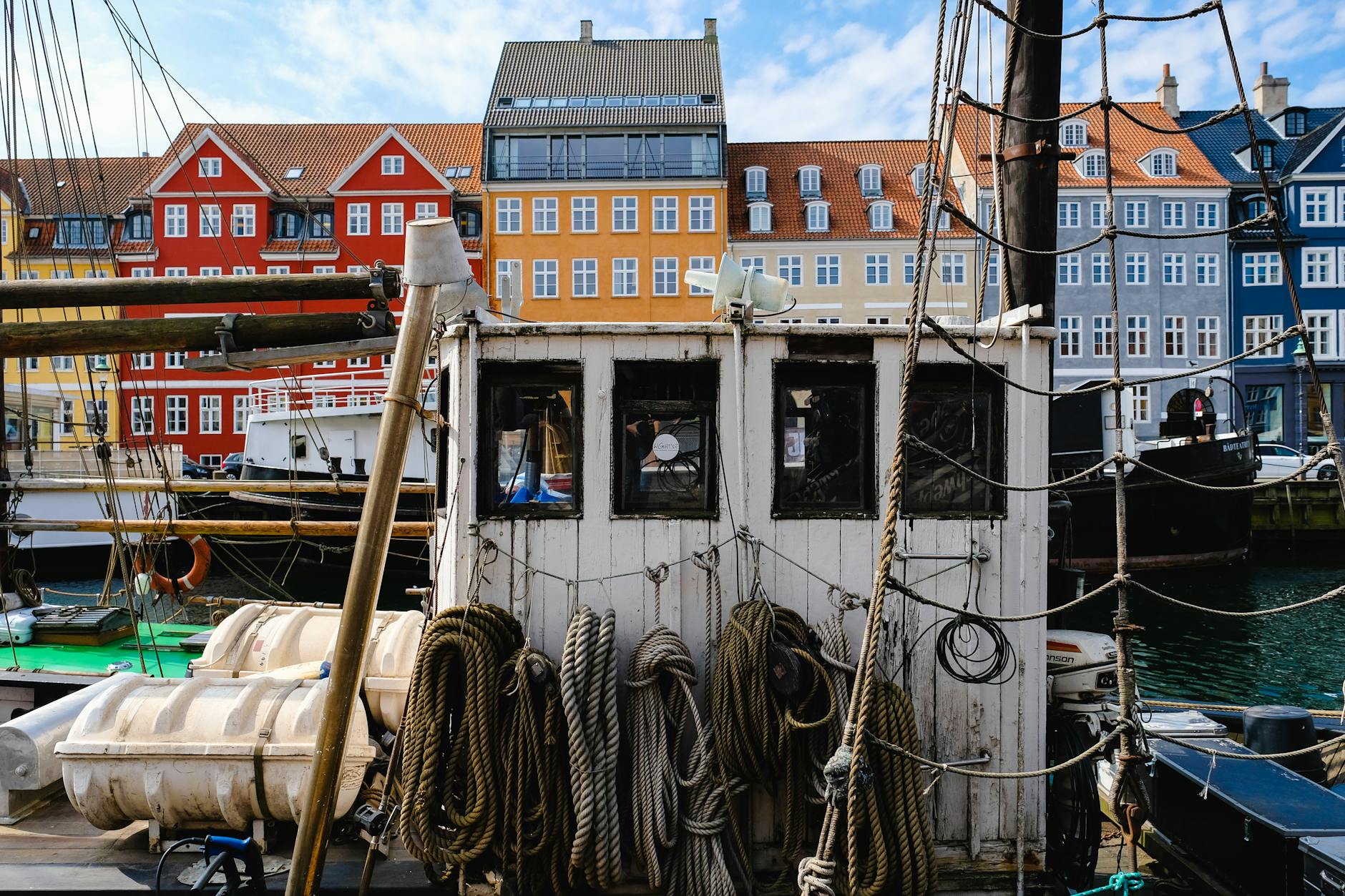
Plan food, payment, and small errands early
A port call can lose too much time to basic needs if lunch, card acceptance, restrooms, pharmacy stops, or souvenirs are left until the final hour. The traveler should place practical errands along the route instead of saving them for the way back.
Small delays are large on a ship day.
- Identify lunch, coffee, restrooms, pharmacy needs, and small purchases near the main route.
- Carry a payment backup and avoid assuming every stop will suit the ship's dining schedule.
- Finish key errands before the return window begins.
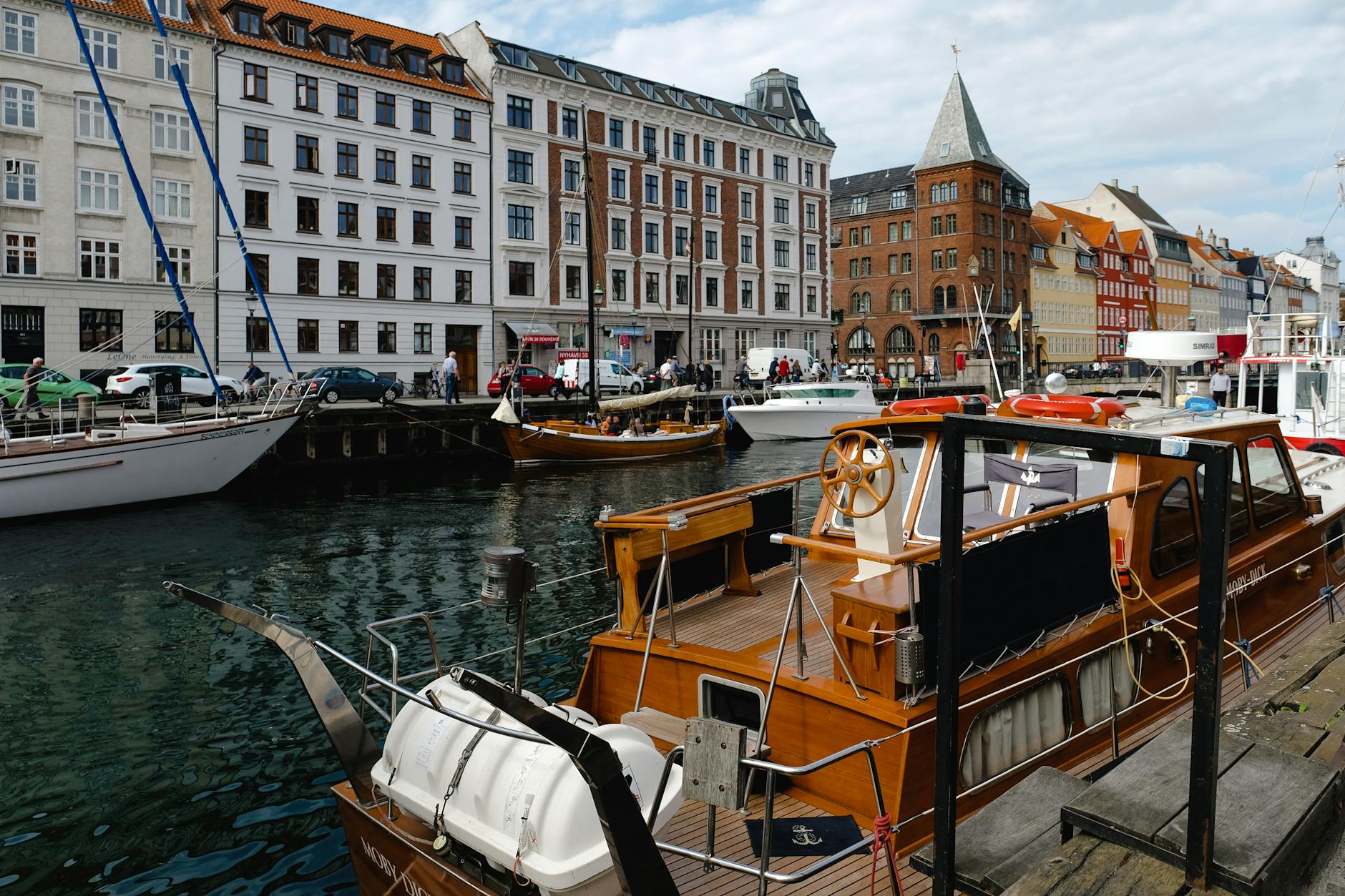
Protect the return to the ship
The return route deserves more attention than the first sightseeing stop. Traffic, rain, taxi demand, fatigue, mobility limits, and confusion over the pier can all become serious when the ship departure is fixed.
The end of the port day should be boring on purpose.
- Set a hard departure time from the city that leaves a real buffer before all-aboard.
- Keep the pier name, ship contact, shuttle details, and taxi option available offline.
- Return earlier when weather, mobility, crowds, or traffic begin to make timing less predictable.
When to order a short-term travel report
A port-call traveler with a ship excursion may not need a custom report. A report becomes useful when berth location, independent sightseeing, mobility, meals, weather, private guide choices, or return timing need to be coordinated before arrival.
The report should test berth logistics, transfer choices, compact city routing, tour options, meal stops, payment, mobility, weather backups, and all-aboard buffers. The value is a Copenhagen port day that feels full without gambling on the ship schedule.
- Order when pier logistics, city routing, tours, meals, weather, mobility, or return timing need coordination.
- Provide cruise line, ship name, date, berth if known, all-aboard time, mobility needs, interests, budget, and risk tolerance.
- Use the report to make the Copenhagen port call more confident and easier to end on time.