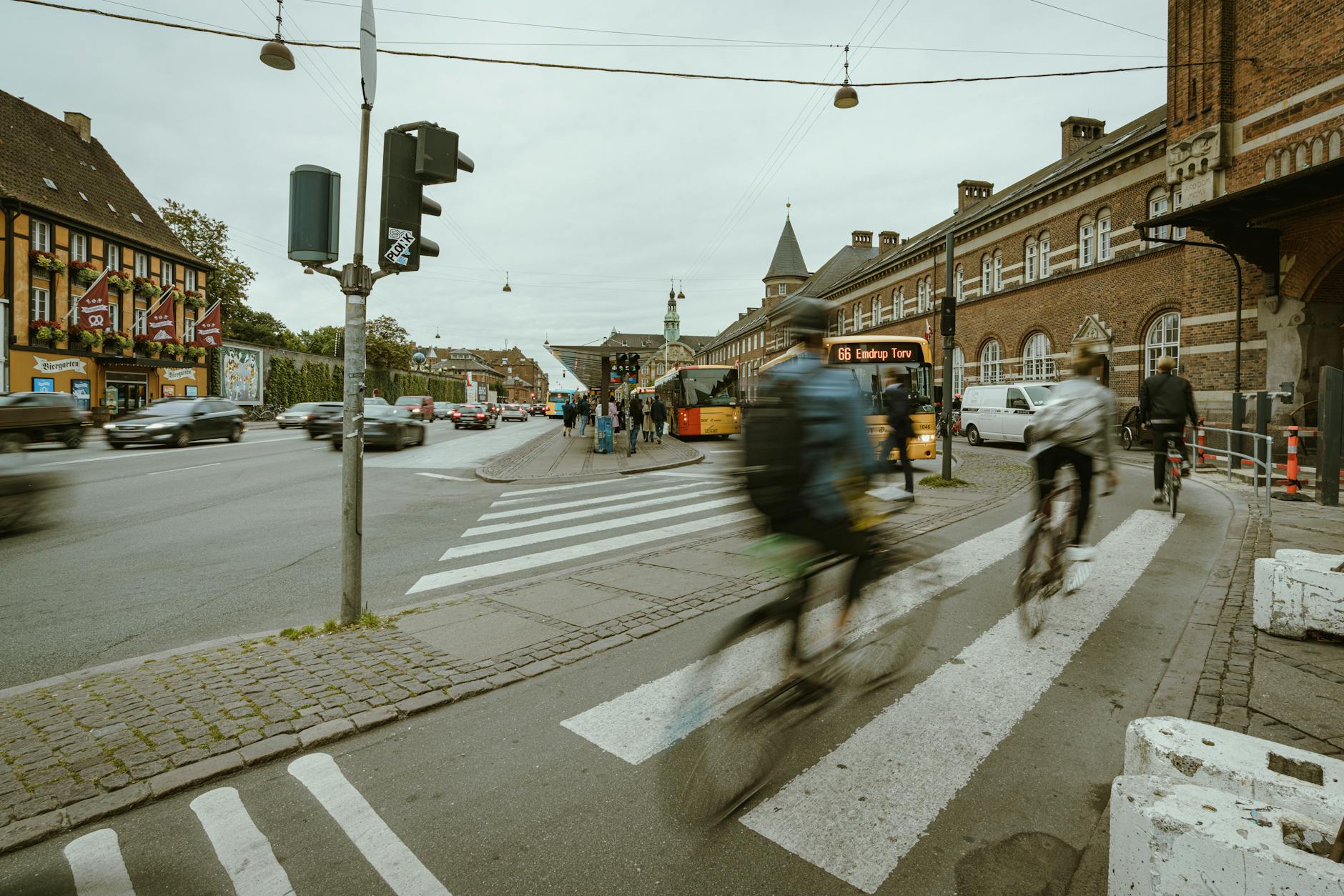
Decide whether the city is worth the window
A Copenhagen stopover can work well, but not every connection deserves a city visit. Immigration, luggage, security, train timing, weather, and the next departure should be compared before the traveler commits to leaving the airport or station area.
The first choice is whether to go at all.
- Calculate the usable city time after immigration, luggage, transfers, security, and boarding cutoffs.
- Stay airport-side when delays, tight connections, heavy bags, or weather make the city route fragile.
- Choose the city only when the return buffer remains comfortable after the main stop.
Use airport and station links deliberately
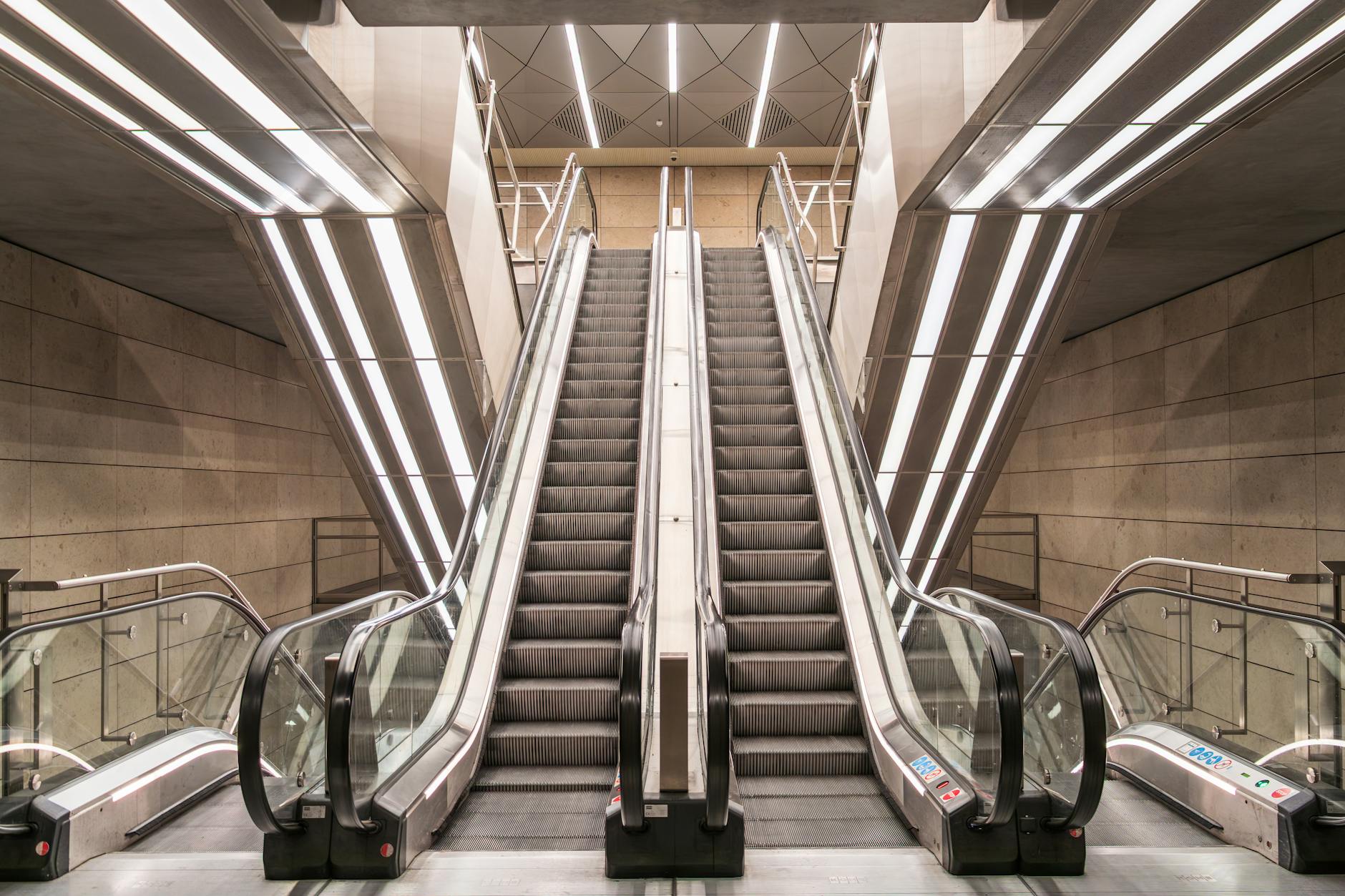
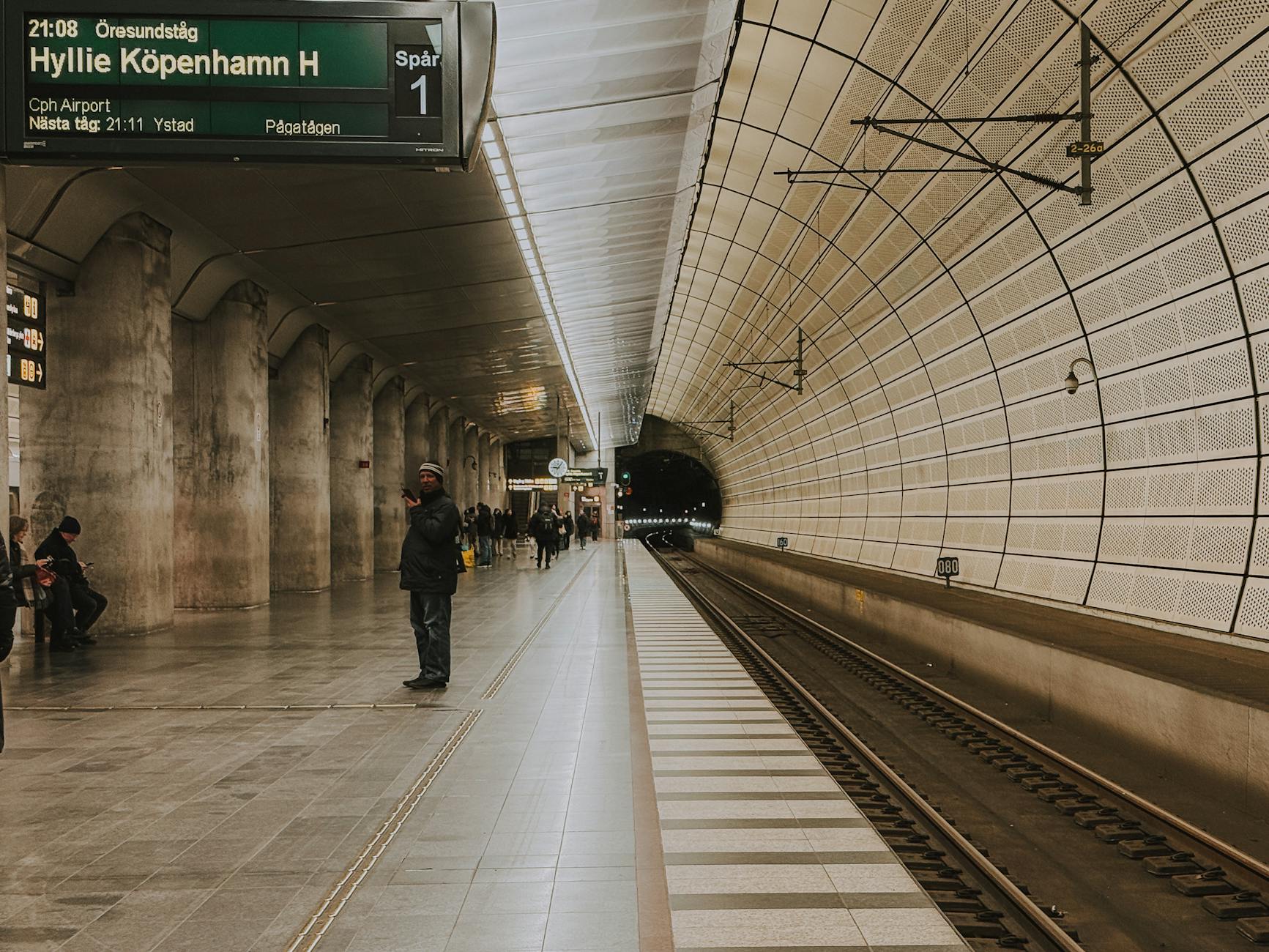
Copenhagen's airport, metro, rail, and central station links can make a stopover efficient, but only when the traveler understands tickets, platform direction, service frequency, and where the route deposits them in the city. A short visit should not begin with ticket confusion.
Transit convenience still needs a plan.
- Confirm ticket type, zone needs, platform direction, service frequency, and payment method before arrival.
- Use the fastest reliable link rather than the route that sounds most scenic.
- Keep a taxi or ride option ready if delays, luggage, or weather change the calculation.
Solve luggage before sightseeing
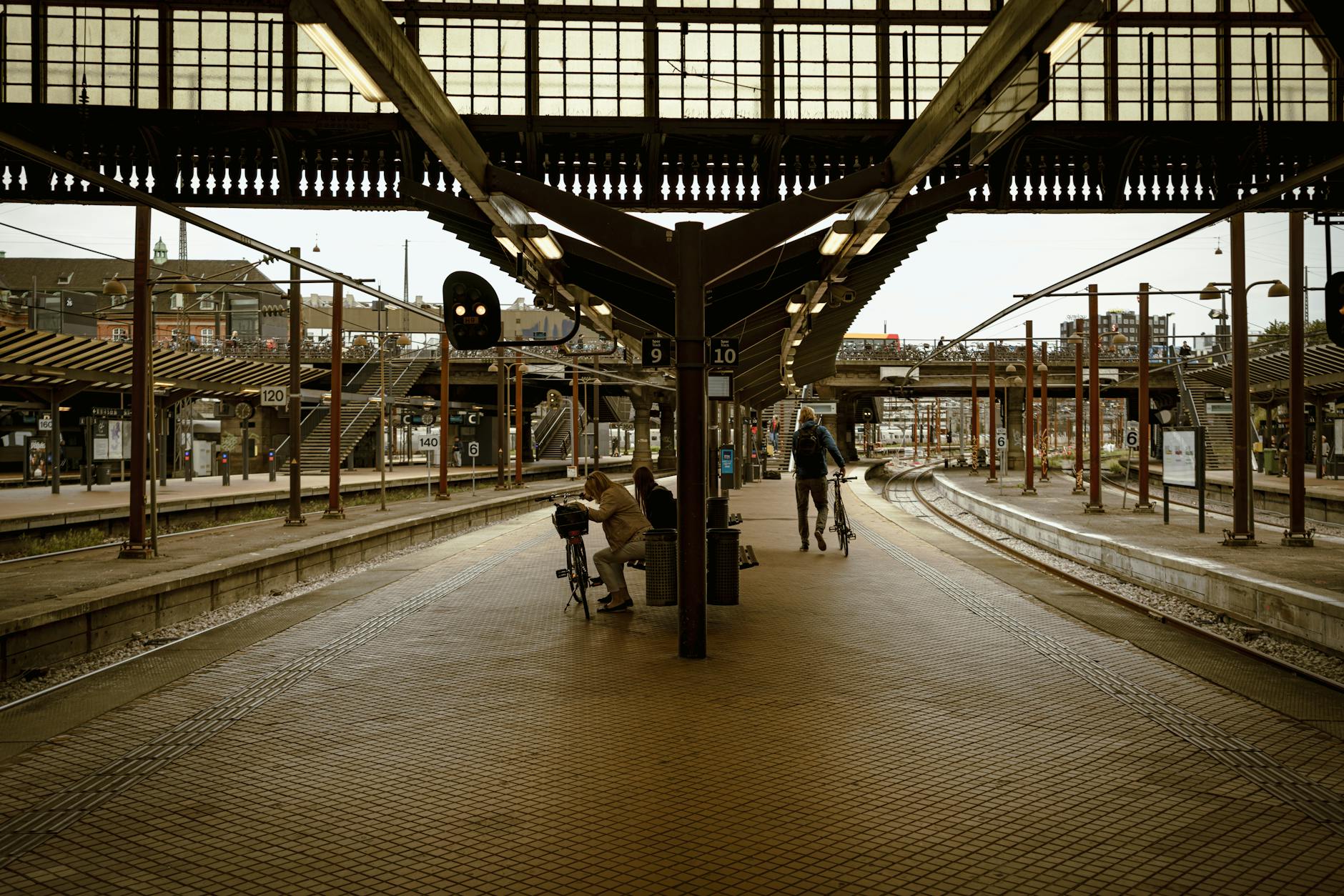
A stopover with bags is a different trip from a stopover without bags. Storage rules, station lockers, hotel luggage help, airline through-check, and carry-on weight should be understood before the traveler tries to walk Copenhagen's streets.
Luggage decides the shape of the route.
- Check whether luggage is through-checked, stored at the airport, stored at the station, or carried.
- Avoid routes with cobblestones, stairs, or long exposed walks when bags stay with the traveler.
- Build the stopover around luggage storage hours and retrieval time.
Keep the Copenhagen route compact
The strongest stopover usually uses one compact city area: Nyhavn and the harbor, a central walk, a meal near the station, or a single museum or shopping district. A scattered plan turns a short connection into a timing problem.
One clean route is enough.
- Choose one main stop and one nearby meal or coffee option.
- Avoid crossing the city for a second attraction unless the connection is long and stable.
- Keep indoor backups near the route for rain, wind, cold, or fatigue.

Plan food and rest as real stops
A stopover traveler may be tired, underfed, or crossing time zones. Copenhagen cafes, bakeries, markets, station food, and airport meals should be used deliberately so the short visit does not become a hungry walk with a deadline.
Food can be the anchor, not the leftover.
- Choose a meal or coffee stop near the transfer route, station, or airport link.
- Check opening hours and avoid depending on a restaurant that creates a long detour.
- Leave time for restrooms, water, phone charging, and a short reset before returning.

Build the departure buffer first
The return to the airport, station, ferry, or next check-in point should be protected before any optional stop is added. Security, passport control, platform changes, traffic, and weather can all turn a pleasant stopover into a missed connection.
The next departure has priority over the city plan.
- Set a firm city departure time and an earlier warning time.
- Keep boarding pass, passport, luggage claim details, and next-terminal information easy to access.
- Return early when delays, weather, or fatigue start to make the connection less predictable.

When to order a short-term travel report
A traveler with a long, simple layover may not need a custom report. A report becomes useful when airport timing, rail transfers, luggage storage, city routing, meals, weather, fatigue, and departure buffers need to fit into a narrow Copenhagen window.
The report should test connection timing, immigration and security assumptions, transit routes, luggage choices, compact city options, meal stops, weather backups, and return buffers. The value is a Copenhagen stopover that stays pleasant because the connection stays protected.
- Order when connection timing, luggage, transit, meals, weather, or return buffers need coordination.
- Provide arrival and departure details, airport or station, airline or rail carrier, luggage status, mobility needs, interests, and risk tolerance.
- Use the report to decide whether Copenhagen is worth the stopover and how to keep the connection safe.