Choose the hotel as the trip's anchor
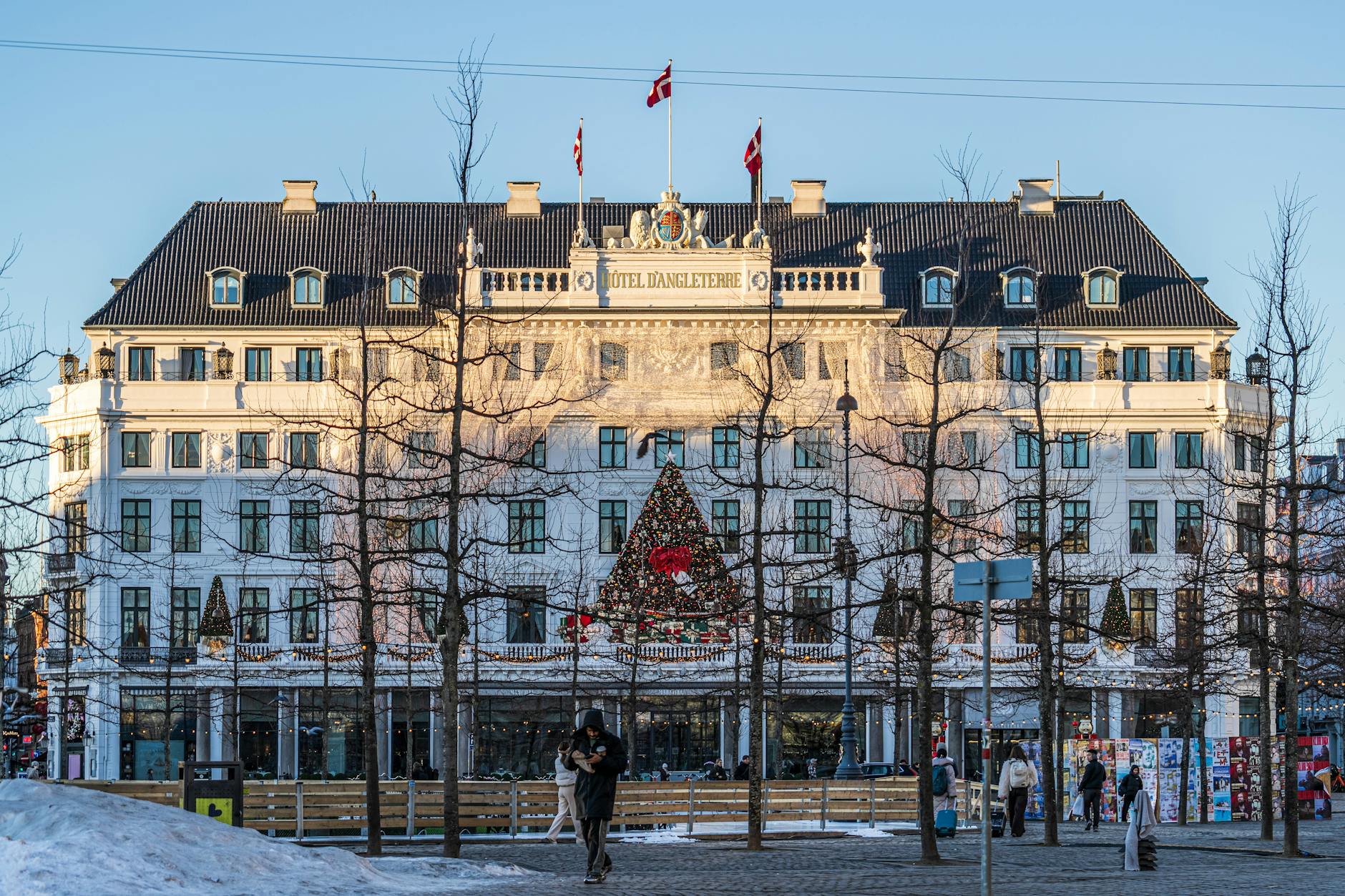
In Copenhagen, the luxury hotel choice should clarify the whole stay: harbor views, old-city access, restaurant proximity, spa time, privacy, or calm neighborhood rhythm. The wrong base can make a short luxury trip feel fragmented even when the property is strong.
The room should make the city easier.
- Compare hotels by neighborhood, room quiet, view, service style, restaurant access, spa, and transfer ease.
- Check early arrival, late checkout, luggage handling, concierge strength, and weather-protected returns.
- Avoid choosing a hotel only by prestige when the daily route depends on another district.
Reserve dining with purpose
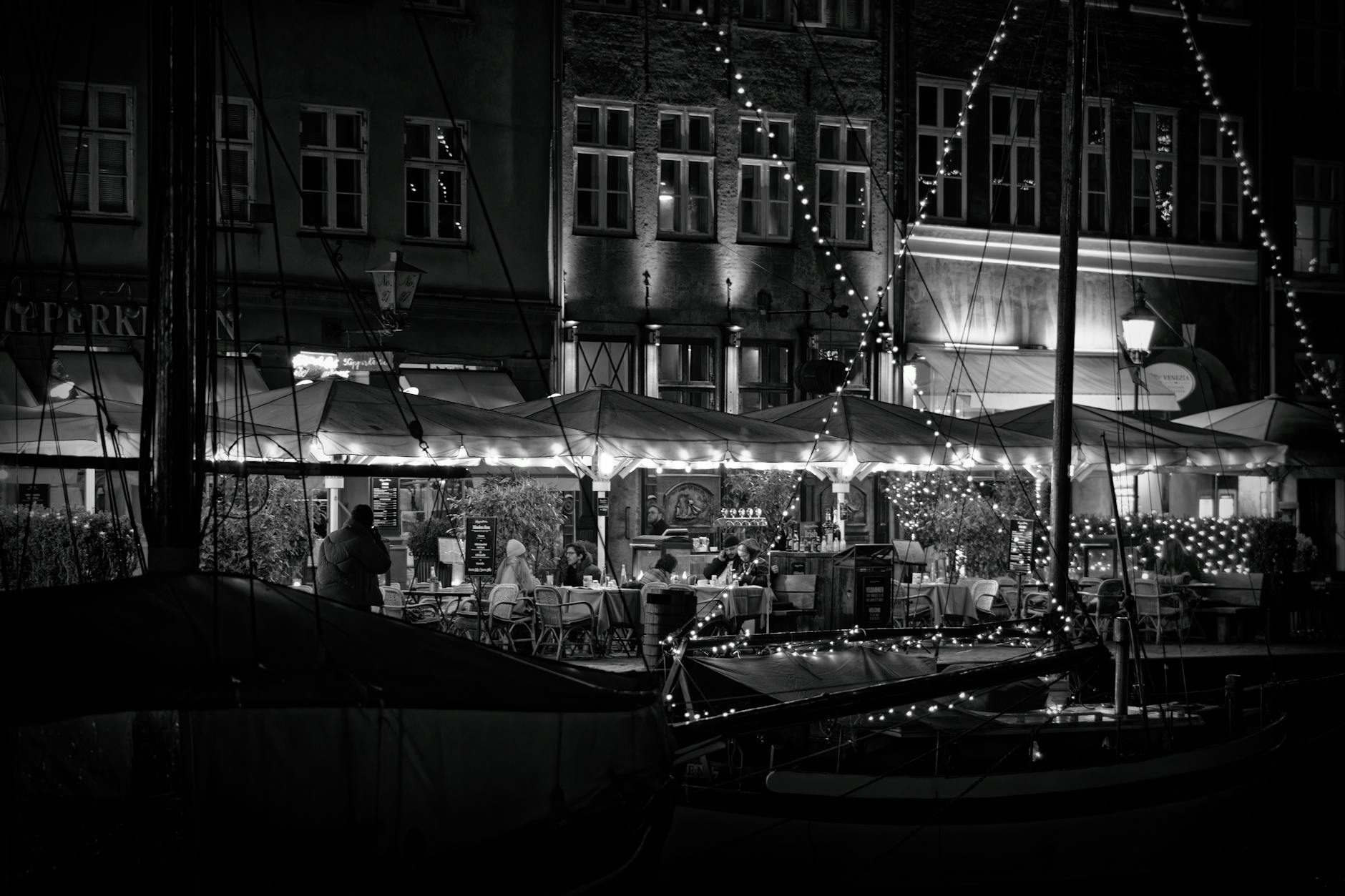
Copenhagen's dining scene can define a luxury trip, but short stays need restraint. The traveler should decide which meals are destination meals, which are neighborhood meals, and which should simply protect energy between activities.
Good dining should support the day, not consume it.
- Reserve high-demand restaurants early and confirm cancellation terms, dietary needs, dress tone, and timing.
- Balance ambitious dinners with easier lunches or hotel meals when travel days are compressed.
- Place major meals near the hotel or next stop unless the restaurant is the day's main event.
Use design and shopping selectively
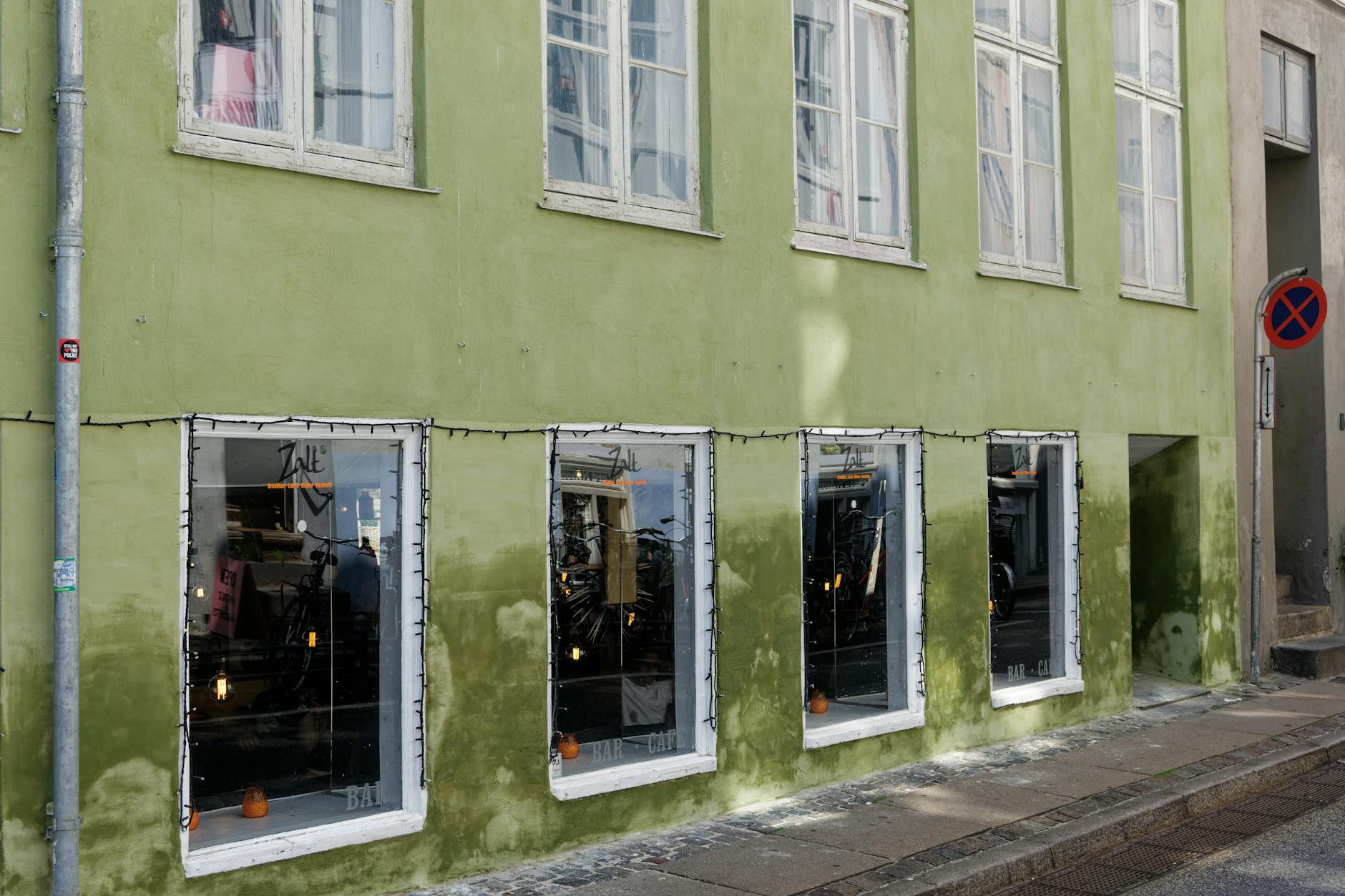
Copenhagen can reward design-focused shopping, galleries, ceramics, fashion, interiors, and small ateliers, but luxury shopping works best when it is woven into a district route rather than treated as a separate checklist.
The strongest purchases usually come from context.
- Choose one or two design districts or store clusters instead of crossing the city for isolated shops.
- Check opening days, appointment requirements, shipping options, VAT refund details, and luggage limits.
- Pair shopping with cafes, galleries, waterfront walks, or hotel returns to keep the day graceful.
Make harbor time feel intentional
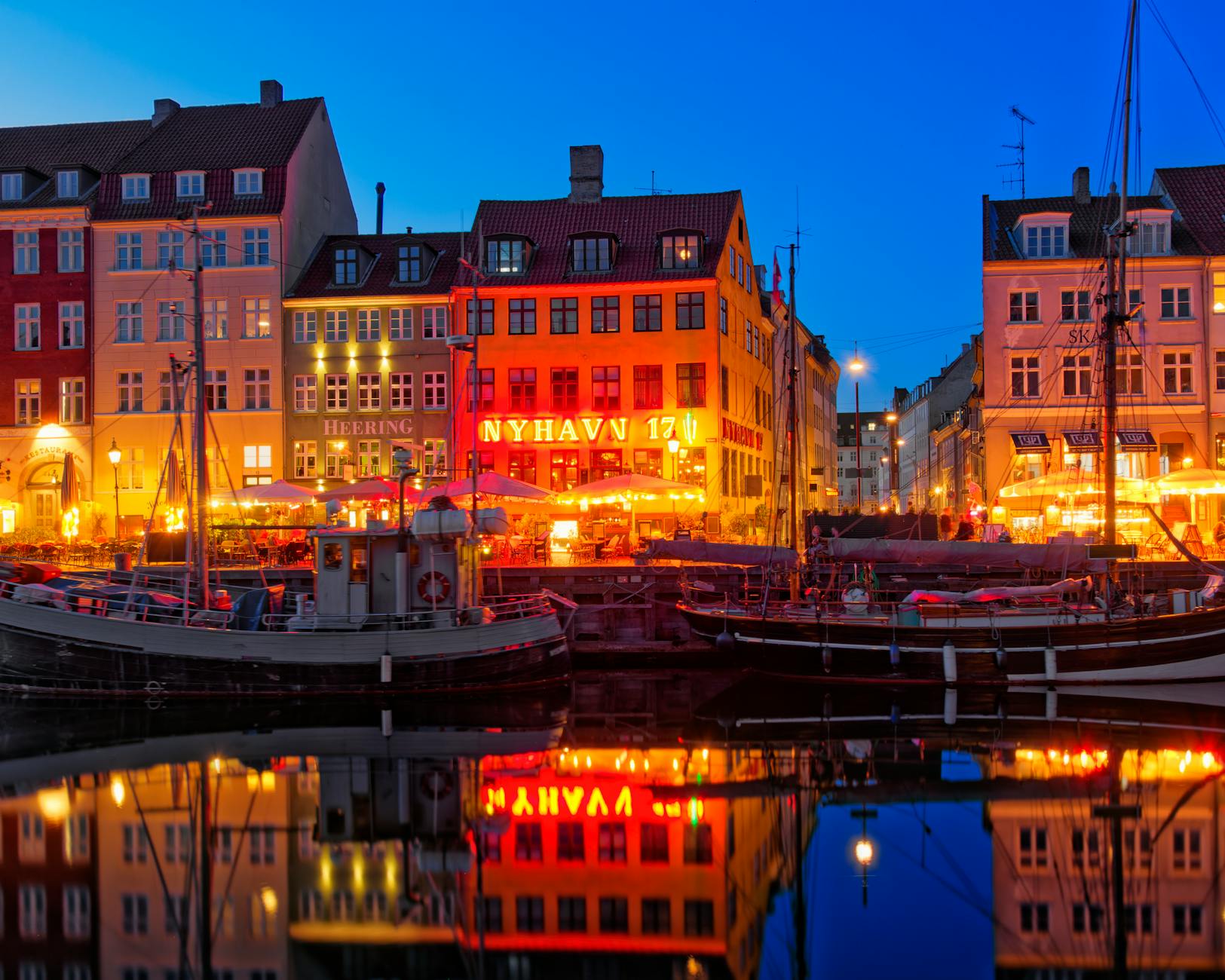
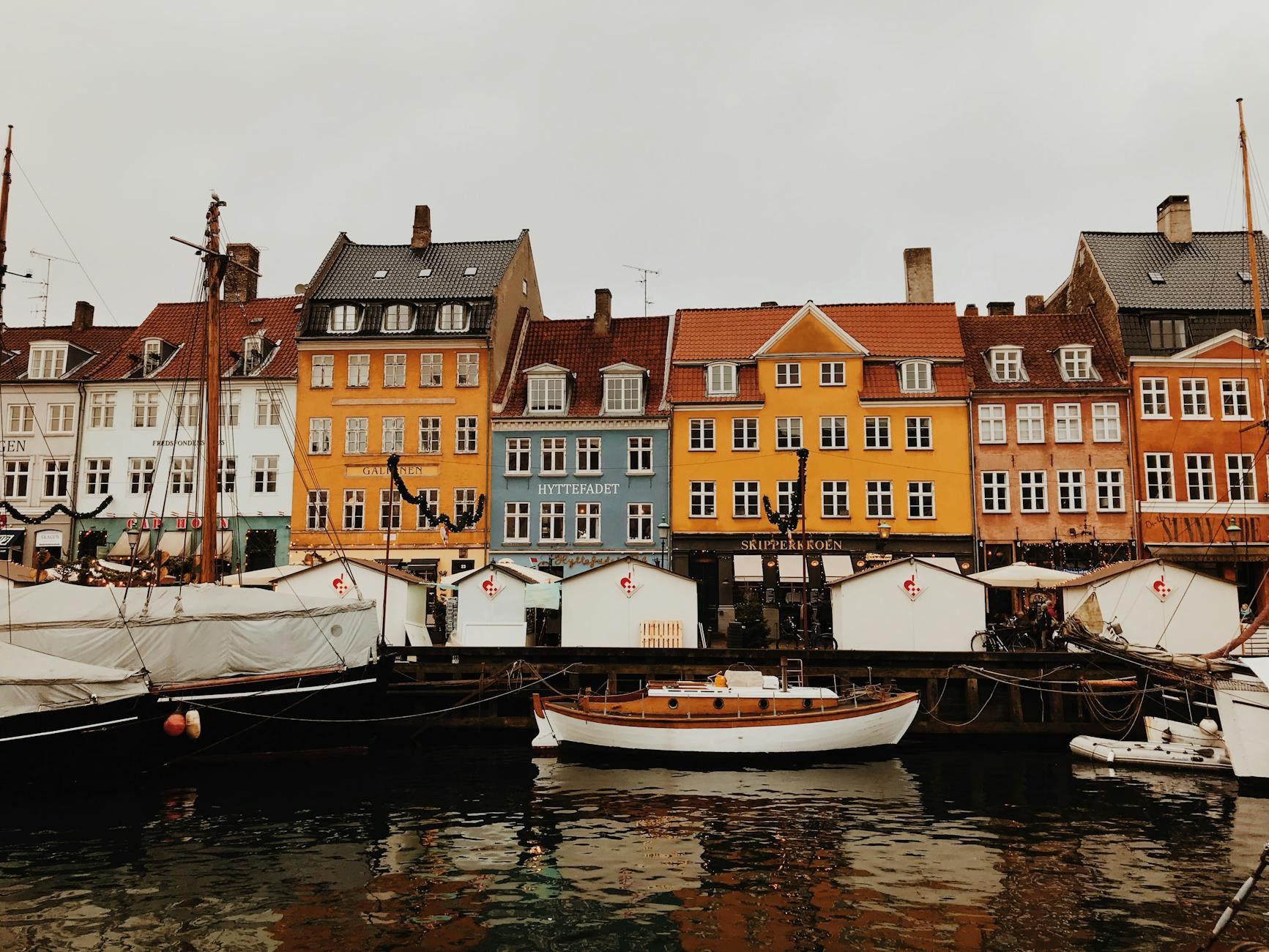
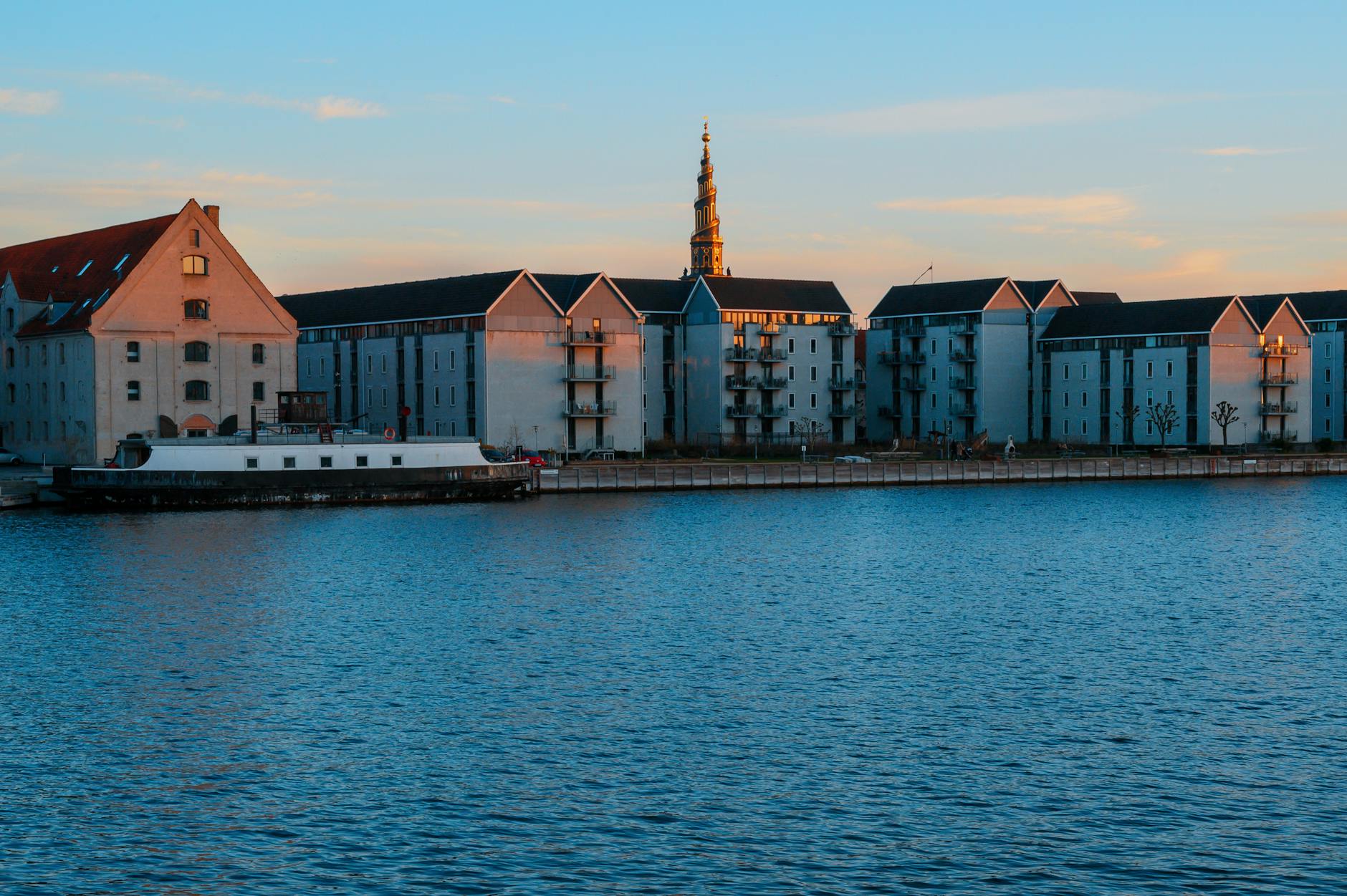
Harbor views, bridges, canals, private boats, waterfront walks, and restaurant terraces can make Copenhagen feel especially refined. The traveler should plan water time around light, wind, meal timing, and the desired level of privacy.
The harbor is part of the luxury product.
- Choose between a canal tour, private boat, harbor walk, waterfront dinner, or hotel-view reset.
- Check wind, rain, sunset, and seasonal daylight before committing to exposed plans.
- Avoid stacking multiple waterfront activities when weather or fatigue would make them feel repetitive.
Protect wellness and recovery time
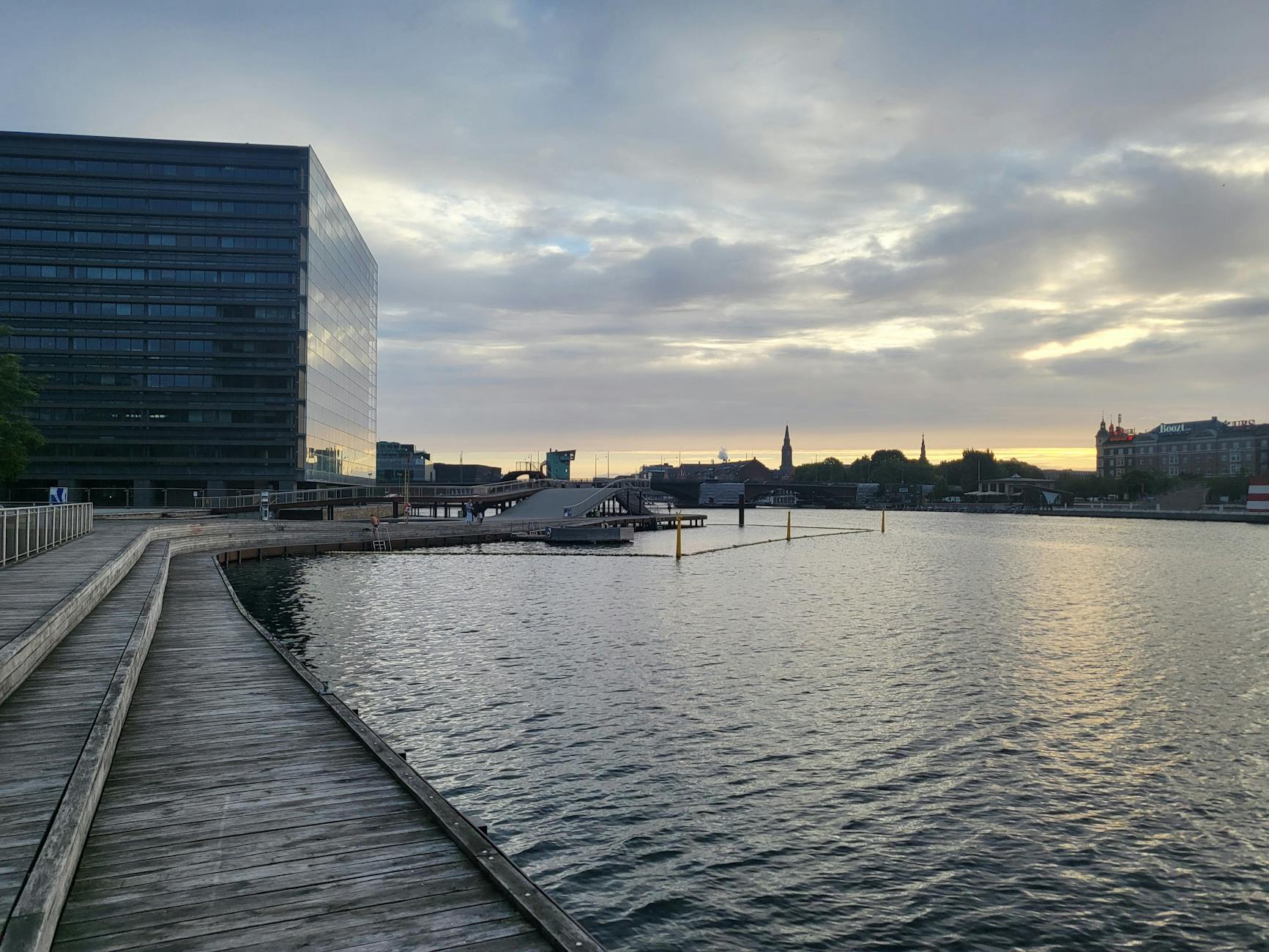
A luxury stay can become less comfortable when every hour is allocated to restaurants, shopping, and appointments. Spa time, sauna, a harbor bath, a quiet morning, or a hotel reset may be what makes the short trip feel expensive in the right way.
Recovery should be part of the itinerary.
- Schedule spa, sauna, swim, or room downtime before the trip is already tiring.
- Keep one flexible block for weather changes, jet lag, or a longer meal.
- Use private transfers or taxis when they protect energy between high-value experiences.
Choose transfers by comfort, not habit
Copenhagen's metro and rail can be efficient, but luxury travelers should compare them honestly against private transfers, taxis, and walking. Luggage, rain, timing, dinner clothes, and meeting points can make a direct car the smarter option.
The smoothest transfer is the right one.
- Use private transfers for arrival, departure, bad weather, late dinners, or luggage-heavy movement.
- Use metro or rail when it clearly saves time and the route is simple.
- Confirm airport timing, pickup points, payment, and hotel access before travel days.

When to order a short-term travel report
A luxury traveler with one hotel and a few flexible meals may not need a custom report. A report becomes useful when hotel choice, dining reservations, private transfers, design shopping, wellness, weather, or a short arrival window need coordination.
The report should test hotel fit, room timing, dining sequence, transfer options, design districts, harbor plans, spa or wellness time, weather, shopping logistics, and departure buffers. The value is a Copenhagen luxury trip that feels composed instead of over-managed.
- Order when hotel selection, dining, transfers, design shopping, wellness, weather, or departure timing need coordination.
- Provide dates, arrival details, hotel options, restaurant goals, shopping interests, wellness preferences, budget, and pace.
- Use the report to make Copenhagen feel polished, quiet, and easy to inhabit.