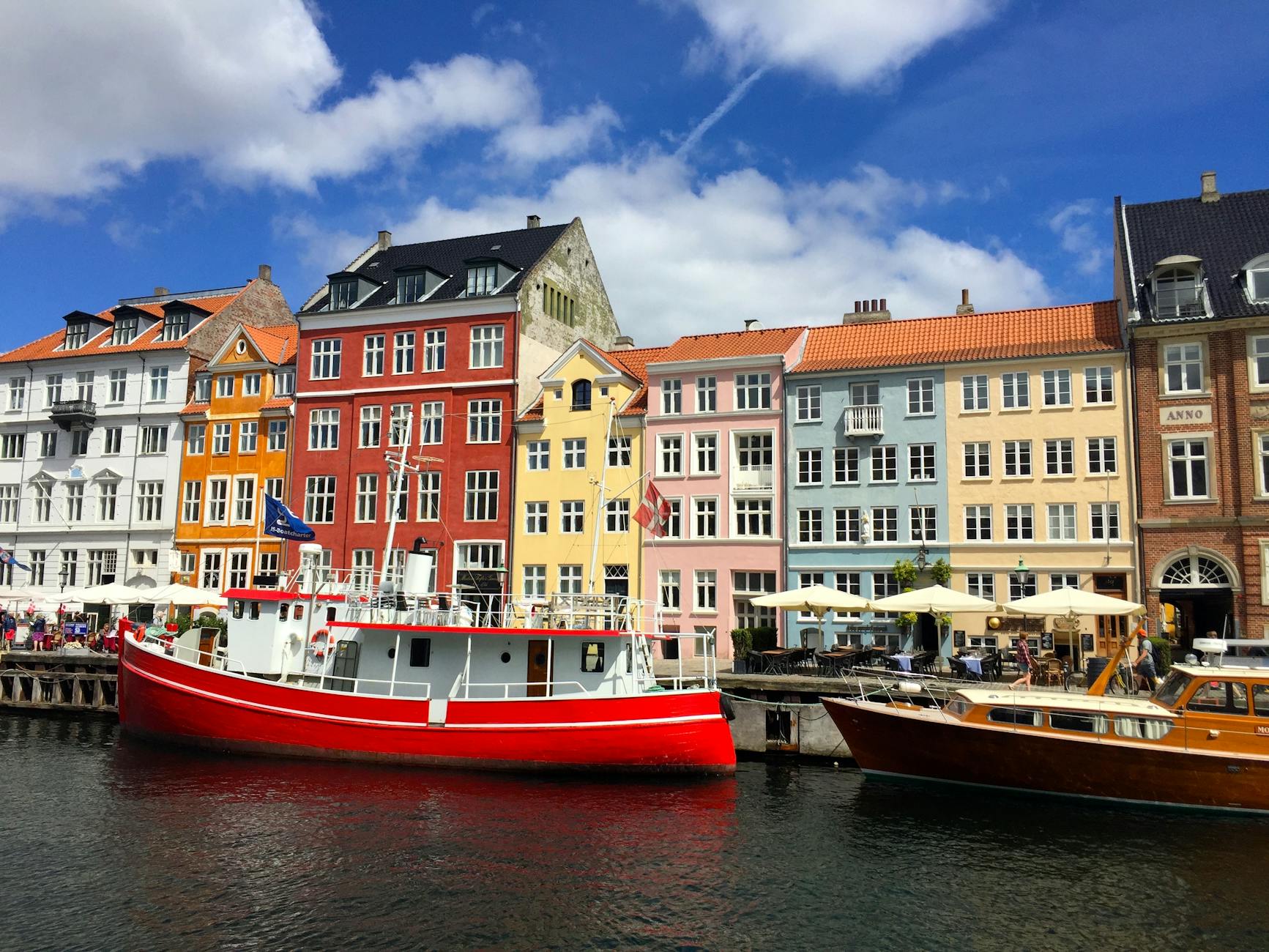
Choose outdoor goals by season
Copenhagen outdoor travel changes with daylight, wind, water temperature, rain, and seasonal opening hours. A traveler should decide whether the trip is about cycling, harbor swimming, kayaking, long walks, beaches, parks, or low-key waterfront time.
The season should shape the ambition.
- Check daylight, wind, rain, water temperature, and seasonal openings before committing to outdoor activities.
- Pick one main outdoor anchor per day and place cafes or indoor options nearby.
- Avoid assuming summer-style pacing in colder, windier, or darker months.

Use bikes confidently, not casually
Cycling is central to Copenhagen, but visitors should not treat the bike network as a novelty ride without learning the rules. The outdoor traveler should understand lanes, signals, parking, locks, traffic flow, and rental terms before using bikes for the day.
Confidence matters more than proving the point.
- Review cycling rules, hand signals, lane behavior, bike parking, lights, and rental pricing before riding.
- Use bikes for routes where they genuinely improve the experience and timing.
- Switch to walking, transit, or taxis when weather, fatigue, gear, or traffic comfort changes.
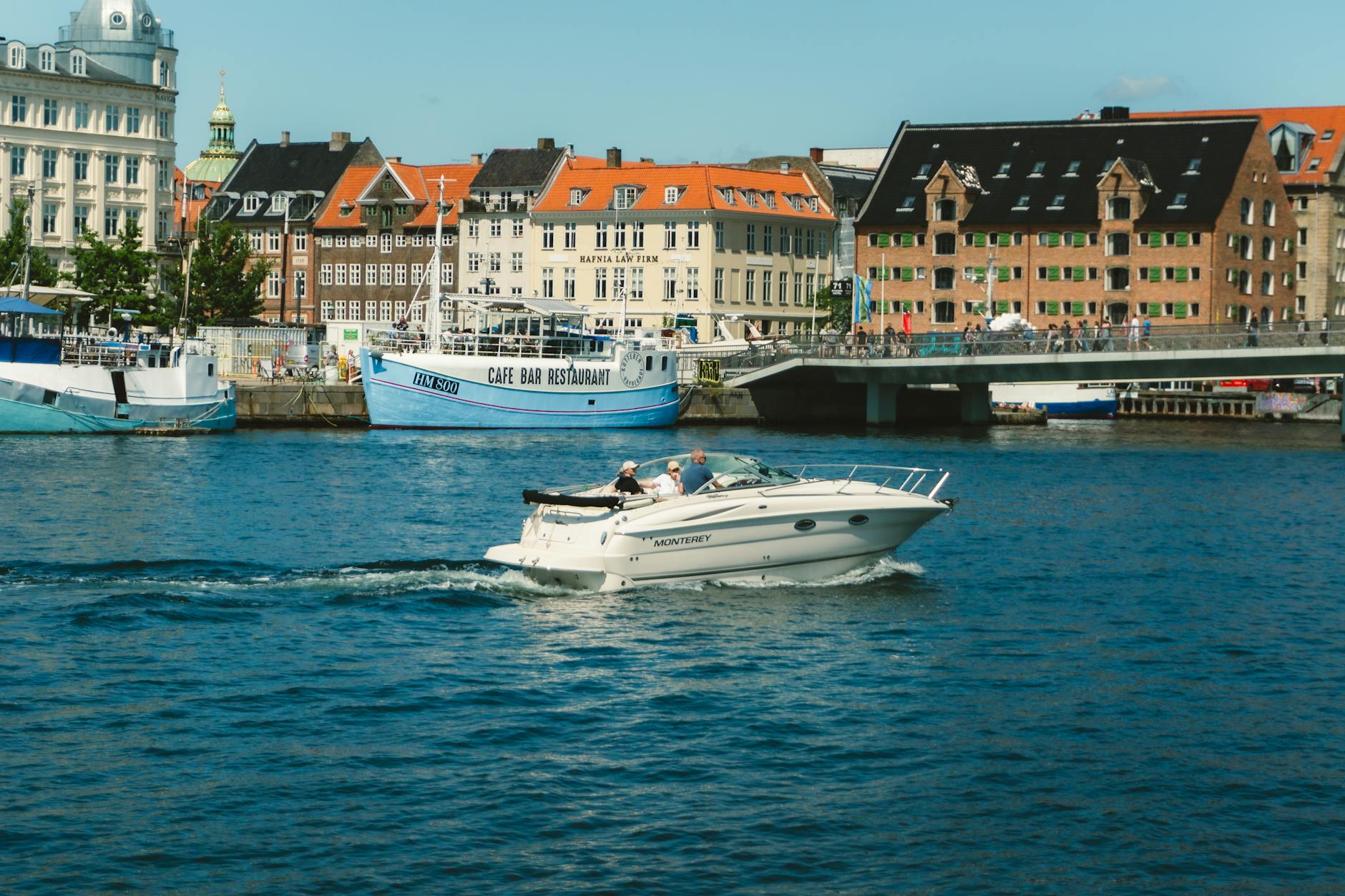
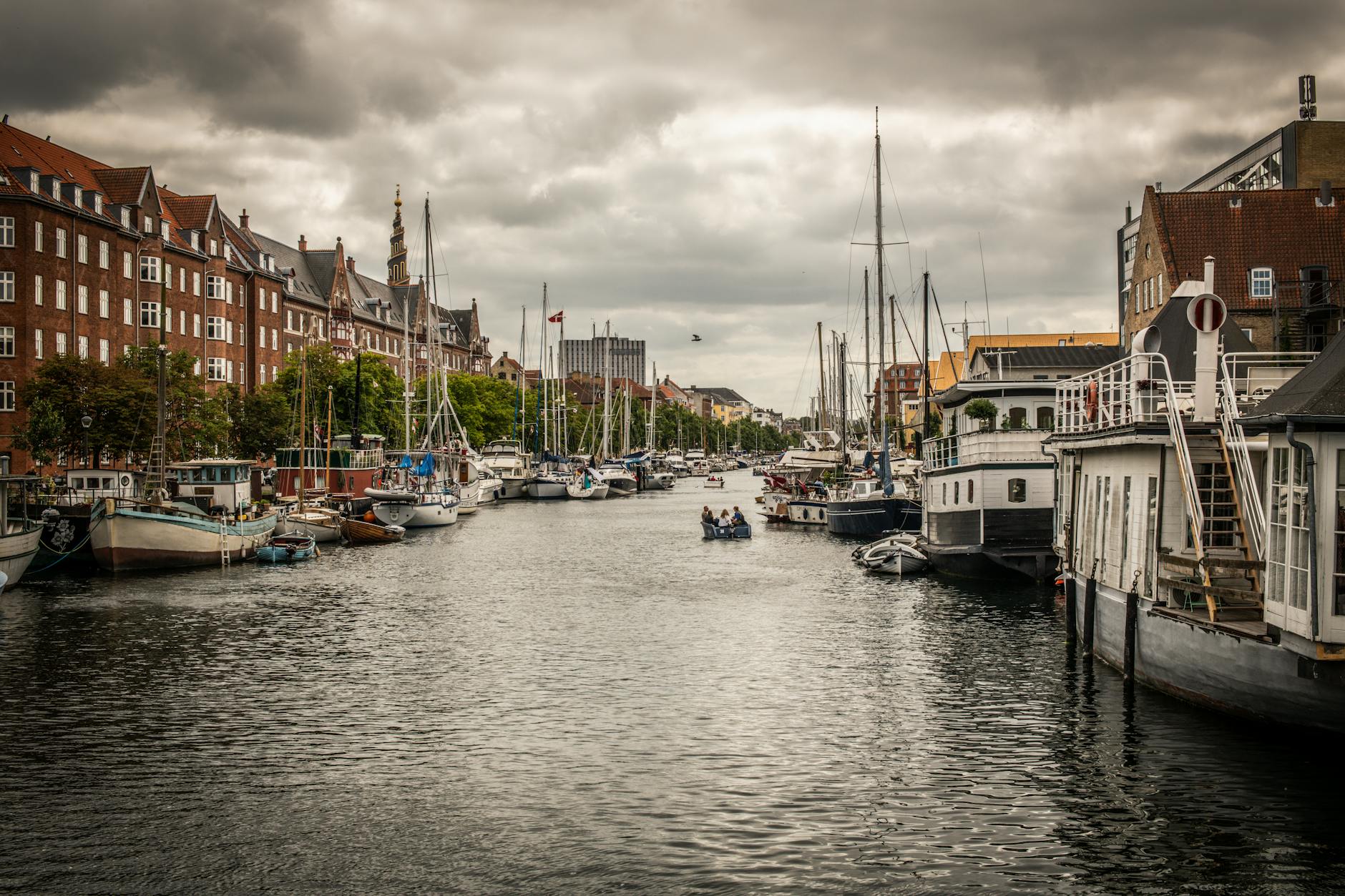
Treat kayaking and canal time as logistics
Canals and harbor routes can be memorable, but they require planning around booking, weather, clothing, dry storage, boarding points, and return routes. A short Copenhagen stay leaves little room for confusion at the water's edge.
Water activities need more than enthusiasm.
- Confirm booking rules, launch points, water conditions, clothing, storage, and cancellation policies.
- Pair water activities with nearby showers, food, transit, or a hotel return.
- Keep a dry-land alternative for wind, rain, cold, or low visibility.
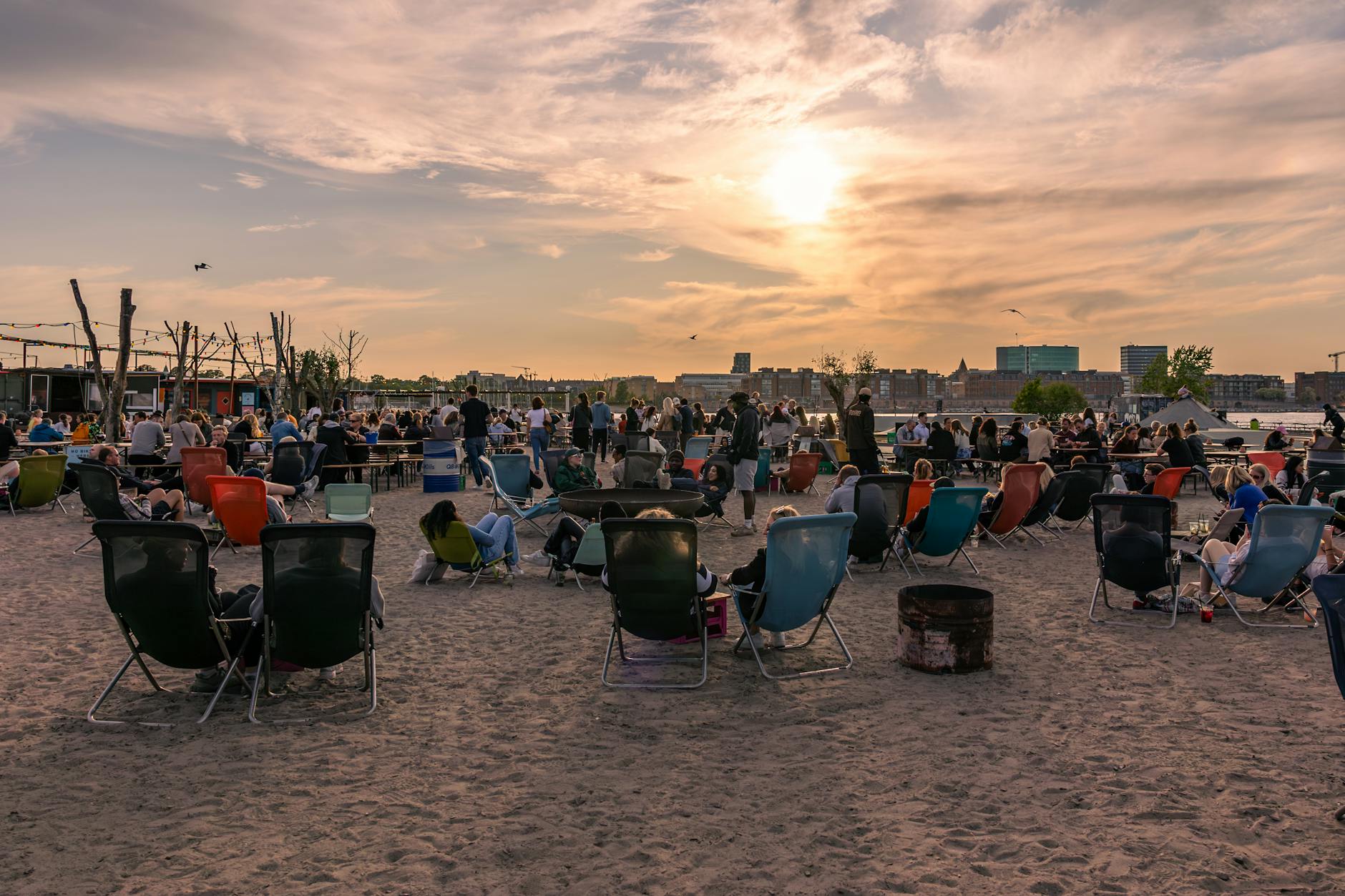
Plan beaches and swims around conditions
Copenhagen can offer beach time, harbor baths, and open-water moments, but safety depends on conditions, season, facilities, and confidence in the water. The traveler should check the practical details rather than treating a swim as a spontaneous add-on.
Water plans should be deliberate.
- Check water access, lifeguard or facility information, showers, changing areas, weather, and local rules.
- Bring layers, towel, dry bag, sandals, and a clear post-swim route.
- Skip the swim when wind, temperature, fatigue, or water conditions make it a poor tradeoff.
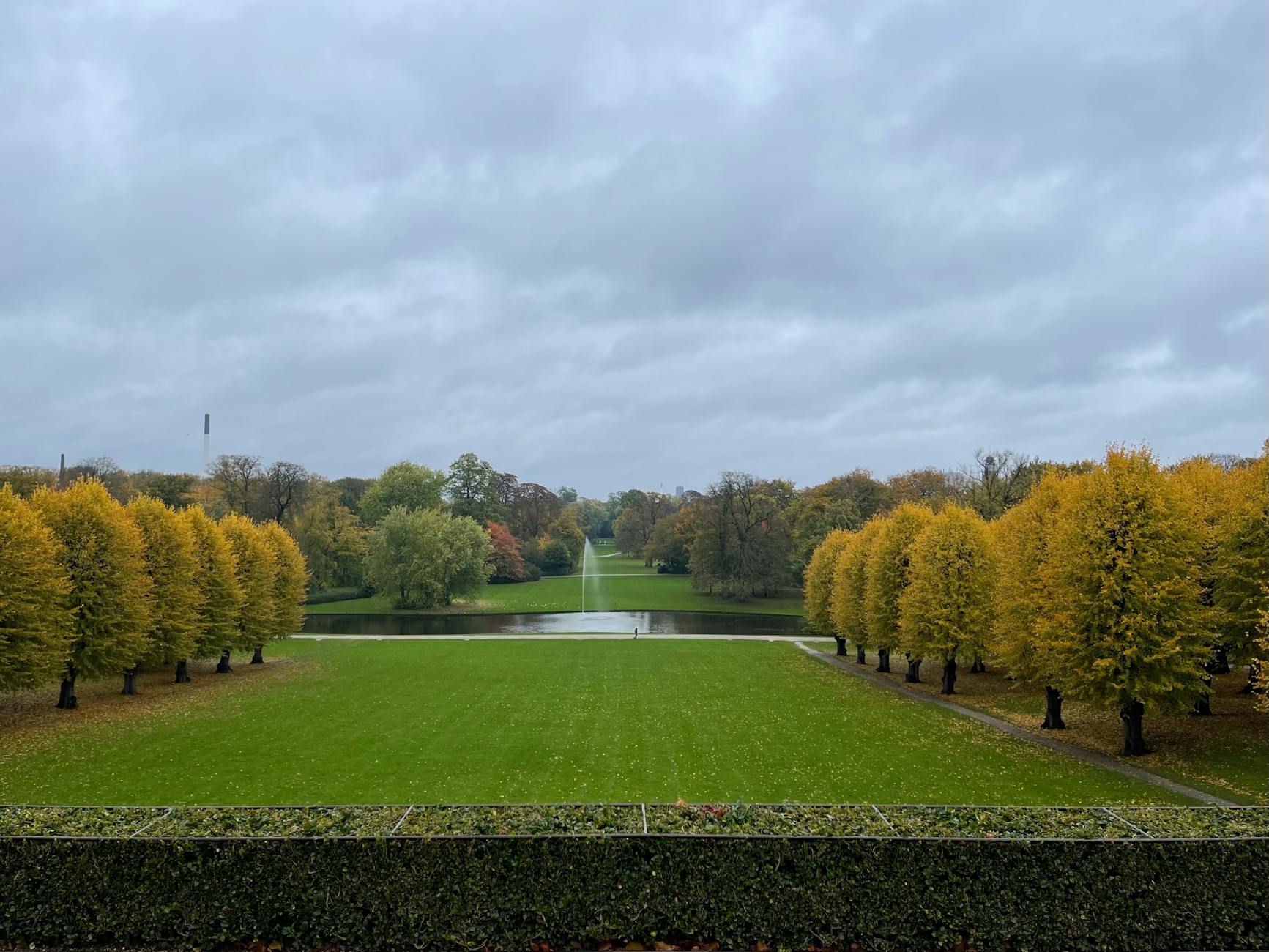
Use parks and green spaces for recovery
Outdoor travel does not have to mean constant exertion. Copenhagen parks, lakes, gardens, waterfronts, and tree-lined routes can provide recovery between more active blocks, especially when the trip is short.
A good outdoor day needs softer edges.
- Use parks, lakes, gardens, and waterfront walks to balance cycling, kayaking, or long sightseeing routes.
- Plan food, water, restrooms, and transit near longer outdoor blocks.
- Keep one lower-intensity option for soreness, rain, or a late start.
Keep gear and weather simple
A short Copenhagen outdoor trip is easier when the traveler carries only what supports the day. Layers, rain protection, phone power, dry storage, comfortable shoes, and flexible routing can matter more than specialized gear.
The best kit is the one that keeps plans adaptable.
- Pack layers, rain shell, comfortable shoes, dry bag, power bank, and simple navigation backups.
- Check whether rentals include helmets, locks, paddles, storage, or insurance.
- Leave heavy gear behind when it would make transit, cafes, or museum backups harder.
When to order a short-term travel report
An outdoor traveler with flexible plans may not need a custom report. A report becomes useful when biking, harbor swimming, kayaking, beach time, parks, gear, weather, and departure timing need to fit into a short Copenhagen stay.
The report should test outdoor anchors, seasonal conditions, bike routes, water access, rental rules, park options, gear needs, weather backups, meal stops, and departure buffers. The value is a Copenhagen outdoor trip that stays active without becoming fragile.
- Order when cycling, water activities, beaches, parks, gear, meals, weather, or departure timing need coordination.
- Provide dates, arrival details, outdoor goals, comfort with cycling or water, equipment needs, hotel options, budget, and pace limits.
- Use the report to keep the active trip realistic, weather-aware, and easy to adjust.